
Reviewed · SALVADOR & BAHIA TOURS
Salvador: 4-Hour Candomblé Mysteries Tour
Salvador keeps its mysteries in plain sight. This four-hour tour connects the city’s Afro-Brazilian museums, Candomblé traditions, maroon communities, and famous old streets in a way that gives each stop a larger meaning. I especially like the small private group of up to six and the chance to see Salvador with guides such as Nilson, Fernando, Monia, and Maria Nunes, who have earned praise for their clear explanations and personal attention. The main drawback is that one recent participant paid an extra 20 Brazilian reais per person for entry, despite entrance fees being listed as included, so I would confirm that point before setting out.
I also like that the tour treats Candomblé as a living faith rather than a collection of spooky tales. You will hear about enslaved Africans, African gods, colonial-era refuge communities, and the cultural growth of Salvador’s neighborhoods. Still, this is a fast four-hour route, and some stops receive only 20 to 50 minutes. If you want long museum visits or an extended religious consultation, you may find the schedule tight.
In This Review
- Key points to know before you book
- Why this Salvador tour feels different
- Starting with slavery and identity at the Afro-Brazilian Museum
- Seeing Salvador from Dique do Tororó
- Pierre Verger’s photographs and the power of the archive
- From maroon refuge to community life
- Entering an Ewe-Fon Candomblé terreiro
- Ending in Pelourinho’s historic streets
- Guides, group size, and the human side of the tour
- Is $110 a fair price?
- Who should book this Candomblé tour?
- FAQ
- How long does the Candomblé Mysteries Tour last?
- What languages are available?
- Is hotel pickup included?
- How large is the group?
- What is included in the price?
- Is food included?
- Can I visit a Candomblé terreiro?
- Is the sacred oracle consultation included?
- What should I wear?
- Can I cancel the booking?
Key points to know before you book
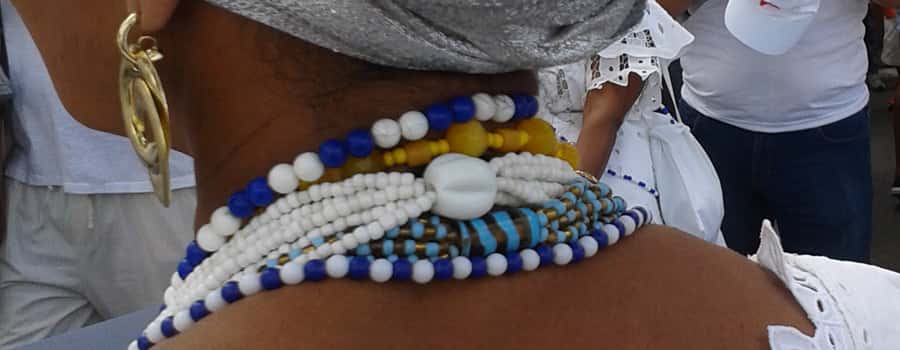
- A serious introduction to Candomblé: The route explains African-origin religions in Brazil and works to correct old, harmful myths.
- The Afro-Brazilian Museum comes first: Its objects trace the forced movement of Africans and the identities they preserved in Brazil.
- Pierre Verger adds a strong visual record: The gallery presents the work of a French anthropologist, photographer, and writer who documented slavery and Afro-Brazilian life.
- Dique do Tororó offers a useful photo stop: You get a short guided visit and views of one of Salvador’s notable city sites.
- The terreiro visit is culturally important: You may visit a Candomblé terreiro connected to the Ewe-Fon tradition, with an optional sacred oracle consultation for an extra fee.
- Hotel pickup makes the half-day easy: Transport is provided in an air-conditioned vehicle from your Salvador hotel or port.
Why this Salvador tour feels different
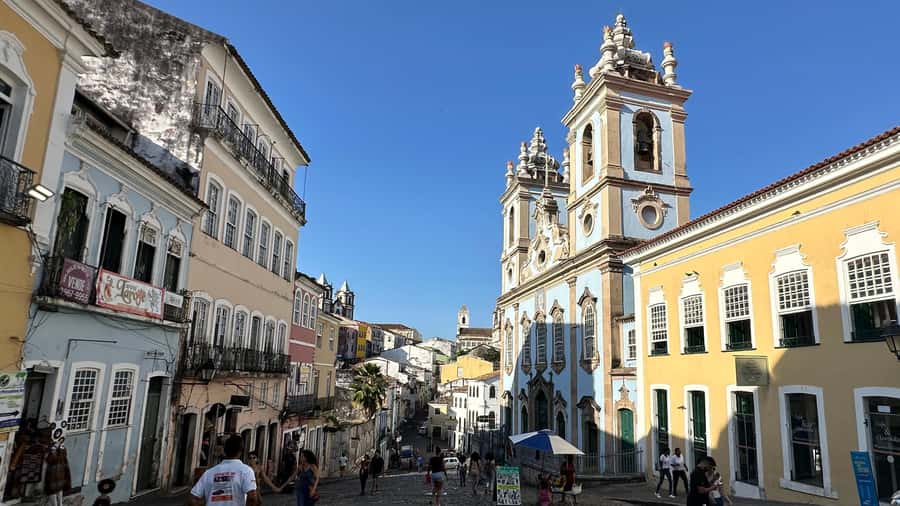
Salvador is often introduced through Pelourinho’s painted churches, steep streets, and colonial buildings. Those sights matter, but they can leave you with only part of the city’s story. Salvador is known as the Black Rome because of its large Black population and its powerful African and Indigenous cultural roots.
This tour asks you to look beyond the façades. It links objects in a museum to people forced across the Atlantic, then connects those stories with photography, community life, sacred practice, and the city’s changing neighborhoods.
I appreciate that approach. Candomblé has often been described by outsiders through fear, superstition, or careless shorthand. The stated purpose here is to correct those ideas and explain the traditions with respect. You are not simply shown a ceremonial space and handed a list of exotic details. You are given historical context first, which makes the later visit to a terreiro easier to understand.
The private format matters, too. With a maximum of six people, you can ask questions without trying to speak over a large bus group. The guide can also adjust the conversation to your interests. Katharina, who joined the tour with Nilson, said he adapted the route to her needs and suggested other places to visit in Salvador. That kind of local advice can be worth as much as the formal sightseeing.
A few more Salvador Brazil days to weigh up
- From Salvador: Schooner Tour to Frades Islands and Itaparica
★ 3.9 · 98 reviews - Afro-Brazilian Roots Private City Tour in Salvador
★ 4.7 · 88 reviews - Salvador Historic Walking Tour – Pelourinho
★ 4.8 · 62 reviews
Starting with slavery and identity at the Afro-Brazilian Museum
The route begins at the Afro-Brazilian Museum, where you spend about 30 minutes on a guided visit. That is not a long museum session, so you should expect an introduction rather than a complete examination of every room and object.
The museum’s purpose is especially important here. Its collection tells the story of enslaved Africans, the transatlantic trade, and the movement of people from different parts of Africa into Brazil. The objects also show that these people did not arrive without culture or identity. They brought artistic skills, religious ideas, social customs, and intellectual traditions that continued to develop under brutal conditions.
I find this a useful place to begin because it gives the rest of the tour a firm foundation. When you later hear about Candomblé nations, sacred objects, or maroon communities, you have already been introduced to the forced migrations and cultural survival behind them.
The collection represents several African regions, not one single African tradition. That distinction matters. Candomblé in Brazil includes different nations and lineages, and the tour later focuses on an Ewe-Fon tradition of Dahomean origin. The museum stop helps you understand why Afro-Brazilian religious life cannot be reduced to one simple set of practices.
The limitation is time. If museums are your main reason for booking, you may want to return independently for a slower visit. On this tour, the museum works best as the first chapter in a larger story.
Seeing Salvador from Dique do Tororó
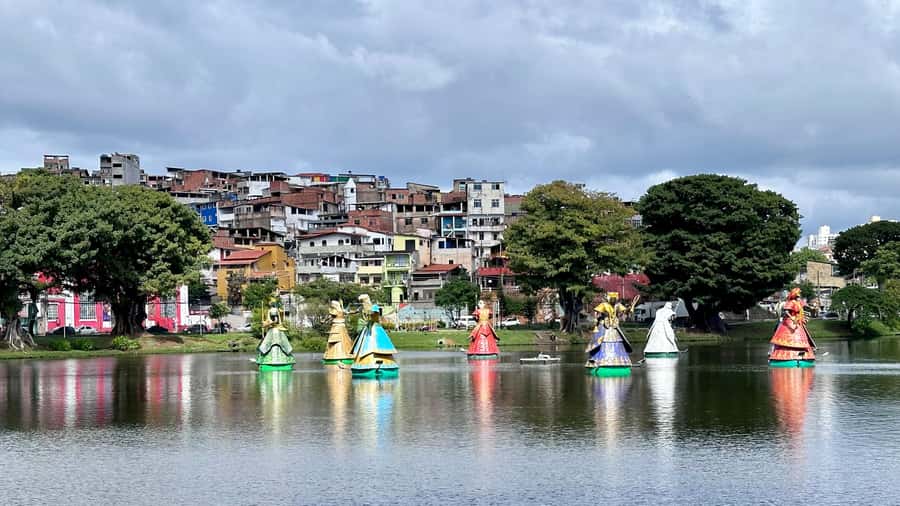
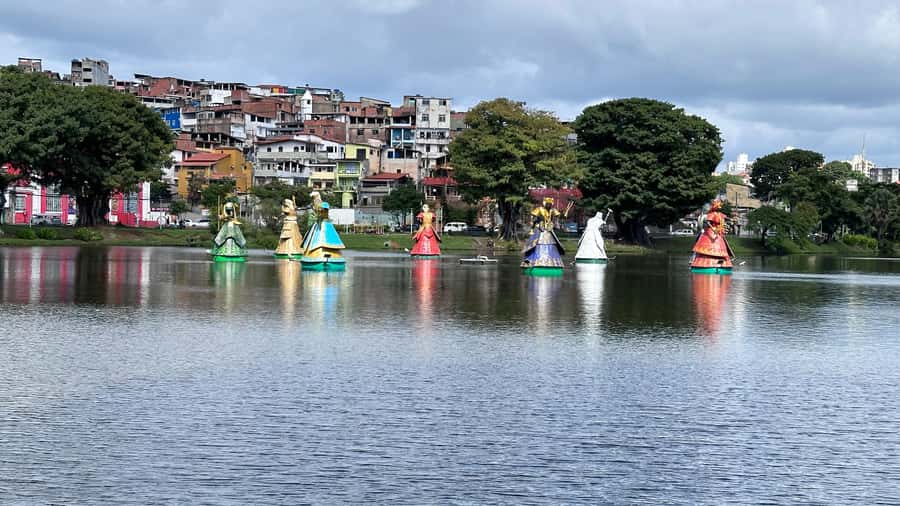
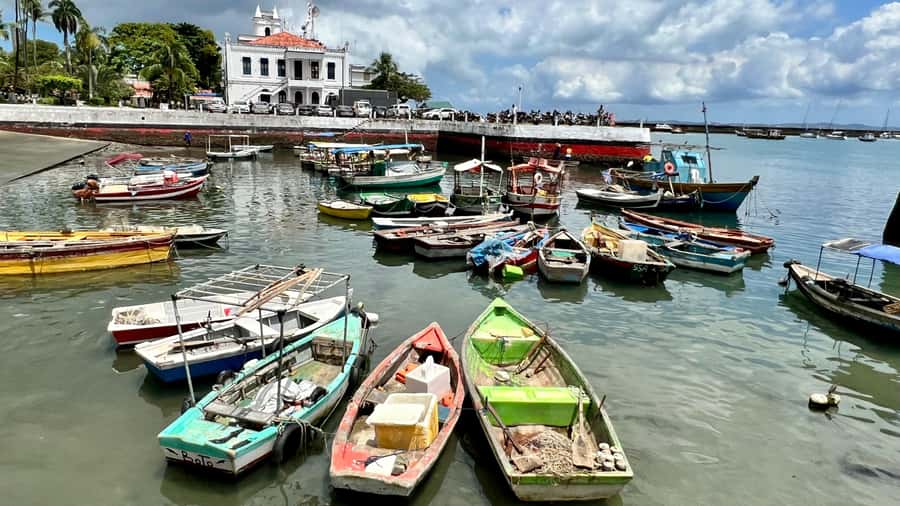
The next listed stop is Dique do Tororó, with about 20 minutes for a break, photographs, and a guided explanation. The short visit gives you a chance to take in the surroundings and enjoy views of Salvador without spending the whole morning inside museums or historic buildings.
This stop also helps vary the pace. The tour moves between indoor collections, city streets, religious spaces, and open viewpoints. You will have time to photograph several places along the way, which is useful if you want more than a strictly academic history lesson.
Twenty minutes is enough for a quick look and pictures, but not for a leisurely stop. Keep your expectations practical. This is a pause within the larger route, not a full visit built around Dique do Tororó.
The wider value is the connection between Salvador’s physical city and its cultural story. The guide can point out how the city developed and how different communities shaped it. You are not only collecting photographs. You are being shown how the city’s past remains tied to its present streets and neighborhoods.
Pierre Verger’s photographs and the power of the archive
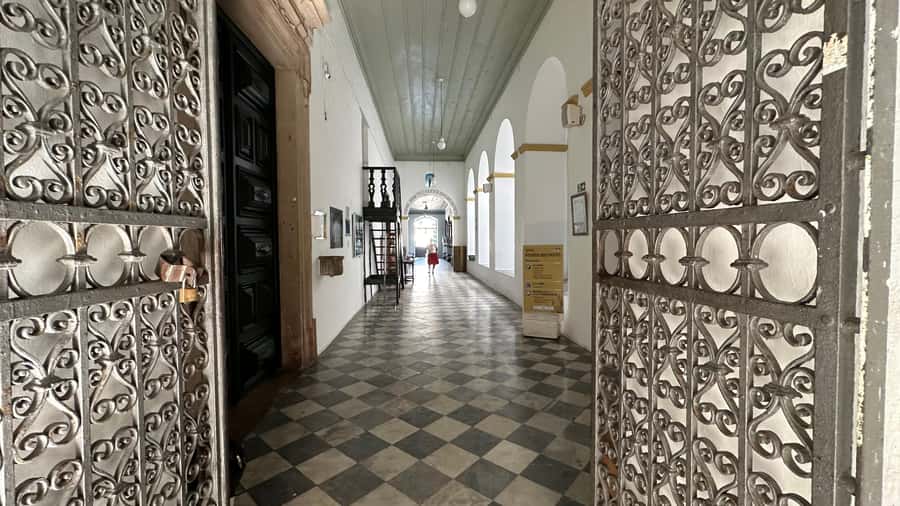
The Pierre Verger Gallery gives the tour a strong personal voice. Verger was a French anthropologist and photographer who created written, photographic, and audio-visual records connected to slavery and Afro-Brazilian history.
A gallery dedicated to this work can change how you understand the subject. Written history often gives you dates and broad events. Photographs give you faces, gestures, clothing, spaces, and daily life. They can make the past more specific without turning it into a distant museum exercise.
You should pay attention to the guide’s explanation here. One of the strengths of the tour is the chance to ask how Verger’s records fit into Salvador’s wider cultural story. The route is not only about what he photographed. It is also about how outsiders documented Black communities, how those records are used today, and how images shape the way people understand Bahia.
The available schedule gives this part of the route, together with another major visit, about 50 minutes. Your exact division of time may depend on the group and the day. That is another reason the private format helps: you can ask the guide to give more attention to the parts that interest you most.
Same patch of Brazil, a completely different sort of day:
- Salvador de Bahia African Culture Tour
★ 4.5 · 60 reviews - Salvador: Praia Do Forte and Guarajuba Beach Day Trip
★ 4.1 · 56 reviews - Salvador: Cultural Treasure – Samba de Roda.
★ 4.9 · 51 reviews - Salvador: Walking Tour Through Pelourinho
★ 5.0 · 49 reviews
From maroon refuge to community life
The tour then introduces a maroon community. In Brazil, maroon communities were places where Black people sought refuge from slavery and, later, from the hardships and discrimination that continued after abolition. These places were not just hiding spots. They could protect people, traditions, relationships, and religious life.
This section gives valuable context for Candomblé. During the colonial and post-abolition periods, spaces connected to maroon communities offered room for African gods and religious customs to survive. You begin to see why Afro-Brazilian faith developed through persistence and adaptation rather than in a calm or protected setting.
The tour also looks at the urban and cultural development of a slum that originated from a maroon community. A guide from the community, initiated in these traditions, accompanies you through the streets and explains the historical process.
That local connection is one of the strongest features of the experience. You are not only hearing a general explanation from a guide passing through. You are being shown a neighborhood through someone connected to its history and religious traditions.
Still, you should approach this part with respect. A community is not a stage set. Listen carefully, ask questions politely, and avoid treating religious or local customs as photo props. The tour’s subject is serious, and your attitude will shape the quality of the encounter.
Entering an Ewe-Fon Candomblé terreiro
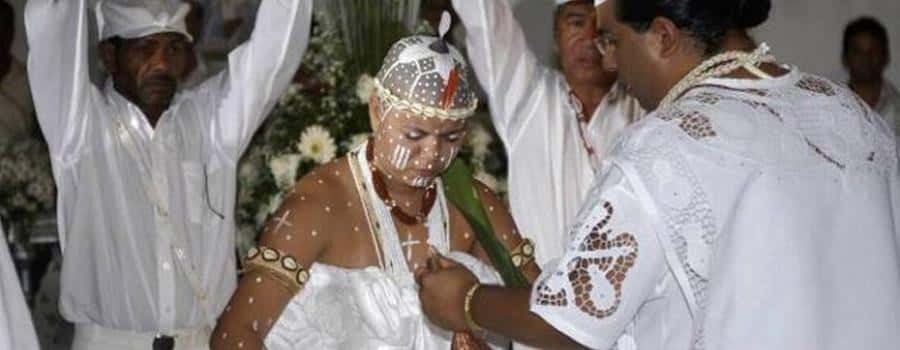
The visit to a Candomblé terreiro is the most distinctive part of the route. This terreiro follows the Ewe-Fon tradition, connected to Dahomean origins. The guide explains the religious setting and its place within the wider history of African-origin faiths in Brazil.
A terreiro is not simply a tourist attraction. It is a place of worship and community. That is why the dress code is strict. Men and women must cover their knees and shoulders, and shorts or sleeveless tops may lead to refused entry. I would dress conservatively from the start, rather than trying to improvise after pickup.
The optional sacred oracle consultation costs extra. The supplied details do not state the fee or how long it lasts, so ask before agreeing. It is also worth deciding in advance if you want a personal consultation or prefer to learn through the guided visit alone.
The tour’s stated goal is to demystify mistaken ideas about religions of African origin. That makes the guide’s tone important. You should expect explanation, history, and cultural interpretation, not a theatrical performance or a sensational account of secret rituals.
Because this is a private group, you can ask what you see and hear without feeling rushed by dozens of people. Yet the schedule remains limited. If the terreiro is the only part that interests you, a longer specialist visit may suit you better. If you want to understand it as one part of Salvador’s wider story, this short stop works well.
Ending in Pelourinho’s historic streets
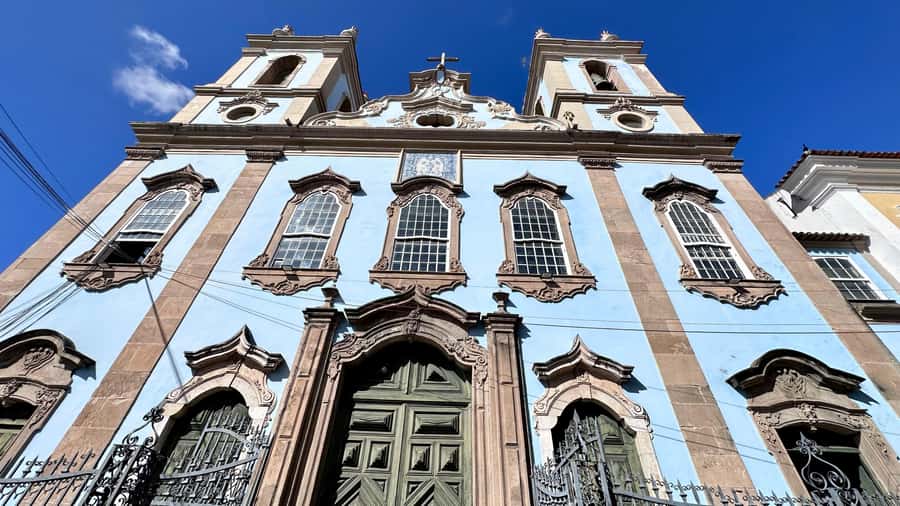
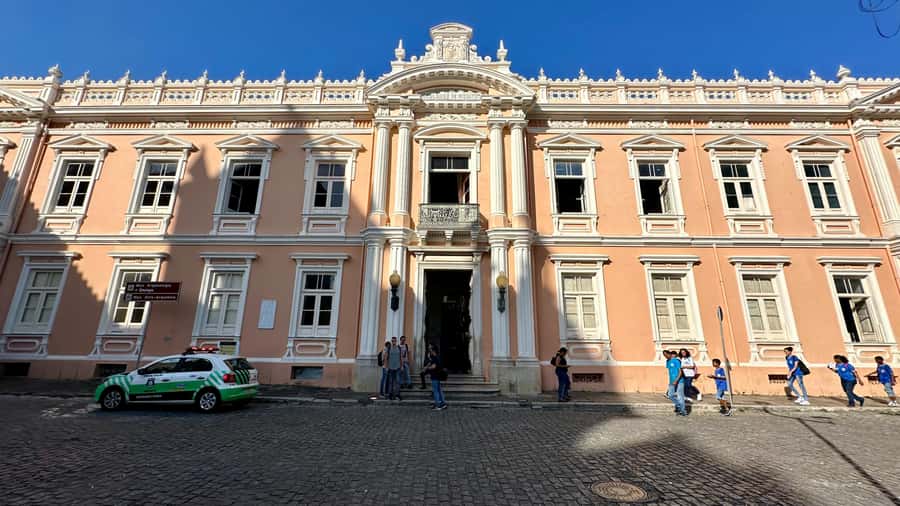
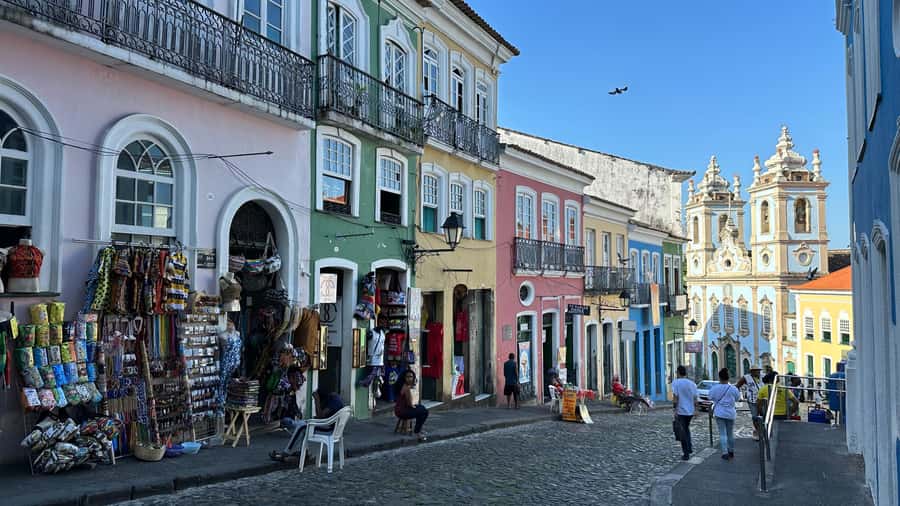
The final major stop is Pelourinho, with about 45 minutes for photographs, a visit, and guided sightseeing. This is the part of Salvador most people recognize, with its historic streets and old buildings.
Pelourinho can easily become a quick photo parade. This tour gives it more weight by arriving after the museum, gallery, maroon community, and terreiro. The streets now connect to the forced migration of Africans, the survival of religious traditions, and the growth of Black communities in Salvador.
You will have time to take photographs and hear about the city’s development. Forty-five minutes is enough for a focused walk, but it is not a full exploration of every church, museum, or side street in the district. If you want to linger, shop, or visit additional sites, plan another outing.
I like Pelourinho as the final stop because it lets you see the famous center with fresh eyes. The buildings are not the whole story. The people and traditions that shaped Salvador give the streets their real meaning.
After Pelourinho, you return to Salvador by air-conditioned vehicle. Hotel or port pickup and drop-off are included, which keeps this half-day route simple, especially if you are staying outside the historic center or arriving by ship.
Guides, group size, and the human side of the tour
The strongest praise is aimed at the guides. Monia was described as warm and full of information. Fernando was called a great guide. Maria Nunes was praised for explaining everything in careful detail. Nilson received especially strong approval for his impressive knowledge, flexibility, and ability to point out places that a visitor might otherwise miss.
Those comments suggest that the guide can make a major difference. This is not a tour where the sights explain themselves. The museum objects, gallery photographs, streets, and terreiro all need context. A good guide turns separate stops into one connected account of Salvador.
The driver and guide may work as a friendly team, and the air-conditioned vehicle gives you a break from walking between locations. The route includes several photo stops, but you should still expect some walking through streets and selected sites. The provided details do not give an accessibility rating or specify how much walking is required, so ask the operator if mobility is a concern.
The private group format is a clear advantage. It lets you ask about religion, slavery, photography, and local neighborhoods at your own pace. It also makes the tour suitable for couples, families with older children, or small groups of friends who want a focused cultural outing.
Is $110 a fair price?
At $110 per person, this is not the cheapest way to see Salvador. The value depends on what you want from a four-hour outing.
You are paying for private transportation, hotel or port pickup and drop-off, a live guide, a carefully linked route, and entrance fees as stated. For a small group, that can be reasonable, especially if you value having a guide who can explain sensitive subjects and adjust the conversation to your interests.
The price is harder to justify if you mainly want famous sights and quick photographs. Pelourinho and Dique do Tororó can be visited as part of other city outings, and four hours passes quickly.
There is also a small but important question about admission costs. One person reported paying an additional 20 reais per person because not all entry was included, even though the tour terms say entrance fees are included. The amount is modest, but unexpected charges are irritating. Confirm what is covered, including the optional oracle consultation, before departure.
Food and drinks are not included. Four hours is short enough that this should not be a major problem, but bring water or arrange a snack before pickup if you need one.
The flexible booking terms help reduce the risk. You can cancel up to 24 hours before the activity for a full refund, and the reserve-now, pay-later option lets you hold a place without paying immediately.
Who should book this Candomblé tour?
I would choose this experience if you want Salvador explained through Black Brazilian history and living religious traditions, not only through architecture. It is a good fit if you enjoy asking questions, visiting museums, meeting local guides, and making connections between past and present.
It suits first-time visitors who want a strong cultural introduction in one morning. It also works for repeat visitors who have already seen Pelourinho and want to understand the city beyond its best-known streets.
You may want another plan if you dislike discussions of slavery, colonial violence, religion, or social history. The tour does not treat these subjects as background decoration. They are the center of the experience.
Dress carefully, keep the schedule in mind, and confirm entry fees. If you do that, the private group, local perspective, and strong guides make this a useful way to see a more meaningful side of Salvador.
FAQ
How long does the Candomblé Mysteries Tour last?
The tour lasts four hours, with pickup and return in Salvador.
What languages are available?
Live guiding is available in Spanish, English, French, Italian, and Portuguese.
Is hotel pickup included?
Yes. Pickup and drop-off are included from your hotel lobby in Salvador City. Port pickup and drop-off are also listed as included.
How large is the group?
The activity is offered as a private group, with a maximum of six people.
What is included in the price?
The price includes entrance fees as stated, hotel or port pickup and drop-off, and transport in an air-conditioned vehicle.
Is food included?
No. Food and drinks are not included.
Can I visit a Candomblé terreiro?
Yes. The route includes a visit to a terreiro connected to the Ewe-Fon tradition of Dahomean origin.
Is the sacred oracle consultation included?
No. The oracle consultation is optional and costs extra. Ask for the current price before taking part.
What should I wear?
You must cover your knees and shoulders. Shorts and sleeveless tops are not allowed in places of worship and selected museums, and entry may be refused if you do not follow the dress code.
Can I cancel the booking?
Yes. You can cancel up to 24 hours in advance for a full refund. You can also reserve now and pay later.
Newest reviews from around Salvador Brazil
- Salvador: Schooner Cruise with Pickup and Itaparica Stop★ 3.8 · 5 reviews
- Salvador: 3-Hour Percussion Class★ 4.9 · 10 reviews
- Salvador by Night: Cultural Show and Dinner.★ 4.4 · 17 reviews
- Salvador: Traditional Drumming and Percussion Workshop★ 4.4 · 10 reviews
- Salvador: Cultural Treasure – Samba de Roda.★ 4.9 · 51 reviews
- PROMO Salvador: Interactive Art and Culture Private Tour★ 5.0 · 2 reviews
- Salvador: Curated Nightlife Exp. in the Heart of the City★ 5.0 · 2 reviews
- Salvador: Capoeira Class at Mestre Bimba’s 1st Ever School.★ 4.9 · 34 reviews
Salvador & Bahia Tours, compared.

Salvador City Tour – Discover Brazil’s First Capital En, It, Es
Read our review →
Cooking class in Salvador, an authentic dinning experience
Read our review →
Tour to the Frades Islands and Itaparica, from Salvador – Ba
Read our review →
Itinerary 1:CAVES – Booking from 2 people – Chapada Diamantina by Zentur
Read our review →
Transfer Salvador Airport / Hotel Litoral Norte
Read our review →

Browse the lists this tour appears in