
Reviewed · SAMBA & CARNIVAL SHOWS
Salvador: Cultural Treasure – Samba de Roda.
Start with rhythm, leave with a story. This one-hour Samba de Roda class gives you a lively introduction to Brazilian dance while placing it inside Salvador’s Afro-Brazilian cultural story. I especially like the English-speaking instruction and the chance to learn inside the Associação de Capoeira Mestre Bimba, a place tied to one of Brazil’s most important capoeira traditions. The main consideration is time: one hour is enough for basic steps and background, but not enough for advanced dance or a long cultural tour.
I also like that no partner or dance experience is needed. You can arrive alone, with a spouse, or with a teenager and still take part. The class is physical, and you may be smiling and sweating halfway through, but the pace is aimed at beginners. If you want a full evening of music, performance, or a long walking tour, this short lesson may feel limited.
In This Review
- Key points before you book
- Why Samba matters in Salvador
- Entering the Associação de Capoeira Mestre Bimba
- The first steps: a good entry point for beginners
- Music, rhythm, and the moment it clicks
- Samba and capoeira in the same cultural frame
- What the one-hour format does well
- English instruction and personal attention
- Location and planning around Largo do Terreiro de Jesus
- Is $43 a fair price?
- Who should book this class?
- Practical details that matter
- Should you book Salvador’s Samba de Roda class?
- FAQ
- How long does the Samba de Roda class last?
- How much does the class cost?
- Do I need dance experience?
- Do I need to bring a dance partner?
- What languages does the instructor speak?
- Where does the class meet?
- Is hotel pickup provided?
- What landmarks are near the meeting point?
- What is included in the price?
- Can I cancel for a full refund?
Key points before you book
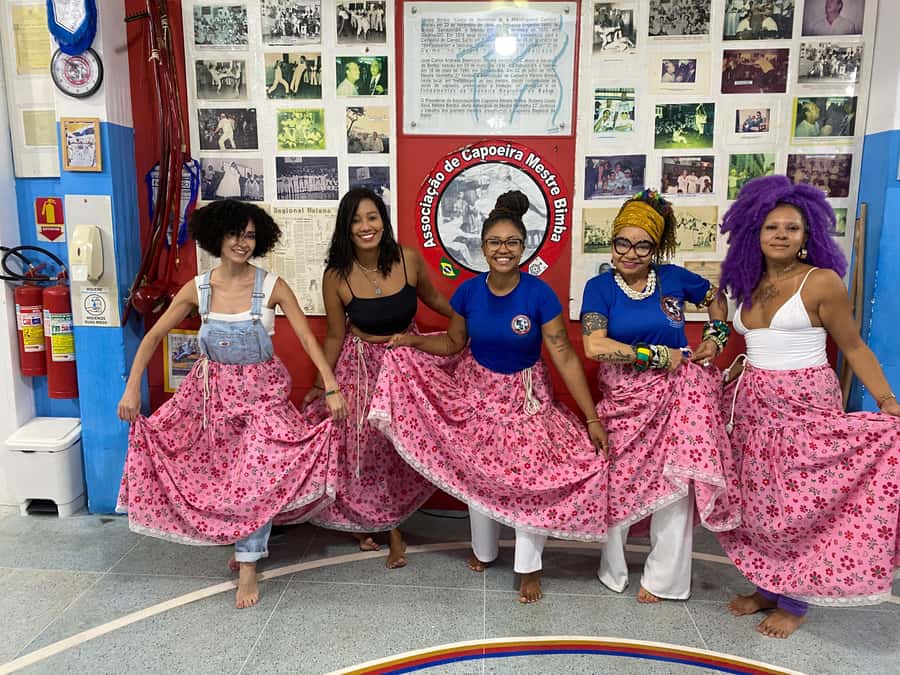
- Dance inside Mestre Bimba’s historic capoeira school: The class takes place at the first capoeira school in Brazil, founded in 1937 by Mestre Bimba, creator of Capoeira Regional.
- One hour of useful instruction: You learn basic samba steps and movements rather than attempting a full professional routine.
- Clear English guidance: The instructor teaches in English and Portuguese, making the cultural explanations easier to follow.
- No partner required: You can book on your own and still participate fully.
- A strong Salvador history lesson: Samba’s roots, capoeira, African cultural traditions, and the history of resistance all connect here.
- Easy to pair with other plans: The central meeting point near Largo do Terreiro de Jesus works well before or after exploring Salvador’s historic center.
Why Samba matters in Salvador
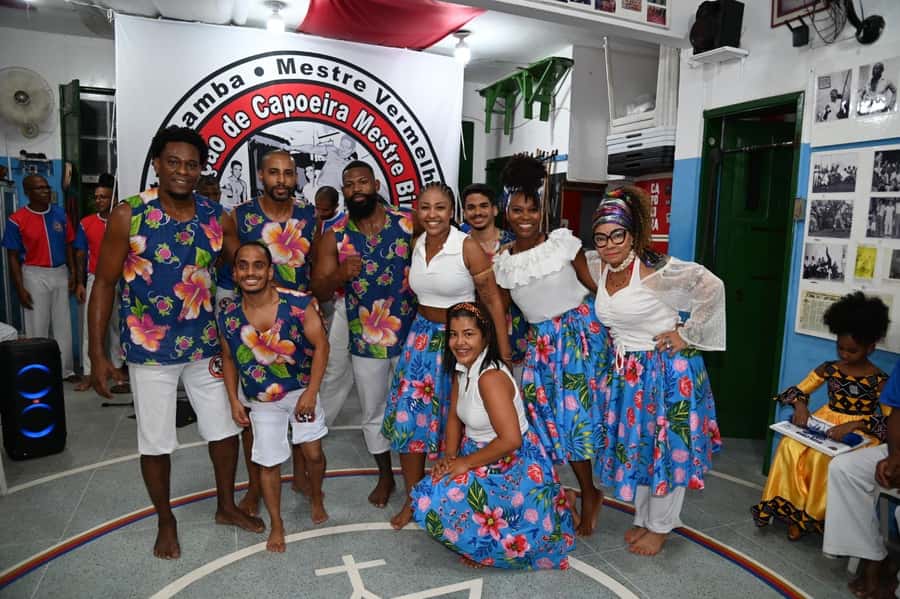
Samba is not only a party dance. Its story begins in Afro-Brazilian communities in Bahia in the late 19th century, where music and movement carried memory, identity, and community life.
African cultural practices in Brazil were treated with suspicion and were sometimes criminalized. Capoeira and Candomblé faced this pressure, and samba was also viewed as a threat rather than celebrated as national culture. Over time, samba moved from persecution to public recognition. UNESCO now lists samba as an Intangible Cultural Heritage of Humanity.
That background gives the class more weight than a quick dance lesson at a resort. You are learning a few steps, but you are also hearing how cultural traditions survived official hostility and became central to Brazil’s image around the world.
The Salvador setting matters, too. Bahia is often described as one of the key homes of Afro-Brazilian culture in Brazil, and the class connects samba to that local setting rather than presenting it as a generic carnival routine. I appreciate that distinction. The lesson treats the dance as living culture, not just decoration for tourists.
Other samba nights worth staying up for:
- Salvador: Cultural Night of Capoeira, Samba, and Drumming
★ 4.9 · 17 reviews - Rio de Janeiro: Beginner Samba Lesson in Ipanema
★ 4.9 · 1,071 reviews - Rio: Pub Crawl in Lapa with Cachaça Tasting and Live Samba
★ 4.7 · 881 reviews
Entering the Associação de Capoeira Mestre Bimba
The class meets at the Associação de Capoeira Mestre Bimba. This is the first capoeira school in Brazil, founded in 1937 by Mestre Bimba, the creator of Capoeira Regional.
The school has a special place in Salvador’s cultural story. It was viewed as a great quilombo of resistance, a place that protected and developed cultural practices at a time when African-rooted traditions were not always accepted or safe in public life. That makes the venue part of the lesson, not merely a convenient room with music.
You should take a moment to understand where you are before the dancing begins. The setting links samba and capoeira through shared African and Afro-Brazilian roots, rhythm, movement, and community. One class participant described the chance to enter Mestre Bimba’s own historic space as a special part of the visit. That reaction makes sense: the room carries meaning before the music starts.
The meeting point is near Largo do Terreiro de Jesus. If you need a landmark, look for Ó Pai Ó Restaurante or São Domingos Gusmão Church. There is no pickup service, so plan to reach the Associação on your own. That is not difficult information, but it matters in Salvador, where a clear landmark can save you from wandering around unfamiliar streets.
The first steps: a good entry point for beginners
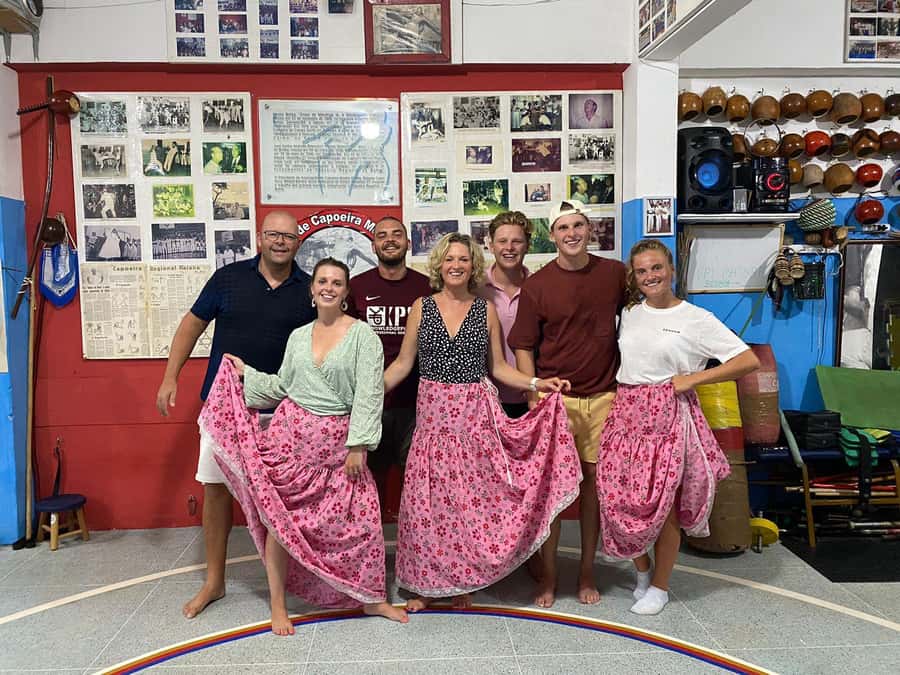
The class begins with the basic steps of samba. You do not need previous dance training, and you do not need to bring a partner. This is important because samba can look intimidating when you see experienced dancers moving quickly, with fast footwork and loose hips.
A professional instructor breaks the movements into manageable pieces. The aim is not to turn you into a stage performer in sixty minutes. Instead, you learn enough structure to recognize the rhythm and move with more confidence.
The teaching style receives especially strong praise. Yasmin, also written as Yasmine in some feedback, is described as patient, calm, encouraging, and full of energy. One beginner said that after an hour, she had enough moves to really get into the music. Another participant arrived with a daughter and found the lesson welcoming and easy to follow.
That is the right way to judge a beginner class. You should not expect perfection. You should expect clear demonstrations, corrections when needed, and enough repetition to make the movements feel less strange. Yasmin’s calm manner appears to be a real advantage for anyone who worries about looking awkward.
And yes, you may look awkward at first. That is part of the bargain. Samba becomes much more enjoyable once you stop trying to make every movement look polished.
Music, rhythm, and the moment it clicks
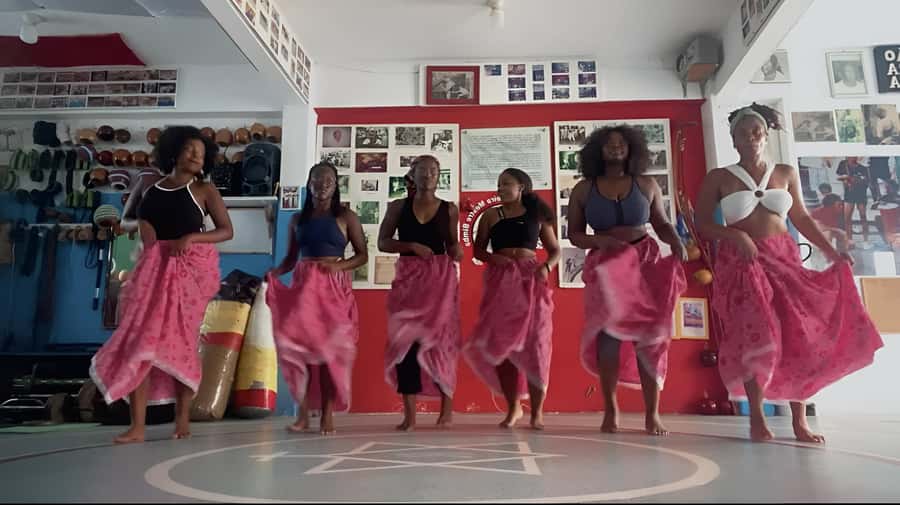
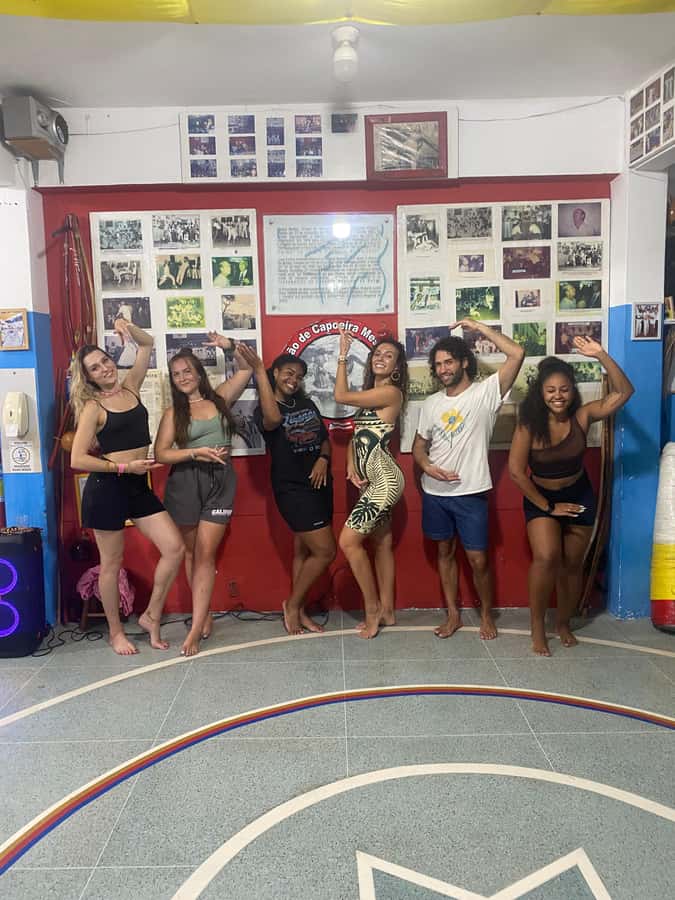
Samba is learned through the body, not only through explanation. After the initial instruction, you practice the movements with music and begin to feel how the steps fit the beat.
The class is interactive rather than a lecture about Brazilian culture. You listen, watch, try, and repeat. That mix keeps the hour moving and gives the historical information a practical purpose. You hear about samba, then you feel how rhythm shapes the dance.
Several strong comments focus on the atmosphere created by the music and the instructor. Participants describe the class as fun, encouraging, and full of a good mood. One person said she was grinning widely and sweating by the middle of the hour. That is a useful warning for anyone expecting a purely gentle cultural talk. The class is beginner-friendly, but it still involves movement.
If you combine this lesson with a capoeira class, plan for a more demanding workout. The samba class alone is short, yet the combination can leave you working hard. If you have limited energy or a packed sightseeing schedule, start with samba and decide later if you want to add more.
A few more Salvador Brazil days to weigh up
- From Salvador: Schooner Tour to Frades Islands and Itaparica
★ 3.9 · 98 reviews - Afro-Brazilian Roots Private City Tour in Salvador
★ 4.7 · 88 reviews - Salvador Historic Walking Tour – Pelourinho
★ 4.8 · 62 reviews - Salvador de Bahia African Culture Tour
★ 4.5 · 60 reviews
Samba and capoeira in the same cultural frame
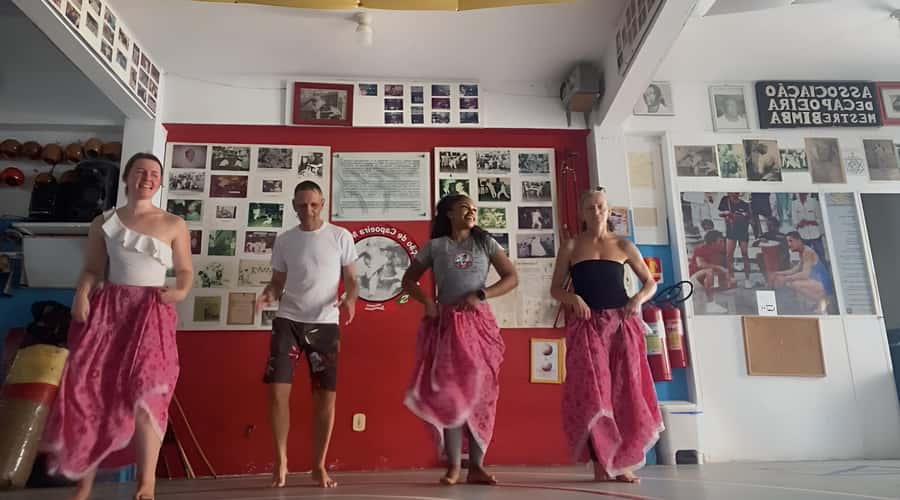
The connection between samba and capoeira is one of the most interesting parts of this activity. They are different forms, but both are tied to Afro-Brazilian communities, rhythm, movement, and cultural survival.
The instructor explains how the traditions relate to the school and to Salvador. This makes the class useful even if you are not naturally drawn to dance. You gain a clearer sense of why capoeira is more than acrobatics and why samba is more than carnival music.
The setting also helps. Learning samba in a school founded by Mestre Bimba gives you a direct link to Capoeira Regional and to the cultural work carried out there since 1937. You are not simply learning steps in an anonymous studio.
That setting does require respect. The venue has serious cultural and historical meaning. Treat it as a school and cultural institution, not just a backdrop for photos. Listen during the explanations, follow the instructor’s guidance, and remember that the traditions being taught were once subject to repression.
What the one-hour format does well
One hour is a smart length for a first lesson in a busy city. You can fit it into a morning or afternoon of sightseeing without sacrificing an entire day. It also lowers the risk for hesitant beginners. You are not committing to a long dance course before knowing if you enjoy it.
The short format works because the focus is narrow. You learn basic samba steps, hear the main cultural background, and practice with music. There is no promise of advanced choreography, a long performance, or a full survey of Brazilian dance.
That limit is also the main drawback. If you already dance samba or want detailed technique, you may find the lesson too brief. The class gives you an introduction, not mastery. Even beginners who love it may want another lesson afterward, and some participants did exactly that.
I would treat the hour as a starting point. It can give you enough confidence to recognize samba in Salvador and perhaps keep practicing after you leave. It will not replace regular instruction.
English instruction and personal attention
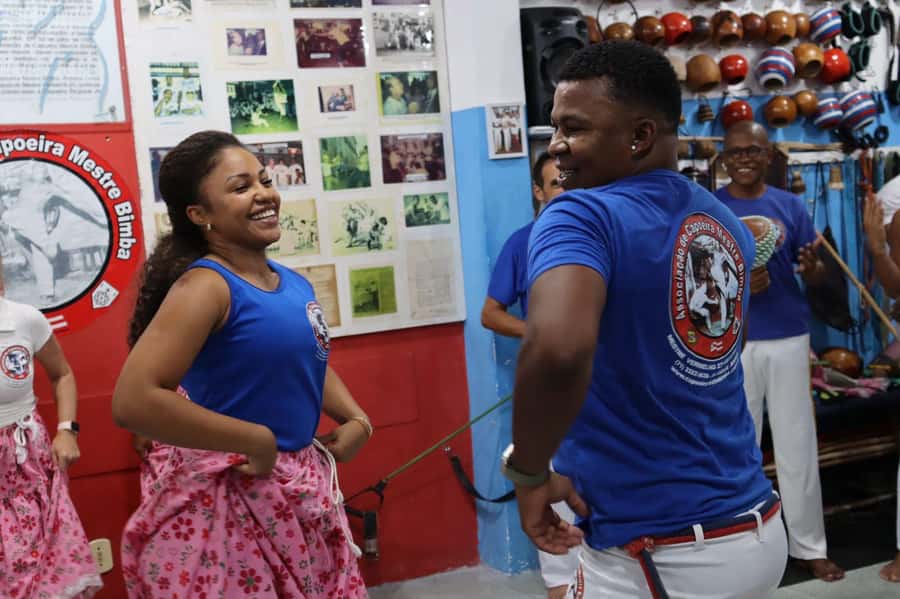
The instructor speaks fluent English, and Portuguese is also available. That makes a clear difference when the class covers cultural subjects that can be difficult to understand through gestures alone.
You are not only learning where to place your feet. You are hearing about Brazilian culture, dance, music, and the history of Salvador. Good translation helps preserve the meaning of those explanations rather than reducing them to a few tourist slogans.
The teaching also appears to work well for mixed ages and abilities. A 15-year-old joined a parent for the class and enjoyed it. Couples took part together, while solo visitors were able to join without a partner.
The instructor’s attitude is another strong point. Yasmin is repeatedly described as kind and encouraging. One participant also appreciated her practical advice about arriving safely at night and navigating Brazil. Those small touches matter, especially on your first day in the country.
Still, the class is not a private coaching session unless your booking arrangements say so. The exact group size is not provided, so you should not assume unlimited individual attention. The available feedback suggests supportive teaching, but the amount of personal correction may vary with the group.
Location and planning around Largo do Terreiro de Jesus
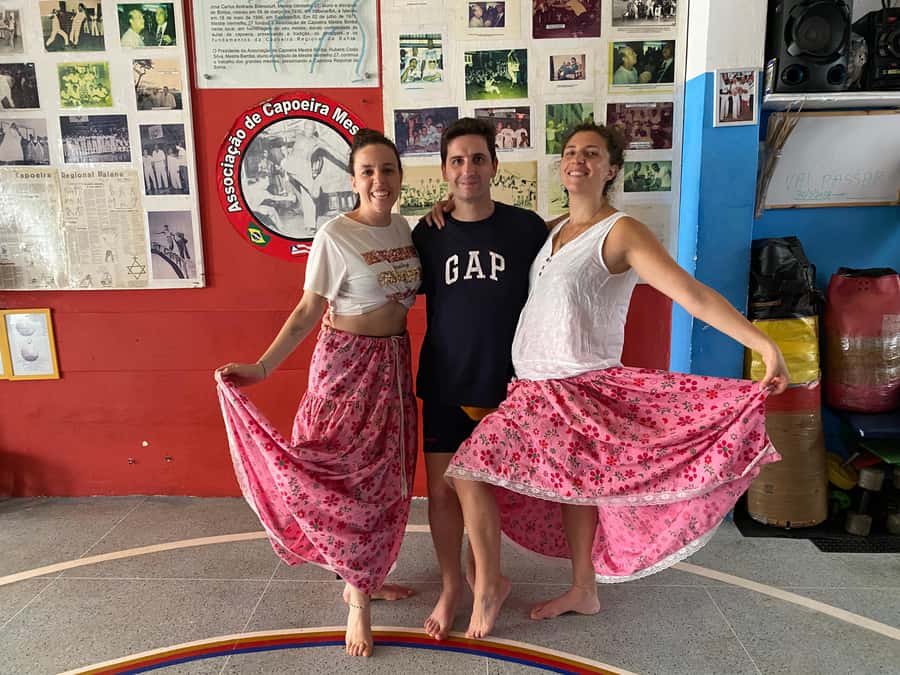
The central meeting point makes this class easy to add to a day in Salvador. The Associação is near Largo do Terreiro de Jesus, with Ó Pai Ó Restaurante and São Domingos Gusmão Church offered as nearby reference points.
Because there is no pickup service, you need to allow time to find the school. Use the named landmarks rather than relying only on a street address. If you are attending in the evening, take the instructor’s safety advice seriously and organize your route in advance.
The area is useful for combining activities. You can plan historic-center sightseeing around the lesson, then stop for food nearby. The class itself lasts only an hour, so it should not dominate your schedule.
The meeting point is a practical benefit, but the lack of hotel pickup may matter to some people. If you prefer door-to-door tours, this is not that kind of activity. It is better suited to someone comfortable making their own way to a central cultural venue.
Is $43 a fair price?
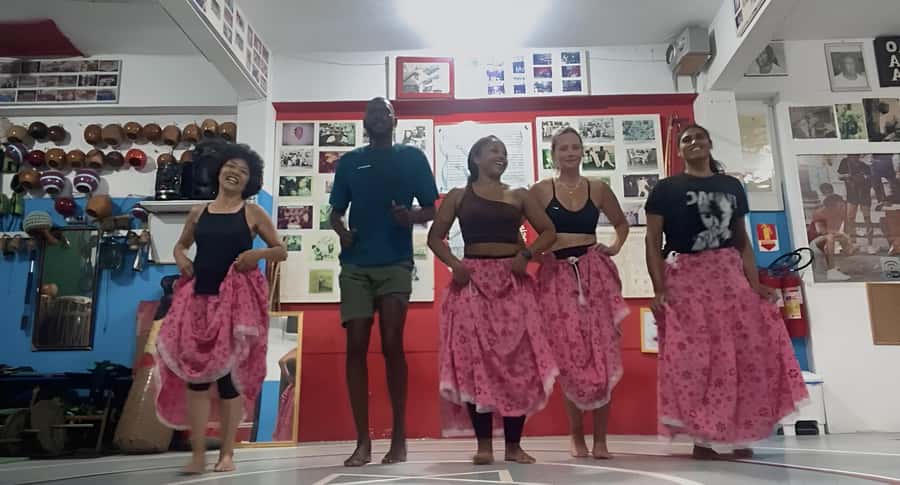
At $43 per person, the cost is higher than paying for casual entertainment, but you are buying more than an hour of dancing. The price includes the samba lesson, an English-speaking instructor, access to the Mestre Bimba capoeira school, and cultural and historical explanations.
The venue is the key value point. A basic dance class in a generic studio might teach similar steps, but it would not place them inside the setting of Brazil’s first capoeira school. The cultural context gives the hour a stronger sense of place.
The price looks best for a first visit to Salvador, especially if you want a guided introduction to Afro-Brazilian culture that does not require a full-day tour. It also works for couples, families with older children, and solo visitors who want an activity with direct instruction.
The value is weaker if your only goal is advanced dance training. You will not receive a long course in technique during one hour. In that case, consider the class an introduction and ask about booking another session. The response from some participants suggests that a second lesson can be worthwhile once the first has made the basics feel comfortable.
Who should book this class?
I would recommend it most strongly to:
- First-time visitors to Salvador who want a cultural activity with real local context
- Beginners who feel nervous about dancing
- Solo visitors who do not have a partner
- Couples or parent and teenager pairs
- People interested in the connection between samba and capoeira
- Anyone who values a short activity that fits around sightseeing
You may want to skip it if you dislike physical participation or want to remain a spectator. The class asks you to move, repeat steps, and engage with the music. It is not a performance where you sit quietly and watch.
You should also keep expectations realistic. You will learn basic movements and cultural background, not become a samba expert. That is enough for many people. A beginner class can be more memorable than a polished show because you take part in the rhythm yourself.
Practical details that matter
The activity costs $43 per person and lasts one hour. Starting times depend on availability, so check the schedule before planning the rest of your day.
The class is offered in English and Portuguese. No dance experience is necessary, and no partner is required. The meeting point is the Associação de Capoeira Mestre Bimba, near the named landmarks at Largo do Terreiro de Jesus.
You can cancel up to 24 hours before the activity for a full refund. Reserve now and pay later if you want to hold a place while keeping your plans flexible.
Wear something you can move in, although no specific dress code is provided. Since the class can become energetic, comfortable clothing is a sensible choice. If you combine samba with capoeira, expect a stronger workout than the samba class alone.
Should you book Salvador’s Samba de Roda class?
Yes, if you want a short, friendly introduction to Salvador through movement rather than a standard sightseeing talk. The strongest reasons are the historic Mestre Bimba venue, the clear English instruction, and the way the class connects samba to Bahia’s Afro-Brazilian cultural story.
I would book it early in a Salvador visit. It can help you understand the city’s music and traditions before you encounter them elsewhere. Just remember that one hour gives you the basics. If you want more technique, plan to return for another lesson rather than expecting a complete dance course.
At $43, the class offers good value for people who care about context as much as activity. It is less useful for experienced dancers seeking advanced training. For most beginners, though, it promises a lively hour, a meaningful place, and a few samba steps you can carry into the rest of your Brazil trip.
FAQ
How long does the Samba de Roda class last?
The class lasts one hour.
How much does the class cost?
The price is $43 per person.
Do I need dance experience?
No. The class is designed for beginners, and no previous dance experience is necessary.
Do I need to bring a dance partner?
No. A partner is not required.
What languages does the instructor speak?
Instruction is available in English and Portuguese.
Where does the class meet?
The meeting point is the Associação de Capoeira Mestre Bimba.
Is hotel pickup provided?
No. You must make your own way to the meeting point.
What landmarks are near the meeting point?
Ó Pai Ó Restaurante and São Domingos Gusmão Church are near the Associação, in Largo do Terreiro de Jesus.
What is included in the price?
The price includes the samba dance lesson, an English-speaking instructor, access to the first capoeira school in Brazil, and cultural and historical insights.
Can I cancel for a full refund?
Yes. You can cancel up to 24 hours in advance for a full refund.
Newest reviews from around Salvador Brazil
- Salvador: Schooner Cruise with Pickup and Itaparica Stop★ 3.8 · 5 reviews
- Salvador: 3-Hour Percussion Class★ 4.9 · 10 reviews
- Salvador by Night: Cultural Show and Dinner.★ 4.4 · 17 reviews
- Salvador: Traditional Drumming and Percussion Workshop★ 4.4 · 10 reviews
- PROMO Salvador: Interactive Art and Culture Private Tour★ 5.0 · 2 reviews
- Salvador: Capoeira Class at Mestre Bimba’s 1st Ever School.★ 4.9 · 34 reviews
- Salvador: Curated Nightlife Exp. in the Heart of the City★ 5.0 · 2 reviews
- Salvador: Caipirinha Masterclass with Unlimited Drinks★ 4.2 · 4 reviews
Samba & Carnival Shows, compared.
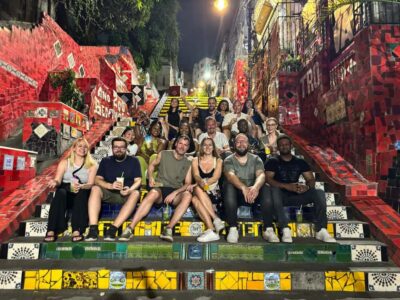
Pub Crawl in Lapa with Cachaça Tasting and Live Samba
Read our review →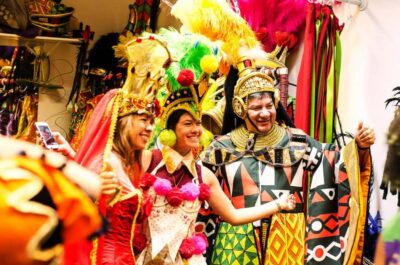
Carnival Backstage Tour at Samba City with Cocktail
Read our review →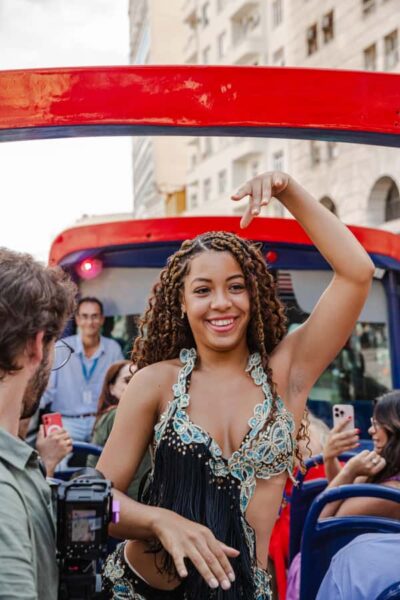
Hop-ON Hop-OFF Sightseeing Bus in Rio de Janeiro – Rio Samba Bus
Read our review →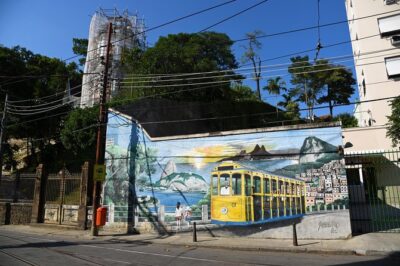
Santa Teresa, Lapa, and Cinelândia with Tram Ride and Selarón Steps
Read our review →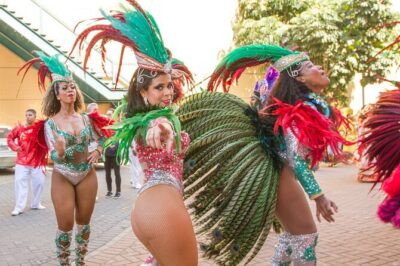
Carnaval Experience: Backstage Tour at Samba City with Cocktail
Read our review →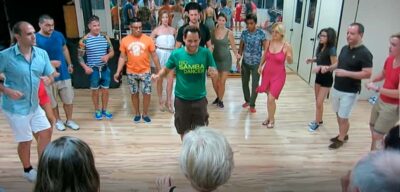

Browse the lists this tour appears in