
Reviewed · CITY TOURS
Afro-Brazilian Roots Private City Tour in Salvador
Salvador tells its story through food, faith, and neighborhoods. This six-hour private tour takes you beyond the usual historic center, linking the waterfront at Rio Vermelho, African religious traditions, São Joaquim Fair, and a seaside favela community. I especially like the private car and flexible pace, and I value the chance to learn about Candomblé in a respectful setting rather than treating it as a colorful backdrop. The main consideration is that this is an intellectual, culture-focused outing, not a light sightseeing loop, and photography is not allowed in the favela communities.
The tour costs $150 per person and includes a guide, private transportation, lunch, an acarajé tasting, and a donation connected with the cultural visit. That is a fair price if you want context, conversation, and access to places you would be unlikely to reach on your own. It is less compelling if your main goal is Salvador’s famous colonial architecture or a quick checklist of major sights.
Guides such as Wilson, Mônia, Vagner, Ronaldo, Fernando, and Leandro have received especially warm praise for their command of Bahian culture and their ability to explain difficult subjects clearly. The exact guide can vary, but the experience is built around a strong personal guide rather than a fixed script.
In This Review
- Key points before you book
- Why this Salvador tour feels different
- Rio Vermelho and the altar of Yemayá
- Dique do Tororó and its African figures
- São Joaquim Fair, where food carries history
- Entering an Ewe Fon Candomblé temple
- Lunch beside the sea in a local community
- What the private car adds to the day
- Guides who make the difference
- Is $150 per person good value?
- Who should book this experience?
- Should you book the Afro-Brazilian Roots tour?
- FAQ
- How long does the Afro-Brazilian Roots tour last?
- Is hotel pickup included?
- Is this a private tour?
- Which languages are available?
- Is lunch included?
- Is acarajé included?
- Can I take photographs everywhere?
- Is the tour suitable for wheelchair users?
- Can I cancel or pay later?
Key points before you book
- Six hours with a private car: Pickup and return in Salvador make it easy to connect several far-flung neighborhoods without figuring out local transport.
- Acarajé and Bahian food: You taste acarajé during the tour, then finish with lunch by the sea.
- Candomblé explained with care: The visit to an Ewe Fon temple offers a serious look at beliefs, traditions, and African roots in Brazil.
- São Joaquim Fair: This market brings together produce, spices, ingredients, and everyday commerce tied to Salvador’s African heritage.
- Real neighborhoods, not just monuments: Rio Vermelho, Tororó, market districts, worship spaces, and a seaside favela show how culture lives in ordinary places.
- Photography has limits: Pictures are not authorized in the favela communities, so you need to observe first and keep your camera away when asked.
Why this Salvador tour feels different
Many city tours stay close to the places already polished for sightseeing. This one moves through areas where Salvador’s cultural life is still being practiced, sold, cooked, prayed, and discussed.
That difference matters. You are not simply looking at an African-inspired statue or sampling a local snack. You are learning how African beliefs and customs survived colonial rule, changed over time, and remain part of daily life in Bahia.
The tour also treats Salvador as a city shaped by more than one tradition. Your guide may connect Indigenous settlement, Portuguese colonial power, African religious systems, food, music, and present-day social life. Several guides have been praised for answering questions well beyond the scheduled stops, which is useful if you want a conversation rather than a memorized speech.
The private format helps here. You can ask about family heritage, Yoruba connections, Candomblé, food, or the social meaning of a neighborhood without holding up a large group. The current rating of 4.7 from 88 reviews reflects how consistently the guides have made that personal approach work.
More City Tours in Salvador & Bahia
- Salvador: Anthropological City Tour with Lunch IN 6 HOURS
★ 4.9 · 20 reviews - Historic City Tour in Salvador
★ 3.6 · 17 reviews - Salvador: Curated Nightlife Exp. in the Heart of the City
★ 5.0 · 2 reviews
Rio Vermelho and the altar of Yemayá
The first major stop is Rio Vermelho, a seaside district associated with music, food, nightlife, and religious practice. Here, you visit an altar dedicated to Yemayá, the African deity connected with the sea and cared for by local fishermen.
This is a small site, but the explanation gives it weight. Your guide can help you understand why a religious offering by the water is not just a photo opportunity. It relates to the working life of fishermen and to the way African religious traditions remain connected to family, livelihood, and the sea.
I would listen closely here and resist rushing through the stop. The altar is best understood through its setting and meaning, not as a grand monument. If you are hoping for a long waterfront walk, note that this stop is listed as about 30 minutes.
Rio Vermelho also sets the tone for the day. Salvador’s Afro-Brazilian culture is not confined to a museum. It appears in public spaces, neighborhood customs, food, and religious symbols woven into daily life.
Dique do Tororó and its African figures
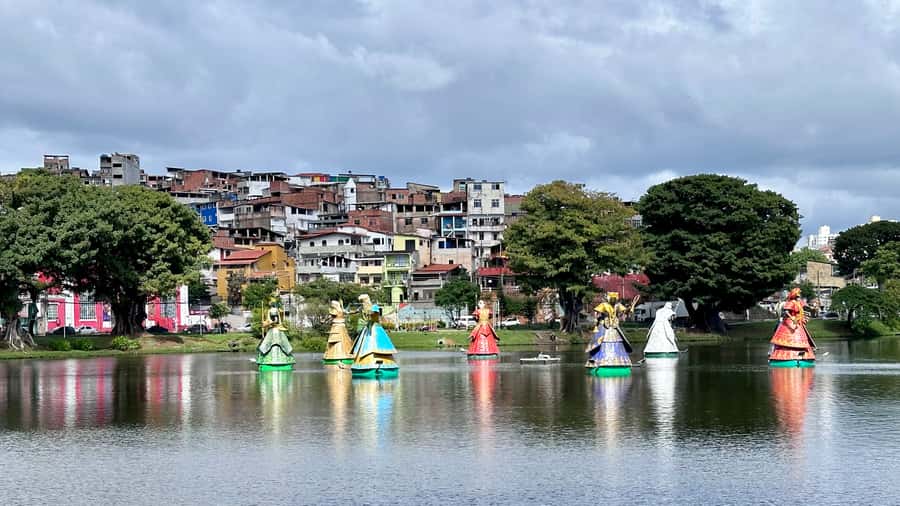
The next stop is Dique do Tororó, a lagoon and public gathering place known for its large African religious figures. The monuments provide one of the clearest photo stops of the day, and your guide explains the ideas and figures they represent.
You will have about 30 minutes here, enough for pictures and an introduction to the symbols. The statues are visually striking, but the real value comes from learning how African religious figures are represented in a public Salvador setting.
This is also a useful place to ask questions. If you have heard names of orixás but are unsure how they relate to Candomblé, this stop can give you a basic framework before the later temple visit.
The outing does not treat the statues as isolated art. It connects them to the religious traditions you will discuss later, helping the day build from public symbols toward lived faith.
São Joaquim Fair, where food carries history
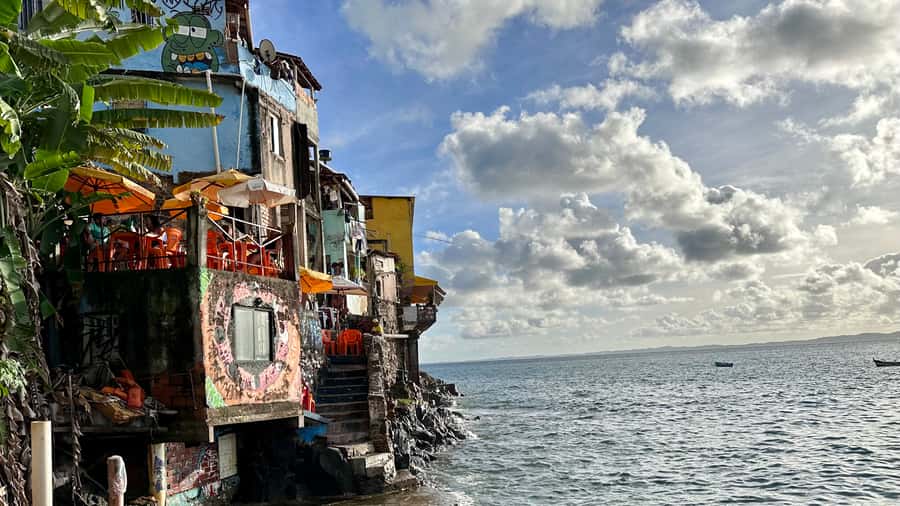
São Joaquim Fair is one of the strongest stops for anyone who wants to understand Salvador through the senses. The market is recognized as part of the city’s intangible heritage, and its stalls carry fruit, vegetables, ingredients, and prepared foods associated with Bahian cooking.
Expect a market with plenty to look at and smell. You may see unfamiliar produce and ingredients used in Afro-Brazilian and regional dishes. Your guide can explain what you are seeing and how food connects to religious practice, family life, and local identity.
This is not a polished food hall designed only for tourists. That is its strength, but it also means you should expect a working market rather than a quiet tasting room. The atmosphere can feel busy, and the value depends heavily on your guide’s explanations.
The included acarajé tasting gives the visit a delicious focus. Acarajé is made from black-eyed peas and fried, then commonly served with flavorful fillings and sauces. The snack has strong links to Bahia’s Afro-Brazilian culture and to Candomblé traditions, so it is more than a quick bite.
I like that the food is placed in the middle of the day rather than saved as a token sample at the end. You taste something in the setting where local ingredients and food customs make sense.
A few more Salvador Brazil days to weigh up
- From Salvador: Schooner Tour to Frades Islands and Itaparica
★ 3.9 · 98 reviews - Salvador Historic Walking Tour – Pelourinho
★ 4.8 · 62 reviews - Salvador de Bahia African Culture Tour
★ 4.5 · 60 reviews - Salvador: Praia Do Forte and Guarajuba Beach Day Trip
★ 4.1 · 56 reviews
Entering an Ewe Fon Candomblé temple
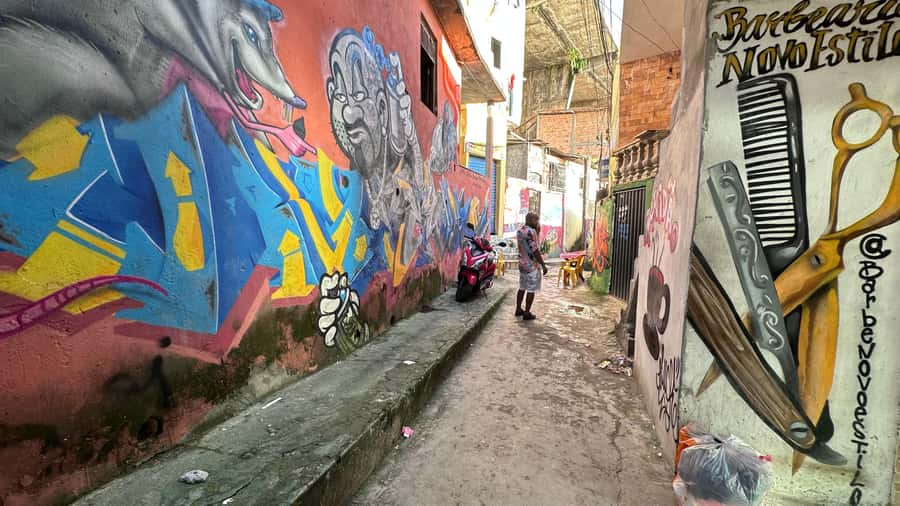
The temple visit is the emotional and educational center of the tour. You visit a Candomblé house connected with the Ewe Fon tradition and learn about the beliefs, practices, and customs that shape this faith.
This part requires respect. Candomblé is a living religion, not an exotic performance arranged for sightseeing. The most valuable approach is to listen, ask thoughtful questions, and follow instructions about what may be photographed or observed.
Past tours have included conversations with a member of the temple family or its leader. That kind of welcome cannot be guaranteed in exactly the same form every time, but it shows why a private guide matters. A good guide can explain what you are seeing and help prevent cultural misunderstandings.
The subject may be especially meaningful if you have Yoruba or other West African family connections. One guest with Yoruba heritage found the guide’s explanation unusually strong, while another described the temple conversation as a privilege. You do not need prior knowledge to appreciate this stop, but you should bring patience and genuine curiosity.
Some people will find this the most important part of the day. Others may feel that six hours of history, belief, and social context is demanding. One particularly useful point made by a past participant is that this tour feels more intellectual than playful. I would take that seriously when deciding.
Lunch beside the sea in a local community
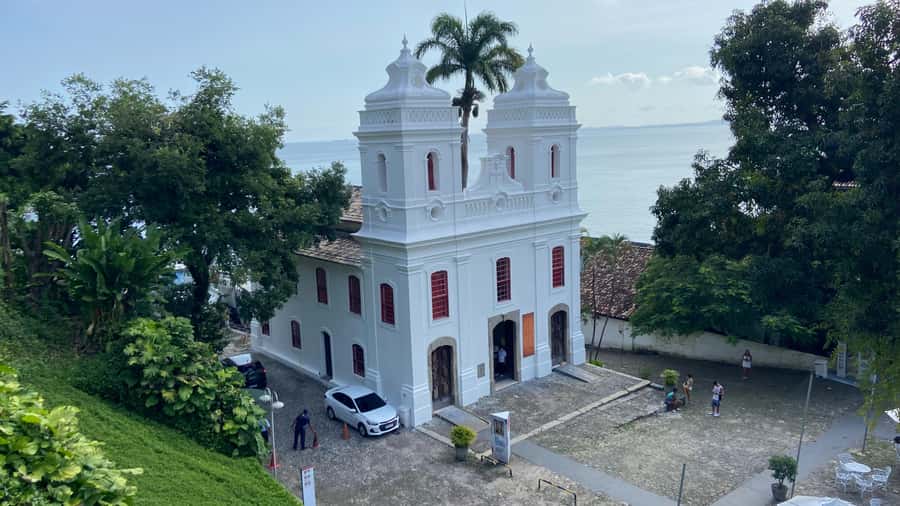
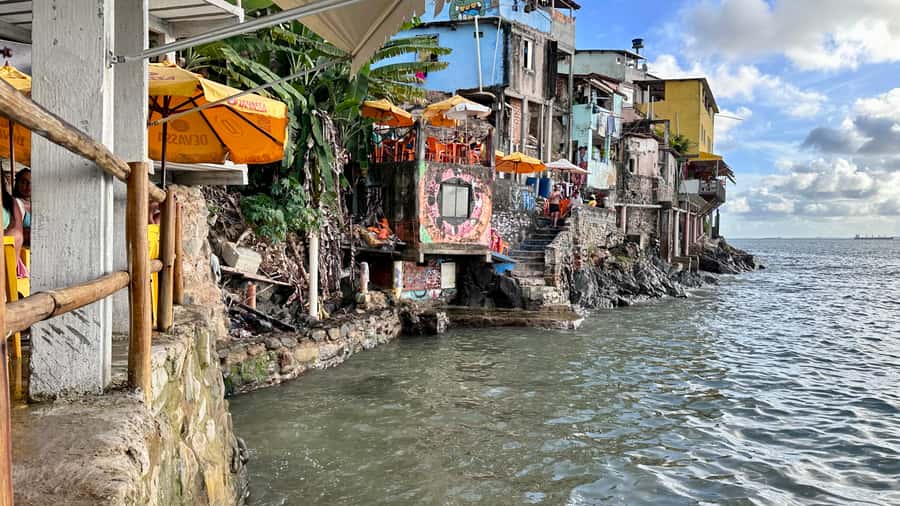
The final stop takes you to a seaside favela community, where you have lunch and free time for about two hours. The meal is served with broad views across the water, giving the day a calm finish after the market and cultural discussions.
The lunch is included, but drinks are not. Bring money for beverages, since the tour specifically excludes drinks in general. The meal has been praised as one of the highlights, especially for its setting and local character.
This stop deserves a careful attitude. A favela is a home and community, not a sightseeing prop. Photography is not authorized in the communities visited, so you should keep your phone and camera away unless your guide clearly says otherwise. That rule is not a nuisance. It is part of visiting responsibly.
The two-hour stop gives you more breathing room than the shorter photo stops. You can eat, look out over the water, and talk with your guide. The seaside setting may feel relaxed, but the social context remains part of the experience.
What the private car adds to the day
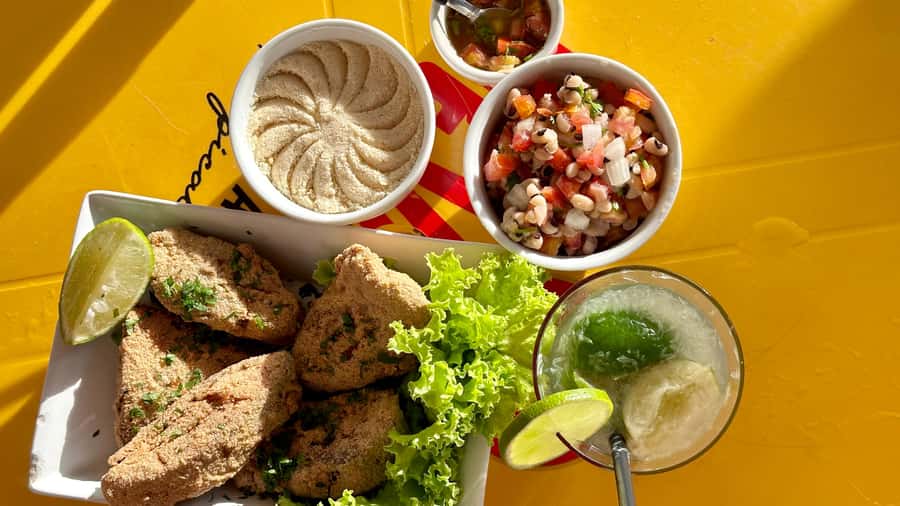
Pickup is included from your accommodation in Salvador, and you return there after the tour. You should wait in the hotel lobby 10 minutes before the scheduled pickup.
A private car is valuable in Salvador because the itinerary covers several separate areas. You avoid piecing together transport between Rio Vermelho, Dique do Tororó, São Joaquim Fair, the religious site, and the seaside community.
The car also gives the guide more room to adjust the day. One guide was praised for changing the order or pace to help keep the group cool, while drivers such as Adriano, Victor, Fábio, and others were praised for safe, calm driving through Salvador traffic.
The vehicle is not the main reason to book, but it makes the six-hour plan practical. You spend your energy listening and looking instead of navigating.
Guides who make the difference
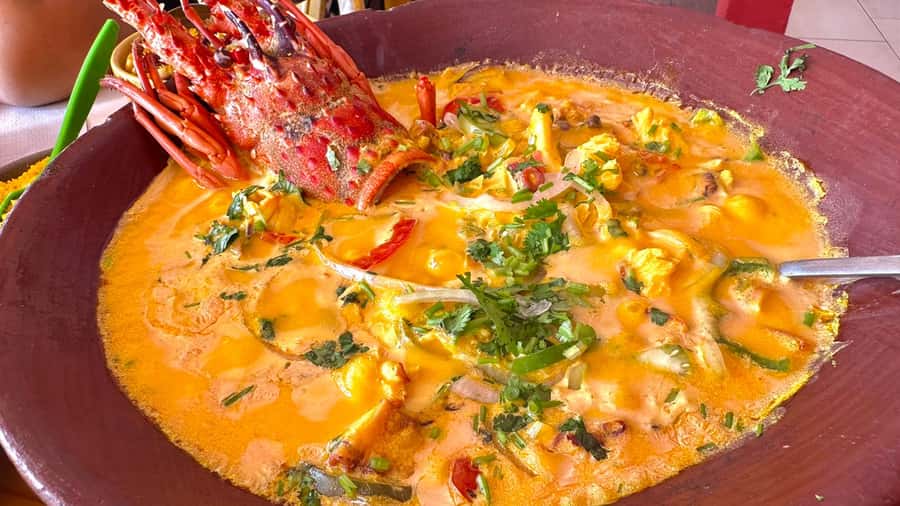
The guide is the heart of this tour. Wilson has been praised for his academic background and for explaining Bahian culture, African heritage, and wider Brazilian history. Mônia has been described as warm, passionate, careful, and particularly good at connecting places with traditions.
Vagner has earned praise for his sophisticated English and his ability to explain complex African cultural connections in Brazil. Ronaldo has been noted for his warmth and charisma, while Fernando and Leandro have also been praised for clear explanations and a broad view of social life.
The available languages are Portuguese, Spanish, English, and French. If you need a particular language or have a strong interest in Yoruba traditions, Candomblé, or family history, it is sensible to state that when booking. Guide assignments can vary, so the personality and specialty you receive may not be predictable.
What you can reasonably expect is a guide who does more than point at buildings. The strongest part of the experience is the conversation between stops.
Is $150 per person good value?
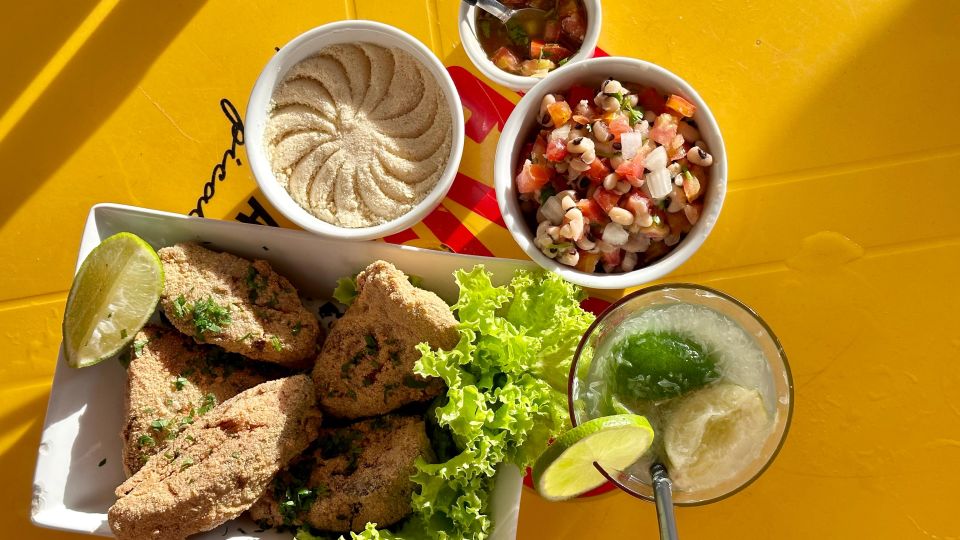
At $150 per person, this is not a bargain city bus tour. It is a private cultural experience with transportation, a guide, lunch, an acarajé tasting, and a donation included.
For one person, the price may feel high. For two or more people sharing a private booking, the value improves because you get a dedicated car and guide for six hours. You also avoid paying separately for several short rides, a meal, and a food tasting.
The bigger question is what kind of day you want. If you want independent time in Salvador’s historic center, you could spend less by walking and eating on your own. But you would likely miss the connections between the market, public monuments, Candomblé, and community life.
I consider the price fair for someone who wants expert interpretation and access to places outside the normal sightseeing route. The value is not in the number of attractions. It is in the quality of the explanations and the chance to ask questions as the day unfolds.
Who should book this experience?
You should consider this tour if you:
- Want to understand Afro-Brazilian culture rather than only photograph Salvador’s landmarks
- Have an interest in African religions, Yoruba heritage, Candomblé, food, or social history
- Prefer a private guide and car to a large group
- Enjoy markets, local neighborhoods, and thoughtful conversations
- Want a relaxed lunch stop with sea views
- Are comfortable following photography restrictions and visiting communities respectfully
You may want a different tour if you prefer a playful food walk, beach time, colonial architecture, or a short list of major monuments. The day includes food and scenic views, but its main purpose is learning.
Wear comfortable shoes, as advised. The tour is not suitable for wheelchair users. Free cancellation is available up to 24 hours before departure, and you can reserve now and pay later, which helps if your Salvador plans are still changing.
Should you book the Afro-Brazilian Roots tour?
Book it if you want Salvador explained through its people, beliefs, food, and working neighborhoods. The strongest reasons are the private format, the serious treatment of Candomblé, the São Joaquim Fair visit, and the chance to eat locally with a sea view.
I would especially recommend it for visitors with African or Afro-Brazilian family connections, students of religion and history, and anyone who feels that a standard city tour leaves too much unsaid. Go ready to listen, not just collect pictures.
Skip it if you want a carefree sightseeing ride with constant entertainment. This tour asks for attention, respect, and a willingness to discuss difficult parts of Brazil’s past and present. For the right person, that is exactly what makes the day worthwhile.
FAQ
How long does the Afro-Brazilian Roots tour last?
The tour lasts six hours, including pickup, visits, food stops, lunch, and the return to Salvador.
Is hotel pickup included?
Yes. Pickup and return are included in Salvador. You should wait in your hotel lobby 10 minutes before the scheduled pickup time.
Is this a private tour?
Yes. The experience is offered for a private group with a private car.
Which languages are available?
The tour is available in Portuguese, Spanish, English, and French.
Is lunch included?
Yes. Lunch is included, along with free time at the seaside community. Drinks are not included.
Is acarajé included?
Yes. An acarajé tasting is included during the visit to Salvador’s food and produce market.
Can I take photographs everywhere?
No. Photography is not authorized in the favela communities visited. Follow your guide’s instructions at each stop.
Is the tour suitable for wheelchair users?
No. The tour is listed as not suitable for wheelchair users.
Can I cancel or pay later?
You can cancel up to 24 hours in advance for a full refund. The reserve-now, pay-later option lets you book without paying immediately.
Newest reviews from around Salvador Brazil
- Salvador: Schooner Cruise with Pickup and Itaparica Stop★ 3.8 · 5 reviews
- Salvador: 3-Hour Percussion Class★ 4.9 · 10 reviews
- Salvador by Night: Cultural Show and Dinner.★ 4.4 · 17 reviews
- Salvador: Traditional Drumming and Percussion Workshop★ 4.4 · 10 reviews
- Salvador: Cultural Treasure – Samba de Roda.★ 4.9 · 51 reviews
- PROMO Salvador: Interactive Art and Culture Private Tour★ 5.0 · 2 reviews
- Salvador: Curated Nightlife Exp. in the Heart of the City★ 5.0 · 2 reviews
- Salvador: Capoeira Class at Mestre Bimba’s 1st Ever School.★ 4.9 · 34 reviews
City Tours, compared.

Rio’s City Tour – Tickets for Christ, Sugar Loaf & Lunch included
Read our review →
Full Day: Christ Redeemer, Sugarloaf, City Tour & Barbecue Lunch
Read our review →
São Paulo’s Full Day City Tour: Main City Sights in 7 Hours – (Shared Group)
Read our review →

Christ the Redeemer & Sugarloaf: Rio City Tour with Lunch
Read our review →
Floripa City Tour by Bus – Whole Island – The Most Complete City Tour
Read our review →
Main City Sights in 7 Hours – Shared Group Tour
Read our review →
Carnival Backstage Tour at Samba City with Cocktail
Read our review →Browse the lists this tour appears in