
Reviewed · SALVADOR & BAHIA TOURS
PROMO Salvador: Interactive Art and Culture Private Tour
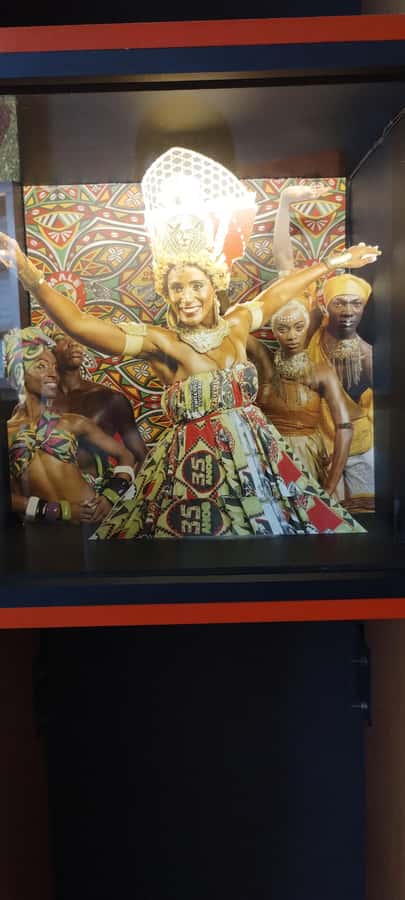
Salvador tells its story through music, faith, and street life. This Wednesday tour links four cultural museums with Mercado Modelo, Pelourinho, and a short stop for the local drink O Cravinho. I like the focused route and the private format, which gives you room to ask real questions. The main drawback is time: six hours, or about five according to one booking account, is tight for several museums.
I also like that the day goes beyond postcard sights. You get Salvador’s carnival story, its music identity, and its Afro-Brazilian culture in one carefully packed outing. Guide Bia earned special praise for her kindness and clear explanations, but museum fans should expect an overview rather than long, quiet visits in every building.
In This Review
- Key things to know before you book
- Why this private Salvador tour works
- Mercado Modelo sets the tone
- Casa das Histórias de Salvador gives the city a voice
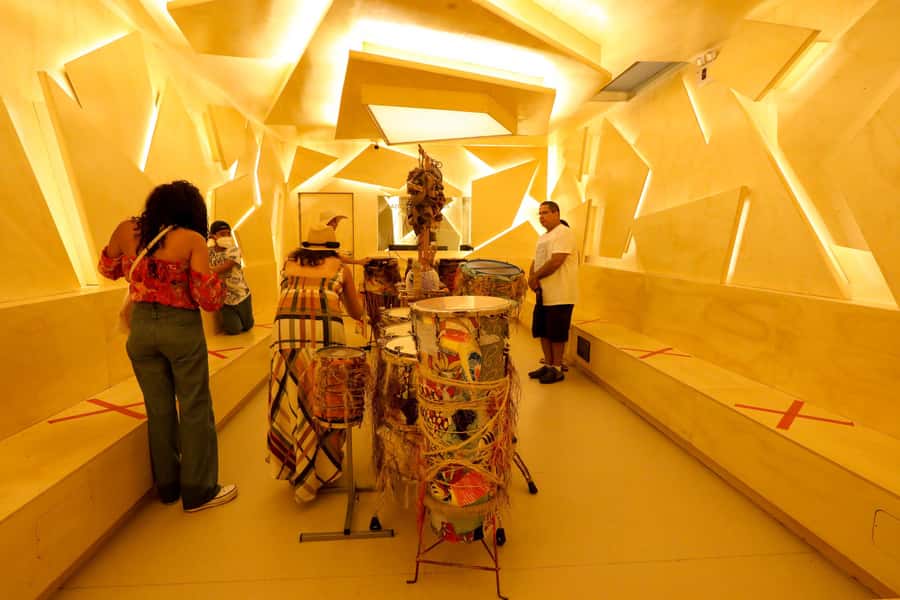
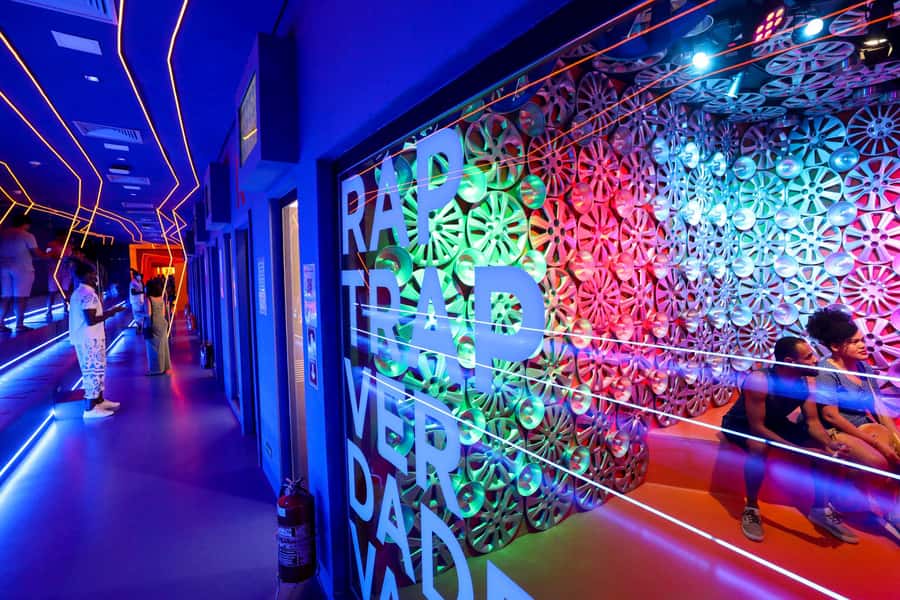
- Cidade da Música da Bahia connects culture with sound
- Pelourinho brings the museums into the street
- Casa do Carnaval explains the city’s great celebration
- O Cravinho adds a brief local pause
- The Afro-Brazilian Museum closes the cultural arc
- What the six-hour schedule feels like
- The guide can shape the experience
- Accessibility, flexibility, and overall value
- Who should book this experience?
- FAQ
- What day does the tour operate?
- How long does the tour last?
- Is this a private tour?
- Which languages are available?
- Is the tour wheelchair accessible?
- Can I cancel or pay later?
- Should you book the Salvador Interactive Art and Culture Private Tour?
Key things to know before you book
- Wednesday is the tour day, so check that your schedule matches the operating day before reserving.
- Mercado Modelo begins the route, offering an easy meeting point and a first look at Salvador’s traditional market culture.
- Three major cultural stops shape the day, Casa das Histórias de Salvador, Cidade da Música da Bahia, and Casa do Carnaval da Bahia.
- Pelourinho and the Afro-Brazilian Museum add context, connecting museum displays with Salvador’s historic center and cultural identity.
- O Cravinho provides a 15-minute aperitif stop, a small but memorable pause between cultural visits.
- The private guide is the biggest practical advantage, especially if you want to ask about philosophy, religion, history, music, or carnival.
Why this private Salvador tour works
Salvador can feel like several cities at once. It is a port city, a center of Afro-Brazilian culture, a home of carnival and music, and a place where religious traditions overlap in everyday life. This tour gives you a framework for those connections instead of leaving you with a series of attractive but unrelated stops.
I like the way the route mixes museums with outdoor walking. You are not spending six straight hours inside galleries, nor are you simply passing famous buildings from a vehicle. Mercado Modelo, Pelourinho, and O Cravinho give the day a more physical sense of place, while the museums supply the background.
The private format matters here. A fixed group tour can make museum visits feel rushed and impersonal. With your own guide, you can ask for more detail when something catches your attention, or keep moving when a display is less interesting to you. One especially strong account described long discussions about philosophy, religion, and history, which suggests this can be more than a standard sightseeing script.
Still, you should set realistic expectations. The tour covers a lot. If you want to study every exhibit, read every panel, and linger in each room, you will probably need to return independently. The best way to approach this experience is as a well-guided introduction, with the option to choose one favorite museum for a longer visit later.
A few more Salvador Brazil days to weigh up
- From Salvador: Schooner Tour to Frades Islands and Itaparica
★ 3.9 · 98 reviews - Afro-Brazilian Roots Private City Tour in Salvador
★ 4.7 · 88 reviews - Salvador Historic Walking Tour – Pelourinho
★ 4.8 · 62 reviews
Mercado Modelo sets the tone
The tour starts at Mercado Modelo, one of Salvador’s best-known meeting points. The schedule allows for a photo stop, a visit, and a guided tour of about 30 minutes.
That opening is useful because it gives you a quick orientation before the museum-heavy part of the day. You can get a first sense of Salvador’s local products, crafts, and visitor culture, then ask your guide how the market fits into the city’s wider story.
Thirty minutes is not enough for a slow browse. Think of this as a compact introduction rather than a shopping expedition. If you plan to buy anything, keep the time limit in mind and avoid letting the first stop consume the afternoon.
The market also helps establish the tour’s rhythm. You begin in a public, commercial setting, then move toward museums and historic streets. That contrast makes the later cultural stops easier to place in context.
Casa das Histórias de Salvador gives the city a voice
The next major visit is Casa das Histórias de Salvador, with about an hour set aside for the stop. Of all the scheduled museums, this is one of the clearest places to build a broad understanding of the city.
The name points to a place centered on Salvador’s own story, and the tour presents it as a key part of the city’s cultural circuit. Your guide can help connect what you see here with the streets, buildings, music, and beliefs encountered later in the day.
An hour is a useful amount of time for a guided introduction. You should have enough room to absorb the main themes without losing the pace of the full route. If you are an avid museum visitor, though, you may want more time for details and smaller displays.
This is where a private guide can make a real difference. Instead of simply moving from room to room, you can ask how the city’s past relates to present-day Salvador. The strongest experience will come from treating the museum as a starting point for conversation, not just a checklist stop.
Cidade da Música da Bahia connects culture with sound
Cidade da Música da Bahia shifts the focus from written history and objects to the role of music in Salvador. The tour describes it as the City of Music, and that theme is central to understanding the city’s public life.
Music in Salvador is not treated here as background decoration. It is presented as part of the city’s identity, which gives this stop a different feel from a conventional history museum. You might find that the visit helps explain why sound, performance, and celebration matter so much in Bahian culture.
The exact amount of time at this museum is not stated, so you should expect the guide to manage the visit according to the day’s schedule. That can be useful for keeping the tour on track, but it also reinforces the need to return later if you want a slower look.
I like this stop because it keeps the experience from becoming too formal. After a museum about the city’s past, music gives you another way to understand Salvador. It also prepares you for the next cultural theme, carnival.
Same patch of Brazil, a completely different sort of day:
- Salvador de Bahia African Culture Tour
★ 4.5 · 60 reviews - Salvador: Praia Do Forte and Guarajuba Beach Day Trip
★ 4.1 · 56 reviews - Salvador: Cultural Treasure – Samba de Roda.
★ 4.9 · 51 reviews - Salvador: Walking Tour Through Pelourinho
★ 5.0 · 49 reviews
Pelourinho brings the museums into the street
Pelourinho is not simply a pass-by photo opportunity. The tour includes a visit and a walk through this famous part of Salvador, allowing you to connect the indoor displays with the city itself.
A walk here changes the pace. After museum visits, you get to see the historic center as a lived setting rather than as an illustration in a display. Your guide can point out how the area relates to Salvador’s social and cultural story, although the exact walking route and length are not specified.
You should wear comfortable shoes and be prepared for a day with plenty of movement. The tour is described as wheelchair accessible, but Salvador’s historic streets can still make individual walking conditions important to discuss when booking.
Pelourinho is also one of the places where your private guide’s local perspective matters most. The same street can look like a colorful photo stop or a place shaped by difficult history, religious traditions, music, and daily life. Good questions will make this portion far more rewarding.
Casa do Carnaval explains the city’s great celebration
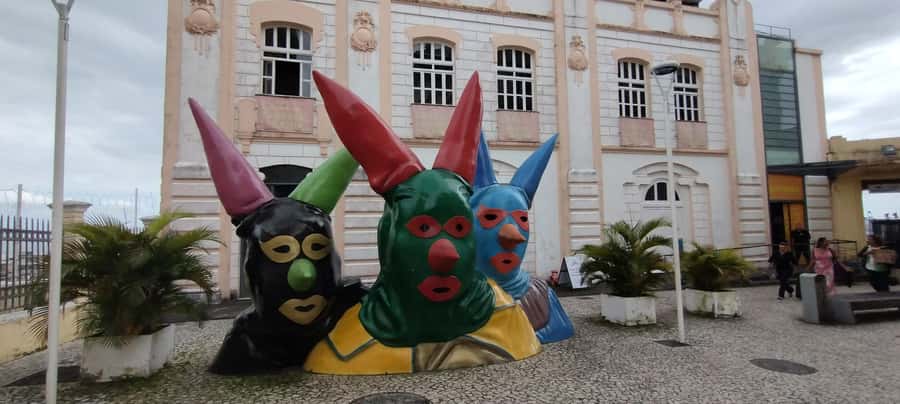
Casa do Carnaval da Bahia is the tour’s dedicated stop for Salvador’s carnival culture. You visit with a guided tour, so this is more than a quick look from outside.
Carnival is often reduced to costumes, drums, and crowds. This museum gives you a chance to understand the work, traditions, and cultural meaning behind the revelry. It also connects directly with the earlier stop at Cidade da Música da Bahia, since music and carnival are closely linked themes in the day’s design.
The visit should appeal to you even if you are not planning to attend carnival. It explains a major part of Salvador’s public identity in a setting where your guide can answer questions and add context.
Time remains the issue. Four museums plus outdoor stops make it impossible to explore every display at length. I would pay attention to what interests you most here, then ask your guide for suggestions about where to spend extra time on another visit.
O Cravinho adds a brief local pause
The stop at O Cravinho lasts about 15 minutes and includes an aperitif. It is a small part of the schedule, but it breaks up the museum visits in a useful way.
Rather than treating the day as a race from one cultural institution to another, this pause lets you sit with the atmosphere for a moment. You can try the drink associated with the stop, then continue toward the final museum.
Because the stop is short, do not expect a full food or drink experience. It is best viewed as a taste and a pause, not a separate culinary tour. If you do not drink alcohol, clarify what alternatives are available, since the supplied details only identify an aperitif.
The Afro-Brazilian Museum closes the cultural arc
The final listed stop is the Cultural Afro Brazilian Museum. Its place in the route is important because Salvador’s identity cannot be understood without attention to African and Afro-Brazilian influence.
This museum gives the day a strong cultural focus. After seeing the city’s general story, its music, its carnival traditions, and its historic center, you finish with a visit centered on Afro-Brazilian culture.
That progression makes sense, but it may also leave you wishing for more time here. The museum is at the end of a full schedule, when you may already be processing a lot of information. If this is your main reason for booking, tell your guide early in the day so you can manage your attention and questions.
The stop should be especially valuable if you want Salvador presented through more than colonial architecture and scenic streets. It places culture and identity at the center of the experience.
What the six-hour schedule feels like
The stated duration is six hours. One booking account described the experience as taking five hours, so I would confirm the exact timing and starting hour before you go. The practical lesson is the same either way: this is a packed half-day, not a relaxed museum day.
The schedule includes:
- About 30 minutes at Mercado Modelo
- About one hour at Casa das Histórias de Salvador
- A visit to Cidade da Música da Bahia
- A walk and visit around Pelourinho
- A guided visit to Casa do Carnaval da Bahia
- About 15 minutes at O Cravinho
- A visit to the Cultural Afro Brazilian Museum
The missing durations for several stops make the guide’s pacing important. A private group can usually move more efficiently than a large shared group, but you should not expect unlimited time at each site.
I would book this tour early in your Salvador stay if possible. That way, you can return to the museum or neighborhood that speaks to you most. The tour gives you breadth first, then helps you decide where to go deeper.
The guide can shape the experience
The tour offers live guiding in Chinese, English, French, German, Italian, Japanese, Portuguese, and Spanish. That wide language range is useful, but you should select the language you want when booking and confirm the arrangement.
The private format also gives you a better chance to shape the conversation. One particularly strong experience involved guide Bia, who was praised for being kind, clear, and willing to discuss philosophy, religion, and history. Those details matter because Salvador’s culture raises questions that do not fit neatly into a basic sightseeing talk.
You should come prepared with a few questions. Ask about the links between music and religion, the role of carnival in city life, or how Afro-Brazilian culture appears in Salvador today. The more curious you are, the less this will feel like a passive museum circuit.
A driver was also praised for providing a smooth and safe journey. The supplied details do not explain the exact transport arrangements or which sections are driven, so confirm those points if mobility or vehicle access is important to you.
Accessibility, flexibility, and overall value
The experience is listed as wheelchair accessible, which is a useful starting point. Because the route includes Pelourinho and walking, you should still discuss your specific needs with VivaBahiaTour before booking. Accessibility in a historic center can depend on the precise route and surface conditions.
The tour is a private group experience, so its value depends less on finding the lowest possible price and more on how much you want personal attention. No price is provided here, so I cannot judge the exact cost. In general, the private format makes the strongest financial sense for families, couples, or small groups who value a flexible conversation and do not want to follow a large crowd.
Free cancellation up to 24 hours before the start adds useful flexibility. You can also reserve now and pay later, which helps if your Salvador schedule is still changing.
For museum lovers, the value is in the range of places covered. For first-time visitors, the value is in getting a clear cultural map of the city in one day. For repeat visitors, it works best if you want a guided look at subjects you may have missed on an earlier trip.
Who should book this experience?
I would recommend it to first-time visitors who want more than a basic city highlights tour. It suits you if museums, music, carnival, Afro-Brazilian culture, and guided conversation all sound appealing.
It also fits families or small private groups with different interests. One person can ask about history, another about religion or music, and the guide can adjust the discussion. That flexibility is harder to get on a large group outing.
I would be more cautious if you dislike a full schedule or prefer to spend two or three hours in one museum. You may feel rushed, especially if the actual outing is closer to five hours. The best plan is to use this as an introduction, then return to your favorite museum with more time.
FAQ
What day does the tour operate?
The tour is described as a Wednesday experience. Check availability for the specific Wednesday you want before booking.
How long does the tour last?
The stated duration is six hours. One experience account referred to five hours, so confirm the exact timing with VivaBahiaTour.
Is this a private tour?
Yes. The experience is offered for a private group.
Which languages are available?
Live guides are available in Chinese, English, French, German, Italian, Japanese, Portuguese, and Spanish.
Is the tour wheelchair accessible?
Yes, the experience is listed as wheelchair accessible. Since the route includes walking in Pelourinho, discuss your specific access needs with the provider.
Can I cancel or pay later?
You can cancel up to 24 hours in advance for a full refund. The reserve-now, pay-later option lets you book without paying immediately.
Should you book the Salvador Interactive Art and Culture Private Tour?
Book it if you want a guided introduction to Salvador’s cultural core, especially if your interests include museums, music, carnival, and Afro-Brazilian culture. The private format, broad language choice, and chance for thoughtful questions make it more personal than a quick highlights circuit.
Do not book it expecting a slow museum crawl. The schedule covers a lot, and the time at each stop may be brief. Go in ready to gather the main ideas, mark the places you want to revisit, and let your guide, especially someone with Bia’s conversational approach, turn the day into a discussion rather than a simple march between buildings.
Newest reviews from around Salvador Brazil
- Salvador: Schooner Cruise with Pickup and Itaparica Stop★ 3.8 · 5 reviews
- Salvador: 3-Hour Percussion Class★ 4.9 · 10 reviews
- Salvador by Night: Cultural Show and Dinner.★ 4.4 · 17 reviews
- Salvador: Traditional Drumming and Percussion Workshop★ 4.4 · 10 reviews
- Salvador: Cultural Treasure – Samba de Roda.★ 4.9 · 51 reviews
- Salvador: Curated Nightlife Exp. in the Heart of the City★ 5.0 · 2 reviews
- Salvador: Capoeira Class at Mestre Bimba’s 1st Ever School.★ 4.9 · 34 reviews
- Salvador: Caipirinha Masterclass with Unlimited Drinks★ 4.2 · 4 reviews
Salvador & Bahia Tours, compared.

Salvador City Tour – Discover Brazil’s First Capital En, It, Es
Read our review →
Cooking class in Salvador, an authentic dinning experience
Read our review →
Tour to the Frades Islands and Itaparica, from Salvador – Ba
Read our review →
Itinerary 1:CAVES – Booking from 2 people – Chapada Diamantina by Zentur
Read our review →
Transfer Salvador Airport / Hotel Litoral Norte
Read our review →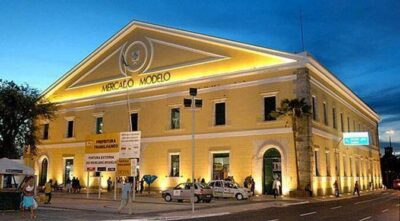

Browse the lists this tour appears in