
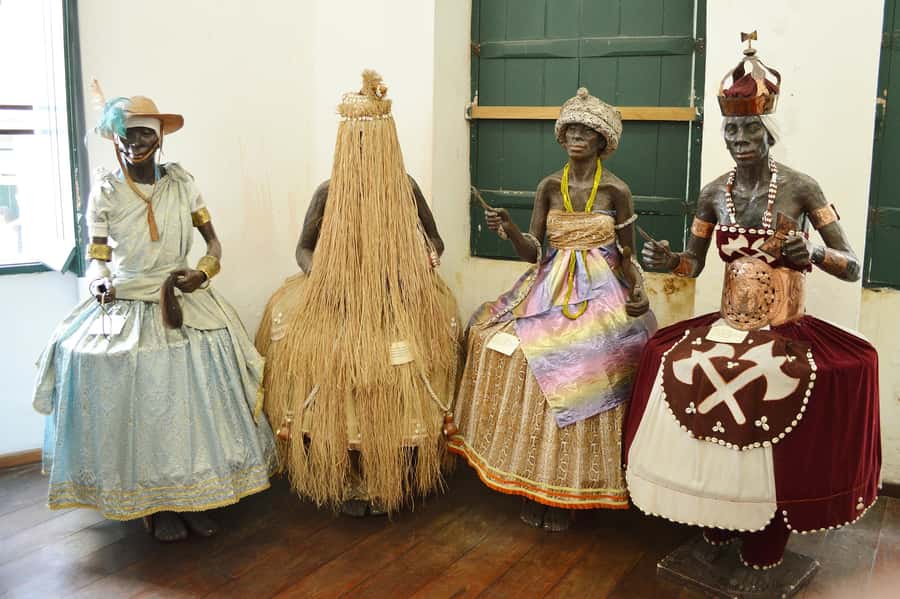
Reviewed · SALVADOR & BAHIA TOURS
Salvador de Bahia African Culture Tour
Salvador’s past is impossible to ignore. This three-hour private walk links African heritage with the city’s colonial churches, public squares, music, dance, and Carnival traditions. I like that the tour treats African culture as a living part of Salvador, not as a small footnote to Portuguese history. I also like the private format, which gives you room to ask questions and shape the conversation.
The walk begins at the Cathedral Basilica and ends near the Cross of São Francisco. Guides such as Eduardo, Sayuri, Adilson, Aldison, Nilza, Facundo, and Carlos have earned praise for clear explanations and a friendly manner. My main caution is value: one booking party felt the price was high for a walking tour built around free museums and reported finishing after two hours instead of the stated three.
In This Review
- Key points to know before booking
- Starting at Salvador Cathedral at 2 pm
- Terreiro de Jesus and the colonial city
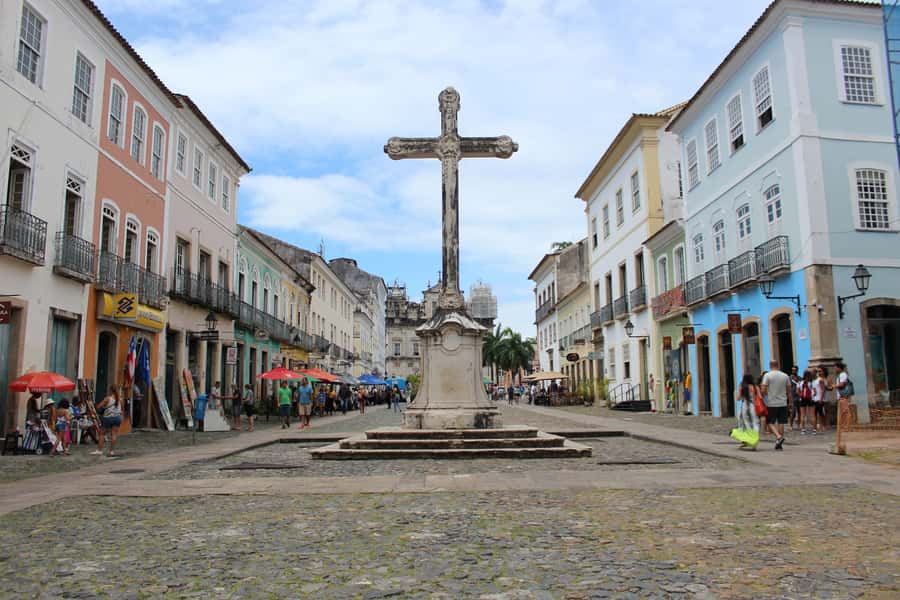
- The Cross of São Francisco and Black resistance
- Olodum and the meaning of Carnival
- What the guides add to the experience
- Pace, walking conditions, and the three-hour promise
- Is a paid walking tour good value?
- Who should book this Salvador cultural walk?
- My booking advice
- FAQ
- Where does the Salvador de Bahia African Culture Tour begin?
- How long does the walking tour last?
- Where does the tour finish?
- Which languages are available?
- Is this a private tour?
- Which places are included in the route?
- Can I cancel the booking for a full refund?
Key points to know before booking
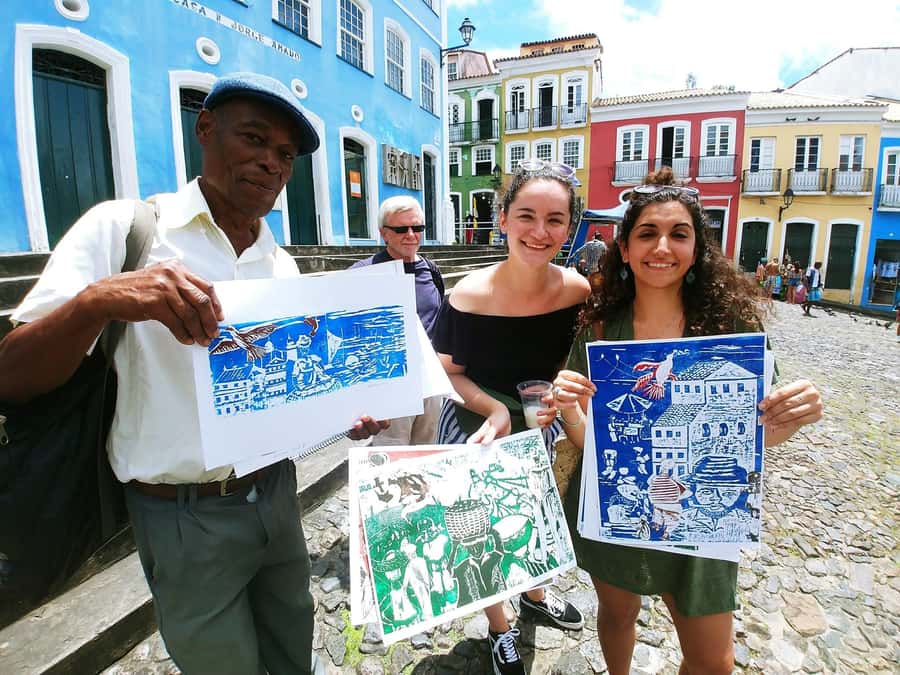
- The route begins at the Cathedral Basilica: You meet at 2 pm in front of one of Salvador’s central landmarks before walking through the historic center.
- Terreiro de Jesus connects church and colonization: The opening stop sets out the role of Jesuit missions and Portuguese rule in Bahia.
- The Cross of São Francisco brings resistance into focus: You learn about a 19th-century men’s organization created to help Salvador’s Black community pursue liberation.
- Music and movement are part of the lesson: Samba and capoeira are used to explain how African traditions continue in Brazilian life.
- Olodum links culture with Carnival: The Escola do Olodum is a cultural and educational center focused on African descent and the importance of Carnival.
- Private groups make the tour flexible: Guides can answer personal questions, and some groups have spent time in museums or adjusted the discussion to their interests.
Starting at Salvador Cathedral at 2 pm
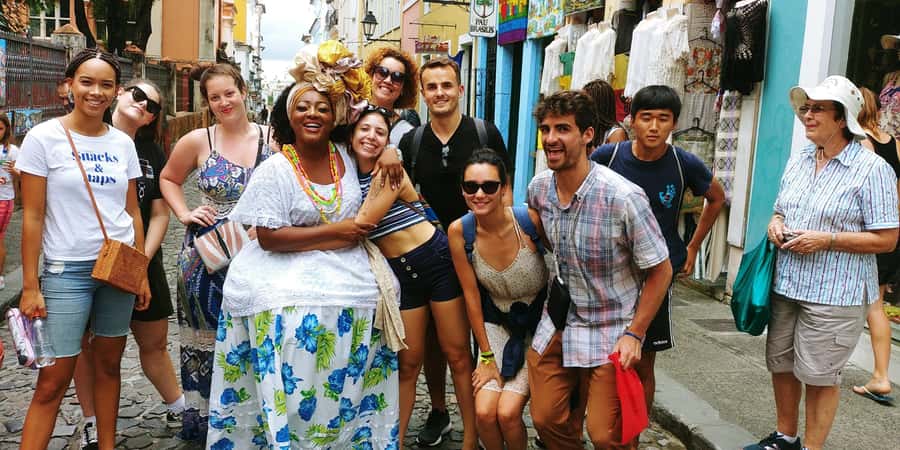
You meet in front of the Cathedral Basilica of San Salvador at 2 pm. The meeting point is in the center, at approximately -12.9728546, -38.5097046, so you should identify the cathedral before the start rather than arrive at the last moment.
This opening location matters because the tour begins with a clear view of how Salvador was shaped by both Catholic colonial power and African resistance. The cathedral and the surrounding historic center are not just scenic backdrops. They help your guide explain who controlled the city, how the colonial system operated, and how African people and their descendants shaped Salvador despite that system.
The guide service is available in English, Portuguese, and Spanish. That language choice is useful here because the subject includes slavery, colonization, religion, race, music, and liberation. You will want explanations that go beyond a quick list of dates.
The tour is sold as a private group experience. That changes the feel of a walking tour. You are not trying to hear a guide over a large crowd, and you can ask about a particular subject as it comes up. Sayuri, for example, was praised for asking at the start what the group wanted to learn and then adapting the route and discussion. Another group described Adilson as friendly and interactive, while Eduardo received strong praise for his grasp of local and Brazilian history.
A few more Salvador Brazil days to weigh up
- From Salvador: Schooner Tour to Frades Islands and Itaparica
★ 3.9 · 98 reviews - Afro-Brazilian Roots Private City Tour in Salvador
★ 4.7 · 88 reviews - Salvador Historic Walking Tour – Pelourinho
★ 4.8 · 62 reviews
Terreiro de Jesus and the colonial city
The first main stop is Terreiro de Jesus, a major square in Salvador’s historic center. Here the guide explains the arrival and work of Jesuit missions, along with the wider Portuguese colonization of this part of Brazil.
This is a useful beginning because it gives the tour a firm base. You first see the institutions that shaped colonial Salvador, then you can better understand the African influence that grew within, around, and in opposition to them. The discussion is not limited to architecture. It deals with power, religion, labor, and the people who made the city function.
The square also provides a setting for discussing African figures associated with Salvador. The available description does not name each person in advance, so you should ask your guide which historical and cultural figures will be covered. That is one advantage of a private group: you can steer the conversation toward musicians, artists, political figures, religious leaders, or other subjects that interest you.
Several people who took similar versions of the walk spent time in three museums. Museum visits are not presented as a guaranteed part of every booking, so you should confirm the exact plan with your guide. If museums are included, they can add useful objects and images to the spoken history. If not, Terreiro de Jesus still works well as a place to begin making sense of Salvador’s center.
The Cross of São Francisco and Black resistance
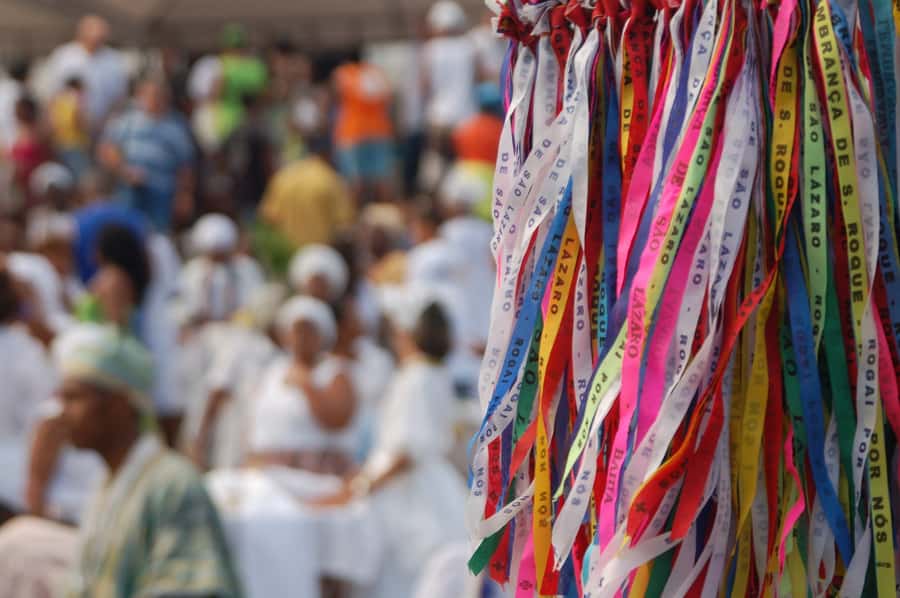
The walk continues to the Cross of São Francisco. This stop brings a more direct political and social focus. You learn about the creation, in the 19th century, of a men’s organization whose purpose was to assist Salvador’s Black community in its fight for liberation.
That subject helps prevent the tour from becoming a simple celebration of music and color. African culture in Salvador is not only about Carnival, drumming, dance, or food. It is also about community support, organized resistance, identity, and the effort to secure freedom in a city marked by slavery and racial inequality.
The tour also uses the Cross of São Francisco area to discuss samba and capoeira. These are not treated merely as entertainment. The guide connects them to African cultural traditions and to the ways those traditions remain visible in Brazilian public life.
You may find this part especially rewarding if you want context rather than a performance. The description promises an explanation of the dances and rhythms, not a separate capoeira class or music show. You should expect conversation and interpretation, with the possibility that the rhythm will make you want to move your feet, rather than a scheduled stage performance.
The Cross of São Francisco is also the ending point listed for the tour. That makes the route easy to understand: you begin at the cathedral, walk through the central historic area, visit the Olodum school, and finish back near São Francisco. The information gives both the starting and ending points as the central religious and historic district, with no transport included or required.
Olodum and the meaning of Carnival
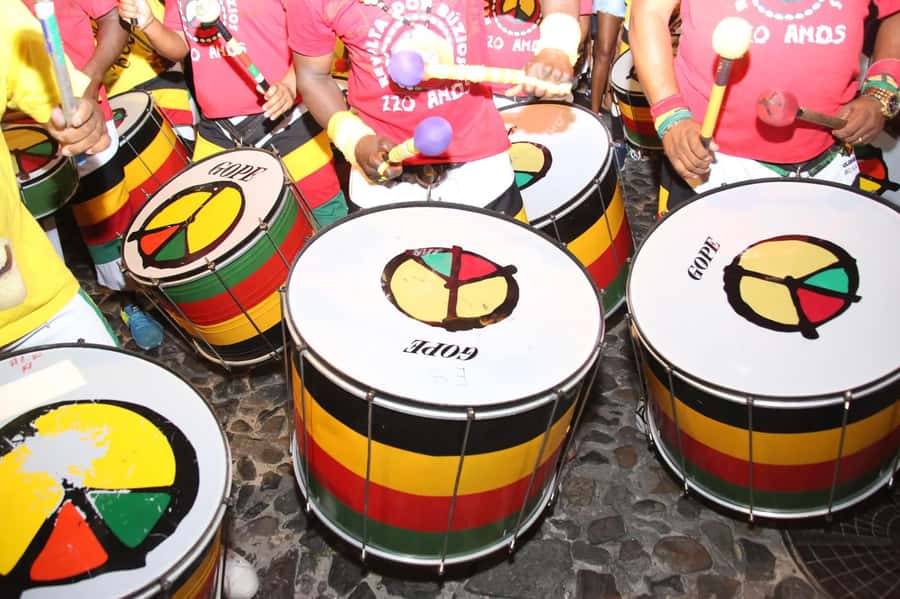
The final featured stop is the Escola do Olodum. It is described as a cultural and educational center of African descent, and the guide uses it to explain Carnival’s importance in Salvador.
This is one of the most distinctive parts of the tour because it links history to a living institution. You are not only hearing about African influence in the past. You are looking at the role of organized cultural work, education, music, and public celebration in present-day Salvador.
Carnival deserves this attention. In Salvador, it is more than a few days of parties. The tour presents it as an important expression of the city’s African identity and a major way that music, rhythm, performance, and community enter public life. If you are interested in attending Carnival, Sayuri has also helped some people understand how to approach the event beyond the time spent on the tour.
The school visit may be the strongest reason to choose this tour instead of a general city walk. A standard Salvador sightseeing route can show you churches, colorful streets, and viewpoints. This experience tries to explain why music and collective celebration carry such weight in the city.
Still, keep the scope clear. The listed program does not promise a concert, rehearsal, drumming workshop, or Carnival event. You should book it for cultural explanation and a visit to the Olodum center, not for a guaranteed live performance.
Same patch of Brazil, a completely different sort of day:
- Salvador: Praia Do Forte and Guarajuba Beach Day Trip
★ 4.1 · 56 reviews - Salvador: Cultural Treasure – Samba de Roda.
★ 4.9 · 51 reviews - Salvador: Walking Tour Through Pelourinho
★ 5.0 · 49 reviews - Salvador: Capoeira Class at Mestre Bimba’s 1st Ever School.
★ 4.9 · 34 reviews
What the guides add to the experience
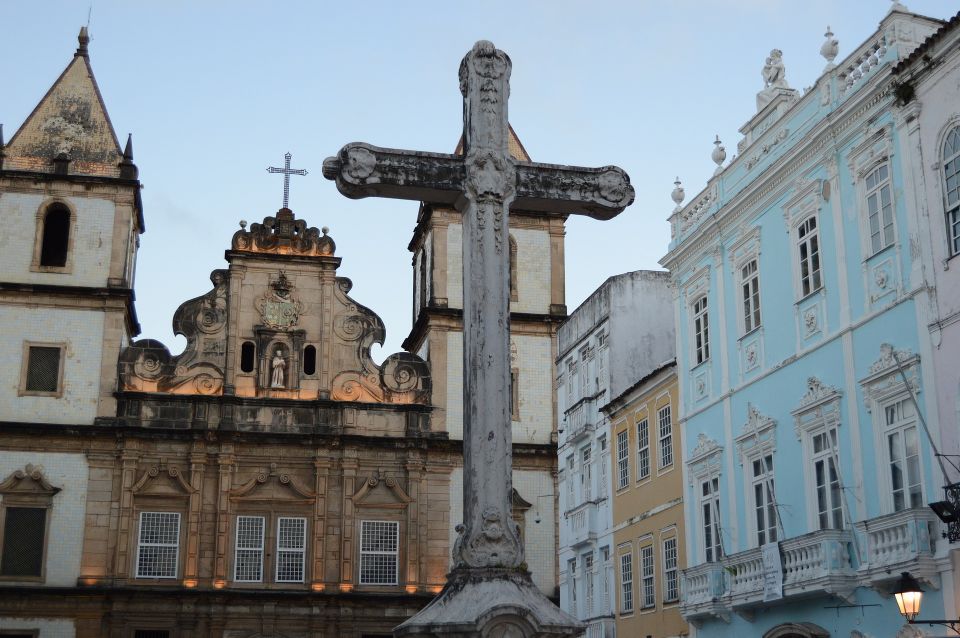
The guide is central to the quality of this tour. The route itself is compact, and several of the key locations can be visited without paying an entrance fee. The value comes from how well the guide connects the places.
The strongest praise has gone to guides who explain difficult subjects in a calm, open way. Sayuri was singled out for handling slavery, prostitution, and the Black Brazilian experience with care. She also answered questions before and after the activity and gave useful advice about Salvador and Carnival.
Eduardo was praised for his grasp of both Salvador’s local story and Brazilian history more broadly. Adilson was described as easy to talk to and good at making the walk interactive. Another guide, Aldison, gave one group the feeling of exploring the city with a friend. Those details matter because a private tour works best when the guide listens as well as speaks.
You should use the private format actively. Before you start, tell the guide if you are most interested in religion, slavery, music, Carnival, capoeira, architecture, or modern Black identity. One group had its route shaped around specific questions, while another appreciated being allowed to guide parts of the discussion.
The guide names may vary, and the booking information lists English, Portuguese, and Spanish. If a particular guide or language is important to you, confirm it when booking rather than assuming you will receive the person praised in a specific account.
Pace, walking conditions, and the three-hour promise
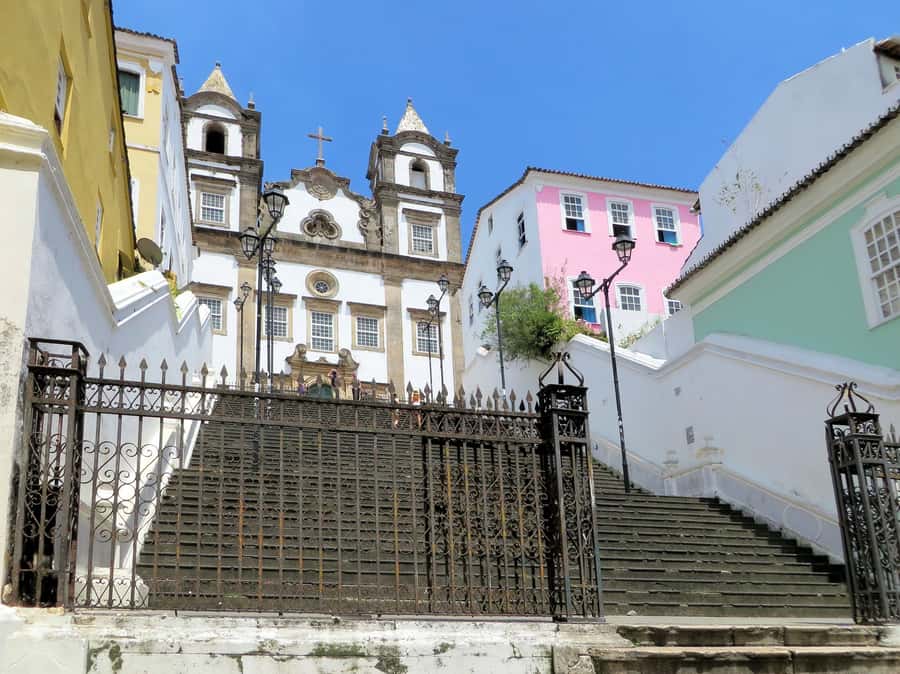
The experience lasts three hours and is entirely described as a walking tour through Salvador’s center. The route includes several major cultural and historic points, but no transport is mentioned.
You should be ready to walk between the cathedral, Terreiro de Jesus, the Cross of São Francisco, and the Olodum school. The exact distance and surface conditions are not provided, so I would treat this as a city-center walk rather than a museum visit with long periods of sitting.
The 2 pm start gives you an afternoon activity. It also means you should pay attention to the weather and your own comfort, since Salvador can be hot. The supplied information does not list refreshments, hotel pickup, transport, or entrance tickets as inclusions, so do not assume any of these are part of the booking.
The stated duration is important. Most of the feedback describes a satisfying and detailed experience, but one French-language review reported that the guide ended after two hours. That is a clear point to confirm at the beginning. If you have a fixed evening plan, ask how much time will be spent at each stop and where the tour will finish.
Is a paid walking tour good value?
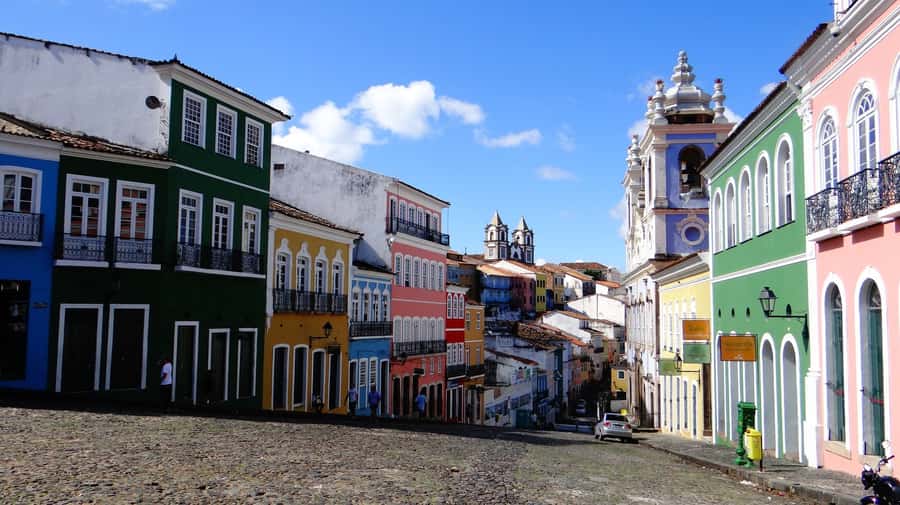
The price is not provided here, so I cannot call it cheap or expensive in absolute terms. The right question is what you are paying for.
You are paying for a private guide, a three-hour route, language support, and interpretation of Salvador’s African heritage. You are not paying for transport, a boat trip, or a ticketed show. The route includes public places and may include free museums, depending on the guide and group.
For me, the tour offers good value if you want a serious conversation and can make use of the private format. A strong guide can connect Jesuit colonization, Black community organizations, samba, capoeira, and Olodum in a way that you would not get from simply walking through the squares alone.
The value is weaker if you mainly want quick photographs or a paid performance. It is also weaker if your booking ends well before the promised three hours. Ask about the duration, museum visits, and exact route before you begin.
The overall rating is 4.5 out of 5 from 60 reviews. The large number of top scores points to a consistently well-received experience, while the lower score is useful because it raises a practical concern about cost and time. I would not ignore that criticism, especially in Brazil, where a walking tour using free sites can feel expensive if the guide service is brief.
Who should book this Salvador cultural walk?
I would recommend this tour to you if African influence is a main reason for visiting Salvador. It suits people who want to understand the city’s music, social history, religion, resistance, and Carnival culture rather than simply collect landmarks.
It is also a good choice if you prefer a private conversation. Families, couples, and small groups can ask direct questions and request more attention to a particular period or theme. The guide’s ability to adjust the conversation was one of the clearest strengths of the experience.
You may prefer a different activity if you want a full-day tour, transportation to several neighborhoods, a live capoeira show, or a hands-on music class. Those are not promised here.
The walk is also less suitable if you dislike sensitive historical topics. Slavery, colonization, prostitution, racial inequality, and liberation are part of the discussion. That is not a flaw, but you should know the tour takes Salvador’s past seriously.
My booking advice
Book this tour if you want a focused introduction to Salvador’s African heritage and value a guide who can answer questions in depth. The best version of the experience will be shaped by your curiosity, so arrive with two or three subjects you want to discuss.
Before paying, confirm the guide language, the expected three-hour duration, whether museums are included, and what exactly happens at the Escola do Olodum. If the price is high for your budget, compare it with a general Salvador city walk or a dedicated Afro-Brazilian heritage tour.
I would choose this experience early in a Salvador visit. It can give later visits to churches, museums, Carnival sites, music venues, and local restaurants more meaning. Just keep your expectations practical: this is a private historical walk, not a concert or a complete city tour.
FAQ
Where does the Salvador de Bahia African Culture Tour begin?
The tour begins at 2 pm in front of the Cathedral Basilica of San Salvador. The meeting point coordinates are -12.972854614257812, -38.50970458984375.
How long does the walking tour last?
The stated duration is three hours. One booking party reported finishing after two hours, so it is sensible to confirm the expected timing with your guide at the start.
Where does the tour finish?
The tour ends at the Cross of São Francisco, also called the Cross of San Francisco in the activity details.
Which languages are available?
The tour is offered with a live guide in English, Portuguese, or Spanish.
Is this a private tour?
Yes. The group type is listed as a private group.
Which places are included in the route?
The featured places are Terreiro de Jesus, the Cross of São Francisco, and the Escola do Olodum. The tour also covers the Cathedral Basilica meeting area, samba, capoeira, colonization, Black community organizations, and Carnival.
Can I cancel the booking for a full refund?
You can cancel up to 24 hours in advance for a full refund. The activity also allows you to reserve now and pay later.
Newest reviews from around Salvador Brazil
- Salvador: Schooner Cruise with Pickup and Itaparica Stop★ 3.8 · 5 reviews
- Salvador: 3-Hour Percussion Class★ 4.9 · 10 reviews
- Salvador by Night: Cultural Show and Dinner.★ 4.4 · 17 reviews
- Salvador: Traditional Drumming and Percussion Workshop★ 4.4 · 10 reviews
- Salvador: Cultural Treasure – Samba de Roda.★ 4.9 · 51 reviews
- PROMO Salvador: Interactive Art and Culture Private Tour★ 5.0 · 2 reviews
- Salvador: Curated Nightlife Exp. in the Heart of the City★ 5.0 · 2 reviews
- Salvador: Capoeira Class at Mestre Bimba’s 1st Ever School.★ 4.9 · 34 reviews
Salvador & Bahia Tours, compared.

Salvador City Tour – Discover Brazil’s First Capital En, It, Es
Read our review →
Cooking class in Salvador, an authentic dinning experience
Read our review →
Tour to the Frades Islands and Itaparica, from Salvador – Ba
Read our review →
Itinerary 1:CAVES – Booking from 2 people – Chapada Diamantina by Zentur
Read our review →
Transfer Salvador Airport / Hotel Litoral Norte
Read our review →

Browse the lists this tour appears in