
Reviewed · COOKING CLASSES
Cooking class in Salvador, an authentic dinning experience
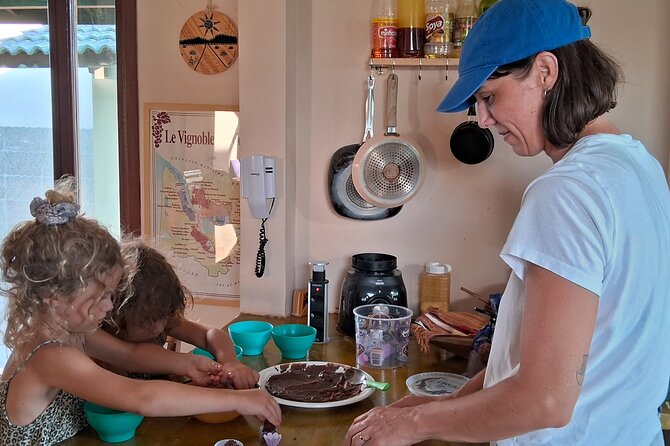
Food is the best way to meet Bahia. This four-hour Salvador cooking class takes you into a home kitchen, where you make classic dishes, sip caipirinhas, and learn how local ingredients shape Bahian cooking. I especially like the hands-on format and the chance to cook a full meal rather than watch a demonstration. The host, Karla, also gives practical tips about Salvador and other places to eat.
I also like the personal touch. The menu can be adjusted for vegetarian, vegan, gluten-free, or other dietary needs if you mention them while booking. The main consideration is location: you must make your own way to Stella Maris, since private transportation is not included. If you expect a market visit, confirm that in advance, because the cooking-only option begins at the home.
In This Review
- Key points at a glance
- Why a Salvador home kitchen makes a difference
- Starting with caipirinha and pão de queijo
- Queijo coalho, pineapple pepper jelly, and shrimp tapioca
- Making brigadeiro before the main meal
- The heart of the class: moqueca
- Eating together in Stella Maris
- Coffee from Bahia and a final liqueur
- Price, timing, and getting there
- Who should book this cooking class?
- Should you book it?
- FAQ
- How long does the Salvador cooking class last?
- How much does the cooking class cost?
- Where does the cooking class begin?
- Where does the activity end?
- Is transportation included?
- Is this a private activity?
- What food will I prepare?
- Can dietary restrictions be accommodated?
- Are alcoholic and nonalcoholic drinks included?
Key points at a glance
- Make a full Bahian meal: Prepare appetizers, moqueca, side dishes, dessert, coffee, and a liqueur.
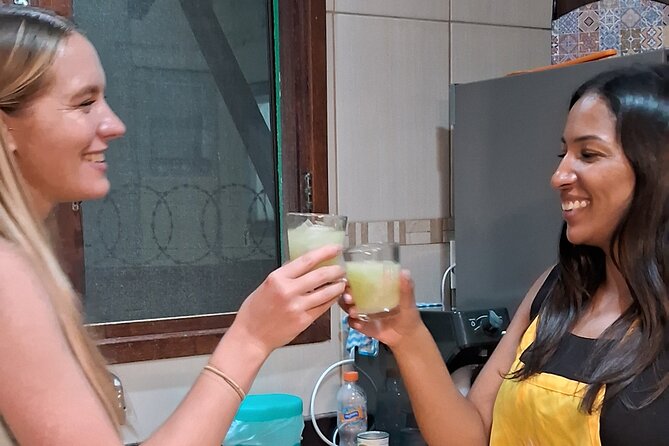
- Start with caipirinhas: Choose a fruit and mix unlimited alcoholic drinks while you cook, or choose a nonalcoholic version.
- Cook in a local home: The relaxed setting encourages conversation and gives the class a personal feel.
- Learn classic recipes: Pão de queijo, brigadeiro, queijo coalho, pirão, farofa, and moqueca all appear in the meal.
- Ask for menu changes early: Seafood can be replaced, and vegetarian, vegan, and gluten-free requests can be accommodated.
- Plan your own transport: The class begins and ends at R. Eng. Adozindo Magalhães, 255, in Stella Maris.
Why a Salvador home kitchen makes a difference
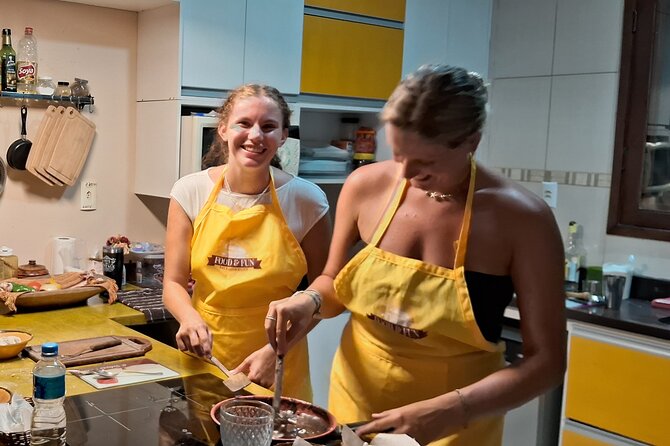
A restaurant can introduce you to Bahian food, but a home kitchen explains how the food fits into daily life. Here, you do not simply sit down to a finished plate. You handle the ingredients, ask questions as you go, and see how several separate preparations become one meal.
That matters in Bahia, where food is closely tied to local produce, seafood, sweets, drinks, and family cooking. The class gives you a useful introduction without asking you to spend a whole day in a formal culinary school.
The activity is private, so only your own group takes part. That makes the pace easier to manage. You can ask for help, pause to talk, or spend more time on a recipe without worrying about a large group moving ahead.
The atmosphere is meant to be social. You cook, eat, and talk in Karla’s home, with advice about Salvador added along the way. English communication has been praised, which is useful when a recipe depends on small details such as texture, timing, or the right amount of seasoning.
More Cooking Classes in Salvador da Bahia:
- 4h Cooking Class in Salvador with 9 Recipes & Bottomless Drinks
★ 5.0 · 73 reviews - Family Cooking Class in Rio Make 9 Brazilian Dishes Together
★ 5.0 · 32 reviews - 3-Hour Brazilian Cooking Class in Rio de Janeiro
★ 5.0 · 30 reviews
Starting with caipirinha and pão de queijo
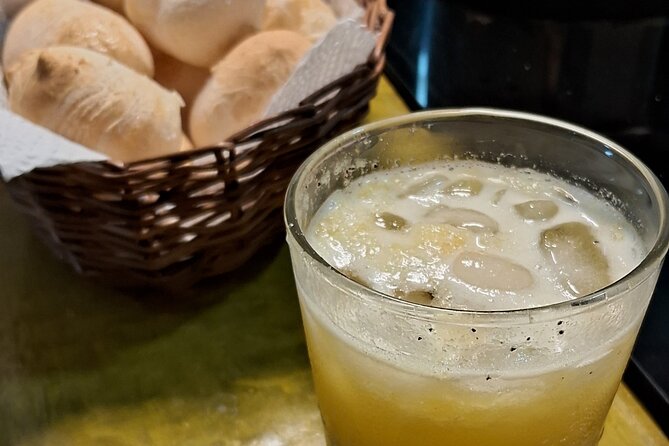
The class opens with Brazil’s best-known cocktail, the caipirinha. You choose a fruit and prepare the drink yourself, then sip it while working through the first recipes. Unlimited caipirinhas are included, although you can request a fruit cocktail without alcohol if you prefer.
This is a clever start because the drink is part of the lesson, not just a welcome beverage. You learn a little about Brazilian food culture while getting comfortable in the kitchen. Brazilian tea, guaraná soda, sparkling water, and regional coffee are also available.
Next comes pão de queijo, the small cheese bread found throughout Brazil. You learn about its ingredients and origin, then prepare it as one of the opening foods. These are simple recipes, but they give you a quick feel for the class: you are expected to take part, not just observe.
The early part of the meal also introduces vegetables cooked in a straightforward way. This section may appeal to you if you want to understand the everyday base of Brazilian food rather than focus only on dramatic dishes. The host explains the ingredients and their place in local cooking, so the food lesson also becomes a short lesson in regional culture.
Queijo coalho, pineapple pepper jelly, and shrimp tapioca
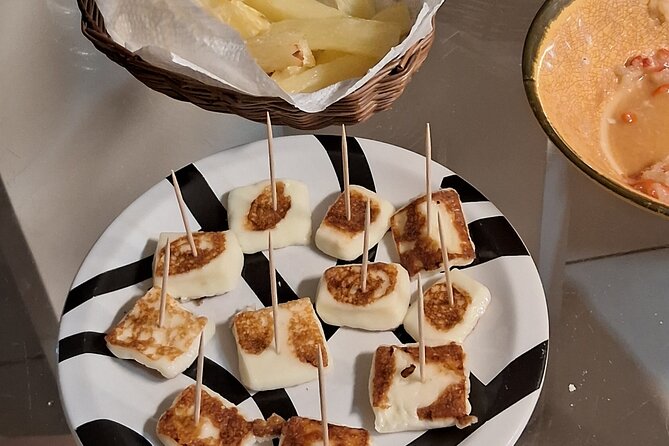
The appetizer course continues with queijo coalho, a firm Brazilian cheese often prepared for grilling or roasting. Here it is paired with a pineapple pepper jelly that you make yourself. The sweet fruit and pepper combination gives the cheese a sharper, more interesting partner than a plain condiment would.
You also prepare camarão na tapioca, a deep-fried shrimp dish. It brings a crisp texture to the meal and adds a clear Bahian touch through tapioca and seafood.
This part of the class shows why the experience is more useful than a standard meal. You learn sauces, pairings, and simple ways to combine sweet, spicy, savory, and crisp elements. You also get several small recipes that are easier to repeat at home than a large seafood stew.
If you do not enjoy seafood, do not stay quiet until the class begins. Karla has adjusted menus after discussing preferences in advance, including for a participant who was not a seafood fan. The menu is therefore flexible, but you need to request changes before the experience.
Making brigadeiro before the main meal
The dessert is prepared early because brigadeiro needs time to cool. This is a traditional Brazilian sweet made with a short list of ingredients, and it is common in cafés and homes across the country.
Making dessert before the main course is practical rather than flashy. You get to see how planning works in a real kitchen. While the brigadeiro cools, you can move on to the savory dishes and return to the sweet at the end.
For you, this is one of the most useful parts of the class if you want recipes that can be repeated without special equipment. Brigadeiro is popular, approachable, and less demanding than many elaborate desserts. It also gives the meal a proper Brazilian finish instead of treating dessert as an afterthought.
A few more Salvador da Bahia days to weigh up
- Rio de Janeiro: Beginner Samba Lesson in Ipanema
★ 4.9 · 1,071 reviews - Rio de Janeiro: Samba Class in Copacabana
★ 4.6 · 262 reviews - samba class in Ipanema
★ 5.0 · 182 reviews - Samba Class and Samba Night Club Tour in Rio
★ 5.0 · 177 reviews
The heart of the class: moqueca
The main dish is moqueca, one of Bahia’s signature seafood preparations. Depending on the agreed menu, you may use fish, prawns, or another type of seafood. You begin by marinating the main ingredient, then prepare the cooking base and bring the dish together.
Moqueca is the point where the earlier lessons begin to connect. You have already talked about local ingredients, tasted simple vegetables, and prepared smaller dishes. Now you use those ideas in a full main course meant to be shared at the table.
The cooking process is hands-on, but the supplied details do not promise one fixed seafood recipe for every booking. That is a good reason to discuss your preferences when you reserve. If you need a vegetarian or vegan menu, mention it clearly so the host can plan a suitable replacement.
The class also includes the traditional accompaniments: Brazilian-style rice, pirão, and farofa. These are not filler sides. They give you a better sense of how a Brazilian meal is built, with the main dish supported by different textures and flavors.
Pirão is a thick accompaniment made from a seasoned liquid and a starch, while farofa adds a dry, crumbly contrast. The precise method may vary with the menu, but learning these sides helps you understand why the meal feels complete. You are not just preparing moqueca in isolation. You are preparing the plate around it.
Eating together in Stella Maris
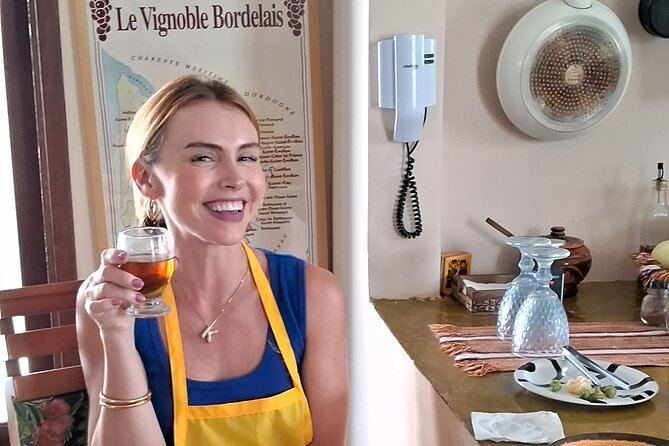
Once the cooking is finished, you sit down to eat the meal you helped make. The class lasts about four hours, so there is room for preparation, conversation, tasting, and dinner rather than a rushed demonstration followed by a quick bite.
The home setting is part of the appeal. A relaxed house can feel more welcoming than a commercial kitchen, especially if you like to ask questions or chat while you work. Karla has been praised for making people feel like family and for keeping the mood easygoing.
That personal approach also adds value beyond the recipes. You can ask for suggestions about Salvador and, based on the available information, even receive food recommendations for São Paulo. If you are building your own dining plan, this kind of local advice can be as useful as the cooking lesson.
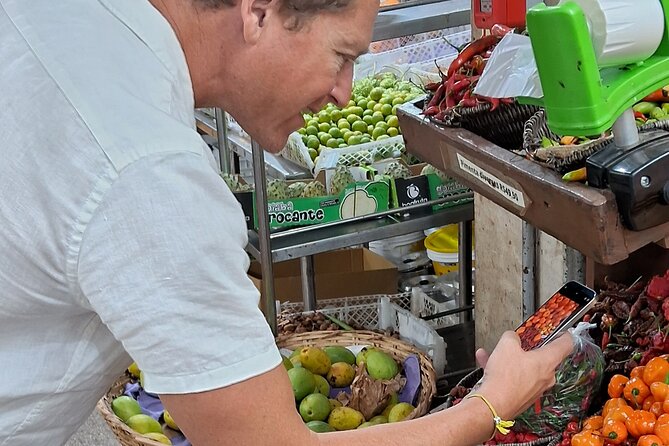
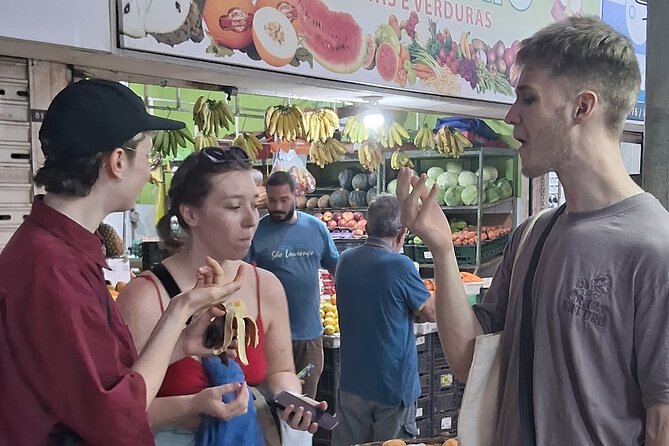
Some participants have also begun with a market visit, tasting local fruit, sweets, and even cachaça before going to the home. Since the stated cooking-only arrangement begins at the house, treat the market stop as something to confirm rather than a guaranteed part of every booking. If local shopping matters to you, ask before paying.
Coffee from Bahia and a final liqueur
The meal ends with Brazilian coffee from the Bahia region, followed by liqueur. Coffee gives the class a calm finish after the cooking and dinner, while the liqueur keeps the mood social.
You can also have tea, guaraná, sparkling water, or a nonalcoholic fruit cocktail during the experience. The included drinks make the $68.67 price easier to assess, especially since the class covers a full meal and several recipes rather than one dish.
Still, value depends on what you want. If you only need a quick cooking lesson, four hours may feel long. If you enjoy food, conversation, and a full evening activity, the time is better justified. You are paying for instruction, ingredients, dinner, drinks, and access to a local host, not simply for a plate of moqueca.
Price, timing, and getting there
The price is $68.67 per person. For a private four-hour experience with dinner, alcoholic drinks, dessert, coffee, and instruction, that is a fair package. It is especially good value for people who would otherwise book a restaurant meal and a separate food tour.
The class is often reserved about 17 days ahead, so I would not leave it until the last minute if your Salvador schedule is tight. Confirmation arrives when you book, and the activity ends back at the starting point.
The meeting address is R. Eng. Adozindo Magalhães, 255, Stella Maris, Salvador, Bahia, postal code 41603-430. Private transportation is not included, but the location is near public transportation. Check your route and allow enough time, since arriving late could cut into the cooking portion.
You may cancel for a full refund up to 24 hours before the start time. Changes made less than 24 hours before the activity are not accepted, and cancellations inside that window are not refunded. The cut-off follows local time in Salvador.
Who should book this cooking class?
I would recommend it to you if food is a major part of your trip and you prefer making something over watching someone else do it. It suits couples, families, friends, and small private groups who enjoy conversation along with their meal.
It is also a strong choice if you want a gentle introduction to Bahian food. You will meet several important dishes in one sitting: moqueca, farofa, pirão, pão de queijo, brigadeiro, queijo coalho, and tapioca-based shrimp. You do not need advanced cooking skills because the class is designed around participation and guidance.
The experience may be less suitable if you want a formal, restaurant-style lesson with strict timing and technical instruction. It is also not the right pick if you dislike social meals, seafood, or alcohol, although the menu and drinks can be adjusted in several ways.
Families with dietary restrictions should include the details at booking. Vegetarian, vegan, and gluten-free needs can be accommodated, but the host needs notice to plan the recipes. Service animals are allowed.
Should you book it?
Book this Salvador cooking class if you want food, conversation, and local advice in one relaxed afternoon or evening. The strongest reasons are the private setting, the broad menu, Karla’s welcoming style, and the chance to prepare dishes you are likely to encounter elsewhere in Bahia.
Before booking, confirm the menu, especially if you do not eat seafood, and ask whether a market visit is part of your chosen arrangement. Also plan your own way to Stella Maris. With those details settled, the $68.67 price offers a good way to turn a meal into a practical, personal introduction to Bahian cooking.
FAQ
How long does the Salvador cooking class last?
The experience lasts approximately four hours.
How much does the cooking class cost?
The listed price is $68.67 per person.
Where does the cooking class begin?
The cooking-only option begins at R. Eng. Adozindo Magalhães, 255, Stella Maris, Salvador, Bahia, 41603-430, Brazil.
Where does the activity end?
The activity ends back at the meeting point.
Is transportation included?
No. Private transportation is not included. The meeting point is near public transportation.
Is this a private activity?
Yes. Only your own group participates in the activity.
What food will I prepare?
The menu includes caipirinha, pão de queijo, vegetables, queijo coalho with pineapple pepper jelly, camarão na tapioca, brigadeiro, moqueca, Brazilian-style rice, pirão, and farofa. The exact main seafood can be fish, prawns, or another seafood option.
Can dietary restrictions be accommodated?
Yes. Vegetarian, vegan, and gluten-free requests can be accommodated. You should provide the information when booking.
Are alcoholic and nonalcoholic drinks included?
Yes. Unlimited caipirinhas are included, along with Brazilian tea, guaraná soda, sparkling water, regional Brazilian coffee, and a nonalcoholic fruit cocktail option. A final liqueur is also included.
Newest reviews from around Salvador da Bahia
- Salvador Walking Tour Through Pelourinho★ 5.0 · 35 reviews
- Paradise Morro de São Paulo Island Tour from Salvador★ 4.0 · 29 reviews
- Full City Tour Historic and Panoramic★ 5.0 · 24 reviews
- Full-Day Historic Private City Tour of Salvador with Lunch★ 5.0 · 50 reviews
- Historical African oriented City Tour★ 5.0 · 52 reviews
- Private Airport Transfer to Salvador★ 5.0 · 30 reviews
- Private Transfer Salvador Airport★ 5.0 · 32 reviews
- Private Walking Tour of Salvador Pelourinho★ 5.0 · 70 reviews
Cooking Classes, compared.
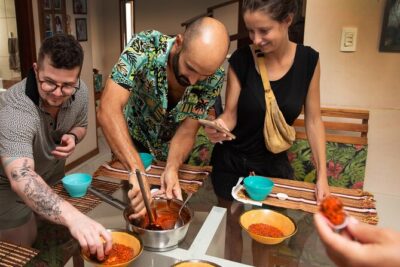
4h Cooking Class in Salvador with 9 Recipes & Bottomless Drinks
Read our review →
Family Cooking Class in Rio Make 9 Brazilian Dishes Together
Read our review →
3-Hour Brazilian Cooking Class in Rio de Janeiro
Read our review →
Hands-On Cooking Class in Rio: Iconic Street Foods & Caipirinhas
Read our review →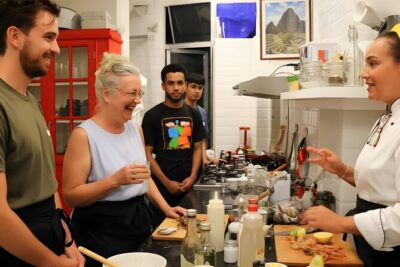
4h Cooking Class in Florianopolis: 8 Recipes & Bottomless Drinks
Read our review →
Brazilian Cooking Class in Copacabana with Hotel Pickup
Read our review →
Brazilian Breakfast Cooking Class in Rio: Bake and Blend
Read our review →Browse the lists this tour appears in