
Reviewed · COOKING CLASSES
Hands-On Cooking Class in Rio: Iconic Street Foods & Caipirinhas
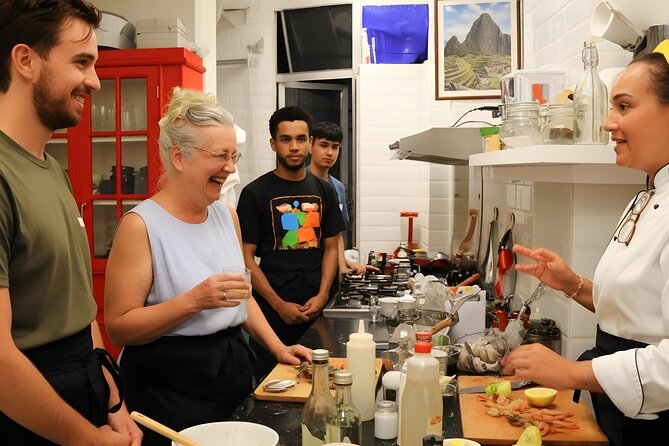
Rio tastes better from a frying pan. This three-hour cooking class turns familiar street foods into a hands-on introduction to Carioca eating, with a local host, caipirinhas, and a full meal in a home or culinary studio. I like the small group of eight and the way the menu covers several classic snacks instead of stopping at one dish. I also like that Raiza’s relaxed hosting makes the class feel more like dinner with a friend than a formal lesson.
The main consideration is location and transport. You meet at R. Visc. de Pirajá, 281, in Ipanema, and transfers are not included. The class costs $85 per person, so it is not a cheap meal, but the price includes food, drinks, ingredients, utensils, recipes, and instruction. If you want a casual evening with plenty to eat and practical cooking ideas to take home, it offers good value.
In This Review
- Key points to know before booking
- Why this class works as a first taste of Rio
- Meeting your host in Ipanema
- Starting with a classic caipirinha
- Bolinho de feijoada and the craft of Brazilian snacks
- Preparing pastéis with several filling choices
- Pão de queijo, cassava, and familiar Brazilian staples
- Coxinha and the satisfaction of shaping food
- Fried sardines bring a different Rio flavor
- What the three hours feel like
- Is $85 a fair price?
- Who should book this Rio cooking class?
- Booking and practical details
- Should you book it?
- FAQ
- Where does the cooking class start?
- How long does the experience last?
- Is the class offered in English?
- Are drinks and food included?
- Can I join if I do not drink alcohol?
- Can food allergies or intolerances be accommodated?
Key points to know before booking
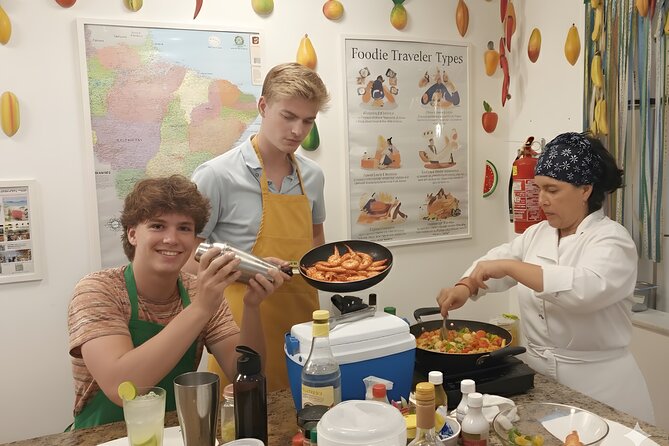
- A full Brazilian snack menu: You prepare bolinho de feijoada, coxinha, pastéis, pão de queijo, fried sardines, and cassava.
- Caipirinhas are part of the class: Alcoholic drinks are included, with virgin versions available for anyone under 18 or anyone who does not drink.
- A genuinely small group: The maximum is eight people, which gives the host room to guide each person.
- A useful first-day activity: The dishes introduce you to Brazilian flavors before you begin ordering food around Rio.
- Food needs can be discussed ahead of time: Allergies and intolerances can be accommodated when shared in advance.
- The class ends where it begins: You return to the Ipanema meeting point, but you arrange your own transport to and from it.
Why this class works as a first taste of Rio
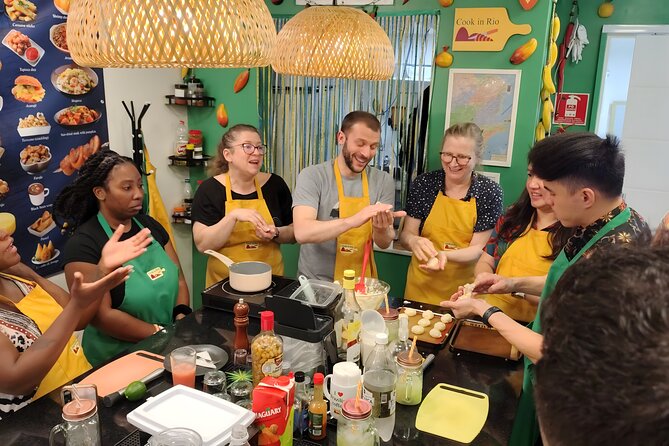
Brazilian street food can look simple at first glance. A pastry, a cheese puff, a croquette, or a fried fish may not seem like a major culinary lesson. The fun here comes from seeing how ordinary ingredients become snacks with texture, shape, and character.
The class also gives you a useful food map for the rest of your stay. After preparing coxinha, you will recognize it in snack bars. Once you make a pastel, you will understand why the thin shell and hot filling matter. Bolinho de feijoada gives you another way to encounter Brazil’s famous bean and pork stew, without sitting down to a large bowl of feijoada.
I especially like the class as an early Rio activity. One participant found it useful before exploring the city because it offered a clearer idea of what to order later. That is sound advice. Food is easier to appreciate when you know what goes into it, and this class gives you a friendly starting point without requiring prior cooking skill.
More Cooking Classes in Rio de Janeiro
- Family Cooking Class in Rio Make 9 Brazilian Dishes Together
★ 5.0 · 32 reviews - 3-Hour Brazilian Cooking Class in Rio de Janeiro
★ 5.0 · 30 reviews - Brazilian Cooking Class in Copacabana with Hotel Pickup
★ 5.0 · 8 reviews
Meeting your host in Ipanema
The activity starts at R. Visc. de Pirajá, 281, in Ipanema. It is near public transportation, which makes the meeting point practical, but you should still allow enough time to locate the address. Since transfers are not included, you are responsible for reaching the start point and getting back to your hotel afterward.
The class takes place in a welcoming local home or culinary studio. The exact setting can shape the mood, but the format is clearly intended to feel personal rather than institutional. One class was held on a pleasant outdoor patio, with enough room for a large group but an especially intimate feel with only two people.
That small-group setting matters. With a maximum of eight people, the host can help with shaping dough, handling fillings, frying, and timing. You are not simply watching a chef work at the front of a room. You should expect to take part throughout the menu.
The host named in the experience feedback is Raiza, whose easygoing manner helped create the relaxed atmosphere. She was praised for carrying the group through the cooking while still keeping the mood light. If you prefer a polished demonstration with exact restaurant-style presentation, this may feel informal. If you like chatting while you cook, the setting is a strong point.
Starting with a classic caipirinha
The class begins with a Caipirinha Clássica, Brazil’s best-known cocktail. Alcoholic beverages are included, so the drink is part of the experience rather than an extra purchase at the end.
This opening course sets the tone. You get a drink in hand, meet the host, and begin with a familiar symbol of Brazilian food culture before tackling the more involved dishes. It also gives you a chance to settle into the group and ask questions.
You do not need to drink alcohol to take part. Virgin versions are available for anyone under 18 or anyone who does not drink alcohol. That is a useful option for mixed groups, since nobody has to sit out while others prepare the cocktail.
The practical point is pacing. You are making several fried foods and a complete menu in about three hours. Enjoy the caipirinha, but remember that the class includes a lot of tasting and eating afterward. Anyone with a food allergy or intolerance should notify the provider in advance.
Bolinho de feijoada and the craft of Brazilian snacks
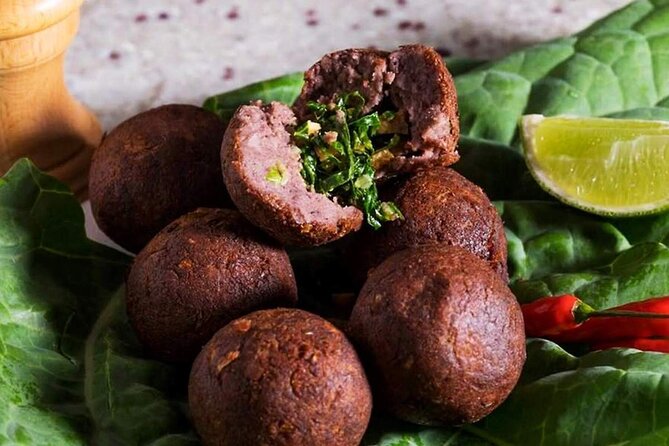
The first main dish is bolinho de feijoada, a deep-fried bite based on feijoada, Brazil’s national stew. It is a clever format: instead of serving the stew in its usual bowl, the class turns its flavors into a portable snack.
This dish also shows why the class has value beyond a recipe sheet. You learn how Brazilian cooks use technique to make basic ingredients feel completely different. One participant arrived with little interest in beans and left with a new appreciation for them. That is exactly the sort of small culinary surprise that can make a food class stick in your memory.
The menu is not built around rare ingredients or specialized equipment. The appeal comes from preparation, seasoning, shaping, and frying. You gain ideas you can use at home, even if you cannot reproduce every ingredient exactly.
The downside is that fried food requires attention. Several dishes on the menu are fried or finished in hot oil, so you should expect an active kitchen rather than a leisurely tasting. If you dislike rich foods or cannot eat fried items, ask about adaptations before booking.
Same patch of Brazil, a completely different sort of day:
- Rio de Janeiro: 6-Stop Highlights of Rio with Lunch
★ 4.4 · 5,157 reviews - Christ the Redeemer Entry Ticket by Corcovado Train
★ 4.4 · 4,476 reviews - Rio’s City Tour – Tickets for Christ, Sugar Loaf & Lunch included
★ 5.0 · 4,389 reviews - Full Day: Christ Redeemer, Sugarloaf, City Tour & Barbecue Lunch
★ 4.5 · 3,142 reviews
Preparing pastéis with several filling choices
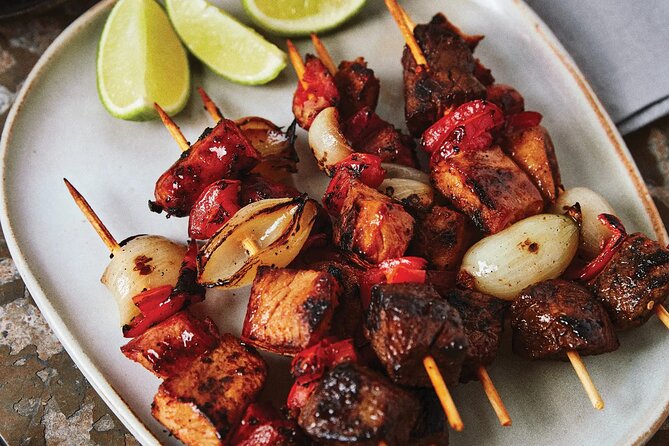
Pastel is one of Brazil’s great quick snacks: a thin, crispy pastry filled and fried until golden. In this class, filling options include ground beef, cheese, heart of palm, or mixed combinations.
This is one of the best parts of the menu for people with different tastes. A meat eater can choose pastel de carne. A cheese lover can go for the cheese filling. Heart of palm adds a distinctly Brazilian option, and mixed fillings let you compare textures and flavors in one sitting.
The thin pastry is the point. A pastel should give you a crisp shell and a warm filling, not a heavy mouthful of dough. Making it yourself helps you understand the balance between filling and wrapper, as well as the care needed to seal the edges before frying.
You should not expect a long, restaurant-style meal with separate courses. This is a generous spread of snack-sized foods, and the fun comes from moving between different shapes, fillings, and textures. It suits curious eaters who like variety.
Pão de queijo, cassava, and familiar Brazilian staples
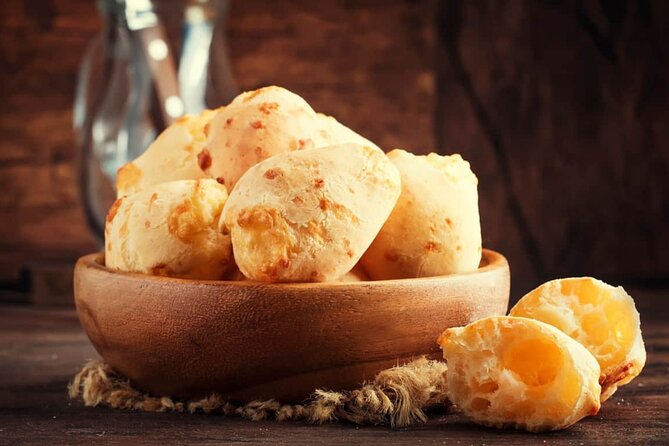
Pão de queijo brings a different texture to the table. These chewy cheese puffs are made with tapioca flour, giving them their springy bite and distinctive character.
This is a particularly useful dish to learn because it shows how Brazilian cooking relies on ingredients that may be unfamiliar to people from elsewhere. Tapioca flour is not wheat flour, and the result is not bread in the usual sense. The class gives you a direct way to understand why pão de queijo is so popular.
Fried cassava continues the focus on simple ingredients transformed by technique. Cassava, also called yuca in some parts of the Americas, becomes crisp and satisfying when fried. Alongside the cheese puffs, it provides a contrast between chewy and crunchy.
I like that the menu includes these side dishes rather than focusing only on the most famous items. You leave with a wider view of Brazilian snacking, including foods that may appear at casual counters, homes, and street stalls.
Coxinha and the satisfaction of shaping food

Coxinha is a shredded chicken croquette, usually recognized by its distinctive shape and crisp exterior. It is one of the most iconic items on the menu and a good choice for a hands-on class because shaping is part of the fun.
You can expect to work with the chicken filling, form the croquette, and prepare it for frying. The dish rewards patience. A coxinha is more than chicken wrapped in dough. Its appeal comes from the contrast between the crisp outside, the soft casing, and the savory filling.
This is also where a capable host makes a real difference. The cooking class is not simply a collection of recipes. Someone needs to keep the group moving, explain the techniques, and step in when a shape goes wrong. Raiza was praised for doing just that, guiding the process without making it feel stiff or intimidating.
Coxinha can be filling, especially when combined with pastel, cassava, and bolinho de feijoada. Pace yourself early in the class so you have room to taste the whole menu.
Fried sardines bring a different Rio flavor

Fried sardines are another main item. They add seafood to a menu otherwise built around beans, chicken, cheese, cassava, and pastry.
The sardines help keep the food experience connected to Rio’s coastal setting, while also showing the range of everyday Brazilian snacks. You are not eating only the foods most commonly presented to visitors. The menu includes several practical, filling dishes with different origins and textures.
If seafood is a concern, this is another point to raise when discussing allergies or intolerances. The provider says food needs can be accommodated when communicated in advance, but you should not wait until the class begins to explain a serious restriction.
What the three hours feel like
Three hours is enough time to cook, eat, talk, and hear the stories behind the dishes without turning the experience into a full-day commitment. The class includes all ingredients and utensils, so you do not need to bring cooking equipment or shop for supplies.
The rhythm should feel social. You prepare a recipe, taste the result, move to another item, and learn how each dish fits into Brazilian food culture. The host adds cultural insights and stories, which help connect the snacks to daily life rather than treating them as isolated recipes.
The informal mood is one of the strongest reasons to book. One class felt like cooking and chatting at a friend’s house, with caipirinhas included. That is a good description of the experience’s character: friendly, relaxed, and food focused.
Still, the easygoing format means it may not suit someone seeking a formal culinary certificate or advanced technical instruction. You will learn useful methods and background, but the emphasis is on shared cooking and eating.
Is $85 a fair price?
At $85 per person, this is more expensive than buying several street snacks on your own. If you only want to eat coxinha or pastel, a food stall will cost less and require far less time.
The price makes more sense when you count what is included. You receive a three-hour hosted class, all ingredients, utensils, alcoholic drinks, a complete meal, recipes, and cultural explanation. You are paying for access to a local cooking experience, not just a plate of food.
The maximum group size of eight improves the value. A crowded class can turn hands-on cooking into a demonstration, but this group limit gives you a better chance to participate and receive help. The value is strongest for couples, friends, solo food lovers, and small groups who want conversation as part of the activity.
I would compare it with the cost of booking a separate meal, cocktail, and cultural activity in Rio. The class combines all three. It will not be the right choice for a strict budget, but it is reasonable for a social food experience with a full menu and take-home recipes.
Who should book this Rio cooking class?
I would recommend it to first-time visitors who want an early introduction to Brazilian food. It gives you names, flavors, and techniques that make later meals easier to understand.
It also suits people who enjoy learning by doing. You will get more from the class if you are willing to shape croquettes, handle pastry, taste unfamiliar ingredients, and ask questions. You do not need advanced cooking ability, but curiosity helps.
The class works well for mixed drinking groups because virgin cocktails are available. It can also suit people with food allergies or intolerances, provided you share the details in advance.
You may want to skip it if you are looking for a tour that includes neighborhood sightseeing, market visits, or hotel pickup. There are no transfers, and the experience begins and ends at the Ipanema meeting point. It is a focused cooking session, not a broad Rio city tour.
Booking and practical details
The activity is offered in English, and confirmation is normally received at booking. If you reserve within 20 hours of the start time, confirmation comes as soon as possible and depends on availability.
Free cancellation is available when you cancel at least 24 hours before the start time. Changes or cancellations inside that window are not accepted for a refund. The activity also requires a minimum number of participants, so a cancellation by the provider for that reason results in another date or experience, or a full refund.
Service animals are allowed, and the meeting point is near public transportation. The class ends back at the starting point, which makes the return simple once the cooking is finished.
Should you book it?
Book this class if you want to understand Rio through the food people actually snack on: coxinha, pastel, pão de queijo, cassava, sardines, beans, and caipirinhas. The small group, relaxed hosting, complete menu, and practical recipes give it more substance than a simple tasting.
I would choose it for the first day or two of a Rio visit, especially if Brazilian cuisine is new to you. The main tradeoffs are the $85 price and the lack of included transfers. For a friendly, hands-on evening that can change what you order for the rest of your trip, those costs are reasonable.
FAQ
Where does the cooking class start?
The class starts at R. Visc. de Pirajá, 281, in Ipanema, Rio de Janeiro. It ends back at the same meeting point.
How long does the experience last?
The cooking class lasts approximately three hours.
Is the class offered in English?
Yes. The experience is offered in English.
Are drinks and food included?
Yes. Meals and alcoholic beverages are included, along with all ingredients and utensils needed for the menu.
Can I join if I do not drink alcohol?
Yes. Virgin versions of the drinks can be prepared for anyone under 18 or anyone who does not drink alcohol.
Can food allergies or intolerances be accommodated?
Yes, the provider can accommodate food allergies or intolerances when you notify them in advance.
More Workshops in Rio de Janeiro
- Rio de Janeiro: Beginner Samba Lesson in Ipanema
★ 4.9 · 1,071 reviews - Rio de Janeiro: Samba Class in Copacabana
★ 4.6 · 262 reviews - samba class in Ipanema
★ 5.0 · 182 reviews - Samba Class and Samba Night Club Tour in Rio
★ 5.0 · 177 reviews
Newest reviews from around Rio de Janeiro
- PRIVATE TOUR – Christ the Redeemer and Sugar Loaf★ 4.5 · 9 reviews
- Christ Statue and Sugarloaf Private Tour with a Photographer★ 5.0 · 9 reviews
- Cidade do Samba Behind-the-Scenes Carnival Tour in Rio de Janeiro★ 4.0 · 5 reviews
- Christ the Redeemer Trail x Lage Park★ 5.0 · 7 reviews
- Christ the Redeemer and City Tour★ 5.0 · 20 reviews
- Christ the Redeemer, Selaron Steps and Santa Teresa Half-day Tour★ 4.5 · 15 reviews
- Christ the Redeemer Adventure★ 5.0 · 12 reviews
- Private Tour of Christ the Redeemer in Rio de Janeiro★ 5.0 · 2 reviews
Cooking Classes, compared.

Cooking class in Salvador, an authentic dinning experience
Read our review →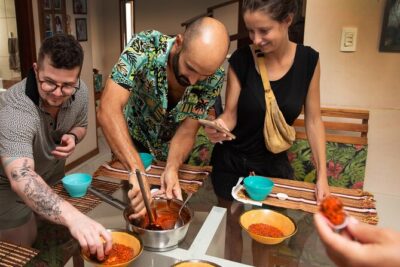
4h Cooking Class in Salvador with 9 Recipes & Bottomless Drinks
Read our review →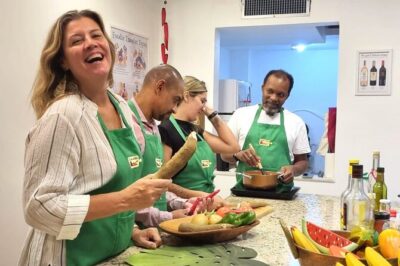
Family Cooking Class in Rio Make 9 Brazilian Dishes Together
Read our review →
3-Hour Brazilian Cooking Class in Rio de Janeiro
Read our review →
4h Cooking Class in Florianopolis: 8 Recipes & Bottomless Drinks
Read our review →
Brazilian Cooking Class in Copacabana with Hotel Pickup
Read our review →

Brazilian Breakfast Cooking Class in Rio: Bake and Blend
Read our review →Browse the lists this tour appears in