
Reviewed · COOKING CLASSES
Afro-Bahian Cooking Class Inside a Local Family Home
Food opens doors fast. This five-hour Salvador experience takes you from São Joaquim Market to a local family home, where you help prepare classic Bahian dishes and share lunch with your hosts. I like the market visit, where you choose fruit for fresh caipirinhas, and I like the private, small-group setting, which gives the meal a personal feel. The main concern is the uneven guide feedback, including one serious complaint about inappropriate sexual anecdotes.
The cooking itself centers on fish and shrimp moqueca, banana moqueca, coconut rice, dendê farofa, pirão, and a homemade coconut dessert. I also like that round-trip hotel transport, lunch, an air-conditioned vehicle, and alcoholic drinks are included in the $180 price. Still, this is a better choice for adults and older children who enjoy strong flavors and informal conversation than for families seeking a carefully controlled, child-focused food class.
In This Review
- Key points to know before booking
- Starting at São Joaquim Market at 9 a.m.
- Entering a Bahian family home
- What you actually cook and eat
- The cultural conversation matters as much as the recipe
- A private format with useful transport
- Who will enjoy this experience most
- Practical details that affect your decision
- Should you book this Salvador cooking class?
- FAQ
- Where does the cooking experience take place?
- What time does the tour start?
- How long does the experience last?
- Is hotel pickup included?
- What food will I prepare?
- Is a vegetarian dish available?
- Are drinks included?
- Is this a private activity?
- Can I cancel for a full refund?
Key points to know before booking
- São Joaquim Market comes first: You learn about ingredients and choose tropical fruit for your caipirinhas before heading to the family home.
- The food is strongly Bahian: Expect palm oil, coconut, manioc flour, seafood, peppers, herbs, and other bold seasonings.
- You cook inside a real home: The class is hosted by a local family rather than held in a formal cooking school.
- The meal is private: Only your own group participates, with a minimum booking of two adults.
- Marcos received warm praise: One detailed account singled out guide Marcos for his friendly manner and clear cultural explanations.
- The guide experience may vary: One family with children found the guide’s sexual anecdotes unacceptable, so it is sensible to confirm expectations before departure.
Starting at São Joaquim Market at 9 a.m.
Your morning begins at 9 a.m. with pickup from your Salvador hotel or Airbnb address. The provider asks for your accommodation name, especially if it is outside the area selected during booking. Pickup is offered across Salvador City, which makes the included transport useful if you do not want to arrange taxis for a full morning and afternoon outing.
The first stop is São Joaquim Market. This is not just a place to collect ingredients. It gives you a practical look at the foods behind Bahian cooking and a chance to discuss how Afro-Brazilian cuisine developed through the Atlantic slave trade. That context matters because the class is not presenting moqueca as a generic Brazilian stew. It connects the plate to Bahia’s African heritage.
You also choose fruit for caipirinhas, Brazil’s familiar cocktail made with sugar, tropical fruit, and sugarcane cachaça. The market visit gives you a small but meaningful role in the meal. You are not simply handed a drink at lunch. You help decide its fruit base before cooking begins.
The market may be the most useful part for anyone who wants to understand ingredients. You can ask about the best fish for moqueca and see the seafood choices that shape the dish. The information provided does not promise a specific fish, market stall, or shopping list, so do not expect a fixed tasting route. Think of it as an ingredient-focused introduction before the hands-on class.
More Cooking Classes in Salvador da Bahia:
- Cooking class in Salvador, an authentic dinning experience
★ 5.0 · 132 reviews - 4h Cooking Class in Salvador with 9 Recipes & Bottomless Drinks
★ 5.0 · 73 reviews - Family Cooking Class in Rio Make 9 Brazilian Dishes Together
★ 5.0 · 32 reviews
Entering a Bahian family home
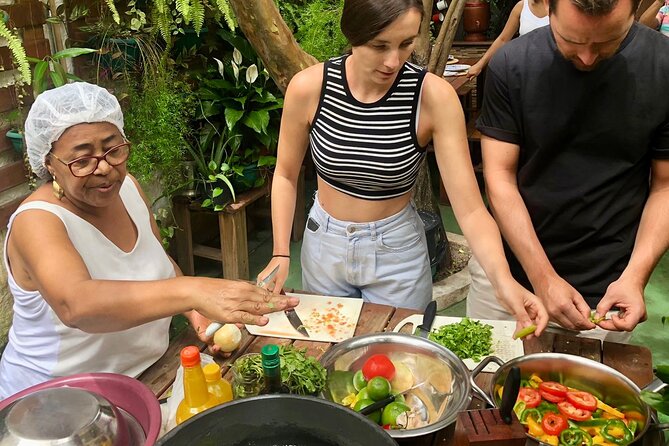
After the market, your private guide takes you to the home of the local hosts. The setting is central to the experience. Instead of sitting at a restaurant and asking how a dish was made, you prepare food alongside a family and hear about household methods and traditions.
You begin with casquinha de siri, a traditional crab starter. The sample menu also lists the caipirinha as the opening drink, so the early part of the meal includes both a small seafood taste and the fruit cocktail you helped choose. Alcoholic beverages are included, but you should keep that in mind when deciding if the experience suits children or anyone avoiding alcohol.
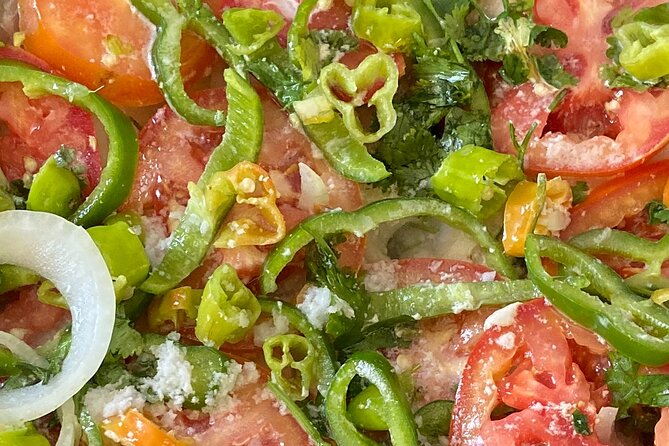
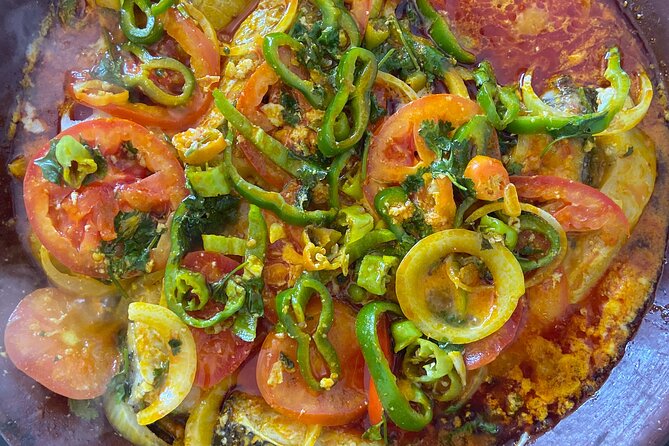
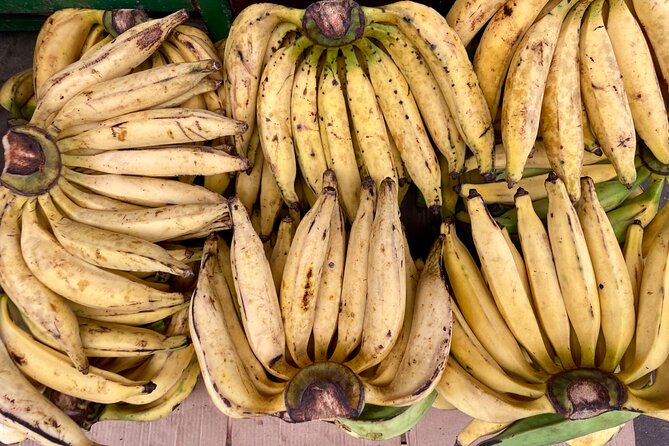
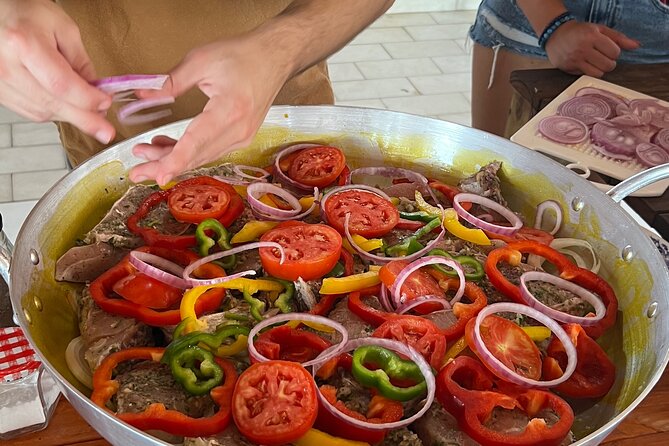
The cooking is hands-on. The menu includes fish and shrimp moqueca, though the sample menu specifically describes fish moqueca as the main dish. You also prepare banana moqueca, a vegetarian stew using plantains, coconut, dendê palm oil, tomatoes, peppers, and fresh herbs. This second moqueca is useful for comparing seafood and plant-based versions of the same Bahian cooking style.
The family’s approach has been described as warm and welcoming. Angelica received especially strong praise for teaching with humor and helping the cooking feel relaxed. The hosts also share family traditions and explain the link between cooking and culture. That personal exchange is the reason to choose this class instead of simply ordering moqueca at a restaurant.
What you actually cook and eat
Moqueca is the centerpiece. The fish version uses vegetables, seasonings, and palm oil, also called dendê. The sauce is creamy and fragrant, with a flavor profile that can be new to people accustomed to lighter seafood stews. The guide explains that the dishes contain strong spices, so this is not a bland cooking lesson designed to please every palate.
Pirão de farinha uses the moqueca broth with manioc flour. It is a classic example of how one cooking liquid can become another part of the meal. The broth carries the seafood and palm-oil flavors, while the manioc flour thickens it into a soft accompaniment.
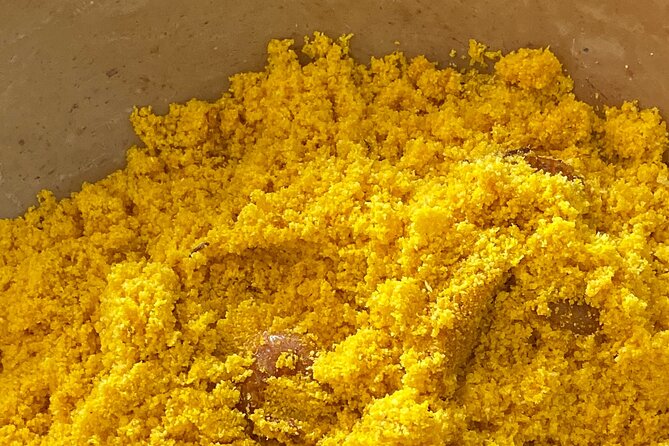
The rice is white rice with spices. It may sound simple beside the moqueca, but it helps balance the more forceful sauce. Farofa adds another texture. It is made with manioc flour toasted in palm oil and onions, giving the meal a savory, slightly crisp side dish.
Banana moqueca gives the table a vegetarian option. Plantains work well with coconut and dendê, and the tomatoes, peppers, and herbs keep the stew from becoming merely sweet. If you prefer meat-free food, this dish is an important part of the menu rather than an afterthought.
Dessert is coconut candy made with sugarcane and cloves. It is a modest traditional finish, not a long pastry course. The food is homemade and regional, which is the point, but it may not suit every taste. One poor account described the food as awful, while the provider defended the menu and said it had been served for 20 years. That disagreement tells you something practical: the class presents a specific Afro-Bahian flavor tradition, and you should not book it expecting mild, internationally familiar dishes.
The cultural conversation matters as much as the recipe
The class includes informal discussion about Salvador’s history and culture. The Atlantic slave trade is part of the food story, and the experience uses ingredients and cooking methods to explain Afro-Brazilian influence. This gives the meal more substance than a list of recipes.
The guide’s role is important here. Marcos was praised for being friendly, insightful, and able to explain the dishes and culture clearly. Another account praised the guide’s ease with languages and the quality of the exchange with the hosts. The tour is offered in English, so English-speaking participants have a clear reason to consider it.
There is also a serious caution. One family traveling with two children reported that the guide repeatedly made sexual anecdotes and innuendos. The provider apologized for the guide’s speech and said it would investigate and take action. That complaint does not erase the positive accounts, but it is specific enough to take seriously.
If you are booking with children, ask in advance for a guide who will keep conversation family-appropriate. If the subject makes you uncomfortable, you can also contact the provider before paying and explain your expectations. This is a private activity, so communication may help, but no promise about a particular guide is provided.
A few more Salvador da Bahia days to weigh up
- Samba-Reggae Percussion Class in Salvador
★ 5.0 · 14 reviews - Private Capoeira Class in Salvador
★ 5.0 · 4 reviews - Rio de Janeiro: Beginner Samba Lesson in Ipanema
★ 4.9 · 1,071 reviews - Rio de Janeiro: Samba Class in Copacabana
★ 4.6 · 262 reviews
A private format with useful transport
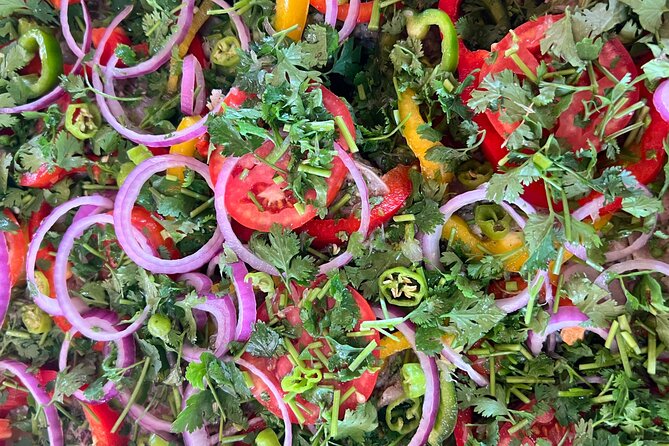
Only your group takes part in the activity. That private format can make a big difference in a home kitchen. You have more room to ask about ingredients, cooking steps, and local customs without keeping up with a large class.
The five-hour length gives the experience time to include transport, the market, cooking, conversation, and lunch. It is not a quick demonstration squeezed into an hour. Plan on giving the entire morning and early afternoon to it.
Pickup and drop-off are included from Salvador hotels and Airbnb addresses, with an air-conditioned vehicle. That makes the $180 per-person cost easier to assess. You are paying for transport, a private guide, a market visit, alcoholic drinks, lunch, and the family-hosted cooking experience, not just for a plate of food.
The price is still high for a meal in Salvador. It makes the most sense for two or more adults who place real value on a private cultural experience. Group discounts may improve the cost for a larger booking, but the exact discount is not specified. Ask for the current group rate before booking rather than assuming a fixed reduction.
The minimum is two adults per booking. Solo visitors cannot book this experience under the stated terms, even if they are willing to pay the full amount.
Who will enjoy this experience most
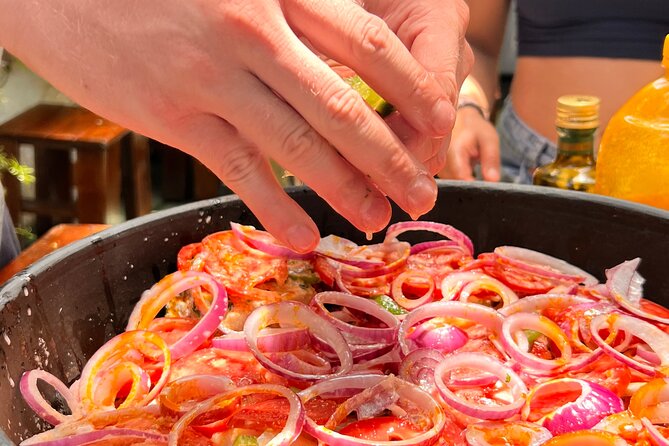
I would recommend this class to adults who enjoy seafood, palm oil, coconut, manioc, and strong seasoning. It is also a good fit if you want contact with a local family and prefer food experiences that include history and conversation.
It suits couples, families with older children, and small private groups. The private setting lets you set the pace more easily than a large public class, although the guide’s communication style remains a factor to clarify.
Vegetarians have a meaningful choice in banana moqueca, but the experience still includes a seafood market visit and begins with casquinha de siri. If your group avoids seafood entirely, this may not be the right match. The menu also includes alcohol, so anyone who does not drink should confirm what nonalcoholic alternatives are available.
This is less suitable for picky eaters or anyone seeking a gentle introduction to Brazilian food. The provider specifically notes strong spices, and one food complaint suggests that the flavors will not work for every palate.
Practical details that affect your decision
The tour is offered in English and uses mobile tickets. Confirmation arrives at booking. Dress is smart casual, which means you should look presentable for a family home while still wearing something comfortable enough for several hours of cooking and moving through a market.
The experience averages about eight days of advance booking. That is a useful planning signal, especially if your Salvador stay is short. Book before arrival if the date matters, and provide the correct hotel or Airbnb address so pickup can be arranged.
Cancellation is free up to 24 hours before the local start time for a full refund. Cancellations or changes made less than 24 hours before the experience are not accepted for a refund. Keep that deadline in mind if your Salvador plans may shift.
The overall rating is 4.2 from six published ratings. That is a positive but not overwhelming record, and the small number means one poor experience affects the average more than it would on a much larger set of feedback. The strongest praise goes to the host family, Angelica’s teaching, and Marcos’s cultural explanations. The main weakness is the reported conduct of one guide and the possibility that the food will feel too intense for some people.
Should you book this Salvador cooking class?
Book it if you want more than a restaurant meal. The market, the family home, the private format, and the chance to prepare both seafood and banana moqueca give you a closer look at Bahian food than a standard city food tour. The included transport also helps justify the cost for a small group.
I would be cautious if you are traveling with young children, have a low tolerance for spicy or strongly seasoned food, or expect a polished professional cooking school. Contact the provider first about a family-appropriate guide and explain any dietary needs clearly.
For adults who enjoy local food, informal conversation, and a meal tied to Afro-Brazilian culture, this is a worthwhile Salvador splurge. Just go in knowing that the flavors are distinctive, the guide quality needs confirmation, and the experience works best when your group is open to trying the food as it is traditionally prepared.
FAQ
Where does the cooking experience take place?
The cooking class takes place inside the home of a local family in Salvador da Bahia. The experience begins at São Joaquim Market before continuing to the family home.
What time does the tour start?
The stated start time is 9 a.m.
How long does the experience last?
The experience lasts approximately five hours.
Is hotel pickup included?
Yes. Round-trip pickup and drop-off are included from Salvador hotels and Airbnb addresses. You need to provide the hotel or accommodation name if it is not already covered by the selected area.
What food will I prepare?
The menu includes fish and shrimp moqueca, banana moqueca, coconut rice, dendê farofa, and pirão de farinha made with moqueca broth and manioc flour.
Is a vegetarian dish available?
Yes. Banana moqueca is a vegetarian Bahian stew made with plantains, coconut, dendê palm oil, tomatoes, peppers, and fresh herbs.
Are drinks included?
Yes. Alcoholic beverages are included. The experience includes caipirinhas made with fruit, sugar, and sugarcane cachaça.
Is this a private activity?
Yes. Only your group participates. The booking requires a minimum of two adults.
Can I cancel for a full refund?
Yes, if you cancel at least 24 hours before the experience’s local start time. Changes or cancellations made less than 24 hours before the start are not accepted for a refund.
Newest reviews from around Salvador da Bahia
- Transfer North-Ba Coast and Salvador Airport★ 5.0 · 25 reviews
- Curated Nightlife Experience in the Heart of the City★ 3.5 · 5 reviews
- One-Way Private Transfer to Boipeba Island★ 5.0 · 21 reviews
- Transfer Costa do Sauipe – Private★ 5.0 · 2 reviews
- Ilhas Maravilhas Frades and Itaparica Full Day Tour, Salvador, Bahia, Brazil★ 3.5 · 13 reviews
- Salvador de Bahia: Private Round-Trip Airport–Hotel Transfer★ 4.5 · 25 reviews
- Transfer Salvador to Barra Grande Round Trip★ 5.0 · 3 reviews
- Hotel Vila Galé Mares – Transfers In / Out★ 5.0 · 29 reviews
Cooking Classes, compared.
Cooking class in Salvador, an authentic dinning experience
Read our review →
4h Cooking Class in Salvador with 9 Recipes & Bottomless Drinks
Read our review →
Family Cooking Class in Rio Make 9 Brazilian Dishes Together
Read our review →
3-Hour Brazilian Cooking Class in Rio de Janeiro
Read our review →
4h Cooking Class in São Paulo with 9 Recipes & Bottomless Drinks
Read our review →
Hands-On Cooking Class in Rio: Iconic Street Foods & Caipirinhas
Read our review →
4h Cooking Class in Florianopolis: 8 Recipes & Bottomless Drinks
Read our review →
Brazilian Cooking Class in Copacabana with Hotel Pickup
Read our review →Browse the lists this tour appears in