
Reviewed · COOKING CLASSES
4h Cooking Class in São Paulo with 9 Recipes & Bottomless Drinks
Come hungry, leave with Brazilian recipes. This São Paulo cooking class brings you into a real home kitchen in Aclimação for a friendly, hands-on lesson with a bilingual local host. I like the small group of no more than eight people, and I like that you prepare nine recipes rather than simply watching a chef work. The host also shares practical methods you can use at home, not just restaurant-style tricks.
I also like the warm, social setup. You cook, taste, talk, and sit down together for a full meal, with caipirinhas and other drinks available during the experience. The main consideration is value: at $99 per person, this is not a bargain cooking demonstration, and some of the recipes are intentionally simple. It suits you best if you want local food, conversation, and useful recipes more than advanced culinary training.
Ronaldo receives especially strong praise for making the class relaxed, clear, and funny. Couples have had a very personal experience when they were the only participants, while larger small groups benefited from helpful assistants and a welcoming kitchen. The class has a 4.9 rating from 30 reviews, with 93 percent of customers recommending it, though two three-star assessments felt the food and technique were basic for the price.
In This Review
- Key Points Before You Book
- Arriving at the Aclimação Home Kitchen
- Meeting Ronaldo and Settling Into the Class
- Preparing Picanha, Farofa, and Brazilian Favorites
- Tasting as You Work
- Caipirinhas, Mocktails, and the Shared Meal
- Photos, Recipes, and a São Paulo Food Guide
- Is $99 a Fair Price?
- Who Will Enjoy This Class Most?
- Final Verdict: Book It for Connection and Practical Food Skills
- FAQ
- Where does the cooking class begin?
- How long does the experience last?
- How many people can join the class?
- Do I need cooking experience?
- What food and drinks are included?
- Can I request non-alcoholic drinks?
- What is the cancellation policy?
Key Points Before You Book
- Nine Brazilian recipes in one class: Prepare traditional dishes including picanha, farofa, appetizers, dessert, and caipirinha.
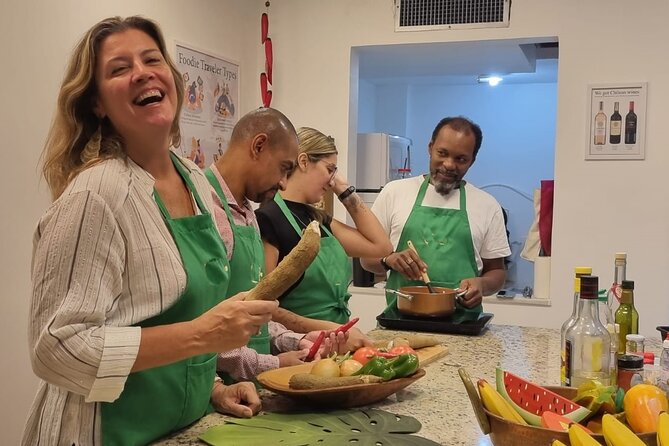
- A real home kitchen in Aclimação: The setting gives the meal a personal feel rather than the atmosphere of a formal cooking school.
- Maximum of eight people: A small class leaves room for questions, hands-on work, and possible personalization.
- Ronaldo leads with humor and clear instruction: His English is described as excellent, and he is happy to explain techniques and answer questions.
- Unlimited drinks and a full meal: You eat what you make, with caipirinhas and other drinks included, though the listing gives mixed information about wine.
- Recipes continue after São Paulo: You receive a digital recipe book and a São Paulo Food Guide, with ingredients that are generally easy to find worldwide.
Arriving at the Aclimação Home Kitchen
The class begins at R. José do Patrocínio, 557, in the Aclimação neighborhood of São Paulo. You make your own way there because hotel pickup and drop-off are not included. The meeting point is near public transportation, which helps, but you should allow time to reach the address without rushing into the cooking session.
The activity ends at the same place. That is useful if you want to return directly to your hotel or continue exploring São Paulo afterward. Since the class lasts about three and a half hours, and the title describes it as a four-hour experience, plan your evening around a generous four-hour window rather than trying to squeeze in a tightly timed commitment afterward.
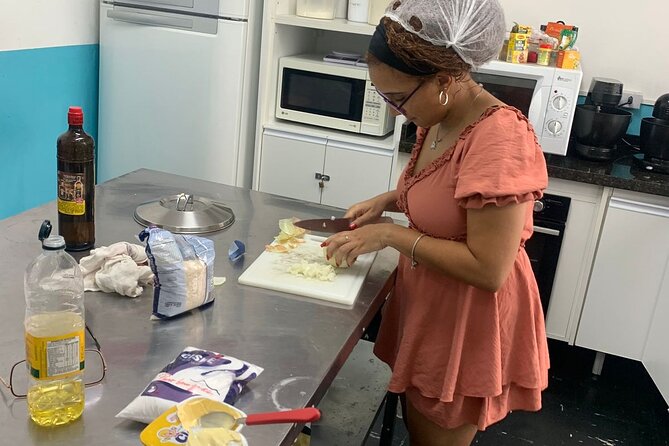
You enter a genuine home kitchen, not a large commercial venue. That setting is central to the experience. Brazilian food is presented as something made and shared at home, with the host guiding you through ingredients, preparation, and the meal itself. It also means the atmosphere may feel more personal and informal than polished cooking schools designed for large groups.
The kitchen has received praise for being clean and welcoming. That matters in a hands-on class, especially when you are moving between chopping, mixing, cooking, tasting, and sharing counter space. An apron, utensils, and all ingredients are provided, so you only need to arrive ready to participate.
More Cooking Classes in Sao Paulo:
- Authentic Brazilian Cooking Experience in SP: Feijoada & Moqueca
★ 5.0 · 5 reviews - Cooking class in Salvador, an authentic dinning experience
★ 5.0 · 132 reviews - 4h Cooking Class in Salvador with 9 Recipes & Bottomless Drinks
★ 5.0 · 73 reviews
Meeting Ronaldo and Settling Into the Class
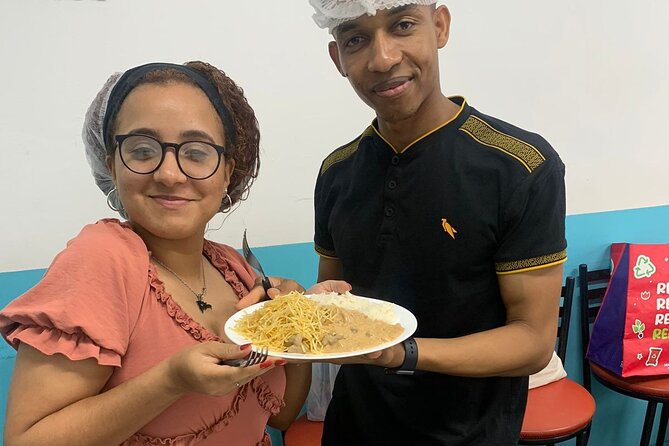
Your bilingual local host introduces you to the class and the other participants. No prior cooking experience is needed, and the format is designed to work for both beginners and people who already cook often.
Ronaldo’s teaching style is one of the strongest reasons to book. He explains the steps clearly, keeps the mood light with jokes, and makes each person feel part of the group. One couple described the evening as cooking with a friend, which captures the intended tone better than a formal chef-led lesson would.
The host may also be joined by assistants. Their role is useful when several dishes are in progress at once. One particularly positive account describes the assistants as friendly and helpful, with the chef making sure everyone felt important to the group.
The maximum of eight people is a real advantage. A small class gives you more chances to ask questions and take part in preparation. It can also make the class feel more personal if only a couple or a few people book that date. Ronaldo has personalized the experience for couples, including adapting drinks and responding to their food questions.
The class is not presented as a strict culinary certification course. It is a practical introduction to Brazilian home cooking, with plenty of time for tasting and conversation. If your goal is advanced knife work, complex sauces, or professional kitchen discipline, you may find the lesson too basic. If you want to understand how familiar Brazilian dishes come together, the relaxed approach should work well.
Preparing Picanha, Farofa, and Brazilian Favorites
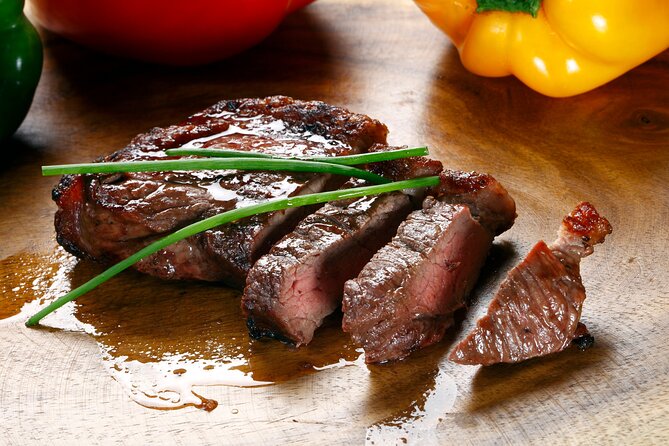
The menu includes traditional dishes such as picanha and farofa, as well as appetizers, dessert, and the classic caipirinha. Picanha is one of Brazil’s best-known cuts of beef, usually valued for its thick fat cap and straightforward preparation. Here, it serves as the main dish and gives you a chance to work with a food strongly tied to Brazilian eating culture.
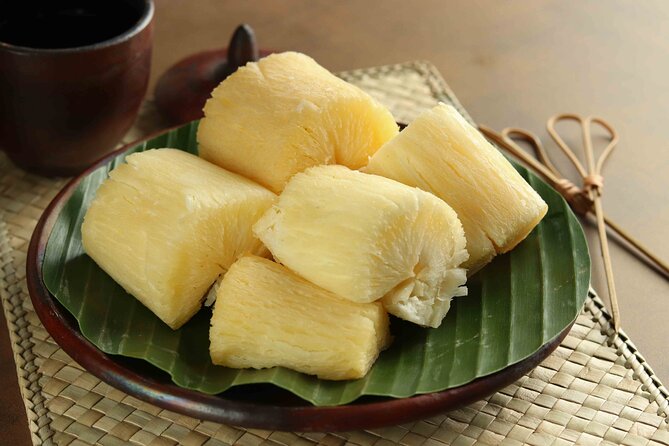
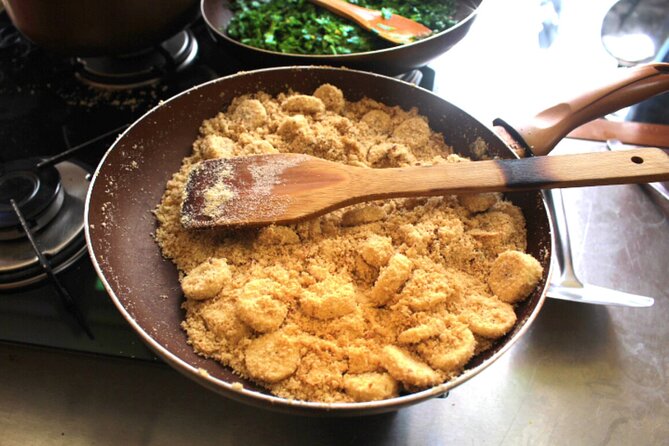
Farofa offers a different kind of lesson. Made around manioc flour, it is a common Brazilian side dish with many possible variations. The class uses it as part of a wider look at manioc-based foods, which can be useful if you want to recreate Brazilian flavors without relying on hard-to-find products.
The menu is broad rather than technically complicated. You prepare nine recipes, but not every dish involves elaborate restaurant technique. That point deserves an honest explanation. Two lower-rated assessments felt the class was basic, that the ingredients did not feel high-end, and that a simple roasted meat dish did not justify the cost.
The host’s response is also important to understand. Brazilian cooking is not being taught here as a contest of complex techniques. The focus is on variety, everyday use, and the range of foods found across Brazil’s different regions. You learn several preparations that can fit into normal home cooking rather than one difficult dish that looks impressive but rarely gets repeated.
That approach will appeal to you if you value useful recipes. It may disappoint you if you expect premium ingredients or advanced instruction at every stage. The experience is closer to a friendly Brazilian food workshop than a professional chef’s master class.
Tasting as You Work

The class is not all preparation followed by a single meal at the end. You may taste ingredients and dishes along the way, which helps you understand how the flavors develop. One couple specifically appreciated trying food as they cooked, while also being able to ask questions throughout the lesson.
This format keeps the pace social. You are not waiting silently while someone else does the work. You might find that the group’s energy shapes the evening, especially when people have different levels of cooking confidence. Beginners can follow the step-by-step guidance, while experienced cooks can ask why a particular local method is used.
The practical value is strongest when the host explains methods that are easy to repeat at home. The ingredients are generally available around the world, so you are not left with a recipe that depends entirely on products found only in Brazil.
That does not mean every ingredient will be identical in your home country. Brazilian flavors can change depending on the cut of meat, type of manioc flour, citrus, or other local products you find. Still, the class aims to keep the recipes realistic for home kitchens, which is more useful than a souvenir recipe that requires a specialist Brazilian market.
A few more Sao Paulo days to weigh up
- (Sedan VIP Class) Transfer GRU Airport • São Paulo
★ 5.0 · 6 reviews - South Brazil: See & Experience it ALL in 13 Days, 1st Class Custom Tours
★ 5.0 · 2 reviews - Rio de Janeiro: Beginner Samba Lesson in Ipanema
★ 4.9 · 1,071 reviews - Rio de Janeiro: Samba Class in Copacabana
★ 4.6 · 262 reviews
Caipirinhas, Mocktails, and the Shared Meal
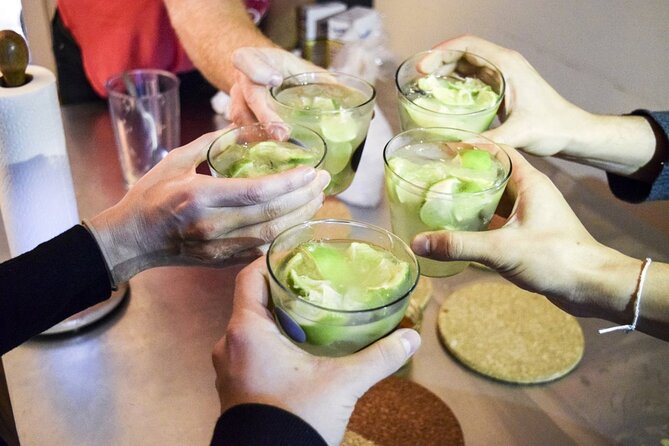
The caipirinha is part of the cultural lesson as much as it is a drink. You learn to prepare the classic Brazilian cocktail, then enjoy it with the food you make. Drinks are described as unlimited, and the experience includes a full meal with an appetizer, main course, and dessert.
You can also request non-alcoholic drinks. Tell the instructor at the beginning if you prefer mocktails. This is a helpful option for anyone avoiding alcohol, for younger participants, or for people who want to focus on cooking without drinking.
There is some conflicting information about wine. The experience describes a complimentary glass of wine with the meal, while the inclusions also state that wine is sold separately. I would confirm this directly before booking if wine matters to your budget or plans. The caipirinha and other included drinks are the clearer part of the offer.
Once the dishes are ready, you sit down together and eat the meal. This shared table is a major part of the value. You are not simply collecting recipes and leaving. You get to taste the finished result, compare impressions, and enjoy the food in the same home setting where it was prepared.
Portions appear generous enough that the practical advice is simple: arrive hungry. The menu includes several recipes and a complete meal, so this is not a light snack between sightseeing stops. It works best as a main afternoon or evening activity.
Photos, Recipes, and a São Paulo Food Guide
The host takes candid photos during the class. These are not just posed snapshots at the end. They can preserve the small moments of chopping, mixing, tasting, and sharing the meal, which are often more useful memories than a standard group photo.
You also receive a digital recipe booklet. That gives the class value beyond the day itself, especially if you actually cook from it after returning home. The recipes are intended to be recreated with ingredients that are generally easy to find worldwide.
A São Paulo Food Guide is included as well. Its purpose is to help you keep exploring local flavors after the class. The guide is a nice addition for anyone planning more food stops around the city, though the supplied details do not specify how extensive it is or which restaurants and markets it covers.
The key point is that the class gives you several ways to extend the experience. You can repeat the recipes, use the drink instructions, and continue looking for Brazilian dishes around São Paulo. That makes the experience more useful than a one-time meal with no follow-up material.
Is $99 a Fair Price?
At $99 per person, this class sits in the moderate to high range for a cooking activity. The price includes the host, ingredients, equipment, apron, hands-on instruction, a full meal, unlimited drinks, photos, a digital recipe booklet, and a food guide.
The small class size improves the value. You are not paying for a seat in a room where the chef works at the front while you watch. You participate directly, and the class can be personalized when numbers are low.
The full meal and drinks also matter. If you were to pay separately for a substantial Brazilian meal and several drinks in São Paulo, part of the price would be covered before you count the instruction and recipes. The home setting and social time add another part of the experience, though those benefits are harder to measure.
Still, the criticism about basic dishes is fair. Picanha and farofa are traditional, but neither is inherently complex. If you already cook confidently and are looking for difficult techniques, you may not feel the price works. If you are new to Brazilian cuisine and want a friendly, full-length introduction, the combination is easier to justify.
The strongest value comes from the personal guidance, not from expensive ingredients. I would book this for the cultural contact, the hands-on cooking, and the chance to repeat nine recipes at home. I would not book it expecting luxury dining or a high-end chef’s laboratory.
Who Will Enjoy This Class Most?
This is a good choice for couples, solo visitors, and small groups who enjoy food as a way to meet people. Couples may benefit most when the class has only a few bookings, since Ronaldo can adjust the experience and spend more time answering questions.
Beginners should feel comfortable. The class requires no previous experience, and the instructions are step by step. You receive the apron and equipment, so there is no need to pack special cooking gear.
It also suits people who want a useful cultural activity in São Paulo. You learn about dishes that people can make at home, rather than simply sampling food in a restaurant. The bilingual host is important here, especially if you want to ask about ingredients, local customs, or substitutions.
You may want to skip it if you need hotel transportation, prefer a large formal cooking school, or want highly technical cuisine. You should also look elsewhere if premium ingredients are your main reason for booking. This class is built around approachable food and a friendly kitchen atmosphere.
Service animals are allowed, and the location is near public transportation. If you need a specific accommodation beyond that, ask the provider before booking.
Final Verdict: Book It for Connection and Practical Food Skills
I would book this class if you want to spend an afternoon or evening cooking Brazilian food with a local host rather than watching a demonstration. Ronaldo’s humor, clear English, and willingness to personalize the session help make the class feel personal. The small group, full meal, caipirinhas, and take-home recipes add real value.
I would pass if your definition of a cooking class means advanced technique, rare ingredients, or elaborate plated dishes. The food is traditional and useful, but parts of the lesson are deliberately simple.
For most food-minded visitors, the best reason to choose it is the balance of cooking, conversation, and eating. You leave with a better sense of picanha, farofa, manioc-based dishes, Brazilian drinks, and the practical question of how to make them at home. Free cancellation is available up to 24 hours before the start time, giving you some flexibility when arranging your São Paulo schedule.
FAQ
Where does the cooking class begin?
The class begins at R. José do Patrocínio, 557, in Aclimação, São Paulo, Brazil. The activity also ends at this meeting point.
How long does the experience last?
The duration is approximately three hours and 30 minutes. It is also marketed as a four-hour cooking class, so plan for roughly three and a half to four hours.
How many people can join the class?
The class has a maximum of eight participants. A small group format allows for more personal instruction and questions.
Do I need cooking experience?
No. Prior cooking experience is not required, and the host provides step-by-step guidance throughout the class.
What food and drinks are included?
You prepare nine recipes, including picanha, farofa, appetizers, dessert, and caipirinha. The experience includes a full meal and unlimited drinks. The information about wine is mixed, with one section describing a complimentary glass and another stating that wine is sold separately, so confirm this before booking.
Can I request non-alcoholic drinks?
Yes. Mocktails can be taught during the class. Tell the instructor at the beginning that you prefer non-alcoholic drinks.
What is the cancellation policy?
You can cancel up to 24 hours before the start time for a full refund. Cancellations or changes made less than 24 hours before the experience are not accepted for a refund.
Newest reviews from around Sao Paulo
- Visit to the Cerejeira Annual Party in Carmo Park★ 3.5 · 2 reviews
- REIKI – Crystal Therapy – by Venus’ Secret Spa – San Francisco★ 5.0 · 41 reviews
- Taxi from Guarulhos airport to São Paulo capital★ 5.0 · 15 reviews
- São Roque Wineries Route from São Paulo★ 4.5 · 13 reviews
- 3h Tasting Session in São Paulo with 34 Local Foods & Drinks★ 5.0 · 7 reviews
- Guided Ceremony in Brazil★ 5.0 · 2 reviews
- Taxi from Viracopos to São Paulo – CHM Transportes★ 5.0 · 2 reviews
- Transfer from São Paulo to Port of Santos★ 4.0 · 8 reviews
Cooking Classes, compared.
Cooking class in Salvador, an authentic dinning experience
Read our review →
4h Cooking Class in Salvador with 9 Recipes & Bottomless Drinks
Read our review →
Family Cooking Class in Rio Make 9 Brazilian Dishes Together
Read our review →
3-Hour Brazilian Cooking Class in Rio de Janeiro
Read our review →
Hands-On Cooking Class in Rio: Iconic Street Foods & Caipirinhas
Read our review →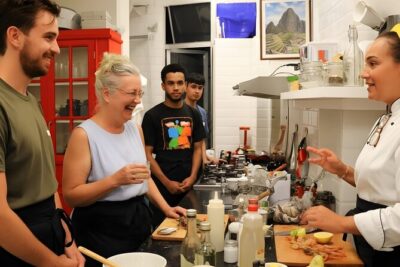
4h Cooking Class in Florianopolis: 8 Recipes & Bottomless Drinks
Read our review →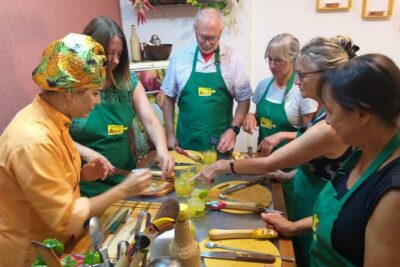
Brazilian Cooking Class in Copacabana with Hotel Pickup
Read our review →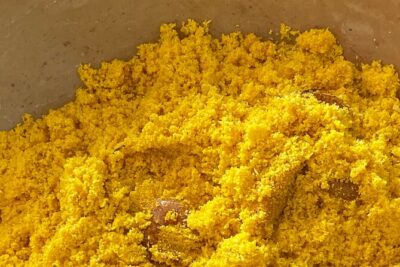
Afro-Bahian Cooking Class Inside a Local Family Home
Read our review →Browse the lists this tour appears in