
Reviewed · FOOD TOURS IN SãO PAULO
3h Tasting Session in São Paulo with 34 Local Foods & Drinks
São Paulo tastes better in small bites. This three-hour evening session turns Brazilian food into a guided conversation, with 34 local specialties served in a home or private studio rather than a string of restaurants. I like the small group of up to eight and the way the host explains when people eat each dish and why it matters. I also like that every food and alcoholic drink is included in the $85 price.
The main drawback is the meeting point in Ipiranga, which may not be close to your hotel and comes without hotel transfers. You also need to plan around the fixed 6 p.m. start, though the relaxed pace and generous menu make this a strong choice for an evening in São Paulo.
In This Review
- Key points at a glance
- Why this São Paulo food session feels different
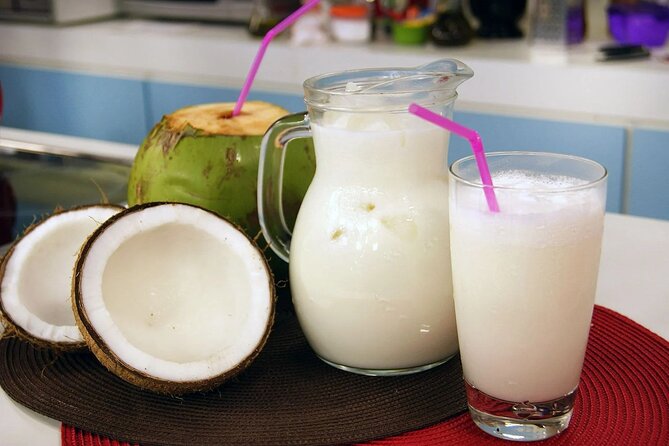
- Starting with caipirinha and batida de coco
- Pastel de feira and the Brazilian snack table
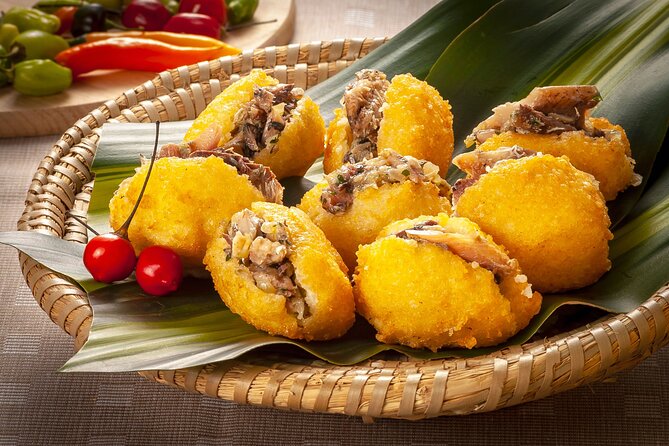
- Pão de queijo, Brazil’s small cheese bread
- Acarajé and the African roots of Brazilian cooking
- Picanha, linguiça, and farofa
- Brigadeiro and beijinho to finish
- What the three-hour pace means
- Is $85 a fair price?
- Meeting point, transport, and practical planning
- Who should book this tasting
- Should you book it?
- FAQ
- How long does the São Paulo tasting session last?
- What time does the session begin?
- Where does the experience start?
- Where does the activity end?
- How many people can join the group?
- Are food and drinks included?
- Are alcoholic beverages included?
- Can food allergies or intolerances be accommodated?
- Is hotel transportation included?
- Can I cancel for a full refund?
Key points at a glance
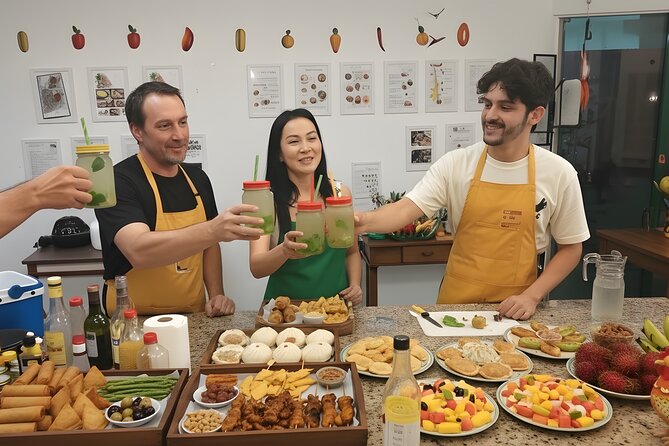
- Thirty-four tastes in one evening: The menu covers drinks, savory snacks, meats, cheeses, sweets, and Brazilian staples.
- A home or private studio setting: You eat in a personal space, not at a series of tourist stops.
- A maximum of eight people: The small group leaves room for questions and individual attention.
- Named hosts with a personal teaching style: Sessions have been led by Ronaldo, Daniela, and Danielle, all praised for warmth, humor, and clear explanations.
- A full evening meal in tasting form: Caipirinhas, picanha, acarajé, pastel, pão de queijo, brigadeiro, and other items are served over roughly three hours.
- Flexible drink options: Virgin versions can be prepared for anyone under 18 or anyone who does not drink alcohol.
Why this São Paulo food session feels different
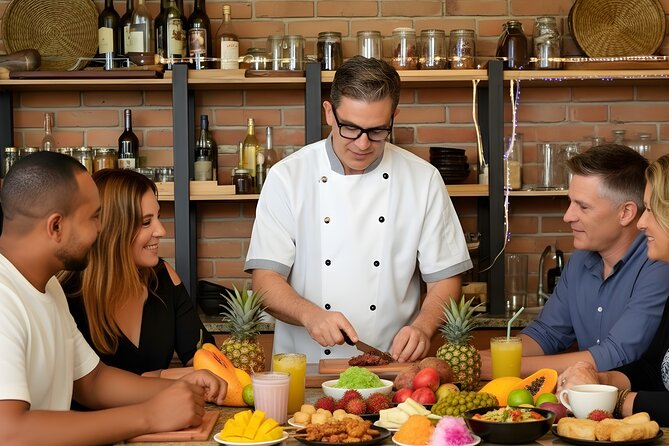
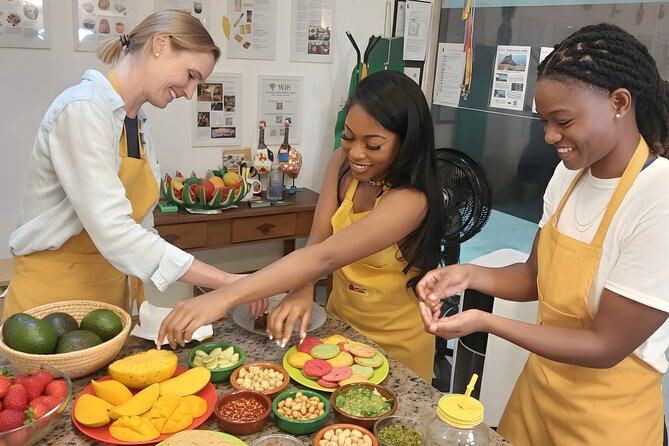
Many food tours send you from one shop or market stall to another. This one keeps you in one carefully selected local setting, where the food can be explained before you taste it and served at a comfortable pace.
That matters in São Paulo. Brazilian food is not one single cuisine. It reflects Indigenous ingredients, Portuguese influence, African traditions, regional cooking, barbecue culture, bakery snacks, street food, and home celebrations. A quick bite at a restaurant may be delicious, but it does not always tell you why a dish is served or how it fits into daily life.
Here, the host gives that context as you eat. You learn what an item is, when people might have it, and what makes it culturally important. I find that useful because it helps you recognize the same foods later in markets, cafés, restaurants, and family-style meals.
The format is social without being frantic. You meet the host and the other members of the group, then work through the menu together. There is time to ask questions, compare reactions, take photos, and listen to stories. You are not expected to cook, and no special knowledge is needed.
The setting also changes the mood. A home or private studio can feel more personal than a commercial restaurant. The tradeoff is that you do not get a walking tour of São Paulo or a series of neighborhood stops. You come for food, conversation, and cultural explanation in one place.
More Food Tours in São Paulo
- São Paulo 5 Hour Private Tour With Fruit Tasting
★ 5.0 · 93 reviews - São Paulo: Liberdade Street Food Tour
★ 4.9 · 73 reviews - Gastronomic Tour São Paulo – Culture & History Through The Art Of Food – Private
★ 5.0 · 50 reviews
Starting with caipirinha and batida de coco
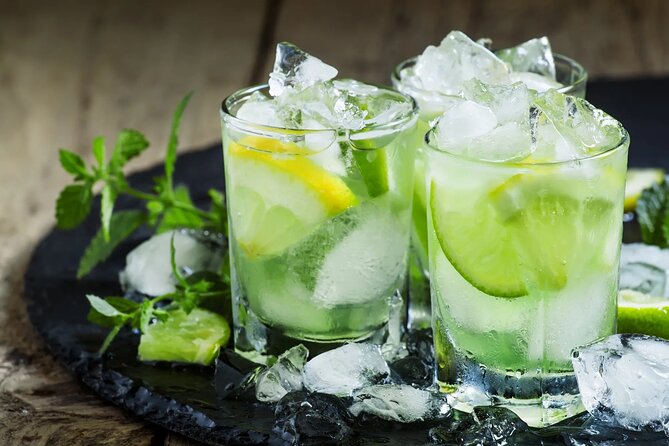
The first tastes are drinks: a classic caipirinha and batida de coco. The caipirinha is Brazil’s best-known cocktail, while batida de coco brings a sweeter, coconut-based style to the table.
Beginning with drinks makes sense. It gives the group a gentle way to meet one another, and it introduces two different sides of Brazilian flavor. The caipirinha is bright and refreshing, while the coconut drink is softer and sweeter.
Because alcoholic drinks are included, the $85 cost covers more than food samples. Still, you should pace yourself. Thirty-four tastes over three hours can add up, especially when cocktails are part of the evening.
If you are under 18 or do not drink alcohol, virgin versions are available. This makes the experience easier for mixed groups, though you should tell the provider in advance if you need a specific arrangement.
Pastel de feira and the Brazilian snack table
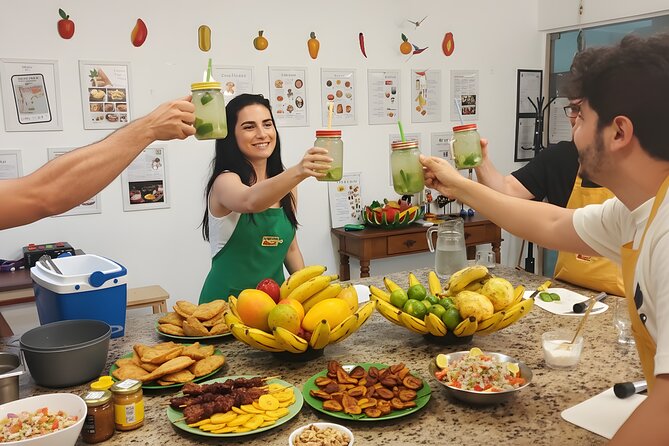
Pastel de feira is one of the most familiar street-food items on the menu. It is a thin, crisp fried pastry filled with meat or cheese. The name connects it with feiras, or open-air markets, where it is a common snack.
The value of tasting pastel here is not just the fried pastry itself. Your host can explain how it fits into everyday Brazilian eating, rather than presenting it as an isolated dish. You get the flavor, the texture, and the social setting around it.
The menu also includes local cheeses and cured meats. These items help show that Brazilian food is not limited to rice, beans, or grilled meat. Cheese and preserved meats bring another set of textures and regional habits to the table.
You might find this part especially helpful if you are new to Brazilian food. It gives you simple reference points: crisp pastry, salty cured meat, firm or creamy cheese, and the difference between a snack and a full meal.
Pão de queijo, Brazil’s small cheese bread
Pão de queijo is a small cheese bread with a chewy texture. It is a Brazilian favorite, often eaten as a snack or with a hot drink.
It looks modest, but it is an important taste because it introduces cassava starch and cheese in a compact form. The texture may surprise you if you expect ordinary wheat bread. It is lighter and springier, with a pronounced cheese flavor.
I like its place in the menu because it shows how a familiar everyday food can carry cultural meaning. Not every important Brazilian dish is elaborate. Some of the country’s most recognizable foods are simple items people eat often.
The session’s teaching style is one of its strongest points here. Ronaldo, one of the named hosts, has been praised for clear instruction, humor, and the ability to connect recipes with local information. Danielle has also been described as personable and attentive, helping each person feel comfortable during the meal.
Same patch of Brazil, a completely different sort of day:
- Skydive Tandem – São Paulo – Brazil
★ 5.0 · 1,840 reviews - São Paulo’s Full Day City Tour: Main City Sights in 7 Hours – (Shared Group)
★ 5.0 · 1,691 reviews - 5-hour Private Tour Of São Paulo With Its Main Sights – Optional Airport Pickup
★ 5.0 · 643 reviews - São Paulo: Main City Sights in 7 Hours – Shared Group Tour
★ 4.9 · 587 reviews
Acarajé and the African roots of Brazilian cooking
Acarajé brings a different history and flavor profile. This Afro-Brazilian fritter is served with vatapá and dried shrimp, making it one of the menu’s more distinctive savory items.
The dish gives the host a chance to explain the African influence on Brazilian cuisine. That is important context. Brazilian food developed through many cultural traditions, and acarajé is a clear example of how African cooking shaped the country’s ingredients, techniques, and food customs.
The dried shrimp and vatapá may be stronger flavors than the pastel or cheese bread. If you are cautious with seafood, ask about the ingredients before tasting. Food allergies and intolerances can be accommodated when reported in advance, so do not wait until the evening begins to mention them.
This is also where the guided format pays off. You are not left to guess what you are eating. You can ask about texture, preparation, and the role of the dish before deciding how much you want to try.
Picanha, linguiça, and farofa
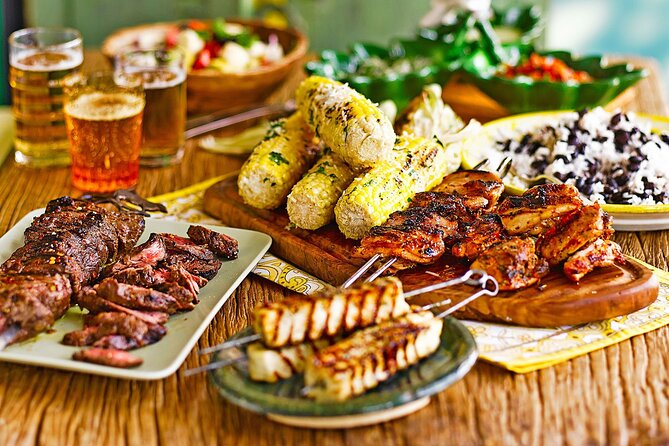
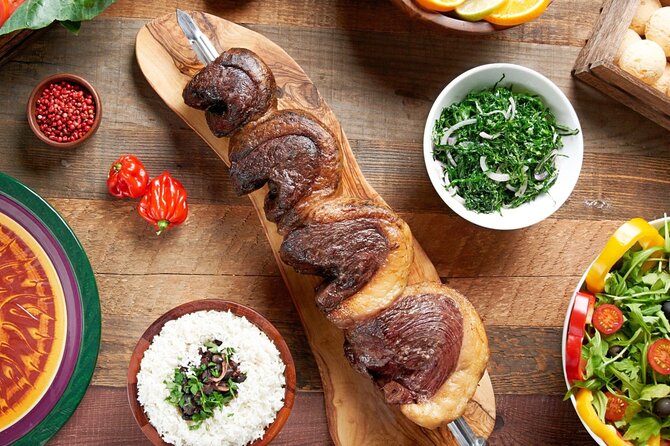
Picanha is Brazil’s prized steak cut, grilled and served in bite-size portions. The small serving works well in a tasting session because you can enjoy the meat without filling up too early.
For many people, picanha will be one of the evening’s most familiar flavors, especially if you already enjoy grilled beef. The cultural lesson is in the serving style and the importance of the cut in Brazilian barbecue traditions.
Linguiça artesanal adds seasoned sausage to the main course. It is served with farofa, a toasted cassava-flour mixture that adds a dry, crumbly contrast to the meat.
This pairing shows why texture matters in Brazilian food. The picanha is tender and meaty, the sausage is spiced, and the farofa gives the plate a toasted, grainy bite. Fried cassava, also called fried yuca, adds another cassava-based taste in a crisp form.
These dishes make the session feel closer to a full meal than a few scattered samples. That is good news if you are hungry at 6 p.m. It also means you should avoid eating a large dinner beforehand.
Brigadeiro and beijinho to finish
The final sweets are brigadeiro and beijinho, traditional Brazilian party treats. Brigadeiro is chocolate-based, while beijinho is associated with coconut.
They are small, rich sweets often connected with birthdays and celebrations. Ending with them gives the menu a useful look at Brazilian social food, not just everyday snacks and restaurant dishes.
The dessert portion also helps balance the savory foods. After pastry, cheese, cured meat, fritters, steak, sausage, and cassava, a small sweet finish is enough. You do not need to commit to a large dessert course.
The tasting is designed to cover variety rather than serve restaurant-size portions. That is the point. You get to sample many foods and leave with a better sense of what you might want to order later.
What the three-hour pace means
The session begins at 6 p.m. and lasts about three hours. That timing makes it a natural evening activity, but it also limits your ability to pair it with another major tour that day.
The relaxed rhythm is one of the better features. You are not rushing between stops or trying to eat while walking. The host can pause for questions, explain ingredients, and let the group respond to each taste.
A small group of no more than eight helps. In a larger group, a food lesson can become a lecture. Here, the format allows a more direct exchange with the host. You can ask why a dish is served a certain way, how an ingredient is prepared, or where you might encounter it elsewhere in Brazil.
The experience has been led by more than one host, including Ronaldo, Daniela, and Danielle. Their styles may differ, but the strongest common thread is personal instruction. Ronaldo is especially associated with humor, local information, and easy-to-follow teaching. Daniela’s home setting has been praised for its welcoming feel, while Danielle is noted for engaging each person at the table.
Is $85 a fair price?
At $85 per person, this is not the cheapest way to eat in São Paulo. You can find individual snacks and drinks for far less. The price makes more sense when you count the full package: roughly three hours, 34 tastes, alcoholic drinks, a private setting, a local host, and explanations about culture and preparation.
You are also paying for convenience. Instead of researching Brazilian dishes, finding restaurants, ordering unfamiliar items, and guessing what matters, you receive a structured introduction in one sitting.
The value is strongest for a first visit to Brazil or for anyone who wants a food lesson rather than only a meal. It is less compelling if you mainly want large portions, a walking tour, or a low-cost night out.
Since no hotel transfer is included, add the cost and time of reaching Rua Padre Marchetti in Ipiranga. The activity returns to the same meeting point, so you will also arrange your own way back afterward.
Meeting point, transport, and practical planning
The session starts at Rua Padre Marchetti, Ipiranga, São Paulo, SP 04266-000. It is near public transportation, but the information does not specify a pickup service or a recommended route from your hotel.
I would plan the journey before booking, especially if you are staying in another part of São Paulo. Arrive with enough time to find the address and settle in before the 6 p.m. start.
Confirmation is normally received at booking. If you book within 20 hours of the start time, confirmation comes as soon as possible and depends on availability.
You can cancel for a full refund up to 24 hours before the start time. Changes or cancellations made inside that window are not accepted for a refund. The activity also requires a minimum number of people, so a cancellation by the provider for that reason brings an alternative date or experience, or a full refund.
Service animals are allowed. Food allergies and intolerances can be accommodated when you provide notice in advance.
Who should book this tasting
I would recommend it to you if you want a friendly introduction to Brazilian cuisine and prefer conversation over a formal restaurant meal. It suits curious eaters, couples, small groups of friends, solo visitors, and anyone who wants to understand food beyond menu descriptions.
It is also a good fit for mixed cooking abilities. You do not need to cook, and the teaching is intended to be approachable. The hosts explain dishes and recipes in English, which helps English-speaking visitors ask questions without guessing at unfamiliar terms.
Families or groups with non-drinkers can request virgin drinks. People with allergies should contact the provider ahead of time, since the menu includes dairy, meat, seafood, cassava, coconut, and alcoholic beverages.
I would hesitate only if you dislike tasting many unfamiliar foods, need hotel pickup, or prefer to explore São Paulo on foot. The Ipiranga meeting point and single-location format may not suit every schedule.
Should you book it?
Book this session if you want a generous, personal introduction to Brazil through food. The strongest reasons are the small group, the broad menu, the local explanations, and the chance to eat in a home or private studio.
The $85 price is fair for an evening that includes 34 items and drinks, but remember to budget for transportation to and from Ipiranga. Tell the host about allergies or drink preferences before arrival, and come hungry enough to sample widely.
If your ideal food experience is a market walk or a hands-on cooking class, this may not be the perfect match. If you want to sit down, ask questions, and taste the country one dish at a time, it is an easy choice.
FAQ
How long does the São Paulo tasting session last?
The experience lasts approximately three hours.
What time does the session begin?
It begins at 6 p.m.
Where does the experience start?
It starts at Rua Padre Marchetti in Ipiranga, São Paulo, SP 04266-000, Brazil.
Where does the activity end?
The session ends back at the meeting point.
How many people can join the group?
The maximum group size is eight people.
Are food and drinks included?
Yes. The guided tasting includes 34 local specialties, along with all food and drinks served during the session.
Are alcoholic beverages included?
Yes, alcoholic beverages are included. Virgin versions can be prepared for people under 18 or anyone who does not drink alcohol.
Can food allergies or intolerances be accommodated?
Yes, but you need to inform the provider in advance.
Is hotel transportation included?
No. Transfers to and from your hotel are not included.
Can I cancel for a full refund?
Yes. You can cancel at least 24 hours before the local start time for a full refund. Cancellations or changes made less than 24 hours before the start are not refunded.
Newest reviews from around Sao Paulo
- Visit to the Cerejeira Annual Party in Carmo Park★ 3.5 · 2 reviews
- São Roque Wineries Route from São Paulo★ 4.5 · 13 reviews
- REIKI – Crystal Therapy – by Venus’ Secret Spa – San Francisco★ 5.0 · 41 reviews
- Taxi from Guarulhos airport to São Paulo capital★ 5.0 · 15 reviews
- Guided Ceremony in Brazil★ 5.0 · 2 reviews
- Taxi from Viracopos to São Paulo – CHM Transportes★ 5.0 · 2 reviews
- Transfer from São Paulo to Port of Santos★ 4.0 · 8 reviews
- Private Transport Guarulhos or Congonhas Airport – Premium★ 5.0 · 5 reviews
Food Tours in São Paulo, compared.

São Paulo 5 Hour Private Tour With Fruit Tasting
Read our review →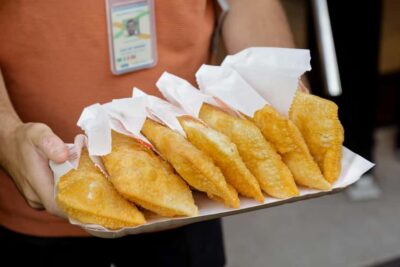
Gastronomic Tour São Paulo – Culture & History Through The Art Of Food – Private
Read our review →
2 Hours – Liberdade “Street Food” Tour – In English
Read our review →

São Paulo Carnival Parade From A Prime Box: With Shuttle, Guide, Food & Drink
Read our review →
Discover Brazilian Foods and Drinks on Sao paulo Food Crawl
Read our review →Browse the lists this tour appears in