
Reviewed · FOOD TOURS IN SãO PAULO
São Paulo: Liberdade Street Food Tour
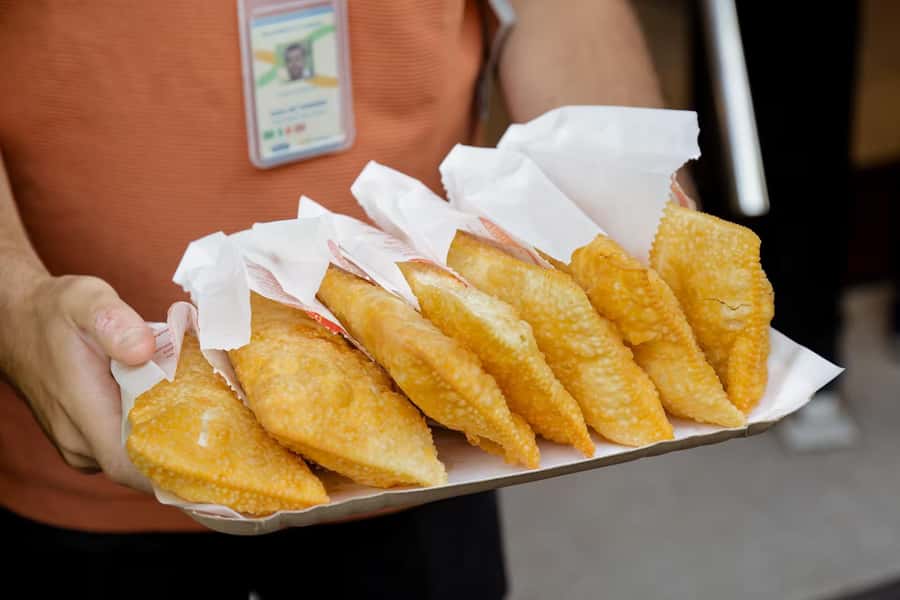
Come hungry, leave full of stories. This two-hour walk through Liberdade brings together Japanese, Brazilian, Korean, and Argentine bites in one of São Paulo’s most distinctive neighborhoods. I like the smart food choices, especially Japanese pastel with sugarcane juice, and I like that the guide explains the people and history behind each snack rather than treating the area as a simple food court.
The small group, limited to 10 people, also makes the experience easier to follow and more personal. The main consideration is that the tour starts strictly on time, and one food stop may not suit every palate. One person found the final food stop disappointing, so I would book this for the cultural context and range of tastings, not for a guaranteed favorite at every stop.
In This Review
- Key points at a glance
- Why Liberdade makes such a good food stop
- Meeting at Liberdade Square
- Japanese pastel and the first taste of Liberdade
- Takoyaki, tempura, or an Argentine detour
- Korean choux au craquelin and the tour’s wider picture
- Walking, architecture, and São Paulo stories
- What the $60 price really covers
- Who will enjoy this tour most
- Practical ways to get more from the walk
- Should you book the Liberdade food tour?
- FAQ
- Where does the São Paulo Liberdade Street Food Tour meet?
- Where does the tour finish?
- How long does the experience last?
- What language is the tour conducted in?
- How many people can join the group?
- Is the tour wheelchair accessible?
- What food is included?
- What drinks are included?
- Can I cancel the booking?
Key points at a glance
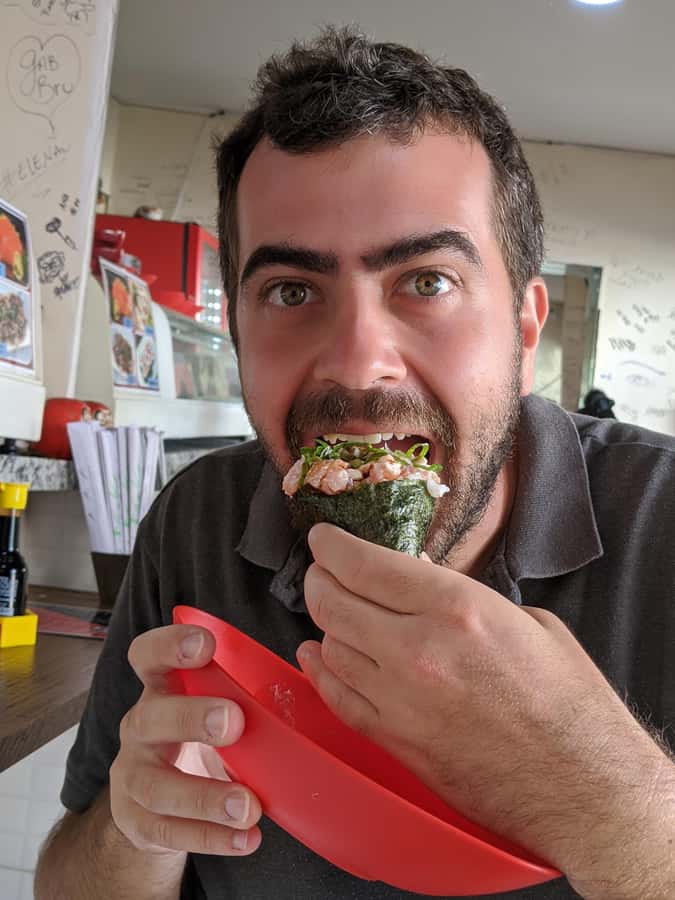
- Japanese pastel and tropical sugarcane juice: A playful meeting of Japanese influence and Brazilian street-food tradition.
- Four food cultures in one walk: You may taste Japanese, Brazilian, Korean, and Argentine specialties during a short route.
- Liberdade beyond the lanterns: The guide covers the area’s Japanese immigrant story, Afro-Brazilian heritage, and newer communities from China, Korea, Congo, and Haiti.
- A small English-speaking group: With no more than 10 participants, you can ask questions without shouting over a crowd.
- A filling two-hour outing: Three main snack portions, water, sugarcane juice, and a final drink make this more than a light nibble.
- A strict meeting time: Arrive early at the large red Bradesco bank in Liberdade Square, because late arrivals cannot join once the walk begins.
Why Liberdade makes such a good food stop
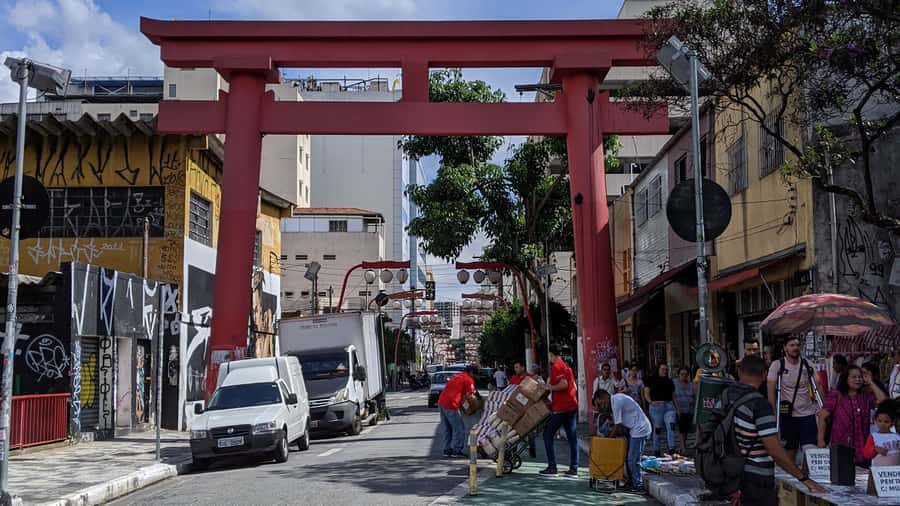
Liberdade is one of São Paulo’s most unusual neighborhoods. It is widely associated with Japanese immigration and is home to the largest Japanese community outside Japan. But reducing the area to Japanese culture alone misses much of what makes it interesting.
The neighborhood has an older past as a military district. About a century ago, it became a center for Japanese immigrants in São Paulo. Today, Chinese, Korean, Congolese, Haitian, Afro-Brazilian, and other influences add new layers to its streets and food businesses.
That mix gives the tour a clear purpose. You are not simply moving from one snack counter to another. You are using food to understand how migration shaped one part of a huge city.
I find that approach especially useful in São Paulo, where a short walk can cross several cultural lines without any obvious border. The food makes those changes easy to notice. A Japanese-style pastry may use a Brazilian format, while a snack associated with another country takes on a local character.
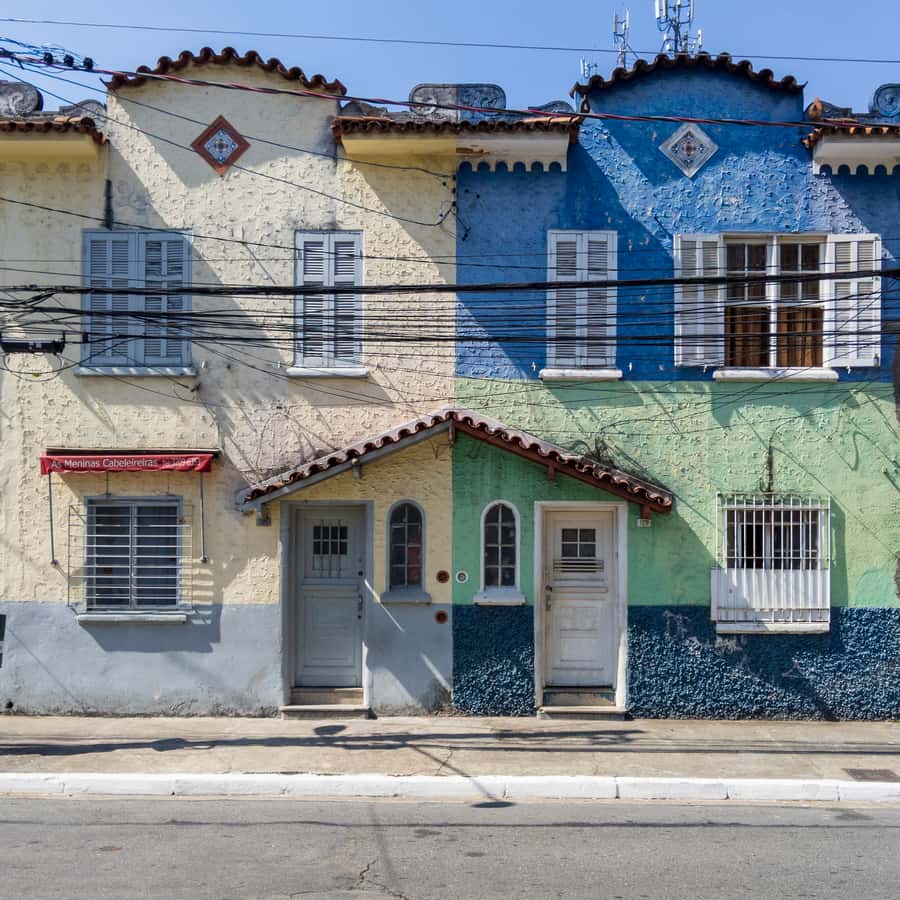
The tour also includes a walk through places of architectural interest. The supplied details do not promise a full architecture tour, so you should not book it for building interiors or a long design lecture. Still, the street walk gives the food some setting and helps you see how people live and work in this part of the city.
More Food Tours in São Paulo
- São Paulo 5 Hour Private Tour With Fruit Tasting
★ 5.0 · 93 reviews - Gastronomic Tour São Paulo – Culture & History Through The Art Of Food – Private
★ 5.0 · 50 reviews - São Paulo: 2 Hours – Liberdade “Street Food” Tour – In English
★ 5.0 · 26 reviews
Meeting at Liberdade Square
The meeting point is outside the large red Banco Bradesco Prime branch in the middle of Liberdade Square. This is a practical location, but you should still allow extra time to find the exact spot.
The tour starts strictly on time. Once the group leaves, the guide will not be checking the phone because his attention stays with the people on the walk. That means you should not treat the start time as a rough suggestion. Arrive early, identify the red bank, and wait outside it.
Bring sunscreen and an umbrella. Those items may sound ordinary, but this is a walking and eating experience, and the weather can affect your comfort while you move between stops.
The tour is offered in English and is wheelchair accessible. The group size is limited to 10, which is a useful middle ground. You get more personal attention than on a large city tour, but the experience still has the social feel of a shared outing.
Japanese pastel and the first taste of Liberdade
The first food pairing introduces the tour’s central idea: cultures changing as they meet. You receive Japanese pastel and an onigiri, followed by sugarcane juice.
Pastel is strongly associated with Brazilian street food, usually as a thin, crisp filled pastry. Here, the Japanese influence changes the experience. The Japanese pastel gives you a direct example of how a familiar local format can connect with another culinary tradition.
The onigiri adds a more recognizable Japanese element. Having both in the same early tasting helps you compare styles rather than simply collect unrelated snacks.
The sugarcane juice brings the Brazilian side forward. It is sweet, fresh, and a fitting match for salty fried food. If you have never tried it, this is one of the more memorable inclusions because it feels tied to Brazil rather than imported from the neighborhood’s Asian traditions.
This first section is also where the guide can begin explaining the Japanese presence in Liberdade. The value is not just the snack itself. You get a simple way to understand how Japanese immigrants became part of São Paulo’s identity and how their influence remains visible in the area.
Takoyaki, tempura, or an Argentine detour
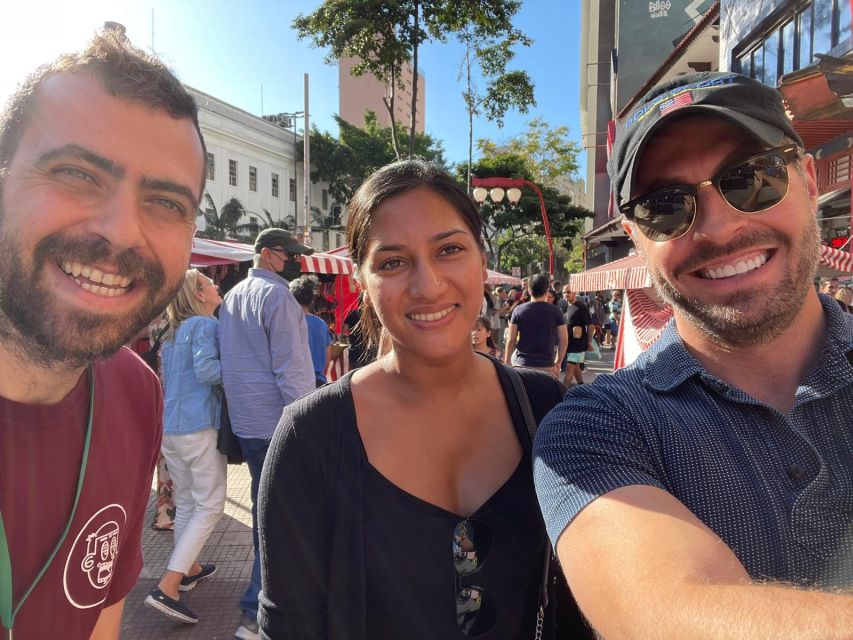
The next planned tasting is traditional takoyaki or tempura. On weekdays, this may be replaced by Argentine empanadas.
That variation matters. If you have your heart set on takoyaki, ask about the schedule before booking or at least understand that the weekday option can change. The substitution is not a downgrade in cultural interest, though. An Argentine empanada adds another layer to the neighborhood’s story and gives you a chance to taste a different immigrant influence.
Takoyaki is often described as a Japanese street snack, while tempura offers a light, crisp fried texture. The precise choice depends on the operating schedule and food availability. You should see this as a flexible tasting rather than a fixed restaurant menu.
The empanada option may be especially appealing if you enjoy savory pastries. One participant singled out the empanadas as a favorite, while another person found one of the later food stops less appealing. That contrast is a useful reminder that food tours are personal. The guide can choose well-known or locally meaningful items, but no menu can suit every taste.
The guide’s explanation gives this stop extra value. You can connect the food to the wider movement of people across South America and to the way Liberdade has continued to change.
Same patch of Brazil, a completely different sort of day:
- Skydive Tandem – São Paulo – Brazil
★ 5.0 · 1,840 reviews - São Paulo’s Full Day City Tour: Main City Sights in 7 Hours – (Shared Group)
★ 5.0 · 1,691 reviews - 5-hour Private Tour Of São Paulo With Its Main Sights – Optional Airport Pickup
★ 5.0 · 643 reviews - São Paulo: Main City Sights in 7 Hours – Shared Group Tour
★ 4.9 · 587 reviews
Korean choux au craquelin and the tour’s wider picture
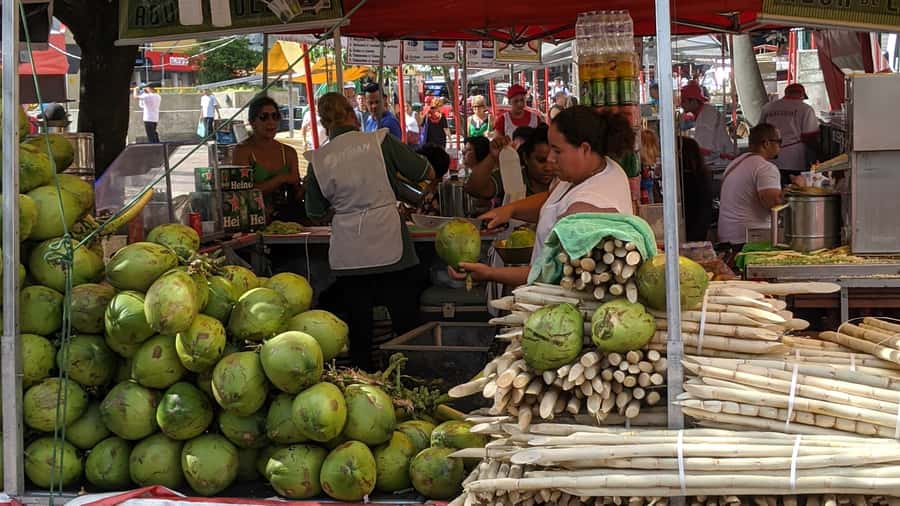
The final named food tasting is a Korean choux au craquelin. The name alone signals that this is not a basic walk through only traditional Japanese stalls.
Choux au craquelin is a pastry with a crisp topping over a light choux shell. The Korean connection shows how modern Korean food culture has become part of Liberdade’s current identity. It also helps prevent the tour from presenting the district as frozen in an earlier era of Japanese immigration.
This is where the neighborhood’s wider diversity becomes important. The experience includes references to people from China, Korea, Congo, and Haiti, along with a strong Afro-Brazilian heritage. The food is a starting point, but the social story is larger.
I like that the tour treats Liberdade as a living community rather than a themed district. You may come expecting Japanese snacks and leave with a better understanding of how several groups have shaped the area.
The included food is enough to make the outing substantial. You receive three main snack portions, one bottle of water, sugarcane juice, and a final soft drink or coffee. You should still bring an open mind. Some tastings may be familiar, while others may be sweet, fried, delicate, or unlike anything you normally order.
Walking, architecture, and São Paulo stories
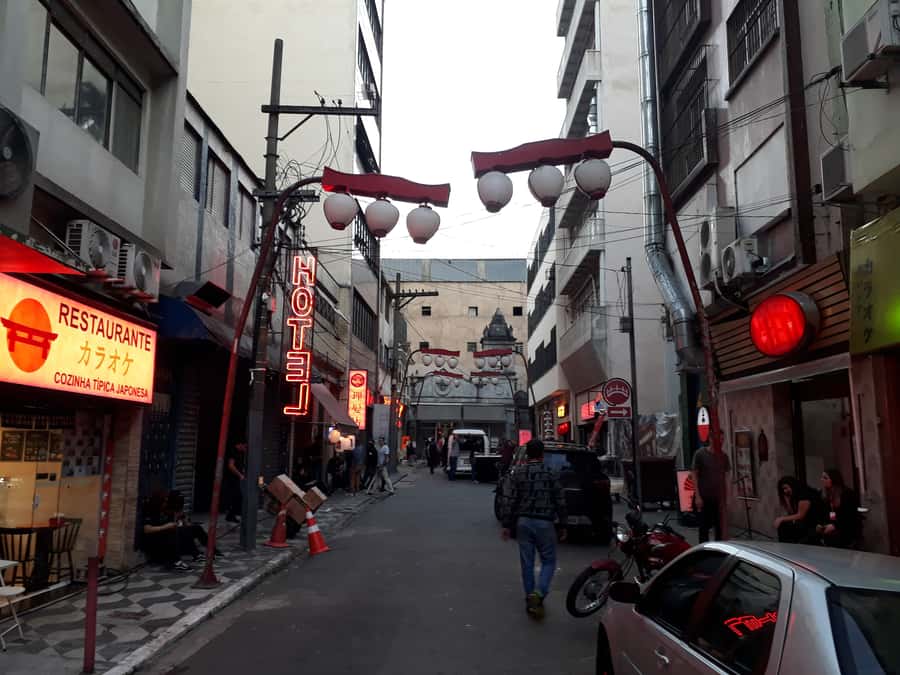
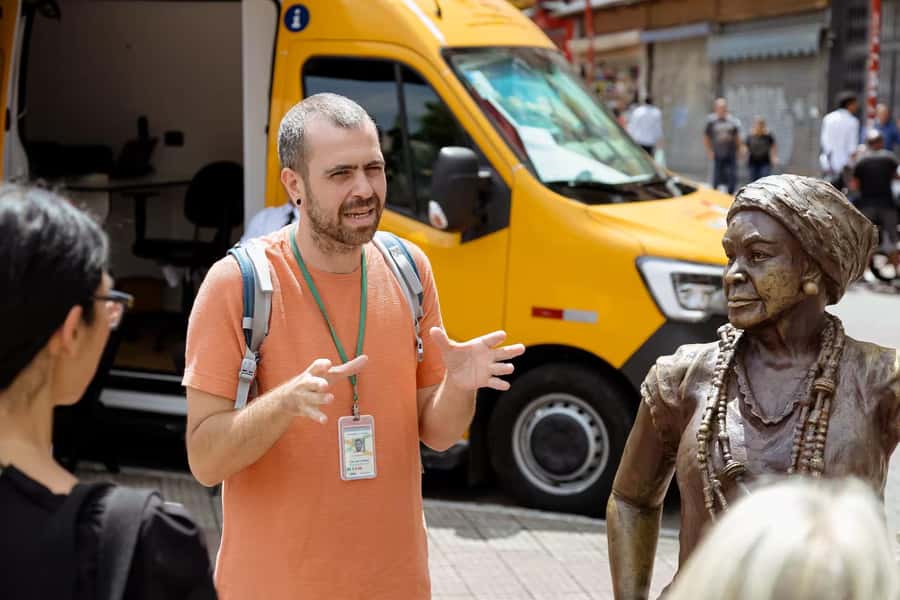
Between tastings, the guide leads a walk through Liberdade’s streets and markets. The route includes places of architectural beauty and discussion about the people who live in the neighborhood.
This part keeps the experience from becoming a series of food samples in quick succession. The walk gives you time to digest, look around, and place each dish within its surroundings.
The tour lasts two hours, with the guided Liberdade portion described as about 105 minutes. That leaves enough time for several stops without turning the outing into a long half-day commitment. The pace is likely to feel active, but the food breaks should keep it from becoming a pure sightseeing march.
Several people praised the guide’s energy, English, and ability to connect local food with São Paulo’s past. Giuliano is identified as a guide for many departures. He is Italian, has lived in Brazil for many years, and is described as fluent in English, energetic, and well informed about the city and its history.
That background can be an advantage. A guide who has made Brazil his home may offer an outside perspective while still explaining the local context. The best part of the commentary appears to be its connection between immigration, daily life, and food, rather than a list of dates to memorize.
The tour finishes at Restaurante Kazu. The final drink is either a soft drink or coffee, giving you a simple closing choice after the snacks.
What the $60 price really covers
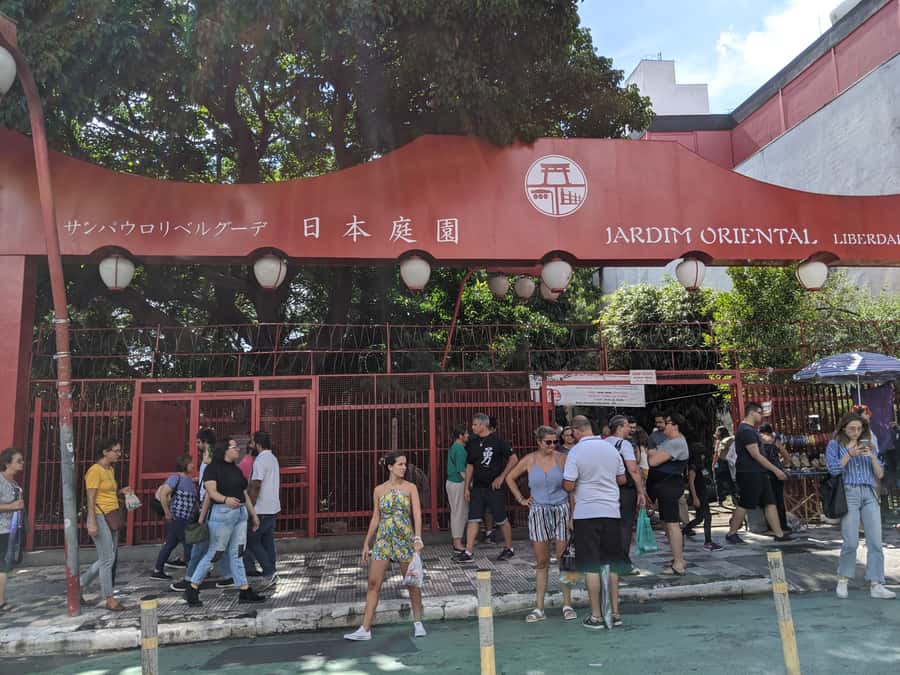
At $60 per person, this is not the cheapest way to eat in Liberdade. You could certainly buy individual snacks for less if you already know where to go and can manage ordering on your own.
The price becomes easier to justify when you consider what is included. You receive three main food tastings, water, sugarcane juice, and a final drink. You also receive an English-speaking guide, a planned route, historical explanation, and help navigating a neighborhood where the cultural context is more interesting than a basic restaurant meal.
I would consider this good value for a first visit to Liberdade, especially if you want to try several items without guessing at menus. It is also useful for solo visitors who prefer the ease of joining a small group rather than planning each stop alone.
The value is weaker if your main aim is simply to eat as much as possible for the lowest price. Additional food and drinks are not included, so anything beyond the planned tastings costs extra.
The portions appear generous enough that you should arrive hungry. One person described leaving very full, and that matches the number of included items. Do not schedule this immediately before a major meal unless you are happy treating the tour as lunch.
Who will enjoy this tour most
I would recommend the experience to anyone visiting São Paulo for the first time who wants a guided introduction to Liberdade. It suits people who enjoy trying unfamiliar foods but also want an explanation of where those foods fit into the city.
It is a particularly good match for:
- Solo visitors who want a small social group
- Couples looking for a short cultural activity
- Food-minded visitors who prefer several tastings to one restaurant meal
- People interested in migration, local communities, and São Paulo history
- English speakers who want a live guide
- Visitors who have only a few hours available in the neighborhood
Families and people with limited walking time may also appreciate the two-hour length, though the supplied details do not specify child pricing or a detailed accessibility route. Wheelchair access is provided, but you may want to confirm any specific mobility needs before booking.
This is less suitable if you dislike mixed menus, sweet pastries, fried foods, or unfamiliar textures. It may also disappoint you if you expect a formal sit-down meal or a tour focused only on Japanese cuisine.
Practical ways to get more from the walk
Arrive early at the red Bradesco bank. This is the most important practical tip because late joining is not possible.
Use the first few minutes to get your bearings in Liberdade Square. The meeting point is outside the bank, not inside a restaurant or market stall.
Wear comfortable walking shoes and bring sunscreen and an umbrella. The tour details specifically recommend both weather items, and you will be outdoors between tastings.
Keep your schedule flexible after the tour. It ends at Restaurante Kazu, which gives you a convenient place to continue exploring or to consider an additional meal, but extra food and beverages are not included.
Ask about the weekday substitution if takoyaki or tempura is important to you. The possible Argentine empanada replacement adds variety, but it changes the menu.
Finally, arrive with an appetite. The combination of pastel, onigiri, a second savory tasting, Korean pastry, sugarcane juice, and a final drink is more filling than the two-hour length suggests.
Should you book the Liberdade food tour?
Book it if you want a compact, guided introduction to the neighborhood and like the idea of learning through food. The strongest reasons are the four cultural influences, the small group, the English commentary, and the guide’s apparent ability to connect snacks with São Paulo’s immigrant communities.
I would be less certain if you are a very selective eater or want complete control over every dish. The menu can change on weekdays, and one tasting may not be a personal favorite.
For most first-time visitors, the $60 cost is fair because it covers food, drinks, guidance, and the work of making sense of Liberdade in a short period. Just arrive early, bring weather protection, and book with enough appetite to make the most of the stops.
FAQ
Where does the São Paulo Liberdade Street Food Tour meet?
It meets outside the large red Banco Bradesco Prime bank in the middle of Liberdade Square.
Where does the tour finish?
The tour finishes at Restaurante Kazu.
How long does the experience last?
The advertised duration is two hours. The guided Liberdade walk and food tasting portion is listed as approximately 105 minutes.
What language is the tour conducted in?
The live tour guide conducts the experience in English.
How many people can join the group?
The group is limited to 10 participants.
Is the tour wheelchair accessible?
Yes, the activity is listed as wheelchair accessible.
What food is included?
The included tastings are Japanese pastel and onigiri, traditional takoyaki or tempura, and Korean choux au craquelin. On weekdays, takoyaki or tempura may be replaced with Argentine empanadas.
What drinks are included?
You receive one bottle of water, one sugarcane juice, and either a final soft drink or coffee.
Can I cancel the booking?
You can cancel up to 24 hours in advance for a full refund. The reserve-now, pay-later option is also available.
Newest reviews from around Sao Paulo
- 5-hour tour in the main points of São Paulo.★ 5.0 · 12 reviews
- Executive Van 15 Places, GRU Airport to São Paulo Capital.★ 5.0 · 5 reviews
- (Sedan VIP Class) Transfer GRU Airport • São Paulo★ 5.0 · 6 reviews
- Private Transfer: GRU Airport to Sao Paulo City up to 15 People★ 5.0 · 12 reviews
- Private Transfer São Paulo Airport to Hotels with Quick City Tour★ 5.0 · 17 reviews
- Special tour 8 hour (walking tour + nightlife )★ 5.0 · 3 reviews
- Sao Paulo: The Coolest Urban Scenes Bike Tour★ 5.0 · 22 reviews
- São Paulo: Food, Culture & History Private Tour★ 5.0 · 6 reviews
Food Tours in São Paulo, compared.
São Paulo 5 Hour Private Tour With Fruit Tasting
Read our review →
Gastronomic Tour São Paulo – Culture & History Through The Art Of Food – Private
Read our review →
2 Hours – Liberdade “Street Food” Tour – In English
Read our review →
Sao Paulo, Pinheiros – Food & Graffiti Tour | in English
Read our review →

Browse the lists this tour appears in