
Reviewed · COOKING CLASSES
Authentic Brazilian Cooking Experience in SP: Feijoada & Moqueca
Come hungry for more than lunch. This two-and-a-half-hour cooking class brings you into a cozy São Paulo home, where Brazilian music, decorations, and the smell of food on the stove create a friendly setting for learning. You cook, eat, and get a clearer sense of how Brazil’s best-known dishes fit into daily life.
I especially like the choice between seafood moqueca and pork-and-bean feijoada, since the two dishes show very different sides of Brazilian food. I also like the personal touch from Chef Vicky and her sous chef, CG, who helped one family enjoy cooking together in an apartment kitchen. The main consideration is that the class starts at noon in Perdizes, so it works best if you can reach that neighborhood without rushing from another São Paulo activity.
In This Review
- What makes this class worth your time
- Entering a São Paulo Home Kitchen
- Juice, Polvilho, and a Gentle Start
- Making a Lime Caipirinha
- Choosing Between Moqueca and Feijoada
- Learning the Food Behind the Recipes
- The Meal: From Cooking to Sitting Down
- Who Will Get the Most From It
- Value, Timing, and Practical Details
- A Few Limits to Keep in Mind
- Should You Book This São Paulo Cooking Class?
- FAQ
- Where does the cooking class take place?
- What time does the experience start?
- How long does the cooking class last?
- Is the experience offered in English?
- Is this a private activity?
- Which main dishes can I choose from?
- What is included in the booking?
- Are tips included?
- What is the cancellation policy?
What makes this class worth your time
- Two classic main dishes: Choose seafood or fish moqueca, or learn to prepare feijoada with meats, black beans, rice, farofa, and kale.
- A caipirinha workshop: You make this famous lime drink step by step rather than simply receiving one at the table.
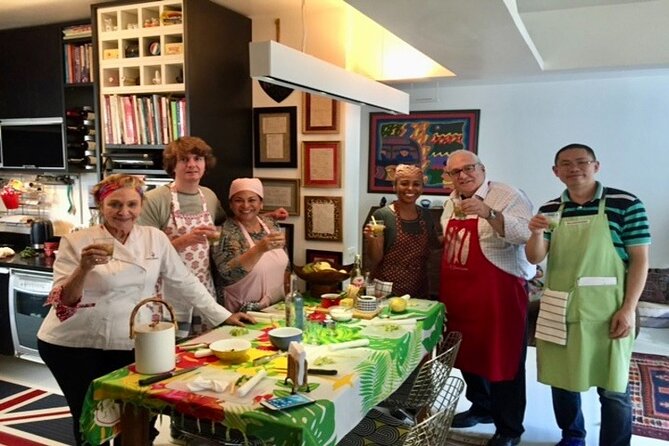
- A home kitchen setting: The kitchen and living area share one cozy space, with Brazilian decorations and music around you.
- Chef Vicky and CG lead the session: The experience has a personal, family-friendly feel rather than a large demonstration format.
- A full Brazilian meal: Fruit juice, polvilho biscuits, the main dish, side dishes, and a drink workshop are all part of the experience.
- Private participation: Only your group takes part, which can make it easier to ask questions and work at a comfortable pace.
Entering a São Paulo Home Kitchen
The class begins at 12:00 p.m. in Perdizes, a neighborhood in São Paulo. The exact appeal is simple: you are not sitting in a restaurant watching a chef work from across the room. You are in a home setting where the kitchen and living area blend together.
That arrangement matters. Brazilian food is tied closely to conversation, family meals, and generous portions placed in the center of the table. A home kitchen gives the class a more relaxed frame for those traditions. You can expect Brazilian decorations, music, and a chef in traditional attire guiding the session.
The activity is offered in English, which makes it accessible if you do not speak Portuguese. It is also a private activity for your own group. That is useful for families, couples, and friends who want to ask questions without competing with a large class.
The setting may not suit someone looking for a sleek cooking studio or formal culinary school. You should choose this experience for its personal atmosphere and Brazilian character, not for polished restaurant presentation.
More Cooking Classes in Sao Paulo:
- 4h Cooking Class in São Paulo with 9 Recipes & Bottomless Drinks
★ 5.0 · 30 reviews - Cooking class in Salvador, an authentic dinning experience
★ 5.0 · 132 reviews - 4h Cooking Class in Salvador with 9 Recipes & Bottomless Drinks
★ 5.0 · 73 reviews
Juice, Polvilho, and a Gentle Start
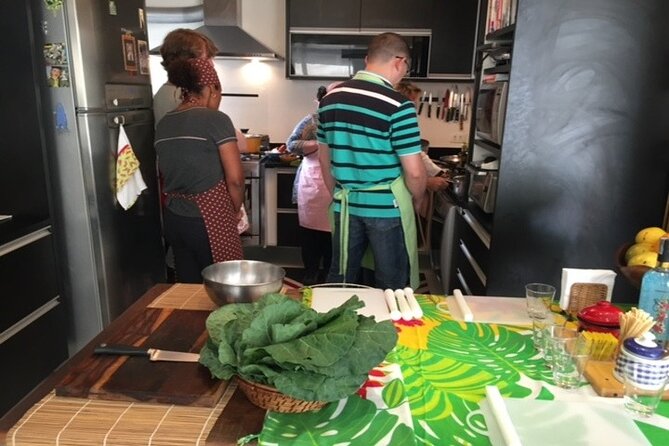
Before the main cooking begins, you receive seasonal fruit juice and crispy polvilho biscuits. Polvilho is made from cassava starch and is a familiar Brazilian snack, often light and crunchy rather than heavy.
This opening gives you time to settle in and get familiar with the kitchen. It also introduces two useful parts of Brazilian eating: fresh fruit drinks and cassava-based foods. The juice changes with the season, so you should expect a refreshing local accompaniment rather than one fixed flavor.
I like this start because it avoids throwing you straight into a complicated recipe. You have something to taste while the chef explains the plan and ingredients. For families, it can also help younger cooks ease into the activity before handling ingredients.
The polvilho biscuit is served alongside each dish as an accompaniment, so it is not just a welcome snack. It becomes part of the food experience and gives you another way to notice cassava, an important ingredient in Brazilian cooking.
Making a Lime Caipirinha
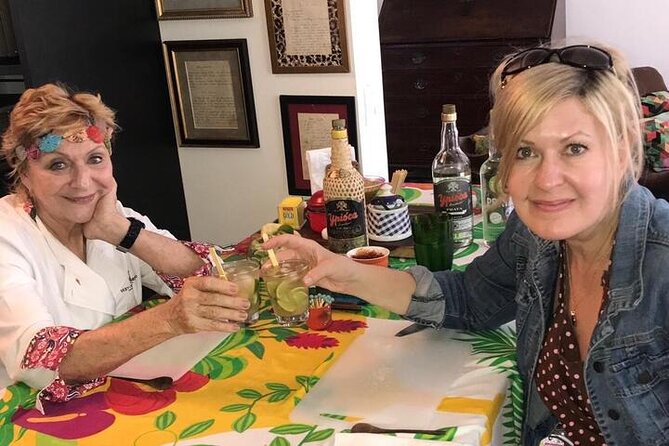
The caipirinha workshop is one of the more social parts of the class. You learn to prepare the drink step by step with lime, rather than simply receiving a finished cocktail.
The drink works well at this point in the schedule. Food is cooking, aromas are building, and you have a chance to pause before lunch or dinner. You can hold your drink while the chef discusses Brazilian ingredients and cooking habits.
The class includes the equipment and ingredients needed for the drink, so you do not need to bring anything for the workshop. The information provided does not specify the alcohol-free option or how the drink can be adjusted, so ask the chef directly if that matters to you.
For adults, the caipirinha adds a classic Brazilian touch. For families with children or anyone who does not drink alcohol, the seasonal juices remain part of the meal. Do not assume the caipirinha is the only beverage available.
Choosing Between Moqueca and Feijoada
Your most important decision is the main class. The two menus are quite different, and your choice should depend on the kind of Brazilian food you want to understand.
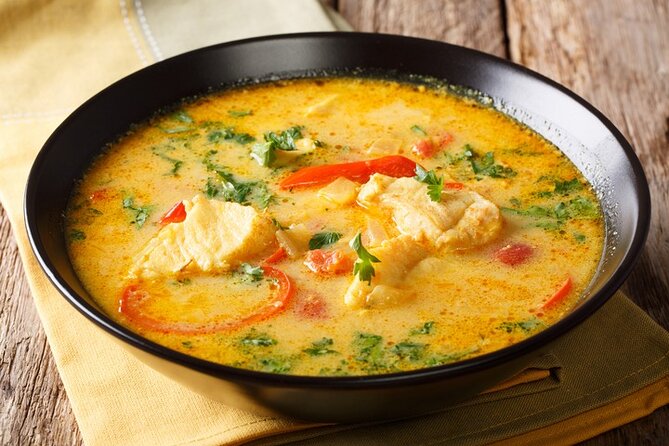
Moqueca is a fish and seafood stew. The menu also allows a fish or vegetarian version, which gives the class more flexibility for different diets. It comes with white garlic rice and banana toasted farofa. The menu also includes flambeed sausage with onions and grilled white cheese with pepper jam.
The seafood option is the lighter choice in spirit, though it is still a complete meal. The fish or seafood sits at the center, while the rice and farofa provide texture and substance. Banana farofa is especially interesting because it brings a sweet note to a savory cassava-flour side.
If you prefer meatless food, confirm the vegetarian moqueca option when booking or before the class begins. The supplied details say that a fish or veggie moqueca can be prepared, but they do not describe every ingredient or substitution.
Feijoada is the heartier choice. This black bean stew includes a selection of beef and pork, along with dried, salted, and smoked meats. It is served with white rice, crispy farofa, and sautéed shredded kale.
The contrast between the soft beans, savory meats, crisp farofa, and greens is central to the meal. Feijoada is not a quick dish in the way a simple sandwich is quick. It represents the slow, communal side of Brazilian cooking, with several elements working together on one plate.
You should pick feijoada if you want a substantial meal and an introduction to one of Brazil’s most famous dishes. You should pick moqueca if seafood, fish, or a vegetarian version appeals more to you. If your group has mixed preferences, the private format may make the choice easier to discuss, but the available information does not say if both menus can be prepared in one session.
A few more Sao Paulo days to weigh up
- Skydive Tandem – São Paulo – Brazil
★ 5.0 · 1,840 reviews - São Paulo’s Full Day City Tour: Main City Sights in 7 Hours – (Shared Group)
★ 5.0 · 1,691 reviews - 5-hour Private Tour Of São Paulo With Its Main Sights – Optional Airport Pickup
★ 5.0 · 643 reviews - São Paulo: Main City Sights in 7 Hours – Shared Group Tour
★ 4.9 · 587 reviews
Learning the Food Behind the Recipes
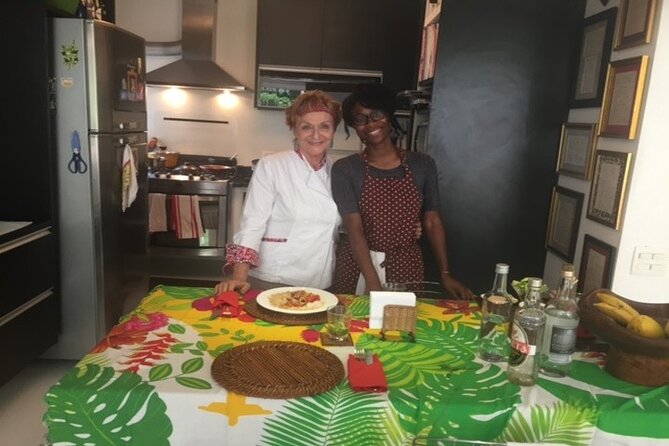
The class is not only about copying instructions. Chef Vicky explains Brazilian culinary traditions, local ingredients, and cooking techniques as you work.
That guidance is where much of the value lies. A recipe on a page can tell you how much of an ingredient to use. A chef can help you understand why the dish is assembled in a certain way, what textures matter, and how the side dishes balance the main food.
The class also gives you a practical look at ingredients that may be less familiar outside Brazil. Cassava flour appears in the farofa, cassava starch appears in the polvilho biscuits, and kale is used as a cooked side with feijoada. These are not decorative additions. They show how Brazilian meals combine starch, greens, meat or seafood, and fresh drinks.
Chef Vicky’s traditional attire and the Brazilian setting add context without turning the class into a museum talk. You are learning through food, sound, smell, and conversation. That makes the experience a good fit for you if you want a cultural activity that keeps your hands busy.
One family particularly enjoyed learning from Chef Vicky and CG while cooking in a Brazilian apartment. That detail points to the strongest part of the experience: it feels shared and personal. The class is likely most rewarding when you join in rather than simply wait for the meal.
The Meal: From Cooking to Sitting Down
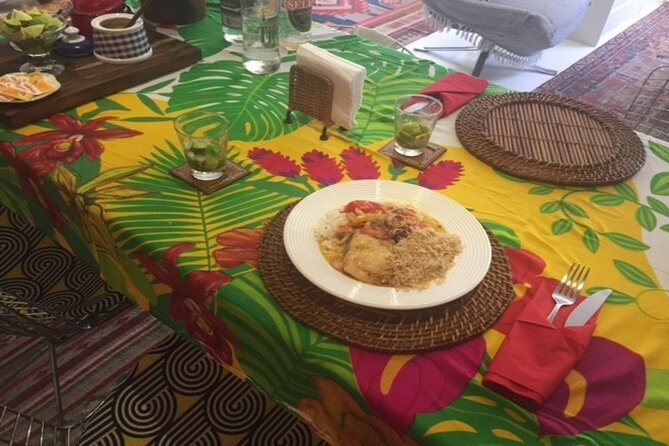
After the cooking and caipirinha workshop, you sit down for lunch or dinner. The meal includes the selected main dish, its traditional sides, seasonal fruit juice, and polvilho biscuits.
The menu is generous enough to feel like a full Brazilian meal rather than a small tasting. With feijoada, you get meat, beans, rice, farofa, and collard greens. With moqueca, you get fish or seafood, garlic rice, banana farofa, and additional items such as grilled white cheese with pepper jam.
This final meal is also the point where the cooking lesson becomes practical. You can taste how the components work together, instead of judging each ingredient separately. The crisp farofa, for example, is meant to add contrast to softer foods. The greens help cut through the heavier feijoada. Rice gives both main dishes a familiar base.
I would plan this as your main meal of the day. The class lasts about two hours and thirty minutes, and the food is substantial. You do not need to schedule a large lunch before arriving, especially with a noon start.
The experience ends back at the meeting point in Perdizes. Since the class is near public transportation, you have a practical way to continue your day afterward, though the provided details do not name a specific station or route.
Who Will Get the Most From It
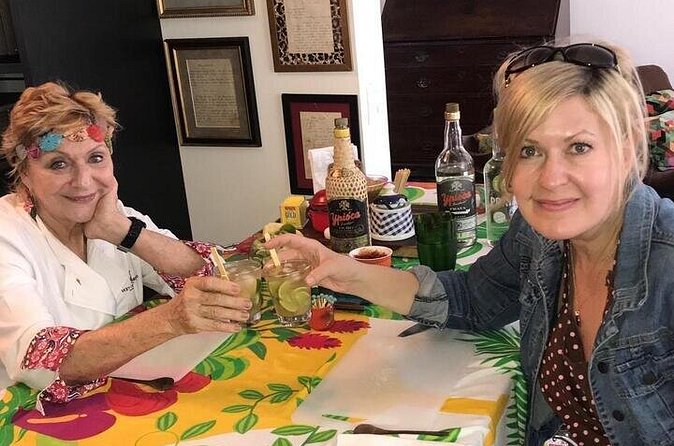
This cooking class suits you if food is one of your main ways to understand a place. You get a meal, a recipe lesson, local ingredients, and a setting that feels connected to Brazilian home life.
It is also a strong choice for families. The private format means your group can learn together, and the family experience with Chef Vicky and CG suggests that the class is welcoming to mixed ages. The juice, biscuits, and hands-on work give the session more variety than a long lecture.
Couples and small friend groups may appreciate the caipirinha workshop and full meal. The class has enough structure to keep the afternoon moving, but the home setting should feel less formal than a restaurant-based demonstration.
You should think twice if you want a large market visit, a walking tour, or a class focused on professional knife skills. None of those features is listed. This is a food-and-culture experience in one home kitchen, with the cooking and meal as the center of attention.
People with dietary concerns should pay close attention to the menu. The moqueca has a fish or vegetarian option, but feijoada contains several types of beef and pork, including dried, salted, and smoked meats. Ask about your needs before the class so you know which menu is suitable.
Value, Timing, and Practical Details
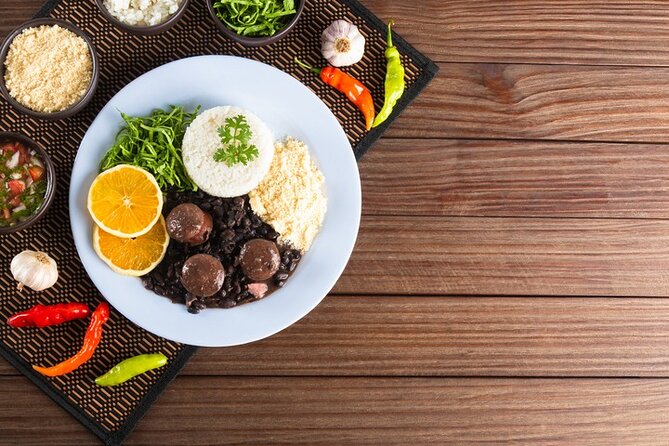
A price is not provided here, so I cannot judge the exact cost in currency. I can still explain what you receive for the fee: the cooking class, all ingredients, all cooking and drink equipment, the meal components, taxes, VAT, and handling charges.
That package makes the experience easier to budget. You are not expected to buy ingredients or rent equipment, and the usual extra charge is an optional tip. The value is strongest if you would otherwise pay separately for a Brazilian meal and a cultural activity.
The class runs for approximately two hours and thirty minutes. That is long enough for instruction, preparation, the drink workshop, and the meal without taking up an entire day. Since the start time is noon, it fits best on a day when you can reach Perdizes in the morning.
You receive confirmation at booking, and the activity is offered in English. Group discounts are available, which may improve the value for families or larger parties. Because this is a private activity, the cost may make more sense when shared among several people in your group.
Free cancellation is available if you cancel at least 24 hours before the start time. Cancellations made inside 24 hours are not refunded, and late changes are not accepted. The experience requires good weather, and if poor weather causes cancellation, you are offered another date or a full refund.
The weather rule is worth noting even though this takes place indoors. The provider includes it in the booking conditions, so check the local time and cutoff carefully before making last-minute changes.
A Few Limits to Keep in Mind
The class has only five published ratings, all at five out of five, so the early response is very positive but the sample is small. I would treat that as encouraging rather than final proof of what every group will experience.
The home setting is a major attraction, but it also means the experience will not have the space or equipment of a commercial cooking school. If you prefer a highly polished, formal class, this may feel informal.
The menu is appealing, but the details do not state how much hands-on time each person receives or whether every member of a group prepares every component. If active participation matters to you, ask how the cooking is divided among the group.
There is also no stated hotel pickup. You meet in Perdizes and finish there, so you need to arrange your own way to the neighborhood. Public transportation is nearby, but no exact route is supplied.
Should You Book This São Paulo Cooking Class?
I would book this experience if you want a friendly introduction to Brazilian food with a real home atmosphere. The strongest reasons are the choice between moqueca and feijoada, the caipirinha workshop, the private group format, and the chance to cook with Chef Vicky and CG.
Choose moqueca for fish, seafood, or the available vegetarian version. Choose feijoada for a filling meal built around black beans, beef, pork, smoked meats, rice, farofa, and greens.
Skip it if you want a market tour, a professional culinary course, or a short tasting with little participation. But if you can reach Perdizes by noon and enjoy learning at the table as much as eating at it, this is a worthwhile way to spend a São Paulo afternoon.
FAQ
Where does the cooking class take place?
The class takes place in Perdizes, São Paulo, in a cozy home setting where the kitchen and living area share one space.
What time does the experience start?
The experience starts at 12:00 p.m.
How long does the cooking class last?
The activity lasts approximately two hours and thirty minutes.
Is the experience offered in English?
Yes. The experience is offered in English.
Is this a private activity?
Yes. Only your group participates in the activity.
Which main dishes can I choose from?
You can choose a seafood moqueca class or a feijoada class. The moqueca menu includes a fish or vegetarian option.
What is included in the booking?
The booking includes the cooking class, all ingredients, cooking and drink equipment, VAT, taxes, and handling charges.
Are tips included?
No. Tips are optional and are not included.
What is the cancellation policy?
You can cancel at least 24 hours before the start time for a full refund. Cancellations or changes made less than 24 hours before the start time are not accepted and are not refunded. If poor weather causes the provider to cancel, you are offered another date or a full refund.
Newest reviews from around Sao Paulo
- Visit to the Cerejeira Annual Party in Carmo Park★ 3.5 · 2 reviews
- REIKI – Crystal Therapy – by Venus’ Secret Spa – San Francisco★ 5.0 · 41 reviews
- Taxi from Guarulhos airport to São Paulo capital★ 5.0 · 15 reviews
- São Roque Wineries Route from São Paulo★ 4.5 · 13 reviews
- 3h Tasting Session in São Paulo with 34 Local Foods & Drinks★ 5.0 · 7 reviews
- Guided Ceremony in Brazil★ 5.0 · 2 reviews
- Transfer from São Paulo to Port of Santos★ 4.0 · 8 reviews
- Taxi from Viracopos to São Paulo – CHM Transportes★ 5.0 · 2 reviews
Cooking Classes, compared.
Cooking class in Salvador, an authentic dinning experience
Read our review →
4h Cooking Class in Salvador with 9 Recipes & Bottomless Drinks
Read our review →
Family Cooking Class in Rio Make 9 Brazilian Dishes Together
Read our review →
3-Hour Brazilian Cooking Class in Rio de Janeiro
Read our review →
4h Cooking Class in São Paulo with 9 Recipes & Bottomless Drinks
Read our review →
Hands-On Cooking Class in Rio: Iconic Street Foods & Caipirinhas
Read our review →
4h Cooking Class in Florianopolis: 8 Recipes & Bottomless Drinks
Read our review →
Brazilian Cooking Class in Copacabana with Hotel Pickup
Read our review →Browse the lists this tour appears in