
Reviewed · HISTORICAL TOURS
São Paulo: Food, Culture & History Private Tour
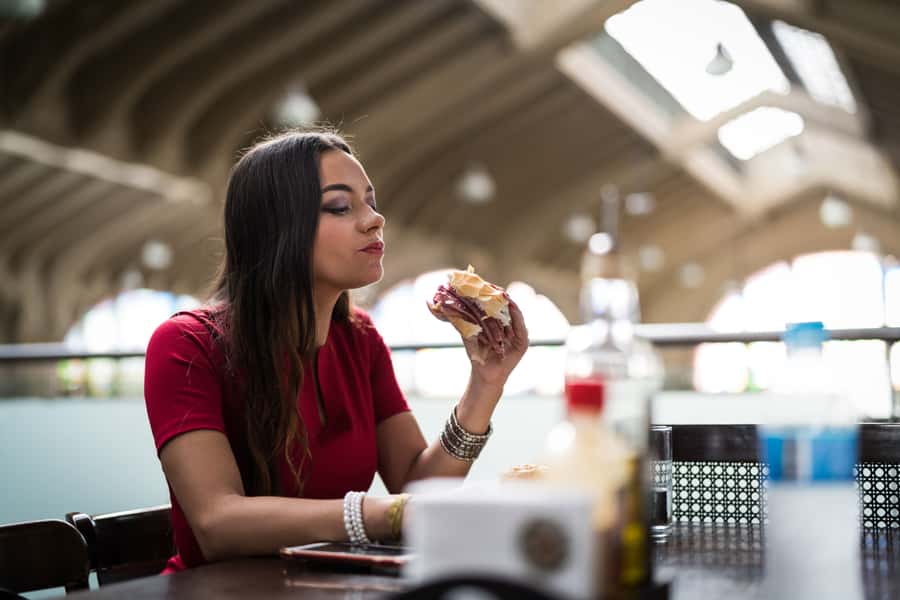
Come hungry, leave curious. This five-hour private tour makes São Paulo easier to understand through its food, from pão de queijo and coxinha to coffee, cachaça, fruit, pastries, and market snacks. I like the personal guide and flexible pickup, since you can set a convenient meeting point within São Paulo. I also like the way food connects indigenous traditions, Afro-Brazilian communities, and immigrant influences to the city’s daily life.
The main consideration is the $275 per-person price. That is a serious spend, especially because regular meals and drinks are not included. The tastings are included, but you should still confirm exactly what is covered and plan to pay for anything beyond the samples.
In This Review
- Key points at a glance
- Why food is the right way into São Paulo
- Starting with São Paulo snacks and everyday flavors
- The Municipal Market and São Paulo’s grand food hall
- Bakeries, sweets, and the pleasure of small portions
- Vila Madalena brings a different mood
- What the guide adds to the experience
- A practical five-hour plan
- Is $275 per person good value?
- Who should book this São Paulo food tour?
- FAQ
- How long does the São Paulo food tour last?
- Is the tour private?
- Where can pickup and drop-off take place?
- Which languages are available?
- Is transportation included?
- Are food tastings included?
- Can I cancel for a refund?
- Should you book it?
Key points at a glance
- Five hours of food and city culture: You visit food shops, bakeries, the Municipal Market, and Vila Madalena in one private outing.
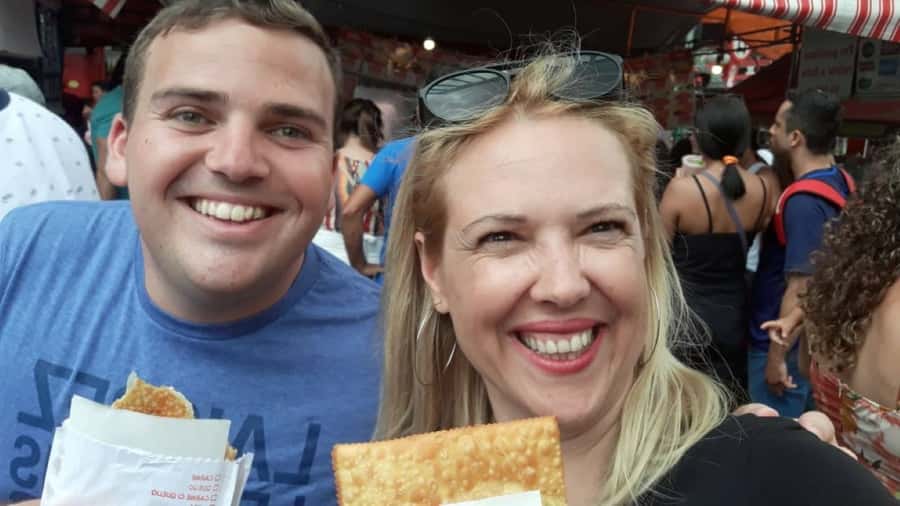
- Small samples, many flavors: Tastings can include pão de queijo, coxinha, brigadeiro, pastel, nuts, fruit, coffee, cachaça, and other local products.
- A private guide shapes the day: English, Spanish, and Portuguese guiding is available, with pickup and drop-off inside São Paulo.
- The Municipal Market adds history: You see a famous food hall while learning about its architecture and place in São Paulo’s artistic and historical record.
- Neighborhood knowledge matters: Guides such as Doris and Laura have been praised for taking people to favorite local stops beyond the most obvious sights.
- Useful for a layover: Transportation, airport greet and meet service, and a five-hour format make this practical for a carefully timed stopover.
Why food is the right way into São Paulo
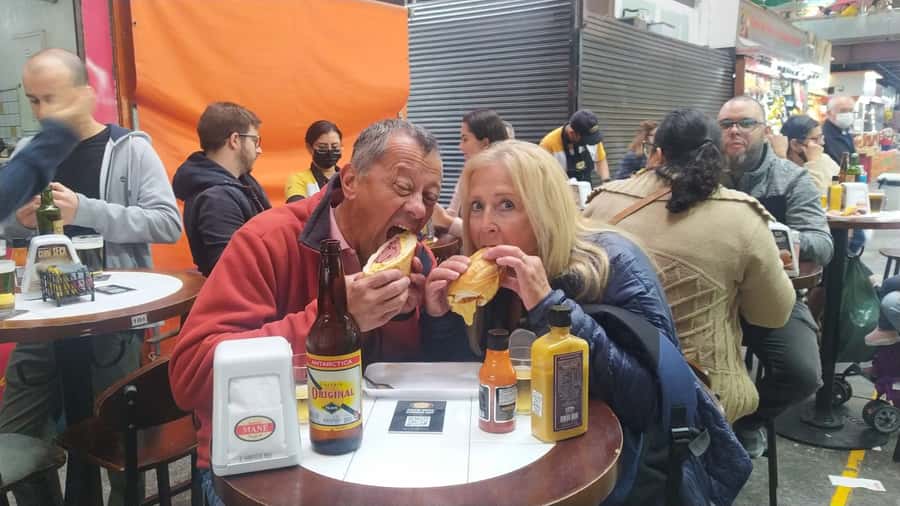
São Paulo can feel enormous at first. Its size, traffic, neighborhoods, and mix of people make a quick visit hard to organize. A food tour gives you a simple thread to follow: taste something, ask where it came from, then connect it to the people and customs of Brazil.
That thread is especially useful here because São Paulo’s cooking is not one narrow tradition. Indigenous ingredients and methods meet African influences and food brought by immigrants from many parts of the world. The result is a city where a bakery snack, a market fruit, or a cup of coffee can tell you more about local life than a quick pass by a monument.
I like this approach because you are not only handed a plate and told its name. The guide explains how an ingredient becomes a familiar dish in a particular place. You also get time to speak with shop sellers about product quality, which gives the stops a more practical feel. You can ask what to buy, how something is made, or which item is most typical.
The private format helps here. Instead of keeping to a fixed group pace, you can ask more questions, linger over a favorite flavor, or tell the guide if you need a short pause. That personal attention is one reason Doris and Laura received such warm praise for their energy, friendliness, and ability to make local food easy to understand.
More Food Tours in São Paulo
- São Paulo 5 Hour Private Tour With Fruit Tasting
★ 5.0 · 93 reviews - São Paulo: Liberdade Street Food Tour
★ 4.9 · 73 reviews - Gastronomic Tour São Paulo – Culture & History Through The Art Of Food – Private
★ 5.0 · 50 reviews
Starting with São Paulo snacks and everyday flavors
The first part of the tour introduces the smaller bites that make Brazilian food so enjoyable. You might taste pão de queijo, the chewy cheese bread that works equally well as a breakfast bite or quick snack. Coxinha offers a different experience, with its savory filling and distinctive shape. Brigadeiro brings the sweet side of Brazil in a compact chocolate treat.
Other possible samples include nuts, fruits, pastel, coffee, and cachaça. The exact mix can vary, so I would not treat this as a fixed tasting menu. That flexibility is useful because the guide can choose places that are open and products that are in good condition on the day of your visit.
The word taste matters here. This is not presented as a sit-down meal with large portions. One particularly helpful detail is the focus on limited amounts, allowing you to sample several foods without filling up at the first stop. Still, the best advice is simple: arrive hungry. The food adds up, even when each portion is modest.
You also get a chance to see how local businesses operate. Talking with sellers about quality turns a quick snack into a shopping lesson. If you want to bring home coffee, sweets, nuts, or other food products, this is the point to ask about what keeps well and what is best eaten fresh.
The possible drawback is that people with strict dietary needs may need to ask detailed questions before booking. The available information lists many foods but does not give a vegetarian, vegan, allergy, or gluten-free plan. A private guide may be able to adjust the route, but that should be confirmed ahead of time rather than assumed.
The Municipal Market and São Paulo’s grand food hall
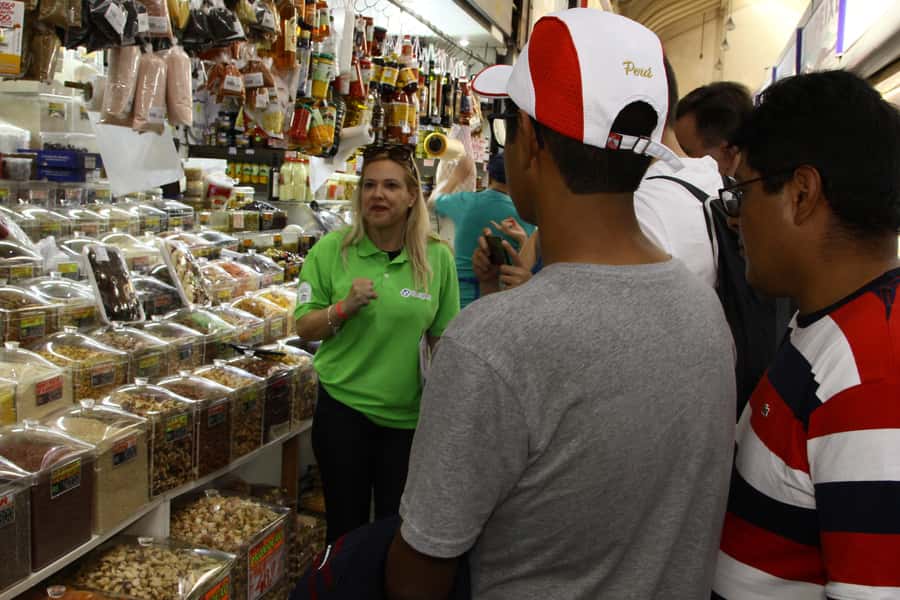
The Municipal Market is the central food stop, and it gives the tour a change of scale. Instead of moving from one small shop to another, you enter a major market known for food, architecture, and its place in São Paulo’s historical and artistic patrimony.
You can expect colorful displays, busy food counters, sweets, salty snacks, and plenty of products that may be unfamiliar. The point is not simply to walk through and take pictures. Your guide helps explain what you are seeing, which foods matter locally, and how the market fits into the city.
This is where a private food guide can make a real difference. Without context, a large market can become a blur of fruit, signs, smells, and people. With a guide, you can stop at adored eateries and sample items with a reason behind them. You might learn why a particular ingredient is prized, how it is normally served, or which snack is worth your limited appetite.
The architecture also gives you something to look at between bites. The market is not only a place to shop. It is part of the city’s built heritage, and the tour links the building to São Paulo’s wider story. That combination of food and architecture is a strong feature for anyone who wants more than a restaurant crawl.
Keep your expectations sensible. A market can be crowded and active, and you are likely to spend time standing and walking. The available details do not promise a long formal architectural lecture or a set number of tastings. Think of the market as a lively lesson with food stops, not a quiet museum visit.
Bakeries, sweets, and the pleasure of small portions
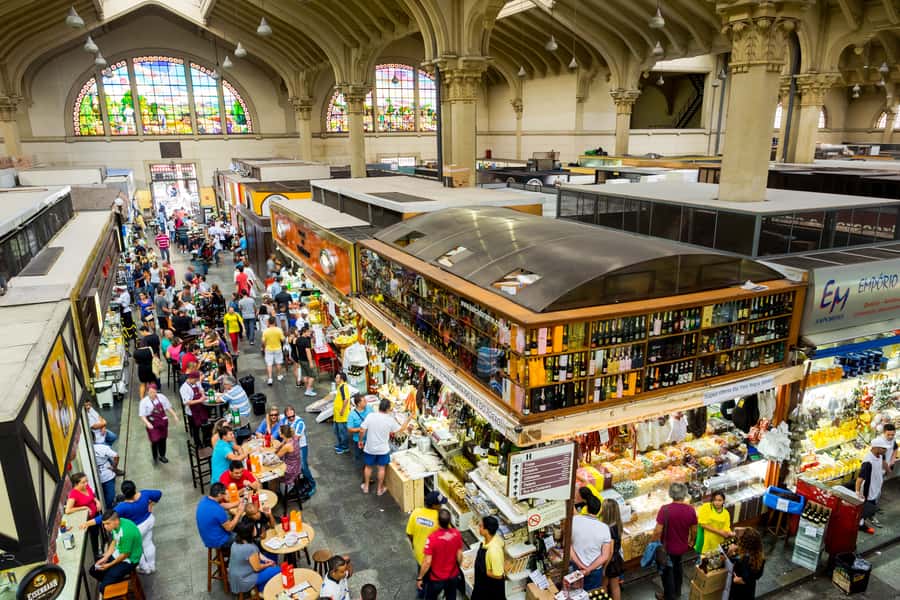
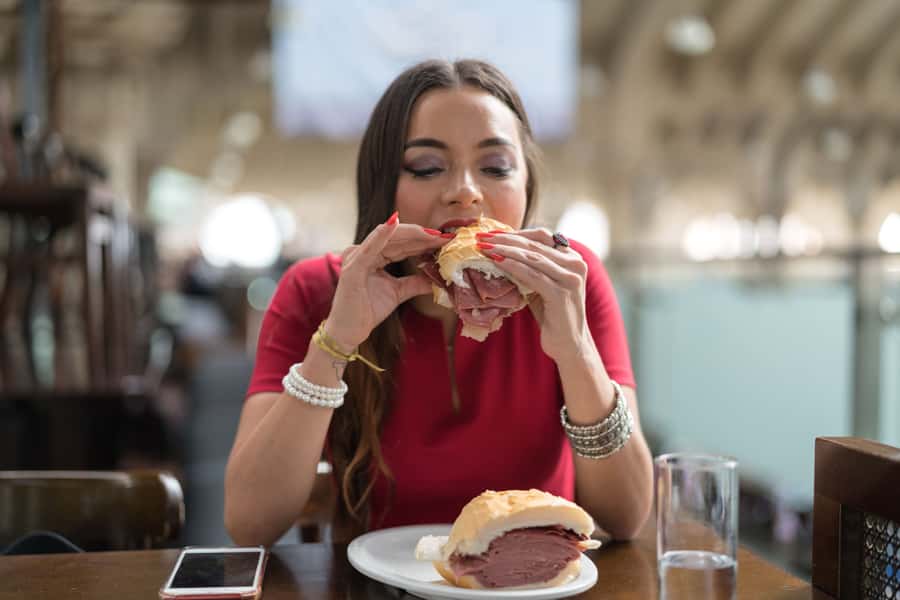
São Paulo’s bakeries receive special attention, and this may be one of the most satisfying parts for people who like pastries and snack foods. You may taste several bakery items, including sweet and savory options, while the guide points out what makes each stop worth your time.
A good bakery visit is about more than sugar. It shows how people in the city eat during the day, what they grab between errands, and how familiar recipes become part of local routine. The tour’s focus on products, aromas, and preparation helps you notice details you might miss if you simply ordered something at random.
I also appreciate the emphasis on sampling only limited amounts. A food tour can go wrong when the first stop serves a full plate and the rest become impossible. Here, the structure aims to keep you interested from beginning to end. You can compare textures and flavors rather than surrendering halfway through with a full stomach.
The phrase best bakeries in São Paulo should be treated as a guide’s judgment, not an objective ranking. Food preferences differ, and the exact stops may depend on opening hours and the guide’s route. The real value is having someone who can select a few meaningful examples in a city too large to cover on your own.
More History Tours in São Paulo
- São Paulo: Downtown Historical Bike Tour
★ 4.9 · 191 reviews - Sao Paulo: Downtown-Center History Walking Tour – in English
★ 5.0 · 91 reviews - Full Day Private Beach Tour Santos – Culture, History & Beach (Pickup São Paulo)
★ 5.0 · 47 reviews - Full Day Private Beach Tour Santos & Guarujá – Combine Culture, History & Beach
★ 5.0 · 37 reviews
Vila Madalena brings a different mood
The route continues to Vila Madalena, described as one of São Paulo’s most energetic and bohemian areas. This part of the tour shifts attention from the grand market and central food stops to neighborhood food joints serving comforting dishes and drinks.
That contrast improves the day. You see that São Paulo’s food culture is not confined to a historic market or famous bakery. It also lives in local districts where people meet, eat, and spend time together. Vila Madalena gives the final section a more relaxed neighborhood feel.
You should note that the available information does not promise a particular restaurant, dish, or drink in Vila Madalena. You may find a soul-warming dish or a local drink, but the precise choice is not fixed. If you have a strong preference, tell the guide early in the day.
This neighborhood stop may also be the point where you are most tempted to order more than the included samples. Remember that meals and drinks are not included, so anything beyond the provided tastings is your responsibility. That is not necessarily a flaw. It gives you the freedom to buy a full dish if something catches your attention, but it also means the advertised price is not the total cost of every bite and drink.
What the guide adds to the experience
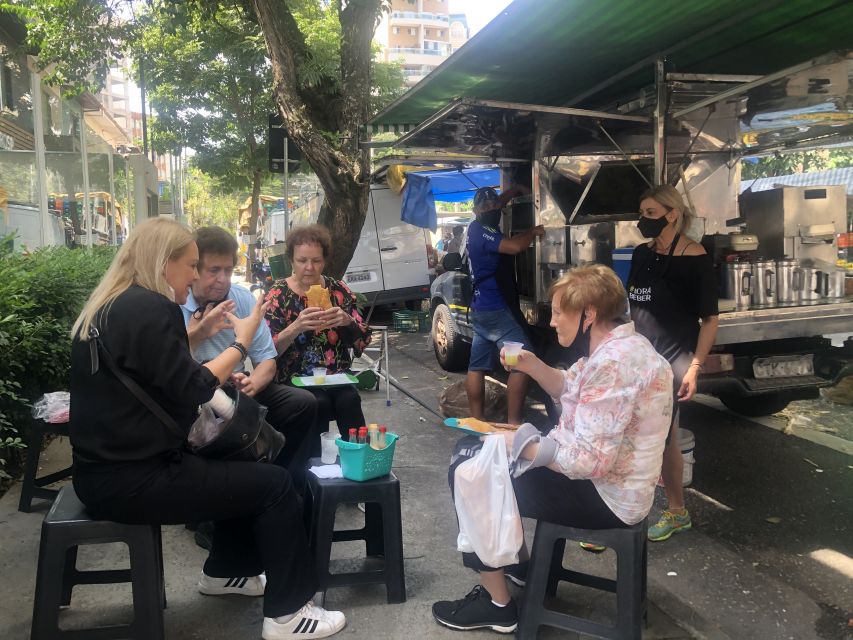
The strongest element is the guide. Food tours depend less on a checklist than on the person making sense of it all. The guides praised in the feedback, especially Doris and Laura, were described as friendly, upbeat, outgoing, and easy to understand.
Those qualities matter in practical ways. A guide who keeps the conversation clear can explain unfamiliar foods without turning the tour into a lecture. A guide who knows local preferences can steer you toward places that Paulistas actually use, rather than stopping only at obvious tourist counters.
The personal stories also add value. One guide was praised for her affection for São Paulo and its neighborhoods, while another was credited with keeping things real and making food explanations easy to follow. That suggests a tour with a human tone, not a memorized speech delivered while you hurry from stop to stop.
The language choice is another advantage. You can request a live guide in English, Spanish, or Portuguese. If you speak Portuguese, you may enjoy the chance to engage more directly with sellers. If you do not, an English or Spanish guide can handle the conversation and explain unfamiliar terms.
One logistical point is worth knowing: for groups of more than four, a private driver is provided. For smaller groups, the guide may drive the vehicle. Transportation, tolls, parking during stops, taxes, and handling charges are included, which keeps the day simpler in a city where moving between districts can take planning.
A practical five-hour plan
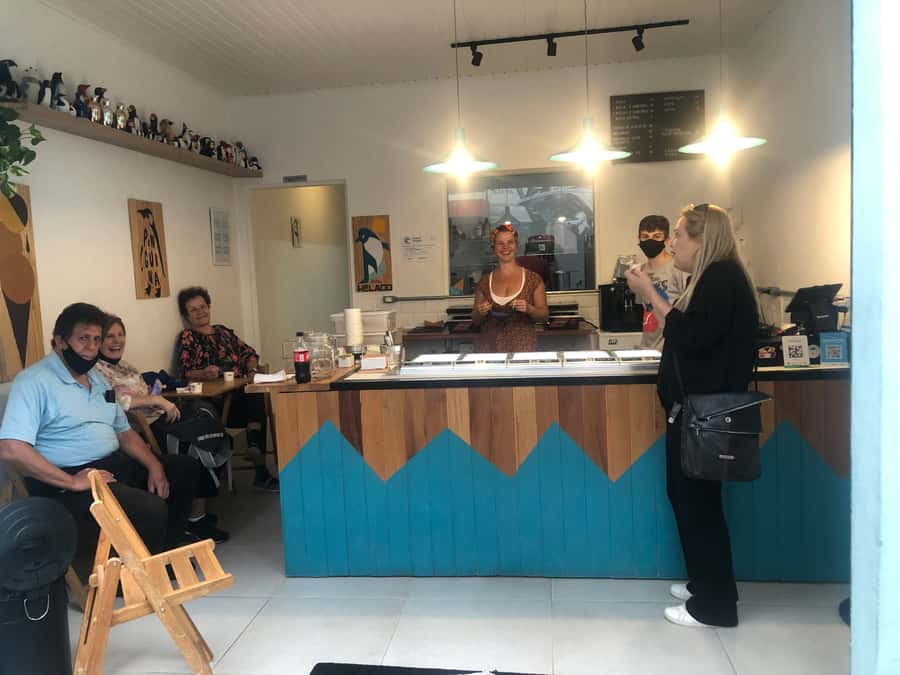
Five hours is long enough to cover several food settings without turning the day into a marathon. It is also short enough to fit into a tightly planned São Paulo visit, including some layovers. One person specifically used it as a layover activity and found that it combined food, stories, and architecture well.
Because this is a private tour, pickup and drop-off can be arranged at a point within São Paulo city limits. An airport greet and meet service is also included. That can be useful if you are arriving by air, but you should allow a generous margin for airport procedures and traffic. The tour itself lasts five hours, and the provided information does not guarantee a specific airport connection time.
Transportation is included, but you should not expect to sit in the vehicle for the whole outing. The experience involves walking through markets, bakeries, shops, and neighborhood areas. Wear comfortable shoes and keep your schedule flexible enough for traffic and stops.
The city’s size makes the vehicle a practical advantage. You can cover food areas that would be awkward to connect on foot, while still getting out to walk and look around. The tradeoff is that traffic can affect how much time you spend at each stop. A private guide can adjust, but no tour can make São Paulo’s roads disappear.
Is $275 per person good value?
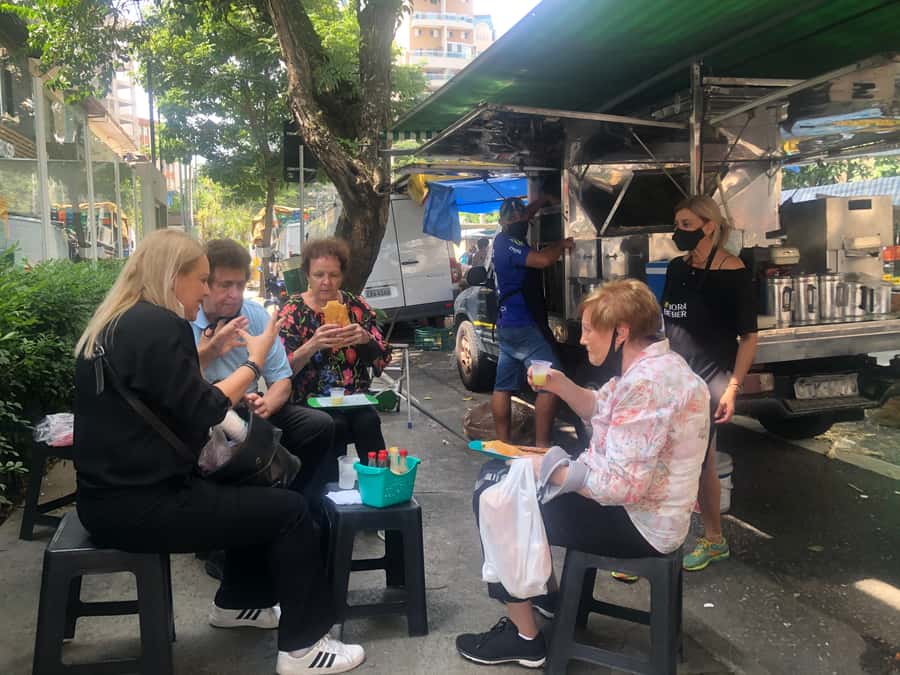
At $275 per person, this is not a bargain snack crawl. The price makes more sense if you value a private guide, included transportation, flexible pickup, airport assistance, and a full five hours of explanation and tasting.
You are paying for access to local context as much as for food. A cheaper self-guided day could include market browsing and bakery stops, but you would need to research the dishes, find suitable shops, handle transport, and make sense of the architecture yourself. The private format also saves time, especially if São Paulo is new to you.
The value is strongest for:
- A first visit to São Paulo
- A short stay or layover
- People who want food plus history and architecture
- Couples or families who prefer a private pace
- Anyone who enjoys asking questions and trying unfamiliar products
The value is weaker if you mainly want a large meal. Since meals and drinks are excluded, you should view the tastings as a series of samples rather than lunch or dinner. You may want to budget extra for a full dish, additional drinks, or food purchases.
Free cancellation up to 24 hours before the tour and the option to reserve now and pay later reduce some booking pressure. They do not change the core price question: this experience is designed for convenience and personal attention, not the lowest-cost way to eat in the city.
Who should book this São Paulo food tour?
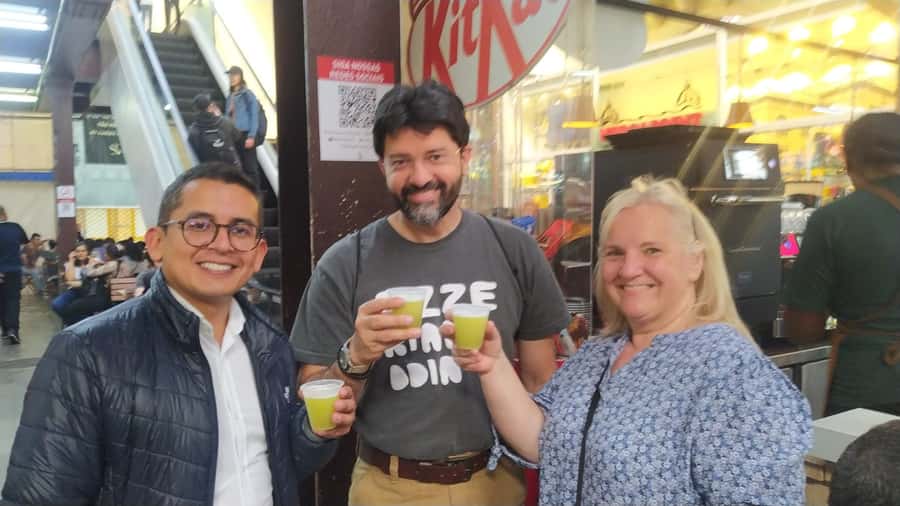
I would choose this tour if I had only one day in São Paulo and wanted a fast introduction to local food without spending hours researching neighborhoods. The mix of snacks, market food, architecture, and Vila Madalena gives you several ways into the city.
It is also a good choice for a food-loving couple or private group. You can ask the guide to explain a dish, compare products, or adjust the pace. The language options make it accessible to English, Spanish, and Portuguese speakers.
Families may like the small portions and variety, though the tour’s food list includes flavors and ingredients that may not suit every child. People with allergies or strict diets should contact the provider before booking and ask what substitutions are possible.
I would hesitate if you dislike frequent food stops, prefer a quiet formal history tour, or expect every meal to be included. I would also avoid scheduling it too tightly around a flight unless you have allowed plenty of extra time.
FAQ
How long does the São Paulo food tour last?
The tour lasts five hours.
Is the tour private?
Yes. The experience is offered for a private group.
Where can pickup and drop-off take place?
Pickup and drop-off can be arranged at a point within São Paulo city limits. Airport greet and meet service is also included.
Which languages are available?
The live guide service is available in English, Spanish, and Portuguese.
Is transportation included?
Yes. Transportation, tolls, parking fees during stops, taxes, and handling charges are included. Groups larger than four receive a private driver. For smaller groups, the guide may drive the vehicle.
Are food tastings included?
Yes. Tastings and samples are included. Regular meals and drinks are not included.
Can I cancel for a refund?
You can cancel up to 24 hours in advance for a full refund. You can also reserve now and pay later.
Should you book it?
Book this tour if you want São Paulo explained through its food, with a guide who can connect snacks, sellers, markets, neighborhoods, and architecture. The praise for Doris, Laura, and the other guides points to a friendly, personal experience rather than a rushed checklist.
At $275 per person, it is best for visitors who value convenience and local guidance. Arrive hungry, ask about dietary needs before booking, and keep extra money available for meals or drinks outside the included tastings. For a first look at São Paulo, especially during a short visit or layover, this is a well-rounded way to get oriented and eat very well along the way.
Newest reviews from around Sao Paulo
- 5-hour tour in the main points of São Paulo.★ 5.0 · 12 reviews
- Executive Van 15 Places, GRU Airport to São Paulo Capital.★ 5.0 · 5 reviews
- (Sedan VIP Class) Transfer GRU Airport • São Paulo★ 5.0 · 6 reviews
- Private Transfer: GRU Airport to Sao Paulo City up to 15 People★ 5.0 · 12 reviews
- Private Transfer São Paulo Airport to Hotels with Quick City Tour★ 5.0 · 17 reviews
- Special tour 8 hour (walking tour + nightlife )★ 5.0 · 3 reviews
- Sao Paulo: The Coolest Urban Scenes Bike Tour★ 5.0 · 22 reviews
- From São Paulo: Private Tour of Atlantic Forest & Valleys★ 5.0 · 6 reviews
Historical Tours, compared.

Private Walking and Cultural Tour Rocinha-Rio de Janeiro
Read our review →
Discover Rio Little Africa: A Cultural and Historical Journey
Read our review →

Scenic Train ride to historical cities of Morretes and Antonina
Read our review →
Browse the lists this tour appears in