
Reviewed · HISTORICAL TOURS
Sao Paulo: Downtown-Center History Walking Tour – in English
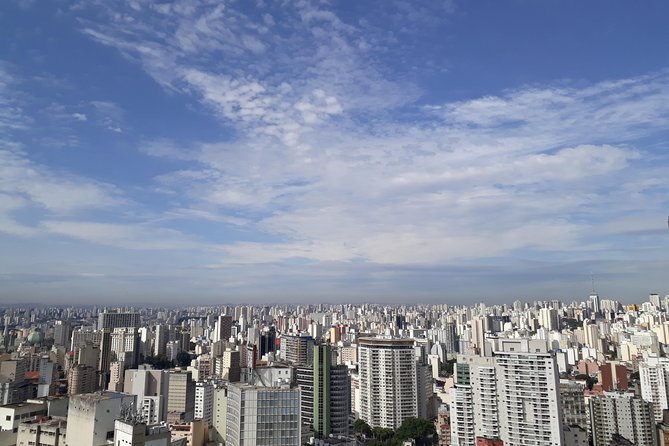
São Paulo rewards those who walk slowly. This two-hour English tour connects major sights with the city’s less-polished stories, from Oscar Niemeyer’s Copan Building to the Japanese lanterns of Liberdade. I especially like the small group of no more than 10 people and the guide’s focus on social change, politics, architecture, and everyday city life. The main drawback is strict timing: arrive late and the group will leave without you.
At $31.24 per person, the walk offers a useful first look at central São Paulo without the cost or formality of a private tour. I also like that it ends in Liberdade, where you can continue with food and market browsing on your own. The center requires normal big-city alertness, and the 3-kilometer route includes a fair amount of walking on busy streets and plazas.
In This Review
- Key points to know before booking
- Starting beneath Edifício Itália at 10:00 a.m.
- Copan and the city’s mid-century ambition
- The Gallery of Rock and Centro Novo’s subcultures
- The Municipal Theatre and Brazil’s artistic break
- CCBB, coffee money, and visible inequality
- Pátio do Colégio and São Paulo’s beginning
- Sé Cathedral and the symbolic center
- Finishing in Liberdade’s Japanese-Brazilian streets
- What the 3-kilometer route feels like
- The guide’s strongest contribution
- Is $31.24 a fair price?
- Who should book this walk?
- FAQ
- How long is the São Paulo Downtown-Center History Walking Tour?
- What time and where does the tour start?
- Where does the walking tour finish?
- Is the tour conducted in English?
- How many people can join the tour?
- What happens if I arrive late or need to cancel?
- Should you book it?
Key points to know before booking
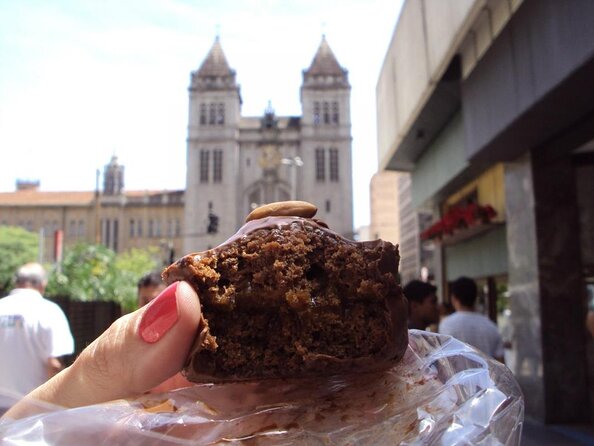
- Eight stops in two hours: The route covers Edifício Itália, Copan, the Gallery of Rock, the Municipal Theatre, CCBB, Pátio do Colégio, Sé Cathedral, and Liberdade.
- A small English-speaking group: With a maximum of 10 participants, you should have a better chance to ask questions and hear the guide clearly.
- Architecture with social context: The buildings are not treated as isolated photo stops. The tour connects them to coffee wealth, immigration, modernism, colonization, protest, and urban growth.
- Liberdade is the finale: The walk ends near the district’s markets, lanterns, and Japanese-Brazilian streets, making it easy to continue exploring after the tour.
- Plan to arrive early: The 10:00 a.m. departure is firm, and late arrivals cannot be accommodated once the group has set off.
- Highly praised guiding: Giuliano receives repeated praise for his clear explanations, friendly manner, local suggestions, and ability to answer questions.
Starting beneath Edifício Itália at 10:00 a.m.
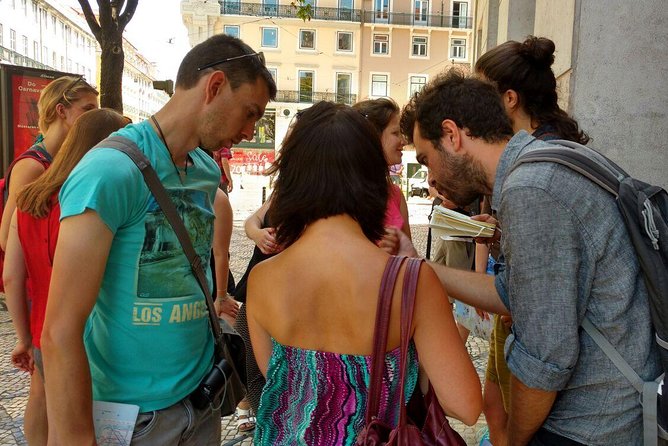
The tour begins at Av. Ipiranga, 344, beside Edifício Itália in the Centro Histórico. This is a practical starting point because you are already in Centro Novo, the section of downtown shaped by São Paulo’s 20th-century growth and high-rise building boom.
Edifício Itália was once the tallest building in São Paulo. Even without going inside, it gives the opening stop a strong sense of scale. You begin by looking at the city as a vertical creation, a place that expanded upward as business, migration, and industry changed its older core.
The first 15 minutes are less about checking off a landmark and more about setting the timeline. That matters in São Paulo, where colonial foundations, coffee-era wealth, modernist architecture, and present-day street culture sit close together but often feel like separate cities.
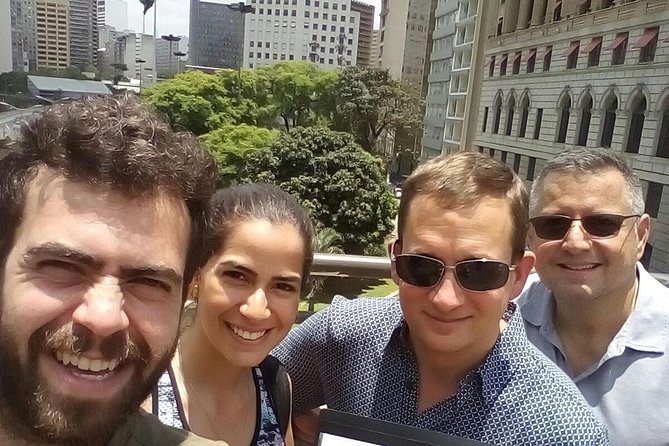
Giuliano is the guide most often named in the feedback, and several comments describe him as friendly, well prepared, and able to make complicated subjects easy to follow. He also speaks several languages, although this particular departure is in English. His habit of answering questions rather than rushing through prepared facts appears to be one of the strongest parts of the experience.
More History Tours in São Paulo
- São Paulo: Downtown Historical Bike Tour
★ 4.9 · 191 reviews - Gastronomic Tour São Paulo – Culture & History Through The Art Of Food – Private
★ 5.0 · 50 reviews - Full Day Private Beach Tour Santos – Culture, History & Beach (Pickup São Paulo)
★ 5.0 · 47 reviews
Copan and the city’s mid-century ambition
From Edifício Itália, the route moves to the Copan Building, designed by Oscar Niemeyer. Its huge curved façade is one of São Paulo’s best-known examples of Brazilian modernism, and the 15-minute stop gives you time to appreciate the building’s shape and scale.
Copan works well early in the walk because it shows how quickly São Paulo changed. The city was no longer just a colonial settlement or a coffee-financed commercial center. It was becoming a dense, modern metropolis, and Copan expressed that confidence in concrete and sweeping lines.
The building is also described through the lens of brutalist architecture and verticalization. That makes the stop useful even if architecture is not your main interest. You are not simply hearing that the building is famous. You are being shown how its form reflects the optimism, disorder, and ambition of a city remaking itself.
Bring your camera, but listen for the explanation before moving on. The details that stay with you are likely to be the connections between the building, the wider city, and Brazil’s changing identity.
The Gallery of Rock and Centro Novo’s subcultures
The Gallery of Rock shifts the mood. Instead of grand civic buildings, you encounter galleries and underground shopping corridors associated with vinyl records, antiques, manga, and pop culture.
This stop adds much-needed texture to the route. São Paulo’s center is not only about official monuments. It is also shaped by collectors, musicians, independent shops, and groups that use old commercial spaces in new ways.
The visit is especially useful if you enjoy places with a local, slightly offbeat feel. You might find records, comic-related items, vintage objects, or other pieces of popular culture that do not appear in standard sightseeing routes. The tour’s schedule allows about 15 minutes here, so think of it as an introduction rather than a long shopping session.
The Gallery of Rock also helps explain why a walking tour can offer more than a bus route. From a vehicle, you might see the façade. On foot, you can enter the smaller corridors and notice the city’s layers at street level.
The Municipal Theatre and Brazil’s artistic break
Theatro Municipal de São Paulo brings the route back to grand architecture. The building’s European influence reflects the wealth and confidence of the coffee era, when São Paulo wanted to present itself as a modern, cultured city.
The important story here is not just the theatre’s façade. The building hosted the Week of Modern Art in 1922, an event that challenged traditional artistic standards and helped push Brazilian artists toward forms that felt more distinctly their own.
That makes this a good stop for understanding Brazil beyond postcard images. European references appear in the architecture, but the artistic movement connected with the theatre pushed back against simply copying Europe. The tour uses that tension to explain how Brazilian identity was debated and expressed.
You have about 15 minutes at the theatre. That is enough for exterior discussion and photographs, but it is not a full performance or building tour. If you want to explore the theatre in detail, you will need separate time.
More Walking Tours in São Paulo
- Sao Paulo: Downtown-Center Walking Tour | 2 Hours – English
★ 4.9 · 84 reviews - Ecological walk in sao paulo
★ 5.0 · 61 reviews - Night Walking Tour through the Bars of São Paulo
★ 5.0 · 51 reviews - São Paulo : Must-See Sites Walking Tour With A Guide
★ 4.4 · 25 reviews
CCBB, coffee money, and visible inequality
The Centro Cultural Banco do Brasil is next. Its art déco setting and surrounding grand façades point to São Paulo’s coffee boom, when coffee wealth helped finance infrastructure, cultural institutions, and ambitious buildings.
This section gives the tour some economic weight. It explains how coffee profits helped create a city that looked increasingly cosmopolitan, while also leaving social contrasts that remain visible in the center.
I like this part because it keeps the architecture from becoming decorative background. The buildings represent money and progress, but they also raise a harder question: who benefited from that progress, and who did not?
The stop lasts roughly 15 minutes and is free from an admission standpoint. That does not necessarily mean you will visit every interior, so treat it as a guided look at the cultural center and the surrounding area rather than a complete museum visit.
Pátio do Colégio and São Paulo’s beginning
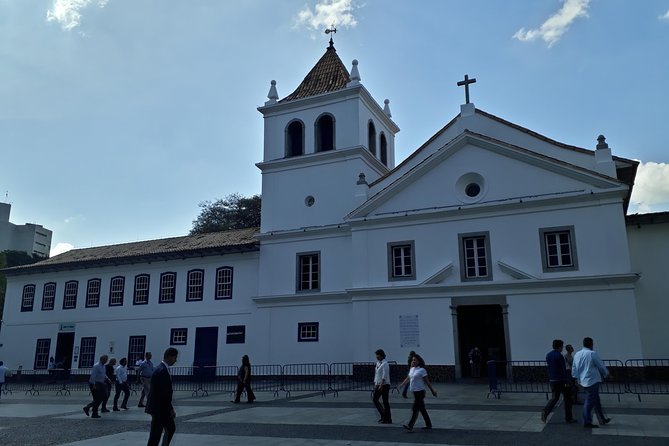
At Pátio do Colégio, the tour reaches the place traditionally linked with São Paulo’s foundation in 1554. This is one of the most important historical stops because it takes the story back before the high-rises and coffee mansions.
The explanation includes Jesuit missionaries and the Tupi-Guarani peoples who shaped the region’s early history. That framing is important. A city’s founding story can sound neat and official, but the reality involved colonization, power, religion, cultural contact, and resistance.
The plaza’s central role also helps you see why the historic center matters. São Paulo’s present-day scale can make its origins easy to overlook. Here, the guide connects the city’s early settlement with the political and economic forces that later pushed it far beyond its original boundaries.
Allow about 15 minutes. Pátio do Colégio is a place to listen carefully, since the value comes more from context than from a single spectacular view.
Sé Cathedral and the symbolic center
The route continues to Catedral da Sé, the enormous neo-Gothic cathedral in Praça da Sé. It is described as standing on symbolic ground zero, and that phrase captures why this stop matters.
The cathedral is not presented only as a church with dramatic architecture. The square has also served as a place for gatherings, protests, religious events, and public life. The guide uses the setting to discuss how monumental buildings can carry civic meaning as well as spiritual meaning.
The scale of the cathedral makes it an easy photo stop, but the surrounding square is also a reminder to stay alert. One assessment of the walk praised the area as more comfortable than expected while still advising the usual care you would use in any large city. That is sensible advice. Keep your valuables secure, pay attention in crowded areas, and follow the guide’s lead.
There are stops with restroom access along the route, according to one detailed account, which can be useful during a two-hour walk. Still, do not expect a relaxed café crawl. The main activity is walking, listening, and moving through the center.
Finishing in Liberdade’s Japanese-Brazilian streets
The final stop is Praça da Liberdade, near the Base da PM at Praça da Liberdade, 125. This is a satisfying ending because Liberdade changes the cultural focus once again.
The district is widely known as the largest Japanese neighborhood outside Japan. Its lanterns, markets, food stalls, and multicultural streets show how immigration helped reshape São Paulo. The area is not presented as a frozen ethnic quarter. Instead, it reflects the city’s continuing mixture of influences.
The tour summary includes the Liberdade street market and an explanation of produce and authentic foods found there. That makes this more than a quick farewell. You can finish with practical ideas about what to eat or buy, then stay in the district to look around at your own pace.
The route ends rather than returning you to Edifício Itália. That is worth planning around. The finish is convenient if you want lunch, coffee, or more market time in Liberdade, but you should not book another activity that requires you to return to the starting point immediately.
What the 3-kilometer route feels like
The walk covers about 3 kilometers over approximately two hours. The pace appears moderate, with regular pauses for photographs, explanations, and questions. One particularly positive account noted that the guide did not rush and tried to keep the group in the shade when possible.
You should still wear comfortable shoes. Downtown sidewalks, plazas, and streets can be tiring, especially in warm weather. The tour requires good weather, and rain may lead to a different date or a full refund.
The 10-person limit is a real advantage. A group of this size is small enough for conversation but large enough to meet people. Several accounts describe the social side positively, including making new friends and sharing coffee or recommendations after the walk.
This is not a tour for someone who wants to spend half an hour inside each building. The schedule gives each stop about 15 minutes, so the experience is a guided overview with interpretation, not a series of full museum visits.
The guide’s strongest contribution
The most consistent praise centers on the guide’s explanations. Giuliano is described as engaging, friendly, attentive, and able to discuss both historical events and the social reasons behind changes in the city.
That difference matters. You can read basic dates and building names online, but a good guide helps you connect them. The coffee boom leads to grand façades. Modernism leads to Copan and the Week of Modern Art. Immigration leads to Liberdade. The center becomes a sequence of choices and consequences rather than a collection of unrelated sights.
The guide also gives practical suggestions for food, coffee, getting around, and things to do after the walk. One participant used recommendations for a restaurant and a performance at Teatro Oficina, then reported enjoying both. Those tips can be especially helpful if you take the tour near the beginning of your stay.
The experience is not entirely without risk. One person arrived late and missed the group, despite trying to make contact. The operator’s policy is clear: the walk begins at 10:00 a.m. and cannot wait for late arrivals. São Paulo traffic is a real concern, so arrive early and do not rely on a last-minute taxi or rideshare.
Is $31.24 a fair price?
At $31.24, this is not the cheapest way to walk downtown, but the price is reasonable for a small English-language group with a maximum of 10 people and a guide who provides more than basic monument descriptions.
The value is strongest if you are new to São Paulo. In two hours, you get an orientation to the historic center, several major buildings, a clear route through the city’s changing identity, and a finish in one of its best-known food and shopping districts.
It is also useful for repeat visitors. One person who had already been to São Paulo several times still learned new things about the center with Giuliano. That suggests the tour’s value comes from interpretation and local details, not simply from taking you to famous addresses.
The price is less compelling if you prefer long interior visits, independent wandering, or a very slow photography walk. In that case, you may want to use the route as a map and explore the buildings separately.
Who should book this walk?
I would choose this tour for a first morning in São Paulo, especially if you want a quick grounding in the city before exploring museums, restaurants, and neighborhoods on your own.
It suits solo visitors, couples, and friends who enjoy history with a social element. The small group makes it easier to ask about food, safety, transportation, and what to do next.
It is also a good match for anyone unsure about downtown. The guide addresses the center’s reputation directly and presents it through history, architecture, and daily life rather than avoiding complicated subjects.
I would think twice if you have limited mobility, dislike walking on city streets, or need a flexible start time. Most people can participate, and service animals are allowed, but the route is still about 3 kilometers and the departure is strict.
Free cancellation is available up to 24 hours before the start time. Changes or cancellations inside that window are not accepted, and poor weather may lead to a new date or a full refund.
FAQ
How long is the São Paulo Downtown-Center History Walking Tour?
The tour lasts approximately two hours and covers about 3 kilometers on foot.
What time and where does the tour start?
It starts at 10:00 a.m. at Av. Ipiranga, 344, in São Paulo’s historic center, near Edifício Itália.
Where does the walking tour finish?
The walk ends at the Base da PM beside Praça da Liberdade, 125, in Liberdade.
Is the tour conducted in English?
Yes. This experience is offered in English.
How many people can join the tour?
The group has a maximum of 10 participants.
What happens if I arrive late or need to cancel?
The tour cannot wait for late arrivals once it begins. You can cancel for a full refund up to 24 hours before the scheduled start time. Changes made less than 24 hours before departure are not accepted.
Should you book it?
Book this walk if you want São Paulo to make sense quickly. For $31.24, you get an efficient route through the city center, strong architectural highlights, a thoughtful look at Brazil’s cultural and social changes, and a useful finish in Liberdade.
The best reason to go is Giuliano’s style of guiding. He appears to keep the pace friendly and the information lively, while adding food, coffee, transportation, and nightlife suggestions that can improve the rest of your visit.
Arrive early, wear good shoes, keep an eye on your belongings, and leave time after the tour for Liberdade’s market and food streets. With those simple preparations, this is a practical and worthwhile introduction to central São Paulo.
Newest reviews from around Sao Paulo
- 5-hour tour in the main points of São Paulo.★ 5.0 · 12 reviews
- Executive Van 15 Places, GRU Airport to São Paulo Capital.★ 5.0 · 5 reviews
- (Sedan VIP Class) Transfer GRU Airport • São Paulo★ 5.0 · 6 reviews
- Private Transfer: GRU Airport to Sao Paulo City up to 15 People★ 5.0 · 12 reviews
- Private Transfer São Paulo Airport to Hotels with Quick City Tour★ 5.0 · 17 reviews
- Special tour 8 hour (walking tour + nightlife )★ 5.0 · 3 reviews
- Sao Paulo: The Coolest Urban Scenes Bike Tour★ 5.0 · 22 reviews
- São Paulo: Food, Culture & History Private Tour★ 5.0 · 6 reviews
Historical Tours, compared.
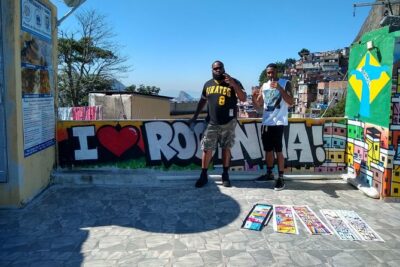
Private Walking and Cultural Tour Rocinha-Rio de Janeiro
Read our review →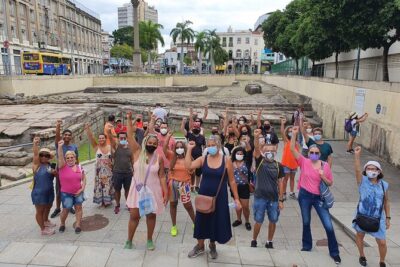
Discover Rio Little Africa: A Cultural and Historical Journey
Read our review →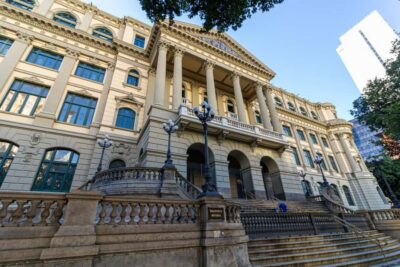
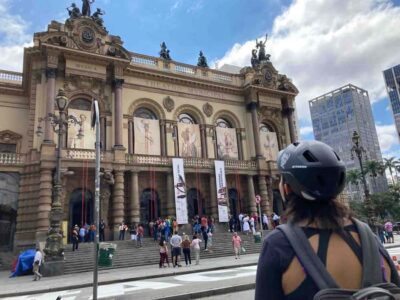
Scenic Train ride to historical cities of Morretes and Antonina
Read our review →
Browse the lists this tour appears in