
Reviewed · HISTORICAL TOURS
Discover Rio Little Africa: A Cultural and Historical Journey
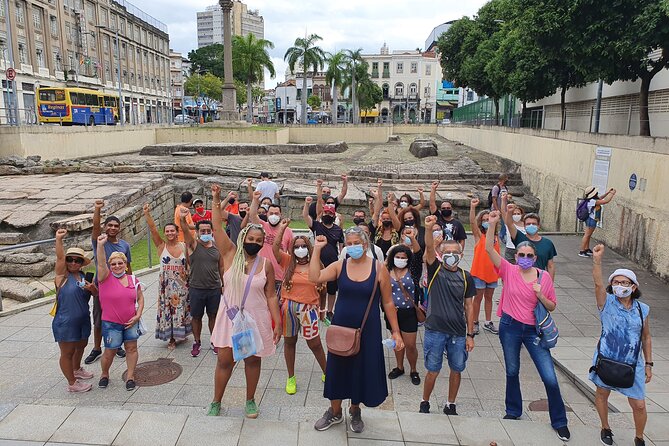
Rio’s past is written in its streets. This 3.5-hour tour through Saúde and Little Africa connects samba, slavery, religion, art, and modern Black identity in a way that a standard sightseeing tour cannot. I especially like the visit to Valongo Wharf, the former landing place for enslaved Africans, and the time set aside for the IPN and MUHCAB museums.
I also like the small-group format, which makes it easier to ask questions and follow a guide’s explanation. Guides such as Scarlet, Damiana, Larissa, Ana Julia, and Natalia are praised for their warmth and clear storytelling. The main drawback is physical: you will walk in the heat, climb some steps, and spend much of the afternoon on your feet.
In This Review
- Key points to know before booking
- Why Rio’s Little Africa matters
- Starting at the Museum of Art of Rio
- Igreja de São Francisco da Prainha and Largo da Prainha
- Pedra do Sal, where labor became samba
- Cais do Valongo and the physical evidence of slavery
- Boulevard Olímpico and the Ethnicities mural
- IPN and the New Blacks Cemetery
- MUHCAB and the story beyond slavery
- Walking conditions, timing, and group size
- Is $86 a fair price?
- Who will enjoy this tour most?
- Should you book Rio Little Africa?
- FAQ
- Where does the no-hotel-pickup tour begin?
- How long does the Little Africa tour last?
- What locations are included?
- Are museum admissions included?
- How large is the group?
- Is transportation included?
- What happens if the tour is canceled because of weather?
Key points to know before booking
- Three-and-a-half hours through Rio’s African heritage district: The route links churches, samba sites, archaeological remains, public art, and museums.
- Pedra do Sal is the musical heart of the walk: This is where the story turns from forced labor and loss toward samba, community, and cultural survival.
- Valongo Wharf gives the tour its emotional center: The old stone landing site is one of the most important surviving physical reminders of the Atlantic slave trade in the Americas.
- Two museums add needed context: IPN focuses on the New Blacks Cemetery, while MUHCAB connects the past with Afro-Brazilian life today.
- The advertised group is small: The experience is described as having no more than nine people, although the general activity information gives a maximum of 15.
- Comfortable shoes and water matter: The pace is manageable, but the walk can be long and hot. Weekend afternoon departures have also caused problems because some sites may be closed.
Why Rio’s Little Africa matters
Rio is often presented through beaches, Sugarloaf Mountain, Christ the Redeemer, and samba clubs. Those sights are worth your time, but they do not explain how much of the city was shaped by Africans and their descendants.
The Saúde district, known as Little Africa, helps fill that gap. This part of the port area was tied to the arrival of enslaved Africans, the labor that built colonial Brazil, and the Black communities that shaped music, food, faith, dance, language, and public life.
The subject is painful. The tour deals with slavery, death, exploitation, and the continuing effects of racism in Brazil. It also shows resistance and creativity. That balance matters. You are not simply shown old stones and told a sad story. You are shown how people created families, religious traditions, music, and political movements under brutal conditions.
The walk is especially useful if you want more than a quick introduction to Rio. Guides discuss the wider African diaspora, and several people found connections between the Brazilian experience and Black history in the United States. Those links can help you understand both the shared Atlantic story and the differences between Brazil and North America.
More History Tours in Rio de Janeiro
- Rio de Janeiro Historical Center Walking Tour
★ 4.5 · 336 reviews - Private Walking and Cultural Tour Rocinha-Rio de Janeiro
★ 5.0 · 239 reviews - Rio de Janeiro: Historic Rio and Santa Teresa Half-Day Tour
★ 4.4 · 228 reviews
Starting at the Museum of Art of Rio
The meeting point for the no-hotel-pickup option is the Museum of Art of Rio, or MAR, at Praça Mauá, 5, in Centro. This is a practical starting place in the port district, close to public transportation.
The tour includes a guide and an air-conditioned vehicle, though the main experience is a walking route. The vehicle may be useful around the start or end of the outing, but you should plan your clothing and footwear for a substantial amount of walking.
Your guide sets the tone early. The strongest guide feedback centers on people who explain difficult subjects with care while keeping the pace friendly. Scarlet, also known as Ana or Escarlate in some accounts, is praised for her storytelling, English, safety awareness, and ability to answer questions. Damiana is also described as warm, patient, and proud of Brazilian culture.
Guide assignments can vary, so you should not book solely for one named person. Still, the company has several guides who receive similar praise for personal attention and strong command of the subject.
Igreja de São Francisco da Prainha and Largo da Prainha
The first stop is the Church of São Francisco da Prainha at Largo da Prainha. You have about 20 minutes here, with no separate admission charge.
The square is associated with the Mercedes Baptista statue. Baptista became the first African-Brazilian ballet dancer to join the ballet group of Rio’s Municipal Theater in the late 1940s. Her story makes an important early point: Black achievement in Brazil has often required pushing through institutions that were not built to welcome Black artists.
The setting also introduces the social character of the neighborhood. Samba, Black music, cold beer, and informal street life are part of the square’s atmosphere. This is not a silent museum district sealed away from ordinary city life. The tour gives you a chance to see how memory and present-day community life share the same streets.
Twenty minutes is enough for an introduction, a look at the statue and church, and questions. If you want an in-depth visit inside the church, this tour may move too quickly for you.
Pedra do Sal, where labor became samba
Pedra do Sal is one of the strongest stops on the route. The name refers to the salt unloaded here by enslaved Africans. The steps cut into the stone were shaped by that labor, making the site both a physical reminder of exploitation and a place tied to later Black cultural life.
In the late 19th century, the area became connected with carnival groups, afoxé processions, sacred spaces, and samba circles. After long days of work, musicians and dockworkers gathered in the homes of the Bahian Aunts, women whose homes became important meeting places for music and community.
Pixinguinha, one of Brazil’s major musical figures, was among the sambistas associated with these gatherings. The story of Pedra do Sal shows why samba cannot be reduced to a tourist performance. It grew from Black social networks, labor communities, religious traditions, and the need to create joy in hard circumstances.
You get roughly 20 minutes here. That is enough to understand the site’s role and take photographs, but the stop is short compared with its importance. If a samba gathering is taking place at another time, the atmosphere can be quite different from a daytime historical visit. The tour itself does not promise a live performance.
Same patch of Brazil, a completely different sort of day:
- Rio de Janeiro: 6-Stop Highlights of Rio with Lunch
★ 4.4 · 5,157 reviews - Christ the Redeemer Entry Ticket by Corcovado Train
★ 4.4 · 4,476 reviews - Rio’s City Tour – Tickets for Christ, Sugar Loaf & Lunch included
★ 5.0 · 4,389 reviews - Full Day: Christ Redeemer, Sugarloaf, City Tour & Barbecue Lunch
★ 4.5 · 3,142 reviews
Cais do Valongo and the physical evidence of slavery
At Cais do Valongo, the tour reaches its most sobering location. The stone wharf was built in 1811 as a landing place for enslaved Africans. Estimates suggest that around 900,000 Africans entered South America through Valongo.
The archaeological site has several layers, reflecting changes made over time to conceal or replace the original wharf. That layering is part of the lesson. Cities often build over painful episodes, and the physical remains can disappear unless people make a deliberate effort to preserve them.
Valongo is recognized as a World Heritage site and is described as the most significant physical evidence of the arrival of enslaved Africans in the Americas. Your guide helps place the stones within the wider Atlantic trade, rather than treating them as an isolated landmark.
You spend about 20 minutes at the site. Expect an explanation and time to look around, not a large museum presentation. The value comes from standing at the actual port where people arrived in captivity. For many people, this is the moment when the history becomes concrete.
Boulevard Olímpico and the Ethnicities mural
The route then reaches Boulevard Olímpico, a more modern and visually dramatic part of the port area. Here you see the Ethnicities mural, a 3,000-square-meter work created for the 2016 Olympics.
The mural shows five people representing groups from different continents: the Huli, Mursi, Kayin, Supi, and Tapajós. Its subject is global human diversity, but its scale also reflects the port district’s transformation into a public art and recreation zone.
The numbers behind the work are striking. It took two months, with 12-hour work shifts, more than 3,000 spray cans, 700 liters of colored paint, and 1,800 liters of white paint for the background.
You have about 20 minutes here. This stop provides a visual break after Valongo and helps connect historic Black identity with contemporary public space. It is also one of the better places for photographs. The mural is not specifically a monument to the enslaved people who arrived at Valongo, so your guide’s explanation is important in showing how it fits into the larger route.
IPN and the New Blacks Cemetery
The Instituto de Pesquisa e Memória Pretos Novos, known as IPN, is one of the tour’s most important indoor stops. You spend about an hour here, and admission is included.
The museum and archaeological site occupy the location of the New Blacks Cemetery. Africans who died after arriving in Rio were buried here, often without the dignity or care given to other members of society. The site forces you to confront what happened after the ships reached port. The story did not end at Valongo.
IPN has offered cultural activities and workshops about African-descended people and their history since 2005. It was recognized by the state as a Cultural Space in 2009. That continuing work matters because this is not only a place of mourning. It is also a place where people research, teach, remember, and reclaim a part of the city’s past.
Allow yourself time to read and ask questions. One useful feature of this tour is the guide’s role in interpreting the museum rather than simply walking you through it. Ana, Natalia, and other guides have been praised for giving people time to absorb the displays and for answering detailed questions.
Some of the material can be emotionally difficult. If you prefer a light sightseeing outing, this may not be the right choice. If you want to understand the human cost behind Rio’s colonial economy, IPN is essential.
MUHCAB and the story beyond slavery
The final major stop is MUHCAB, the Museum of Afro-Brazilian History and Culture. The visit lasts about one hour and ten minutes, with admission included.
MUHCAB is based around the Valongo Wharf area and looks at several periods at once. It addresses the arrival of enslaved Africans, Black affirmation in Brazil, the development of Afro-Brazilian culture, and current issues facing Black people in Brazil.
That wider focus keeps the tour from ending with slavery. You learn how African and Afro-Brazilian traditions continued through music, religion, food, language, dance, and community organization. You also hear about present-day struggles and efforts to make Black history more visible.
This is where the individual stops begin to fit together. The church and statue show Black achievement. Pedra do Sal shows labor, music, and community. Valongo and IPN show the violence of enslavement and death. MUHCAB asks what happened afterward and how Black Brazilians continue to shape the country.
The museum visit can also spark questions about Brazil’s racial categories and the legacy of slavery. This is not a quick answer to a complicated subject, but it gives you a stronger base for understanding what you see elsewhere in Rio.
Walking conditions, timing, and group size
The advertised duration is about 3 hours and 30 minutes. In practice, a curious group may run longer. One account describes a tour lasting close to four and a half hours because the group kept asking questions. That is a good sign if you want time for discussion, but it may matter if you have a dinner reservation or another timed activity afterward.
The walk is described as comfortable in pace, but you should still expect heat, uneven streets, and stairs. Wear shoes you can walk in for several hours. Bring water, and consider sun protection. Rain is also possible. One outing continued in steady rain, so a light rain layer is sensible, even though poor weather can lead to a new date or a full refund.
The tour is promoted as a guaranteed small-group experience with no more than nine people. The general activity information lists a maximum of 15, so confirm the expected group size when you book if that detail matters to you. A smaller group makes a real difference here because the subject invites questions and personal conversation.
Most people can participate, but the supplied information does not provide a detailed accessibility assessment. If stairs, heat, or extended walking are concerns, ask the operator before booking.
Is $86 a fair price?
At $86 per person, this is not Rio’s cheapest walking tour. The value depends on how you like to travel.
You are paying for a guide-led route through several important sites, included admission to Cais do Valongo, IPN, and MUHCAB, and an air-conditioned vehicle as part of the experience. You are also paying for interpretation. Without a guide, you could walk through Saúde and see the stones, statues, mural, and museum buildings without understanding how they connect.
The strongest value comes if you care about history, culture, or the African diaspora. The tour gives you a focused half-day rather than asking you to research separate museums and piece together the route yourself. It can also shape the rest of your visit. One family found the experience useful enough to influence plans for São Paulo, while another person appreciated receiving a PDF of the main highlights afterward.
The price is harder to justify if you want a casual neighborhood stroll or if you plan to spend only a few minutes at each site. You may also find a cheaper independent walk, but the included museums and guide support add practical value.
Free cancellation is available up to 24 hours before the start time. Within 24 hours, payment is not refunded. The operator may also offer a new date or a full refund if bad weather or too few bookings cancel the outing.
Who will enjoy this tour most?
I would recommend it to first-time visitors who want context for Rio beyond its famous viewpoints. It is especially useful for anyone interested in Black history, the African diaspora, samba, Brazilian religion, public memory, or urban history.
Families can benefit too, particularly if older children or teenagers are ready for serious discussion. One family specifically valued the chance to introduce a child to history that is often left out of a standard Rio vacation.
Solo visitors may find the small group and guide contact helpful. The route creates natural opportunities to ask questions, and guides are often praised for taking photographs and sharing food recommendations. English-language ability has also been praised, but you should confirm language availability when booking if it is important to you.
I would be cautious about booking this as your only activity on a very hot day if you dislike walking. I would also avoid leaving a tight schedule afterward. The museums and discussions can take longer when the group is engaged.
Should you book Rio Little Africa?
Yes, if you want to understand the forces that shaped Rio rather than simply collect scenic stops. The visit to Valongo, the New Blacks Cemetery site, and MUHCAB gives the city a much fuller meaning. Pedra do Sal then shows how music and community helped turn a place of labor into a center of Afro-Brazilian expression.
Book it early if your dates are fixed, since the experience is often reserved about a month ahead. Choose comfortable shoes, bring water, and keep your afternoon flexible. If you want a serious, personal, and well-explained look at Rio’s African heritage, $86 is a reasonable price for the access and context. If you want a short, carefree walk, spend your money elsewhere.
FAQ
Where does the no-hotel-pickup tour begin?
It begins at the Museum of Art of Rio, or MAR, at Praça Mauá, 5, Centro, Rio de Janeiro.
How long does the Little Africa tour last?
The advertised duration is approximately 3 hours and 30 minutes. The experience can run longer if the group asks many questions.
What locations are included?
The route includes Igreja de São Francisco da Prainha, Pedra do Sal, Cais do Valongo, Boulevard Olímpico and the Ethnicities mural, IPN, and MUHCAB.
Are museum admissions included?
Admission is included at Cais do Valongo, IPN, and MUHCAB. The church and Pedra do Sal have no separate admission charge listed.
How large is the group?
The experience is promoted as a small-group tour with no more than nine people. The general activity information lists a maximum of 15 people, so confirm the expected size at booking.
Is transportation included?
A guide and air-conditioned vehicle are included. The experience itself is primarily a walking tour through the Saúde area.
What happens if the tour is canceled because of weather?
If poor weather causes cancellation, you will be offered another date or a full refund. You can also receive a full refund if you cancel at least 24 hours before the start time.
Newest reviews from around Rio de Janeiro
- Cidade do Samba Behind-the-Scenes Carnival Tour in Rio de Janeiro★ 4.0 · 5 reviews
- PRIVATE TOUR – Christ the Redeemer and Sugar Loaf★ 4.5 · 9 reviews
- Christ Statue and Sugarloaf Private Tour with a Photographer★ 5.0 · 9 reviews
- Christ the Redeemer Trail x Lage Park★ 5.0 · 7 reviews
- Christ the Redeemer and City Tour★ 5.0 · 20 reviews
- Christ the Redeemer, Selaron Steps and Santa Teresa Half-day Tour★ 4.5 · 15 reviews
- Christ the Redeemer Adventure★ 5.0 · 12 reviews
- Private Tour of Christ the Redeemer in Rio de Janeiro★ 5.0 · 2 reviews
Historical Tours, compared.

Private Walking and Cultural Tour Rocinha-Rio de Janeiro
Read our review →

Scenic Train ride to historical cities of Morretes and Antonina
Read our review →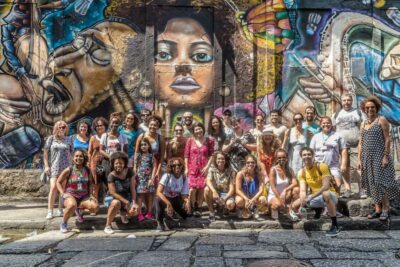
Rio Gastronomy: Culture & History Through The Art Of Food – Walking Group Tour
Read our review →Browse the lists this tour appears in