
Reviewed · HISTORICAL TOURS
Quilombo Afro Heritage Tour
Salvador’s past is still alive in the countryside. This seven-hour tour pairs the colonial streets of Santo Amaro with a visit to Quilombo Kaonge, where you can help make cassava flour and palm oil. I like the mix of town, farms, food, and conversation, especially the chance to meet a community elder and a faith healer rather than simply look at buildings from a bus.
I also like the practical setup: hotel pickup and drop-off, lunch, transportation, an accredited guide, and workshops are included in the $220 price. The main drawback is the fairly early 7:00 a.m. start and the fact that church interiors depend on an irregular city schedule, so this is not a tour for anyone seeking a slow morning or guaranteed access to every church.
In This Review
- Key points before you book
- Why this Salvador day trip feels different
- The 7:00 a.m. pickup from Salvador
- Santo Amaro’s market, sweets, and churches
- The road through sugarcane, cassava, and tobacco farms
- Four hours at Quilombo Kaonge
- The return to Santo Amaro’s street market
- What the $220 price includes
- Who will enjoy this most
- Should you book the Quilombo Afro Heritage Tour?
- FAQ
- How long does the Quilombo Afro Heritage Tour last?
- What time does the tour start?
- Is hotel pickup included?
- Is lunch included?
- Can I request a vegetarian meal?
- Are the church interiors guaranteed to be open?
- How large can the group be?
Key points before you book
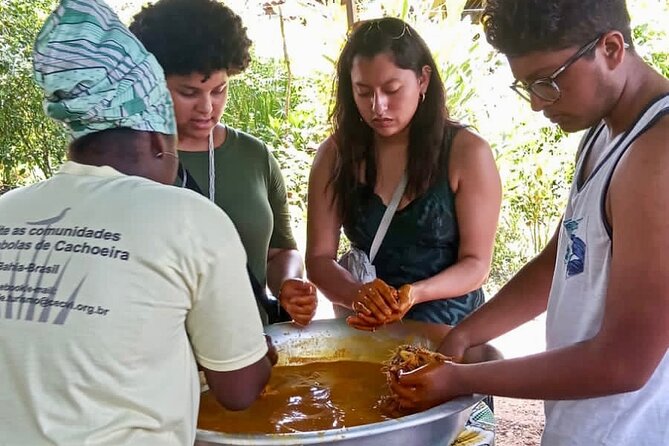
- Quilombo Kaonge is the heart of the day: You take part in flour and palm oil workshops, then eat a local lunch.
- Santo Amaro adds colonial streets and market flavor: Expect fruit, special cheese, banana and guava sweets, and photo stops.
- The day connects culture with daily work: Sugarcane, cassava, and tobacco farms frame the route to the community.
- A community elder leads part of the visit: The Griô talk gives the day an oral, personal side.
- The group is capped at 15 people: That is more manageable than a large coach tour, though the price remains a serious outlay.
- Bring insect repellent and dress for movement: The day includes walking, rural roads, and hands-on work.
Why this Salvador day trip feels different
Many Salvador excursions stay within the city. This one takes you into the Recôncavo region, using Santo Amaro and Kaonge to show how Afro-Brazilian life connects to land, food, faith, and work.
That matters because the tour is not built around a single monument. You move from a food market to colonial churches, then out through sugarcane, cassava, and tobacco farms. At Kaonge, the focus shifts from looking to doing. You learn how flour and palm oil are made, listen to a community elder, and share lunch.
I find that format more useful than a quick photo stop. You get a sense of how traditions are carried forward through practical skills and spoken memory. The day also gives you several different kinds of contact: a town guide, market vendors, a Griô, workshop hosts, and a faith healer.
The visit is offered in English, which is important for the talk and workshops. A past booking specifically praised the guide Vincent for keeping the conversation moving and for his qualifications. His ability to discuss both the tour and his own experience appears to be one of the more personal touches associated with the day.
More History Tours in Salvador & Bahia
- Historical African oriented City Tour
★ 5.0 · 52 reviews - Full-Day Historic Private City Tour of Salvador with Lunch
★ 5.0 · 50 reviews - Full City Tour Historic and Panoramic
★ 5.0 · 24 reviews
The 7:00 a.m. pickup from Salvador
The tour begins early, with pickup at your Salvador hotel or Airbnb address. You need to provide the accommodation name, even if it is outside the area initially selected, because pickup is offered around Salvador City.
That convenience adds real value. You do not need to find a separate meeting point or arrange your own transport to Santo Amaro. It also makes the day easier to manage if you are unfamiliar with Salvador’s wider road network.
The tradeoff is simple: 7:00 a.m. is early. Add the drive beyond Salvador and a full day of walking and workshops, and you should treat this as a proper day trip, not a casual half-day outing. Eat something beforehand if you normally need breakfast early, since lunch comes later at Kaonge.
The group maximum is 15 people. That is small enough to make questions and conversation possible, though it is still a group setting rather than a fully private outing. Group discounts are available, so the price may work better for families or friends booking together.
Santo Amaro’s market, sweets, and churches
The first major part of the day takes place in Santo Amaro da Purificação, a colonial town known here through its streets, market, and churches.
At the food market, you can taste local fruits, special cheese, and sweets made with banana and guava. This is a useful opening because it introduces the region through ordinary food rather than a formal museum display. The tasting is also one of the few clearly defined chances to sample local flavors before lunch.
You then walk along cobblestone streets toward the town’s main square. The route includes views of colonial buildings and photo stops at the Matriz church and the old Câmara e Cadeia, described as the former parliament and prison. Even if you are not an architecture specialist, these stops help you read the town’s civic layout.
The Church of Humildes is viewed from outside, with no interior access listed. The Nossa Senhora do Rosário Church also offers a photo stop and a walk in front of the building. Interior visits may be possible, but only if city hall employees are available and the daily schedule allows it.
That uncertainty is worth understanding before you book. You should expect the churches as exterior stops first. If a door opens, treat it as a bonus, not as a promised part of the visit.
The first church stop is listed at about 20 minutes, while the Rosário stop is about five minutes. Those short visits keep the day moving toward Kaonge, but they do not leave much time for a long architectural study or quiet church visit.
The road through sugarcane, cassava, and tobacco farms
After Santo Amaro, the route heads toward Quilombo Kaonge through agricultural areas. You pass sugarcane, cassava, and tobacco farms before reaching the community.
This stretch gives context to the workshop later in the day. Flour is not an abstract demonstration when you have just passed fields connected to rural production. The same is true of palm oil and the broader link between food, work, and local knowledge.
I like this part because it slows the pace in a useful way. You are not rushing from one urban sight to another. The countryside becomes part of the explanation, showing the setting in which the community’s traditions continue.
The supplied details do not give a precise drive time from Santo Amaro to Kaonge, so you should allow the schedule to unfold rather than expect every hour to be tightly fixed. Rural travel can also feel less polished than a city sightseeing route. That is part of the setting, but it may not suit you if you want a highly predictable day.
Same patch of Brazil, a completely different sort of day:
- Round trip transfer, Salvador, Bahia, Brazil
★ 5.0 · 228 reviews - Salvador City Tour – Discover Brazil’s First Capital En, It, Es
★ 5.0 · 217 reviews - Cooking class in Salvador, an authentic dinning experience
★ 5.0 · 132 reviews - Tour to the Frades Islands and Itaparica, from Salvador – Ba
★ 4.0 · 130 reviews
Four hours at Quilombo Kaonge
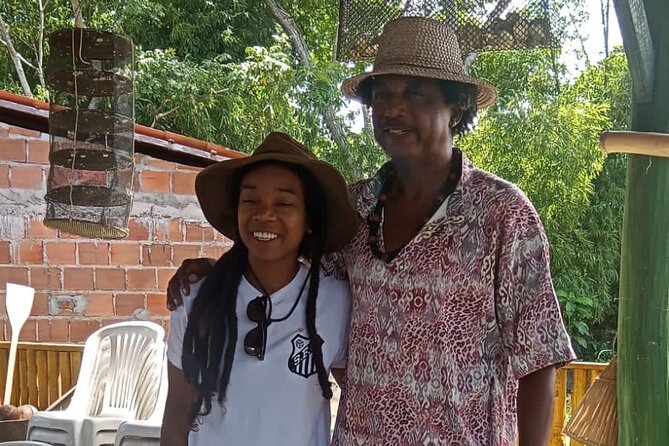
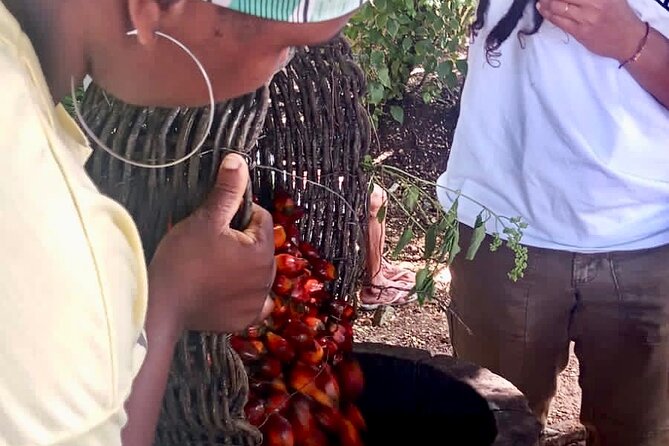
Kaonge receives the largest block of time, about four hours. That tells you where the tour’s real emphasis lies.
A Griô of the community gives a short talk about local life and wisdom. In Afro-Brazilian communities, oral teaching has a central role, and this format lets you hear directly from someone connected to the community rather than receive only a guide’s outside explanation.
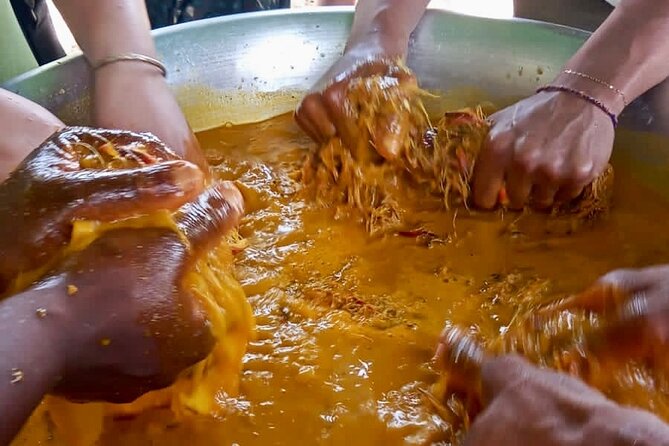
The day then becomes hands-on. You learn the process of making flour and palm oil, with the guide and community members showing you how the work is done. The description specifically invites you to put your hands to the practice, so wear clothes you are comfortable moving around in and potentially getting dusty or marked.
This is not a polished cooking class with a neat studio and a fixed recipe card. It is a practical workshop tied to community production. You should come ready to listen, follow instructions, and accept that the pace may be shaped by local routines.
A faith healer is also part of the visit. You can expect a conversation or meeting connected to spiritual practice, alongside the elder’s talk and the food workshops. The details do not promise a private consultation or a particular ritual, so keep your expectations open and respectful.
The visit ends with a local lunch. Lunch is included, while drinks are not, so carry money for beverages or confirm what is available on the day. A vegetarian option can be arranged if you request it when booking.
Four hours gives this stop enough room to feel like more than a quick cultural presentation. You have time for the talk, workshop activities, the faith-healer meeting, and lunch. The length also means that Kaonge will feel like the main purpose of the tour, while Santo Amaro acts as an important introduction.
The return to Santo Amaro’s street market
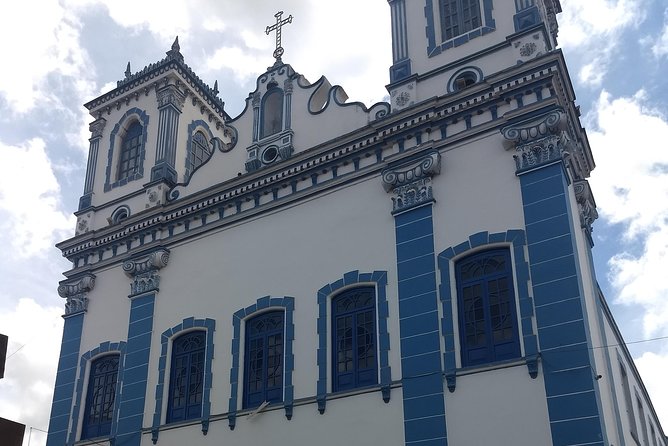
The itinerary includes another hour walking through Santo Amaro’s street market and colonial town. This gives you a second look at the town after the rural community visit.
That return can be useful. You may notice the market differently after spending time around farms and food production. The town is no longer just a collection of old facades, since you have seen how regional ingredients and work fit into the wider area.
The schedule lists Santo Amaro both at the beginning and later in the day, so the precise order may be adjusted by the guide. The important point is that you should expect about an hour of additional walking through the market and colonial streets.
If you prefer a packed list of famous sights, this part may feel modest. If you enjoy street-level observation, food, and everyday scenes, it rounds out the day well.
What the $220 price includes
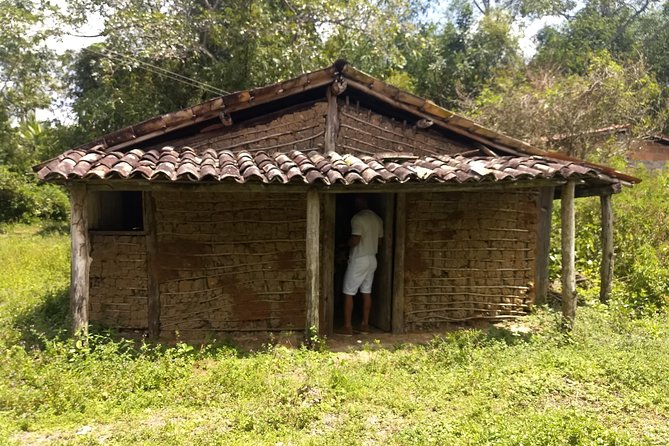
At $220 per person, this is not a low-cost excursion. The value depends on how much you would otherwise have to organize yourself.
The price includes transportation, Salvador hotel pickup and drop-off, an accredited guide, lunch, and the Kaonge workshops. You are also paying for a full day, a small maximum group of 15, and access to a community visit that would be difficult to arrange independently without local contacts.
That makes the price easier to justify for visitors who want a guided cultural experience with transport handled from start to finish. The included lunch and workshops remove several extra costs, though drinks remain separate.
The value is weaker if you mainly want church interiors or standard sightseeing. The church access is not guaranteed, and the tour devotes four hours to community activities rather than a long list of monuments.
It is also worth noting that the tour is booked an average of 52 days ahead. That does not guarantee availability on any particular date, but it suggests you should not leave this choice until the final days of your trip. The provider offers free cancellation up to 24 hours before the start time, with the local time used as the cutoff.
Who will enjoy this most
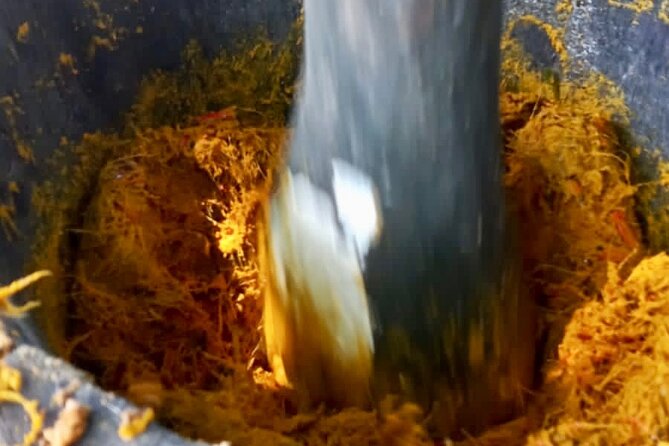
I would choose this tour if you want to connect Salvador with the wider Bahian region and prefer people, food, and working traditions to a standard sightseeing loop.
It suits you especially well if you:
- Enjoy guided conversation and community encounters
- Want a hands-on workshop rather than only photo stops
- Are interested in Afro-Brazilian heritage and oral tradition
- Like markets, rural scenery, and local food
- Need hotel transportation from Salvador
- Can manage a 7:00 a.m. start and a full seven-hour day
I would hesitate if you need guaranteed indoor church visits, dislike rural travel, or prefer a loose schedule with plenty of free time. The experience asks you to be flexible, particularly around city hall opening arrangements and the rhythm of the Kaonge visit.
Dress comfortably and use insect repellent. Those are not decorative suggestions. You will walk on cobblestones, spend time near farms, and take part in practical activities. The tour is suitable for most people, according to the supplied participation information, but the day still calls for ordinary mobility and stamina.
Should you book the Quilombo Afro Heritage Tour?
Book it if you want a thoughtful day outside Salvador that links colonial Santo Amaro with present-day community life at Kaonge. The strongest reasons are the four-hour Kaonge visit, the flour and palm oil workshops, the Griô talk, and the included lunch.
The $220 cost is substantial, but hotel transport, guiding, food, and workshops make it a reasonable package for someone who values ease and local contact. I would book early, request a vegetarian lunch if needed, and plan for an early start.
Skip it if your main goal is church interiors or a cheap sightseeing trip. For everyone else, especially anyone curious about how Afro-Brazilian heritage is carried through food, faith, work, and spoken memory, this is one of the more distinctive cultural days available from Salvador.
FAQ
How long does the Quilombo Afro Heritage Tour last?
The tour lasts approximately seven hours.
What time does the tour start?
Pickup begins at 7:00 a.m.
Is hotel pickup included?
Yes. Pickup and drop-off are included from hotels around Salvador City and from Airbnb addresses. You need to provide the accommodation name.
Is lunch included?
Yes. Lunch is included in the tour price. Drinks are not included.
Can I request a vegetarian meal?
Yes. A vegetarian option is available, but you should request it when booking.
Are the church interiors guaranteed to be open?
No. Access to the churches depends on the daily schedule of city hall employees, which is irregular. The tour includes exterior views and photo stops.
How large can the group be?
The tour has a maximum of 15 participants.
Newest reviews from around Salvador da Bahia
- Transfer North-Ba Coast and Salvador Airport★ 5.0 · 25 reviews
- Curated Nightlife Experience in the Heart of the City★ 3.5 · 5 reviews
- One-Way Private Transfer to Boipeba Island★ 5.0 · 21 reviews
- Transfer Costa do Sauipe – Private★ 5.0 · 2 reviews
- Ilhas Maravilhas Frades and Itaparica Full Day Tour, Salvador, Bahia, Brazil★ 3.5 · 13 reviews
- Hotel Vila Galé Mares – Transfers In / Out★ 5.0 · 29 reviews
- Salvador de Bahia: Private Round-Trip Airport–Hotel Transfer★ 4.5 · 25 reviews
- Transfer Salvador to Barra Grande Round Trip★ 5.0 · 3 reviews
Historical Tours, compared.

Private Walking and Cultural Tour Rocinha-Rio de Janeiro
Read our review →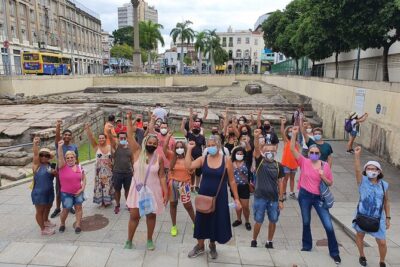
Discover Rio Little Africa: A Cultural and Historical Journey
Read our review →
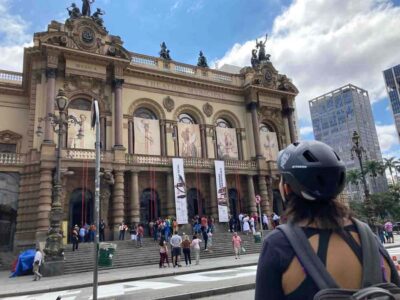

Scenic Train ride to historical cities of Morretes and Antonina
Read our review →
Browse the lists this tour appears in