
Reviewed · HISTORICAL TOURS
Full City Tour Historic and Panoramic
Salvador reveals itself in layers. This eight-hour city tour links beaches, churches, forts, markets, Afro-Brazilian traditions, and colonial streets, giving you a useful first look at a complicated city. I like the air-conditioned vehicle and the chance to hear Salvador explained by guides such as Vagner, Wanderlay, and Marcus. I also like that the tour covers both famous sights and less obvious stops, including a local tile studio and Sister Dulce’s memorial.
The main caution is the group format. With as many as 20 people and explanations in several languages, you may not hear every detail clearly. The $180 price is also a serious outlay, especially since lunch and several church admissions cost extra. Still, for a first day in Salvador, this is a strong way to get your bearings fast.
In This Review
- Key things to know before booking
- Why this full-day tour works in Salvador
- Barra begins with the Atlantic
- Bonfim brings faith and local craft together
- Dique de Tororó shows Salvador’s African identity
- Mercado Modelo is your shopping window
- Pelourinho deserves the longest walk
- Salvador’s churches require extra planning
- The Lacerda Elevator makes the city’s levels clear
- Monte Serrat is a photo stop, not a fort visit
- Ribeira adds ice cream and a slower pause
- Sister Dulce closes the day with a modern story
- Is $180 a fair price?
- Language and group size can change the day
- Who should book this Salvador tour?
- FAQ
- How long does the Salvador city tour last?
- What is included in the tour price?
- Is lunch included?
- How much do the main extra admissions cost?
- Is the tour available in English?
- Can I cancel for a full refund?
Key things to know before booking
- Farol da Barra and Monte Serrat provide two very different views: one looks toward the Atlantic, while the other gives you a fine photo stop over Salvador.
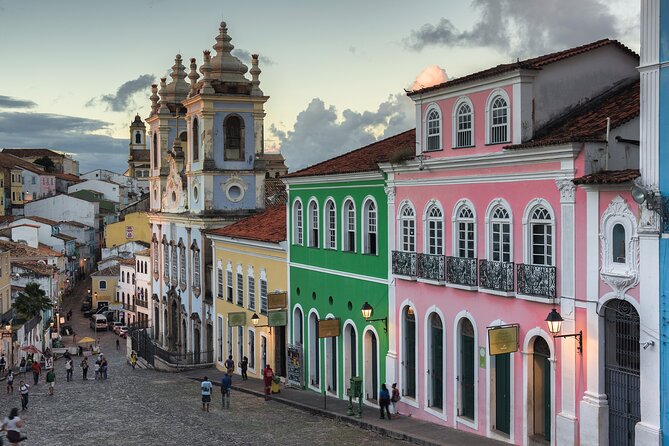
- Pelourinho gets two hours: this is the tour’s most important walking section, with cobbled streets, colonial buildings, and five connected squares.
- Your guide shapes the experience: Vagner, Wanderlay, and Marcus are praised for clear explanations, warmth, and strong knowledge of Salvador and Brazil.
- Church visits cost extra: plan on R$10 for Igreja e Convento de São Francisco and R$10 for the Cathedral Basilica, with other churches or convents possibly costing R$20.
- The tour is not only about monuments: Bonfim, the orixá figures at Dique de Tororó, and Sister Dulce’s memorial add religious and cultural context.
- Language matters: confirm the planned languages before departure, especially if you need detailed explanations in English.
Why this full-day tour works in Salvador
Salvador is not a city you understand from one viewpoint. The historic center tells one story, the churches tell another, and the forts, beaches, markets, and religious sites fill in the gaps. This tour is designed to connect those pieces in a single day.
I like the range. You start near the sea, pass through areas tied to independence and Afro-Brazilian faith, see major colonial sights, and finish with a modern memorial to one of Brazil’s best-known Catholic figures. The air-conditioned vehicle matters here. It gives you a break between walking sections and makes it possible to cover far more ground than you could comfortably manage on foot.
The tour is often booked about 40 days ahead, so advance planning makes sense. Confirmation is provided at booking, and the group can include up to 20 people. Most people can take part, and the route is near public transportation, though this experience is primarily arranged around the provided vehicle and guided stops.
The biggest variable is the guide. Vagner is praised for his warmth and wide understanding of Brazilian history and culture. Wanderlay is described as an engaging guide who made the full day feel safe and well organized. Marcus receives praise for explaining Salvador’s past clearly. Your guide may be someone else, but the best reports share the same theme: the commentary adds real value.
More City Tours in Salvador & Bahia
- Salvador City Tour – Discover Brazil’s First Capital En, It, Es
★ 5.0 · 217 reviews - Private City Tour in Salvador
★ 5.0 · 110 reviews - Historical African oriented City Tour
★ 5.0 · 52 reviews
Barra begins with the Atlantic
The tour opens at Farol da Barra, a natural first stop for a city orientation. This is the first beach associated with the Portuguese colonizers’ arrival, and the lighthouse and fort make an easy visual introduction to Salvador’s coastal setting.
You get about 20 minutes here, usually enough for photographs and a short walk with your guide. The fort itself is not included in the tour price. If you want to enter, admission is listed at R$12 per person, paid separately.
That short timing is both useful and limiting. You can take in the view, photograph the lighthouse, and hear the basic story, but you will not have time for a slow visit. I would treat Barra as an orientation stop, not a full beach outing.
There is also a brief photo stop at an independence monument. You remain with the vehicle rather than getting out for a longer walk. This is a small detail, but it helps set expectations: several points are quick roadside views, while Pelourinho receives the serious walking time.
Bonfim brings faith and local craft together
Avenida Dendezeiros do Bonfim leads to a more personal kind of stop. At Atelier Casa de Prentice, you visit a local tile painter in the studio. The visit lasts about 15 minutes and has no admission charge.
This is a welcome change from a standard monument checklist. You get a glimpse of a working artistic tradition rather than only looking at finished buildings. Since the stop is short, do not expect a long demonstration or extended shopping session. Its value is in seeing how local decoration and craftsmanship connect with Salvador’s visual identity.
Next comes the Basilica do Senhor do Bonfim, with about 30 minutes to explore. The basilica is important not only as a Catholic church but also as a place where Catholic devotion and African religious traditions meet. Your guide explains the local beliefs and the presence of Catholic and African saints, giving the visit a wider meaning than church architecture alone.
This is one of the tour’s strongest cultural sections. You are not simply being shown a pretty building. You are being given a way to understand how faith works in Bahia, where traditions have influenced one another for centuries. Admission is free for this stop.
Dique de Tororó shows Salvador’s African identity
At Dique de Tororó, you stop for about 20 minutes to see the large images of African orixás. These figures are a striking introduction to the spiritual traditions that shape Salvador’s culture.
The stop is outdoors and also gives you a view from outside the football stadium. It is not a long visit, but it helps balance the colonial and Catholic emphasis found elsewhere in the day. I appreciate that the route makes room for this perspective rather than presenting Salvador only through Portuguese architecture.
The guide’s explanation matters here. Without context, the sculptures may look like a quick photo opportunity. With a good guide, you can better understand why they belong in a city tour and how they connect to Bahia’s religious life.
More History Tours in Salvador & Bahia
- Full-Day Historic Private City Tour of Salvador with Lunch
★ 5.0 · 50 reviews - Salvador Historic Walking Tour – Pelourinho
★ 4.8 · 62 reviews - Historic City Tour in Salvador
★ 3.6 · 17 reviews - From Salvador: Quilombo Heritage Daytrip with Lunch
★ 3.4 · 3 reviews
Mercado Modelo is your shopping window
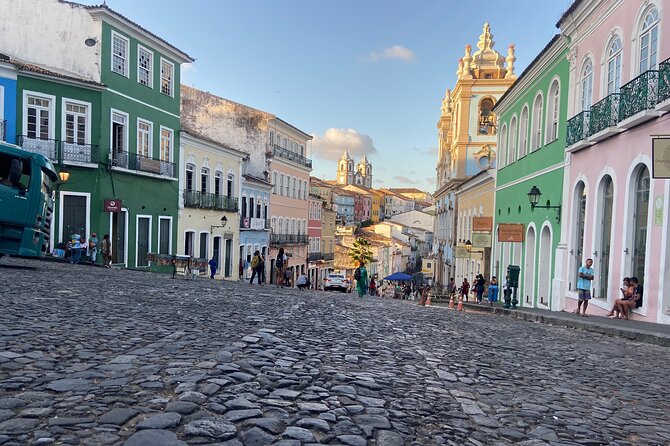
Mercado Modelo receives about 45 minutes. This is your chance to browse local crafts and buy souvenirs, with no admission charge listed.
The market is a practical stop. You can shop, look at handmade items, and choose gifts without surrendering your free time later in the trip. The trade-off is that market visits can feel less personal than the tile studio or the historic center. If shopping is not your priority, 45 minutes may seem long. If you want souvenirs, it gives you room to compare items rather than making a rushed purchase.
The market also works well in the day’s sequence. After the religious and cultural stops, it offers a lighter break before the long walk through Pelourinho. Keep some energy in reserve, since the historic center is the tour’s main event.
Pelourinho deserves the longest walk
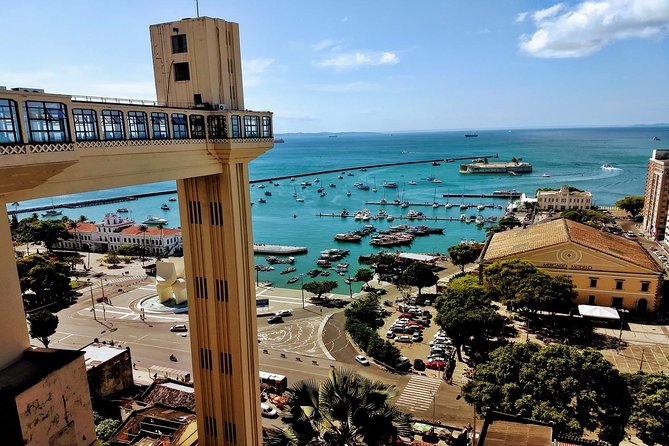
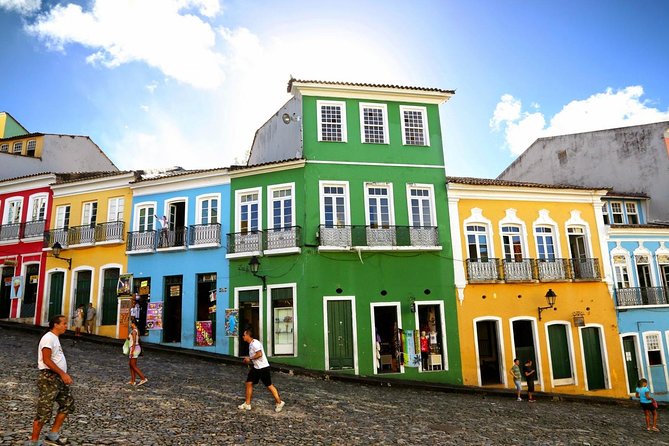
Two hours are set aside for Pelourinho, and that is the right decision. This is the heart of the city’s colonial center, with cobbled streets, historic buildings, and a group of five squares connected by the walking route.
Here, your guide explains the buildings and the history of the area while you move through the streets. The value is not only in individual sights. It is in seeing how the streets, churches, squares, and old facades fit together as one urban setting.
You should expect plenty of walking on uneven cobblestones. Comfortable shoes are important, and this is the section where the pace of the group can affect your experience. A group of 20 can make it harder to stand close to the guide or ask every question. Still, the two-hour allocation gives you a much better chance to understand the area than a quick drive past it.
One important practical point comes from the tour’s scheduling history. During Carnival preparations, streets and attractions may close, and the guide may change the route. On one such occasion, a private outing included favela areas and Ribeira while the expected historic stops were affected by closures. That can produce an interesting alternative, but it also means Pelourinho may receive less time than planned. If your visit falls near Carnival, confirm the expected route before departure.
Salvador’s churches require extra planning
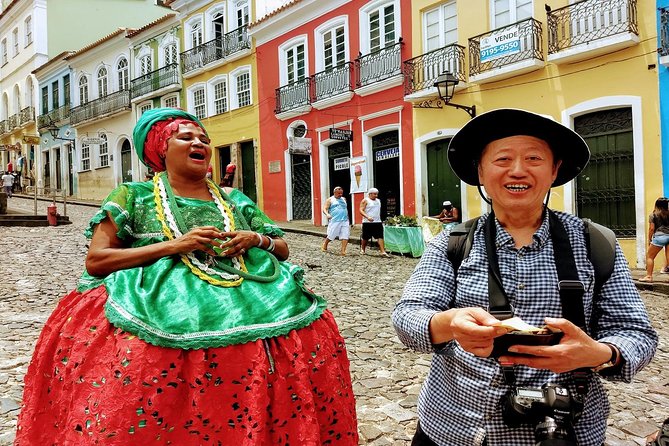
The day includes a stop to enter one of Salvador’s most important ecclesiastical sites, with an entrance fee of R$5 listed for that particular visit. The additional information also lists R$10 each for Igreja e Convento de São Francisco and the Cathedral Basilica of Salvador.
Church admission is not included across the board. Other churches or convents may cost R$20 per person, so you should carry Brazilian reais for optional visits. The tour does not include lunch or drinks either.
These fees are small compared with the tour price, but they add up. More important, you should know what you are paying for. São Francisco is especially worthwhile if you care about church art and ornate interior decoration. The cathedral adds another layer to the old city’s religious story. If church interiors are not your main interest, tell your guide early so you understand which stops are planned and which visits are optional.
The Lacerda Elevator makes the city’s levels clear
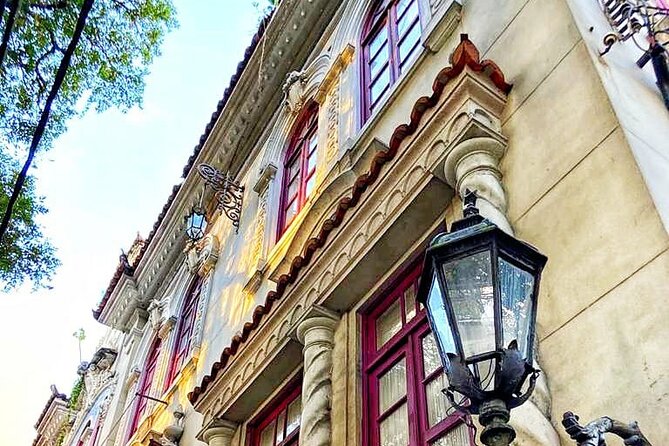
The Lacerda Elevator is not just a transportation device. It connects Salvador’s upper and lower city and gives you a quick, memorable sense of how the city is arranged.
The tour includes the ride, and the stop lasts about 15 minutes. This is one of the few listed admissions included in the price. It also breaks up the walking and connects naturally with Mercado Modelo and the historic center.
You will not spend a long time here, but you do not need to. The elevator is most useful when your guide explains its role in linking the two parts of Salvador. It turns a practical ride into a clear piece of city geography.
Monte Serrat is a photo stop, not a fort visit
Forte de Nossa Senhora de Monte Serrat provides another strong viewpoint. You walk around the outside for about 15 minutes, take photographs, and may stop for coconut water, listed at R$5 per person.
The fort is closed because it belongs to the Army, so there is no interior visit. That is worth knowing before you arrive. The attraction here is the setting and the view, not a tour of the building.
I like the contrast with Farol da Barra. Barra faces the open Atlantic and makes a strong first impression. Monte Serrat gives you another angle on Salvador later in the day. Together, the two stops help you understand the city’s position between water, hills, and historic districts.
Ribeira adds ice cream and a slower pause
At Sorveteria da Ribeira, you get about 20 minutes to try ice cream from a shop operating since 1931. One scoop in one flavor costs R$10 and is not included.
This is a small but pleasant local break. After several churches, monuments, and walking sections, a simple snack gives the day a more relaxed rhythm. You can also use the stop to rest your feet and ask your guide about food recommendations for the rest of your stay.
Do not mistake it for a meal. Lunch is not included, and the ice cream is an extra purchase. One full-day experience also received criticism for poor buffet food, so I would not choose this tour based on lunch expectations. Ask what meal arrangement is planned and consider your own preferences.
Sister Dulce closes the day with a modern story
The final listed stop is the Santuário Irmã Dulce, or Sister Dulce memorial, with about 20 minutes to visit. It focuses on the legacy of Brazil’s first saint.
This stop gives the tour a modern human dimension. Much of the day looks backward through colonial buildings, forts, and old religious traditions. Sister Dulce’s memorial shifts attention toward a more recent figure and her work.
Twenty minutes is enough for a brief visit and introduction, but not for a long study of the site. I would see it as a thoughtful closing note rather than a major museum visit.
Is $180 a fair price?
At $180 per person, this is not a budget city tour. Its value depends on what you want from your first day in Salvador.
You are paying for roughly eight hours, an air-conditioned vehicle, and a guide who can connect distant parts of the city. The route would be difficult to reproduce efficiently by local transportation in one day, especially if you do not speak Portuguese. It also saves you from arranging separate visits to Barra, Bonfim, Dique de Tororó, Pelourinho, Mercado Modelo, Monte Serrat, Ribeira, and Sister Dulce’s memorial.
The price is easier to justify for first-time visitors, couples, families, or anyone with limited time. It is harder to justify if you prefer slow independent exploration or plan to spend several days in Salvador. In that case, you could visit Pelourinho and the nearby churches at your own pace, then arrange separate outings to other districts.
Remember the extras: lunch and drinks are not included, and church or fort admissions may require additional reais. A private tour is also possible, but it costs more. That option could be worthwhile if you need explanations in one language only or want to set the pace yourself.
Language and group size can change the day
The tour may include up to 20 people, and the guide may speak three languages. This makes the experience social, but it can also reduce the amount of detail you receive.
If you are the only English speaker in a large multilingual group, some explanations may be shorter or harder to follow. The company says it contacts you 24 hours before departure with group and language information and may offer a private English-only option for an additional fee.
I would confirm three points before you go:
- Which languages will be used?
- How many people are expected?
- Will the planned route change because of Carnival closures or other access limits?
This is not a criticism of the guides. Strong guides such as Vagner and Wanderlay can explain a great deal, and their warmth is a major part of the experience. The issue is simply that one person cannot give full attention to several languages and a large group at the same time.
Who should book this Salvador tour?
I recommend it most strongly if you are visiting Salvador for the first time and want a broad introduction in one day. It is also a good fit if air-conditioned transport, organized timing, and cultural explanation matter more to you than lingering at one site.
You will get the most from it if you enjoy variety. The day moves from coast to church, from market to old city, from orixá statues to colonial architecture, with snacks and viewpoints along the way.
I would choose a different format if you mainly want an unhurried Pelourinho visit, a church-focused day, or a tour conducted only in English. In those cases, a private option may be better. Also, check the route carefully if you visit close to Carnival, when closures can shift the balance of the day.
With a 4.8 rating from 24 reviews and 92 percent of customers recommending it, the experience has a strong record. Its best features are the full route, the transport, and the chance to learn from a guide who cares about Salvador. Its weak points are the price, extra costs, and possible language strain in a shared group.
FAQ
How long does the Salvador city tour last?
The tour lasts approximately eight hours, including the listed sightseeing stops, transportation, walking sections, and a lunch break that is not included in the price.
What is included in the tour price?
The price includes an air-conditioned vehicle and a guide. The Lacerda Elevator admission is also listed as included.
Is lunch included?
No. Lunch and drinks are not included, so you should plan for that extra expense.
How much do the main extra admissions cost?
Farol da Barra lists an entrance fee of R$12 per person. Igreja e Convento de São Francisco and the Cathedral Basilica of Salvador list R$10 per person each. Other churches or convents may charge R$20 per person.
Is the tour available in English?
The guide may conduct the tour in three languages. Confirm the language arrangement before departure if you need detailed English explanations. A private English-only tour may be available for an additional cost.
Can I cancel for a full refund?
Yes. You can cancel at least 24 hours before the start time for a full refund. Cancellations or changes made less than 24 hours before the start time are not accepted for a refund.
Newest reviews from around Salvador da Bahia
- Salvador Walking Tour Through Pelourinho★ 5.0 · 35 reviews
- Paradise Morro de São Paulo Island Tour from Salvador★ 4.0 · 29 reviews
- Full-Day Historic Private City Tour of Salvador with Lunch★ 5.0 · 50 reviews
- Historical African oriented City Tour★ 5.0 · 52 reviews
- Private Airport Transfer to Salvador★ 5.0 · 30 reviews
- Private Transfer Salvador Airport★ 5.0 · 32 reviews
- Private Walking Tour of Salvador Pelourinho★ 5.0 · 70 reviews
- 4h Cooking Class in Salvador with 9 Recipes & Bottomless Drinks★ 5.0 · 73 reviews
Historical Tours, compared.
Private Walking and Cultural Tour Rocinha-Rio de Janeiro
Read our review →
Discover Rio Little Africa: A Cultural and Historical Journey
Read our review →

Scenic Train ride to historical cities of Morretes and Antonina
Read our review →
Browse the lists this tour appears in