
Reviewed · WALKING TOURS
Walking Tour along Paulista Avenue – The most Famous Avenue in Brazil
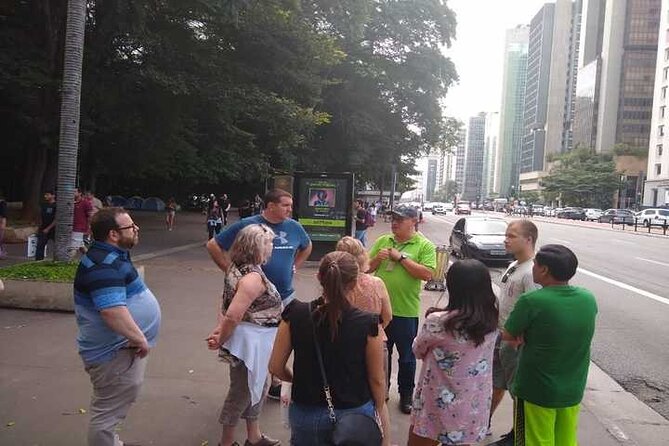
Paulista Avenue tells São Paulo’s story in three hours. This private walk brings together coffee wealth, Brazilian industry, modern art, old mansions, cultural centers, nightlife, and city views, all along one famous street. I like the personal attention of a private bilingual guide, and I like that every admission listed is free. The main drawback is the price: at $90 per person, this is a serious spend for a walking tour, especially since meals, drinks, and tips are not included.
I also like the way the route connects grand history with present-day city life. You move from Japan House and a French-style mansion to street art, a former palace, museums, and a rooftop lookout. Guide Deborah has been praised for her passion and clear command of São Paulo’s history, architecture, art, and culture, which is exactly the kind of guide this avenue needs.
In This Review
- Key reasons to consider this Paulista Avenue walk
- Why Paulista Avenue deserves a guided walk
- Japan House and the avenue’s early chapters
- Casa das Rosas and the last mansion-era reminders
- Rooftop São Paulo at Mirante Sesc Paulista
- Kobra murals, Brazilian culture, and important institutions
- Fiesp, MASP, and a remaining piece of Atlantic Forest
- Mirante 9 de Julho and Paulista’s rougher edges
- Conjunto Nacional and a modern architectural turning point
- IMS Paulista, photography, and the end near the metro
- Is $90 a fair price for three hours?
- Practical details before you book
- Who should book this tour?
- FAQ
- How long is the Paulista Avenue walking tour?
- Is this a private tour?
- What is included in the price?
- Are meals and drinks included?
- Where does the tour begin?
- Where does the tour end?
- Can I cancel for a full refund?
Key reasons to consider this Paulista Avenue walk
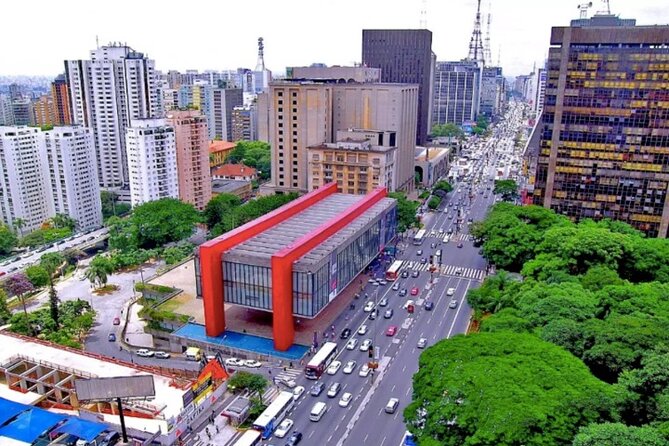
- Coffee wealth shaped the avenue: You learn how coffee helped drive Brazil’s social and economic growth, and why Paulista Avenue became important during industrialization.
- A private format keeps the walk personal: Only your group joins the tour, so you can ask questions and set the pace within the three-hour schedule.
- The route mixes polished and unexpected sights: Art museums and cultural centers share space with an abandoned palace, nightlife streets, and huge murals by Eduardo Kobra.
- Free entry keeps the price easier to justify: Japan House, Casa das Rosas, Sesc Paulista, Fiesp, Mirante 9 de Julho, Conjunto Nacional, and IMS Paulista list no admission charge.
- The final stop is near the subway: The walk ends at IMS Paulista, close to Paulista station on the yellow line and Consolação station on the green line.
- Advance planning is wise: This experience is booked about 20 days ahead on average, so it is not a tour I would leave until the last morning.
Why Paulista Avenue deserves a guided walk
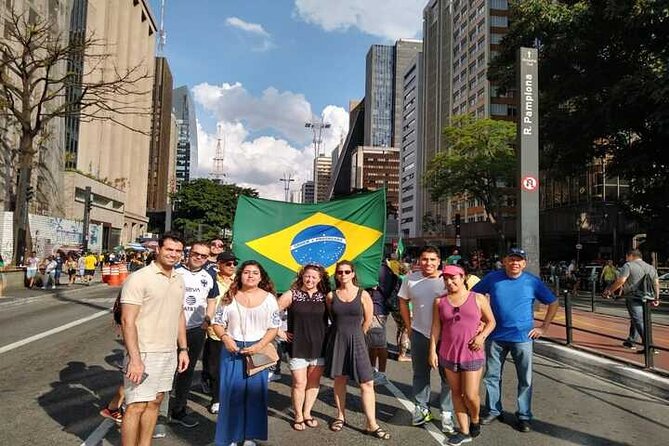
Paulista Avenue is not simply a broad central road lined with offices. Over roughly 130 years, it has served as a place for work, study, shopping, entertainment, demonstrations, theaters, dining, leisure, marathons, and the city’s gay parade.
That range can be hard to understand on your own. You may notice a striking building or an old mansion, but miss the reason it matters. A guide can connect the coffee barons of the past with São Paulo’s later industrial growth, then explain how the avenue became a modern center for culture and public life.
I especially like that the tour does not treat Paulista as a row of isolated attractions. The route shows how the avenue changed from forest to an address of wealth, then into a public stage for art, politics, business, and recreation.
A private tour also changes the feel of the experience. You are not trying to hear a guide over a large crowd, and your group alone participates. At this price, that privacy is a major part of the value.
More Walking Tours in São Paulo
- Sao Paulo: Downtown-Center History Walking Tour – in English
★ 5.0 · 91 reviews - Sao Paulo: Downtown-Center Walking Tour | 2 Hours – English
★ 4.9 · 84 reviews - Ecological walk in sao paulo
★ 5.0 · 61 reviews
Japan House and the avenue’s early chapters
The walk begins at Japan House São Paulo, at Avenida Paulista 52. The center presents rotating art exhibitions, talks, and classes connected with different parts of Japanese culture. The listed visit lasts about 15 minutes, with free admission.
This is a smart starting point because it gives you a modern cultural setting before the route moves toward older buildings and historic themes. Japan House also reflects the international character of São Paulo, a city shaped by many communities and cultural influences.
The historical explanation begins before the next major stop. You go back to the time when this area was forest, then learn how coffee affected Brazil’s social and economic development. That background matters. Without it, the avenue’s mansions and institutions can look like disconnected monuments.
A short stop at a former European-style private hospital founded by religious women adds another layer to the story. The hospital is not named in the supplied details, so you should expect the guide to provide the fuller context during the walk.
Casa das Rosas and the last mansion-era reminders
Casa das Rosas is one of the route’s most appealing historical stops. This French-style mansion now hosts cultural programs, with a focus on literature and poetry. Entry is free, and the scheduled visit is about 20 minutes.
The building recalls the first period of occupation along Paulista Avenue, when elegant homes reflected the wealth connected with coffee. It gives you a useful contrast with the office towers and cultural centers that now define much of the street.
I like stops such as this because they show change in physical form. You do not just hear that Paulista developed quickly. You see one of the surviving buildings from an earlier age, then continue along an avenue where old residences have largely disappeared.
The short visit means you should not expect a long museum session. Casa das Rosas works best as a focused architectural and cultural stop, not as a full afternoon devoted to literature.
Rooftop São Paulo at Mirante Sesc Paulista
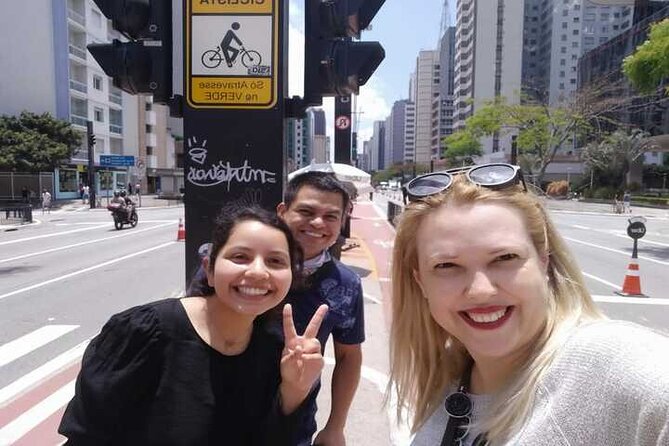
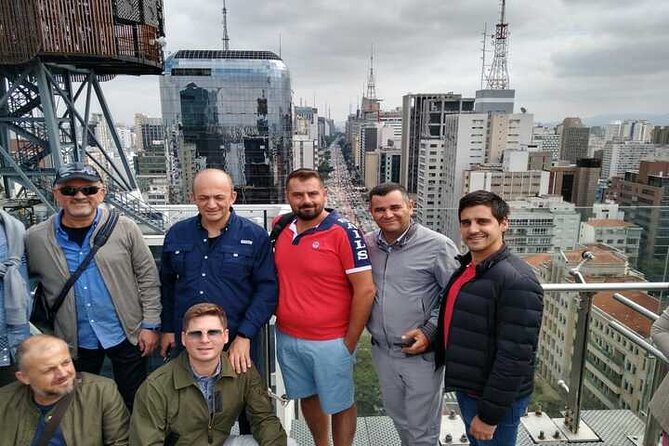
Sesc Paulista combines culture and leisure, and its rooftop observation deck offers long views across São Paulo. The visit lasts about 20 minutes, and there is a café where you can buy a snack while looking out over the city.
This is one of the route’s practical pleasures. After several street-level stops, you get a wider sense of São Paulo’s scale. The view helps explain why Paulista Avenue matters as a central spine rather than just a popular tourist address.
The café is not included in the tour price, so bring a payment method if you want something to eat or drink. Since meals and drinks are excluded, this is a good place to make your own small refreshment stop.
The timing is brief. You will have enough time to enjoy the outlook, but not necessarily enough for a slow café break and a long visit to every part of the building.
Same patch of Brazil, a completely different sort of day:
- Skydive Tandem – São Paulo – Brazil
★ 5.0 · 1,840 reviews - São Paulo’s Full Day City Tour: Main City Sights in 7 Hours – (Shared Group)
★ 5.0 · 1,691 reviews - 5-hour Private Tour Of São Paulo With Its Main Sights – Optional Airport Pickup
★ 5.0 · 643 reviews - São Paulo: Main City Sights in 7 Hours – Shared Group Tour
★ 4.9 · 587 reviews
Kobra murals, Brazilian culture, and important institutions
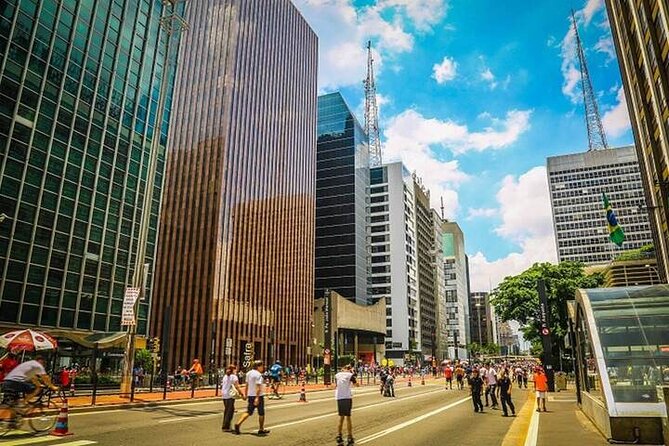
Several shorter points along the walk focus on public art and major institutions. Large building panels by street artist Eduardo Kobra bring well-known Brazilian figures to life, including Formula 1 driver Ayrton Senna and architect Oscar Niemeyer.
These murals add color and scale to the route, but they also fit the tour’s larger theme. Paulista Avenue is a place where Brazilian identity is displayed in public, not locked away inside a museum.
You also pass a cultural institute devoted to valuing Brazil’s varied society and culture. Its name is not given in the tour details, but its presence supports an important idea: São Paulo’s culture cannot be reduced to one group, one tradition, or one architectural style.
The route includes a school more than a century old, designed by architect Ramos de Azevedo. It is also described as Brazil’s largest polling station. That pairing of education, architecture, and civic life makes it more than a quick photo stop.
Another institution is a century-old scientific research entity that played a major role in helping eradicate animal rabies in Brazil during the early 20th century. These details may not be obvious from the sidewalk, which is where a good guide earns the fee.
Fiesp, MASP, and a remaining piece of Atlantic Forest
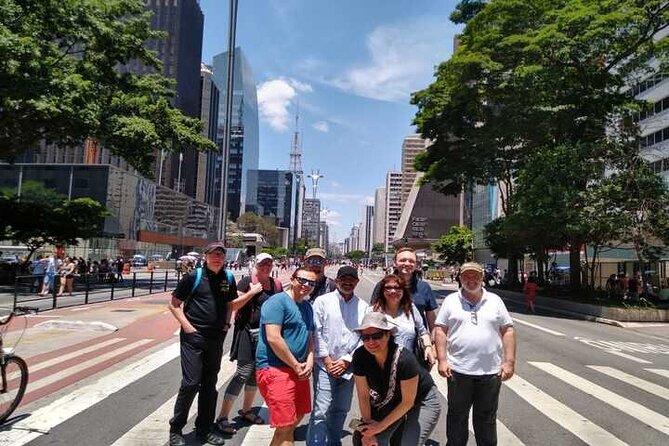
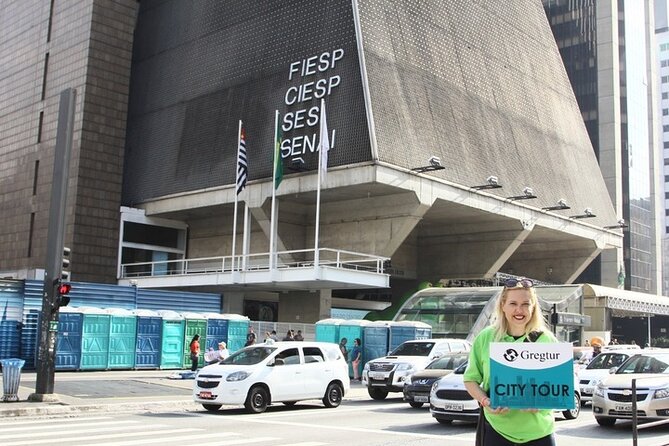
Centro Cultural Fiesp is the headquarters of the Industrial Federation of the State of São Paulo. Its building is a city postcard and an important landmark, with about 10 minutes set aside for the stop and free admission.
Fiesp links directly to the story of Brazilian industrialization. Earlier, the tour explains coffee wealth. Here, you see the later importance of industry and organized business in São Paulo’s growth.
The route then brings you near the São Paulo Museum of Art, usually known as MASP. It is one of Brazil’s most important cultural institutions and among the country’s most visited museums. The tour does not list a museum admission or a dedicated interior visit, so you should not assume the $90 includes entry to MASP.
That is worth noting if you hope to spend time inside the museum. The walking tour gives you the avenue’s wider cultural setting, but you may want to return to MASP separately for a proper museum visit.
You also see a historic park that preserves part of the original Atlantic Forest. Centenary trees and important works of art make it a welcome change from the avenue’s buildings and pavement. The supplied details do not name the park, so ask your guide for its name and background during the walk.
Mirante 9 de Julho and Paulista’s rougher edges
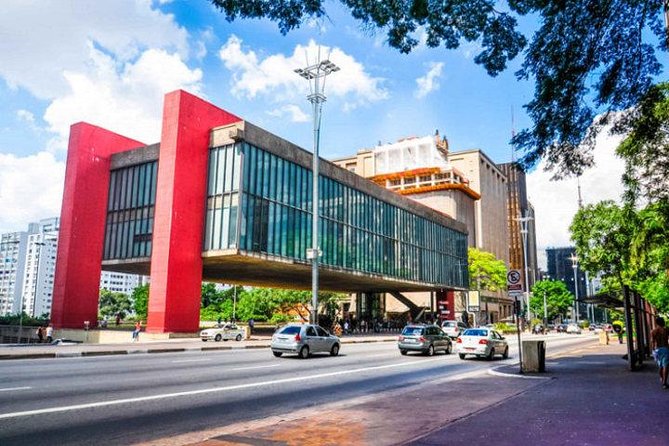
Mirante 9 de Julho offers one of the route’s more unusual stories. Once abandoned, the site was rediscovered and turned into an unexpected multicultural space. The visit lasts about 10 minutes, with free admission.
I like this stop because it shows how cities reuse neglected places. It also keeps the tour from becoming a parade of polished institutions. São Paulo’s character includes reinvention, not just grand architecture.
The route continues past the headquarters of Fundação Cásper Líbero, the traditional media group associated with the Gazeta television network. This adds a media and communications chapter to the avenue’s story.
You also see an abandoned palace, one of the few elegant residences on Paulista Avenue that resisted time and financial pressure. It is a reminder of how dramatically the avenue changed. The old residential identity did not vanish evenly, but only fragments remain.
Another nearby street is known for nightlife, including dance clubs, brothels, striptease clubs, and an LGBT area with many bars. This may not suit every visitor, but it gives a more honest picture of the city than a spotless postcard version would. The guide can help place this nightlife within the avenue’s broader social history.
Conjunto Nacional and a modern architectural turning point
Conjunto Nacional receives about 15 minutes of attention and free admission. Built in the 1950s, it became an architectural model for similar projects in São Paulo.
This stop helps you see how Paulista shifted toward large mixed-use developments. Rather than treating the building as another quick photo opportunity, the guide can explain why its design mattered and how it influenced later construction.
The complex also provides a useful bridge between the avenue’s old mansions and its modern cultural and commercial life. You have already seen a French-style residence and an abandoned palace. Conjunto Nacional shows the city choosing a very different future.
IMS Paulista, photography, and the end near the metro
The tour finishes at Instituto Moreira Salles, or IMS Paulista, at Avenida Paulista 2424. The planned visit lasts about 25 minutes, and admission is free.
IMS Paulista develops cultural programs in photography, literature, iconography, visual arts, music, and cinema. Ending here gives the walk a clear cultural finish rather than simply stopping at a random street corner.
The building is close to Paulista station on the yellow metro line and Consolação station on the green line. That makes the end point useful if you want to continue sightseeing, return to your hotel, or explore another part of São Paulo.
The tour must end after the visit to IMS Paulista. If you are hoping for a flexible finish somewhere else along the avenue, this fixed endpoint matters.
Is $90 a fair price for three hours?
At $90 per person, this is not a budget stroll. You are paying for a licensed bilingual guide, a private format, the guide’s interpretation of a complicated city story, and the convenience of a planned route.
The free admissions help. You are not also paying entrance fees at the main listed stops, and the tour includes taxes and handling charges. Still, you must cover your own meals and drinks, and tips are optional rather than included.
I would consider the price more convincing for a couple, family, or small group that values privacy and questions. Group discounts may also improve the per-person cost, so check the rate for your party before deciding.
If you mainly want to walk Paulista Avenue, take photos, and enter museums independently, you can spend less by exploring on your own. The stronger reason to book this experience is the historical connection between places that might otherwise seem unrelated.
The high rating and the praise for Deborah’s kindness, passion, and command of São Paulo’s culture support the idea that the guide is central to the experience. Because the tour is private, the quality of that personal connection matters more than it would on a large group outing.
Practical details before you book
The walk lasts about three hours and uses a mobile ticket. Confirmation arrives when you book, and most people can participate. Since good weather is required, check the forecast and keep some flexibility in your schedule.
Free cancellation is available up to 24 hours before the start time for a full refund. Cancellations or changes made less than 24 hours before the start are not accepted for a refund. If poor weather cancels the experience, you are offered another date or a full refund.
The meeting point is Japan House São Paulo, Avenida Paulista 52, in the Bela Vista area. The final stop is IMS Paulista, Avenida Paulista 2424. Plan your onward transport from the metro stations near the end rather than from the starting point.
I would wear comfortable walking shoes and keep water handy, although neither is specifically supplied. Since the route includes a café stop but no included food or drinks, you should budget for refreshments if you want them.
Who should book this tour?
I would recommend it to first-time visitors who want a clear introduction to São Paulo’s central culture and history. It also suits people who enjoy architecture, public art, photography, literature, city planning, and social history.
Families and private groups may appreciate being able to ask questions without keeping pace with strangers. The route covers enough ground to interest repeat visitors too, especially those who have seen Paulista Avenue but never understood how coffee, industry, media, nightlife, and culture shaped it.
I would hesitate if you dislike walking, want a long museum visit, or are watching every dollar. The pace includes many stops, but several are short, and the $90 fee is mainly for interpretation and privacy, not admission tickets or meals.
Book it if you want the avenue explained rather than simply photographed. Skip it if you prefer an unstructured stroll and plan to visit MASP or the other cultural centers on your own.
FAQ
How long is the Paulista Avenue walking tour?
The tour lasts approximately three hours.
Is this a private tour?
Yes. Only your group participates in the private activity.
What is included in the price?
The price includes a professional licensed bilingual private guide, VAT, taxes, and handling charges.
Are meals and drinks included?
No. Meals and drinks are not included. Tips are also not included, though they are optional.
Where does the tour begin?
The tour begins at Japan House São Paulo, Avenida Paulista 52, Bela Vista, São Paulo.
Where does the tour end?
The tour ends at Instituto Moreira Salles, Avenida Paulista 2424. The end point is near Paulista station on the yellow metro line and Consolação station on the green line.
Can I cancel for a full refund?
Yes, if you cancel at least 24 hours before the experience start time. Poor weather cancellations offer either another date or a full refund.
Newest reviews from around Sao Paulo
- Visit to the Cerejeira Annual Party in Carmo Park★ 3.5 · 2 reviews
- São Roque Wineries Route from São Paulo★ 4.5 · 13 reviews
- REIKI – Crystal Therapy – by Venus’ Secret Spa – San Francisco★ 5.0 · 41 reviews
- Taxi from Guarulhos airport to São Paulo capital★ 5.0 · 15 reviews
- 3h Tasting Session in São Paulo with 34 Local Foods & Drinks★ 5.0 · 7 reviews
- Guided Ceremony in Brazil★ 5.0 · 2 reviews
- Taxi from Viracopos to São Paulo – CHM Transportes★ 5.0 · 2 reviews
- Transfer from São Paulo to Port of Santos★ 4.0 · 8 reviews
Walking Tours, compared.
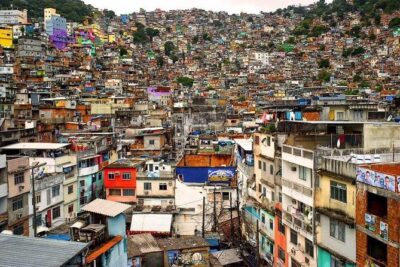
3 Hour Rocinha Favela Walking Tour with a Local Guide
Read our review →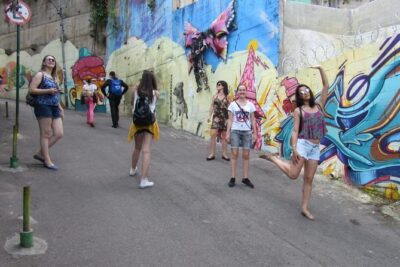
Favela Tour Rio de Janeiro – Vidigal Walking Tour by Russo Guide
Read our review →
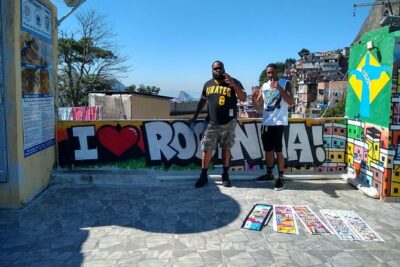
Private Walking and Cultural Tour Rocinha-Rio de Janeiro
Read our review →
Browse the lists this tour appears in