
Reviewed · COOKING CLASSES
Rio de Janeiro: Brazilian Cooking Class with Hotel Pickup
Rio tastes better when you cook it yourself. This four-hour Copacabana class gives you a useful taste of Brazil beyond the beach, with a local chef guiding you through feijoada or seafood moqueca, plus cheese, sausage, brigadeiro, caipirinha, and coconut shake. I like the hands-on format, and I like that the chef explains the cultural meaning behind each dish rather than treating the meal as a simple recipe lesson. The main consideration is the price, $117 per person, which is fair if you value the class, food, drinks, and transport, but high if you only want dinner.
The hotel pickup and return make the afternoon easy, especially if you are staying in Copacabana, Ipanema, Leblon, Leme, Botafogo, Flamengo, or Centro. Just confirm the dessert details before booking: brigadeiro appears in the cooking plan, while the inclusions also say dessert is not included. High-season traffic can stretch the four-hour schedule.
In This Review
- Key points at a glance
- Why a Copacabana kitchen makes sense
- Your choice: feijoada or seafood moqueca
- The side dishes make this more than a stew lesson
- Mixing a caipirinha and coconut shake
- The chef matters more than the recipe sheet
- How the afternoon unfolds
- Is $117 per person good value?
- Who will enjoy this class most?
- Booking, cancellation, and practical advice
- Should you book the Copacabana cooking class?
- FAQ
- Where does the cooking class take place?
- How long does the experience last?
- Is hotel pickup included?
- Can I be picked up in Barra da Tijuca or Recreio dos Bandeirantes?
- What main dishes can I choose from?
- What drinks will I prepare?
- Is the cooking class available in English?
- Can I bring my own knives?
- What happens if I use a wheelchair or have reduced mobility?
Key points at a glance
- Choose your main dish: Pick feijoada, Brazil’s black bean and pork stew, or seafood moqueca, a coconut milk fish stew.
- Cook more than one course: You may prepare coalho cheese with pepper jelly, sausage flambéed with onion and cachaça, and brigadeiro.
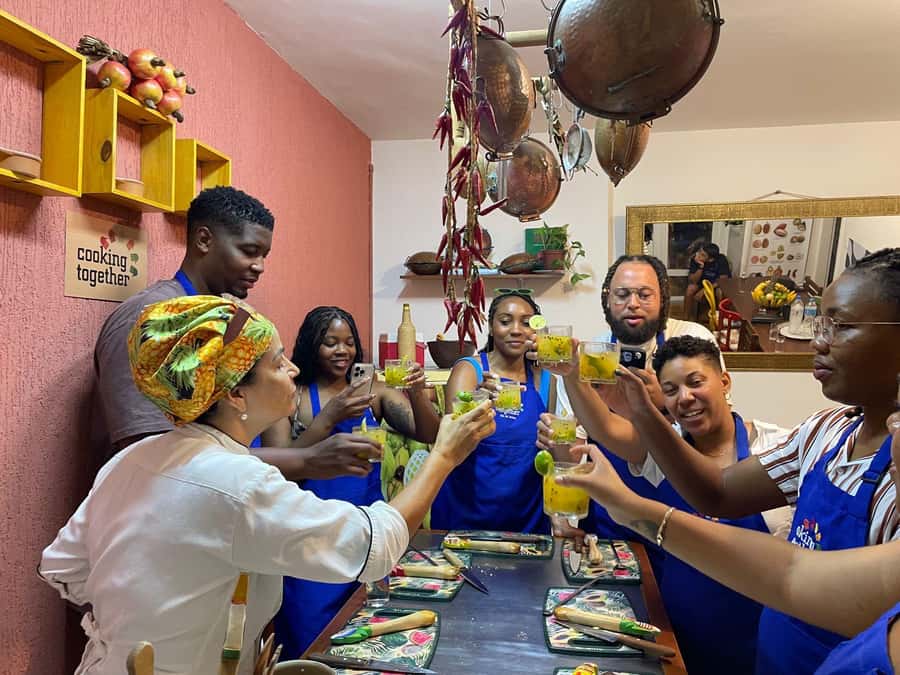
- Mix Brazilian drinks: The class includes hands-on preparation of caipirinha and a coconut shake.
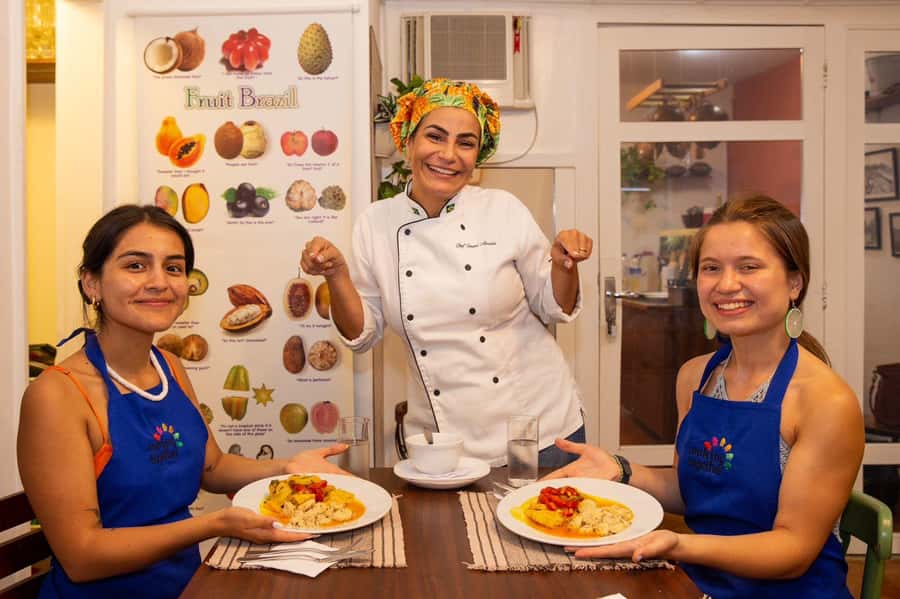
- Meet a patient teacher: Carina and Simone are named instructors connected with especially warm feedback about teaching style and cultural explanations.
- Enjoy door-to-door transport: Pickup and drop-off cover many Rio hotel districts and the cruise port, with extra charges for some outlying areas.
- Plan for traffic: The listed length is four hours, but high-season road delays can make the outing longer.
Why a Copacabana kitchen makes sense
Rio is easy to experience from a lookout, a promenade, or a samba venue. Food gives you a different angle. In this class, you are not just eating feijoada or moqueca. You are learning why these dishes matter, how ingredients are selected, and how they fit into Brazilian home cooking.
The setting is a chef’s kitchen in Copacabana. That location is practical for people staying in Rio’s main tourist districts, and the included transfer removes the need to work out a taxi ride to an unfamiliar address. You are picked up in the afternoon and taken directly to the kitchen, then returned to your hotel after the meal.
The class is taught in Portuguese, Spanish, or English. That language range is useful, but confirm your preferred language when arranging pickup. The available information does not specify the class size for every departure. One booking, however, was a private session for a husband and wife, so a private format may be possible in some cases rather than guaranteed every time.
More Cooking Classes in Rio de Janeiro
- Family Cooking Class in Rio Make 9 Brazilian Dishes Together
★ 5.0 · 32 reviews - 3-Hour Brazilian Cooking Class in Rio de Janeiro
★ 5.0 · 30 reviews - Hands-On Cooking Class in Rio: Iconic Street Foods & Caipirinhas
★ 5.0 · 11 reviews
Your choice: feijoada or seafood moqueca
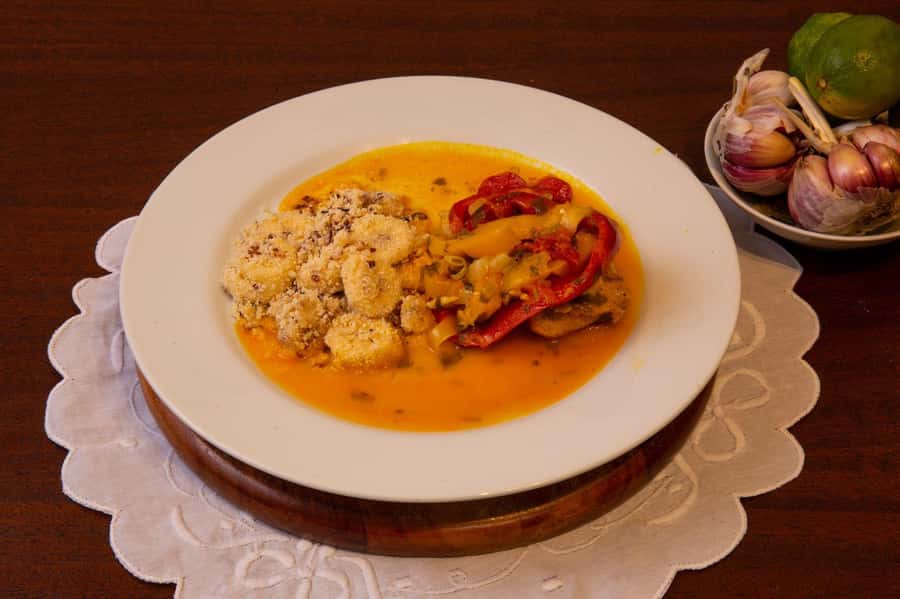
The first major decision is the main course. Feijoada is the hearty option: a black bean stew made with pork. It is filling, savory, and closely tied to Brazilian food culture. The preparation gives you a chance to understand how a dish with humble ingredients becomes a national favorite.
Seafood moqueca takes you in another direction. Fish, coconut milk, and seasoning create a lighter but still full-flavored stew. Choose it if you prefer seafood or want something with a tropical profile. You should ask about the exact seafood used and mention allergies before the class begins, since the available information only confirms fish stew and fresh ingredients, not the specific fish.
I appreciate that you choose between two recognizable Brazilian dishes instead of being handed a fixed meal without explanation. Your choice also affects the feel of the class. Feijoada is a slow, substantial stew with a strong place in Brazilian food identity. Moqueca offers a better fit if coconut and seafood are more appealing to you than beans and pork.
The chef presents the ingredients and talks about choosing good produce. That practical lesson may be one of the most useful parts of the afternoon. You get more than a list of ingredients. You learn to look at freshness and quality, which helps if you later want to recreate the dish at home.
The side dishes make this more than a stew lesson
The main course gets the attention, but the supporting dishes give the class its variety. Coalho cheese with pepper jelly offers a simple Brazilian combination of salty and sweet. It is the sort of small plate that can be easy to remember and repeat at home.
You also prepare sausage with onion flambéed in cachaça. This brings a bit of theater to the cooking, but it also introduces cachaça, Brazil’s sugarcane spirit, in a savory setting. You should follow the chef’s instructions closely during the flambé step and tell the instructor in advance about any concern with alcohol.
Brigadeiro is listed among the dishes prepared during the class. This beloved Brazilian sweet is usually associated with condensed milk, chocolate, and a soft, truffle-like texture, though the exact method and ingredients are not specified here. The separate note saying dessert is not included creates a small but important inconsistency. Ask the operator to confirm if you will make and eat brigadeiro as part of the $117 booking or if it requires an extra charge.
These extra dishes matter because they make the meal feel like a Brazilian dinner rather than a single recipe demonstration. You get contrasting textures and flavors, and you finish with something sweet instead of stopping after the stew.
Mixing a caipirinha and coconut shake
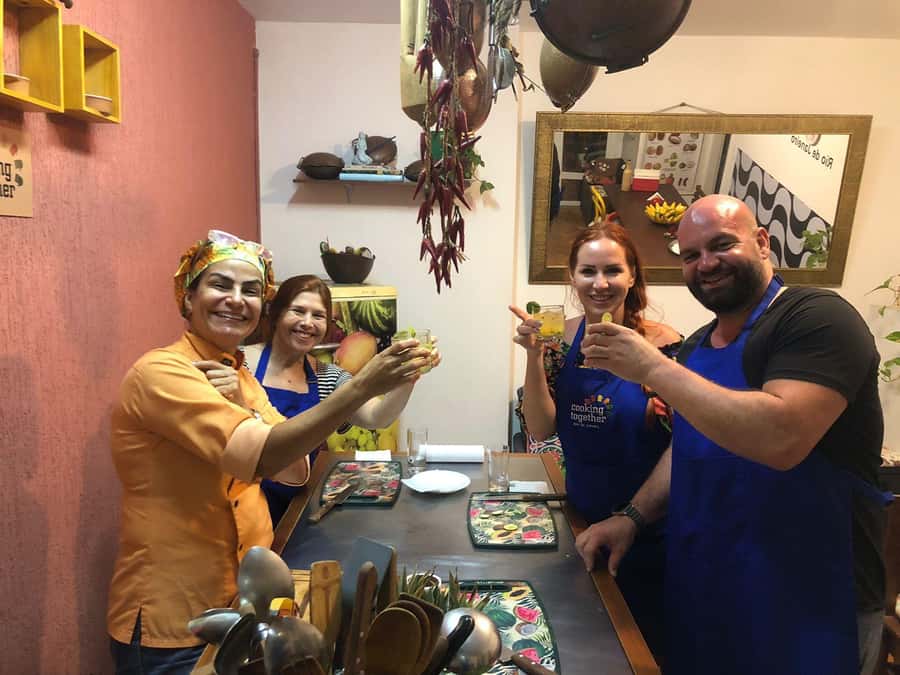
The drinks are part of the lesson, not just something placed on the table. You mix a classic caipirinha, Brazil’s best-known cocktail, and a refreshing coconut shake.
A caipirinha gives the chef another chance to discuss local ingredients and balance. You can pay attention to how the drink is built, then use the technique at home. The coconut shake offers a nonalcoholic counterpoint, making the drink portion more appealing if you do not drink spirits.
Additional drinks are not included. That wording means the listed class drinks are covered, but any extra beverages you order may cost more. If you want wine, beer, soft drinks, or another cocktail with the meal, budget for it separately.
For me, this is a strong part of the value. A standard cooking class might teach one or two recipes, while this one includes a main dish, small plates, dessert preparation, and drinks. You are paying for an activity and a meal, not simply for a restaurant table.
Same patch of Brazil, a completely different sort of day:
- Rio de Janeiro: 6-Stop Highlights of Rio with Lunch
★ 4.4 · 5,157 reviews - Christ the Redeemer Entry Ticket by Corcovado Train
★ 4.4 · 4,476 reviews - Rio’s City Tour – Tickets for Christ, Sugar Loaf & Lunch included
★ 5.0 · 4,389 reviews - Full Day: Christ Redeemer, Sugarloaf, City Tour & Barbecue Lunch
★ 4.5 · 3,142 reviews
The chef matters more than the recipe sheet
The quality of a cooking class depends heavily on the person leading it. The strongest feedback here focuses on the instructors’ patience, warmth, and ability to explain Brazilian food in a clear way.
Carina is praised as a fun teacher who helped a participant learn a great deal about Brazilian cuisine. That is useful if you cook often, but also reassuring if you do not. The class is presented as suitable for home cooks and beginners alike, with the chef guiding you through the process rather than expecting advanced skills.
Simone is also singled out for explaining the cultural meaning of the dishes before cooking began. That opening context can change how you think about the meal. Instead of chopping and stirring without a sense of place, you understand why feijoada or moqueca belongs in Brazil’s food story.
The teaching is described as thoughtful, engaging, and patient. Those qualities matter when you are working in an unfamiliar kitchen or handling a technique such as flambéing with cachaça. You can expect guidance, but you should still tell the chef about allergies, dietary restrictions, or foods you do not eat before the cooking starts.
You may bring your own set of knives if you prefer. That is an unusual option and could appeal to serious home cooks, though it is hardly necessary for most people on vacation.
How the afternoon unfolds
Pickup takes place in the afternoon from most hotels in Leblon, Ipanema, Copacabana, Leme, Botafogo, Flamengo, and Centro. Cruise-port pickup is also available. You need to provide your hotel location and confirm the pickup time, so do not assume the standard hotel front desk information will be enough.
The driver takes you to the kitchen in Copacabana. One participant specifically found the driver easy to spot and felt safely transported to the destination. That detail is helpful in a city where a clear meeting point can save time and confusion.
At the kitchen, you meet the chef, choose your main dish, and look over the ingredients. The chef then explains the preparation and the background of the food. Expect a practical session in which you help make the dishes, rather than sitting back for a chef demonstration.
After the cooking, you sit down to eat what you prepared. This shared meal is likely the most social point of the class. You can compare your work with the other participants, ask final questions, and enjoy the food while it is fresh.
The return transfer takes you back to your hotel. The full outing is listed as four hours, but traffic can extend the timing during high season. I would avoid scheduling a flight, cruise departure, or tightly timed evening show immediately afterward.
Is $117 per person good value?
At $117 per person, this is not a budget meal. The fee includes round-trip transfer, the cooking class, and ingredients for all dishes. You also get the main course, side dishes, the listed drinks, and the chance to eat the finished meal.
That package makes more sense if you are staying outside easy walking distance of a suitable cooking venue, or if you want a structured cultural activity with transportation included. A private session, when available, adds value for couples or small groups who want more time with the chef. A booking for two was described as a private hands-on class, but you should not assume every departure is private.
The price is less attractive if you are mainly looking for an inexpensive dinner. Rio has many ways to eat Brazilian food for less, and this class asks you to pay for instruction, preparation, transport, and the experience of making the meal yourself.
I would also clarify the dessert policy before paying. Brigadeiro is included in the cooking description, but dessert is listed among the exclusions. That may be a wording problem, but it is worth resolving in advance so your expectations match the final bill.
Who will enjoy this class most?
I would recommend it to you if you want a food experience with real participation. It suits curious home cooks, couples, families with an interest in food, and people who have already seen Rio’s main sights and want something different.
It is also a good choice if you are uncertain about Brazilian cuisine. The chef explains the dishes before you begin, and you can choose between a bean-and-pork stew and a seafood dish with coconut milk. You do not need to arrive as a skilled cook. The teaching style is designed to be patient and accessible.
This class may be less suitable if you need a strict schedule. Afternoon pickup, Rio traffic, and high-season congestion can push the timing beyond four hours. It may also be a poor fit if you have serious dietary restrictions that cannot be accommodated, since the menu centers on pork, seafood, cheese, alcohol, and dairy or chocolate-based dessert ingredients.
People with reduced mobility or wheelchair users should notify the operator in advance. An adapted vehicle costs an additional $100 or 500 BRL. Pickup from Barra da Tijuca or Recreio dos Bandeirantes costs an extra $10 or 40 BRL per person.
The activity is also a good match for cruise passengers because pickup at the cruise port is available. You still need to allow enough time for traffic and confirm the meeting arrangements carefully.
Booking, cancellation, and practical advice
You can cancel up to 24 hours ahead for a full refund, and the reserve-now-pay-later option lets you hold a place without paying immediately. Those terms help if your Rio schedule may change, though you should still check the starting time and confirm the pickup details.
The provider is Rio Carioca Tours & Service. Contact the operator with your hotel location and preferred language before the day of the class. This is especially important for hotels in large districts where a driver may need a precise entrance or meeting point.
Bring an appetite, comfortable clothing, and any knife you particularly like to use. You do not need to bring equipment, but the option to bring your own knives is available. Tell the chef ahead of time about allergies, reduced mobility, wheelchair use, and any foods you avoid.
Should you book the Copacabana cooking class?
Book it if you want to understand Brazilian food by making it, not just ordering it. The combination of feijoada or moqueca, side dishes, drinks, cultural explanations, and hotel transfers gives you a full afternoon with plenty to eat and learn.
I would especially choose it after you have already covered Rio’s famous sights. The class offers a different view of the city, and the private booking experience described by one couple suggests that the format can work very well for a special meal together.
Skip it if $117 feels too high for an activity centered on dinner, or if you need to be finished at a precise time. Before booking, confirm the dessert charge, pickup time, group format, and any dietary needs. With those points settled, this is a strong choice for an easy, social introduction to Brazilian cooking.
FAQ
Where does the cooking class take place?
The class takes place in a chef’s kitchen in Copacabana, Rio de Janeiro.
How long does the experience last?
The listed duration is four hours, including the cooking class, meal, and transfers. High-season traffic may make the outing take longer.
Is hotel pickup included?
Yes. Round-trip transfer is included from most hotels in Leblon, Ipanema, Copacabana, Leme, Botafogo, Flamengo, and Centro. Pickup from the cruise port is also available.
Can I be picked up in Barra da Tijuca or Recreio dos Bandeirantes?
Yes, but pickup from those areas costs an additional $10 or 40 BRL per person.
What main dishes can I choose from?
You can choose between feijoada, a black bean stew with pork, and seafood moqueca, a fish stew prepared with coconut milk.
What drinks will I prepare?
The class includes preparation of a traditional caipirinha and a coconut shake. Additional drinks are not included.
Is the cooking class available in English?
Yes. The instructors speak Portuguese, Spanish, and English.
Can I bring my own knives?
Yes. You may bring your own set of knives if you want to use them during the class.
What happens if I use a wheelchair or have reduced mobility?
You should notify the operator in advance. An adapted vehicle requires an additional fare of $100 or 500 BRL.
More Workshops in Rio De Janeiro
- Rio de Janeiro: Beginner Samba Lesson in Ipanema
★ 4.9 · 1,071 reviews - Rio de Janeiro: Samba Class in Copacabana
★ 4.6 · 262 reviews - samba class in Ipanema
★ 5.0 · 182 reviews - Samba Class and Samba Night Club Tour in Rio
★ 5.0 · 177 reviews
Newest reviews from around Rio De Janeiro
- PRIVATE TOUR – Christ the Redeemer and Sugar Loaf★ 4.5 · 9 reviews
- Christ Statue and Sugarloaf Private Tour with a Photographer★ 5.0 · 9 reviews
- Cidade do Samba Behind-the-Scenes Carnival Tour in Rio de Janeiro★ 4.0 · 5 reviews
- Christ the Redeemer Trail x Lage Park★ 5.0 · 7 reviews
- Christ the Redeemer and City Tour★ 5.0 · 20 reviews
- Christ the Redeemer, Selaron Steps and Santa Teresa Half-day Tour★ 4.5 · 15 reviews
- Christ the Redeemer Adventure★ 5.0 · 12 reviews
- Private Tour of Christ the Redeemer in Rio de Janeiro★ 5.0 · 2 reviews
Cooking Classes, compared.

Cooking class in Salvador, an authentic dinning experience
Read our review →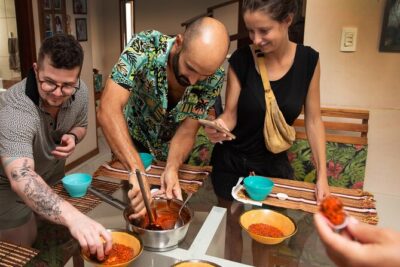
4h Cooking Class in Salvador with 9 Recipes & Bottomless Drinks
Read our review →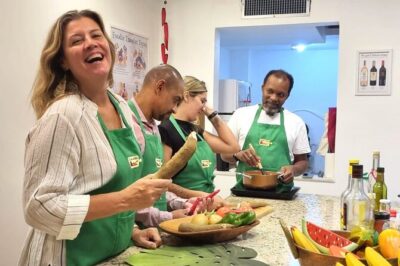
Family Cooking Class in Rio Make 9 Brazilian Dishes Together
Read our review →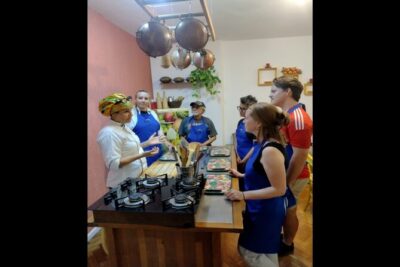
3-Hour Brazilian Cooking Class in Rio de Janeiro
Read our review →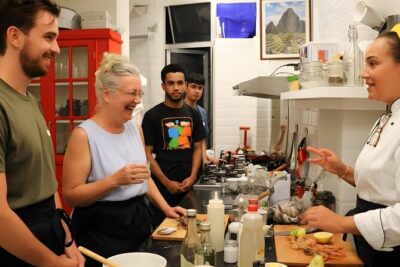
Hands-On Cooking Class in Rio: Iconic Street Foods & Caipirinhas
Read our review →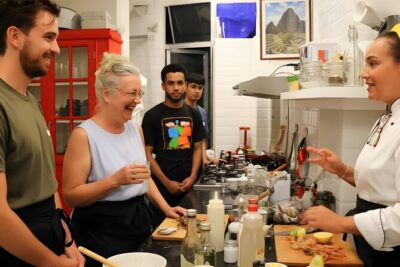
4h Cooking Class in Florianopolis: 8 Recipes & Bottomless Drinks
Read our review →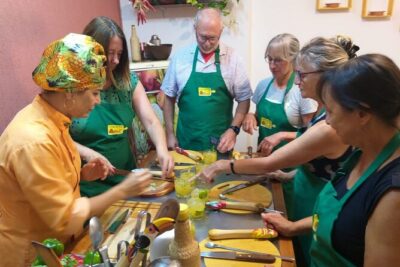
Brazilian Cooking Class in Copacabana with Hotel Pickup
Read our review →
Brazilian Breakfast Cooking Class in Rio: Bake and Blend
Read our review →Browse the lists this tour appears in