
Reviewed · HISTORICAL TOURS
Rio’s Downtown Walking Tour: Unveiling Rich History and Landmarks
Rio’s past is hiding in plain sight. This four-hour walk connects Afro-Brazilian landmarks, grand churches, royal buildings, and old cafés across the city center, giving you a useful first look beyond Copacabana and Ipanema. I like the wide range of stops, from Valongo Wharf and Kobra’s giant mural to the Royal Portuguese Reading Room. I also like the steady pace, with short walks, photo stops, restrooms, and coffee breaks built in.
The main consideration is price. At $92 per person, this is not a cheap stroll, especially since transportation from Copacabana and personal purchases are not listed as included. The small group limit of 10 and a professional bilingual guide help explain the cost, but you should confirm the transport plan and final drop-off point before booking.
In This Review
- Key things to know before you go
- Starting at the JW Marriott in Copacabana
- Valongo Wharf and the story Rio must face
- The harbor’s modern face at Museu do Amanhã
- Churches, public buildings, and the old city center
- Praça XV and Rio’s colonial center
- São Bento and the finest interior possibility
- The Royal Portuguese Reading Room
- Coffee at Colombo and Casa Cavé
- Finishing at Cinelândia Square
- Is $92 a fair price?
- Who will enjoy this downtown walk?
- Booking, weather, and cancellation details
- Should you book Rio’s Downtown Walking Tour?
- FAQ
- Where does the tour begin?
- How long does the experience last?
- What language is the tour offered in?
- How many people can join the tour?
- Does the tour enter the Museum of Tomorrow?
- Is São Bento Monastery visited inside?
- Where does the tour end?
Key things to know before you go
- Valongo Wharf gives the tour moral weight: This UNESCO site marks the former arrival port for enslaved Africans and is one of the most important stops in central Rio.
- The route covers an impressive range: You see colonial monuments, republican buildings, baroque churches, royal sites, modern art, and a futuristic museum in one morning.
- Most stops are viewed from outside: The tour focuses on streets, plazas, façades, and explanations rather than lengthy museum visits.
- Coffee is part of the experience: Confeitaria Colombo and Casa Cavé add a taste of Rio’s Portuguese and Belle Époque traditions.
- Guide Aldo received specific praise: One review calls Aldo a great guide who knows his history and recommends starting Rio with this tour.
- The end point needs clarification: The walking route is described as ending at Cinelândia Square, while the meeting information says the activity ends back at the starting point.
Starting at the JW Marriott in Copacabana
The morning begins at 9:30 am outside the JW Marriott Hotel on Avenida Atlântica in Copacabana. This is a simple meeting point, especially if you are staying nearby, but the downtown walk does not begin at the hotel.
Your guide will take the group toward central Rio by subway, taxi, or ride-sharing service. The choice depends on traffic and group preference. That flexibility can help on a busy morning, but it also means the first part of your schedule is not fully fixed. Ask whether the transport cost is covered, since the stated inclusions mention the guide, taxes, and handling charges, but not the ride itself.
The group is limited to 10 people. That is small enough for you to hear explanations and ask questions without fighting for the guide’s attention. The experience is described as a private tour with a professional bilingual guide, so confirm how the private arrangement applies if you are booking as a small party.
More History Tours in Rio de Janeiro
- Rio de Janeiro Historical Center Walking Tour
★ 4.5 · 336 reviews - Private Walking and Cultural Tour Rocinha-Rio de Janeiro
★ 5.0 · 239 reviews - Discover Rio Little Africa: A Cultural and Historical Journey
★ 5.0 · 238 reviews
Valongo Wharf and the story Rio must face
The first major stop is Valongo Wharf, also called Cais do Valongo. This UNESCO World Heritage Site was once an arrival port for enslaved Africans. The site is plain compared with Rio’s ornate churches and grand public buildings, but its importance is enormous.
I consider this one of the strongest reasons to take the walk. It places Afro-Brazilian history at the center of your visit instead of treating it as a footnote. Your guide’s explanation matters here, because the physical remains alone cannot tell the full story.
You spend about 10 minutes at the wharf. That is enough for an introduction and photographs, but not a long historical seminar. If you want extended time at the site, you may need to return independently.
Nearby, Eduardo Kobra’s Etnias mural brings the story into a modern public setting. The huge, colorful work honors Black figures and cultural heritage. Its scale makes it an easy photo stop, while its subject gives the route a clear link between the past and present.
The mural visit lasts about 15 minutes. You will not spend the morning in galleries or formal exhibitions. Instead, Rio’s streets provide the setting, with art and historical markers appearing along the way.
The harbor’s modern face at Museu do Amanhã
The Museum of Tomorrow is one of the most recognizable modern buildings in Rio. Designed by Santiago Calatrava, it focuses on science and sustainability and gives the harbor area a very different character from the colonial sites nearby.
On this tour, you explore the surroundings and take photographs from outside. That distinction is important. The itinerary does not include an interior museum visit, so you should not book this walk expecting time with the exhibits.
The outside view still earns its place. The building offers a strong contrast with Valongo Wharf and the older churches later in the morning. In a few blocks, you move from the history of forced migration to questions about the planet’s future.
The Navy Cultural Center is also seen externally. Located near the harbor, it preserves Brazil’s naval story through old vessels and maritime displays. Again, the value is in the guide’s explanation and the setting rather than an extended museum visit.
These harbor stops are relatively short, about 10 minutes each. That keeps the route moving, though anyone who enjoys museums may wish the schedule allowed more interior time.
Churches, public buildings, and the old city center
Candelária Church is one of the tour’s grandest façades. Its baroque design and colonial-era importance make it an essential stop in downtown Rio. You have about 10 minutes here, enough to admire the exterior and hear why the church matters.
The walk then reaches the Centro Cultural Banco do Brasil, known as CCBB Rio. This neoclassical building hosts changing exhibitions, cafés, and cultural programs. The group may take a break inside for coffee and restrooms, which is a practical touch during a four-hour walk.
I like this pause because it gives you a chance to reset without losing the thread of the tour. The schedule allows about 20 minutes, making it one of the longer stops.
The Church of São José brings a smaller scale. Built in 1608, this baroque church sits among modern office buildings. That contrast is one of the pleasures of downtown Rio. You can look from an old religious building to contemporary city life within seconds.
Next comes the Legislative Assembly of Rio de Janeiro. The early 20th-century building reflects republican-era architecture and gives the guide another chance to explain how the city changed after the monarchy. This is an exterior explanation, not a formal visit inside.
The route is flat, with short distances between attractions. That makes it easier than a hill walk, though you should still expect several hours on your feet. Stops for restrooms, photographs, and coffee help break up the walking.
More Walking Tours in Rio de Janeiro
- Rio de Janeiro: Rocinha Favela Walking Tour with Local Guide
★ 4.8 · 3,052 reviews - Rio De Janeiro: Half-Day Rocinha Favela Walking Tour
★ 4.7 · 2,272 reviews - 3 Hour Rocinha Favela Walking Tour with a Local Guide
★ 5.0 · 833 reviews - Favela Tour Rio de Janeiro – Vidigal Walking Tour by Russo Guide
★ 5.0 · 377 reviews
Praça XV and Rio’s colonial center
Praça XV brings together several layers of Rio’s past. The Pyramid Fountain, built in 1789 and designed by Mestre Valentim, is one of the few remaining colonial monuments in the area.
The fountain may not take long to see, but it helps you picture the old city before modern roads and office towers reshaped the center. You spend about 15 minutes in the area, which allows time for an explanation and photographs.
Arco do Teles is more atmospheric. Its cobbled passage, preserved architecture, and bars make it one of the most pleasant visual stops on the route. It is also a popular filming location, so your guide may help you notice details you would otherwise walk past.
The alley is compact, and the visit lasts about 10 minutes. This is a place to slow down for photographs rather than expect a major historical presentation.
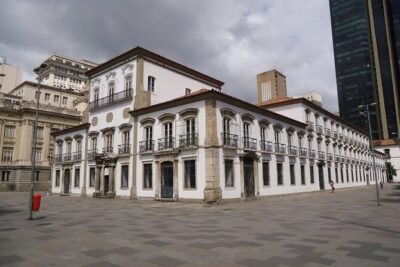
Paço Imperial is one of the main highlights. The former imperial palace served as a royal residence and political center during Brazil’s monarchy. Its importance is not just architectural. It helps explain the political role Rio played when Brazil was ruled as a monarchy.
The visit lasts about 15 minutes. The tour gives you the setting and context, but the provided details do not promise an interior visit. If entering the palace is a priority, ask the guide about the day’s schedule.
São Bento and the finest interior possibility

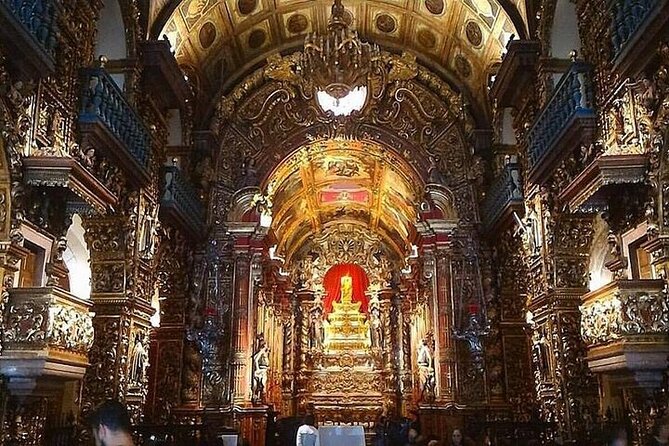
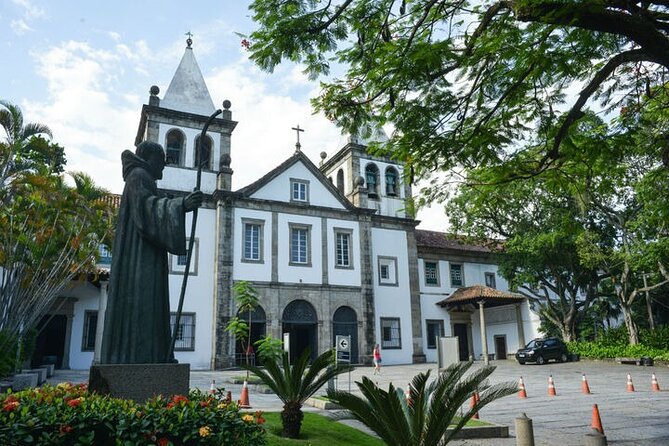
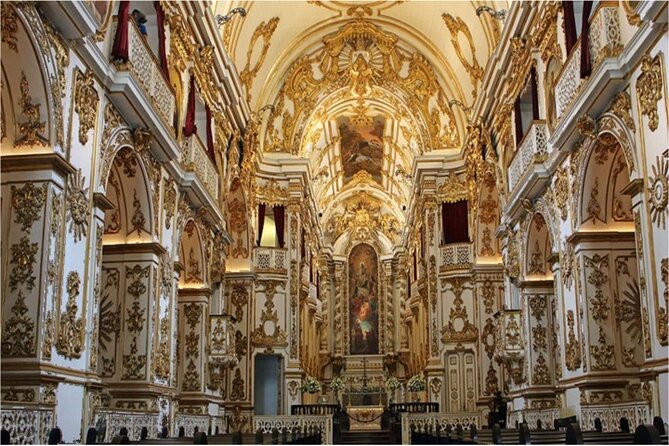
São Bento Monastery is one of the most impressive religious sites on the route. Its Brazilian baroque design and richly gilded interior make it a strong contrast to the simpler exterior of São José.
The possible interior visit depends on time and schedule. If conditions allow, you may hear Gregorian chants. This is not guaranteed, so treat it as a fortunate addition rather than a central promise of the tour.
That flexibility is useful, but it also shows the tradeoff of covering so many places in four hours. You receive a broad introduction rather than a long visit at every site. If you care most about church interiors, you may want to return to São Bento separately.
The Royal Portuguese Reading Room
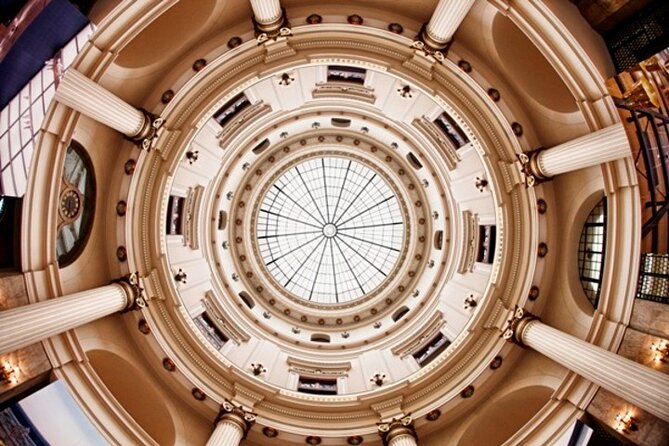
The Royal Portuguese Reading Room is perhaps the tour’s most surprising stop. Its Neo-Manueline architecture and collection of rare books make it one of the most beautiful libraries in the world.
You have about 25 minutes here, the longest stop on the walking route. That extra time matters. The interior rewards close attention, from the carved details to the tall shelves and formal reading-room design.
This is a strong stop for anyone who enjoys architecture, books, or quiet historic interiors. It also gives the morning a change of mood after the open plazas, streets, and monumental façades.
As with any active cultural site, the exact access on a particular day can depend on opening conditions and the guide’s schedule. Still, the reading room is clearly intended as a meaningful part of the experience, not just a passing photo stop.
Coffee at Colombo and Casa Cavé
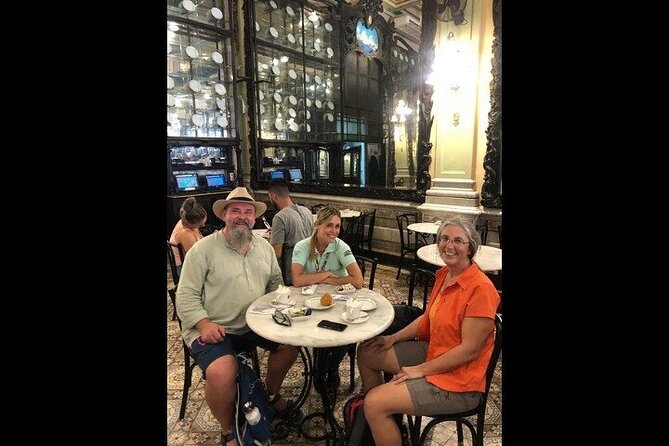
Confeitaria Colombo adds a social and culinary layer to the morning. Founded in 1894, this Belle Époque café is one of Rio’s traditional pastry shops. The stop lasts about 15 minutes and is meant for a coffee break.
You should expect a brief taste of the setting rather than a full meal. The café is part of the cultural story: Portuguese influence, old commercial Rio, and the polished style of the city’s earlier public life all meet here.
Casa Cavé offers a smaller and less visited alternative. It serves classic Portuguese sweets and has its own long history. Including both cafés is a thoughtful choice because they show two sides of Rio’s old pastry culture: one grand and famous, the other more compact.
Personal coffee, pastries, and other purchases are not listed as included. Bring a card or cash that works for your needs, and keep the break within the group’s timing.
Finishing at Cinelândia Square
The route is scheduled to finish at Cinelândia Square after about 15 minutes there. The square is surrounded by major landmarks, including the Theatro Municipal, National Library, and Fine Arts Museum.
This is a useful end point. Cinelândia is central, well connected, and suited to lunch or more sightseeing. You can continue exploring downtown instead of returning immediately to Copacabana.
There is one practical issue to clear up before you pay. The tour description says the walking route ends near Cinelândia, but the meeting information says the activity ends back at the meeting point, the JW Marriott. Those are not the same location. Ask Gregtur Turismo which end point applies on your date and whether the return ride is included.
Is $92 a fair price?
The $92 price is high for a four-hour walking experience when compared with a basic self-guided visit. You can see many of the exterior landmarks without paying admission, and several stops last only 10 or 15 minutes.
The value comes from the structure and the guide. You are not simply being taken to one church or one museum. The route links slavery, monarchy, republican government, religion, architecture, public art, science, and café culture in one morning.
A group cap of 10 also improves the experience. You can hear the guide more easily, ask for clarification, and stay connected in busy central streets. A professional bilingual guide is especially useful when the subject includes complex political and social history.
The price makes the most sense if you are new to Rio and want a clear orientation on your first full day. It is less compelling if you prefer to explore slowly, enter every building, or spend a long time at museums. Since transportation and food are not listed as included, add those costs when setting your budget.
Who will enjoy this downtown walk?
I would recommend the tour to you if you want a structured introduction to central Rio without planning every street and landmark yourself. It suits first-time visitors, history fans, architecture lovers, and anyone who wants to see more than the beach districts.
It also works well for mixed-age groups because the route is flat and the distances between stops are short. Most people can participate, according to the tour information, though a four-hour outing still calls for comfortable shoes and a willingness to walk.
You may want a different plan if your main goal is museum interiors. The Museum of Tomorrow and Navy Cultural Center are external visits, and the São Bento interior depends on time and schedule.
The guide can make or break this kind of experience. One specific review gives Aldo strong praise for his historical knowledge and calls this an excellent way to start Rio. If Aldo is assigned to your group, that is a promising sign, though guide assignment should be confirmed rather than assumed.
Booking, weather, and cancellation details
You receive confirmation when booking, and the tour is offered in English. It is near public transportation, begins at 9:30 am, and is often reserved about 14 days ahead, so waiting until the last minute may limit your options.
Free cancellation is available until 24 hours before the start time for a full refund. Changes or cancellations inside that 24-hour window are not accepted for a refund. The tour requires good weather, and if poor weather causes cancellation, you can choose another date or receive a full refund.
Should you book Rio’s Downtown Walking Tour?
Book it if you want one guided morning that connects Rio’s major eras and you value explanation more than long interior visits. Valongo Wharf, the Royal Portuguese Reading Room, Paço Imperial, and the two traditional cafés give the walk real variety.
I would skip it if $92 feels too high for mostly exterior sightseeing, or if you want to set your own pace inside museums and churches. Before booking, confirm two points: the cost of transport from Copacabana and the actual finishing location.
For a first visit, I think the tour offers a useful city-center orientation and a thoughtful route. Start with this walk, then return to the places that catch your interest, especially São Bento, Paço Imperial, the reading room, or the Museum of Tomorrow.
FAQ
Where does the tour begin?
The tour begins at 9:30 am at the entrance of the JW Marriott Hotel Rio de Janeiro, at Avenida Atlântica, 2600, Copacabana.
How long does the experience last?
The walking tour lasts approximately four hours.
What language is the tour offered in?
The tour is offered in English and includes a professional bilingual guide.
How many people can join the tour?
The activity has a maximum of 10 participants.
Does the tour enter the Museum of Tomorrow?
No. The schedule describes exploring the surroundings and taking photographs from outside.
Is São Bento Monastery visited inside?
An interior visit may be possible if time and scheduling allow. Gregorian chants may also be heard, but this is not guaranteed.
Where does the tour end?
The walking route is described as ending at Cinelândia Square. The meeting information also says the activity ends back at the JW Marriott, so you should confirm the final drop-off point with Gregtur Turismo before the tour.
Newest reviews from around Rio de Janeiro
- Hang gliding flight in Rio de Janeiro★ 5.0 · 6 reviews
- Rio de Janeiro: Zip Lining and Canopy Tree Tour★ 3.3 · 6 reviews
- Vidigal Favela Tour★ 4.4 · 26 reviews
- Rio de Janeiro: Attend a Vasco da Gama game with local guide★ 4.8 · 9 reviews
- Unforgettable Boat Party★ 5.0 · 3 reviews
- Parapente Rio de Janeiro★ 5.0 · 4 reviews
- Rio de Janeiro Private Tour with Cruise Terminal Pick-up★ 5.0 · 2 reviews
- Wild Waters: Rio Whitewater Rafting Adventure Tour★ 5.0 · 13 reviews
Historical Tours, compared.


Private Walking and Cultural Tour Rocinha-Rio de Janeiro
Read our review →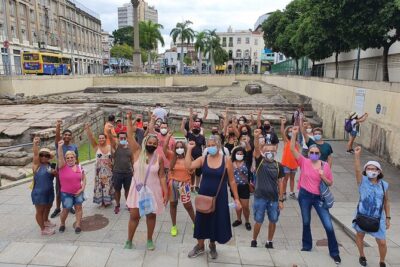
Discover Rio Little Africa: A Cultural and Historical Journey
Read our review →

Scenic Train ride to historical cities of Morretes and Antonina
Read our review →
Browse the lists this tour appears in