
Reviewed · 3-HOUR EXPERIENCES
3-Hour Tasting Session in Rio with 33 Foods Brazilians Love
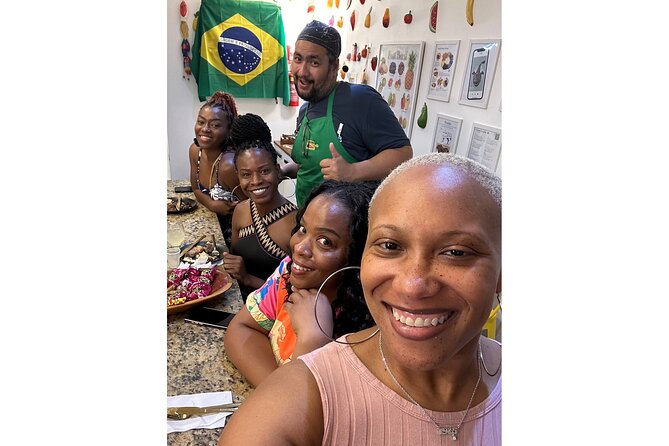
Come hungry, leave curious. This three-hour tasting in Ipanema gives you a fast, friendly introduction to Brazil through 33 foods and drinks, with explanations about where they come from and how locals enjoy them. I like the huge range, from fruit and cheeses to bar snacks, meats, sweets, juices, and caipirinhas. I also like the small-group format, capped at 10 people, which gives the food expert time to answer questions and guide you through unfamiliar flavors.
The main thing to understand is that this is not a traditional walking food tour. Much of the tasting takes place in a cooking studio or local kitchen, followed by short visits to places such as a juice bar, bakery, and Brazilian bar. That format offers more variety than you could easily find on your own, but people expecting three hours of restaurant hopping may find the studio portion less exciting.
The experience costs $85 per person and is run by Cook in Fiesta at Cook in Rio, R. Visc. de Pirajá, 281, in Ipanema. It has a 4.9 rating from 220 reviews, with 98 percent of participants recommending it. Those figures suggest a very strong experience overall, though portion sizes, pacing, and the particular guide can affect the evening.
In This Review
- Key things to know before booking
- Starting in Ipanema with 33 tastes ahead
- Why the studio tasting is useful
- Tropical fruit, fresh juices, and Brazilian drinks
- Savory snacks, meats, bakery bites, and sweets
- The optional supermarket visit
- Guides make the difference
- Timing, group size, and practical comfort
- Is $85 a fair price?
- Who should book this tasting?
- Should you book the Brazilian food tasting?
- FAQ
- Where does the tasting begin?
- Where does the experience end?
- How long does the tasting last?
- How many foods and drinks are included?
- What types of food are served?
- Are alcoholic drinks included?
- How many people can join the group?
- Can I cancel for a full refund?
Key things to know before booking
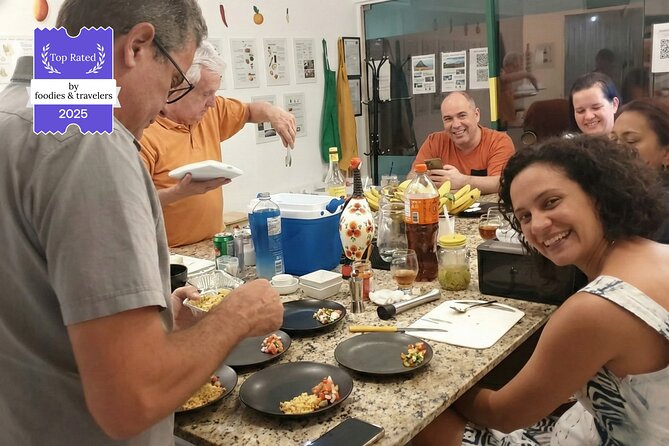
- You taste more than 33 Brazilian specialties: The lineup includes tropical fruit, cheeses, nuts, meats, savory snacks, sweets, bakery items, juices, liqueurs, and drinks.
- The first part happens in a cooking studio: This lets you try supermarket foods, unusual ingredients, and items that may not appear on a standard street food route.
- The second part moves into Ipanema: Expect a juice stop and a Brazilian bakery or botequim, a casual neighborhood bar serving snacks and drinks.
- The guide shapes the experience: Alex, Flavio, Erica, Carina, Luis, and other food hosts have received especially warm praise for their teaching and personality.
- Small portions are part of the plan: You get a wide sample rather than a few full meals. The total can still be filling, but this is a tasting session, not a steak dinner.
- A supermarket add-on adds useful context: The upgrade can help you understand Brazilian ingredients and choose edible souvenirs to take home.
Starting in Ipanema with 33 tastes ahead
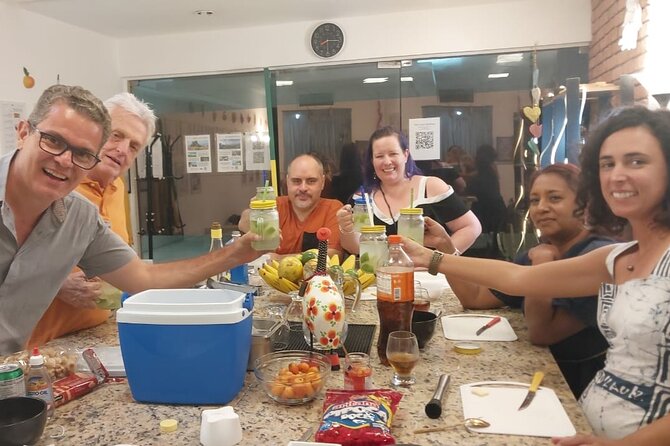
The meeting point is Cook in Rio, at R. Visc. de Pirajá, 281, sala or shop 213, in Ipanema. The location is near public transportation, and the activity returns there at the end.
You begin with a guide presenting Brazilian foods one by one. The strength of this opening is variety. Instead of asking you to commit to a large plate of one unfamiliar dish, the session lets you test many flavors in small amounts. That matters in Brazil, where a single meal may draw on Indigenous ingredients, Portuguese cooking, African traditions, regional produce, and modern snack culture.
You might try tropical fruits, nuts, cheeses, jams, vegetables, spices, starches, meats, candies, and packaged snacks. The exact order and selection can vary, but the goal is to show both everyday foods and ingredients that are harder to spot during a normal visit to Rio.
A good guide does more than name each item. Luis, for example, has been praised for explaining how foods are prepared and how they connect to Brazilian culture. Carina has explained when different foods are eaten, while Alex has helped people understand Brazilian ingredients and made caipirinhas during the class.
That teaching is the real value here. You are not simply collecting samples. You are learning what to look for later at a market, restaurant, bakery, or bar. A visitor who starts the session early in a Rio trip can use those tips for the rest of the stay.
More Food Tours in Rio de Janeiro
- Rio: Pub Crawl in Lapa with Cachaça Tasting and Live Samba
★ 4.7 · 881 reviews - Sunset Boat Tour with Beer, Water, Soda and Snacks included
★ 5.0 · 227 reviews - Rio Gastronomy: Culture & History Through The Art Of Food – Walking Group Tour
★ 5.0 · 164 reviews
Why the studio tasting is useful
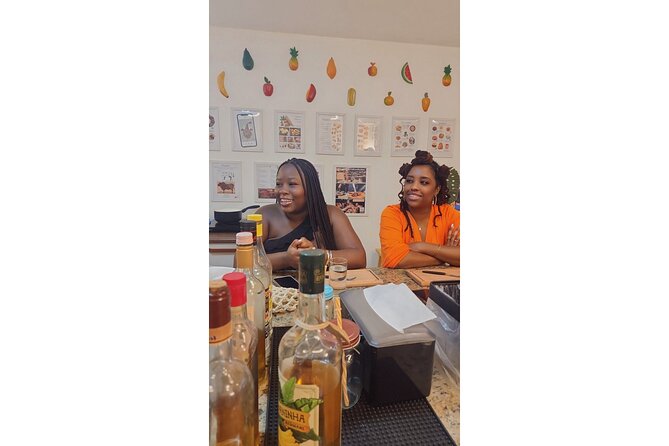
Some food tours move from one restaurant to the next. This one takes a different route. The studio allows the guide to assemble a broad selection in one place and explain each item without the noise and hurry of a busy restaurant.
I like this approach for first-time visitors who do not yet know Brazilian food vocabulary. You can see the ingredients, hear the Portuguese names, taste them, and ask questions before encountering them on a menu. One useful detail from the experience is pronunciation practice, with guides helping people say the names of foods correctly.
The studio setting also makes it easier to sample items you might not order alone. You can try something unfamiliar without buying a full serving. This is particularly helpful for picky eaters, families, and anyone who wants to test Brazilian flavors before choosing dinner later.
The tradeoff is atmosphere. If you want a food tour built around local streets, crowded markets, and a long string of independent restaurants, this will feel more like a guided tasting class. One portion of the session remains indoors, and that is central to the design rather than a backup plan.
Tropical fruit, fresh juices, and Brazilian drinks
Brazilian fruit is one of the most enjoyable parts of the session. The tasting can include familiar tropical fruit alongside less familiar varieties and fruit-based products. You may also try several fresh juice combinations, which give you a better sense of the country’s everyday drink culture than a single orange or pineapple juice would.
A later stop at a Brazilian juice bar adds a change of scene. Guides have used this part to sample different blends and explain how juice shops fit into daily life in Rio. It is a simple stop, but it helps connect the ingredients from the studio with the way people actually consume them.
The signature alcoholic drink is a caipirinha, Brazil’s famous cocktail made with cachaça, lime, sugar, and ice. The session includes a caipirinha, and several guides have received strong praise for their versions. The tasting may also include tropical fruit juices and other drinks from the planned roster.
Alcohol rules are clear: you must be at least 18 to consume alcohol. Beer, wine, spirits, or cocktails outside the included selection can be purchased separately. Pay attention when the group reaches the bar, since extra drinks ordered there are not automatically part of the $85 price.
Savory snacks, meats, bakery bites, and sweets
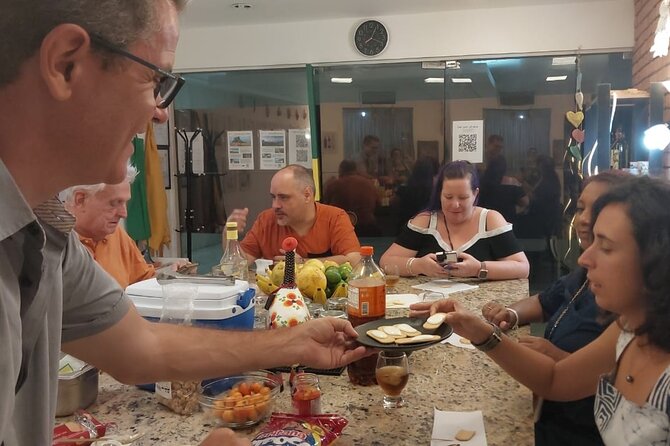
The middle of the tasting brings the food most people associate with Brazilian snack culture. Expect a mixture of fried snacks, bakery items, cheeses, starches, meats, and bar foods. The experience is designed to show how Brazilians eat between meals, at casual bars, and during social gatherings.
The meat portion is presented as tasting portions rather than a full churrascaria meal. You may sample Brazilian cuts, but do not book this expecting unlimited steak or a large entrée. The same applies to the sweets. You get a range of candies, homemade-style desserts, and regional specialties, followed by dessert and artisanal coffee to close the main session.
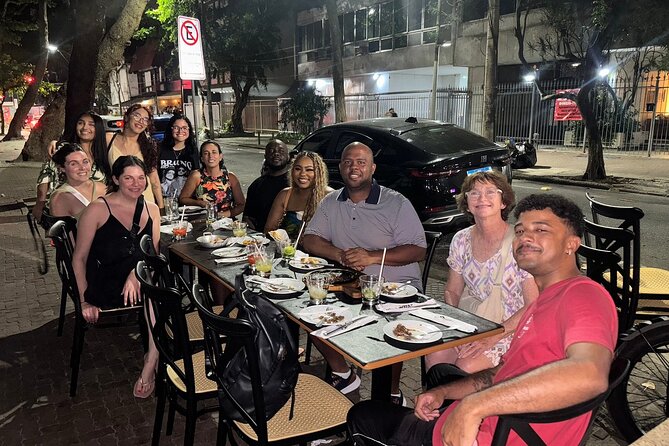
The food may continue at a local botequim, a Brazilian neighborhood bar. This is one of the best parts for people who want more than an indoor class. Guides have taken groups for additional snacks and drinks after leaving the studio, and the casual setting often creates time for conversation with other people in the group.
There is an important portion-size issue to keep in mind. With 33 or more items, each serving must be small. Some participants have finished comfortably full, while others have felt the portions were too modest for the price. If you have a large appetite, treat this as a food education session with plenty of samples, not a guaranteed replacement for dinner.
Same patch of Brazil, a completely different sort of day:
- Rio de Janeiro: 6-Stop Highlights of Rio with Lunch
★ 4.4 · 5,157 reviews - Christ the Redeemer Entry Ticket by Corcovado Train
★ 4.4 · 4,476 reviews - Rio’s City Tour – Tickets for Christ, Sugar Loaf & Lunch included
★ 5.0 · 4,389 reviews - Full Day: Christ Redeemer, Sugarloaf, City Tour & Barbecue Lunch
★ 4.5 · 3,142 reviews
The optional supermarket visit
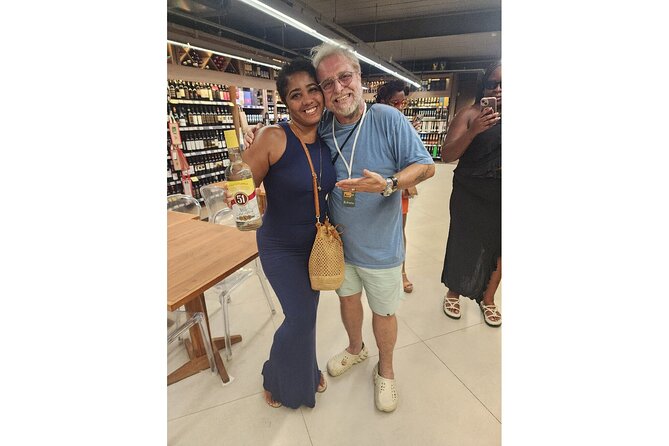
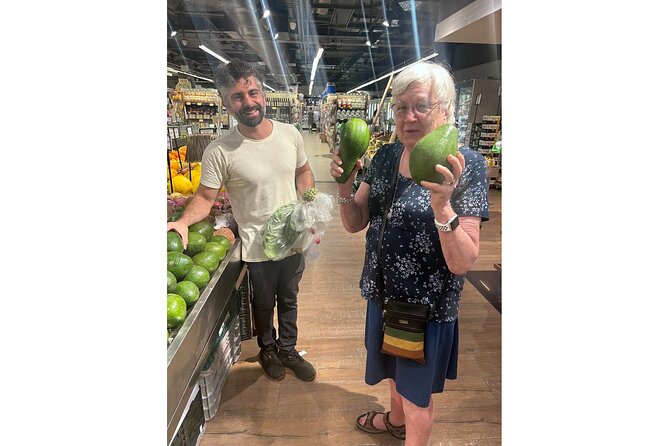
The supermarket upgrade is worth considering if you enjoy learning through ingredients. Flavio has been praised for showing people products in the store and then using those items during the tasting. That market-to-table connection makes the food easier to understand.
A supermarket also gives you practical shopping ideas. You can identify packaged snacks, sweets, seasonings, and other products that may make good gifts or edible souvenirs. This is especially helpful if you want to bring home something more distinctive than the usual tourist merchandise.
The upgrade is not essential for understanding the main tasting, but it adds local context. You see the foods as Brazilians buy them, not just as prepared samples in a class. If you are choosing between this session early in your trip and later in your trip, I would schedule it near the beginning, particularly if you plan to shop for Brazilian ingredients.
Guides make the difference
The experience is offered in English, Spanish, French, and Portuguese, but the included food expert is specifically described as bilingual in English and Spanish. Confirm the language you need when booking.
The strongest guide comments center on energy, warmth, and clear explanations. Erica has been praised for combining food instruction with stories about Brazilian history and ingredients. Victoria, her assistant, has also helped make the session feel organized and welcoming. Flavio is known for his enthusiasm, bar skills, and supermarket explanations.
Luis has received special praise for being patient, friendly, and a talented chef. Alex has been described as entertaining and helpful with Brazilian food culture and caipirinhas. Carina has been appreciated for explaining the occasions and regions connected with different foods.
Because several guides lead the sessions, the tone can vary. A lively host may make the three hours fly by, while a less polished session may feel rushed or less generous. One serious cleanliness complaint was answered by the operator with a refund and a statement that the guide involved was removed from this activity. That response is worth noting, but it also reminds you that food handling matters. If you have strict hygiene concerns, ask about the current guide and preparation procedures before attending.
Timing, group size, and practical comfort
The session lasts about three hours, with a maximum of 10 people. That is a useful size for a tasting class. You can hear the explanations, see the food being presented, and speak with the guide without the experience becoming a large lecture.
Some sessions have included about 90 minutes in the studio, followed by stops at a juice bar, bakery, and botequim. The exact timing can shift. A previous delay was linked to a credit card machine problem during a supermarket visit, so allow a little flexibility around the start and end of your evening.
The meeting point is near public transportation in Ipanema, and the activity finishes where it begins. Confirmation arrives at booking. Most people can participate, but the available information does not describe special accessibility arrangements, so contact the operator directly if you need specific assistance.
Wear comfortable shoes for the short walks between stops. More important, leave room in your schedule and appetite. The food comes in many rounds, and the final bar stop can add more snacks than you expect.
Is $85 a fair price?
At $85, this is not the cheapest way to eat in Rio. You could spend far less on individual snacks or a casual meal. The question is what you want your money to do.
The price makes more sense if you value guided explanation, variety, and the chance to sample foods you might otherwise miss. Buying 33 separate items would take time, and you would not necessarily learn how they fit into Brazilian culture. The small-group setting also gives you personal attention that a self-guided supermarket visit cannot provide.
The price feels less attractive if your main goal is to eat large portions or visit many restaurants. Some people have found the tasting too light for dinner, while others have left full and happy. The difference comes down partly to appetite and partly to expectations.
Before booking, read the wording carefully around included drinks and bar purchases. The signature caipirinha and tropical juices are included, but drinks outside the planned selection cost extra. The operator also offers a five-star guarantee and says you can receive your money back if the experience does not meet that standard. The stated cancellation policy allows a full refund when you cancel at least 24 hours before the start time.
Who should book this tasting?
I would choose this for a first visit to Rio, especially if you want food guidance before exploring restaurants and markets on your own. It suits curious eaters, couples, families with adventurous children, and anyone who likes learning the story behind a dish.
It can also work well for picky eaters. Small samples let you try without committing to a full serving, and one family group managed to get children with limited tastes to sample most of the offerings.
I would hesitate if you want a pure street food walk, a formal dinner, or a meat-heavy feast. I would also be careful about booking it as your only evening meal if you typically eat a lot. Bring an open palate, but keep a backup dinner plan if you know small portions leave you hungry.
Should you book the Brazilian food tasting?
Book it if you want a broad introduction to Brazil in one evening. The best features are the sheer range of samples, the friendly food hosts, the connection between ingredients and culture, and the later stops for juice, bakery items, and bar snacks.
Skip it if you mainly want a restaurant crawl or a generous dinner for your $85. For the best result, schedule it near the start of your Rio stay, consider the supermarket upgrade, confirm the language and guide, and arrive ready to taste rather than simply eat. Done with the right expectations, this is a practical way to learn what to order, buy, and look for during the rest of your time in Brazil.
FAQ
Where does the tasting begin?
It begins at Cook in Rio, at R. Visc. de Pirajá, 281, sala or shop 213, in Ipanema, Rio de Janeiro.
Where does the experience end?
The activity ends back at the meeting point in Ipanema.
How long does the tasting last?
The experience lasts approximately three hours.
How many foods and drinks are included?
The session includes 33 or more tasting portions of Brazilian foods and drinks.
What types of food are served?
The selection includes fruits, cheeses, meats, savory snacks, sweets, regional specialties, bakery items, juices, a caipirinha, dessert, and artisanal coffee.
Are alcoholic drinks included?
A signature caipirinha is included, along with drinks from the planned roster. Beer, wine, spirits, or cocktails outside that roster can be purchased separately. Alcohol consumption requires a minimum age of 18.
How many people can join the group?
The experience has a maximum of 10 participants.
Can I cancel for a full refund?
Yes. You can cancel at least 24 hours before the scheduled start time for a full refund. Cancellations or changes made less than 24 hours before the start are not refunded or accepted.
Newest reviews from around Rio de Janeiro
- PRIVATE TOUR – Christ the Redeemer and Sugar Loaf★ 4.5 · 9 reviews
- Christ Statue and Sugarloaf Private Tour with a Photographer★ 5.0 · 9 reviews
- Cidade do Samba Behind-the-Scenes Carnival Tour in Rio de Janeiro★ 4.0 · 5 reviews
- Christ the Redeemer Trail x Lage Park★ 5.0 · 7 reviews
- Christ the Redeemer and City Tour★ 5.0 · 20 reviews
- Private Tour of Christ the Redeemer in Rio de Janeiro★ 5.0 · 2 reviews
- Christ the Redeemer, Selaron Steps and Santa Teresa Half-day Tour★ 4.5 · 15 reviews
- Christ the Redeemer Adventure★ 5.0 · 12 reviews
3-Hour Experiences, compared.

3 Hour Rocinha Favela Walking Tour with a Local Guide
Read our review →
3H CITY TOUR (pick up / delivery within Sao Paulo city limits)
Read our review →
3-Hour Brazilian Cooking Class in Rio de Janeiro
Read our review →
3-hour Small Group Buzios Peninsula Open Air Trolley Tour
Read our review →
3-Hour Brazilian Drinks & Appetizers Hands-On Class in Rio
Read our review →
Browse the lists this tour appears in