
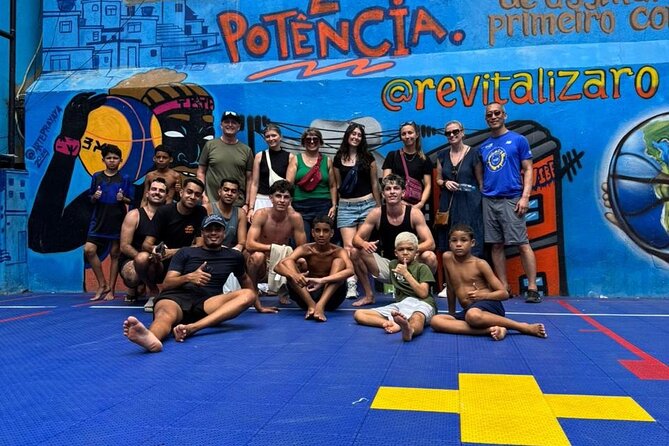
Reviewed · FAVELA TOURS
Rio de Janeiro 3-hour tour of the Rocinha Favela with local guide
Rio looks different from Rocinha. This 2 to 3-hour walking tour takes you into Brazil’s largest favela with local guides, a quick mototaxi ride, capoeira, community projects, markets, and several high viewpoints. I like the chance to hear personal stories from people connected to the community, and the views toward Christ the Redeemer, Sugarloaf Mountain, Ipanema, and downtown Rio are a major reward.
I also like that the tour does not treat Rocinha as a distant curiosity. You walk through ordinary streets, see local businesses, and learn about daily life. The main concern is organization: group sizes can reach 100 people, and some visitors have reported late starts, poor communication, or a guide leaving a large group without explanation.
- A mototaxi ride starts the uphill route, giving you a quick look at one of Rocinha’s everyday forms of transport.
- Capoeira adds a cultural focus, with local athletes explaining the movements, music, and Afro-Brazilian roots of the art.
- Three viewpoints provide the tour’s best scenery, including views of the sea, lagoon, major Rio landmarks, and the favela itself.
- Photo rules matter, and you may be asked to put away cameras or smart glasses in certain areas.
- Guide quality can vary, with particularly strong praise for Victor, Leonard, Brian, Antônio, Carlos, and Gabi, but also some complaints about communication.
- Bring your own water, wear shoes with good grip, and expect hills, stairs, uneven pavement, and a brisk pace.
In This Review
- Starting at São Conrado and Entering Rocinha
- The Mototaxi Climb Takes You Straight Uphill
- Local Stories, Social Projects, and Street Art
- Capoeira at Projeto Acorda Capoeira
- Laje Bella Vista and the Geography of Rocinha
- The Rocinha Market Shows the Everyday Side
- Laboriaux Delivers the Big Rio View
- Safety, Ethics, and the Right Mindset
- Is $43.35 Good Value for Two to Three Hours?
- What to Bring and How to Prepare
- Should You Book the Rocinha Tour?
- FAQ
- Where does the Rocinha tour begin?
- How long does the experience last?
- Is the mototaxi ride included?
- Can older people join the tour?
- Is the tour suitable for someone with temporary mobility problems?
- What happens in heavy rain or extreme weather?
Starting at São Conrado and Entering Rocinha

The tour begins at São Conrado metro station, Exit A, at Rua General Olímpio Mourão Filho, 320. This is a useful meeting point because it is near public transportation, and the same location is used at the end.
Arrive early, but do not assume the guide will be waiting well before the official start. One person arrived early after being warned about a short grace period, then had trouble locating the tour staff when the start time passed. I would keep the provider’s WhatsApp contact handy and allow extra time to find the group.
The first few minutes are important. A good guide sets the tone by explaining the route, local customs, photo restrictions, and how to stay together. With a large group, this briefing becomes even more important. The experience can feel personal in a small group, but it may feel crowded when the maximum capacity is approached.
Rocinha is a working community, not a museum. People are going to school, shopping, riding motorbikes, carrying goods, and handling ordinary parts of daily life. Your role is to remain observant and respectful. Avoid treating private homes, residents, or sensitive areas as photo subjects.
The Mototaxi Climb Takes You Straight Uphill
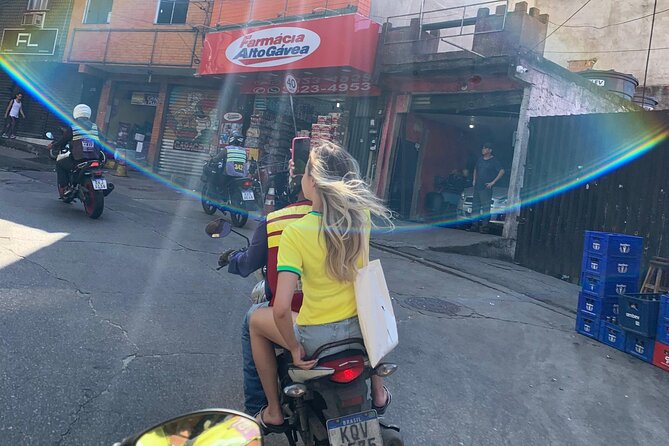
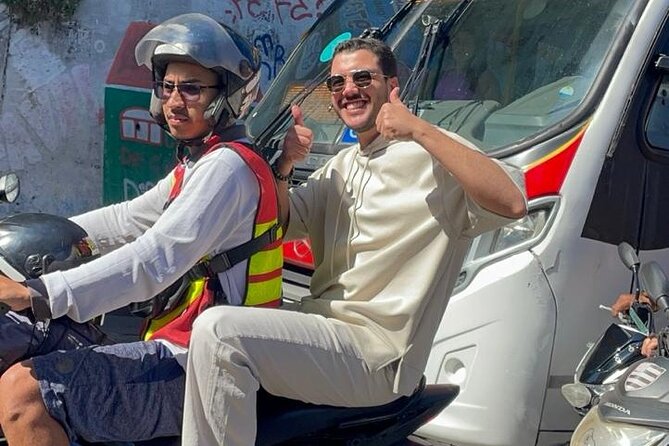
The route begins with about 12 minutes on a local mototaxi, riding up Rocinha’s winding streets toward the higher parts of the community. This is not a gentle scenic transfer. The road climbs sharply, with tight turns and narrow passages, and the ride can feel fast and exciting.
The mototaxi is valuable because it is part of local transportation rather than a vehicle brought in purely for sightseeing. It also saves you from walking the entire uphill route, which matters in a community built on steep slopes.
That said, anyone uneasy on motorcycles should think carefully before booking. The ride is described as safe and guided by experienced local drivers, but it is still a motorcycle journey through steep, twisting streets. Hold on, follow instructions, and tell the operator if you have concerns.
After reaching the upper area, most of the route continues on foot. This is where comfortable footwear matters. You will encounter alleys, stairs, uneven streets, and steep sections, mainly while walking downhill. A parent described the route as manageable for children, while another account noted that the descent left legs tired after about an hour.
Other favela walks led by people who live there:
- Rio de Janeiro: Rocinha Favela Walking Tour with Local Guide
★ 4.8 · 3,052 reviews - Rio De Janeiro: Half-Day Rocinha Favela Walking Tour
★ 4.7 · 2,272 reviews - 3 Hour Rocinha Favela Walking Tour with a Local Guide
★ 5.0 · 833 reviews
Local Stories, Social Projects, and Street Art
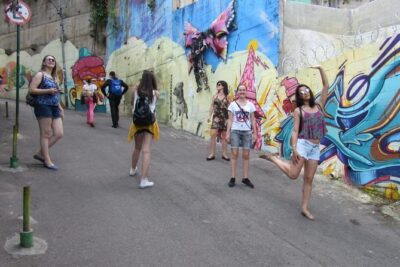
The heart of the experience is the walk through Rocinha. Local guides explain the community’s history and everyday routines while pointing out social projects, street art, small businesses, and places where residents gather.
The best guides make this more than a march through narrow streets. Victor was praised for sharing parts of his own life and explaining how his background shaped where he is today. Leonard was singled out for patiently answering many questions. Brian received strong praise for clear communication and for keeping the group attentive to safety.
You may also meet local residents and see the friendly side of community life. One family’s children played football with local children, which became a lasting part of their visit. Moments like this can make the experience feel less staged, though you should still remember that you are entering someone else’s neighborhood.
The quality of the explanation depends heavily on the guide. Some people found their guide dismissive or unable to answer questions. Others felt the guide did not manage the group well. If learning is your main reason for going, pay close attention to the guide assigned on the day and ask direct questions early.
Language is another practical concern. The tour can involve Portuguese, Spanish, French, and English, but English communication may not be consistent. A capoeira presentation, for example, may offer little English explanation beyond basic thanks and a request for tips. If you do not speak Portuguese, Spanish, or French, keep your expectations realistic and use simple questions.
Capoeira at Projeto Acorda Capoeira
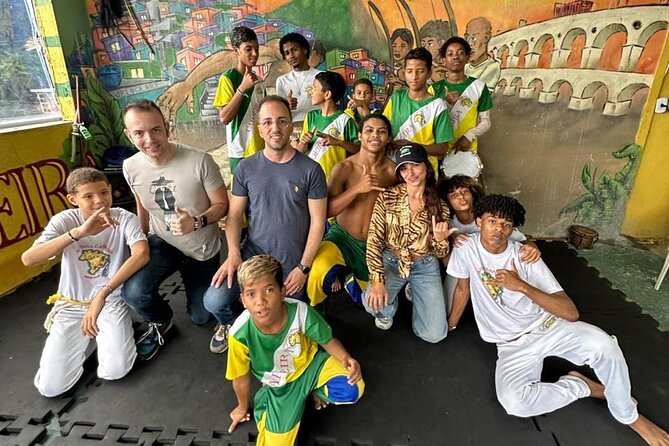
The stop at Projeto Acorda Capoeira lasts about 30 minutes. Local athletes present capoeira, an Afro-Brazilian cultural form that combines movement, rhythm, music, and physical skill.
This is one of the tour’s strongest cultural elements. You are not simply watching a dance performance. The presentation also explains the background, rhythms, and movements of capoeira. Several accounts praised the athletes’ speed, precision, and energy.
The show may invite audience participation, and a small contribution may be suggested. There is no stated obligation, but some people felt that repeated requests for participation and tips reduced the value of the experience. I would bring a small amount of cash if you want to support the performers, while remembering that a tip should remain your choice.
If you need an English-language explanation, ask before the performance begins. The information provided during the show may not be fully translated.
Laje Bella Vista and the Geography of Rocinha
At Laje Bella Vista, on Estrada da Gávea and Rua Um, you spend about 45 minutes at one of the community’s highest points. This is where the scale of Rocinha becomes easiest to understand.
From above, you can see how densely the buildings fill the slope and how the community relates to the surrounding hills, roads, lagoon, and coast. The viewpoint is useful for geography as well as photography. A guide can point out the way the community is arranged and explain why walking routes can be so steep and winding.
This stop is also a good place to pause. Rest spots are available along the walk, and the route is not a nonstop climb. Still, you should expect to stand and walk for much of the experience. If you have a temporary mobility problem, this tour is not suitable. Older people can participate, but walking ability and comfort with uneven ground matter more than age.
A few more Rio de Janeiro days to weigh up
- Rio de Janeiro: 6-Stop Highlights of Rio with Lunch
★ 4.4 · 5,157 reviews - Christ the Redeemer Entry Ticket by Corcovado Train
★ 4.4 · 4,476 reviews - Rio’s City Tour – Tickets for Christ, Sugar Loaf & Lunch included
★ 5.0 · 4,389 reviews - Full Day: Christ Redeemer, Sugarloaf, City Tour & Barbecue Lunch
★ 4.5 · 3,142 reviews
The Rocinha Market Shows the Everyday Side
The Camelódromo da Rocinha is a local market with stalls selling fruit, clothing, crafts, and other goods. The visit lasts about 15 minutes and offers a change from the viewpoints and narrow streets.
This is not a polished shopping stop built around foreign visitors. It is a chance to observe local trade and, if you wish, buy something from a community business. Keep purchases simple and avoid turning the market into a photo set. If you take pictures, ask first and follow the guide’s instructions.
The short time here means you will not have a long shopping session. Think of it as a brief look at daily commerce, not a dedicated market tour.
Laboriaux Delivers the Big Rio View
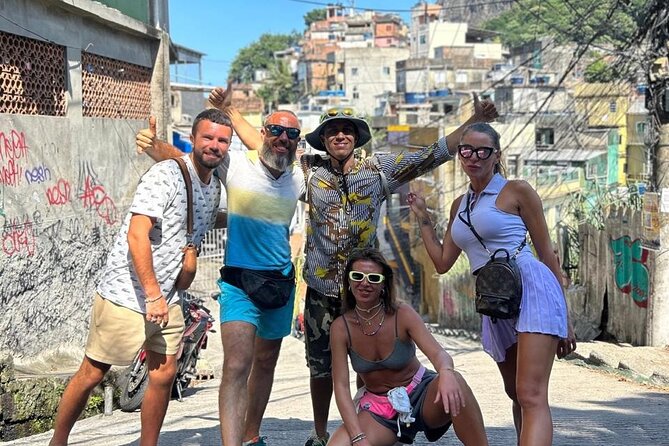
The final major viewpoint is Visual do Laboriaux Rocinha, where you may see Christ the Redeemer, Sugarloaf Mountain, the Ipanema shoreline, downtown Rio, and more of the city beyond the community.
This is the photo stop most people will remember. It also gives the tour a useful contrast: from inside Rocinha, Rio feels close, crowded, and intensely local; from above, the famous landmarks come back into view. The city’s postcard image and the realities of its hillside communities occupy the same frame.
You can expect time for photographs, stories, and a pause to take in the view. But photo rules remain in force throughout the tour. In some areas, the guide may tell you to put away your phone or camera, even when the street appears open. This can be frustrating, especially if you rely on prescription smart glasses, but the instruction should be followed immediately.
The reason given for these restrictions is safety in sensitive parts of the community. Do not argue, film secretly, or assume that an apparently ordinary street is suitable for photography.
Safety, Ethics, and the Right Mindset

The tour presents itself as a responsible way to meet Rocinha through local residents. That can be worthwhile, but the ethical question does not disappear simply because a local guide leads the walk.
I would book this only if you are interested in listening and learning, not in collecting dramatic images. The community is home to people, and the tour passes through spaces where residents may not want attention. Ask before photographing people, children, homes, businesses, or performances.
The guides are expected to choose strategic points and protect the group. Several people felt very safe, and guides such as Brian, Carlos, Antônio, Gabi, and Victor received strong praise for their care, explanations, or connection with the community. At the same time, one large group felt it blocked streets and got in residents’ way. Another group was reportedly left alone on a rooftop for about an hour.
That contrast tells you something important: safety is not only about crime. It is also about group control, clear instructions, and a guide who remains present. A small, attentive group is likely to feel more respectful and useful than a crowd of dozens.
Is $43.35 Good Value for Two to Three Hours?
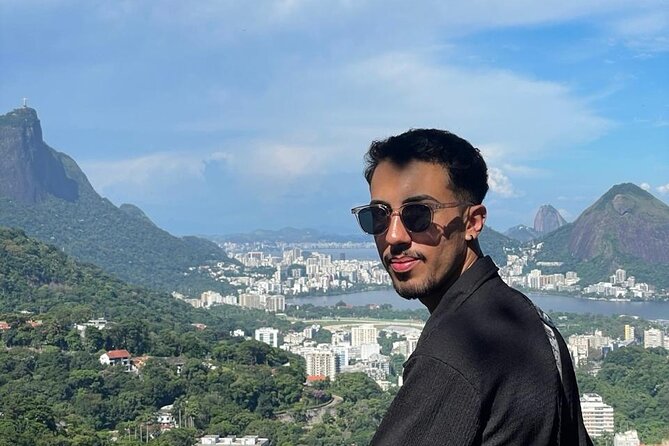
At $43.35 per person, the price is reasonable if your tour includes the full route, a reliable local guide, the mototaxi ride, capoeira, and the viewpoints. You are paying for local access and coordination, not just for a walking route.
The value drops if the tour starts late, loses time, provides weak explanations, or fails to deliver promised extras. One person did not receive photos afterward and could not get a response by WhatsApp. Water also appears inconsistent, so bring your own rather than relying on refreshments.
The tour is most worthwhile for people who want a structured introduction to Rocinha and are comfortable with basic conditions. It is less suitable if you expect a small private experience, polished English interpretation, a slow pace, or guaranteed one-to-one attention.
The experience usually sells about a week ahead, so booking seven days in advance is sensible during busy periods. Free cancellation is available until 24 hours before the start time. Changes or cancellations inside that window are not accepted for a refund.
What to Bring and How to Prepare
Wear closed shoes with good traction. The route includes steep streets, stairs, uneven pavement, and a mototaxi ride. Light clothing is sensible, but you should also prepare for sun and changing weather.
Bring water. Although some people received or saw water during the tour, it was not consistent for everyone. A small bottle is the safest plan.
Keep your phone and camera easy to put away. Your guide may impose strict no-photo rules in certain places, and those instructions are part of the safety plan. Avoid wearing expensive accessories that could distract from the experience or make you uncomfortable on the walk.
The tour can accept service animals, and the boarding and drop-off area is accessible. The route itself is not suitable for people with temporary mobility limitations. Heavy rain or extreme weather can cause the tour to be paused and resumed later for safety and comfort.
Should You Book the Rocinha Tour?
I would book it if you want a direct look at community life, enjoy walking, and can accept an experience that may be rough around the edges. The best parts are the local stories, the capoeira, the mototaxi ride, and the views that connect Rocinha to the rest of Rio.
I would be cautious if you need a tightly managed small group or depend on detailed English commentary. Before leaving the meeting point, confirm the guide’s name, the approximate route, photo rules, and what is included. If the group is very large, stay close and speak up if instructions are unclear.
The tour can challenge easy ideas about favelas, but it does so best when the guide is attentive and the group behaves with respect. Go to listen, keep your camera away when asked, bring water, and expect a real neighborhood rather than a tidy tourist attraction.
FAQ
Where does the Rocinha tour begin?
It begins at Metrô São Conrado, Exit A, at Rua General Olímpio Mourão Filho, 320, in São Conrado, Rio de Janeiro. The tour ends back at the same meeting point.
How long does the experience last?
The tour lasts approximately two to three hours, depending on the pace, stops, and conditions.
Is the mototaxi ride included?
Yes. The approximately 12-minute mototaxi ride through Rocinha is included in the experience.
Can older people join the tour?
Yes, older people can participate. The route includes steep streets, stairs, uneven surfaces, and walking, so each person should consider their mobility and comfort before booking.
Is the tour suitable for someone with temporary mobility problems?
No. The tour is not suitable for people with temporary mobility problems.
What happens in heavy rain or extreme weather?
In heavy rain or extreme weather, the tour may be paused and resumed to protect the safety and comfort of the people taking part.
Newest reviews from around Rio de Janeiro
- Hang gliding flight in Rio de Janeiro★ 5.0 · 6 reviews
- Rio de Janeiro: Zip Lining and Canopy Tree Tour★ 3.3 · 6 reviews
- Vidigal Favela Tour★ 4.4 · 26 reviews
- Rio de Janeiro: Attend a Vasco da Gama game with local guide★ 4.8 · 9 reviews
- Unforgettable Boat Party★ 5.0 · 3 reviews
- Parapente Rio de Janeiro★ 5.0 · 4 reviews
- Rio de Janeiro Private Tour with Cruise Terminal Pick-up★ 5.0 · 2 reviews
- Wild Waters: Rio Whitewater Rafting Adventure Tour★ 5.0 · 13 reviews
Favela Tours, compared.



3 Hour Rocinha Favela Walking Tour with a Local Guide
Read our review →

Favela Tour Rio de Janeiro – Vidigal Walking Tour by Russo Guide
Read our review →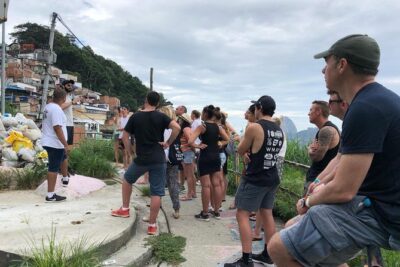
Browse the lists this tour appears in