
Reviewed · FAVELA TOURS
Rio de Janeiro: Favela Santa Marta Top Tour with Local Guide
Rio gets more personal in Santa Marta. This 150-minute to three-hour walk takes you through one of Rio’s best-known favelas with guides who were born and raised in the community. I like the direct connection, especially the visit to a guide’s home, and I like that the tour includes local music, football, and social projects, not just photo stops. The $28 price is also fair for a guided outing that puts money into the area.
My main consideration is comfort. Santa Marta has steep paths, stairs, narrow lanes, and uneven ground, so this is not suitable for wheelchair users or babies under one year. The tour can also run closer to three hours, and the pace may feel less predictable than a standard city excursion. That is part of its character, but you should arrive ready to walk, listen, and adjust.
In This Review
- Key Points Before You Book
- Why Santa Marta Works Better With a Local Guide
- Starting at Praça Corumbá and Taking the Tram
- The Viewpoint and Mirante Dona Marta
- Michael Jackson Square and the Santa Marta Film Connection
- A Guide’s Home Makes the Visit Personal
- Samba, Football, and Local Life
- Santa Horta and Community Improvement
- The Residents’ Association and Local Businesses
- What the $28 Price Really Buys
- Who Will Enjoy This Most
- Should You Book Favela Top Tour?
- FAQ
- Where does the Santa Marta tour start?
- How long does the tour last?
- Which languages are available?
- Is the tram ticket included?
- What should I bring?
- Is the tour suitable for wheelchair users or babies under one year?
Key Points Before You Book
- Guides from Santa Marta: Local guides such as Mario, Luis, Luiz, Marco, Marcos, Raycca, and Caro have been praised for their warmth, local ties, and willingness to answer difficult questions.
- Michael Jackson Square: See the statue and filming location connected with They Don’t Care About Us, plus a view across Rio’s South Zone.
- A real community visit: The route can include a guide’s home, the Residents’ Association, local shops, and conversations about everyday life.
- Samba and football: You may hear a roda de samba performed by residents and, depending on conditions, join a casual football game with local children.
- Community projects: Santa Horta shows how former rubbish sites have been changed into organic gardens that support food, income, and environmental education.
- Good value at $28: The price includes a local guide, tram ticket, Mirante Dona Marta, Michael Jackson’s statue, and visits to community projects.
Why Santa Marta Works Better With a Local Guide
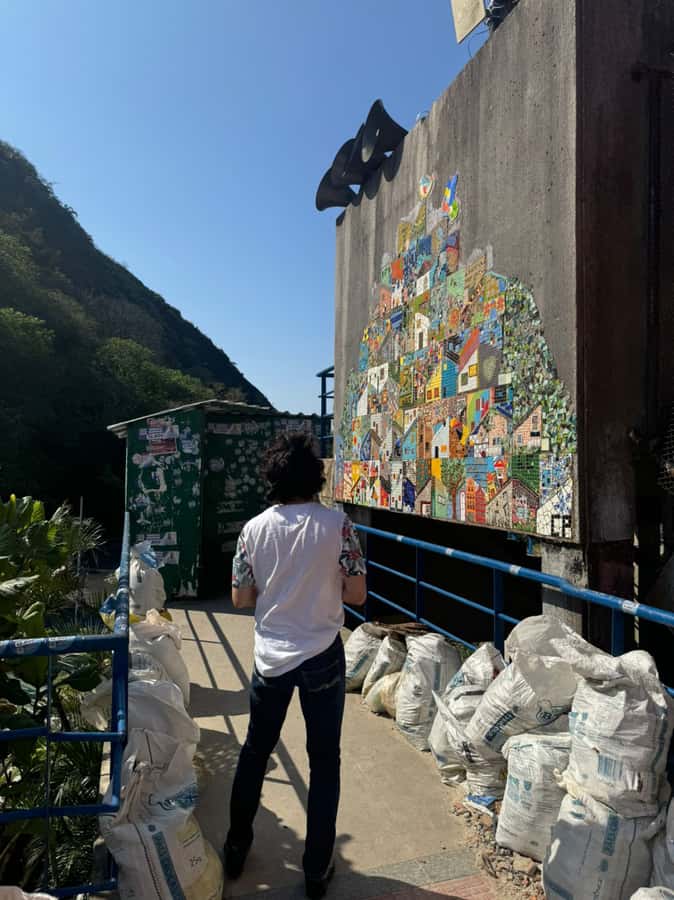
Santa Marta is not a museum with a marked route. Its lanes twist, signs are not always obvious, and standard map apps do not cover the area well. One visitor explained that a guide led the group through winding alleys, shops, and places that would have been easy to miss alone.
That is the practical reason to book with Favela Top Tour. The guide is not simply someone reading facts from a card. The company was created by Santa Marta residents, and the guides know the people, streets, projects, and daily rhythms of the community. Several guides are family members or long-time residents, and the difference is easy to understand: you are walking with someone who can greet people along the way and explain how a place fits into local life.
The most praised guides include Mario, Luis and Luiz, and Marco or Marcos. Names and assignments can change, but the pattern is clear. The strongest part of the tour is the guide’s personal connection. Mario, for example, has been described as someone who knows nearly everyone and welcomes visitors into his home. Luis has been praised for explaining both the good and difficult parts of favela life. Marco is known for sharing his own experience of growing up in Santa Marta.
That personal approach also helps with an important concern: safety. The tour is not a promise that every part of Rio is risk-free, but visitors consistently felt looked after and welcomed with their guide. I would not try to reproduce this route alone. You would miss the context, and you would not have the same local introductions.
Other favela walks led by people who live there:
- Rio de Janeiro: Rocinha Favela Walking Tour with Local Guide
★ 4.8 · 3,052 reviews - Rio De Janeiro: Half-Day Rocinha Favela Walking Tour
★ 4.7 · 2,272 reviews - 3 Hour Rocinha Favela Walking Tour with a Local Guide
★ 5.0 · 833 reviews
Starting at Praça Corumbá and Taking the Tram
The meeting point is the Tourist Information Stand at Praça Corumbá. Check the exact meeting instructions when you reserve, since the advertised activity does not include your transfer to the starting point. The included tram ticket covers the tram portion of the outing once you meet the guide.
The first transfer takes about 25 minutes. This is useful because it gives your guide time to explain where you are going and establish the tone of the visit before the walking begins. Do not treat the opening transfer as wasted time. In a place shaped by geography and community ties, the route into Santa Marta is part of understanding how the area connects with the rest of Rio.
Wear comfortable shoes. Bring water, sunscreen, a hat, and a camera if you want photographs. Smoking is not allowed. The walk includes slopes, stairs, and uneven surfaces, so flip-flops are a poor choice even in hot weather.
The Viewpoint and Mirante Dona Marta
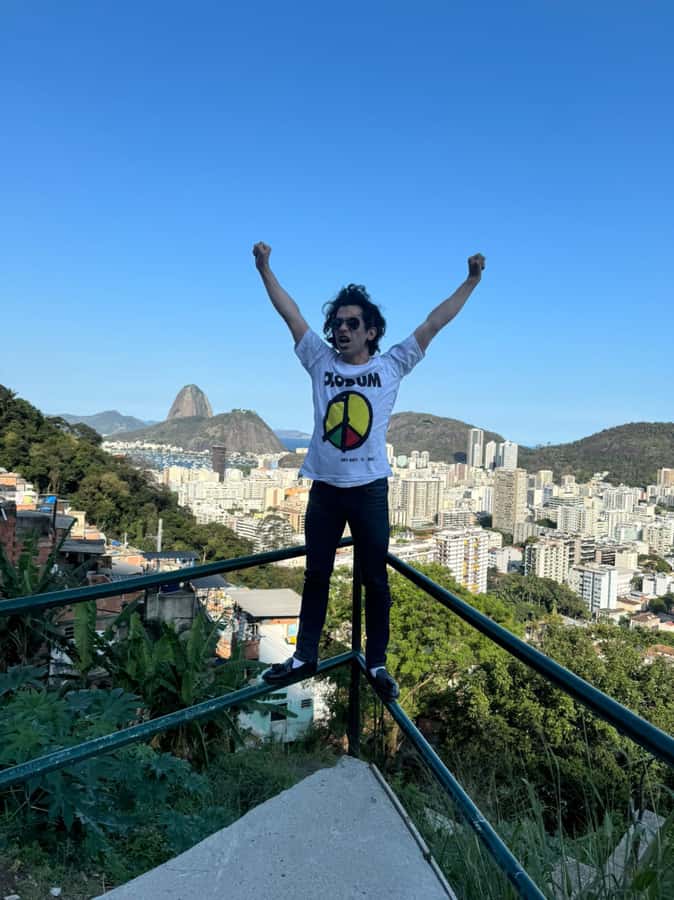
The first major stop is a viewpoint, with about ten minutes set aside for photographs. The tour also includes a visit to Mirante Dona Marta, one of the best-known lookout points associated with this part of Rio.
The value here is not only the view. From above, you can see how closely Rio’s famous South Zone and its hillside communities sit together. The city’s postcard image becomes more complete when you look beyond the beaches and affluent districts. Your guide can add the local context that a viewpoint sign cannot provide.
Keep your expectations practical. A ten-minute photo stop is short, and weather affects what you will see. One person took the tour during heavy rain and found that the weather revealed how water runs through channels in the community. That kind of day may not produce perfect photographs, but it can show you something real about the built environment.
Michael Jackson Square and the Santa Marta Film Connection
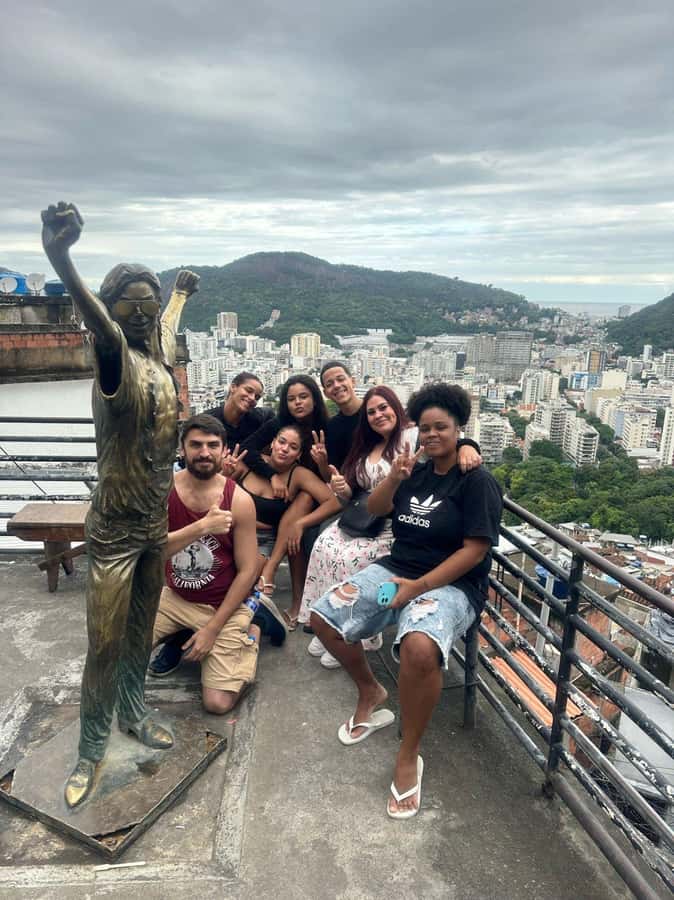
Michael Jackson Square is Santa Marta’s most recognizable stop. The singer filmed the They Don’t Care About Us music video here, and the statue marks that connection. The tour includes a guided visit and about 15 minutes on foot around the square.
This stop has two layers. First, it is a popular cultural landmark and a clear photo opportunity. Second, it shows how Santa Marta entered international popular culture without losing its identity as a lived-in neighborhood. Your guide can explain the location in relation to the community rather than presenting it as a single celebrity attraction.
The route also includes places linked with Fast & Furious 5. These film locations are fun if you enjoy cinema, but they are not the main reason I would book the tour. The stronger experience is hearing how residents view their neighborhood and seeing the ordinary streets between the famous spots.
A few more Rio De Janeiro days to weigh up
- Rio de Janeiro: 6-Stop Highlights of Rio with Lunch
★ 4.4 · 5,157 reviews - Christ the Redeemer Entry Ticket by Corcovado Train
★ 4.4 · 4,476 reviews - Rio’s City Tour – Tickets for Christ, Sugar Loaf & Lunch included
★ 5.0 · 4,389 reviews - Full Day: Christ Redeemer, Sugarloaf, City Tour & Barbecue Lunch
★ 4.5 · 3,142 reviews
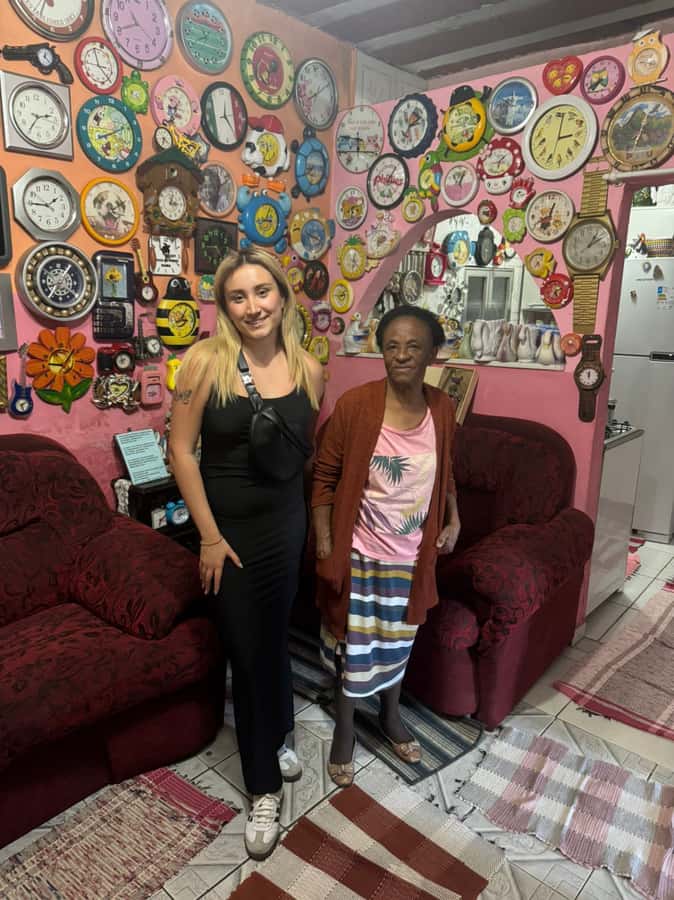
A Guide’s Home Makes the Visit Personal
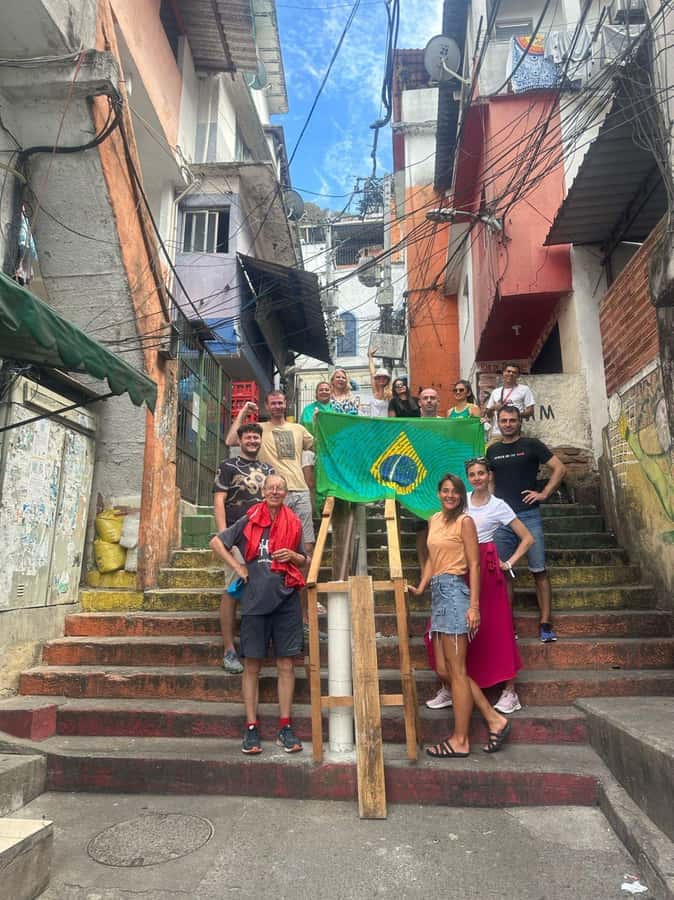
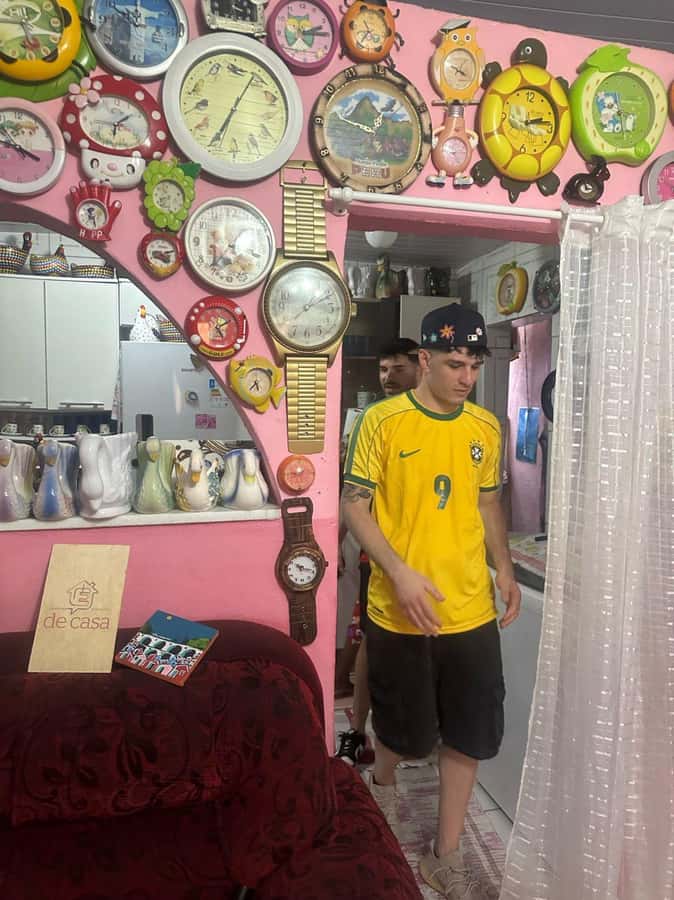
The visit to a guide’s home is one of the most distinctive parts of the experience. It is not a staged attraction with a polished display. You are being invited into a resident’s personal space, which can make the social gap between visitor and host feel smaller.
This stop needs respectful behavior. Ask before taking photographs, listen rather than compare, and remember that a home is not a public exhibit. The best use of the visit is to ask thoughtful questions about daily life, family, housing, work, and the changes the community has seen.
The home visit also gives the guide room to speak honestly. Several guides have been praised for answering critical questions, not only presenting the positive side of Santa Marta. That balance matters. You will hear about pride, creativity, and strong community ties, but also about rubbish, limited government support, and the work still needed in environmental education.
Samba, Football, and Local Life
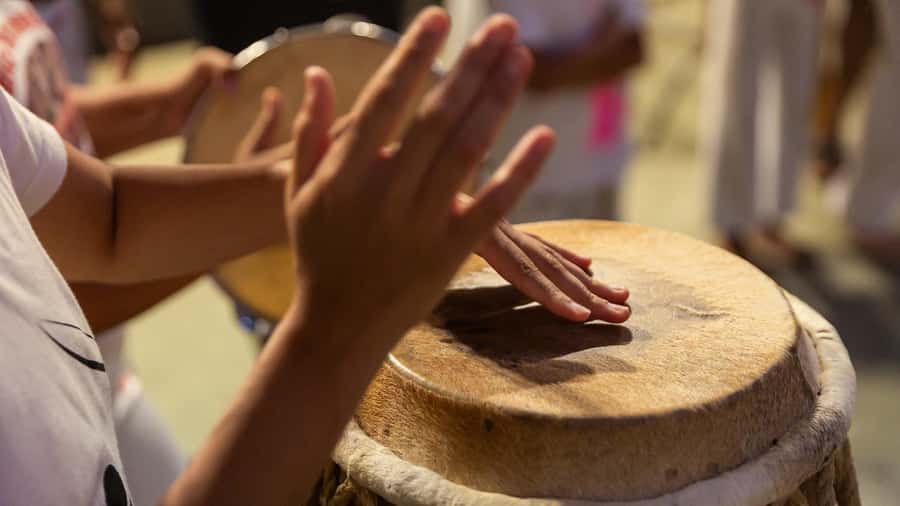
The tour’s cultural heart is the roda de samba. Local musicians perform the music in a setting connected to the community, rather than in a restaurant arranged for tourists. Samba here is not background decoration. It is a social practice, a way for people to gather, and a direct expression of Brazilian culture.
The exact flow can vary, but the experience also includes the chance to play football with children from Santa Marta. Families have found this especially memorable, and children who enjoy a casual game may get more from this than from another photo stop. You do not need to be a serious player. The point is the friendly contact.
I appreciate these parts because they keep the tour from becoming a parade of poverty. You are not only shown problems. You see music, humor, sport, small businesses, and people who take pride in where they live. At the same time, you should avoid treating residents as entertainment. Join in only when invited, keep your camera discreet, and follow the guide’s lead.
Santa Horta and Community Improvement

One visit focuses on Santa Horta, a project that turns former rubbish sites into organic gardens. The project creates healthier spaces, provides food, supports income, and offers environmental education.
This is an important stop because it gives you something concrete to understand. Community improvement is not an abstract promise here. You see a local response to rubbish and limited resources, built around residents’ work. The project also helps correct the idea that a favela can be understood only through crime or hardship.
The tour does not pretend that every problem has been solved. One account points out that rubbish collection and public education still have a long way to go. That honesty improves the visit. You get a picture of progress alongside unfinished work, rather than a neat promotional story.
The Residents’ Association and Local Businesses

The route includes the Residents’ Association, which helps show how Santa Marta organizes and represents itself. The visit can give you a better sense of the community as a place with local leadership, concerns, and projects, not simply a collection of houses on a hill.
There is also time for shopping in Santa Marta, listed at about ten minutes. Treat this as a chance to buy something locally rather than a required shopping stop. Small purchases can support residents and businesses directly, but you should never feel pressured to spend.
The route may include other short visits of about 15 to 30 minutes. Since the exact order can change, allow room for conversation. A guide might pause to explain a mural, introduce a resident, answer questions, or adjust the pace for weather and the group. This is a strength if you want a human visit, but a weakness if you expect a tightly timed sightseeing circuit.
What the $28 Price Really Buys
At $28 per person, this is one of the more affordable ways to learn about Santa Marta with a resident guide. The price includes the guided walk, tram ticket, Michael Jackson statue, Mirante Dona Marta, Residents’ Association, and local social projects. It does not include your transfer to Praça Corumbá or personal purchases.
The value is in access and interpretation. You could perhaps reach the area on your own, but you would not have the same introductions, home visit, local stories, or clear route through the lanes. The money also supports local guides, artists, small businesses, and community projects, which gives the fee a useful purpose beyond transportation.
Favela Top Tour is described as the only five-star local company in its category, and the 4.9 rating from 488 verified bookings supports its strong reputation. The praise is unusually consistent around a few points: guides are friendly, people feel safe, the information is personal, and the experience does not feel overly staged.
Still, the low price does not mean luxury. Expect a community walk, not a polished bus tour. The guide’s English may be broken at times, as one visitor noted about Marco, although guides are available in English, Portuguese, and Spanish. Ask questions clearly and be patient. Communication is part of the exchange.
Who Will Enjoy This Most
I would recommend this tour if you want to understand Rio beyond beaches, viewpoints, and famous monuments. It suits curious adults, families with older children, and anyone interested in music, social projects, urban life, and local voices.
It is especially useful if you feel unsure about taking a favela tour. A locally run company with resident guides gives you a better ethical basis than an outside operator simply passing through. The home visit and community projects also make the purpose clearer: the visit is meant to support local people and encourage direct contact.
You may prefer another activity if you want a quiet ride, a predictable schedule, or an easy-access route. This is an active walking experience with narrow paths, stairs, social contact, and topics that can be uncomfortable. Wheelchair users cannot take the tour, and babies under one year are not considered suitable.
Plan for 150 minutes at minimum, but keep up to three hours free. Good shoes, water, and sun protection will make a real difference. If rain is forecast, bring suitable protection and accept that the route may feel different from the sunny photographs.
Should You Book Favela Top Tour?
Book it if you want a local guide, honest conversation, and a closer look at Santa Marta’s culture and community work. The strongest reasons are the guide’s personal ties, the home visit, the samba, and the chance to see projects such as Santa Horta in context.
Skip it if you want only a quick Michael Jackson photo or a conventional sightseeing stop. You can enjoy the famous locations here, but the real value comes from giving the tour time and attention. At $28, it offers strong value for an experience that connects you with residents and directs money into the community. Just arrive prepared to walk, listen, and show respect.
FAQ
Where does the Santa Marta tour start?
The meeting point is the Tourist Information Stand at Praça Corumbá. Your transfer to the meeting point is not included.
How long does the tour last?
The advertised duration is between 150 minutes and three hours. The exact duration and starting time depend on availability.
Which languages are available?
The tour is offered with a live guide in English, Portuguese, or Spanish.
Is the tram ticket included?
Yes. The tram ticket is included in the tour price.
What should I bring?
Bring comfortable shoes, a hat, a camera, sunscreen, and water. Smoking is not allowed during the activity.
Is the tour suitable for wheelchair users or babies under one year?
No. The activity is not suitable for wheelchair users or babies under one year.
Newest reviews from around Rio De Janeiro
- Cidade do Samba Behind-the-Scenes Carnival Tour in Rio de Janeiro★ 4.0 · 5 reviews
- PRIVATE TOUR – Christ the Redeemer and Sugar Loaf★ 4.5 · 9 reviews
- Christ Statue and Sugarloaf Private Tour with a Photographer★ 5.0 · 9 reviews
- Christ the Redeemer Trail x Lage Park★ 5.0 · 7 reviews
- Christ the Redeemer and City Tour★ 5.0 · 20 reviews
- Christ the Redeemer, Selaron Steps and Santa Teresa Half-day Tour★ 4.5 · 15 reviews
- Christ the Redeemer Adventure★ 5.0 · 12 reviews
- Private Tour of Christ the Redeemer in Rio de Janeiro★ 5.0 · 2 reviews
Favela Tours, compared.



3 Hour Rocinha Favela Walking Tour with a Local Guide
Read our review →

Favela Tour Rio de Janeiro – Vidigal Walking Tour by Russo Guide
Read our review →
Private Walking and Cultural Tour Rocinha-Rio de Janeiro
Read our review →Browse the lists this tour appears in