
Reviewed · FAVELA TOURS
The real life behind the word favela
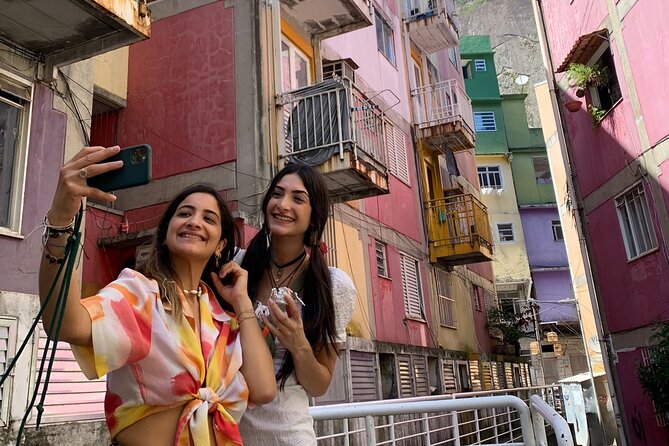
Look beyond Rio’s postcards. This three-hour visit to Rocinha offers a local-led look at life inside Latin America’s largest favela, with narrow lanes, community landmarks, a viewpoint, and stories about the neighborhood’s origins. I like that the tour aims to show Rocinha as a living community rather than a frightening headline. I also like the chance to meet the place through a guide with nine years of local experience.
The personal guide and included private transportation make the outing easy to manage, especially when you meet at Metrô São Conrado. The main consideration is that this is not a polished sightseeing ride. You should expect walking, uneven routes, and a moderate level of fitness. One serious complaint also concerned a guide who did not arrive, while another visitor felt uncomfortable with an unexpected terrace fee and pressure around tips.
In This Review
- Key points to know before you go
- Meeting Rocinha at Metrô São Conrado
- Why Rocinha is more than a photo stop
- The route through narrow lanes and local life
- Capoeira, schools, and the cathedral
- The viewpoint and the best sense of place
- What the guide can add to the experience
- Is $49.05 a fair price?
- Safety, respect, and the limits of the promise
- Who will enjoy this three-hour visit?
- Booking, cancellations, and practical planning
- Should you book the Favela Lives Tour?
- FAQ
- Where does the tour begin?
- Where does the tour end?
- How long does the experience last?
- Is transportation included?
- Is food included?
- What happens if I need to cancel?
Key points to know before you go

- Rocinha is treated as a city within Rio: The tour focuses on daily life, local culture, and the neighborhood’s own identity.
- Motor taxi transportation may be part of the route: Several accounts describe riding through the favela by motor taxi, then stopping at local sites and viewpoints.
- Capoeira, schools, and a cathedral may feature: These stops help connect the neighborhood to its social and cultural life.
- Carlos receives especially warm praise: He is described as clear, patient, caring, and able to explain Rocinha in detail. Carolina and Gilvan also receive strong personal praise.
- The group can include up to 20 people: That is manageable, though less intimate than a very small private walk.
- The tour costs $49.05 per person: With transport and a guide included, the price is reasonable if you want context and local access, not just a quick photo stop.
Meeting Rocinha at Metrô São Conrado
The tour begins at Metrô São Conrado, at the Estrada da Gávea exit in São Conrado. This is useful for you because the meeting point is tied to public transportation rather than being hidden at an unfamiliar hotel or side street.
The experience ends back at the same meeting point. Plan your day around the full three hours, not just the advertised sightseeing time. The activity is short enough to fit beside other Rio plans, but it is not a quick add-on if you need to cross the city immediately afterward.
Private transportation is included, and several descriptions of the outing mention a motor taxi. That detail matters. It can help the group move through Rocinha’s tight routes, but it also means you should be comfortable with this style of transport. The available information does not spell out every transport arrangement in advance, so it is sensible to confirm the exact plan when booking.
Other favela walks led by people who live there:
- Rio de Janeiro: Rocinha Favela Walking Tour with Local Guide
★ 4.8 · 3,052 reviews - Rio De Janeiro: Half-Day Rocinha Favela Walking Tour
★ 4.7 · 2,272 reviews - 3 Hour Rocinha Favela Walking Tour with a Local Guide
★ 5.0 · 833 reviews
Why Rocinha is more than a photo stop

Rocinha is described as the largest favela in Latin America, and the tour presents it as a city within the city. That framing is important. You are not simply being taken to a viewpoint above Rio for a quick look at colorful buildings. The stated purpose is to understand the social and cultural life inside the community.
The best part of a visit like this is the change in scale. From outside, a favela can be reduced to a word associated with danger or poverty. Inside, you begin to see streets, gathering places, schools, religious sites, recreation, work, and ordinary routines. The tour is designed to challenge the assumptions that many visitors bring with them.
That does not mean the neighborhood becomes a stage set for tourists. You should approach with care. This is where a local guide matters most. A guide can explain what you are seeing, answer questions, and help you behave respectfully in a place that is also somebody’s home.
The tour provider was created by a local guide with nine years of experience. That background gives the outing a stronger local basis than a generic bus tour. Still, the quality of your day will depend heavily on the guide assigned to your group. Carlos is praised repeatedly for his clear explanations, warmth, and care. Carolina is described as exceptionally helpful, fluent in English, and willing to spend extra time answering questions. Gilvan is praised for being friendly and helpful.
The route through narrow lanes and local life
The route can include narrow ways inside Rocinha, which is one reason the motor taxi is useful. This is not a broad avenue sightseeing tour. The smaller routes give you a closer sense of how the community is built and how people move through it.
Expect the guide to explain the neighborhood as you go rather than deliver one long lecture at a single stop. That approach works well here. The physical setting is part of the lesson, and a short explanation makes more sense when you are standing beside the place being discussed.
A good guide can also help you understand the difference between seeing a neighborhood and understanding it. You might notice a busy passage, a local shop, a school, or a religious building. The guide’s comments give those ordinary details meaning without turning them into museum objects.
You should keep your pace comfortable and stay with the group. The operator asks for a moderate fitness level, and the route may involve walking through confined or uneven areas. Wear practical shoes and avoid carrying anything you do not need.
Capoeira, schools, and the cathedral
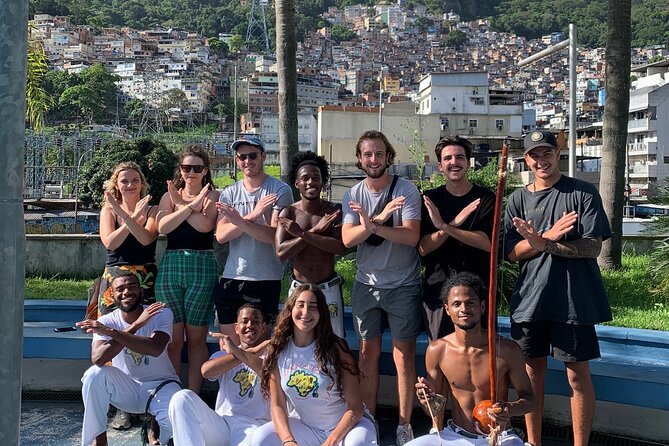
One of the most appealing features described from the tour is its range of stops. Capoeira offers a glimpse of a Brazilian art that blends movement, music, and cultural tradition. It is more memorable than simply hearing a guide list facts about Rio’s neighborhoods.
Local schools provide another useful point of reference. They bring the conversation back to daily life and the institutions that serve people in the community. You are not only looking at buildings. You are getting a sense of the places that shape family and neighborhood routines.
The route may also include a cathedral identified as connected to the origin of Rocinha. That is a particularly interesting stop because it links the modern community to its beginnings. It gives the tour a sense of time and place without requiring a separate history lecture.
The exact sequence can vary, and the supplied details do not promise that every listed feature will appear on every departure. Think of these places as examples of the kind of local stops the outing includes. If capoeira or the cathedral is especially important to you, ask the provider to confirm the day’s route.
A few more Rio de Janeiro days to weigh up
- Rio de Janeiro: 6-Stop Highlights of Rio with Lunch
★ 4.4 · 5,157 reviews - Christ the Redeemer Entry Ticket by Corcovado Train
★ 4.4 · 4,476 reviews - Rio’s City Tour – Tickets for Christ, Sugar Loaf & Lunch included
★ 5.0 · 4,389 reviews - Full Day: Christ Redeemer, Sugarloaf, City Tour & Barbecue Lunch
★ 4.5 · 3,142 reviews
The viewpoint and the best sense of place
A viewpoint is included, and it should give you the broadest look at Rocinha and its setting in Rio. This is likely to be the moment when the neighborhood’s scale becomes easiest to understand.
A viewpoint can also tempt people into treating the favela as scenery. The stronger version of this tour uses the view as a starting point, then brings you back to the people, streets, and stories below. That balance is what you should look for.
The viewpoint is included in the ticket, but a separate review describes a guide requesting five Brazilian reais per person after the group stayed on a terrace. That fee was not expected by the person who raised the complaint. The amount is small, but the issue is transparency. Ask your guide before entering any terrace or optional stop if an extra charge applies.
What the guide can add to the experience
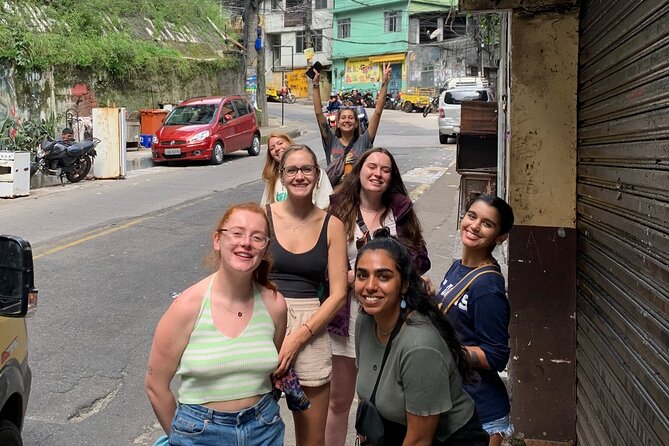
This tour rises or falls on the guide. The most praised guides do more than point out places. They explain local life in a way that is easy to follow, answer a steady stream of questions, and help you feel comfortable without pretending that every issue is simple.
Carlos receives the strongest repeated praise. He is described as very clear, detailed, kind, and careful about safety. One account says he helped visitors question their assumptions about the favela. Another praises his ability to speak Spanish well. If you are offered a choice of guide, Carlos would be a name worth requesting, though an assignment cannot be guaranteed from the information available.
Carolina is praised for excellent English, patience, and a generous approach to questions. One couple also described extra help after the main tour. Gilvan is praised for his friendly manner and assistance.
Language ability can make a major difference. The tour appears to have served English, Spanish, French, and Japanese speakers through different guides or translated feedback. You should confirm your preferred language at booking if that affects your decision.
Is $49.05 a fair price?
At $49.05 per person, this is not the cheapest way to see Rio. You are paying for roughly three hours, private transportation, a viewpoint, and a personal guide. Food and souvenirs are not included.
For value, the key question is what you want from the outing. If you want a simple photo from above, you can find less expensive ways to view Rio. If you want a guided explanation of Rocinha, transport through its narrow routes, and contact with local cultural places, the price is fair.
The maximum group size is 20 people. That keeps the cost below a truly private custom tour, but it may limit individual conversation on a full departure. The experience is described as a local, social, and cultural tour, so the value comes from interpretation and access rather than from a long list of monuments.
Food is not included, which is no surprise for a three-hour walk. Do not book this expecting a meal or a formal cultural performance. The focus is the neighborhood itself.
Safety, respect, and the limits of the promise
Many accounts describe feeling safe, including one person who took the morning tour. The tour emphasizes safety, and Carlos is praised for making it a priority. That is reassuring, but no visit to a large urban community should be treated as risk-free.
Follow your guide’s instructions, stay with the group, and ask before photographing people. You are entering a residential area, not an open-air attraction. Respectful behavior matters more here than getting a perfect picture.
There is also one major service complaint: a person waited half an hour after traveling an hour from a hotel, with no guide appearing and no communication. This is a serious failure, even though it appears inconsistent with the many positive experiences. Confirm the meeting details and keep the provider’s contact information available on the day.
Another complaint involved pressure to give tips to residents during stops. Supporting local people can be worthwhile, but tipping should be your choice. If you feel uncomfortable, ask what is expected before the stop and carry only the cash you are prepared to spend.
Who will enjoy this three-hour visit?
You should consider this tour if you want to question common stereotypes about favelas and prefer a local guide to a distant observation point. It is especially well suited to curious visitors who want social and cultural context alongside Rio’s famous beaches and landmarks.
It can also work for solo visitors, couples, and families. One account describes a husband who felt nervous beforehand but ended the visit enthusiastic. Another mentions a spontaneous soccer game with local teenagers, though you should not assume that this will happen on your departure.
This is less suitable if you dislike motor taxis, narrow routes, or walking. It is also not ideal if your main goal is shopping, food, or a structured museum-style tour. The experience asks you to listen, observe, and accept that the neighborhood will not be presented in a tidy tourist package.
The moderate fitness requirement is worth taking seriously. The activity lasts about three hours, and the combination of transportation and walking may be tiring in hot weather. The tour requires good weather, so poor conditions can lead to a new date or a refund.
Booking, cancellations, and practical planning
The tour is often booked about nine days ahead, which suggests that reserving early is sensible if your Rio schedule is tight. Confirmation is normally received at booking, unless you reserve within two hours of departure. In that case, confirmation depends on availability.
You can cancel for a full refund up to 24 hours before the local start time. Cancellations or changes inside that window are not refunded or accepted. If the operator cancels because of poor weather or too few bookings, you can choose another date or experience, or receive a full refund.
Service animals are allowed, and the meeting point is near public transportation. The group can include up to 20 people. For a smoother day, confirm the meeting point, your guide’s language, the transport method, and whether any optional terrace or donation costs exist.
Should you book the Favela Lives Tour?
Book it if you want a thoughtful, local-led introduction to Rocinha and are willing to treat the neighborhood as a home rather than a spectacle. The strongest reasons are the guides, the mix of capoeira, schools, religious sites, narrow routes, and viewpoint, and the chance to replace vague assumptions with specific stories.
Skip it if you want a carefree panoramic outing with no walking, no uncertainty, and no difficult questions. Also think twice if unexpected tipping requests would sour the experience for you.
At $49.05, this is good value for a three-hour cultural visit, provided the service runs as planned and expectations are clear. Confirm the details before departure, request a guide such as Carlos if possible, and go with an open mind and practical shoes.
FAQ
Where does the tour begin?
It begins at Metrô São Conrado, at the Estrada da Gávea exit in São Conrado, Rio de Janeiro.
Where does the tour end?
The activity ends back at the original meeting point.
How long does the experience last?
The tour lasts approximately three hours.
Is transportation included?
Yes. Private transportation is included. Descriptions of the experience also refer to travel by motor taxi inside the favela.
Is food included?
No. Food and souvenirs are not included in the price.
What happens if I need to cancel?
You receive a full refund if you cancel at least 24 hours before the local start time. Cancellations or changes made within 24 hours are not refunded or accepted.
Newest reviews from around Rio de Janeiro
- PRIVATE TOUR – Christ the Redeemer and Sugar Loaf★ 4.5 · 9 reviews
- Christ Statue and Sugarloaf Private Tour with a Photographer★ 5.0 · 9 reviews
- Cidade do Samba Behind-the-Scenes Carnival Tour in Rio de Janeiro★ 4.0 · 5 reviews
- Christ the Redeemer Trail x Lage Park★ 5.0 · 7 reviews
- Christ the Redeemer and City Tour★ 5.0 · 20 reviews
- Christ the Redeemer, Selaron Steps and Santa Teresa Half-day Tour★ 4.5 · 15 reviews
- Christ the Redeemer Adventure★ 5.0 · 12 reviews
- Private Tour of Christ the Redeemer in Rio de Janeiro★ 5.0 · 2 reviews
Favela Tours, compared.



3 Hour Rocinha Favela Walking Tour with a Local Guide
Read our review →

Favela Tour Rio de Janeiro – Vidigal Walking Tour by Russo Guide
Read our review →
Browse the lists this tour appears in