
Reviewed · TIJUCA FOREST TOURS
Rio de Janeiro: Tijuca National Park & Botanic Garden Tour
Rio’s wild side begins surprisingly close to town. This four-hour outing combines the rainforest of Tijuca National Park with the calm, plant-filled paths of the Botanical Garden, making it a smart way to see more than beaches and city streets. I like the convenient hotel pickup and the mix of nature, history, and high viewpoints. I also like that the guide can explain the forest as you move between stops rather than leaving you to find each place alone. The main catch is important: Botanical Garden admission costs extra, and Tijuca Forest can occasionally close, leaving you with a shorter or altered visit.
The tour costs $65 per person and includes transport, a guide, and entry to Tijuca National Park. That is fair value if your hotel is in Leblon, Ipanema, Copacabana, Flamengo, or Centro, since you avoid arranging separate transport. Still, ask about the garden entrance fee before you go, and keep your expectations flexible in rainy weather or during Rio’s busiest periods.
In This Review
- Key points to know before booking
- Why this half-day tour works in Rio
- Entering Tijuca National Park
- Vista Chinesa and Rio from above
- Mayrink Chapel and Taunay Waterfall
- The Botanical Garden’s 7,000 plant species
- What the $65 price really covers
- Timing, weather, and the four-hour schedule
- Guides and the feel of the outing
- Who should book this Rio nature tour?
- Should you book it?
- FAQ
- How long does the Tijuca National Park and Botanic Garden tour last?
- What is included in the tour price?
- Is Botanical Garden admission included?
- Where does hotel pickup take place?
- What languages are available for the guide?
- Is the tour wheelchair accessible?
- What should I bring?
Key points to know before booking

- Tijuca Forest was replanted in the 19th century: Emperor D. Pedro II ordered the area’s restoration after sugar cane and coffee farming had damaged the land.
- Vista Chinesa is the photo stop: You may see Christ the Redeemer, Pedra da Gávea, and wide views over Rio from this famous lookout.
- Taunay Waterfall is easy to combine with sightseeing: The cascade gives the forest portion a clear focal point without turning the tour into a strenuous hike.
- The Botanical Garden has more than 7,000 plant species: Expect orchids, bromeliads, tropical trees, and native Brazilian plants in a more ordered setting.
- The garden ticket is not included: You pay separately, a detail that has caused confusion for some people booking the tour.
- The route can change: Tijuca National Park has closed during some departures, and traffic or high-season crowds can make the four-hour schedule run long.
Why this half-day tour works in Rio
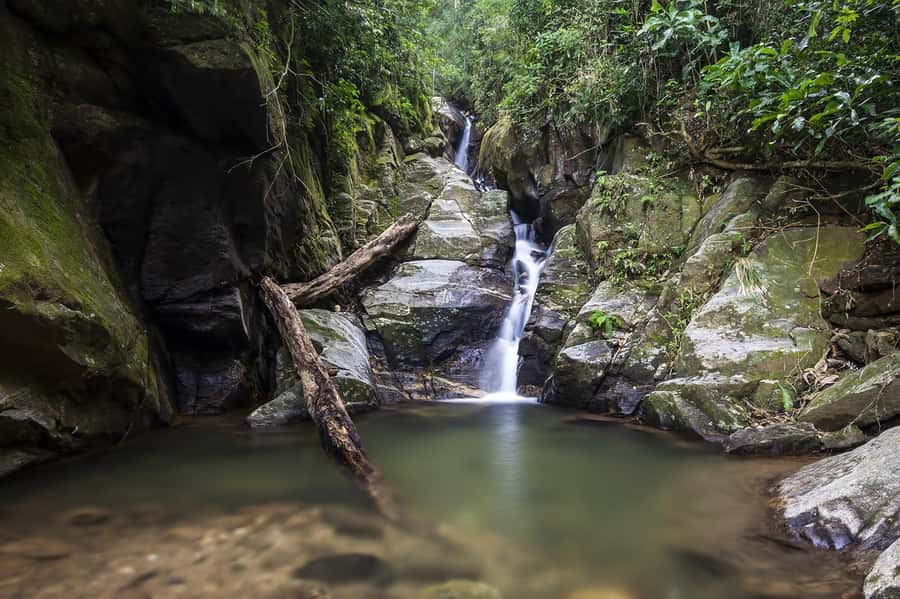
Rio is easy to picture as beaches, mountains, and Christ the Redeemer. The Tijuca Forest adds a different side of the city: thick tropical growth, birds, butterflies, small mammals, waterfalls, and old sites tucked among the trees. You do not need to spend a full day hiking to get a taste of it.
This tour is especially useful if you have limited time. In four hours, you can see a forest viewpoint, a waterfall, a chapel, and one of Brazil’s best-known botanical collections. You will not have time for a long forest walk or a slow garden study, but you get a broad introduction with transport included.
The itinerary is also practical for a first morning or afternoon in Rio. Pickup is offered from most hotels in Leblon, Ipanema, Copacabana, Flamengo, and Centro, as well as the cruise port. You need to contact the operator with your hotel location and be ready in the lobby 10 minutes before pickup.
Other trips into the Tijuca forest:
- Rio de Janeiro Tijuca Rainforest Hike with Waterfalls and Caves
★ 5.0 · 1,082 reviews - Rio de Janeiro: Christ, Selaron Steps, and Tijuca Park Tour
★ 4.7 · 857 reviews - Rio de Janeiro: Guided Jeep Tour through Tijuca Rainforest
★ 4.3 · 740 reviews
Entering Tijuca National Park
The forest section gives the tour its character. Tijuca National Park is one of the world’s large urban forests, and its story is unusual because much of it was restored rather than left untouched. In 1861, Emperor D. Pedro II ordered the area to be replanted after farming had stripped the land.
That background helps you read the forest differently. This is not simply a patch of trees beside Rio. It is a major reforestation project that grew into a functioning ecosystem. As you pass through the park, your guide can point out the connection between the city’s water supply, damaged farmland, and the forest that returned.
You might see squirrels, monkeys, porcupines, foxes, armadillos, butterflies, birds, and reptiles. Wildlife is never guaranteed, so do not book this as an animal-spotting trip. The better reason to go is the setting itself, with the chance of a small animal encounter as a bonus.
Please keep your distance and never feed anything you see. Feeding wild animals changes their behavior and can make them dependent on people. A quiet approach gives you a better chance of seeing natural behavior anyway.
Vista Chinesa and Rio from above
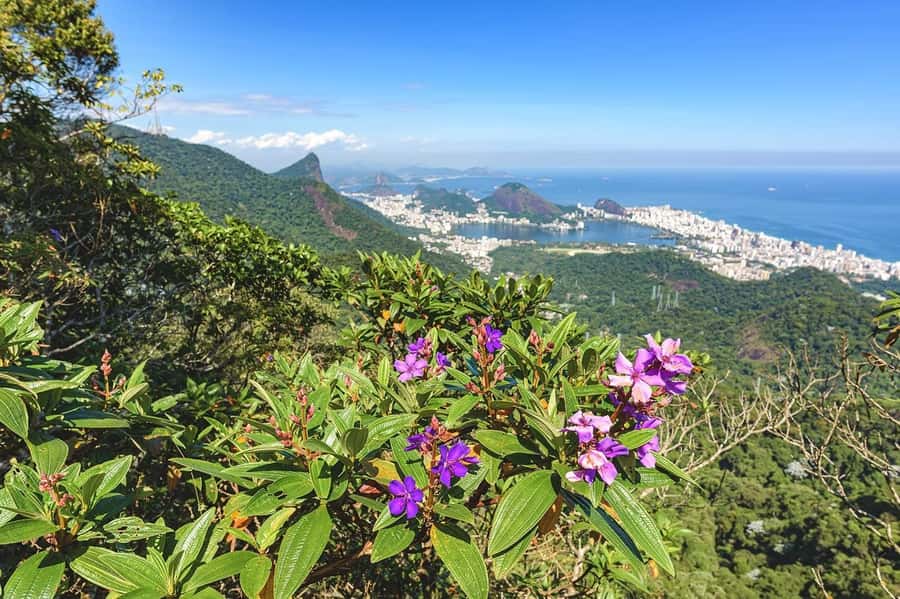
Vista Chinesa is one of the tour’s strongest stops. From this lookout, you can take in broad views across Rio, with the city, mountains, and water spread below. On a clear day, you may also catch distant views of Christ the Redeemer and the monolithic Pedra da Gávea.
The view depends heavily on weather. Rain, haze, or low cloud can hide the landmarks, so do not judge the stop only by the photographs you have seen online. Bring sunglasses and a hat for bright conditions, but also wear clothing suited to changing weather.
This is a scenic pause rather than a long walk. That makes it a good fit if you want Rio’s famous high views without committing to a demanding trail. The tradeoff is that you get a short look rather than a full hiking day in the park.
Your guide also helps with orientation. Rio’s famous peaks can look confusing from different angles, and a quick explanation makes it easier to understand what you are seeing. The lookout is most valuable when you take a few minutes to absorb the city’s unusual mix of forest and development.
Mayrink Chapel and Taunay Waterfall
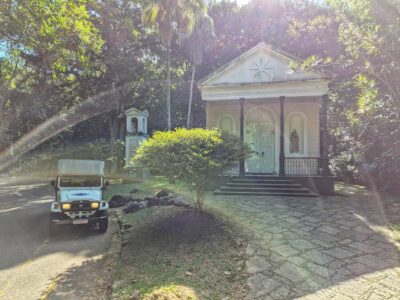
The Mayrink Chapel adds a small but welcome historical stop inside the forest. Its pink facade gives it a distinctive look, and its presence reminds you that Tijuca is not only about plants and viewpoints. The chapel is one of those places that can be missed if you explore the park only by car.
The stop is brief, but it breaks up the natural scenery. I like that the tour does not treat the forest as one long stretch of green. A chapel, a waterfall, and a lookout each give you a different way to understand the park.
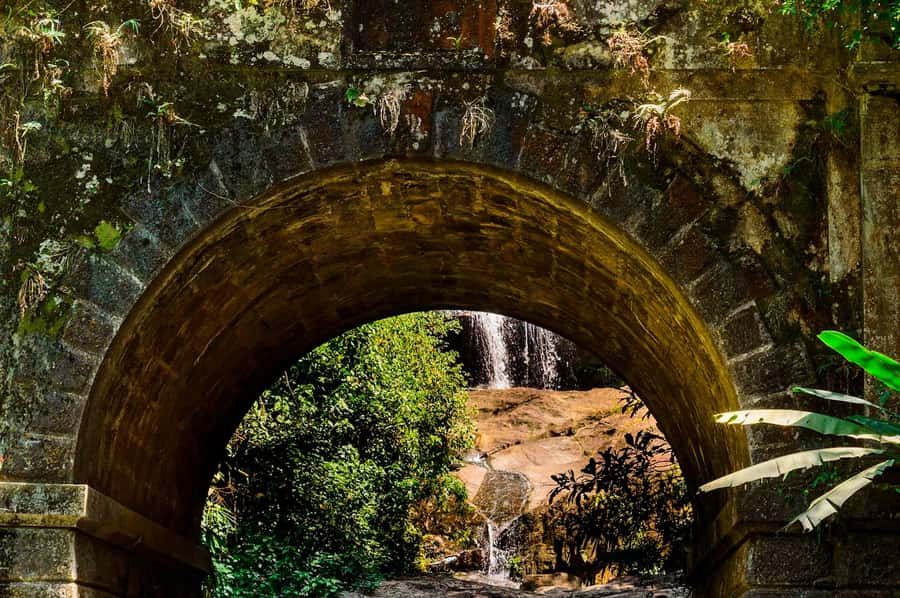
Taunay Waterfall provides the most obvious natural landmark in this part of the visit. The water drops through the forest and gives you a clear photo stop without requiring a long trek. You may find the area busy, particularly in high season, and rain can make the experience less comfortable.
One booking in late January had to be changed because Tijuca National Park was closed. The guide took the group to the Botanical Garden and later to a local beach bar with a good view. That is a useful warning: the operator cannot control park closures, and a substitute outing may not feel equal to the forest visit. If the park is a major reason you are booking, confirm its status as close to departure as possible.
A few more Rio De Janeiro days to weigh up
- Tijuca Peak Hiking – The Highest Summit in Tijuca National Park
★ 5.0 · 94 reviews - Tijuca National Park and all its wonders
★ 5.0 · 88 reviews - Rio de Janeiro: Tijuca National Park Tour
★ 4.7 · 85 reviews - Rio: Tijuca National Park Small-Group Hike to Pedra Bonita
★ 4.9 · 79 reviews
The Botanical Garden’s 7,000 plant species
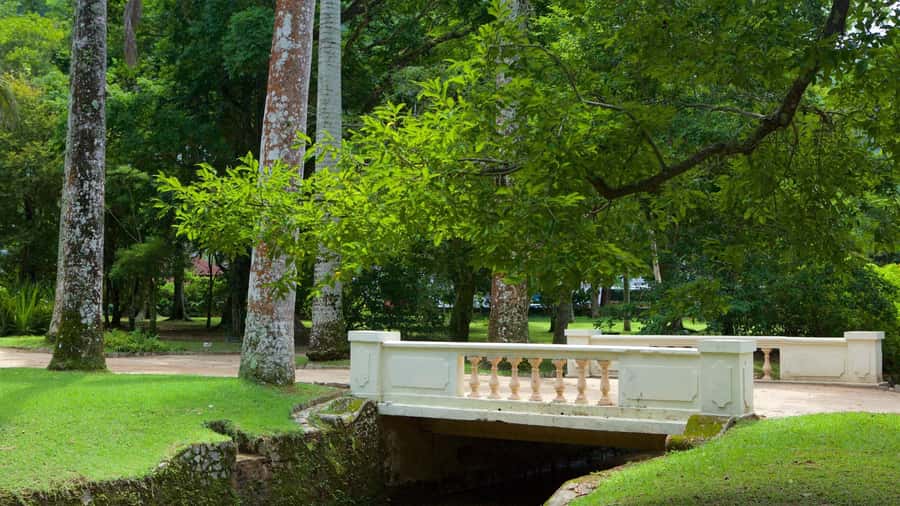
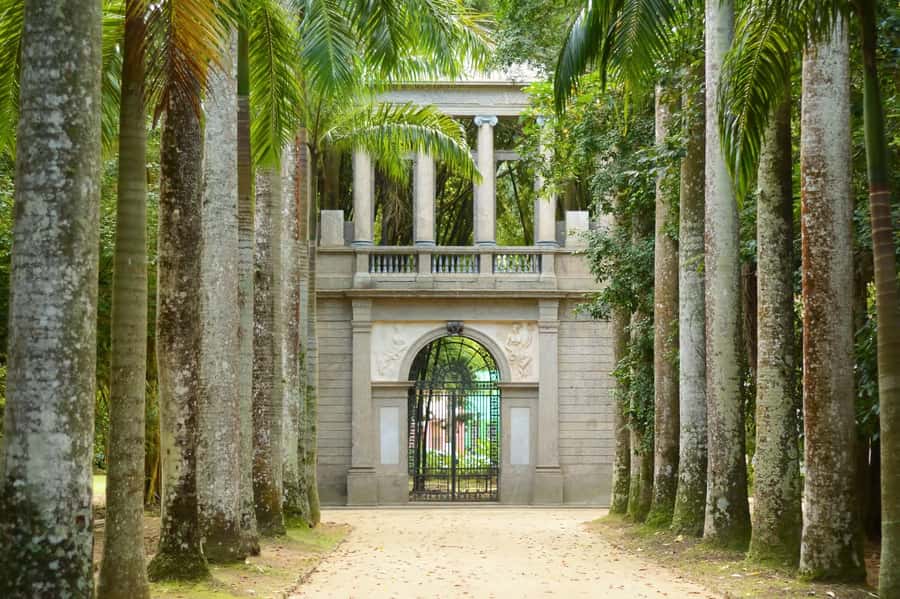
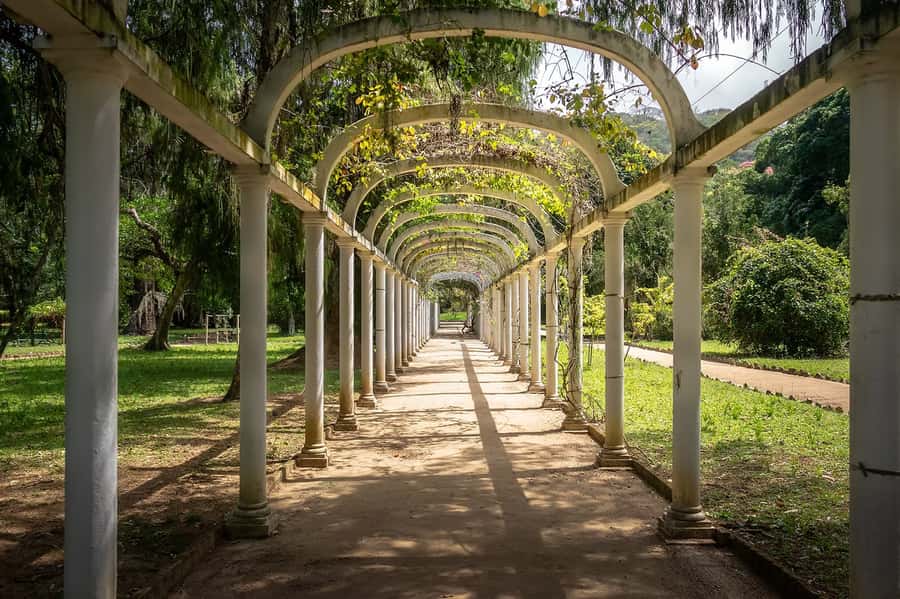
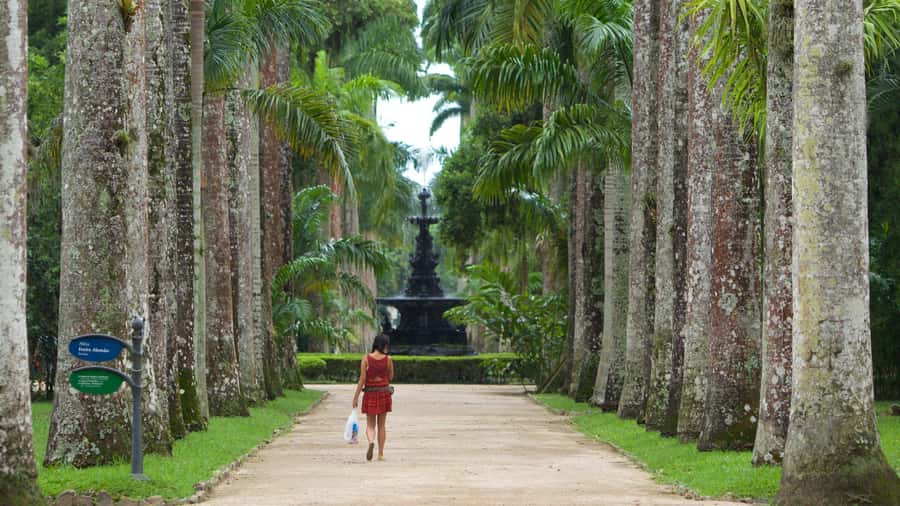
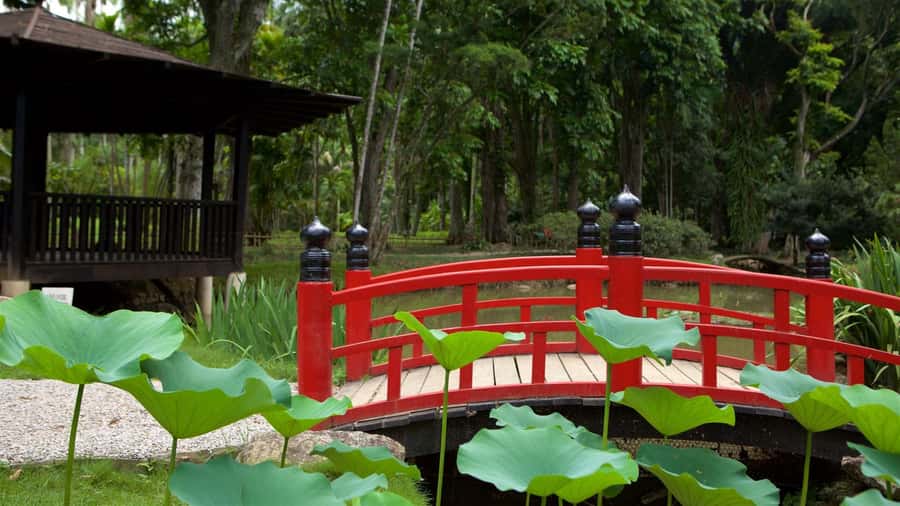
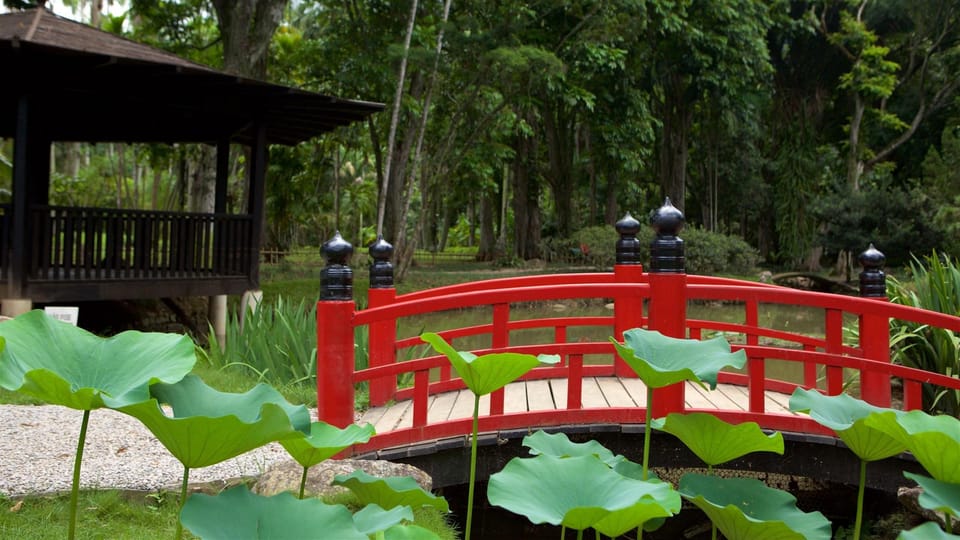
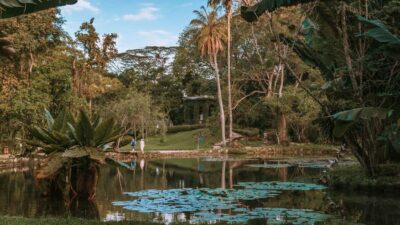
The Botanical Garden changes the pace. After the forest roads and viewpoints, you get a more orderly place where you can focus on plant life. The collection includes more than 7,000 species, including tropical plants, bromeliads, orchids, and native Brazilian flora.
This is not just a pleasant green space. It gives you a way to see the scale of Brazil’s plant diversity in one place. In the forest, you may notice a wall of trees and vines. In the garden, you can stop and examine individual plants, compare forms, and listen to the guide’s explanations.
The garden is also the more dependable part of the day. Even if rain softens the views at Vista Chinesa, the paths and plant collections still offer something to see. One January visit took place in the rain, making the outdoor sightseeing harder, but the guide was still praised for being kind and helpful.
Allow for the fact that the admission ticket is not part of the $65 price. You pay at the garden separately. This is the clearest value issue with the tour, since the garden is presented as a central part of the outing. I would budget for that extra charge in advance rather than treating the advertised price as the complete cost.
What the $65 price really covers
At $65 per person, the tour is not the cheapest way to see a garden or a viewpoint. You are paying for a guided route, hotel transfers, and entry to Tijuca National Park. Those parts matter in Rio, where the sites are spread out and traffic can make a simple plan less simple.
The price makes the most sense if you are staying in one of the listed pickup areas or arriving at the cruise port. A car, driver, and guide arranged separately could cost more and would require you to coordinate the route yourself. The tour also gives you a structure for a short visit, which is useful when every hour counts.
The value is weaker if you only want the Botanical Garden. Since its entry ticket is extra, you may prefer to visit it independently if you have plenty of time in Rio. The tour earns its price by combining the garden with the forest, waterfall, chapel, and lookout.
The overall rating is 4.4 from 39 ratings, with strong praise for the guides and the general experience. A perfect score is not realistic for a route affected by weather, traffic, and park closures. The important question is how much you value convenience and explanation compared with total control over your day.
Timing, weather, and the four-hour schedule
Four hours sounds generous, but it passes quickly once you include hotel pickups, city traffic, and several stops. One German booking described the time as too short and suggested a full-day tour. That is a fair criticism if you prefer lingering at each place or want a serious walk in Tijuca Forest.
Think of this as a highlights tour. You will see several key points, but you are not getting a long, quiet afternoon in either the park or the garden. High season can stretch the schedule because of traffic and larger crowds, so avoid booking something immediately afterward.
Weather matters at every outdoor stop. Rain can make the waterfall and forest more atmospheric, but it can also reduce the big views and make paths less pleasant. Pack water, sunscreen, sunglasses, a sun hat, and clothing suited to the forecast. A light rain layer is a sensible addition, even though it is not specifically listed among the required items.
The tour is wheelchair accessible, but you should notify the operator in advance if you have reduced mobility or use a wheelchair. That gives the team a chance to discuss the route and any practical limits before pickup.
Guides and the feel of the outing
The guide is central to the experience because the tour moves across several different subjects. A good explanation connects reforestation, wildlife, viewpoints, architecture, and plant collections into one story. The guide also helps you identify landmarks from Vista Chinesa and understand why the forest exists so close to Rio’s neighborhoods.
The available guide languages are English, Portuguese, Spanish, German, French, and Italian. This wide choice is useful, particularly for a tour with historical and botanical details that can be easy to miss when you are simply looking out the window.
The guide received direct praise in the available feedback, including a five-star rating for a December departure and a note that a guide was very kind during a rainy visit. Another guide handled a park closure by taking the group to the garden and then to a local beach bar with a good view. That kind of flexibility helps, though it cannot fully replace the promised forest visit.
Who should book this Rio nature tour?
I would recommend this outing to a first-time Rio visitor who wants several major sights without arranging separate taxis or transfers. It also suits cruise passengers and anyone staying in the listed hotel districts who has only half a day available.
It is a good match if you enjoy scenery, plants, light sightseeing, and short stops more than strenuous hiking. Families and older visitors may appreciate the vehicle-based route, though reduced mobility should be discussed in advance.
I would be more cautious if you want a long walk, guaranteed access to every stop, or a relaxed botanical visit. The schedule is compact, the garden costs extra, and a park closure can change the day. You should also be comfortable with outdoor sightseeing in uncertain weather.
Should you book it?
Book this tour if you want a convenient introduction to Rio’s forest and plant life, especially when your time is limited. The best reasons are the hotel transfer, the guide, Vista Chinesa, Taunay Waterfall, Mayrink Chapel, and the chance to see both wild forest and carefully tended botanical collections in one outing.
Before paying, confirm the pickup point, ask about the separate Botanical Garden fee, and check whether Tijuca National Park is operating normally. If the forest is your main goal, do not treat a closure as a minor detail. If you are happy with a flexible half-day overview, the $65 price offers a practical way to reach several places that are awkward to combine on your own.
FAQ
How long does the Tijuca National Park and Botanic Garden tour last?
The tour lasts four hours, although traffic and high-season crowds may make the outing take longer.
What is included in the tour price?
The price includes hotel pickup and drop-off, a live tour guide, and the entry ticket to Tijuca National Park.
Is Botanical Garden admission included?
No. Entry to the Botanical Garden is not included and must be paid separately.
Where does hotel pickup take place?
Pickup is available from most hotels in Leblon, Ipanema, Copacabana, Flamengo, and Centro. Pickup is also available at the cruise port. You need to provide your hotel location and confirm the pickup time.
What languages are available for the guide?
The live tour guide is available in English, Portuguese, Spanish, German, French, and Italian.
Is the tour wheelchair accessible?
Yes, the activity is listed as wheelchair accessible. Notify the operator in advance if you use a wheelchair or have reduced mobility.
What should I bring?
Bring sunglasses, a sun hat, sunscreen, water, and clothing suited to the weather.
Newest reviews from around Rio De Janeiro
- PRIVATE TOUR – Christ the Redeemer and Sugar Loaf★ 4.5 · 9 reviews
- Christ Statue and Sugarloaf Private Tour with a Photographer★ 5.0 · 9 reviews
- Cidade do Samba Behind-the-Scenes Carnival Tour in Rio de Janeiro★ 4.0 · 5 reviews
- Christ the Redeemer and City Tour★ 5.0 · 20 reviews
- Christ the Redeemer Trail x Lage Park★ 5.0 · 7 reviews
- Christ the Redeemer, Selaron Steps and Santa Teresa Half-day Tour★ 4.5 · 15 reviews
- Christ the Redeemer Adventure★ 5.0 · 12 reviews
- Private Tour of Christ the Redeemer in Rio de Janeiro★ 5.0 · 2 reviews
Tijuca Forest Tours, compared.

Rio de Janeiro Tijuca Rainforest Hike with Waterfalls and Caves
Read our review →
Explore the Best of Tijuca Forest – Hike to Peaks, Caves & Falls
Read our review →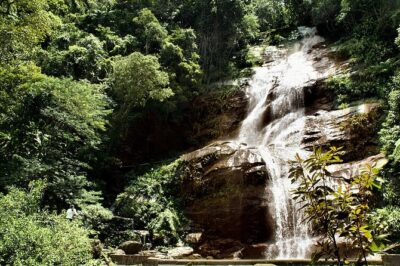
Jeep Adventure: Guided Tour through Tijuca Rain Forest
Read our review →
Tijuca Forest Small Group Hike to Caves and Waterfalls
Read our review →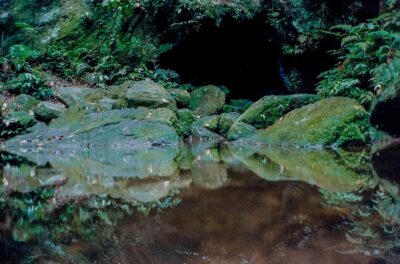
Browse the lists this tour appears in