
Reviewed · FAVELA TOURS
Rio de Janeiro: Favela Santa Marta Tour with Resident Guide
Rio has more than postcard views. This tour shows you the people behind them. Led by Gilson Fumaça, who was born and raised in Santa Marta, the experience combines local history, family stories, everyday community life, and striking views toward Christ the Redeemer and Sugarloaf Mountain. I especially like the resident-led approach and the way the tour supports educational, cultural, and environmental projects. I also like that it goes beyond street scenes by visiting Gilson’s home, community projects, and the famous Michael Jackson filming site.
The main consideration is physical effort. Santa Marta has steep paths, stairs, and uneven walking surfaces, and one visitor found the heat and steps too demanding in weather above 30 C. This is not suitable for wheelchair users or people with limited mobility, and you should allow extra time if the visit becomes more personal and social than the advertised two to two and a half hours.
In This Review
- Key points to know before visiting Santa Marta
- Why a resident guide changes the experience
- Starting at Santa Marta and getting your bearings
- The cable car ride and the climb upward
- Viewpoints above Rio’s postcard sights
- Walking R. da Paciência and seeing the neighborhood
- The Michael Jackson square and a slice of music history
- Gilson’s home and the clock collection
- Football, music, and ordinary community life
- Community projects with a practical purpose
- The local restaurant and rooftop food space
- Safety, comfort, and respectful conduct
- Is $27 a fair price?
- Who should book this Santa Marta experience?
- Should you book it?
- FAQ
- How long does the Favela Santa Marta tour last?
- What languages are available?
- Who leads the tour?
- What is included in the price?
- Will I see the place connected with Michael Jackson?
- Can I visit the guide’s home?
- Is the tour suitable for wheelchair users?
- Where does the tour meet?
- Can I cancel the booking?
Key points to know before visiting Santa Marta
- Gilson Fumaça grew up in Santa Marta and has worked with social and community projects for more than 30 years.
- The tour connects famous Rio culture with local life, including Michael Jackson’s 1996 They Don’t Care About Us video location.
- You may visit Gilson’s family home, including his mother Maria Helena’s collection of more than 400 clocks.
- Community work is central to the experience, with education, language, art, music, and environmental projects discussed along the way.
- The best views come after climbing, with sightlines toward Christ the Redeemer and Sugarloaf Mountain.
- The tour costs about $27 per person, a fair price if you value a small-scale, locally run experience rather than a quick photo stop.
Why a resident guide changes the experience
Santa Marta can be misunderstood when viewed only from outside. A guide who lives there can explain the place with more care and detail than a guide who simply arrives for a scheduled walk.
Gilson Fumaça is not just a guide passing through the neighborhood. He was born in Santa Marta, still lives there, and knows many residents personally. His work began after a tourism project visited the favela in 2010, leading him to develop Favela Tour Santa Marta Turismo Comunitário e Social with other local residents.
That background matters. You are not simply being shown narrow lanes and colorful walls. Gilson explains how the community developed, the economic pressures residents face, and the ways people organize, work, raise families, and support one another.
His own life forms part of the story. He can talk about growing up in Santa Marta, his youth, and his later work as a community leader. He was also involved in major visits and productions connected with the neighborhood, including the 1968 visit of Queen Elizabeth II and Michael Jackson’s 1996 video shoot.
I find that personal connection more valuable than a polished speech about poverty or urban development. You get a human story, not a single stereotype.
Other favela walks led by people who live there:
- Rio de Janeiro: Rocinha Favela Walking Tour with Local Guide
★ 4.8 · 3,052 reviews - Rio De Janeiro: Half-Day Rocinha Favela Walking Tour
★ 4.7 · 2,272 reviews - 3 Hour Rocinha Favela Walking Tour with a Local Guide
★ 5.0 · 833 reviews
Starting at Santa Marta and getting your bearings
The tour begins from a designated meeting point, which may vary depending on the option booked. One listed location is R. São Clemente, 320, near the tourist information point.
A short safety briefing comes first. This is useful because Santa Marta is a working neighborhood, not a museum arranged for sightseeing. You will be walking through places where people live, study, shop, work, and socialize.
The guide’s local relationships help set the tone. Gilson is described as widely known in the community, with some visitors comparing his role to that of a neighborhood mayor. That does not mean you should treat the favela as a theme park. It means you are more likely to receive context and introductions that would be impossible on your own.
You should follow his instructions about photography and where to pause. Keep your belongings secure, avoid photographing people without permission, and remember that ordinary homes and businesses are part of the route.
The cable car ride and the climb upward
The cable car section takes about 20 minutes. It provides an easier way to gain height before the walking portion, and it helps you understand Santa Marta’s steep position on the hillside.
The ride is also practical. A tour through the community involves stairs and uphill paths, so using the cable car can reduce some of the physical strain. Still, do not assume the whole outing is easy because a cable car is included. You will continue on foot, often up and down steps and along uneven routes.
Comfortable shoes are essential. Bring water, protect yourself from the sun, and think carefully about the weather. Bottled water is included, but extra water may be sensible on a hot day. One visitor specifically felt that an afternoon visit in temperatures above 30 C was too strenuous, especially for an older group.
Viewpoints above Rio’s postcard sights
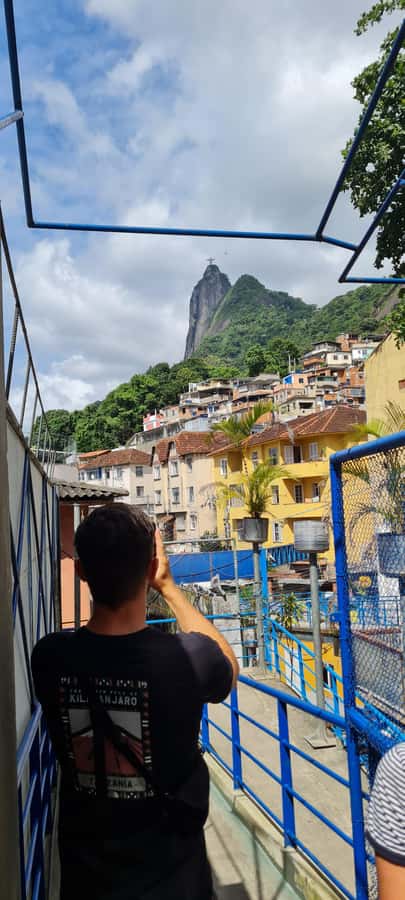
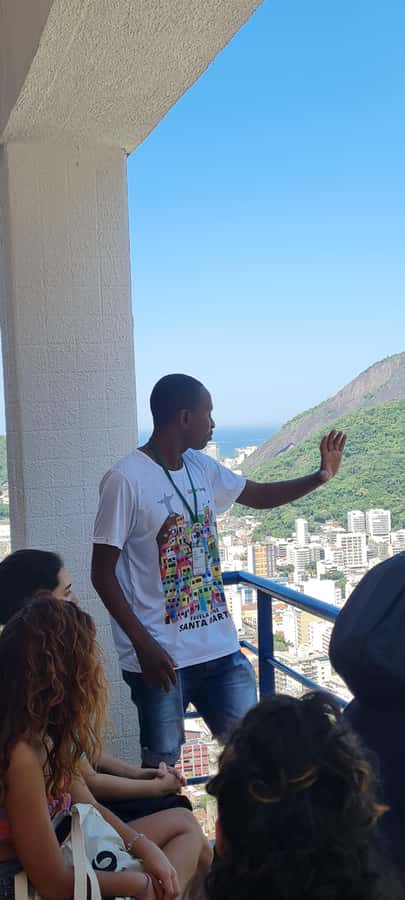
One of the tour’s planned stops is a viewpoint with time for photographs. From higher parts of Santa Marta, you may see Christ the Redeemer and Sugarloaf Mountain, two of Rio’s most recognizable sights.
These views give the tour a useful visual contrast. You see the famous Rio skyline from a community that is often left out of the standard city picture. The result is not just another scenic stop. It helps you place Santa Marta within the wider city.
Clear weather makes a real difference. A cloudy or rainy day can reduce visibility, although the tour can still work well because much of its value comes from conversation and local access. One visitor praised Gilson for continuing through heavy rain, but dry weather will make the stairs and paths easier.
The viewpoint is scheduled for about 10 minutes, so think of it as one part of the visit rather than the main event. If you want a long, quiet photography session, this may feel brief.
A few more Rio De Janeiro days to weigh up
- Rio de Janeiro: 6-Stop Highlights of Rio with Lunch
★ 4.4 · 5,157 reviews - Christ the Redeemer Entry Ticket by Corcovado Train
★ 4.4 · 4,476 reviews - Rio’s City Tour – Tickets for Christ, Sugar Loaf & Lunch included
★ 5.0 · 4,389 reviews - Full Day: Christ Redeemer, Sugarloaf, City Tour & Barbecue Lunch
★ 4.5 · 3,142 reviews
Walking R. da Paciência and seeing the neighborhood
The route includes a stop at R. da Paciência, listed as a place for photographs, a visit, and scenic views along the way. This is where the character of the tour becomes clearer.
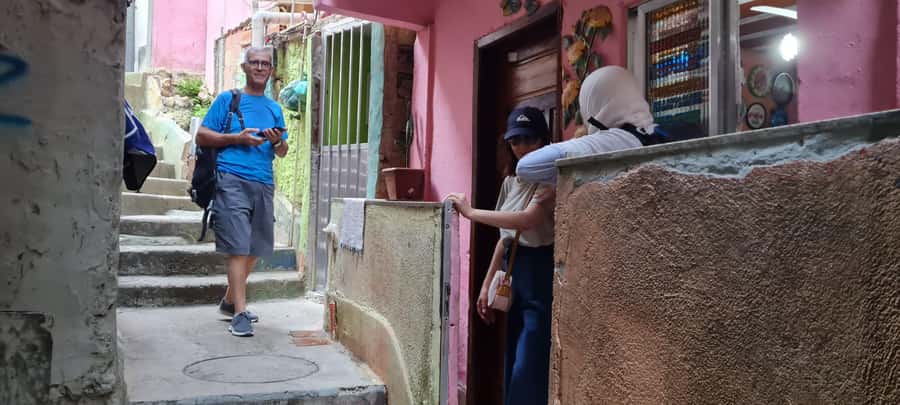
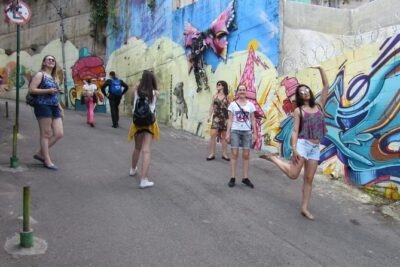
You will see the physical structure of Santa Marta through its alleys, stairs, homes, and hillside routes. The guide explains how people use these spaces, rather than presenting them as unusual scenery for outsiders.
The walking pace includes pauses. That matters because the route is not flat, and the social conversations can take time. You may stop to speak with residents, see local details, or hear about the history of a particular spot.
The neighborhood can feel welcoming, but you should still behave as a respectful visitor. Ask before taking close-up photographs, stay with the guide, and avoid turning private moments into souvenirs.
The Michael Jackson square and a slice of music history
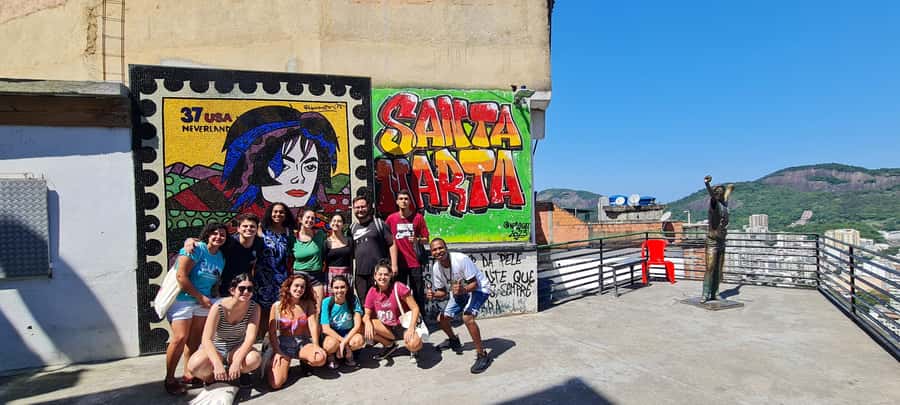
Michael Jackson Square is one of Santa Marta’s best-known cultural stops. Michael Jackson filmed parts of They Don’t Care About Us there in 1996, with Spike Lee directing the video.
The location gives you an easy connection between global pop culture and local identity. The video put Santa Marta in front of an international audience, but the neighborhood is more than a film set. Gilson was present during the production and can explain the event from a local point of view.
The stop includes about 15 minutes of free time. You may have time for photographs, a short break, and shopping. That pause is welcome after the uphill walking.
The tour also connects Gilson with other productions and public figures, including Joe Biden’s 2013 visit, Cara Delevingne’s 2013 Vogue Brasil photos, and music projects involving Seu Jorge, Tito Jackson, and Italian rappers. These details help show how Santa Marta has been connected to international media while remaining a lived-in community.
Gilson’s home and the clock collection
The home visit is one of the most distinctive parts of the experience, although the exact timing can depend on the group and the flow of the day.
Gilson may invite you into his family home, where his mother, Maria Helena, has collected more than 400 clocks. The collection fills the house and offers a memorable, personal detail that no standard city tour could reproduce.
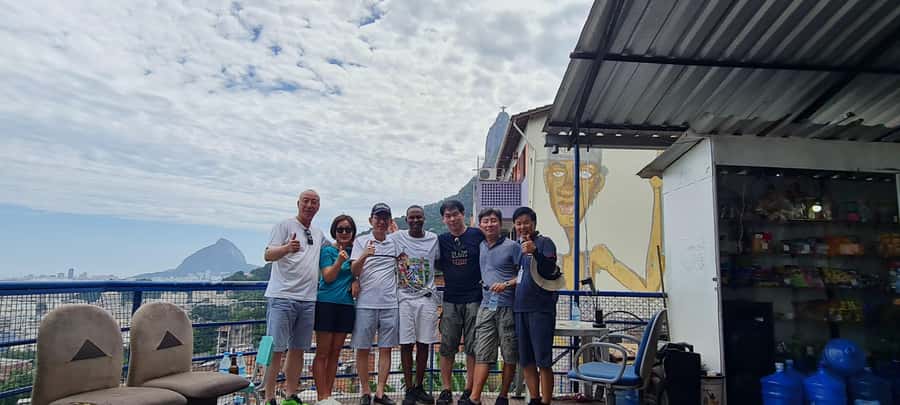
The visit also gives you a closer look at how a family home has developed over time. The house now has three floors. The second floor includes homestay accommodation, while the rooftop has a social food space serving cold drinks and snacks, with views toward Christ the Redeemer and Sugarloaf Mountain.
This is where you should expect the tour to feel personal rather than tightly timed. You may meet family members, including grandchildren, and spend longer than planned talking. That is a strength if you want genuine contact. It can be less suitable if you prefer a strict two-hour schedule.
Football, music, and ordinary community life
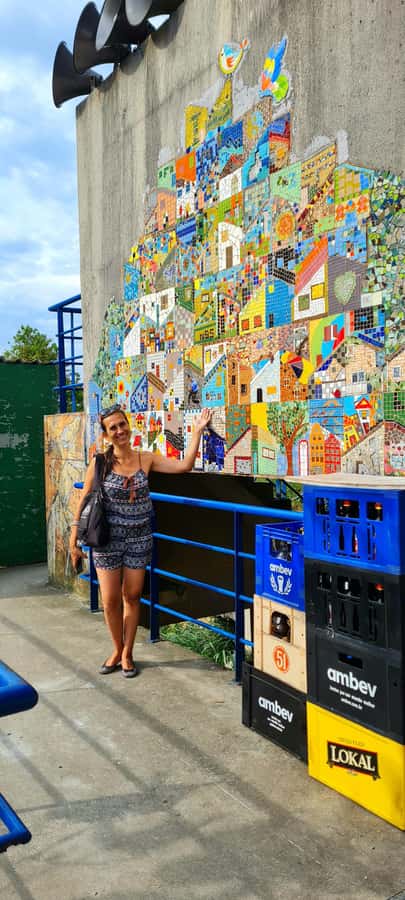
The tour is designed to show more than buildings and history. If the opportunity arises, you might join everyday activities such as football with local children, spinning tops, playing marbles, flying kites, or making music on a rooftop.
Football is a recurring highlight. Several visitors ended up playing with children at a local court, and one group described the impromptu match as a favorite memory. These moments are not guaranteed as a formal performance, so you should treat them as possible interactions rather than promised activities.
That distinction is important. The appeal comes from ordinary life, not a staged cultural show. Children may be curious and friendly, but you should let the guide manage the interaction and avoid assuming that every resident wants to be part of your holiday memory.
The community setting also means the route can change in mood and pace. You may have a planned stop, then pause for a conversation or an unexpected introduction. That flexibility is part of the experience.
Community projects with a practical purpose
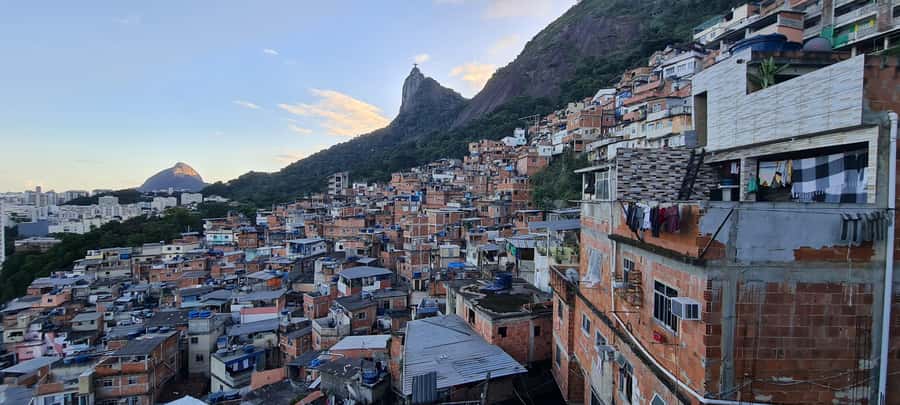
A major reason to choose this tour is the connection to local projects. Gilson and other residents work on educational, language, artistic, musical, and environmental initiatives.
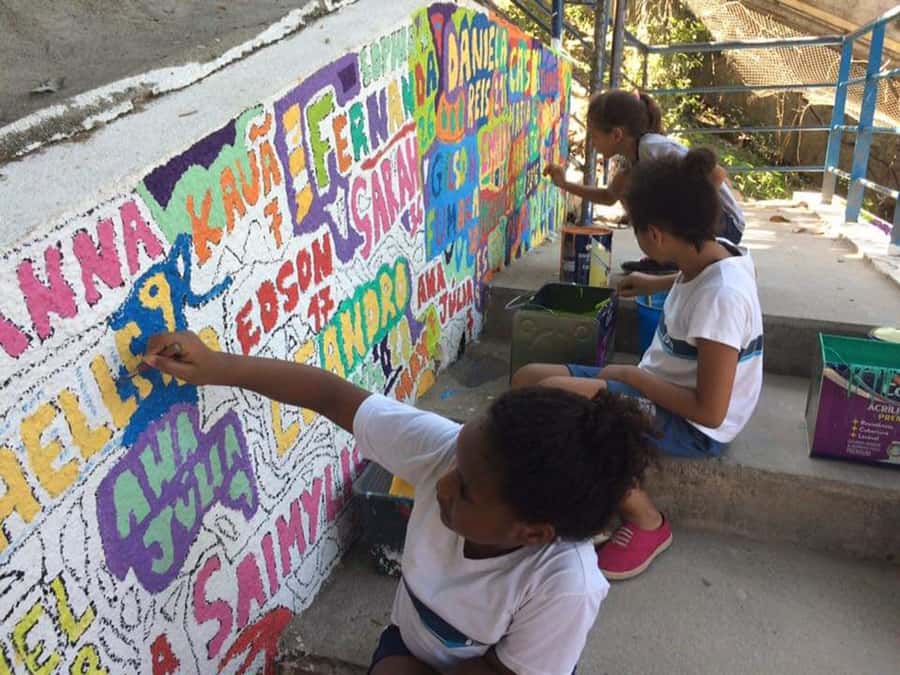
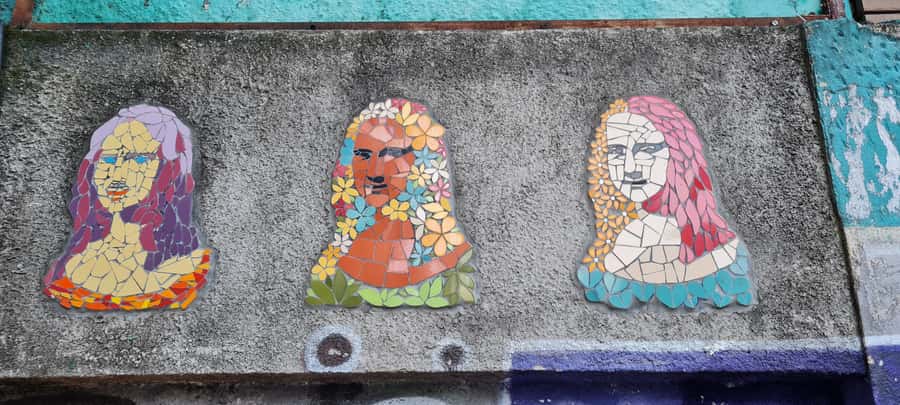
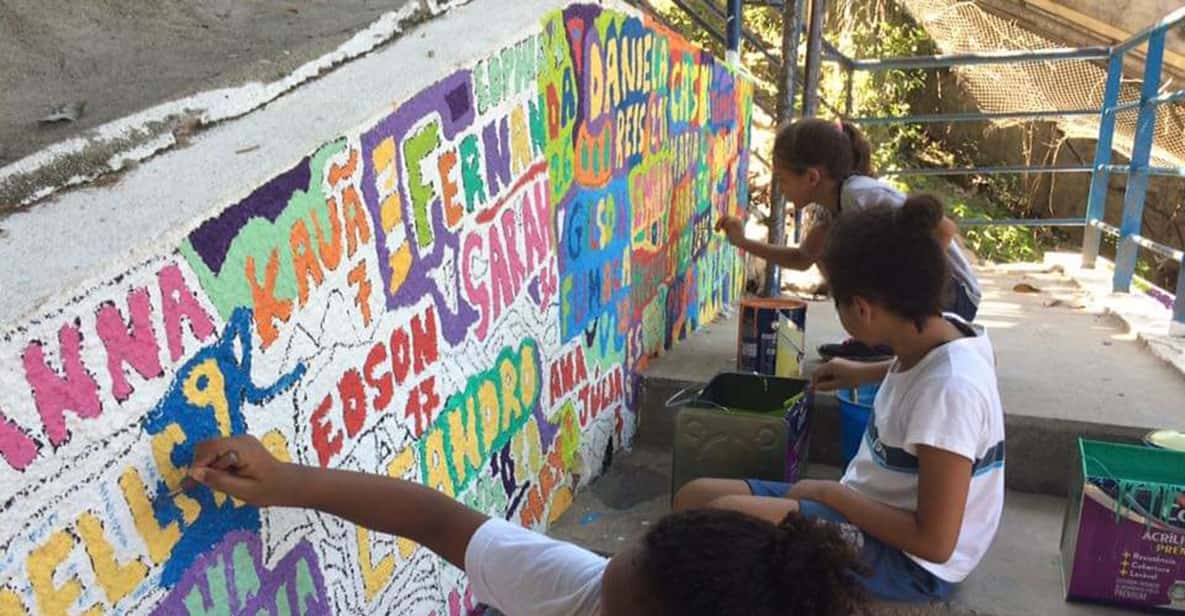
The Instituto Gilson Fumaça is the educational space associated with this work. The project aims to create opportunities for local children and young people, including English and Spanish classes. Other efforts include wall decoration with mosaics, art and music activities, and plans for cooking classes.
This gives the tour more purpose than simply charging visitors to look around. The stated aim is social and community tourism, with income helping support local development and education.
You should still ask questions about how funds are used if this is important to your decision. The available information says that the visit supports community projects, and one account says half of the earnings goes back into local growth and education. I would treat the tour as a direct way to support resident-led work, while keeping your expectations realistic: a short visit will not solve the community’s larger challenges.
The local restaurant and rooftop food space
The itinerary includes about 20 minutes at a local restaurant. It is a chance to pause, see a local business, and perhaps try drinks or snacks.
The information also describes Gilson’s rooftop as a social food space with cold drinks and tasty snacks. The setting is particularly appealing because of the views across Rio. Food and drinks are not clearly listed as included, so plan to pay separately if you choose to order anything.
The restaurant stop may feel modest compared with a formal meal in Ipanema or Copacabana. That is part of the point. You are supporting local commerce and seeing how the tour connects with businesses inside Santa Marta.
Safety, comfort, and respectful conduct
Safety is one of the most important concerns when visiting a favela, especially for first-time visitors. The tour includes a safety briefing, and Gilson’s local connections help you move through the area with guidance.
Many visitors felt secure and welcomed, and several specifically valued the fact that Gilson knows people throughout Santa Marta. Still, no guide can remove every risk from city travel. Stay with the group, listen carefully, keep valuables out of sight, and do not wander off alone.
Physical comfort is a more certain concern. The tour is not suitable for wheelchair users or people with mobility impairments. Stairs, slopes, heat, and uneven paving can make the walk tiring even for otherwise fit visitors.
If you are older, traveling with children, or sensitive to heat, consider a cooler time of day if available. A morning start may be more comfortable than an afternoon in strong sun. The guide may allow breaks, but the route still requires effort.
Is $27 a fair price?
At about $27 per person, this is reasonably priced for a two-hour to 150-minute guided experience in Rio. You receive a local guide, bottled water, transport by cable car as part of the route, cultural explanations, viewpoint access, and the chance to support resident-led projects.
The real value is not the number of stops. It is the access and context. A standard sightseeing tour can show you Rio’s major monuments, but it cannot easily provide Gilson’s family story, his mother’s clock collection, local introductions, or firsthand memories of the Michael Jackson video shoot.
The price also works best if you value social tourism. If you only want panoramic photographs, a viewpoint elsewhere may be simpler. If you want to understand one Rio community and meet a guide who has spent his life there, the cost is modest.
The overall rating is 4.6 from 220 reviews, with especially strong praise for Gilson’s warmth, local connections, clear explanations, and ability to make people feel safe. The one notable criticism concerns heat and stairs, not the substance of the visit.
Who should book this Santa Marta experience?
I would recommend it to you if you want a direct look at Rio’s social and cultural life, prefer resident-led tours, and are comfortable with an unpredictable, human pace.
It suits curious visitors who want to ask questions about community development, policing, education, work, family life, and the challenges faced by favela residents. It also works well if you enjoy music history, local food, informal conversations, and striking city views.
You may want to skip it if you need a fully accessible route, dislike stairs, want a tightly timed itinerary, or are uncomfortable visiting a residential neighborhood. This is not a detached academic tour, and it is not a thrill-seeking excursion. Its strength is personal contact and honest conversation.
Booking in advance is sensible if you want flexibility, since free cancellation is available up to 24 hours before the tour and you can reserve without paying immediately. Confirm the meeting point and start time when booking, since those details can vary.
Should you book it?
Yes, if your idea of a good Rio experience includes listening as much as looking. Gilson Fumaça’s personal connection, family home, community work, and memories of Santa Marta’s place in music and public life give this tour unusual depth.
Bring good shoes, water, sun protection, and an open mind. Choose a cooler time if possible, stay respectful with photographs, and leave room for the tour to run longer if conversations or local activities develop. For a modest price, you get a thoughtful introduction to a side of Rio that most classic sightseeing routes miss.
FAQ
How long does the Favela Santa Marta tour last?
The advertised duration is between two hours and 150 minutes. The visit may take longer if you spend extra time with the guide, his family, or local residents.
What languages are available?
The live guide is available in English, Spanish, and Portuguese.
Who leads the tour?
The tour is led by Gilson Fumaça, who was born and raised in Santa Marta and is involved in local social and community projects.
What is included in the price?
A local guide and bottled water are included. Drinks, snacks, and other purchases at the local restaurant or social food space are not listed as included.
Will I see the place connected with Michael Jackson?
Yes. The itinerary includes Michael Jackson Square, associated with the filming of They Don’t Care About Us in Santa Marta in 1996.
Can I visit the guide’s home?
The tour description says you are invited to visit Gilson’s home and meet his family. His mother Maria Helena’s collection includes more than 400 clocks.
Is the tour suitable for wheelchair users?
No. The experience is not suitable for wheelchair users or people with mobility impairments because the route includes stairs and uneven walking areas.
Where does the tour meet?
The meeting point may vary according to the option booked. One listed meeting location is R. São Clemente, 320, at the tourist information point.
Can I cancel the booking?
You can cancel up to 24 hours in advance for a full refund. A reserve-now, pay-later option is also available.
Newest reviews from around Rio De Janeiro
- PRIVATE TOUR – Christ the Redeemer and Sugar Loaf★ 4.5 · 9 reviews
- Christ Statue and Sugarloaf Private Tour with a Photographer★ 5.0 · 9 reviews
- Cidade do Samba Behind-the-Scenes Carnival Tour in Rio de Janeiro★ 4.0 · 5 reviews
- Christ the Redeemer Trail x Lage Park★ 5.0 · 7 reviews
- Christ the Redeemer and City Tour★ 5.0 · 20 reviews
- Christ the Redeemer, Selaron Steps and Santa Teresa Half-day Tour★ 4.5 · 15 reviews
- Christ the Redeemer Adventure★ 5.0 · 12 reviews
- Private Tour of Christ the Redeemer in Rio de Janeiro★ 5.0 · 2 reviews
Favela Tours, compared.



3 Hour Rocinha Favela Walking Tour with a Local Guide
Read our review →

Favela Tour Rio de Janeiro – Vidigal Walking Tour by Russo Guide
Read our review →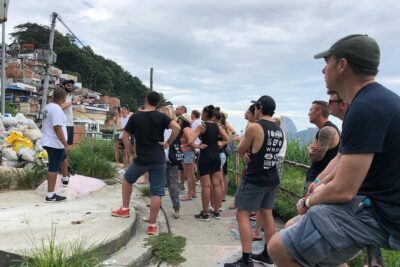
Browse the lists this tour appears in