
Reviewed · HISTORICAL TOURS
Rio Culture and History & Traditional Foods
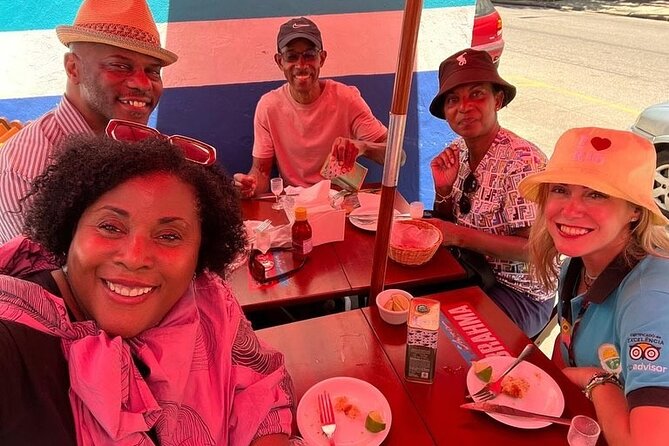
Rio makes more sense at the table. This six-hour outing links historic sights with Brazilian snacks, drinks, and neighborhood stories, led by guide Camila, whose warm, flexible approach is a major part of its appeal. I like the mix of Confeitaria Colombo and street-level food stops, and I like that the small group is capped at 15 people. The main concern is the ambitious schedule: many famous sights are listed, but six hours leaves little time at each one.
You meet at 11 a.m. outside the JW Marriott in Copacabana and return there at the end. The price is $141.14 per person, which can make sense if you want a guide, transportation between areas, tastings, and a quick introduction to several parts of Rio in one day. It is less compelling if your priority is a slow meal or long visits inside major attractions.
In This Review
- Key points to know before booking
- What this Rio food and culture tour is really trying to do
- Starting at Confeitaria Colombo
- Riding the tram across the Lapa Arches
- Parque das Ruínas and Santa Teresa views
- Selarón Steps and the color of Lapa
- The tasting table at Parada de Copa Restaurante
- Adega Pérola and Brazil’s many food traditions
- How the sightseeing and food fit together
- Price, group size, and the practical value
- The guide can make or break this experience
- Who should book this Rio experience
- Should you book it?
- FAQ
- Where does the tour begin?
- What time does the tour start?
- Where does the tour end?
- How long does the tour last?
- Is the tour offered in English?
- How many people can join the tour?
- What food and drinks may be included?
- Does the route include Christ the Redeemer and Sugarloaf Mountain?
- Is pickup available?
- Can I cancel for a full refund?
Key points to know before booking
- Colombo begins the day with grand architecture and Brazilian pastries, giving you a useful introduction to Rio’s old center.
- The Santa Teresa tram crosses the Lapa Arches, adding a memorable ride to the cultural sightseeing.
- Parque das Ruínas offers one of the best short viewpoints on the route, though the stop lasts only about 30 minutes.
- Food tastings include pão de queijo, coxinha, brigadeiro, guaraná, açaí, pastel, beer, and cachaça, with plenty of local flavor in a compact format.
- Camila adapts the day to the group, including families and people with different interests, according to the experiences described.
- The tour is limited to 15 people and starts at 11 a.m., a useful size for conversation but not an early start for sightseeing.
What this Rio food and culture tour is really trying to do
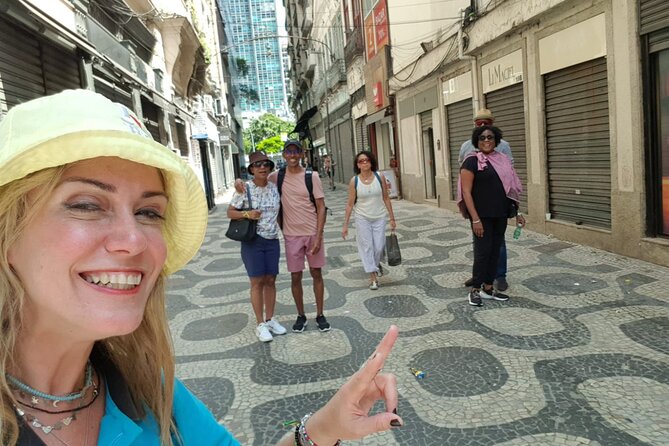
This is not a single-neighborhood food walk. It is a broad introduction to Rio, combining old downtown, Lapa, Santa Teresa, Copacabana, and Brazilian cuisine. The advertised route also includes Ipanema, the outside of Maracanã Stadium, Sugarloaf Mountain, Corcovado with Christ the Redeemer, and other major sights.
That range is both the tour’s strength and its limitation. You get a quick sense of how Rio fits together, from beach districts to colonial-era streets and bohemian hills. You should not expect a detailed visit at every landmark, especially since the core stops already account for several hours.
I like this format for a first day in Rio. A good guide can help you understand what you are seeing, point out places to return to, and remove some of the guesswork from ordering local food. The tour’s food focus also gives the day a clear purpose instead of becoming a simple checklist of photo stops.
The experience is offered in English, and the group size is limited to 15. That matters here. Food tours work better when you can ask questions, hear explanations, and keep track of the group in crowded central areas.
More History Tours in Rio de Janeiro
- Rio de Janeiro Historical Center Walking Tour
★ 4.5 · 336 reviews - Private Walking and Cultural Tour Rocinha-Rio de Janeiro
★ 5.0 · 239 reviews - Discover Rio Little Africa: A Cultural and Historical Journey
★ 5.0 · 238 reviews
Starting at Confeitaria Colombo
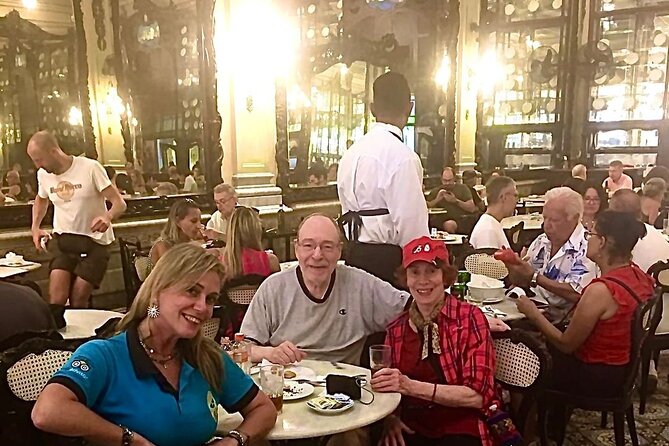
The first stop is Confeitaria Colombo, one of Rio’s most important historic confectioneries. You spend about an hour among sweet and savory foods in an ornate setting that forms part of the city’s officially recognized cultural heritage.
The value here is not just the pastry. The building gives you a visual introduction to old Rio, and the guide can connect the room, the food, and the city’s changing social history. For someone visiting Rio for the first time, it is a pleasant way to begin before moving into Lapa’s streets.
You can expect a selection of sweets and salty snacks, although the supplied details do not name every item served at Colombo. Admission is listed as free, so the tour price is not being driven by a separate entrance fee at this stop.
One practical point: this is a popular and visually striking place, so the experience may feel more like a guided tasting and cultural visit than a quiet sit-down breakfast. Since the tour starts at 11 a.m., you may want a light breakfast beforehand rather than arriving very hungry and expecting a full meal immediately.
Riding the tram across the Lapa Arches
From downtown, the route continues by tram over the Lapa Arches, the old aqueduct that has become one of Rio’s best-known visual markers. The ride leads uphill toward Santa Teresa and adds movement to a day that could otherwise involve a lot of walking and driving.
The tram is an important part of the experience because it shows the connection between Lapa and Santa Teresa rather than treating them as separate postcard stops. You get a brief look at the slopes, streets, and cultural spaces along the way.
The schedule lists about an hour for the Lapa portion, but the exact balance between tram travel, explanations, and sightseeing can change. I would treat the ride as a memorable transition, not as a long scenic excursion.
The route may be appealing to many age groups, but anyone who dislikes hills, crowded public areas, or a fast pace should ask the guide about the day’s current conditions. The tour is designed for most participants, yet Rio’s central districts can be busy and uneven underfoot.
Parque das Ruínas and Santa Teresa views
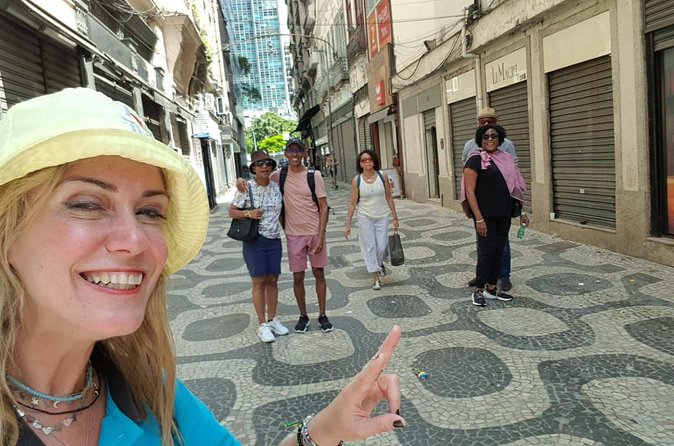
Parque das Ruínas is scheduled for roughly 30 minutes. The park overlooks the city and offers a broad view from the Santa Teresa area, making it one of the best places on the route to pause and understand Rio’s unusual mix of hills, buildings, and distant landmarks.
Half an hour is enough for photos and a short explanation, but not for an extended visit. If views are especially important to you, this stop will likely feel rewarding but brief. The park works best as a snapshot of Santa Teresa rather than a full exploration of the neighborhood.
Santa Teresa itself is described as a bohemian district with local boutiques and galleries. The tour gives you a taste of that character, but the schedule does not allow much independent browsing. I would note down places that catch your eye and return later if you want a slower look at the area.
This is also where Camila’s role matters most. The strongest accounts of the experience describe her as attentive, passionate about Rio, and willing to adjust the program around the group’s interests and timing. One family with an 11-month-old baby and an eight-year-old child found that she adapted the route so everyone could participate.
Same patch of Brazil, a completely different sort of day:
- Rio de Janeiro: 6-Stop Highlights of Rio with Lunch
★ 4.4 · 5,157 reviews - Christ the Redeemer Entry Ticket by Corcovado Train
★ 4.4 · 4,476 reviews - Rio’s City Tour – Tickets for Christ, Sugar Loaf & Lunch included
★ 5.0 · 4,389 reviews - Full Day: Christ Redeemer, Sugarloaf, City Tour & Barbecue Lunch
★ 4.5 · 3,142 reviews
Selarón Steps and the color of Lapa
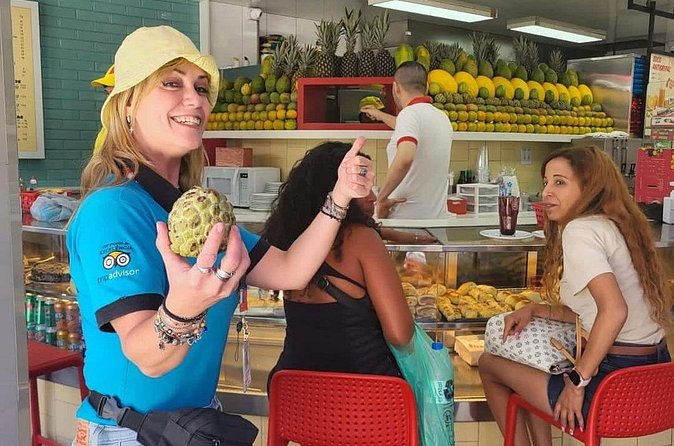
The Selarón Steps are only about five minutes from the Lapa Arches. This famous staircase connects Santa Teresa and Lapa and is covered with colorful tiles, creating one of Rio’s most recognizable public art scenes.
The listed timing is about an hour for this part of the route, though the stairway itself does not require an hour to see. That extra time likely allows for movement through the surrounding area, explanations, and food or cultural context.
Bring patience for the photo stop. The steps are a public place rather than a private attraction, and the experience can feel crowded or hurried if several groups arrive at once. The upside is that you are seeing a real neighborhood landmark, not a staged exhibit.
Lapa is also presented as a place for nightlife, bars, and typical food. At midday, the tour focuses more on culture and tasting than on the evening atmosphere. Still, the guide can help you understand why this area matters to Rio’s social life and may give you ideas for a later night out.
The tasting table at Parada de Copa Restaurante

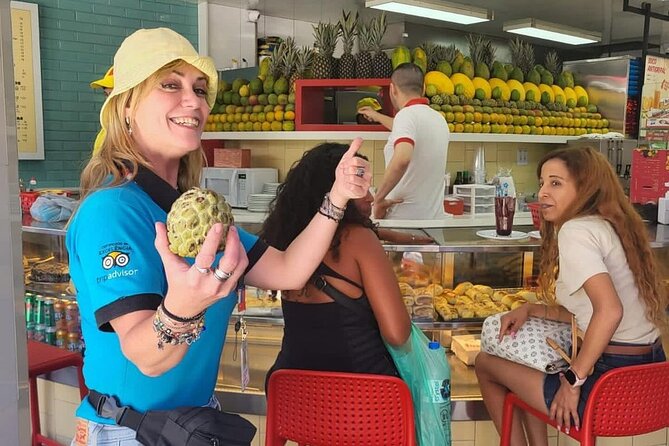
The food portion becomes more direct at Parada de Copa Restaurante. The stop includes numerous tastings of Brazilian products, including pão de queijo, coxinha, brigadeiro, guaraná, açaí, pastel, beer, and cachaça.
This list gives you a useful cross-section of Brazilian eating. Pão de queijo is a small cheese bread with a chewy texture. Coxinha is a savory snack usually associated with shredded chicken and a crisp coating. Brigadeiro is a chocolate sweet, while pastel is a thin, fried pastry that can hold different fillings.
Guaraná and açaí show another side of the country’s food culture. Beer and cachaça add drinks to the tasting, so you should keep in mind that this is not simply a coffee-and-dessert stop.
The information describes a buffet lunch at a good restaurant as included, with food available at your discretion. The exact buffet menu is not specified, so I would view this as a convenient lunch break rather than book the tour for a particular dish.
For many people, this stop may be the best value in the day. You can sample foods that might be difficult to identify or order on your own, and the guide can explain how they fit into everyday Brazilian life. You also avoid spending time searching for a suitable restaurant while moving around the city.
Adega Pérola and Brazil’s many food traditions
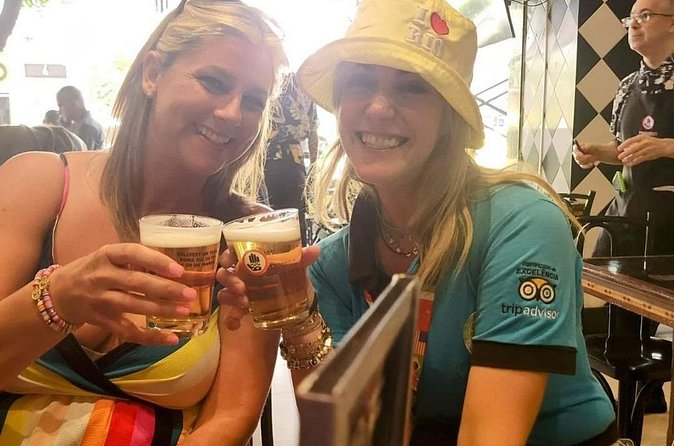
The final listed food stop is Adega Pérola, where the focus turns to Brazil’s ingredients, aromas, recipes, and typical dishes. The tour connects these foods to Indigenous traditions, Afro-Brazilian communities, and immigrant influences from around the world.
That context is important. Brazilian food is not one fixed cuisine, and Rio’s table reflects many cultures. A good explanation can turn a quick snack into a better understanding of migration, local ingredients, and the ways recipes change over time.
The stop is scheduled for about an hour. Specific dishes at Adega Pérola are not listed, so you should not assume that every item named at Parada de Copa will also appear here. The food experiences are included in the tour, but the precise tasting sequence may vary.
I especially like this part for curious eaters who want more than a list of Brazilian snacks. You are given a way to think about the food: who shaped it, what ingredients matter, and why Rio’s cuisine feels so varied.
How the sightseeing and food fit together
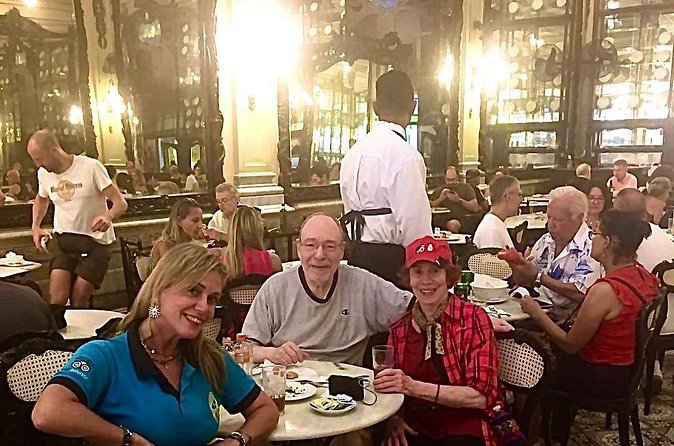
The route is strongest when the guide ties the stops together. Colombo introduces historic Rio through a grand confectionery. Lapa and Santa Teresa show public art, old infrastructure, viewpoints, and local neighborhoods. The food stops then provide a more personal way into Brazilian culture.
The broader route includes Copacabana and Ipanema beaches, the outside of Maracanã Stadium, the historic center, Sugarloaf Mountain, and Corcovado with Christ the Redeemer. These are important sights, but the supplied schedule does not give separate durations for each one.
That means you should read those inclusions as part of a panoramic city tour, not a promise of extended visits inside every attraction. The tour may pass by some places, pause for photos, or explain them from outside. It also mentions quick entry with tickets, but the details do not specify which attraction admissions are covered or how long each visit lasts.
If Christ the Redeemer or Sugarloaf is your main reason for visiting Rio, confirm exactly how those stops operate before booking. You may prefer a dedicated half-day visit to one major landmark rather than seeing several famous places briefly.
Price, group size, and the practical value
At $141.14 per person, this is not a cheap snack walk. The price needs to cover more than food, since the experience includes a guide, a six-hour schedule, movement between several districts, sightseeing, tastings, and a buffet lunch described as included.
I see the value most clearly for a first visit, a short stay, or anyone who wants one organized day to connect food and sightseeing. A private taxi day plus separate meals and a guide could cost more, while exploring the same route alone would require planning, navigation, and decisions about what to order.
The value is weaker if you are comfortable using public transportation, already know Rio’s neighborhoods, or prefer to spend an hour or two at each landmark. You are paying for structure and interpretation, not just admission tickets.
The meeting point is directly outside the main entrance of the JW Marriott at Avenida Atlântica, 2600, in Copacabana. Pickup is offered, but the specific instructions identify this hotel entrance as the meeting place, so confirm the arrangement when booking.
The tour starts at 11 a.m. and ends back at the same point. It is near public transportation, confirmation is provided at booking, and most people can participate. The group maximum of 15 is a sensible compromise between personal attention and price.
The guide can make or break this experience
Camila receives the strongest praise for her energy, care, local knowledge, and ability to adjust the route. The most useful detail is not simply that she explains Rio well. It is that she asks what you have already done and changes the day when that makes sense.
That flexibility helped one group with two children, including a baby, enjoy the balance of food, history, and local curiosities. Another account describes her as careful with details and able to make a guest who had been uneasy about Rio leave with a much better impression of the city.
You should still remember that a flexible guide cannot remove every limit from a fixed six-hour schedule. If you want a specific landmark, meal, or neighborhood to receive extra time, mention it before the tour begins.
There is one serious scheduling warning. The tour did not operate as expected on Christmas Day because businesses and attractions in Rio were closed, and the booking was later refunded. The practical lesson is simple: do not book this for a major holiday without confirming that the food stops and sightseeing sites will open.
Who should book this Rio experience
I would recommend it to first-time visitors who want an organized introduction to Rio without giving up local food. It also suits solo visitors, couples, and families who value a guide’s help with food choices and neighborhood context.
It may work particularly well during a short stay. In one day, you can see parts of Copacabana, Lapa, Santa Teresa, the historic center, and other headline sights, while building a list of places to revisit.
Families may appreciate Camila’s reported patience and flexibility, though the route includes tram travel, slopes, stairs, and public spaces. Ask about the day’s walking demands if a baby stroller or limited mobility is a concern.
Food-focused visitors should also consider the pace. You will sample many items, but this is not a long, restaurant-by-restaurant tasting tour. The food is part of a larger cultural day.
Should you book it?
Book this tour if you want one guided day that connects Rio’s sights with its food, especially during a first visit. Camila’s personal approach appears to be a major strength, and the included tastings cover enough ground to give you a practical introduction to Brazilian snacks, sweets, drinks, and culinary influences.
Think twice if you want long, unhurried visits to Christ the Redeemer, Sugarloaf Mountain, or the museums and streets of the historic center. Before paying, confirm the exact stops, admission details, and operating hours for your date, particularly around Christmas and other holidays.
The tour is best viewed as a well-organized orientation to Rio, with food as its thread. It gives you useful context, several memorable neighborhoods, and plenty of ideas for the rest of your stay.
FAQ
Where does the tour begin?
You meet the guide outside the main entrance of the JW Marriott Hotel Rio de Janeiro at Avenida Atlântica, 2600, in Copacabana.
What time does the tour start?
The scheduled start time is 11 a.m.
Where does the tour end?
The experience ends back at the meeting point at the JW Marriott in Copacabana.
How long does the tour last?
The tour lasts approximately six hours.
Is the tour offered in English?
Yes. The experience is offered in English.
How many people can join the tour?
The maximum group size is 15 people.
What food and drinks may be included?
The listed tastings include pão de queijo, coxinha, brigadeiro, guaraná, açaí, pastel, beer, cachaça, and other local products.
Does the route include Christ the Redeemer and Sugarloaf Mountain?
The advertised route includes Corcovado with Christ the Redeemer and Sugarloaf Mountain, along with Copacabana, Ipanema, the outside of Maracanã Stadium, Selarón Steps, the historic center, and other sights. Exact visit times and admission details are not specified.
Is pickup available?
Pickup is offered, but the stated meeting instructions direct participants to meet in front of the JW Marriott’s main entrance. Confirm the pickup arrangement before the tour.
Can I cancel for a full refund?
Yes, if you cancel at least 24 hours before the local start time. Cancellations made less than 24 hours in advance are not refunded, and poor weather may lead to a different date or a full refund.
Newest reviews from around Rio de Janeiro
- Hang gliding flight in Rio de Janeiro★ 5.0 · 6 reviews
- Rio de Janeiro: Zip Lining and Canopy Tree Tour★ 3.3 · 6 reviews
- Vidigal Favela Tour★ 4.4 · 26 reviews
- Rio de Janeiro: Attend a Vasco da Gama game with local guide★ 4.8 · 9 reviews
- Unforgettable Boat Party★ 5.0 · 3 reviews
- Parapente Rio de Janeiro★ 5.0 · 4 reviews
- Rio de Janeiro Private Tour with Cruise Terminal Pick-up★ 5.0 · 2 reviews
- Wild Waters: Rio Whitewater Rafting Adventure Tour★ 5.0 · 13 reviews
Historical Tours, compared.


Private Walking and Cultural Tour Rocinha-Rio de Janeiro
Read our review →
Discover Rio Little Africa: A Cultural and Historical Journey
Read our review →

Scenic Train ride to historical cities of Morretes and Antonina
Read our review →
Browse the lists this tour appears in