

Reviewed · HISTORICAL TOURS
Rio Culture and History through the Art of Traditional Foods
Rio tastes better one bite at a time. This six-hour walk pairs Brazilian food tastings with downtown sights, a tram ride over the Lapa Arches, and the hilltop streets of Santa Teresa. I like the generous mix of food and sightseeing, and I like that the guide explains the family stories and customs behind each stop. The main drawback is the $198 price, which is high for a walking tour, even with food, drinks, transport, and entrance fees included.
The strongest guide reports name Romayne and Camila, both praised for warmth, storytelling, and personal connections at local places. Come hungry, wear light clothes and good walking shoes, and remember that the tour lasts six hours. It is not a quick snack crawl. It is a full half-day introduction to Rio’s food culture and central neighborhoods.
In This Review
- Key points at a glance
- Why this Rio food tour works
- Starting downtown with food as your guide
- Confeitaria Colombo and Rio’s sweet tooth
- Sampling Brazil through everyday ingredients
- Riding the tram over the Lapa Arches
- Santa Teresa’s food, hills, and relaxed pace
- Lapa, downtown sights, and the Selarón Steps
- The guide makes the difference
- Is $198 a fair price?
- Who should book this experience?
- Should you book it?
- FAQ
- How long does the Rio food and culture tour last?
- Where does the tour take place?
- What foods are included?
- Are drinks included?
- Is the tram ticket included?
- How much walking is involved?
- What languages are available?
- Is hotel pickup included?
- Can I cancel the booking?
Key points at a glance
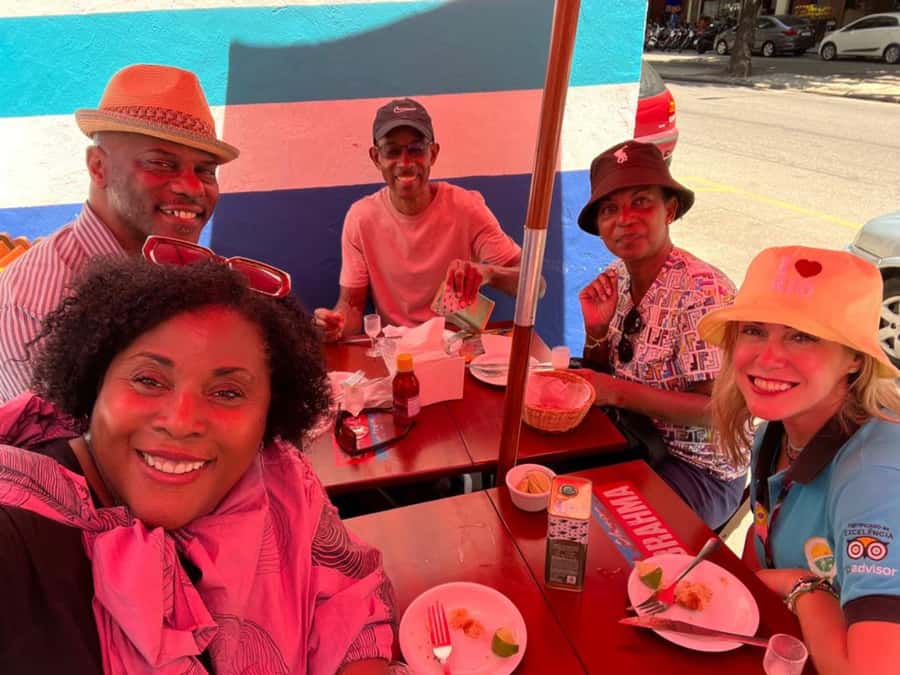
- Pão de queijo, coxinha, and brigadeiros: Try familiar Brazilian favorites alongside less common local foods and drinks.
- Confeitaria Colombo: Lose yourself among the historic confectionery’s sweets and salty snacks.
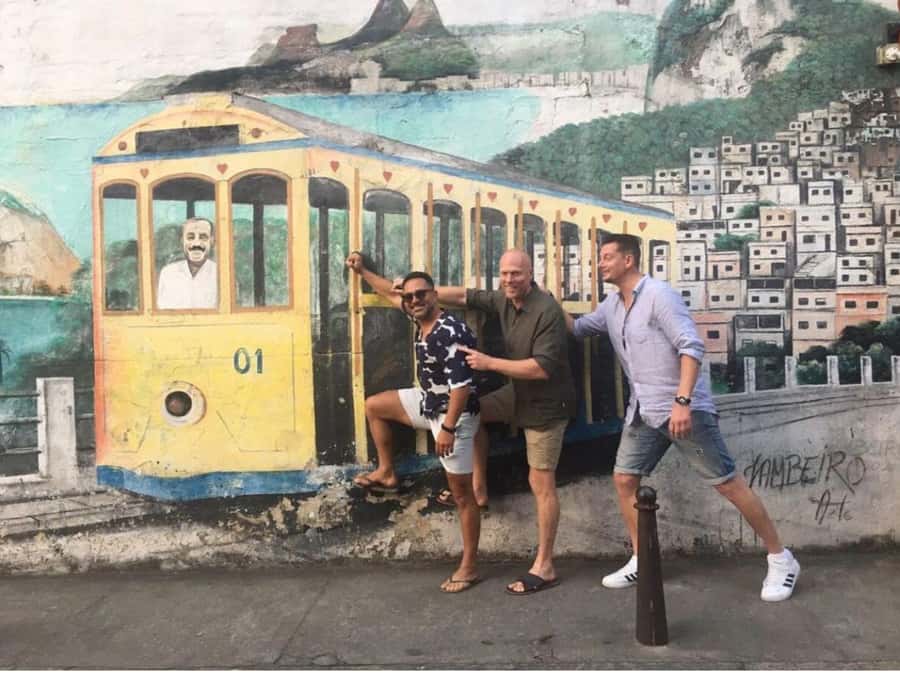
- Tram across the Lapa Arches: Ride the charming streetcar from downtown toward Santa Teresa with city views along the way.
- Açaí, tapioca, and manioc flour: Learn how everyday Brazilian ingredients shape the country’s cooking.
- Food with neighborhood context: See Lapa and Santa Teresa while hearing about Rio life, family traditions, and local history.
- A social six-hour pace: The tour includes beer and cachaça, so it feels like a long meal shared across several stops.
Why this Rio food tour works
Many city food tours give you a list of bites and little else. This one uses food as the thread connecting Rio’s downtown, Lapa, and Santa Teresa. You are not simply handed a pastry and moved along. The guide explains why certain ingredients matter, how local businesses operate, and what each place says about Rio.
That makes the experience useful early in your visit. You get an introduction to Brazilian flavors while also seeing several central sights. The walking distance is about one mile, which is manageable for most people, but the total time is still six hours because the tour includes tastings, conversation, sightseeing, and the tram ride.
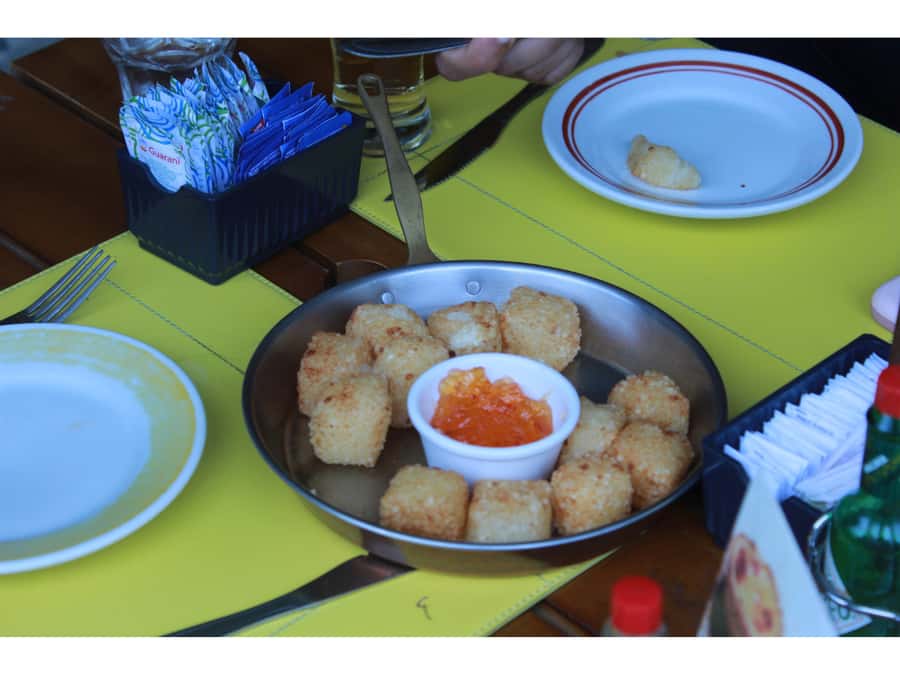
I especially like the balance between recognizable snacks and ingredients you may not know. Pão de queijo, the small cheese bread made with manioc-based flour, is an easy introduction. Coxinha, a savory snack usually shaped like a teardrop, gives you another classic taste. Açaí, tapioca, and manioc flour show how Brazilian food reaches beyond the dishes most often served abroad.
The experience also includes local beer and cachaça. That adds a useful cultural layer, since drinks are part of the social side of eating in Rio. It also means you should pace yourself. This is a long outing, and the alcohol is included alongside a substantial number of samples.
More History Tours in Rio de Janeiro
- Rio de Janeiro Historical Center Walking Tour
★ 4.5 · 336 reviews - Private Walking and Cultural Tour Rocinha-Rio de Janeiro
★ 5.0 · 239 reviews - Discover Rio Little Africa: A Cultural and Historical Journey
★ 5.0 · 238 reviews
Starting downtown with food as your guide
Check-in is at 10:30 a.m., with departure at 10:45 a.m. You should arrive at least 10 minutes early at the stated meeting point. Hotel pickup and drop-off are not included, so plan your route to the meeting place before the morning begins.
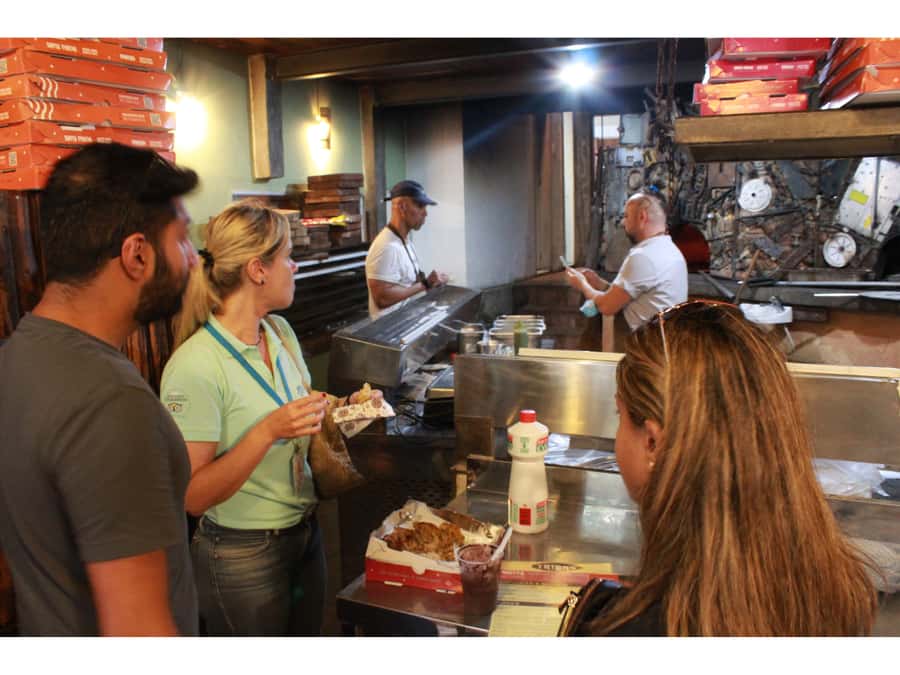
The exact order of stops can vary, but the tour is built around local restaurants, specialty shops, and traditional food businesses in central Rio. The guide gives the tastings their meaning. You learn about the history of Rio’s food and the family traditions connected with the places you visit.
That personal link is one of the experience’s biggest strengths. Camila was praised for showing how people live in Rio and for sharing places where she spends time herself. Romayne was praised for knowing staff around the city and for turning those relationships into a warm welcome at each stop. Those details matter. A food tour feels much more useful when the guide can explain not just what to eat, but also how a place fits into local life.
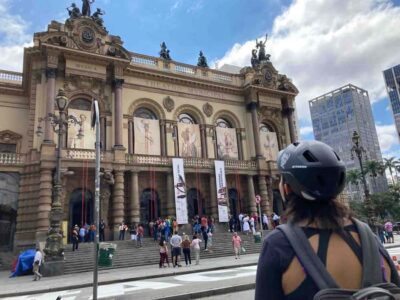
You might see major downtown sights during the walk, including impressive interiors and historic public spaces. One detailed account described visits to downtown attractions, a library reading room, Santa Teresa, and the Selarón Steps area. The tour description also places food at the center, so expect the guide to keep returning to ingredients, recipes, and eating customs rather than offering a pure architecture walk.
Confeitaria Colombo and Rio’s sweet tooth
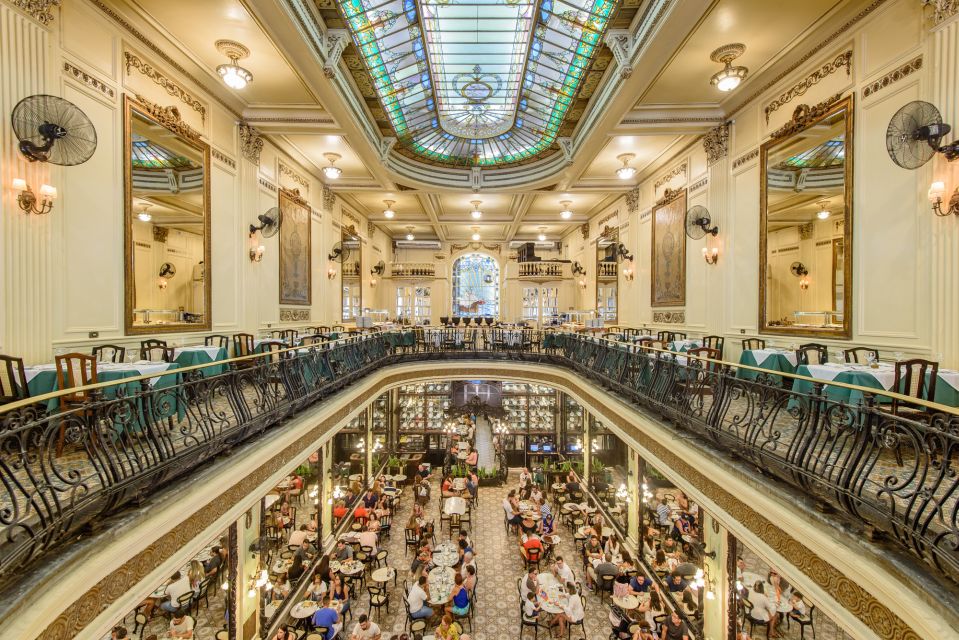
One of the clear highlights is Confeitaria Colombo, the famous confectionery in central Rio. You can expect a spread of sweets and savory snacks here, with the grand setting adding ceremony to what could otherwise be a simple coffee stop.
The appeal is not only the food. Confeitaria Colombo helps show how Rio’s café culture connects with its past. You can pause over pastries, salty bites, and perhaps a drink while the guide explains why the place matters. It is the kind of stop where the room itself becomes part of the lesson.
Do not expect this to be a quiet, private tasting. A renowned confectionery can be busy, and the appeal comes from seeing a well-known Rio institution as part of a regular city day. Still, it gives the tour a strong sense of place. You are eating in a setting with identity, rather than stopping at an interchangeable café.
If sweets are your main reason for booking, keep your expectations measured. The tour also includes savory foods, drinks, and neighborhood sightseeing. Confeitaria Colombo is an important stop, but it is not presented as an all-afternoon dessert event.
Sampling Brazil through everyday ingredients
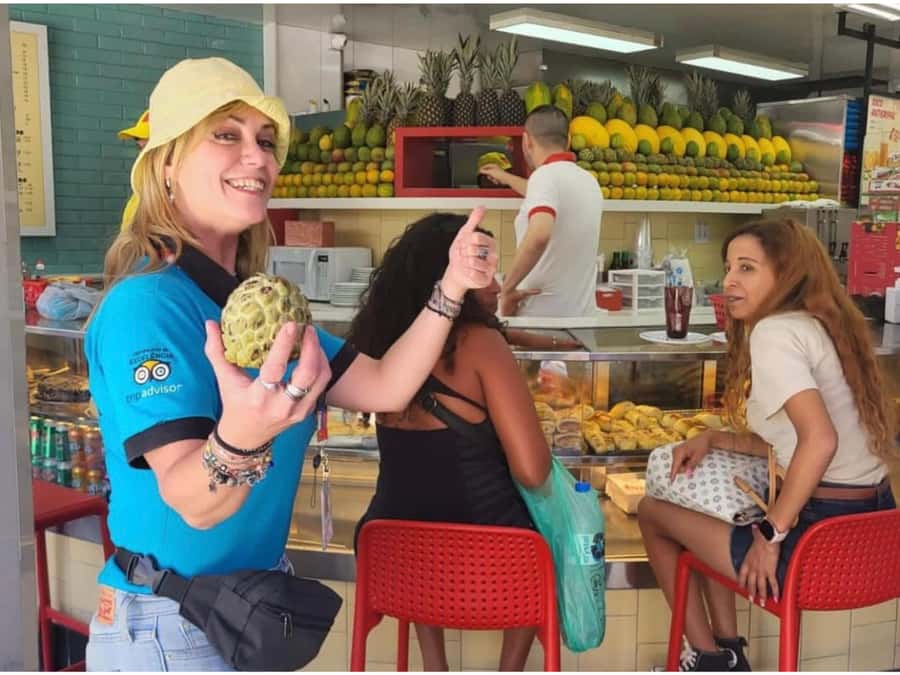
The food selection is broad enough to give you a useful first look at Brazilian cooking. Pão de queijo and coxinha are approachable choices, while açaí, tapioca, and manioc flour introduce ingredients that are central to many Brazilian meals and snacks.
Açaí may be familiar to you as a health-food bowl, but tasting it in Rio gives the ingredient a more local setting. Tapioca is another key part of the Brazilian food story, especially as a versatile base for filled dishes. Manioc flour appears in many forms across Brazil and helps explain the texture and flavor of foods that may initially seem unfamiliar.
You will also sample bacalao fritters, according to the detailed tour experience, along with caipirinhas and other drinks. Bacalao reflects the strong Portuguese influence in Brazilian food, while the caipirinha introduces cachaça in one of the country’s best-known mixed drinks.
The tour includes cachaça on its route, and you may taste it both in a drink and as part of a broader discussion of Brazilian drinking culture. Local beer is included as well. Since additional food and drinks are not covered, ask the guide what is part of the planned tasting before ordering anything extra.
The best practical advice is simple: eat little or nothing beforehand. Several participants described the tasting portions as generous, and the food is spread across a long morning and afternoon. You want room for the full range, from cheese bread and savory fritters to sweets and drinks.
Same patch of Brazil, a completely different sort of day:
- Rio de Janeiro: 6-Stop Highlights of Rio with Lunch
★ 4.4 · 5,157 reviews - Christ the Redeemer Entry Ticket by Corcovado Train
★ 4.4 · 4,476 reviews - Rio’s City Tour – Tickets for Christ, Sugar Loaf & Lunch included
★ 5.0 · 4,389 reviews - Full Day: Christ Redeemer, Sugarloaf, City Tour & Barbecue Lunch
★ 4.5 · 3,142 reviews
Riding the tram over the Lapa Arches
The tram ride is one of the tour’s most memorable changes of pace. After walking and eating downtown, you board the charming streetcar toward Santa Teresa, crossing over the Lapa Arches aqueduct.
The aqueduct is one of Rio’s most recognizable historic structures. From the tram, you get a different view than you would from the street below. The ride also helps explain the physical relationship between downtown Rio and Santa Teresa, which rises above the central district.
You pass by Ruinas Park, with panoramic views over the city. This is a good place to have your camera ready, but it is also worth listening to the guide. The route is not just transportation from one food stop to another. It connects the neighborhoods and gives the day a sense of movement.
The tram is charming, but it may not feel like a private sightseeing vehicle. The ride is part of public city life, and timing can depend on the day’s operation. You should think of it as both a practical transfer and a historic experience, not a long scenic excursion with guaranteed photo stops.
Santa Teresa’s food, hills, and relaxed pace
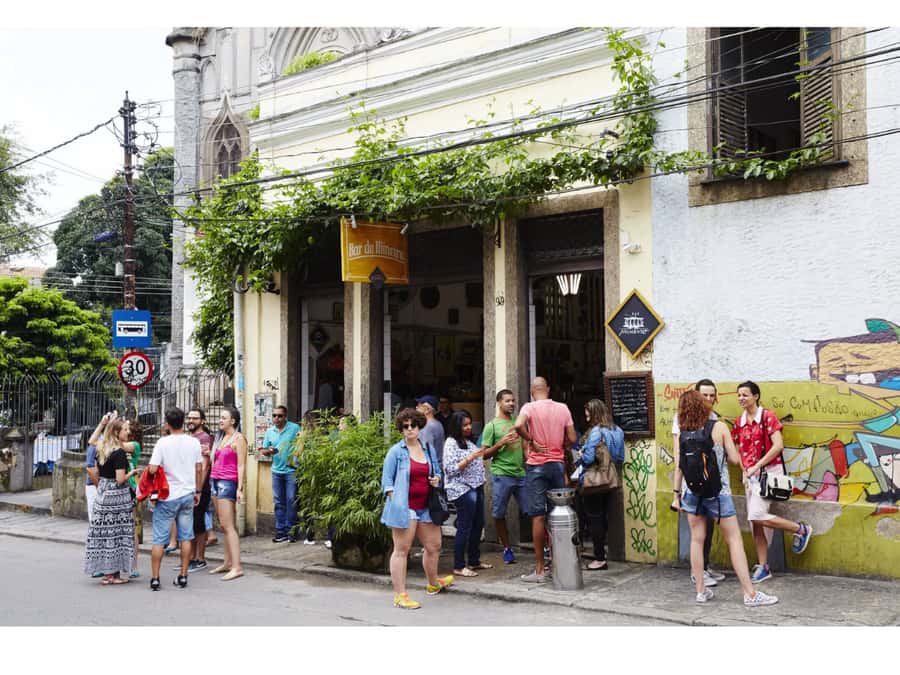
Santa Teresa has a different mood from the formal center. Its streets are known for bars, restaurants, and a creative local feel. The tour lets you see the neighborhood while stopping at food places that connect with the guide’s own knowledge of Rio.
The hills are worth noting. The walking distance is only about one mile, but distance alone does not tell the full story in Santa Teresa. Wear comfortable shoes and outdoor clothing, and bring sunglasses and a sun hat. The tour is suitable for most fitness levels, yet you should still be ready for a full day outside with periods of standing and walking.
This is where the guide’s personality can shape the outing. Camila was described as passionate about Brazilian food and history, with very good English and an open, welcoming manner. Romayne was praised for storytelling and for keeping the six hours moving with energy. If you enjoy asking questions, this tour should give you plenty of chances to do so.
Santa Teresa is not treated as a decorative backdrop. You hear about life in Rio, local restaurants, and the traditions behind the foods. That is more valuable than simply taking a few pictures and moving on.
Lapa, downtown sights, and the Selarón Steps

Lapa adds another layer to the day. Its arches, bars, restaurants, and central location make it a natural meeting point between Rio’s past and its current social life. You see the area through both food and urban history.
The tour may also include the Selarón Steps area late in the day. One detailed account described reaching the steps and a fine viewpoint in time for evening, with music adding to the atmosphere. Since the exact order may change, do not treat sunset at the steps as a guarantee, but the possibility makes the tour especially appealing if you want sightseeing beyond the tasting stops.
The main benefit here is efficiency. You cover several central areas without booking separate food, history, and neighborhood tours. The tradeoff is that none of those subjects receives the same depth as a dedicated tour. You will get a flavorful overview, not an exhaustive study of Lapa or Santa Teresa.
The guide makes the difference
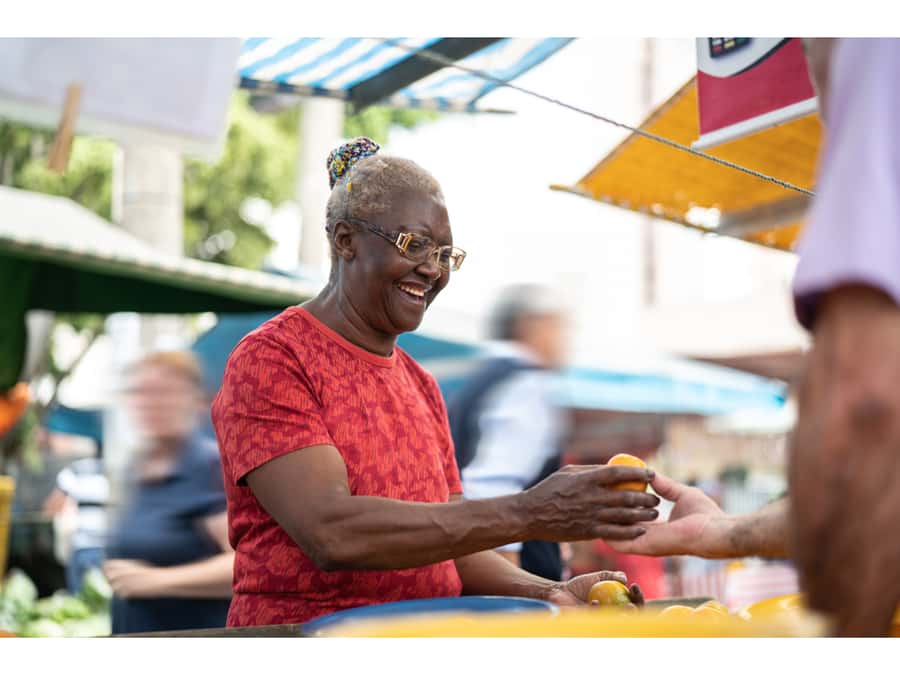
A six-hour food tour depends heavily on its guide. The strongest accounts praised Romayne and Camila for being personable, energetic, and generous with local insight.
Romayne was described as an experienced guide with decades in the field, a strong storyteller, and a person who kept the day lively. His relationships with staff at stops helped create a friendly welcome. Camila was praised for her enthusiasm, strong English, and ability to combine food with history and everyday life in Rio.
Guides can change, so you should not book expecting a specific person unless the operator confirms that in advance. Still, the praise gives you a useful clue about the tour’s character. It is guide-led and conversational, not a rigid audio-style route.
The available languages are English and Spanish. That makes the experience practical for many international visitors, and the guide can answer questions during the tastings and neighborhood walks.
Is $198 a fair price?
At $198 per person, this is not a budget food walk. You are paying for six hours, a professional guide, food samples, drinks included in the itinerary, the tram ticket, entrance fees, and a guided walking route through several parts of Rio.
The value depends on how you like to travel. If you want to sample dishes on your own and only need restaurant suggestions, the price will feel steep. You could spend less by eating independently, though you would lose the guide’s explanations, planned route, transport connection, and access to several tastings in one outing.
I see better value if you are new to Rio, short on time, or eager to understand the culture behind the food. The experience combines elements that might otherwise require several bookings: central sightseeing, Santa Teresa, Lapa, the tram, sweets, snacks, beer, cachaça, and food history.
The rating is 4.6 out of 5 from nine reviews, with praise focused on the food, the guides, and the way sightseeing is folded into the day. The small number of ratings means you should not treat the score as a guarantee, but the repeated praise for Camila and Romayne is useful.
Who should book this experience?
I would choose this tour if you enjoy eating at a steady pace and want context with your meals. It suits first-time visitors who want a friendly introduction to Rio’s central neighborhoods without spending the whole day inside a museum or on a bus.
It is also a good fit for couples and small groups who enjoy conversation. The guides have been praised for personal attention, storytelling, and relationships with local businesses. That suggests a more human experience than a quick stop at a large food market.
You may want something else if you dislike alcohol, have strict dietary needs, or prefer to control every meal. The itinerary includes cachaça, caipirinhas, beer, and a broad range of traditional foods, but no specific dietary accommodation is stated. Ask before booking if you need guaranteed substitutions.
Pack light. Large bags and luggage are not allowed. Bring sun protection, comfortable clothes, and outdoor clothing. The tour is six hours, so dress for changing conditions and a long period away from your hotel.
Free cancellation is available up to 24 hours before the start for a full refund, and you can reserve now and pay later. Those policies make planning easier, especially if your Rio schedule is still changing.
Should you book it?
Book this experience if you want Brazilian food served with neighborhood stories, a historic tram ride, and a guide who can connect you with local places. The best reasons are the range of tastings, the inclusion of Santa Teresa and Lapa, and the strong praise for guides such as Romayne and Camila.
Skip it if $198 is beyond your food budget or if you would rather explore independently. For the right visitor, though, this is more than lunch with a walk attached. It is a full introduction to Rio through pão de queijo, coxinha, açaí, tapioca, cachaça, sweets, street views, and the people who bring those traditions to life.
FAQ
How long does the Rio food and culture tour last?
The tour lasts six hours. Check-in is at 10:30 a.m., and departure is at 10:45 a.m.
Where does the tour take place?
The experience explores Rio de Janeiro’s downtown area, Lapa, and Santa Teresa. The route includes local restaurants, specialty shops, historic sights, and the tram ride toward Santa Teresa.
What foods are included?
The tastings include foods such as pão de queijo, coxinha, açaí, tapioca, manioc flour-based specialties, sweets, and bacalao fritters. The exact tasting order can vary.
Are drinks included?
Local beer and cachaça are included in the planned tastings. Caipirinhas are also mentioned among the drinks sampled. Extra food and drinks outside the itinerary cost more.
Is the tram ticket included?
Yes. The tram ticket and entrance fees are included in the tour price.
How much walking is involved?
The walking distance is about one mile. The tour is suitable for most fitness levels, but you should wear comfortable shoes because it lasts six hours and includes outdoor sightseeing.
What languages are available?
The live tour guide is available in English and Spanish.
Is hotel pickup included?
No. Hotel pickup and drop-off are not included. You should meet the guide at the designated meeting point at least 10 minutes before departure.
Can I cancel the booking?
Yes. You can cancel up to 24 hours in advance for a full refund. You can also reserve now and pay later.
Newest reviews from around Rio De Janeiro
- PRIVATE TOUR – Christ the Redeemer and Sugar Loaf★ 4.5 · 9 reviews
- Christ Statue and Sugarloaf Private Tour with a Photographer★ 5.0 · 9 reviews
- Cidade do Samba Behind-the-Scenes Carnival Tour in Rio de Janeiro★ 4.0 · 5 reviews
- Christ the Redeemer and City Tour★ 5.0 · 20 reviews
- Christ the Redeemer Trail x Lage Park★ 5.0 · 7 reviews
- Christ the Redeemer, Selaron Steps and Santa Teresa Half-day Tour★ 4.5 · 15 reviews
- Christ the Redeemer Adventure★ 5.0 · 12 reviews
- Private Tour of Christ the Redeemer in Rio de Janeiro★ 5.0 · 2 reviews
Historical Tours, compared.



Private Walking and Cultural Tour Rocinha-Rio de Janeiro
Read our review →
Discover Rio Little Africa: A Cultural and Historical Journey
Read our review →

Scenic Train ride to historical cities of Morretes and Antonina
Read our review →
Browse the lists this tour appears in