
Reviewed · HISTORICAL TOURS
Original Historic Coffee Farm Guided Tour with Transfer
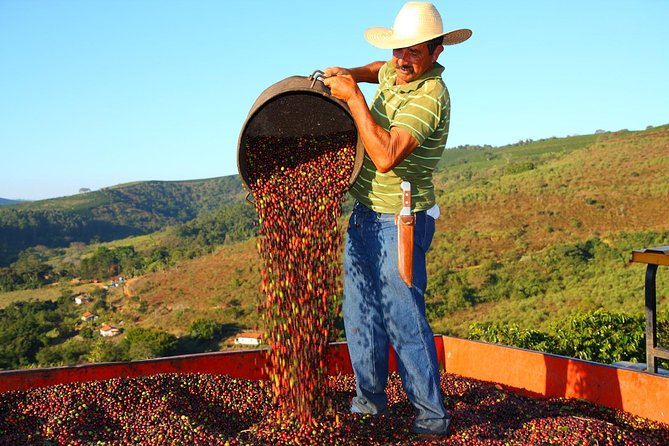
Coffee tells Brazil’s story in a cup. This full-day trip from Rio takes you into the old Coffee Valley, where colonial farms, family homes, and traditional production methods offer a clear look at how coffee shaped the country. I especially like the small-group format and the chance to visit a working historic estate rather than a city museum. I also like that an English-speaking driver-guide can translate the farm presentation when needed.
The main catch is the distance. You may spend roughly two to three hours each way in the vehicle, and the final farm depends on weather, farm availability, and the day’s operating schedule. At $220 per person, this is not a cheap day out, but it can be a worthwhile choice if you care about Brazilian history, coffee, and an intimate rural visit more than a packed sightseeing schedule.
In This Review
- Key points to know before booking
- Why this coffee tour matters
- Leaving Rio at 8:00 am
- Vassouras and the old Coffee Valley
- Barra do Piraí and the farm choice
- Inside the colonial farmhouse
- Coffee from seedling to roasting
- The guide makes or breaks the day
- Is $220 a fair price?
- Who should book this experience?
- Booking tips for a smoother day
- Should you book the coffee farm tour?
- FAQ
- How long does the coffee farm tour last?
- Where does the tour start?
- Which coffee farm will I visit?
- Is food included?
- Will the tour be in English?
- How many people can join the tour?
- Can I cancel for a refund?
Key points to know before booking
- A long rural escape from Rio: Plan for around eight hours overall, with much of the day spent getting to and from the Coffee Valley.
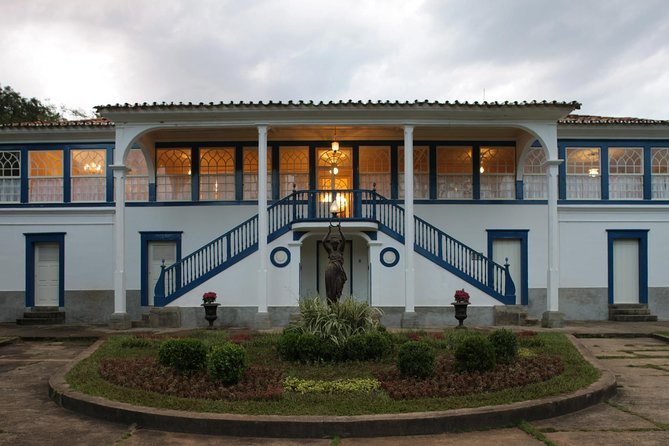
- One of two historic farms: The visit may be to Fazenda da Taquara or Fazenda São Luiz da Boa Sorte.
- Coffee from plant to cup: The tour can cover growing, harvesting, washing, roasting, and preparation.
- Colonial house and family story: The farm visit includes historic interiors, antiques, and stories connected with the estate.
- English support varies by guide: The farm owner or family member may speak Portuguese, with translation provided by the Rio guide.
- Small-group transport: The advertised maximum is 19 people per minivan, though vehicle size and seating arrangements should be confirmed before departure.
Why this coffee tour matters
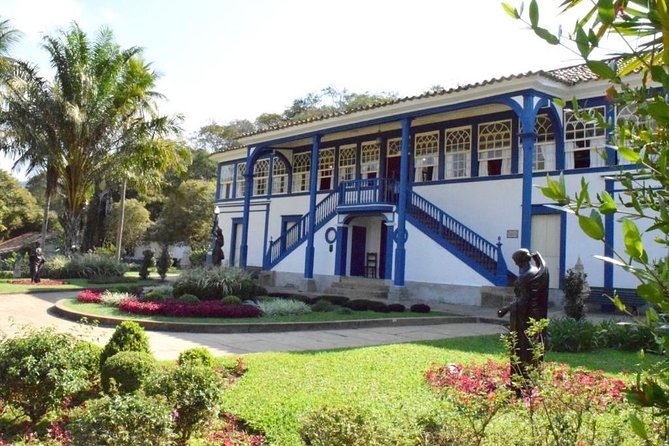
Rio is famous for beaches, mountain views, and nightlife. Its coffee story is easier to miss. Yet coffee helped shape Brazil’s economy, rural society, land ownership, and labor system during the nineteenth century. The Coffee Valley, including the area around Vassouras and Barra do Piraí, gives you a chance to see that story where it happened.
This is not simply a tasting stop. The point is the connection between the crop and the old plantation system. You can learn how coffee moved from the fields to washing and roasting, then see the farmhouse where the people who controlled that production lived.
I value that combination. A modern coffee shop can explain flavor notes, but a historic farm can show you the wider story behind the drink. Guides may also discuss slavery, plantations, and the social structure that supported the coffee economy. That context gives the tour more weight than a quick agricultural demonstration.
The experience is best for you if you enjoy places that require a little effort to reach. It is less suitable if you want a relaxed morning, a short excursion, or several different attractions in one day.
More History Tours in Rio de Janeiro
- Rio de Janeiro Historical Center Walking Tour
★ 4.5 · 336 reviews - Private Walking and Cultural Tour Rocinha-Rio de Janeiro
★ 5.0 · 239 reviews - Discover Rio Little Africa: A Cultural and Historical Journey
★ 5.0 · 238 reviews
Leaving Rio at 8:00 am
The published starting time is 8:00 am from the Rio Othon Palace in Copacabana, with hotel or port pickup and return transport included. The exact pickup time can change, however, because it depends on the farm’s schedule and your hotel location. Contact the operator before the day of the tour to confirm the time.
That detail matters. One booking had its pickup moved from the morning to around 11:00 or 11:30 because the farm’s tour schedule changed. The operator explains that farm activity, harvesting, and production can affect the timing. You should treat 8:00 am as the planned start, not an absolute promise.
The drive takes about two hours according to the tour information, though some experiences have taken closer to two and a half or three hours each way. Rio traffic, pickup arrangements, and the farm’s location can all affect the total. I would keep the rest of your evening free.
You ride in an air-conditioned vehicle with a driver-guide. The group is limited, with a stated maximum of 19 people per minivan. One past experience involved a smaller vehicle with four passengers and a driver, so the actual setup may vary. If legroom matters to you, ask about the vehicle and expected group size before booking.
The long road is part of the price of admission. You leave the coastal city and head toward the interior, where the setting becomes more rural. Your guide may point out details along the way, and one guide, Wagner, was praised for sharing information during the drive as well as translating at the farm.
Vassouras and the old Coffee Valley
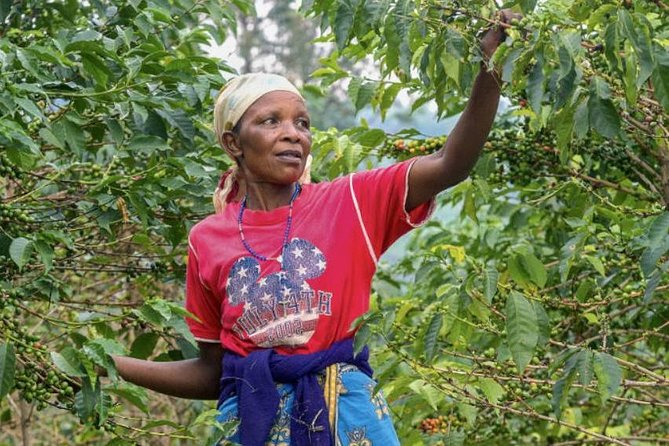
The first listed area is Vassouras, a town strongly connected with Brazil’s nineteenth-century coffee economy. The farm selected for your visit may be in or near this Coffee Valley area. The exact property is not fixed in advance because climate, availability, and farm operations influence the choice.
That uncertainty is worth understanding before you pay. You are not booking a guaranteed visit to a single named estate in every case. The operator says the tour visits one of two well-known farms: Fazenda da Taquara or Fazenda São Luiz da Boa Sorte. You can contact the company in advance to ask which property is planned for your date.
At the farm, allow about two hours for the main visit. The experience can include the coffee grounds, an explanation of cultivation and harvesting, and a look at the stages that turn coffee cherries into a product ready for roasting. The exact order and length can change with the farm’s daily schedule.
Fazenda da Taquara appears to be especially focused on showing the full process. A farm family member may explain planting, growth, harvesting, washing, and roasting. The guide then translates into English when necessary. This arrangement can make the visit feel personal, but it also means the quality of the explanation depends partly on the guide’s language skills.
Barra do Piraí and the farm choice
Barra do Piraí is listed as the second itinerary area, also with a two-hour coffee-farm visit. This does not necessarily mean you visit two separate farms in one day. The additional information says you visit one of the two famous estates, with the final choice based on conditions and availability.
That difference is important. I would read the schedule as a description of possible farm locations, not a promise of two full farm tours. If you want a specific estate, ask before booking, then confirm again close to the date.
Fazenda São Luiz da Boa Sorte is one of the possible properties. The tour description does not provide a guaranteed list of rooms, displays, or activities at this farm, so you should expect the general coffee-farm format rather than a fixed script. You may find a colonial house, coffee production information, and family history, but the details can depend on the estate selected.
This flexible setup has a benefit. The operator can work around weather and farm conditions instead of forcing every booking into the same schedule. The downside is that you have less control over the exact content of the day.
More Private Transfers in Rio de Janeiro
- TRANSFER 4 PASSENGERS GIG/SDU X Copacabana/Ipanema/Leblon
★ 5.0 · 131 reviews - Private Transfer GIG International Airport To or From Rio de Janeiro
★ 4.5 · 109 reviews - Exclusive Private Rio Tour: Guide & Private Car/Driver
★ 5.0 · 83 reviews - Private Bilingual Transfer – City of Rio de Janeiro
★ 5.0 · 74 reviews
Inside the colonial farmhouse
The farmhouse is one of the strongest parts of this experience. After the agricultural section, you can enter a colonial-style home with historic furnishings and antiques. The house gives the coffee story a human scale, showing how plantation owners lived and how the estate functioned beyond the fields.
A family member may lead the house tour, explaining objects and rooms connected with the property. One visit included stories about the original farmhouse family and a warm welcome from the people who still maintain the place. That personal connection is hard to reproduce in a standard museum.
The history is not only decorative. A good guide can connect the house to the coffee boom, plantation society, and slavery in Brazil. Monica, one of the guides praised for this tour, has been noted for explaining the country’s history, slavery, and plantation life along with the coffee process.
You should also keep the presentation in perspective. The farm owner or family guide may speak Portuguese, particularly in a rural setting. The Rio guide is expected to provide English translation, but the translation may be less polished when the farm presentation becomes long or technical. Wagner was praised for translating a detailed tour, while another experience found the interpretation difficult to follow.
If English access is essential to you, tell the operator clearly when booking. Ask whether an English-speaking guide will accompany you for the entire farm visit, not only during the drive.
Coffee from seedling to roasting
The coffee lesson is practical rather than abstract. You can learn how coffee is grown, harvested, washed, and roasted. Seeing those steps in the setting where production once shaped the local economy helps the information stick.
The farm may also explain how coffee is handled before it reaches shops. That makes this more than a history tour for coffee fans. You begin to understand why processing affects the final drink and why farming is only one stage in the chain.
The tour does not promise a formal tasting menu or a dedicated coffee workshop. Food and drinks are officially not included. However, one experience included coffee, sweets, and stuffed breads served in the farmhouse after the visit. Treat that as a possible farm welcome, not a guaranteed part of the package.
Bring water and a snack for the road. The long transfer can make a small meal useful, and the official inclusions do not cover food. You can request a bathroom stop during the drive, but do not assume one will occur automatically. Tell your guide when you need a break.
The guide makes or breaks the day
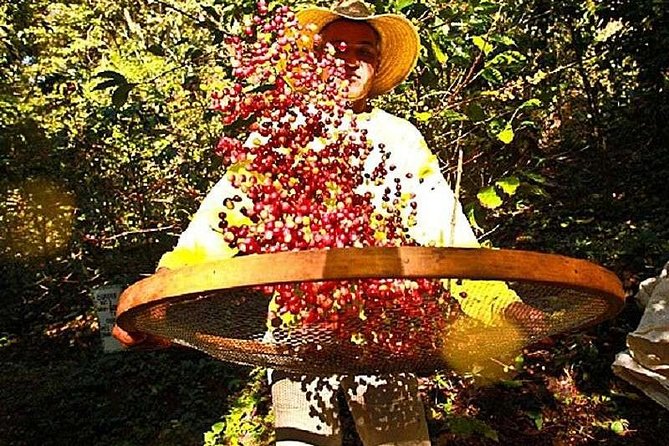
Your driver-guide is important because the transfer is such a large part of the experience. The guide handles pickup, navigation, background information, and possibly translation. A strong guide can turn a long ride into useful preparation for the farm.
Monica received particular praise for storytelling and for explaining both coffee and Brazil’s past. Wagner was praised for pointing out details on the drive and translating the family member’s Portuguese presentation into English. These comments suggest that guide quality can be a real strength.
Still, this is a shared tour, and guide assignments can vary. One difficult experience involved a guide who said she had not previously led this particular excursion and felt unprepared for the farm presentation. The operator disputed that account and said the guide had led the tour many times. The practical lesson is simple: ask who will guide the day, what language support is available, and how the farm presentation will be handled.
The farm family is not required to speak English. That is normal for a rural Brazilian property. Translation is part of the service you are paying for, so it is fair to expect clear help, but you should not expect a native English presentation from every person you meet.
Is $220 a fair price?
At $220 per person, the tour costs more than many half-day activities in Rio. You are paying for private-style transport, a driver-guide, hotel or port pickup, the long journey, and access to a historic farm outside the city.
The value depends on what you want from your day. If you only want to taste coffee, the price is hard to justify. Rio has easier and cheaper ways to drink Brazilian coffee. If you want a full rural excursion with historical interpretation, colonial architecture, and a look at coffee production, the price becomes easier to defend.
The trip also saves you the trouble of arranging transport to the Coffee Valley yourself. That matters because the farm is far from Copacabana and the route is not a quick urban outing. A small-group transfer lets you reach a place that would otherwise require more planning.
I would not book this tour expecting eight hours of constant activity. A meaningful share of the day is road time. The best value comes when you treat the journey as part of a regional history lesson and feel excited about the farm itself.
Who should book this experience?
I would recommend it to you if:
- You enjoy Brazilian history beyond the main Rio sights.
- You are interested in coffee production, plantations, and rural life.
- You prefer a family-run historic property to a polished commercial attraction.
- You can handle a long vehicle transfer.
- You are comfortable with a schedule that may shift.
- You want hotel or port pickup and do not want to arrange rural transport yourself.
I would think twice if you have limited time in Rio, dislike long drives, need a firm timetable, or want guaranteed English explanations from every person involved. The tour also may not suit anyone expecting a large coffee tasting or a full meal, since food and drinks are not included in the listed price.
Most people can participate, and the minimum booking requirement is two people. If the minimum is not met, the date may be changed or the activity canceled with an alternative or refund offered.
Booking tips for a smoother day
Contact Rio Carioca Tour Ltda before departure to confirm the pickup time for your hotel. The listed meeting point is Rio Othon Palace in Copacabana, but hotel and port pickup are included, subject to availability.
Ask which farm is planned, Fazenda da Taquara or Fazenda São Luiz da Boa Sorte. The operator may still need to change the choice because of weather, availability, or farm operations, but asking gives you a clearer idea of the day.
Confirm the language plan as well. Ask if the driver-guide will translate the farm owner’s presentation and whether the guide will remain with you during the farmhouse tour.
Wear practical clothing and shoes suitable for walking around farm grounds. The supplied information does not describe difficult walking or special equipment, and most people can take part, but a rural property is not the same as a paved city attraction.
Free cancellation is available if you cancel at least 24 hours before the local start time. Changes made within 24 hours are not accepted, and late cancellations are not refunded. Poor weather or failure to reach the minimum group size may lead to a new date or a full refund.
Should you book the coffee farm tour?
Book it if the words Coffee Valley, colonial farmhouse, plantation history, and a long rural day sound appealing. The strongest parts are the family connection, the look at coffee production, and guides such as Monica and Wagner who can add useful historical detail and translation.
Skip it if you want maximum sightseeing in minimum time. The transfer can stretch to five or six hours in total, the exact farm is not guaranteed, and the interpretation may depend heavily on the assigned guide.
My call: this is a worthwhile specialist excursion for curious coffee drinkers and history-minded visitors who have a full day available. Go with realistic expectations, bring water and a snack, confirm the farm and language arrangements, and you will be better prepared to appreciate what this unusual trip offers.
FAQ
How long does the coffee farm tour last?
The advertised duration is approximately eight hours. The transfer from Rio to the farm is listed at about two hours, though the drive can take longer depending on the route, traffic, and pickup arrangements.
Where does the tour start?
The stated meeting point is Rio Othon Palace in Copacabana, Rio de Janeiro. Hotel or port pickup may be available, and you should contact the operator to confirm the pickup time for your location.
Which coffee farm will I visit?
The tour visits one of two farms, Fazenda da Taquara or Fazenda São Luiz da Boa Sorte. The choice depends on factors such as climate, availability, and farm operations. You can contact the operator in advance to ask which farm is planned.
Is food included?
Food and drinks are not included in the official tour inclusions. A past farm visit included coffee, sweets, and stuffed breads, but this should not be treated as guaranteed. Bring a snack for the long drive.
Will the tour be in English?
An English-speaking driver-guide accompanies the tour and may translate the farm presentation. The farm owner or family member may speak Portuguese, so ask the operator in advance about the specific language arrangements for your date.
How many people can join the tour?
The stated maximum is 19 people per minivan. The tour requires at least two people to operate, and the actual vehicle and group size may vary.
Can I cancel for a refund?
You can cancel at least 24 hours before the local start time for a full refund. Cancellations or changes made less than 24 hours before the start are not accepted for a refund. If bad weather or an insufficient number of bookings cancels the tour, you will be offered another date, another experience, or a full refund.
Newest reviews from around Rio de Janeiro
- Hang gliding flight in Rio de Janeiro★ 5.0 · 6 reviews
- Rio de Janeiro: Zip Lining and Canopy Tree Tour★ 3.3 · 6 reviews
- Vidigal Favela Tour★ 4.4 · 26 reviews
- Rio de Janeiro: Attend a Vasco da Gama game with local guide★ 4.8 · 9 reviews
- Unforgettable Boat Party★ 5.0 · 3 reviews
- Parapente Rio de Janeiro★ 5.0 · 4 reviews
- Rio de Janeiro Private Tour with Cruise Terminal Pick-up★ 5.0 · 2 reviews
- Wild Waters: Rio Whitewater Rafting Adventure Tour★ 5.0 · 13 reviews
Historical Tours, compared.

Private Walking and Cultural Tour Rocinha-Rio de Janeiro
Read our review →
Discover Rio Little Africa: A Cultural and Historical Journey
Read our review →
Scenic Train ride to historical cities of Morretes and Antonina
Read our review →
Browse the lists this tour appears in