
Reviewed · HISTORICAL TOURS
Little Africa: Historical & Heritage Tour of Rio de Janeiro
Little Africa tells Rio’s story from the ground up. This private walking tour links old port sites, burial grounds, music, faith, and Afro-Brazilian culture in a part of the city many visitors miss. I like the small private format and the chance to ask direct questions. I also like that the route includes Cais do Valongo and Pedra do Sal, two places that give Rio’s past a human scale. The main drawback is simple: you will walk and stand a lot, and $75.46 can feel steep if your guide delivers only a short historical overview.
The best guides bring this subject to life with care. Anna Maria earned praise for thoughtful teaching and wide-ranging conversation, while Nathaly made a solo visitor feel accompanied from hotel pickup through the walk. Rafael was also praised for answering specific questions and helping with Carnival plans, though one guest found his delivery distant and less detailed than expected.
In This Review
- Key points to know before you book
- Why Little Africa matters in Rio
- From Praça Quinze to the old port
- Mauá Square and the changing waterfront
- Largo de São Francisco da Prainha and everyday Rio
- Cais do Valongo, the emotional center
- Pedra do Sal and the roots of local culture
- The Pretos Novos Institute adds necessary context
- What the private format changes
- Walking, pace, and comfort
- Is $75.46 a fair price?
- Who should book this walk?
- Should you book Little Africa?
- FAQ
- Where does the Little Africa tour begin?
- Where does the tour end?
- How long does the tour last?
- Is the tour private?
- Is the tour offered in English?
- What is included in the price?
- Is the Pretos Novos Institute visit required?
- Can service animals join the tour?
- Can I cancel for a full refund?
Key points to know before you book
- Cais do Valongo connects Rio to the Atlantic slave trade, making it the tour’s most sobering and important stop.
- Pedra do Sal links African traditions, Carnival, and local community life in a setting that feels more lived-in than museum-like.
- The tour is private, so only your own group takes part and you can ask questions at your own pace.
- Expect a walking-heavy outing of about two to four hours, with several stops lasting 5 to 20 minutes.
- The optional visit to the Pretos Novos Institute costs extra, but it adds an indoor museum experience to the outdoor route.
- English is offered, and group discounts may lower the per-person price for larger parties.
Why Little Africa matters in Rio
Rio is often introduced through beaches, viewpoints, samba, and grand public spaces. This tour points you toward another Rio, one shaped by forced migration, African customs, port commerce, religion, music, and memory.
The name Little Africa refers to the port district where many Africans arrived in Brazil and where Afro-Brazilian communities formed. The places here are not all grand monuments. Some are squares, streets, ruins, churches, and former waterfront sites. That is part of the value. You are not only looking at objects behind glass. You are standing in the places where major events unfolded.
I would choose this experience early in a Rio visit if you want context for Carnival, candomblé, samba, and the city’s racial history. It can change how you read the rest of Rio. At the same time, you should book it with realistic expectations. This is a history-focused walk, not a sightseeing tour packed with famous views or entertainment.
More History Tours in Rio de Janeiro
- Rio de Janeiro Historical Center Walking Tour
★ 4.5 · 336 reviews - Private Walking and Cultural Tour Rocinha-Rio de Janeiro
★ 5.0 · 239 reviews - Discover Rio Little Africa: A Cultural and Historical Journey
★ 5.0 · 238 reviews
From Praça Quinze to the old port
The meeting point is Praça Quinze de Novembro in central Rio. The first listed stop is the Statue of General Osorio, where you spend about 10 minutes. Admission is free, and this opening point gives your guide a chance to set the scene before the walk moves toward the old port.
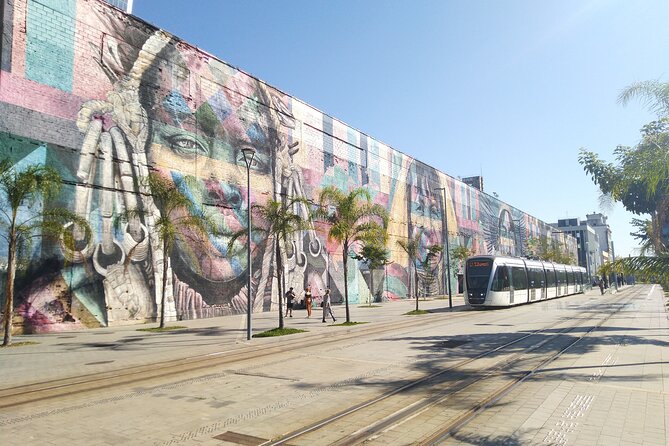
The next stop is Boulevard Olímpico, a corridor created for the Olympics on land connected to the former colonial port. You get about 15 minutes here. The modern public space can seem polished and contemporary, but its location matters more than its appearance. Your guide can connect the new waterfront redevelopment with the older port district beneath the surface.
I like this early contrast. Rio’s port is not frozen in one period. Modern public projects, colonial commerce, slavery, museums, and local neighborhoods occupy the same broad area. If you are mainly interested in old buildings, this section may feel less dramatic than the later stops.
Mauá Square and the changing waterfront
Mauá Square sits beside the port and near the Museum of Tomorrow and the Rio Art Museum. The scheduled stop lasts around 10 minutes. The museums are useful landmarks, but admission to them is not included in this experience, and the tour does not present them as full museum visits.
This is a good place to understand how Rio has reshaped its waterfront. You might find the square useful for orientation, especially if you plan to return later for one of the museums. The tour gives you a short look rather than a full cultural-center visit, so do not book this walk expecting museum admission or extended time indoors.
The route also includes the Matriz da Paroquia de Santa Rita, a church associated with the burial of enslaved Africans. You spend about 10 minutes here. That stop puts religion and death at the center of the story. It is a reminder that the port was not only a point of arrival. It was also a place where people endured illness, exploitation, separation, and loss.
Largo de São Francisco da Prainha and everyday Rio
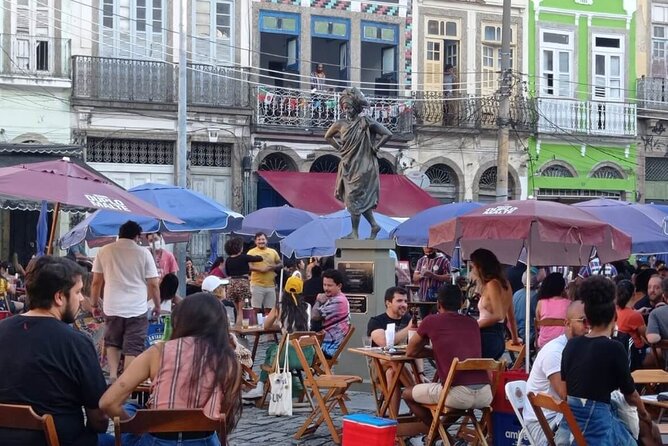
Largo de São Francisco da Prainha takes about 15 minutes. The area occupies the site of a former beach that was buried, and it is now known for local bars.
This stop adds a useful social layer. You are not looking only at a memorial site or formal monument. You are seeing a neighborhood space still connected to food, drinks, conversation, and ordinary city life. That mix can make the walk feel more personal.
The area is also a practical point for setting expectations. The tour involves standing outdoors in public spaces, not moving through a carefully controlled museum. The guide’s storytelling matters a great deal. Anna Maria received especially strong praise for combining history, art, food, and conversation, and that kind of broad approach would fit this stop well.
Same patch of Brazil, a completely different sort of day:
- Rio de Janeiro: 6-Stop Highlights of Rio with Lunch
★ 4.4 · 5,157 reviews - Christ the Redeemer Entry Ticket by Corcovado Train
★ 4.4 · 4,476 reviews - Rio’s City Tour – Tickets for Christ, Sugar Loaf & Lunch included
★ 5.0 · 4,389 reviews - Full Day: Christ Redeemer, Sugarloaf, City Tour & Barbecue Lunch
★ 4.5 · 3,142 reviews
Cais do Valongo, the emotional center
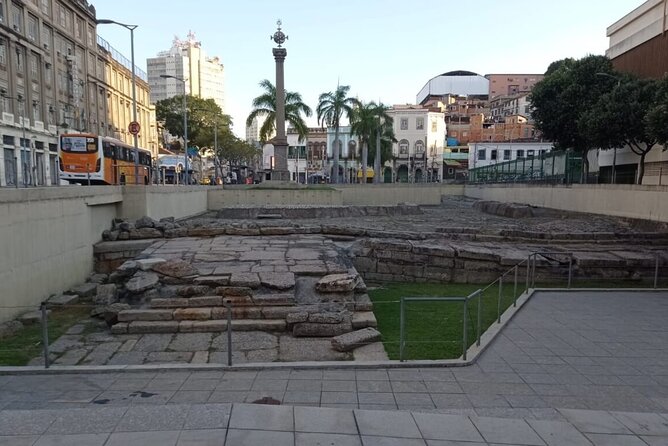
Cais do Valongo is the key stop. The docks were used for the arrival of enslaved Africans in the 1800s, and the visit lasts about 20 minutes. The site is free to enter, but its importance is far greater than its modest physical footprint might suggest.
I would plan to give this place your full attention. It may not look like a grand monument. Its power comes from knowing what happened here and from recognizing how easily a busy city can build over painful parts of its past.
A guide can help you understand the port’s role in Brazil’s slave trade and explain why the site remains important today. One guest specifically praised Rafael for making visits to Cais do Valongo and Pedra do Sal moving experiences while answering detailed questions. That is the standard you should hope for, since a quick statement of dates will not do the place justice.
The route information places Cais do Valongo among the main stops and gives the tour’s ending point as Cais do Valongo on Avenida Barão de Tefé in Saúde. Confirm the exact order and final meeting details with the operator before setting off, since the published stop sequence also continues to Pedra do Sal and the Pretos Novos Institute.
Pedra do Sal and the roots of local culture
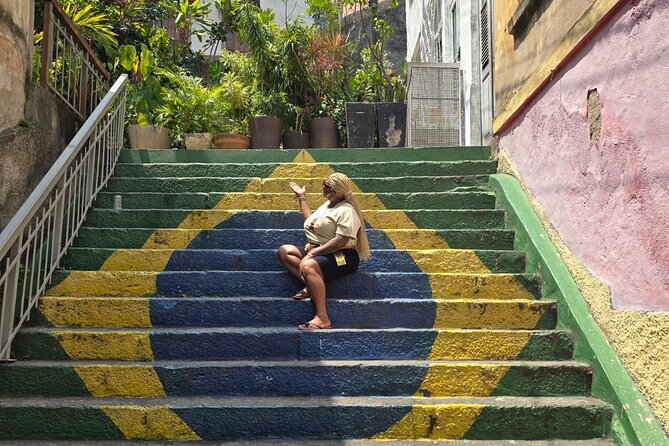
Pedra do Sal receives only about five minutes in the listed schedule, which is surprisingly short for a site with such cultural weight. It is associated with the spread of Carnival and African religions in Rio.
This is where the tour moves from the mechanics of the port toward cultural survival. African traditions did not vanish when people were brought to Brazil by force. They shaped music, religious practice, celebrations, food, and community life. Pedra do Sal helps you connect those wider ideas to a particular place.
Because the stop is brief, your guide’s explanation is crucial. You may want to ask how Carnival and African religious traditions developed in this area, and how Pedra do Sal fits into Rio’s modern cultural life. If music and Carnival are your main interests, this stop may leave you wanting more time. The upside is that the tour can point you toward later plans, such as Carnival events or blocos. Rafael helped one participant with bloco advice and a last-minute visit to Cidade do Samba, which shows how a good guide can make the tour useful beyond its official route.
The Pretos Novos Institute adds necessary context
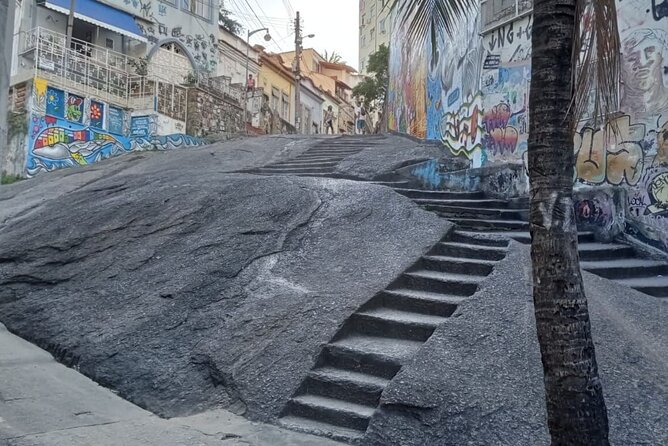
The final listed stop is the Instituto de Pesquisa e Memória Pretos Novos, known as IPN. The site marks the place where enslaved people who died before arriving in Brazil were buried. It now operates as a museum, and the optional visit lasts about 30 minutes.
This is the only stop with an extra admission charge. The outdoor sites give you geography and atmosphere, while IPN adds a museum setting and a more focused memorial experience. I would consider paying for it if you want the clearest explanation of the burial site and prefer time indoors with exhibits or interpretation.
The extra visit also changes the length and feel of the experience. Without it, the walk may be closer to the shorter end of the two to four hour range. With it, you get a more complete visit, though the total cost rises above the advertised $75.46.
What the private format changes
This is a private activity, so only your own group participates. That matters more here than it would on a simple city highlights walk. The subject can raise specific questions, and your group may want to pause longer at Cais do Valongo or move faster through the modern waterfront.
A private guide can also adjust the tone. Nathaly was praised for meeting a solo visitor at a hotel and returning there afterward, so the person never felt alone during the outing. The stated meeting point is Praça Quinze de Novembro, but that experience indicates that hotel meeting arrangements may sometimes be possible. Ask before booking rather than assuming pickup is included.
The guide makes or breaks the value. Anna Maria was praised for kindness, insight, and strong command of the subject. Rafael was praised for his friendliness and detailed answers by one participant, while another found the same guide less personable and not sufficiently informative. That mixed experience is worth taking seriously. A private tour gives you access to one guide, so the quality of that interaction has a direct effect on your day.
Walking, pace, and comfort
The tour lasts approximately two to four hours. The listed stop times add up to about 115 minutes, before walking between locations, questions, and any optional museum visit. In practice, you should expect a substantial amount of walking and standing.
One participant found the pace hard on an elderly mother. If someone in your group has limited mobility, ask about the distance, rest opportunities, and whether the route can be adjusted. Most people can participate, and the activity is near public transportation, but that does not remove the need for comfortable shoes and sensible planning.
The route begins in central Rio and ends in Saúde at Cais do Valongo. You will need to think about how you reach the start and what you plan to do afterward. Service animals are allowed. The tour is offered in English, which makes it a practical choice if you want historical explanation without relying on translation apps.
Is $75.46 a fair price?
At $75.46 per person, this is not a bargain-priced stroll. The private format helps explain the cost, especially if two or more people can share the attention of one guide. Group discounts may improve the deal for larger parties.
The price feels fair when you receive careful storytelling, thoughtful answers, and help connecting the sites to wider Brazilian culture. Anna Maria’s teaching style and Nathaly’s personal attention show what the experience can offer at its best. The value drops sharply if the guide provides only three broad stories, avoids questions, or makes the walk feel like a series of quick stops.
The optional IPN visit costs extra, so include that in your budget if you want the museum component. The tour itself has free admission at the listed outdoor sites, but the payment is for guiding, local knowledge, planning, and private access to the experience rather than entrance tickets.
Who should book this walk?
I would recommend Little Africa to you if you want to understand Rio beyond its postcard image. It suits people interested in slavery in Brazil, Afro-Brazilian culture, Carnival, African religions, public memory, and the changing port district.
It is also a good choice for solo visitors who want company in an unfamiliar part of the city. Nathaly’s reported hotel meeting and return accompaniment are particularly reassuring, though you should confirm that arrangement in advance.
You may want another option if you dislike walking, need frequent seating, want a fast-paced highlights tour, or expect a museum-heavy experience. It is also not ideal if your main goal is beaches, viewpoints, architecture, or nightlife. The subject is serious, and the best version of the tour asks you to listen carefully.
Free cancellation is available up to 24 hours before the start time for a full refund. Changes or cancellations made less than 24 hours before departure are not accepted for a refund.
Should you book Little Africa?
Book it if the history of Afro-Brazilian Rio matters to you and you are willing to pay for a private guide rather than a packed sightseeing schedule. I would give the operator your interests in advance and ask for a guide who can spend real time on Cais do Valongo, Pedra do Sal, and IPN.
The experience can be thoughtful, moving, and highly personal. It can also feel overpriced if the storytelling is thin. For the best value, go with a small group, wear comfortable shoes, confirm the meeting arrangement, and consider adding the IPN museum visit.
FAQ
Where does the Little Africa tour begin?
The tour begins at Praça Quinze de Novembro in central Rio de Janeiro.
Where does the tour end?
The stated ending point is Cais do Valongo on Avenida Barão de Tefé in the Saúde district of Rio de Janeiro.
How long does the tour last?
The experience lasts approximately two to four hours, depending in part on walking time and whether you add the optional museum visit.
Is the tour private?
Yes. Only your own group participates in the activity.
Is the tour offered in English?
Yes. English is one of the available tour languages.
What is included in the price?
The price covers the guided experience and the listed outdoor stops, which have no admission charge. The optional visit to the Pretos Novos Institute is not included.
Is the Pretos Novos Institute visit required?
No. The visit is optional and costs extra.
Can service animals join the tour?
Yes. Service animals are allowed.
Can I cancel for a full refund?
Yes, if you cancel at least 24 hours before the experience begins. Cancellations made less than 24 hours before the start time are not eligible for a refund.
Newest reviews from around Rio de Janeiro
- Hang gliding flight in Rio de Janeiro★ 5.0 · 6 reviews
- Rio de Janeiro: Zip Lining and Canopy Tree Tour★ 3.3 · 6 reviews
- Vidigal Favela Tour★ 4.4 · 26 reviews
- Rio de Janeiro: Attend a Vasco da Gama game with local guide★ 4.8 · 9 reviews
- Unforgettable Boat Party★ 5.0 · 3 reviews
- Parapente Rio de Janeiro★ 5.0 · 4 reviews
- Rio de Janeiro Private Tour with Cruise Terminal Pick-up★ 5.0 · 2 reviews
- Wild Waters: Rio Whitewater Rafting Adventure Tour★ 5.0 · 13 reviews
Historical Tours, compared.

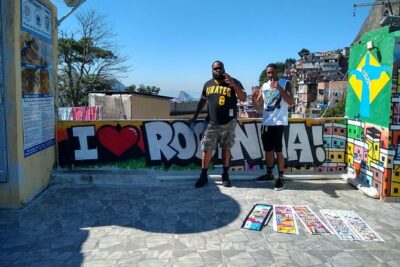
Private Walking and Cultural Tour Rocinha-Rio de Janeiro
Read our review →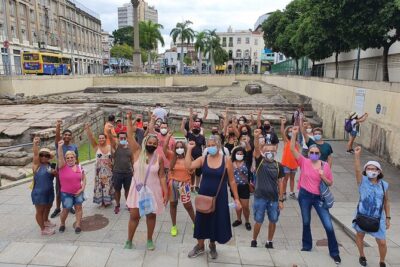
Discover Rio Little Africa: A Cultural and Historical Journey
Read our review →
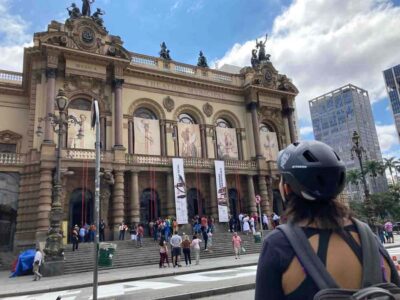

Scenic Train ride to historical cities of Morretes and Antonina
Read our review →
Browse the lists this tour appears in