
Reviewed · SALVADOR & BAHIA TOURS
Culinary Traditions Tour
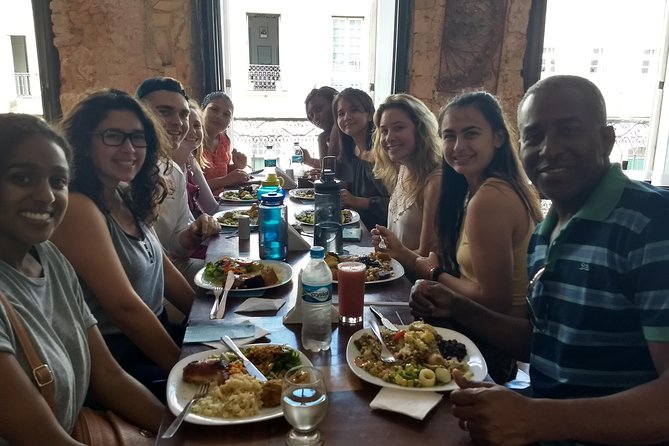
Salvador tastes best at the market. This five-hour private experience connects Feira de São Joaquim, local cooking, and Afro-Brazilian food traditions in one relaxed day. I like the unhurried market visit, and I like that you do not simply watch a cooking demonstration. You help buy ingredients, prepare the meal, and sit down to eat it.
The strongest part is the personal welcome. The cooking takes place with local hosts and chefs, including Ms. Angelica, in a setting described as a family home. The main thing to consider is the price: at $180 per person, this is not a quick market walk or a budget lunch. You are paying for private transportation, a guide, a hands-on class, lunch, and a close look at everyday Bahian food culture.
In This Review
- Key points to know before booking
- Starting with São Joaquim Market
- Cooking Afro-Brazilian food at Ajeum da Diáspora
- What lunch adds to the day
- Is $180 per person a fair price?
- Who will enjoy this experience most?
- Practical details that affect your day
- What the strongest praise tells you
- Should you book the Culinary Traditions Tour?
- FAQ
- How long does the Culinary Traditions Tour last?
- Where does pickup take place?
- Is the tour private?
- Is the tour offered in English?
- What is included in the price?
- Are alcoholic beverages included?
- Can I cancel for a full refund?
Key points to know before booking
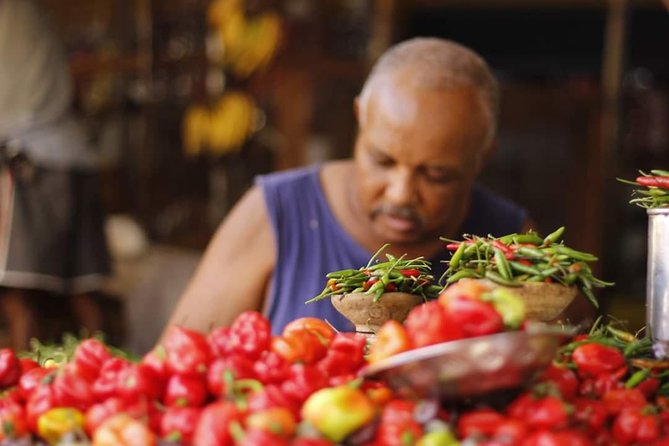
- São Joaquim Market comes first: You shop for the ingredients used later in the cooking class at Salvador’s largest and most traditional open-air market.
- The class lasts about three hours: Local chefs guide you through traditional Afro-Brazilian cooking while explaining Bahian food and cultural customs.
- Lunch is part of the experience: Transportation, a tour guide, lunch, and soft drinks are included in the $180 price.
- The setting feels personal: The cooking takes place at Ajeum da Diáspora, with the experience described as a visit to a local home rather than a formal cooking school.
- You have a private tour: Only your own group participates, and pickup is available from any hotel or Airbnb in town.
- Alcohol costs extra: The included drinks are soft drinks. Alcoholic beverages are not included, so plan to pay separately if you want them.
Starting with São Joaquim Market
The tour begins with pickup at your hotel or Airbnb in Salvador. That door-to-door service matters in a city where a market visit can feel harder to organize on your own, especially if you are carrying ingredients afterward. Transportation is included, along with the guide who accompanies you through the day.
Your first stop is Feira de São Joaquim, the largest and most traditional open-air market in Salvador. The planned visit lasts about one hour, with admission included. This is not treated as a quick photo stop. You are given time to walk at an easy pace, look around, and buy the ingredients needed for the cooking class.
That structure gives the market visit a clear purpose. Instead of wandering through stalls without knowing what to look for, you are shopping for a meal you will soon prepare. I find that this makes the food culture easier to understand. An ingredient is not just something on a shelf. It becomes part of lunch, and your guide can explain how it fits into Bahian cooking.
The slower pace is one of the tour’s best features. You are not being pushed from stall to stall while trying to keep up with a large group. The experience is private, so your group can spend more time looking at products or asking questions. The market was described as quiet enough to explore without rushing, which is useful if you want to notice the details rather than simply pass through.
You may also have the chance to buy a few extra goodies for later. That is not the main purpose of the stop, but it is a practical bonus. I would keep some room in your bag and avoid buying more than you can comfortably carry to the cooking session.
The market is also where the day’s cultural focus begins. São Joaquim is not presented as a polished food hall designed for tourists. It is a traditional market, and the tour uses it as a working part of Salvador’s food life. That makes the visit more meaningful than a standard tasting stop, though you should be comfortable with a genuine open-air market rather than expecting a tidy, highly arranged attraction.
A few more Salvador da Bahia days to weigh up
- Round trip transfer, Salvador, Bahia, Brazil
★ 5.0 · 228 reviews - Salvador City Tour – Discover Brazil’s First Capital En, It, Es
★ 5.0 · 217 reviews - Cooking class in Salvador, an authentic dinning experience
★ 5.0 · 132 reviews
Cooking Afro-Brazilian food at Ajeum da Diáspora
After the market, the group moves to the cooking portion of the experience. The stop is identified with Dique de Tororó, while the cooking takes place at Ajeum da Diáspora. The scheduled cooking time is about three hours, making it the main part of the day.
Local chefs lead the preparation, with a focus on traditional Afro-Brazilian soul food and homemade flavor. The goal is not simply to copy a recipe. As you work, you learn about Bahian culinary history and the cultural traditions connected to the food.
This format suits you if you like to participate. You will be involved in preparing the dishes rather than sitting at a distance while someone else does all the work. The class is also a good match for people who want context with their meal. You can ask questions as the food comes together, then understand more about what you are eating when lunch is served.
The setting helps shape the experience. The cooking has been described as taking place in a host’s house, with the relaxed feel of family life. That is a different atmosphere from a commercial culinary studio. You may find it more welcoming and personal, but it also means the experience is likely to feel informal rather than highly choreographed.
Ms. Angelica is specifically associated with the cooking portion, and the hosts are described as warm and welcoming. That personal contact is a major reason to choose this tour. You are not only learning a dish. You are spending time with people who can connect food, household life, and Bahian culture in a direct way.
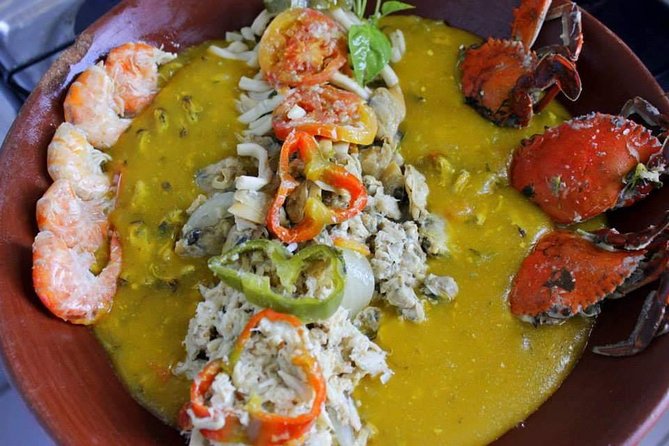
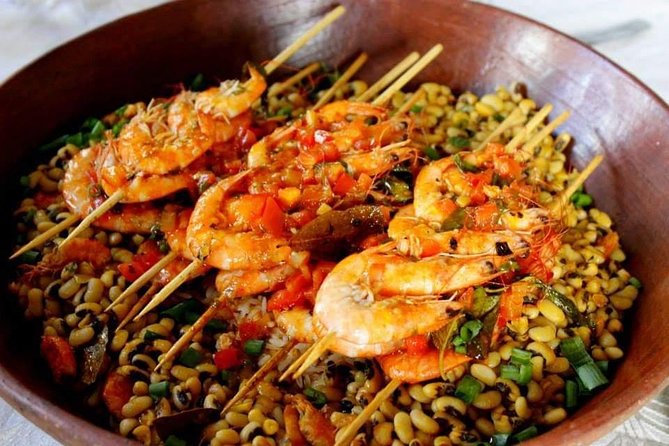
The recipes are not fully specified in the tour details, so I would not book this expecting a guaranteed menu beyond what has been described. One example from the experience was fish moqueca, a dish strongly associated with Bahia, along with fresh caipirinhas. The class may offer other preparations as well, depending on the ingredients selected and the day’s plan.
That flexibility can be a strength. The market purchase helps shape the cooking, so the meal feels linked to the place and the season rather than fixed like a restaurant menu. The trade-off is that you should confirm any dietary needs or menu questions before booking if a particular dish matters to you.
What lunch adds to the day
Lunch is included, along with soft drinks. This is important when judging the price, since you are not paying $180 only for transportation and a lesson. The meal is the final part of the work you have done with the hosts and chefs.
I like this arrangement because eating the food immediately after preparing it gives the day a natural finish. You see the ingredients at the market, help turn them into a meal, and then share the result. That sequence gives the experience a sense of purpose that a stand-alone restaurant lunch does not provide.
The example menu included fish moqueca. If that dish is served during your session, it offers a clear taste of Bahian cooking and gives the class a strong local focus. Fresh caipirinhas were also served on one occasion, but alcoholic drinks are not included in the tour price. Soft drinks are included, and you should budget separately for alcohol.
The meal also gives you time to talk with your hosts. This is where the experience can feel less like a lesson and more like a social visit. The emphasis is on homemade food and conversation, not on rushing through several restaurant courses.
Still, keep your expectations practical. This is a five-hour cultural food experience, not a professional chef certification course. The value is in the market connection, the personal instruction, and the cultural conversation. If you want advanced kitchen technique or a formal printed curriculum, this may feel too casual.
Is $180 per person a fair price?
The price is $180 per person. That is a substantial amount for a half-day activity in Salvador, so the details of what is included matter.
You receive pickup and return transportation, a guide, the market visit, the cooking class, lunch, and soft drinks. The experience is also private, meaning only your group participates. For a couple or small group that values privacy and direct contact with local hosts, those inclusions make the cost easier to justify.
A shared cooking class could cost less, but it would not necessarily offer the same control over pace or conversation. Here, you do not need to organize transport between the market and the cooking venue, and you have a guide throughout the experience. That saves time and removes some of the practical work of arranging the day yourself.
The value is strongest if you actively enjoy food and culture. If you only want a meal, $180 is hard to defend. If you want a market visit, a hands-on lesson, local stories, private transfers, and lunch in one package, the price becomes more reasonable.
Group discounts are offered, which may help if you are booking with family or friends. The exact discount is not specified, so ask for the current group rate before paying. Since this is a private activity, the cost may make more sense when shared among several people.
Same patch of Brazil, a completely different sort of day:
- Tour to the Frades Islands and Itaparica, from Salvador – Ba
★ 4.0 · 130 reviews - Transfer Salvador Airport / Hotel Litoral Norte
★ 5.0 · 111 reviews - Private City Tour in Salvador
★ 5.0 · 110 reviews - Tour Praia do Forte and Guarajuba, Leaving Salvador-Bahia.
★ 4.5 · 97 reviews
Who will enjoy this experience most?
I would recommend this tour to anyone who wants a personal introduction to Bahian cuisine rather than a standard sightseeing circuit. It is especially well suited to:
- People who enjoy cooking and want to work with local ingredients
- Visitors interested in Afro-Brazilian food and cultural traditions
- Couples, families, or friends who prefer a private outing
- Anyone who appreciates a relaxed pace at markets
- People who want door-to-door transportation
- Visitors who value conversation with local hosts
It may be less suitable if you dislike markets, do not want to participate in cooking, or need a fixed menu. The cooking session lasts three hours, so this is not a brief add-on to a busy sightseeing day. You should be ready to give the experience most of your day.
The private format may also suit families. Baby seats are available if requested in advance, and service animals are allowed. Most people can participate, but if you have mobility, dietary, or other needs, it is sensible to explain them when booking.
Practical details that affect your day
The total duration is about five hours, including one hour at São Joaquim Market and three hours cooking. The remaining time covers transfers and the transition between parts of the experience. Pickup is available from any hotel or Airbnb in town, which makes the start simple.
The tour is offered in English. If clear explanations are important to you, this is a useful point in its favor. You can ask about ingredients, cooking methods, and cultural traditions without relying only on gestures or translation apps.
Confirmation arrives at the time of booking. Free cancellation is available if you cancel at least 24 hours before the local start time. A cancellation made less than 24 hours before the start is not refundable, and changes inside that period are not accepted.
Because baby seats require advance notice, request one when you book. The same advice applies to dietary concerns and any special needs. The more clearly you explain what you require ahead of time, the easier it will be for the provider to prepare.
The alcohol policy is simple: alcoholic beverages are not included. Soft drinks are included with lunch. If you want a caipirinha or another alcoholic drink, expect to pay separately.
What the strongest praise tells you
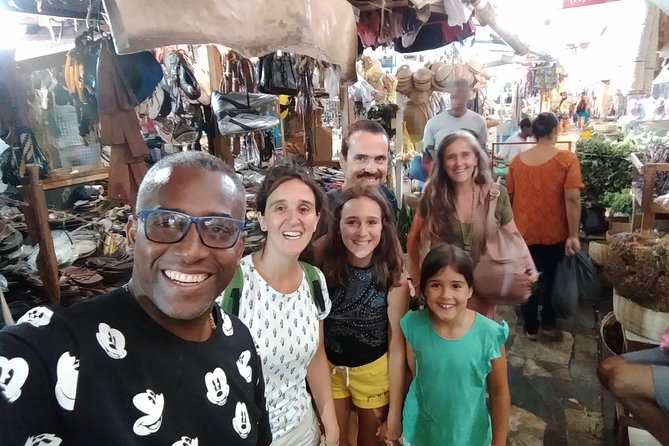
The most consistent strength is the personal nature of the day. The market visit is leisurely, the cooking takes place in an intimate setting, and the meal is shared with the people who helped prepare it.
The second strength is the welcome. The experience has been described as feeling like becoming part of the family, which is a meaningful distinction from a guide delivering a memorized speech. That kind of contact can make Salvador’s food traditions feel more immediate and easier to remember.
The third is the quality of the cultural explanation. The focus is not only on what goes into the pot. You also learn about Bahia’s past, local customs, and the Afro-Brazilian roots of the food. That wider context gives the cooking class real substance.
The door-to-door service is another practical advantage. Pickup, market transport, and the return journey are handled for you. You can concentrate on the experience rather than figuring out how to move between stops with your shopping in hand.
Should you book the Culinary Traditions Tour?
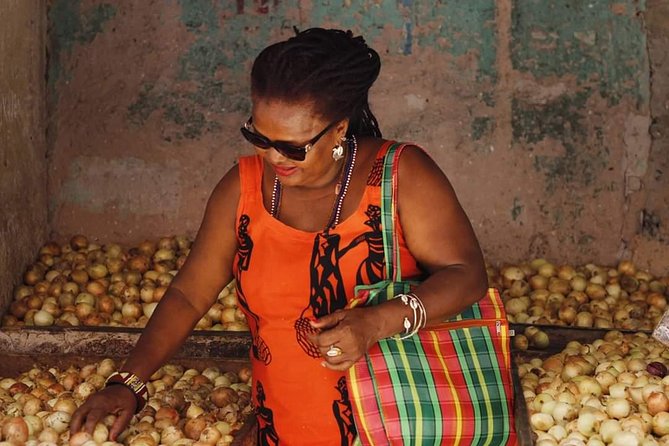
Book it if you want a private, welcoming day built around Salvador’s food culture. The combination of São Joaquim Market, hands-on Afro-Brazilian cooking, lunch, and local conversation offers more than a simple food tasting.
I would be more cautious if you are watching your budget closely or want a guaranteed menu. At $180 per person, this is a premium half-day activity, and alcohol costs extra. But for a small group that values personal attention, private transportation, and a relaxed connection with local hosts, it offers solid value.
Ask about the planned dishes and any dietary requirements before booking. If the menu suits you, this is one of the better choices for turning a meal in Salvador into a full cultural experience.
FAQ
How long does the Culinary Traditions Tour last?
The experience lasts approximately five hours. About one hour is scheduled at São Joaquim Market, followed by about three hours of cooking. The remaining time is used for transportation and transitions.
Where does pickup take place?
Pickup is available from any hotel or Airbnb in town. Transportation is included in the experience.
Is the tour private?
Yes. Only your group participates in the activity.
Is the tour offered in English?
Yes. The experience is offered in English.
What is included in the price?
The price includes transportation, a tour guide, lunch, and soft drinks. The market and cooking activity admission costs are also included.
Are alcoholic beverages included?
No. Alcoholic beverages are not included. Soft drinks are included with lunch.
Can I cancel for a full refund?
Yes, if you cancel at least 24 hours before the experience start time. Cancellations made less than 24 hours before the start are not refundable, and changes during that period are not accepted.
Newest reviews from around Salvador da Bahia
- Transfer North-Ba Coast and Salvador Airport★ 5.0 · 25 reviews
- Curated Nightlife Experience in the Heart of the City★ 3.5 · 5 reviews
- One-Way Private Transfer to Boipeba Island★ 5.0 · 21 reviews
- Transfer Costa do Sauipe – Private★ 5.0 · 2 reviews
- Ilhas Maravilhas Frades and Itaparica Full Day Tour, Salvador, Bahia, Brazil★ 3.5 · 13 reviews
- Hotel Vila Galé Mares – Transfers In / Out★ 5.0 · 29 reviews
- Salvador de Bahia: Private Round-Trip Airport–Hotel Transfer★ 4.5 · 25 reviews
- Transfer Salvador to Barra Grande Round Trip★ 5.0 · 3 reviews
Salvador & Bahia Tours, compared.


Salvador City Tour – Discover Brazil’s First Capital En, It, Es
Read our review →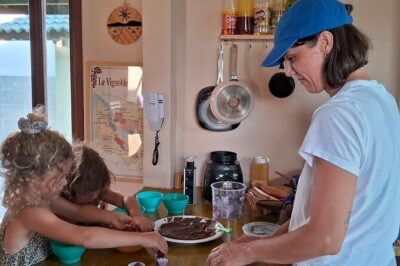
Cooking class in Salvador, an authentic dinning experience
Read our review →
Tour to the Frades Islands and Itaparica, from Salvador – Ba
Read our review →
Itinerary 1:CAVES – Booking from 2 people – Chapada Diamantina by Zentur
Read our review →
Transfer Salvador Airport / Hotel Litoral Norte
Read our review →

Browse the lists this tour appears in