
Reviewed · SALVADOR & BAHIA TOURS
Candomblé: Religious,social Focus and Community visits
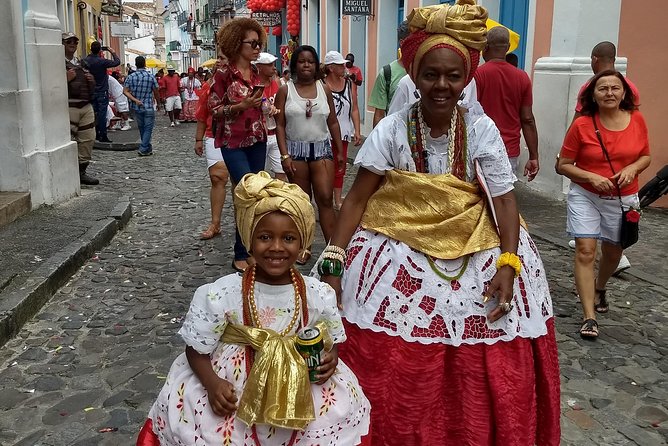
Salvador’s sacred side deserves time. I like the private format and the careful three-stop route, which moves from Yemanjá’s seaside home to Orixá sculptures and a traditional Candomblé terreiro. The warm attention described from Josuel, Aline, and the Olafemi Tours team adds a human touch. One important caution: the listed duration says 9 to 13 minutes, yet the stops alone total about two hours, so confirm the timing before you pay.
This is also a strong choice if you want more than a quick sightseeing loop. I especially like the focus on Afro-Brazilian religion and tradition, rather than treating Candomblé as a colorful show. The $150 price is easier to justify for a private group, though it may feel high if you are traveling alone or mainly want photographs.
In This Review
- Key points to know before booking
- Why this Candomblé tour matters in Salvador
- Rio Vermelho and the house of Yemanjá
- Dique de Tororó and the Orixá sculptures
- Casa de Oxumaré and the traditional terreiro visit
- The guides and the personal tone
- Private format, pickup, and timing
- Is $150 a fair price?
- Who will appreciate this experience most
- Booking, cancellation, and useful questions
- Should you book this Candomblé experience?
- FAQ
- How much does the Candomblé tour cost?
- How long does the experience last?
- What places does the tour visit?
- Is pickup available?
- Is this a private tour?
- When does the tour operate?
- Can I cancel for a full refund?
Key points to know before booking
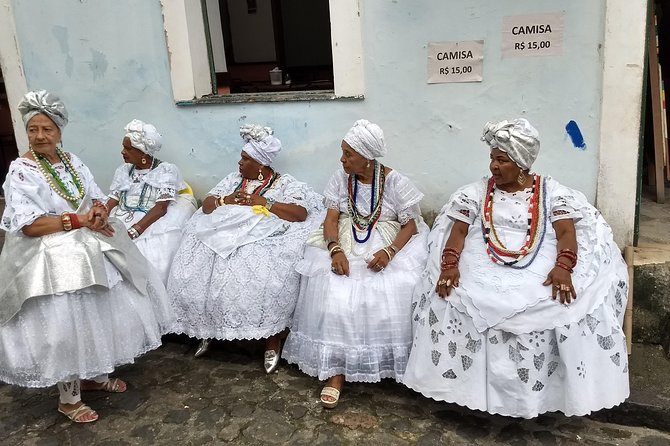
- Casa de Yemanjá in Rio Vermelho: A short visit connects the tour to one of Salvador’s best-known religious figures and coastal traditions.
- Dique de Tororó Orixá sculptures: You get time for photographs and an explanation of the figures, not just a quick drive past them.
- Casa de Oxumaré terreiro: The one-hour visit is the heart of the experience, with a traditional Yoruba-based Candomblé setting.
- Private for your group: You do not share the activity with other participants, which should make questions and conversation easier.
- Guides named Josuel and Aline: The available comments praise their warmth, patience, punctuality, and care.
- Timing needs checking: The stated 9-to-13-minute duration conflicts with the two-hour stop schedule.
Why this Candomblé tour matters in Salvador
Salvador is one of the best places in Brazil to learn about Afro-Brazilian faith in a direct and respectful way. Candomblé is not simply a performance style or a collection of striking images. It is a living religious tradition with social and community ties, and this experience is designed around that point.
I like the way the route gives you three different views of the subject. Rio Vermelho introduces Yemanjá through a place connected to her worship. Dique de Tororó makes the Orixás visible in a public setting. Casa de Oxumaré then takes you into a traditional terreiro, where the subject becomes more personal and grounded.
That order matters. You first encounter a familiar public reference point, then see religious figures in the city, and finally visit a functioning Candomblé community space. You can ask questions as the tour develops instead of trying to understand everything at one stop.
The experience is also organized for people who want to learn about Afro-Brazilian religious and cultural traditions. That makes it a better fit for curious, respectful visitors than for anyone seeking only a photo stop or entertainment.
A few more Salvador da Bahia days to weigh up
- Round trip transfer, Salvador, Bahia, Brazil
★ 5.0 · 228 reviews - Salvador City Tour – Discover Brazil’s First Capital En, It, Es
★ 5.0 · 217 reviews - Cooking class in Salvador, an authentic dinning experience
★ 5.0 · 132 reviews
Rio Vermelho and the house of Yemanjá
The first stop is in Rio Vermelho, where you visit the house of Yemanjá. The scheduled time is 30 minutes, and admission is free.
Yemanjá is an important figure in Candomblé and is strongly connected with the sea. Even without a long visit, this stop gives the tour a clear starting point: religion is tied to place, daily life, and community practice. You are not beginning with an abstract lecture. You are visiting a location associated with a figure many people in Salvador recognize.
I would use this half hour to listen closely to the explanation and ask how the site relates to local tradition. The supplied details do not promise a ceremony, ritual, or special event, so you should not book expecting a staged religious performance. The value here is the setting and the interpretation provided by the guide.
This is also the least expensive part of the route in terms of admission, since no ticket is required. That does not make it unimportant. A free site can still be the best place to understand how a religious tradition appears in the public life of Salvador.
The short time should be enough for an introduction, but it may feel brief if you want a long visit or extensive photography. I would think of Rio Vermelho as the opening chapter, not the main event.
Dique de Tororó and the Orixá sculptures
The second stop takes you to Dique de Tororó for the Orixá sculptures. You have another 30 minutes here, with admission included.
This stop gives you a visual way to follow the guide’s explanation. Instead of hearing names and concepts without reference, you can look at the sculptures while learning about the Orixás they represent. You also have time for photographs, which makes this the most obvious picture-taking stop on the route.
I like that the plan includes explanation alongside photography. A quick visit for pictures alone can reduce religious symbols to decoration. The guide’s role is important here, helping you understand what you are seeing and why these figures matter.
The half-hour schedule keeps the route moving, but it also sets a limit. You will not have unlimited time for separate photographs, long pauses, or a broad discussion of every sculpture. If photography is your main goal, use the time wisely and ask your guide which details deserve attention.
The data supplied does not list the exact number of sculptures or identify each Orixá. You should expect an explanatory stop rather than a full art-history lesson. That is a sensible balance for a tour that also includes a terreiro visit.
Dique de Tororó also helps show how Afro-Brazilian religious references appear in a public Salvador setting. The route is not confined to a private religious space. It connects the faith to visible civic and cultural life.
Casa de Oxumaré and the traditional terreiro visit
The final stop is Casa de Oxumaré, a traditional Candomblé terreiro of Yoruba tradition. The scheduled visit lasts one hour, and admission is included.
This is the most substantial stop and likely the main reason to choose this experience. A terreiro is not simply another tourist attraction. It is a religious community space, so your attitude matters. Go with patience, listen carefully, and follow any instructions from the guide or people at the site.
The description does not promise a ceremony, music, dancing, or a particular religious event on the day of your visit. That distinction is important. You are booking an educational and community visit, not a guaranteed performance. Conditions at a religious site can vary, and the supplied information does not provide a fixed program beyond the visit itself.
The Yoruba tradition is a central part of the tour’s focus. This gives the experience more depth than a general introduction to Salvador’s culture. You can ask how the terreiro relates to Candomblé practice, community life, and the broader Afro-Brazilian experience, while allowing the guide to set the proper boundaries.
The one-hour schedule is useful because it provides enough time for a real conversation. It is still not a full course in Candomblé, and you should not expect to leave with every term or belief explained. What you get is a focused introduction in an authentic religious setting.
I see this visit as the point where respectful behavior matters most. Avoid treating the site as a backdrop. Listen before photographing, and ask permission if photography is not clearly allowed. The supplied information does not specify photography rules at Casa de Oxumaré, so follow local guidance rather than assuming.
Same patch of Brazil, a completely different sort of day:
- Tour to the Frades Islands and Itaparica, from Salvador – Ba
★ 4.0 · 130 reviews - Transfer Salvador Airport / Hotel Litoral Norte
★ 5.0 · 111 reviews - Private City Tour in Salvador
★ 5.0 · 110 reviews - Tour Praia do Forte and Guarajuba, Leaving Salvador-Bahia.
★ 4.5 · 97 reviews
The guides and the personal tone
The strongest praise centers on the people leading the experience. Josuel is described as warm, attentive, punctual, and deeply welcoming. Aline is praised for being prepared, patient, and cheerful during the tour.
Those qualities matter more here than they would on a simple sightseeing drive. Religious topics can be difficult to explain in a short period, especially when visitors arrive with limited background. A patient guide can help you ask better questions and avoid treating unfamiliar practices as curiosities.
The comments also describe a personalized experience with attention to detail. Since this is a private activity, you should have more room to shape the conversation around your interests. You might want to focus on Yoruba tradition, the meaning of the Orixás, the role of the terreiro, or the relationship between religion and Salvador’s wider culture.
The names come from the available feedback, so you should not assume that Josuel or Aline will lead every departure. Still, they give you a useful sense of the service style associated with Olafemi Tours. The company name appears as OLAFEMI TOURS in the supplied provider information and as Olofemi Tours in some comments.
I would value the guide’s manner more than a packed schedule on this particular tour. A rushed explanation would weaken the experience. Warmth and patience help turn a short route into a meaningful conversation.
Private format, pickup, and timing
This is a private activity, meaning only your group participates. That is a real advantage if you want to ask direct questions or prefer not to discuss religion in front of a large mixed group.
The private format also helps with pace. You may be able to spend more time on a point that interests you, within the planned schedule. It does not mean the route is completely flexible, so you should still confirm the exact meeting point, pickup details, and timing before the day begins.
Pickup is offered, but the supplied information does not explain the pickup area, vehicle arrangements, or any extra charge. Ask for those details during booking. The activity ends back at the meeting point, which gives you a clear return plan once the visit is finished.
The stated opening hours are 9:00 a.m. to 1:00 p.m., Monday through Sunday, for January 1 through December 31, 2025. That morning schedule works well if you want to keep your afternoon open, but it also means you should not assume an evening departure is available.
The biggest practical issue is the duration. The listing says approximately 9 to 13 minutes, while the three scheduled stops total 30 minutes, 30 minutes, and one hour. Those figures cannot all describe the full experience. I would treat the stop schedule as the more useful guide, but I would contact Olafemi Tours and confirm the total length before booking transportation, restaurant plans, or another activity.
Is $150 a fair price?
The cost is $150 per person. For a private experience, that price can make sense, especially if two or more people share the cost and the pickup is convenient.
You are paying for more than admission. The fee covers a planned route, a guide, access to a traditional terreiro, explanations at the public sites, and a private arrangement for your group. Casa de Yemanjá has free admission, while tickets are included at the other listed stops. The real value lies in the guide and the access to conversation, not in entrance fees.
For a solo visitor, the price is harder to justify. You pay the full per-person rate while receiving the same basic route. A couple, family, or small group can get better value because the private format becomes more economical per person compared with booking several separate activities.
Group discounts are offered, though the details are not provided. Ask how the discount works for your party size before assuming it will apply automatically. The mobile ticket feature is useful for convenience, but it does not change the central value question.
I would book this for the subject and the personal guidance, not simply for the number of stops. If you only want city photographs, $150 is probably too much. If you want a focused introduction to Candomblé with a visit to a traditional Yoruba terreiro, the cost is more defensible.
Who will appreciate this experience most
I would recommend it to you if you have a real interest in Afro-Brazilian religion, Salvador’s cultural traditions, or the way faith connects with community life. It also suits visitors who prefer a small, private conversation over a large group outing.
You will get the most from it if you arrive ready to listen and ask thoughtful questions. The route includes religious places, public sculptures, and a community terreiro, so a respectful attitude is not optional.
This may be less suitable if you want a guaranteed dance show, ceremony, or theatrical presentation. The supplied details do not promise any of those elements. The focus is religious, social, and community-based.
It is also not the best pick if you need a precisely timed short activity. The conflicting duration information needs clarification. Confirm the actual start and end time before making firm plans around it.
Most people can participate, and service animals are allowed. The information does not give detailed mobility notes for every stop, so if you have specific access needs, ask the provider before booking.
Booking, cancellation, and useful questions
Confirmation is received at the time of booking. You can cancel for a full refund if you do so at least 24 hours before the local start time. Cancellations made less than 24 hours in advance are not refunded, and changes inside that window are not accepted.
I would ask four practical questions before finalizing the reservation:
- What is the correct total duration, given the conflicting time information?
- What pickup areas are covered?
- Will Josuel, Aline, or another guide lead the tour?
- What are the photography rules at Casa de Oxumaré?
Those questions are especially useful because the experience takes place partly in a religious community setting. Clear information helps you arrive prepared and respectful.
The tour is available Monday through Sunday from 9:00 a.m. to 1:00 p.m. during the stated 2025 operating period. It ends at the meeting point, and the mobile ticket should make confirmation simple.
Should you book this Candomblé experience?
Book it if you want a private, guided introduction to Afro-Brazilian religious tradition and you value access to a traditional Yoruba Candomblé terreiro. The combination of Rio Vermelho, Dique de Tororó, and Casa de Oxumaré gives you a useful progression from public place to public art to religious community.
I especially like the emphasis on personal attention and the praise for Josuel and Aline’s warmth, patience, and care. Those traits can make a serious subject easier to approach without reducing it to a sightseeing display.
I would hold off until the duration is confirmed. The 9-to-13-minute figure is plainly at odds with the scheduled two-hour route, and that is too important a detail to ignore. Once the timing is clear, this is a worthwhile choice for culturally curious visitors who want Salvador explained through Candomblé rather than skimmed from the outside.
FAQ
How much does the Candomblé tour cost?
The price is $150 per person. Group discounts are offered, but the specific discount amounts are not provided.
How long does the experience last?
The listed duration says approximately 9 to 13 minutes, but the scheduled stops total about two hours: 30 minutes at Casa de Yemanjá, 30 minutes at Dique de Tororó, and one hour at Casa de Oxumaré. Confirm the correct total duration with Olafemi Tours before booking.
What places does the tour visit?
The route visits Casa de Yemanjá in Rio Vermelho, the Orixá sculptures at Dique de Tororó, and Casa de Oxumaré, a traditional Yoruba Candomblé terreiro.
Is pickup available?
Yes. Pickup is offered, although the supplied information does not specify the pickup areas or arrangements.
Is this a private tour?
Yes. Only your group participates in the activity.
When does the tour operate?
It is scheduled Monday through Sunday from 9:00 a.m. to 1:00 p.m., during the operating period from January 1 through December 31, 2025.
Can I cancel for a full refund?
Yes. You must cancel at least 24 hours before the experience start time, based on local time, to receive a full refund. Cancellations or changes made less than 24 hours before the start are not accepted for a refund.
Newest reviews from around Salvador da Bahia
- Transfer North-Ba Coast and Salvador Airport★ 5.0 · 25 reviews
- Curated Nightlife Experience in the Heart of the City★ 3.5 · 5 reviews
- One-Way Private Transfer to Boipeba Island★ 5.0 · 21 reviews
- Transfer Costa do Sauipe – Private★ 5.0 · 2 reviews
- Ilhas Maravilhas Frades and Itaparica Full Day Tour, Salvador, Bahia, Brazil★ 3.5 · 13 reviews
- Salvador de Bahia: Private Round-Trip Airport–Hotel Transfer★ 4.5 · 25 reviews
- Transfer Salvador to Barra Grande Round Trip★ 5.0 · 3 reviews
- Hotel Vila Galé Mares – Transfers In / Out★ 5.0 · 29 reviews
Salvador & Bahia Tours, compared.

Salvador City Tour – Discover Brazil’s First Capital En, It, Es
Read our review →
Cooking class in Salvador, an authentic dinning experience
Read our review →
Tour to the Frades Islands and Itaparica, from Salvador – Ba
Read our review →
Itinerary 1:CAVES – Booking from 2 people – Chapada Diamantina by Zentur
Read our review →
Transfer Salvador Airport / Hotel Litoral Norte
Read our review →

Browse the lists this tour appears in