
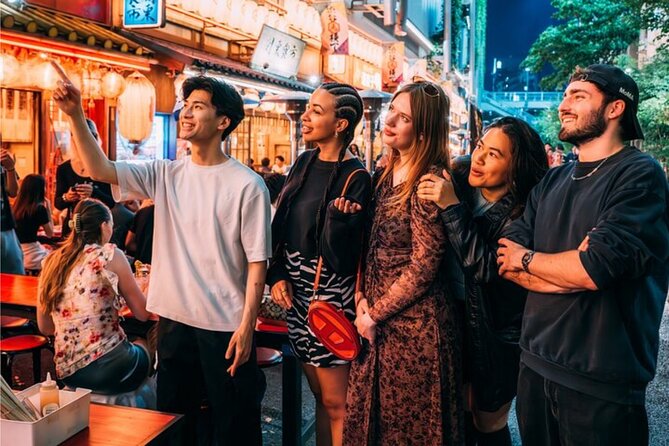
Reviewed · 3-DAY EXPERIENCES
3 Day Food Tour in Rio Cook and Taste Authentic Flavors
Brazil tastes better when you eat locally. This three-day Rio food tour combines hands-on cooking with guided tastings across Ipanema and central Rio, giving you far more than a restaurant meal. I like the mix of kitchen time and street food, and I like the small maximum group of 12, which makes it easier to ask questions and take part.
The main consideration is the amount of food. Day 2 includes 33 Brazilian specialties, and Day 3 adds five tasting stops, so you should arrive hungry and pace yourself. You also need to understand the Day 1 choice: you select either the tropical-fruit walk or the evening cooking class.
In This Review
- Key points at a glance
- Why this Rio food tour works
- Day 1 in Ipanema: fruit or a Brazilian cooking class
- The Ipanema tropical-fruit walk
- The Ipanema cooking class
- Day 2: 33 Brazilian tastes with Cook in Rio
- Day 3: five stops from Ipanema to central Rio
- Big Nectar: tropical juices and fried snacks
- Praça General Osório: a small baked pizza
- Casa Mohamed: Arabic food in Rio
- Beco das Sardinhas: fried fish at happy hour
- Largo da Carioca: handmade sausage hot dogs
- What the cooking classes do particularly well
- Group size, timing, and practical details
- Who should book this experience
- Is the $195 price worth it?
- Should you book the Rio food tour?
- FAQ
- How much does the three-day Rio food tour cost?
- How long does the experience last?
- What can I choose on Day 1?
- How many fruits can I taste on the Ipanema fruit walk?
- What dishes may be prepared during the cooking class?
- How many Brazilian foods are included on Day 2?
- Where does Day 3 begin?
- How many people can join the activity?
- Can I cancel for a full refund?
Key points at a glance
- Taste 15 to 20 unusual Brazilian fruits: Try acerola, cashew apple, cupuaçu, and other produce at an Ipanema farmers market with a local guide.
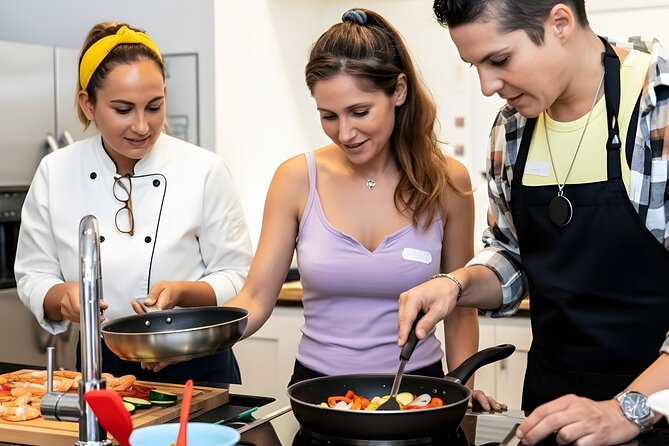
- Cook classic Brazilian dishes: Depending on the class menu, you may prepare picanha, moqueca, cheese bread, tapioca crepes, farofa, seasoned rice, brigadeiro, and caipirinhas.
- Sample 33 Brazilian specialties on Day 2: This guided tasting focuses on snacks, barbecue, street food, ingredients, and the stories behind them.
- Finish with five very different food stops: The final day moves from tropical juices and fried snacks to pizza, Arabic pastries, sardines, and handmade sausage hot dogs.
- Keep the group small: The experience accepts a maximum of 12 participants, with several cooking sessions described as involving around 10 people.
- Pay $195 for three food-focused days: The price is strongest if you value instruction, variety, and repeated tastings rather than a single premium meal.
Why this Rio food tour works
Rio is easy to admire from a beachside café, but food gives you a better sense of how the city connects Brazil’s regions and communities. This experience takes you from tropical produce to Bahian seafood, grilled beef, Arabic snacks, fried sardines, pizza, and hot dogs.
I like that the schedule does not rely on one style of meal. You get to handle ingredients, listen to explanations, taste prepared food, and watch local life continue around you. That makes the three days feel like a food course in Rio, not just a series of restaurant stops.
The guides are a major part of the experience. Erica is praised for making the class interactive and fun, while Chef Hayza combines a supermarket visit with practical cooking. Chef Alex is described as clear, warm, and especially good at getting every person in a group involved.
That last point matters. Cooking classes can become demonstrations where one person chops and everyone else watches. Here, the best reports describe active participation, with the chef explaining ingredients and methods as the group prepares the meal.
The experience costs $195 per person. That is fair value if you use all three days and enjoy both eating and learning. You are not simply paying for food. You are paying for several guided tastings, a cooking class option, local interpretation, and access to dishes you might not order on your own.
More Food Tours in Rio de Janeiro
- Rio: Pub Crawl in Lapa with Cachaça Tasting and Live Samba
★ 4.7 · 881 reviews - Sunset Boat Tour with Beer, Water, Soda and Snacks included
★ 5.0 · 227 reviews - 3-Hour Tasting Session in Rio with 33 Foods Brazilians Love
★ 5.0 · 220 reviews
Day 1 in Ipanema: fruit or a Brazilian cooking class
Your first day begins in Ipanema, and you have a choice between two different experiences. Read the booking details carefully, because the fruit tasting and the cooking class are not the same activity.
The Ipanema tropical-fruit walk
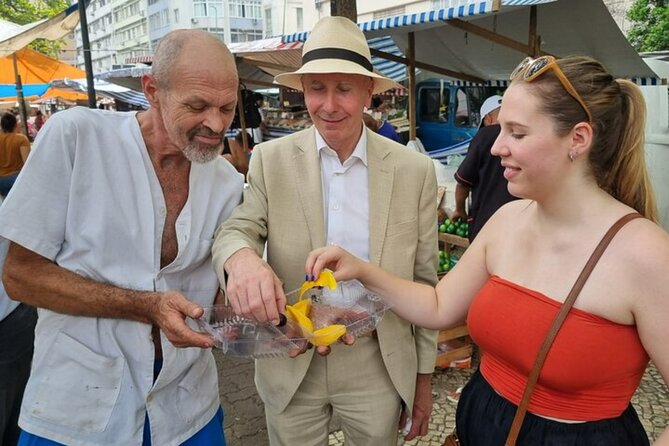
The fruit option lasts about three hours and takes you through a lively farmers market. A local expert chooses and opens the produce, then explains its flavor, use, and place in Brazilian food culture.
The draw is the range. You can taste roughly 15 to 20 tropical fruits, including acerola, cashew apple, and cupuaçu. These are not just decorative market items. The guide connects them with recipes and local traditions, giving you a useful way to understand Brazil’s plant life through taste.
Acerola has a sharp, tangy character. Cashew apple is softer and more surprising than many people expect, while cupuaçu has a strong flavor associated with the Amazon. You might find some fruits familiar in appearance but quite different once opened.
This is a good choice if you want a relaxed introduction to Brazilian ingredients, especially if you enjoy markets and prefer tasting to cooking. It also gives you a clear sense of the country’s regional produce without requiring any kitchen experience.
One limitation is that the fruit experience is centered on one market area. If you are hoping for a full meal or a cooking lesson, this option will feel lighter. It is best seen as a guided food walk and ingredient lesson.
The Ipanema cooking class
The cooking option lasts about four hours and takes place in a cozy local studio on Rua Visconde de Pirajá. You meet the chef and a small group, then work together on Brazilian dishes before sitting down to eat what you made.
The menu can include picanha steak, Bahian seafood moqueca, appetizers, and a lime caipirinha. The exact menu may reflect requests and the chef leading the session, so you should treat those dishes as examples rather than a guaranteed list.
The strongest feature is participation. Chef Hayza’s version includes a supermarket visit followed by cheese bread, tapioca crepes, farofa, seasoned rice, picanha, and brigadeiro. That combination gives you both ingredient shopping and kitchen work, a useful pairing for anyone who wants to understand how Brazilian meals come together.
Chef Alex’s sessions also appear flexible. He has prepared menus around group requests and encouraged everyone in a 10-person group to handle tasks. He explains both the ingredients and the process, then guides the group through drinks, appetizers, main dishes, and dessert.
No cooking experience is required. You can be a beginner and still take part, while a confident home cook will find useful techniques and ingredients to take home as ideas.
The drawback is simple: this is a long food evening. Four hours of preparation and eating can feel substantial, especially when the menu includes several courses. Still, the class format gives you time to learn without rushing, and the meal is the payoff for your work.
Same patch of Brazil, a completely different sort of day:
- Rio de Janeiro: 6-Stop Highlights of Rio with Lunch
★ 4.4 · 5,157 reviews - Christ the Redeemer Entry Ticket by Corcovado Train
★ 4.4 · 4,476 reviews - Rio’s City Tour – Tickets for Christ, Sugar Loaf & Lunch included
★ 5.0 · 4,389 reviews - Full Day: Christ Redeemer, Sugarloaf, City Tour & Barbecue Lunch
★ 4.5 · 3,142 reviews
Day 2: 33 Brazilian tastes with Cook in Rio
Day 2 is the broadest food lesson in the program. The three-hour tasting introduces 33 Brazilian specialties, including local snacks, barbecued meats, and street-food favorites.
That number sounds enormous, but the pace is intended to be measured. You taste each item, hear about its ingredients and origins, and move on before one dish takes over the whole session. You should still arrive hungry, but the structure is designed to prevent you from being forced through a frantic eating challenge.
This day is valuable because Brazilian food is not one single cuisine. It reflects Indigenous ingredients, African traditions, Portuguese influence, regional agriculture, and later immigration. A guided tasting helps you see those connections in a way that a standard menu may not.
You may encounter dishes that are easy to miss when ordering independently. A local guide can explain what you are eating, how it is usually served, and why it matters. That context turns a snack into a small lesson about Brazil.
The three-hour length also gives the tasting room to breathe. You are not expected to finish one bite and immediately sprint to the next. The stated aim is to indulge, explore, and enjoy without ending the session uncomfortably full.
This is probably the best day for a first-time visitor who wants a broad introduction. It offers more range than the cooking class alone, though it gives you less control over the menu and less time working with ingredients.
Day 3: five stops from Ipanema to central Rio
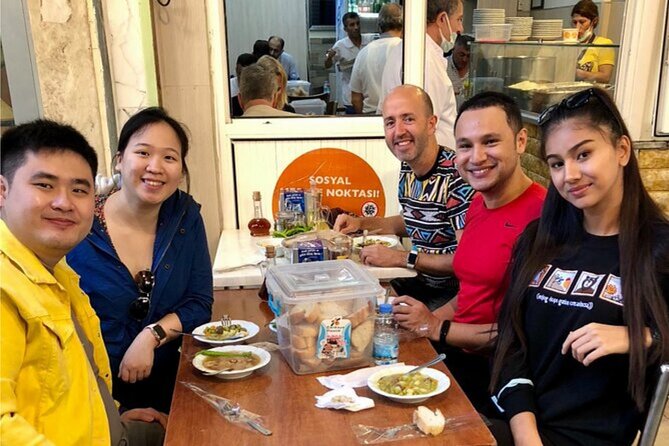
The final day begins at 10:00 a.m. at Big Nectar, at Rua Teixeira de Melo, 34, in Ipanema. The tasting tour ends back at the meeting point, though the stops take you through several distinct food settings during the day.
Each stop is listed as roughly one hour. That makes the full schedule a serious eating day, so do not plan a large breakfast.
Big Nectar: tropical juices and fried snacks
The first stop introduces tropical fruit in drink form, along with fried snacks. It is a useful bridge from the fruit tasting or cooking options on Day 1, since you get to see how Brazilian produce becomes part of a quick, everyday bite.
If you choose the fruit walk on Day 1, this stop extends that theme. If you choose the cooking class, it adds a different way to taste local ingredients.
Praça General Osório: a small baked pizza
The second stop is near Praça General Osório in Ipanema. Here, you try a small, puffy Margarita pizza fresh from the oven.
The description presents it as a local secret, but the practical appeal is clear even without the label. A small pizza lets you sample the dish without using up all your appetite early in the day. The fresh-baked texture also gives this stop a different feel from the fruit and fried snacks at Big Nectar.
Casa Mohamed: Arabic food in Rio
At Casa Mohamed, you taste Arabic classics such as esfiha, kibe, and za’atar pita, with draft beer included as part of the stop.
This is one of the most useful parts of the day because it shows how Rio’s food culture reaches beyond stereotypical Brazilian dishes. Esfiha and kibe have become familiar in many Brazilian cities, but a guide can help place them within the city’s broader eating culture.
The beer makes this stop more social, but you should keep your pace in mind. Several tastings remain, and alcohol on a full stomach can add up.
Beco das Sardinhas: fried fish at happy hour
The fourth stop moves to Beco das Sardinhas, where you try fried sardines while watching cariocas gather during happy hour.
This setting sounds less polished than a formal restaurant, and that is part of its appeal. The food is tied to the way people spend time after work, with a neighborhood atmosphere rather than a staged presentation.
Fried sardines are also a good match for this kind of stop. They are direct, salty, and suited to a casual drink. If you prefer quiet dining or dislike fish, this may be one of the less comfortable portions of the day.
Largo da Carioca: handmade sausage hot dogs
The last stop is at Largo da Carioca, where you try handmade sausage hot dogs as people pass through on their way home from work.
This finish brings the tour into everyday city life. Largo da Carioca is presented as a place where you can watch the evening rush while eating a local-style street snack. It is a practical reminder that Rio’s food culture is not limited to famous restaurants or beachside dishes.
The hot dog also closes the day with something familiar but locally distinct. You may recognize the basic format, yet the handmade sausage gives it a Brazilian character.
What the cooking classes do particularly well
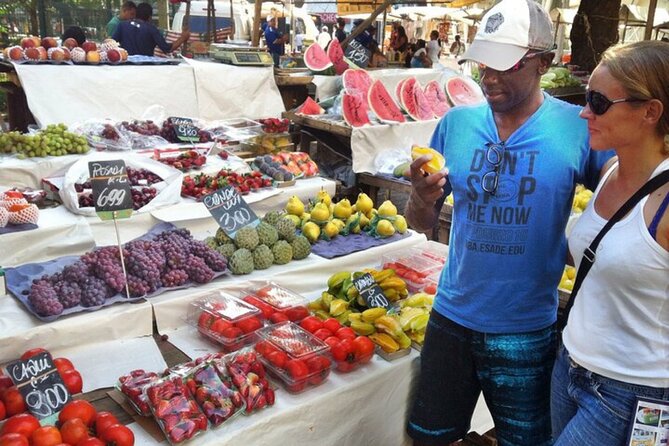
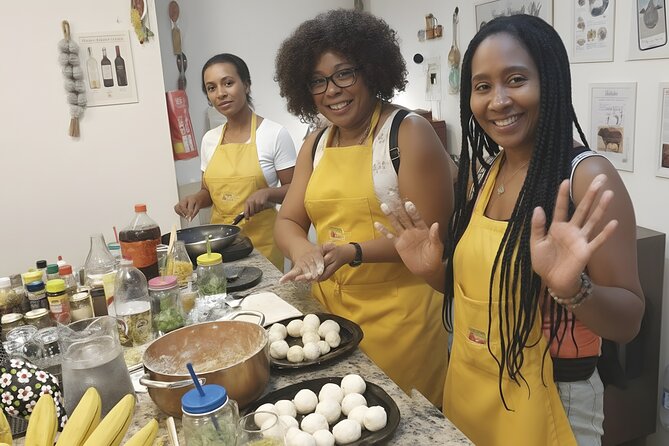
The cooking sessions receive the strongest praise in the available feedback, and the reasons are specific. The chefs are repeatedly described as interactive, kind, and able to make the class feel easy even for beginners.
Erica is credited with making the class fun and hands-on. Chef Hayza’s supermarket and studio combination is especially useful because you see local produce before using it. Chef Alex is praised for connecting with each person, explaining the process clearly, and keeping the group involved.
I also like the flexibility around menus. One session included drinks, appetizers, two main dishes, and dessert. Another included cheese bread, tapioca crepes, farofa, seasoned rice, picanha, and brigadeiro.
That range gives you more than a recipe. You see how Brazilian food moves from small snacks to starches, grilled meat, sweets, and drinks. The final meal feels earned because you helped prepare it.
The class may also run longer than the advertised three hours in some cases. That can be a benefit if you enjoy a slow social meal, though it may affect your evening plans.
Group size, timing, and practical details
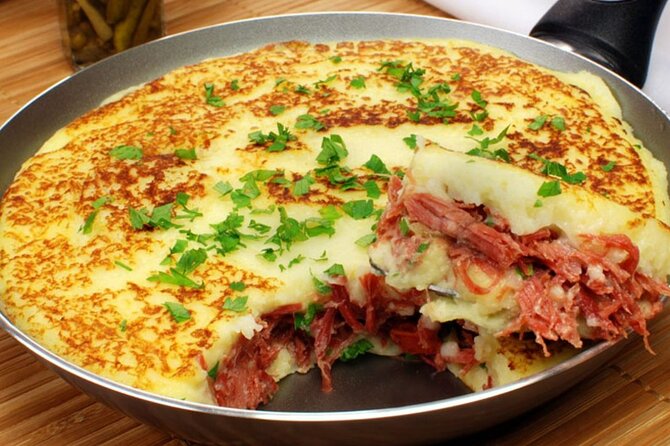
The maximum group size is 12 people. Some cooking sessions have involved around 10 participants, a size that allows shared work without making the class feel private.
The meeting point for Day 3 is Big Nectar in Ipanema, with a 10:00 a.m. start. The location is near public transportation, which makes arrival simpler, but the supplied details do not specify transport instructions between every stop. Confirm the day’s meeting directions before setting out.
Most people can participate, and the activity is described as suitable for most participants. No previous cooking experience is needed for the class.
The experience requires good weather. If weather cancels a scheduled outing, you are offered another date or a full refund. A minimum number of participants is also required, with the same choice of a different date, another experience, or a refund if the minimum is not reached.
For a full refund, cancel at least 24 hours before the local start time. Changes or cancellations inside that window are not accepted for a refund.
Who should book this experience
I would recommend this to you if food is one of your main reasons for visiting Rio. It works particularly well for first-time visitors who want an introduction to Brazilian ingredients, cooking, snacks, and local eating habits in one package.
It is also a good fit for couples, friends, and solo participants who enjoy social activities. The small group and hands-on format make it easier to meet people than a standard restaurant tour.
Families with older children might appreciate the cooking class, since there is a clear task for everyone. The supplied information does not give age rules, so check before booking if you are traveling with young children.
You should think twice if you dislike large meals, fried food, seafood, or group activities. Day 3 is especially food-heavy, and the three-day format requires a real appetite.
Is the $195 price worth it?
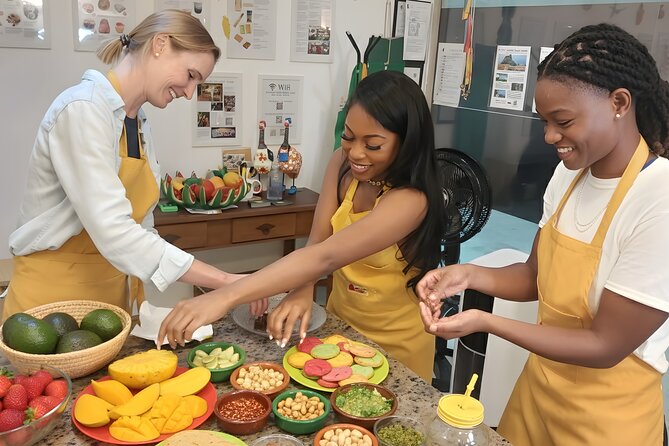
At $195 per person, the value depends on how much of the program you use. Spread over three days, the price is reasonable for repeated guided tastings plus a cooking session, especially when the class includes multiple courses and drinks.
The strongest value comes from the variety. You are not paying for three similar restaurant meals. You get market produce, tropical juices, Brazilian snacks, barbecue, picanha, moqueca, pizza, Arabic food, sardines, and hot dogs.
The experience is less compelling if you only want a single polished meal. In that case, the time commitment may feel too long. But if you want instruction, conversation, and a broad sampling of Rio food, the price is justified.
Should you book the Rio food tour?
Book it if you want to eat widely and take part. The cooking class is the best choice for active learners, while the fruit walk suits anyone curious about Brazilian produce. Day 2 gives you the broadest food survey, and Day 3 adds the most local, casual settings.
My practical advice is to choose the Day 1 option based on your appetite for participation. Pick fruit if you want a market walk and unusual ingredients. Pick cooking if you want recipes, teamwork, and a meal you helped create.
Come hungry, wear comfortable clothes, and leave space in your schedule. With excellent reported satisfaction, a 12-person maximum, and several chefs who focus on making every person part of the meal, this is a strong pick for food-minded visitors who want Rio to reach them through the plate.
FAQ
How much does the three-day Rio food tour cost?
The price is $195 per person.
How long does the experience last?
The experience lasts approximately three days. Individual activities range from one to four hours.
What can I choose on Day 1?
You can choose between a tropical-fruit tasting in Ipanema and an evening Brazilian cooking class.
How many fruits can I taste on the Ipanema fruit walk?
The fruit tasting includes approximately 15 to 20 tropical fruits, including acerola, cashew apple, and cupuaçu.
What dishes may be prepared during the cooking class?
Possible dishes include picanha steak, Bahian seafood moqueca, cheese bread, tapioca crepes, farofa, seasoned rice, brigadeiro, appetizers, and caipirinhas. The exact menu may vary by class.
How many Brazilian foods are included on Day 2?
Day 2 includes a guided tasting of 33 Brazilian specialties, including snacks, barbecued meats, and street-food favorites.
Where does Day 3 begin?
Day 3 begins at Big Nectar, Rua Teixeira de Melo, 34, Sobreloja, Ipanema, Rio de Janeiro. The start time is 10:00 a.m.
How many people can join the activity?
The maximum group size is 12 participants.
Can I cancel for a full refund?
Yes. You can receive a full refund if you cancel at least 24 hours before the experience start time. Cancellations or changes made less than 24 hours before the start are not refunded or accepted.
Newest reviews from around Rio de Janeiro
- PRIVATE TOUR – Christ the Redeemer and Sugar Loaf★ 4.5 · 9 reviews
- Christ Statue and Sugarloaf Private Tour with a Photographer★ 5.0 · 9 reviews
- Cidade do Samba Behind-the-Scenes Carnival Tour in Rio de Janeiro★ 4.0 · 5 reviews
- Christ the Redeemer Trail x Lage Park★ 5.0 · 7 reviews
- Christ the Redeemer and City Tour★ 5.0 · 20 reviews
- Christ the Redeemer, Selaron Steps and Santa Teresa Half-day Tour★ 4.5 · 15 reviews
- Christ the Redeemer Adventure★ 5.0 · 12 reviews
- Private Tour of Christ the Redeemer in Rio de Janeiro★ 5.0 · 2 reviews
3-Day Experiences, compared.



Trekking the valley of the pat 3 days/ GUIDE TUTY CHAPADA DIAMANTINA
Read our review →
3 DAYS OF CHARM! Booking from 2 people – Chapada Diamantina by Zentur
Read our review →

Trekking Costa Verde 3 Days – by Costa Leste EcoAventura
Read our review →
3-Day Trail through Vale do Pati-Reserva for 2 people.
Read our review →
Browse the lists this tour appears in