
Reviewed · JUNGLE & RAINFOREST TOURS
3 Days Amazon Jungle Adventure Tour
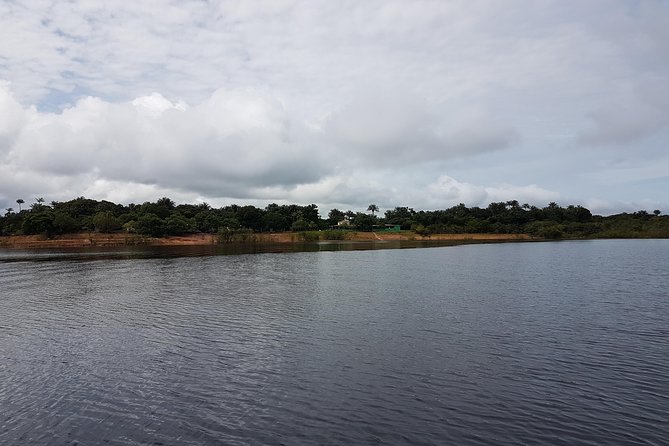
Amazon nights get loud fast. This three-day trip from Manaus gives you a brisk taste of Rio Negro life, with piranha fishing, canoe rides, a jungle walk, caiman spotting, and a visit to a Caboclo farm. I like the mix of active outings and hammock time, and I like that guides such as Fabio, Joseph, and Eduardo have earned strong praise for their care and local knowledge. The main catch is simple: the lodge is rustic, and comfort can vary sharply.
At $360 per person, the package is attractive because it covers transport from Manaus, two nights, meals, bottled water, and guided activities. Still, you should treat this as a basic jungle camp rather than a polished lodge. Heat, mosquitoes, basic food, patchy air-conditioning, and long transfers are part of the bargain.
In This Review
- The Amazon experience in five useful points
- What $360 buys you in the Rio Negro
- Day one: five hours from Manaus to jungle silence
- Day two: medicinal plants and flooded forest
- Day three: sunrise, local farming, and a long ride back
- The guides can make or break the trip
- Lodge life: clean enough for some, too rough for others
- Heat, water levels, and what to pack
- Who will enjoy this Amazon trip most
- Should you book the three days?
- FAQ
- Where does the tour start?
- How long does it take to reach the lodge?
- What activities are included?
- Is accommodation included?
- Are meals included?
- Is the tour suitable for children?
- Can I cancel for a refund?
The Amazon experience in five useful points
- Small-group setting: The tour has a maximum of 10 people, which helps keep canoe and walking outings manageable.
- A busy first day: You leave Manaus at 9:00 a.m., reach the lodge around midday, then fish for piranhas and search for caimans after dark.
- The jungle walk is the star: The 2.5-hour walk focuses on medicinal plants, large trees, traditional uses, and forest survival.
- Expect simple accommodation: Rooms may have air-conditioning if that option is selected, but reports also describe poor cooling, old bedding, weak showers, and occasional cleanliness problems.
- Water levels shape the trip: High or low water can change canoe routes, walking distances, and even the lodge used.
- The third day is gentler: Sunrise, a local farm visit, lunch, swimming, and the return to Manaus fill the final day.
What $360 buys you in the Rio Negro
The price makes sense if you want a short, organized introduction to the Amazon without arranging every transfer yourself. The package includes round-trip transport from Manaus, two nights of accommodation, meals listed in the schedule, bottled water, and a bilingual guide for the activities.
That matters in this part of Brazil. Reaching a jungle lodge is not a quick taxi ride. The route begins at the Port of Manaus, crosses the Rio Negro by regular speedboat, continues by road, and then switches to a motorized canoe. You are paying not only for a bed and meals, but also for the chain of connections needed to get far from the city.
The value is strongest for a first visit. You get forest, river, night wildlife, fishing, a local agriculture visit, and time to sit in a hammock without having to negotiate local transport. The value is weaker if you expect polished rooms, varied meals, constant entertainment, or a luxury Amazon resort.
The average booking lead time is about 46 days, so this is not usually a last-minute purchase. Book early if the dates matter, then confirm the luggage arrangements and room category before you go. One serious complaint involved a last-minute restriction on bag size when river levels were low, forcing a couple to leave larger luggage behind in Manaus and pay for extra hotel storage.
More Jungle Tours in Manaus & Amazon
- From Manaus: One-Day Amazon Jungle Experience
★ 4.8 · 408 reviews - Manaus: Full-Day Tour on the Amazon River
★ 4.2 · 362 reviews - A Whole Day in the Jungle
★ 5.0 · 155 reviews
Day one: five hours from Manaus to jungle silence
The 9:00 a.m. departure starts at your Manaus hotel, with the first major move at the port. A regular speedboat crosses the Rio Negro in about 30 minutes to Cacau Pirera. From there, you continue by car for roughly 50 minutes to Paricatuba, then change again to a motorized canoe for the final run to the lodge, about 85 kilometers from Manaus.
Allow roughly five hours for the complete journey. The changing vehicles are part of the experience, but they can also test your patience. Road conditions, hot vans, bumpy rides, low water, and long waits may all affect the day. One useful point from the operating details is that water levels can alter access, so ask exactly how much luggage you can bring and where larger bags will stay.
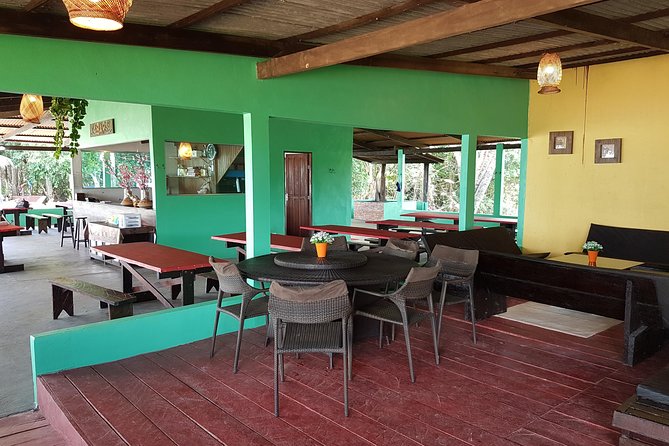
You should reach the lodge around noon for lunch. The setting is the real reward here. Several people describe the river views as beautiful and the lodge as comfortable enough for a short stay, but the rooms are plainly furnished. Think basic cabin or student hostel, not a hotel with generous amenities.
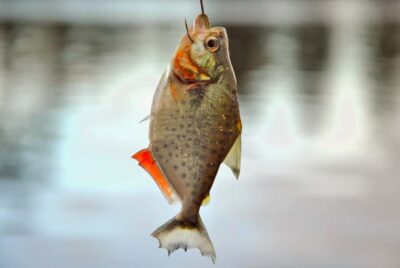
In the afternoon, you take a canoe through small tributaries and fish for piranhas. The fishing itself may not satisfy anyone expecting a serious angling trip, but it gives you a close look at the river and its edges. You may also get a sunset view, and the outing can feel more like a quiet river safari than a contest to fill a bucket.
After dinner comes the night expedition. Your guide uses a boat to search for caimans and other animals that are harder to see in daylight. Caiman spotting has been one of the most praised activities, especially when the guide catches one briefly so you can see it at close range. You might also see monkeys or hear birds, but wildlife is never guaranteed.
Bring a headlamp if you have one, though the tour provides guided outings. Light long-sleeved clothing, insect repellent, and shoes that can handle damp ground will help. Mosquitoes can be intense, and heat can make even a short outing feel strenuous.
Day two: medicinal plants and flooded forest
Day two begins with breakfast and a guided forest walk lasting about two and a half hours. This is the most educational part of the program. The guide points out medicinal plants, explains traditional uses, and discusses the trees and plant life of the Amazon.
The description refers to higher ground, larger trees, and dense forest. That distinction matters because the Amazon is not one uniform scene. Some areas are dry enough for walking, while others are shaped by seasonal flooding. Your route depends on the local conditions, so the same tour can feel quite different at different times of year.
I would give this walk your full attention. It is easy to focus only on finding monkeys or snakes, but the plant knowledge is what helps you read the forest as a living source of food, medicine, shelter, and material. The walk has been praised as the most authentic and memorable part by people who wanted real jungle rather than a staged attraction.
The walk does require moderate fitness. Heat, humidity, muddy ground, insects, and uneven footing can make it harder than the mileage suggests. One person with an amputation still managed to enjoy the walks and canoe rides, but you should discuss your mobility needs with the operator before booking rather than rely on luck.
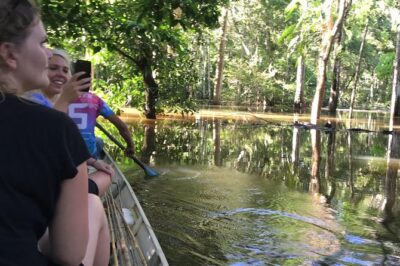
After lunch, you take a two-hour paddle canoe outing through narrow igarapés or flooded igapó areas, depending on the season. This is quieter than the motorized canoe ride. You move at a slower pace, listen to the forest, and get a closer look at the waterline and low branches.
The canoes are described as small, and some people found the seating uncomfortable, especially with back pain. If you need support, ask ahead about the boat setup. The smaller craft are useful in narrow channels, but they do not offer much room to stretch.
You will also have downtime. That is good news if you enjoy a hammock, a book, or a swim, but frustrating if you expect a full schedule from dawn until bedtime. The balance is part of the tour’s character: two or three hours out, then several hours back at the lodge. Extra paid activities may be offered, including dolphin experiences, but you should confirm their price and whether they fit your chosen schedule before counting on them.
Day three: sunrise, local farming, and a long ride back
The final morning starts early with a sunrise outing. This is a good time for bird watching and for seeing the river before the heat builds. Early starts are common on jungle trips for a practical reason: the cooler hours are kinder to both people and wildlife.
After breakfast, the group visits a local Caboclo home or farm. The visit focuses on traditional life and farming methods, including local crops and manioc production. Keep your expectations modest. This is not necessarily a ceremonial village encounter or a formal cultural performance.
In practice, the visit can be a short explanation of local life followed by a return to the lodge. One scheduled welcome ritual did not happen because the local group was unavailable, and another account described a brief farm visit rather than meeting an isolated tribe. The respectful way to approach this stop is as a chance to learn about local farming and household life, not as a guaranteed show.
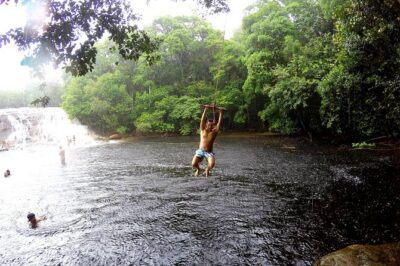
Back at the lodge, you eat lunch and have free time. The tea-colored water of the Rio Negro can be inviting, and swimming is listed as an option. Follow your guide’s instructions about where and when to enter the water, and remember that water levels and local conditions change.
The return to Manaus should bring you back around 5:00 p.m. That makes the last day useful, but not leisurely. If you have an evening flight, leave plenty of margin. Transport from the lodge involves the same general chain of canoe, road, and river connections, and delays are possible.
Same patch of Brazil, a completely different sort of day:
- Indian Village and Meeting of the Waters Tour
★ 4.5 · 241 reviews - From Manaus: Presidente Figueiredo Waterfalls Daytrip
★ 4.3 · 149 reviews - Amazing Waterfalls of the Amazon – Presidente Figueiredo
★ 4.5 · 141 reviews - Amazon Negro River Half-Day Expedition Tour
★ 4.5 · 124 reviews
The guides can make or break the trip
The strongest part of this experience is often the guide. Fabio receives especially warm praise for his energy, forest knowledge, and ability to find his way without relying on a map. Joseph is also noted for clear English and multilingual skills, while Eduardo is praised for handling arrangements and last-minute changes.
That does not mean every group will receive the same language match. One person found it difficult to understand what was happening because the guide did not speak their language well. Tell the operator your preferred language at booking and confirm it again before departure.
Good guiding matters more in the Amazon than in a city sightseeing tour. A guide helps you notice animal calls, identify useful plants, judge river conditions, and understand what you are seeing. Without that explanation, a canoe ride can become a pleasant but vague trip through trees.
The maximum group size is 10. That is small enough for a more personal outing, though the exact group may still include people with different activity levels and expectations. Ask your guide for the next departure time each day. Several complaints involved unclear timing and short-notice activity changes.
Lodge life: clean enough for some, too rough for others
The lodge is basic by design, but the condition appears inconsistent. Some people found the rooms clean, comfortable, and suitable for the short stay. Others reported malfunctioning toilets, cold or limited showers, missing towels, poor cleanliness, old mattresses, and air-conditioning that worked only at night.
Air-conditioning is included only if you select that option. Even then, do not assume it will cool the room all day. The heat is one of the biggest practical challenges, especially during dry periods when low water levels can require more walking.
Food is simple and usually plentiful. Rice, pasta, eggs, bread, and a protein appear repeatedly in the descriptions. Several people liked the meals, while others found lunch and dinner too similar and breakfast too limited. Vegetarian choices may be available, but you must request that at booking, and anyone with a narrow diet should bring suitable snacks.
Drinks are not included. Bring cash for purchases and keep it secure. One report described money disappearing from a room, so I would use the safety habits you would use anywhere: carry only what you need, avoid leaving cash loose, and ask the lodge about storage.
There is no promise of Wi-Fi, and jungle conditions may leave you offline. That can be a welcome break, but download reading material before leaving Manaus. Hammock time is part of the experience, not a mistake in the schedule.
Heat, water levels, and what to pack
Seasonal water levels shape this trip. During drought, channels and lakes can become dry, forcing longer walks in hot weather. In other conditions, routes may pass through flooded forest by canoe. The provider may also move operations to another camp, such as Anaconda, when conditions require it.
Pack for function, not fashion:
- Light, long clothing for the forest walk
- Strong insect repellent
- Sunscreen and a hat
- Swimwear for the river and lodge pool
- A small bag for the lodge, after confirming luggage rules
- A book or downloaded reading
- Any preferred snacks
- A towel, if the operator does not confirm one is supplied
- Cash for drinks or optional activities
You should have moderate physical fitness. The trip involves several transfers, boat boarding, walking, canoe seating, heat, and humidity. Children must be with an adult, and the child rate applies only when sharing with two paying adults. Service animals are allowed, but the operator should be contacted in advance because boats, forest paths, and lodge facilities can be difficult to manage.
Who will enjoy this Amazon trip most
I would choose this tour if you want a short, structured introduction to the forest and river. It suits people who care more about guided nature outings, local food, hammock time, and the sound of the jungle than about polished rooms.
It is also a good fit if you have only three days in Manaus. You get several distinct activities without committing to a week in the forest. The small group limit and included transport remove much of the planning work.
I would hesitate if cleanliness and reliable air-conditioning are high priorities. I would also compare other programs if you want a substantial Indigenous cultural exchange, varied menus, a full calendar of activities, or a more comfortable lodge.
The tour can feel expensive when you spend long periods at the lodge or repeat similar meals. It feels more worthwhile when the guide is strong, the wildlife cooperates, and you value having transport, food, accommodation, and activities arranged in one package.
Should you book the three days?
Book it if you want a real but compact Amazon introduction and can accept rustic conditions. The jungle walk, night caiman search, canoe outings, and excellent guides give the trip its strongest moments.
Before paying, confirm four things: the guide’s language, the luggage limit, the air-conditioning option, and the condition of the current lodge. Ask which activities are included and which cost extra. If you are comfortable with heat, insects, simple food, and a flexible schedule, this can be a memorable three-day escape from Manaus. If you need dependable comfort, choose a shorter stay or a higher-standard lodge instead.
Free cancellation is available up to 24 hours before the start time. Weather cancellations offer a different date or a full refund, while late changes and cancellations are not accepted.
FAQ
Where does the tour start?
Pickup begins from your hotel in Manaus, with the main departure from the Port of Manaus at 9:00 a.m.
How long does it take to reach the lodge?
The complete journey can take about five hours. It includes a speedboat across the Rio Negro, a car transfer to Paricatuba, and a motorized canoe ride to the lodge.
What activities are included?
The scheduled program includes piranha fishing, a night expedition for caimans and wildlife, a guided jungle walk, a paddling canoe trip, a sunrise outing, and a visit to a Caboclo home or farm.
Is accommodation included?
Yes. The price includes two nights of accommodation. Air-conditioning is included if you select the air-conditioned accommodation option.
Are meals included?
Yes. Meals listed in the schedule are included, along with bottled water. Drinks are not included.
Is the tour suitable for children?
Children must be accompanied by an adult. The child rate applies only when sharing with two paying adults.
Can I cancel for a refund?
You can cancel at least 24 hours before the local start time for a full refund. If poor weather causes the operator to cancel, you will be offered another date or a full refund.
Newest reviews from around Manaus
- Walking Tours in Manaus★ 3.5 · 16 reviews
- 4-day Amazon River Boat Tour From Manaus★ 5.0 · 10 reviews
- Amazon Safari Tour in Manaus (Shared)★ 5.0 · 3 reviews
- Tree Climbing in the Amazon★ 4.5 · 6 reviews
- Tucandeira Ants Indigenous Ritual★ 4.5 · 4 reviews
- Transfers from the airport to any place in Manaus City★ 4.0 · 27 reviews
- 24-hour Hotel Transfer to Manaus Airport★ 5.0 · 24 reviews
- Private Tour Waterfalls Iracema & Asframa President Figueiredo★ 5.0 · 3 reviews
Jungle & Rainforest Tours, compared.
Rio de Janeiro Tijuca Rainforest Hike with Waterfalls and Caves
Read our review →
Jungle Waterfalls and Cachaça Distillery Jeep Tour
Read our review →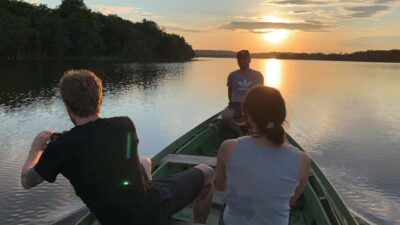
Browse the lists this tour appears in