
Reviewed · FLORIANóPOLIS TOURS
Whale Watching – Whale watching from land
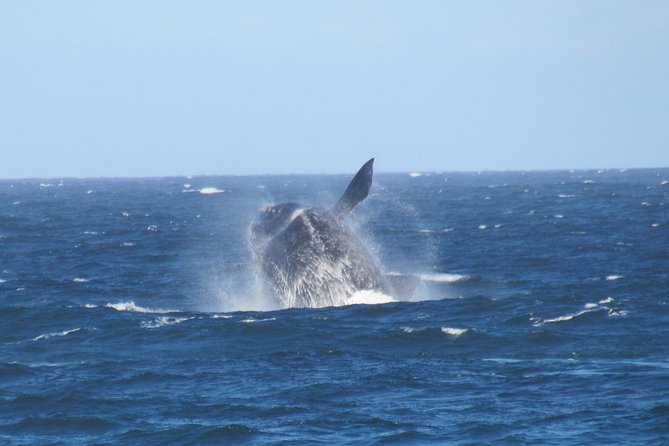
Whales reward patience. This Florianopolis land-based tour makes whale watching feel like more than a quick look at the sea, pairing coastal viewpoints with stories about migration, old whaling stations, Indigenous Peoples, and traditional canoes. I like the flexible route, which can lead to Imbituba, Garopaba, or Laguna depending on whale activity, and I like that binoculars and air-conditioned transport are included. The main drawback is clear: whale sightings are not guaranteed, and the outing depends on good weather.
The private format is another strong point. Your group gets the vehicle and guide rather than joining a large busload, and Camilo has earned special praise for taking one group to several beautiful locations. The three to four hour schedule gives you time to look for whales without turning the day into a full expedition, though pickup must be confirmed because not every hotel is necessarily served.
In This Review
- Key points to know before you book
- Why land-based whale watching works here
- A flexible route through Imbituba, Garopaba, and Laguna
- Imbituba and the main search for whales
- Garopaba and the memory of whaling
- Laguna and Indigenous traditions
- What the private format changes
- Is $43.37 a fair price?
- Weather, timing, and the realities of wildlife
- Who will enjoy this Florianopolis tour?
- Simple tips for making the most of it
- Should you book it?
- FAQ
- Where does the whale watching tour take place?
- How long does the experience last?
- Is whale watching from a boat?
- Are whales guaranteed to appear?
- What is included in the price?
- Is the tour private?
- Can the tour include all three locations?
- Is hotel pickup available?
- What happens if the weather is poor?
Key points to know before you book
- The route follows the whales: The guide chooses among Imbituba, Garopaba, and Laguna on the day of the tour.
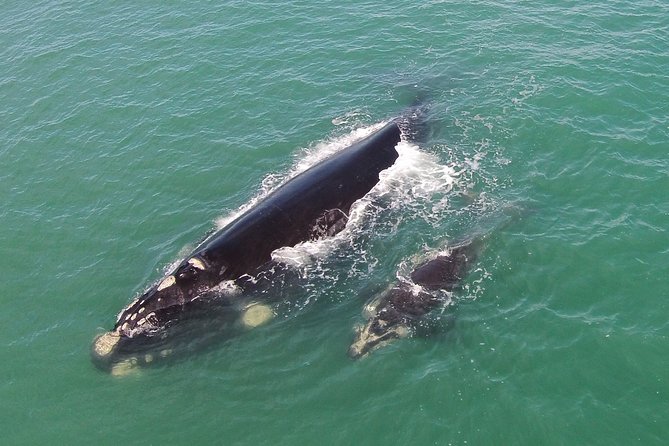
- Land-based viewing keeps things gentle: You watch from shore instead of boarding a boat, with binoculars provided.
- The tour connects nature with local culture: Expect stories about whale migration, whaling stations, Indigenous Peoples, Sambaqui sites, and traditional canoes.
- It is a private experience: Only your own group participates, giving the outing a more personal pace.
- The price covers useful basics: At $43.37 per person, you get an air-conditioned vehicle and binoculars, but no sighting guarantee.
- Weather matters: Poor conditions can lead to a new date or a full refund, while cancellations made at least 24 hours ahead also qualify for a full refund.
Why land-based whale watching works here
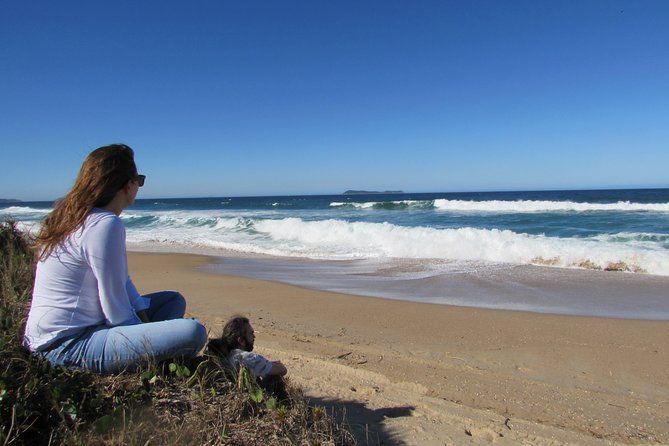
Whale watching from land has one big advantage: you are not committed to a boat ride. If you dislike rough water, have young children, or simply prefer a quieter outing, this is an easier way to look for whales along the coast.
The experience is built around the annual whale migration in the region. Your guide explains why whales mattered to local communities and how the area once depended on them. That gives the outing a human side. You are not just scanning the water for a tail. You are also learning how the coast changed as whaling gave way to conservation and fishing traditions.
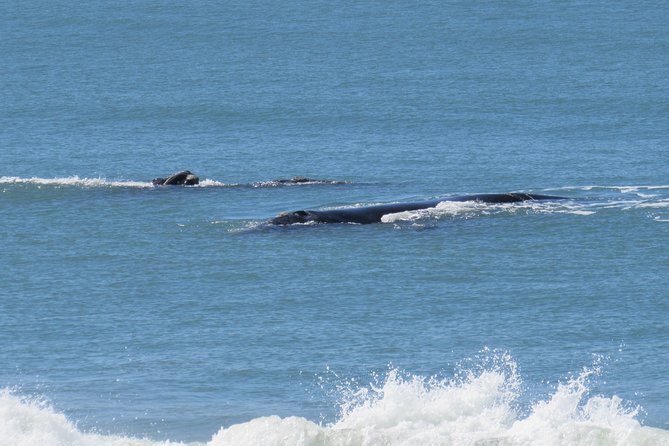
I also like the practical use of binoculars. From shore, whales can be distant, and a naked-eye sighting may be brief. The supplied binoculars give you a better chance to see movement, blows, and young whales when they appear.
Still, you should book this with realistic expectations. The title may sound like a promise, but the whale watching guarantee is specifically not included. The guide can choose the best location and adjust the route, yet nature makes the final decision.
A few more Florianopolis days to weigh up
- Floripa City Tour by Bus – Whole Island – The Most Complete City Tour
★ 5.0 · 672 reviews - Beach Safari – panoramic beach tour
★ 5.0 · 506 reviews - Rafting Adventure in Apuama – Rio Cubatão in Greater Florianópolis
★ 5.0 · 281 reviews
A flexible route through Imbituba, Garopaba, and Laguna
The tour does not lock you into one fixed whale viewpoint. On the day, the guide checks where the whales are most likely to be and heads to Imbituba, Garopaba, or Laguna. This flexibility is one of the best reasons to choose a guided outing instead of trying to guess the right beach on your own.
The three places also bring different cultural details into the day. You may visit one, two, or several of them as the search develops. The stated timing gives about one hour for the main stop and roughly 30 minutes for each of the other two, although the exact balance depends on where the whales are.
That shifting plan can be a benefit, but it also means you should not expect a rigid sightseeing schedule. If you want to spend a precise amount of time at one beach, this may feel loose. If you prefer a guide who can respond to conditions, it is a sensible setup.
Imbituba and the main search for whales
Imbituba receives about one hour in the planned schedule and may become the main viewing area. Here, your attention is on the water, using binoculars to watch for whale activity and young whales near the coast.
The value of this stop is not only the chance of a sighting. The guide uses the setting to explain migration and the region’s past dependence on whales. That context can make even a quiet viewing period worthwhile.
Do not expect a zoo-like presentation with whales appearing on command. Land-based watching asks you to slow down and pay attention. A good sighting may be a clear glimpse, while another moment may consist of distant movement or nothing at all. The guide’s role is to improve your odds and help you understand what you are seeing.
Garopaba and the memory of whaling
Garopaba is tied to the area’s whaling past. During the experience, you may hear about old whaling stations and see a traditional Canoa Baleeira, a boat once used for whale hunting and now linked with artisanal fishing traditions.
That change in purpose makes the canoe especially interesting. It connects an older economy with a living coastal tradition. You are seeing an object that no longer serves its original hunting role, but still belongs to the region’s fishing culture.
The Garopaba portion is planned for about 30 minutes, though the route can change based on whale location. This is a good stop for anyone who likes cultural context alongside wildlife. If your only goal is a long period of whale watching, the historical material may feel like a side trip, but I see it as an important part of the experience.
The Canoa Baleeira might also appear in Laguna or Imbituba. The tour does not promise that you will see it at a particular place, so treat it as a possible bonus rather than a fixed exhibit.
Same patch of Brazil, a completely different sort of day:
- Ecological Boat Tour 10 Deserted Beaches – Waterfall Trails-by Zimbros Ecotour
★ 5.0 · 181 reviews - Snorkeling Tour on Macuco Island With Underwater Photos by Zimbros Ecotour
★ 5.0 · 135 reviews - Aqua Aventura – diving for families
★ 5.0 · 117 reviews - Bombinhas with Beach Safari by Casa do Turista
★ 5.0 · 99 reviews
Laguna and Indigenous traditions
Laguna brings another layer to the outing. The guide may share stories about Indigenous Peoples in the region and point out ancient Sambaqui burial sites. You may also see the Canoa de um Pau Só, a dugout canoe described as the largest Indigenous artifact still in use today.
These details give the tour a wider focus than whale watching alone. The coast has been used and understood by people for a very long time, and the Indigenous stories help place the present-day whale migration within that longer human timeline.
Again, the exact location can vary. The canoe and Sambaqui sites may be seen in Laguna, Imbituba, or Garopaba, depending on the route. That flexibility is useful, but it means you should listen carefully to the guide rather than arrive expecting a specific landmark at a specific stop.
What the private format changes
This is a private tour, so only your group participates. That matters more than it may seem. A small group can ask questions, move at a comfortable pace, and spend more time looking when something appears offshore.
The private setup also makes the air-conditioned vehicle more useful. You may travel between coastal points during the three to four hour experience, and a cool vehicle gives you a comfortable place to reset between stops. The transport is included, which makes the price easier to assess.
One previous guest gave particular credit to Camilo, saying he made the experience special by taking the group to several beautiful places and helping create a memorable day. That is useful information because this tour depends heavily on the guide’s judgment. The strongest part of the outing may be the combination of route planning, local stories, and personal attention rather than any one viewing platform.
You should confirm pickup before booking. Some hotels are on the pickup list, while other meeting points may need to be arranged. The supplied details do not identify every hotel served, so do not assume your accommodation is included without checking.
Is $43.37 a fair price?
At $43.37 per person, I consider this a reasonable price for a private, three to four hour outing that includes transport and binoculars. You are paying for more than a lookout point. The fee also covers a guide who decides where to search and adds local context at several coastal locations.
The value becomes stronger if your hotel pickup is included and your group wants a private experience. A private vehicle can be a worthwhile upgrade for couples, families, or small groups who do not want to match the pace of strangers.
The price is harder to justify if you need a guaranteed whale sighting. There is no such guarantee, and poor weather can cancel the experience. You are buying an informed search, not a certain wildlife encounter.
I would compare this cost with your priorities. If you want a flexible half-day outing that combines whales, coastal scenery, and culture, it offers good value. If you want the most dramatic possible whale encounter and are willing to accept a boat trip, this land-based option may feel more modest.
Weather, timing, and the realities of wildlife
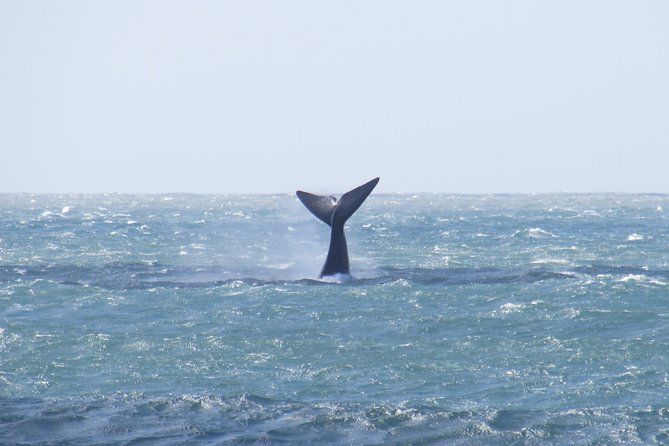
The tour requires good weather. If poor conditions force a cancellation, you can choose another date or receive a full refund. That policy is fair, since visibility and comfort matter greatly when you are watching from shore.
You can also cancel up to 24 hours before the start time for a full refund. Changes or cancellations made less than 24 hours ahead are not accepted for a refund. The cut-off follows local time, so keep that in mind if you are arranging plans from another time zone.
Confirmation is sent within 48 hours of booking, subject to availability. Most people can participate, but the tour information does not provide a detailed accessibility description. If you need specific arrangements, ask before booking rather than relying on the general statement that most people can take part.
The best mindset is patient and flexible. A guide may take you to more than one beautiful place, as Camilo did for one group, but several stops do not guarantee whales. The route itself is part of the experience.
Who will enjoy this Florianopolis tour?
I would recommend it most strongly to people who want wildlife with a cultural frame. You learn about migration, local whaling, artisanal fishing, Indigenous Peoples, and traditional watercraft in the same outing.
It also suits:
- Couples seeking a private half-day activity
- Families who prefer shore viewing to a boat trip
- Visitors who want air-conditioned transport between coastal places
- Photography and nature fans who appreciate binocular-assisted viewing
- Anyone curious about how the region’s past and present connect
It may not suit you if a whale sighting is the only acceptable outcome. It may also disappoint if you want a fixed itinerary, since the route changes according to whale activity and the cultural sights may appear in different towns.
Simple tips for making the most of it
Check pickup before you pay. If your hotel is not on the pickup list, arrange another meeting point in advance.
Keep your schedule open for the full three to four hours. The route may include Imbituba, Garopaba, Laguna, or more than one of them, and the guide needs room to respond to conditions.
Use the binoculars early rather than waiting for a dramatic sighting. Shore-based wildlife can be easy to miss, especially when a whale surfaces briefly.
Listen to the cultural stories even during a quiet spell. The old whaling stations, Canoa Baleeira, Sambaqui sites, and Canoa de um Pau Só give the day meaning beyond the number of whales seen.
Finally, leave room in your plans for weather changes. A replacement date or refund helps, but it is still better not to schedule an important flight immediately afterward.
Should you book it?
Book this tour if you want a private and flexible way to search for whales from land, with useful binoculars, air-conditioned transport, and a guide who can connect the sightings to local history and Indigenous culture. The $43.37 price is fair for that mix, especially for a small group.
Skip it if you need a guaranteed sighting or prefer a tightly timed, single-location visit. The best reason to book is not certainty. It is the chance to spend a few thoughtful hours along the coast, follow the whales’ location, and see Florianopolis through both natural and cultural stories.
FAQ
Where does the whale watching tour take place?
The experience is based in Florianopolis, Brazil, and may visit Imbituba, Garopaba, or Laguna.
How long does the experience last?
The tour lasts approximately three to four hours.
Is whale watching from a boat?
No. The experience is whale watching from land, with binoculars provided.
Are whales guaranteed to appear?
No. A whale watching guarantee is not included.
What is included in the price?
The tour includes an air-conditioned vehicle and binoculars for whale watching.
Is the tour private?
Yes. Only your group participates in this private tour or activity.
Can the tour include all three locations?
The guide decides where to go based on whale activity. The route may include Imbituba, Garopaba, Laguna, or more than one of these places.
Is hotel pickup available?
You should check if your hotel is on the pickup list. Pickup from another location may be arranged if needed.
What happens if the weather is poor?
If poor weather causes cancellation, you will be offered a different date or a full refund.
Newest reviews from around Florianopolis
- Private Tour: Itajai and Camboriu★ 4.5 · 8 reviews
- Bombinhas + Snorkel by Zimbros Ecotour★ 5.0 · 2 reviews
- Beto Carrero Transfer – Bombinhas Exit★ 5.0 · 9 reviews
- Breath Experience★ 5.0 · 39 reviews
- Beer Tasting Experience★ 5.0 · 35 reviews
- Secret Island Adventure: Gravata Trail, Floripa★ 5.0 · 3 reviews
- Florianopolis Walking Tour – History, Art and Gastronomy★ 5.0 · 38 reviews
- Sandboard Experience by Adrenailha★ 4.5 · 18 reviews
Florianópolis Tours, compared.
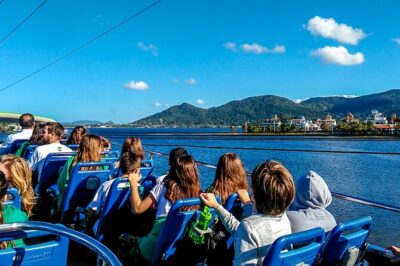
Floripa City Tour by Bus – Whole Island – The Most Complete City Tour
Read our review →
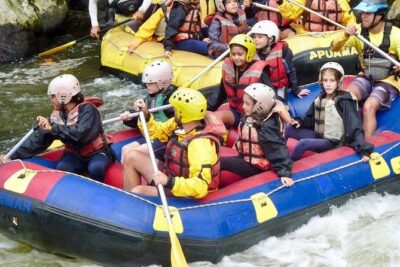
Rafting Adventure in Apuama – Rio Cubatão in Greater Florianópolis
Read our review →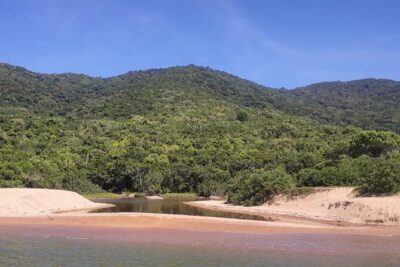
Ecological Boat Tour 10 Deserted Beaches – Waterfall Trails-by Zimbros Ecotour
Read our review →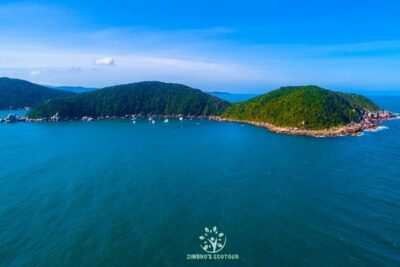
Snorkeling Tour on Macuco Island With Underwater Photos by Zimbros Ecotour
Read our review →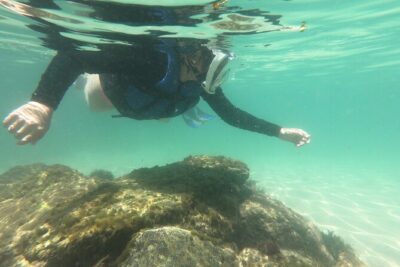
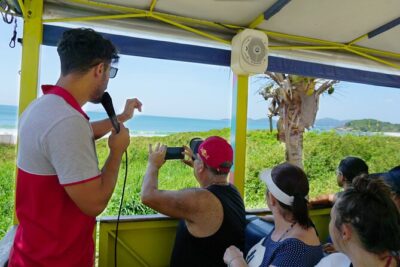
Cação Beach Sunset with Photos Included by Zimbros Ecotour
Read our review →Browse the lists this tour appears in