
Reviewed · SURF LESSONS
Rio de Janeiro: Surflessons and surfcoach.
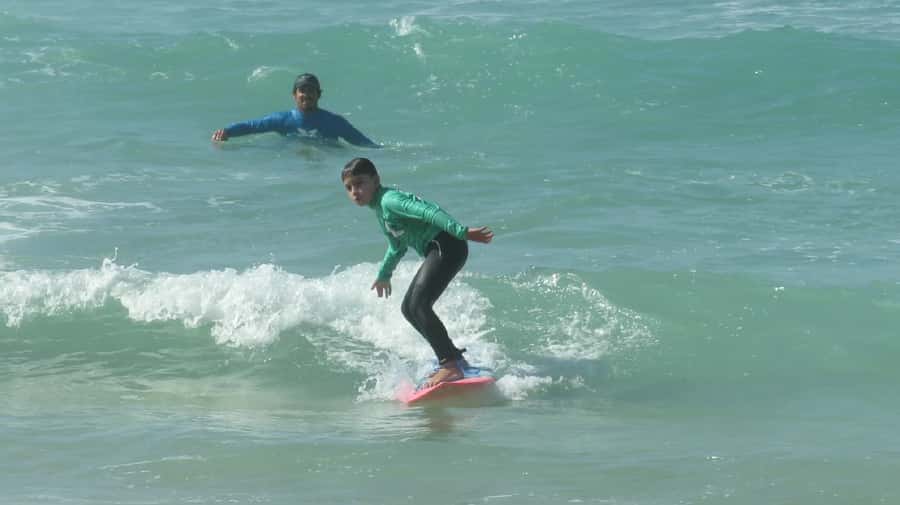
Catch your first clean wave. This Rio surf experience combines practical instruction with access to the best conditions available that day, making it useful for a first lesson and serious surf training. You meet at the CADES headquarters or directly at the chosen surf spot, depending on your session.
I especially like the small groups of no more than five people and the fact that your board, wetsuit, leash, and wax are supplied. I also like the coaching approach: beginners get time to learn the basics, while intermediate and advanced surfers can use filming and video analysis to work on technique. The main point to check is timing. The advertised duration is one hour, but the detailed lesson plans add up to about 65 minutes for beginners and 80 minutes for technical coaching.
The price is $90 per person. That is not a bargain basement lesson, but it includes equipment, coaching, access to the CADES base, and transfers between the base and surf spot when needed. A German participant specifically praised Henry for his patience, and that is a useful clue for nervous beginners who need calm instruction rather than a rushed push into the water.
In This Review
- Key points before you book
- Meeting at CADES in Rio
- The beginner lesson: 10 minutes of warm-up
- Fifty minutes in the water for first-timers
- Technical coaching with filmed feedback
- Choosing the day’s surf conditions
- What the $90 price includes
- Small groups and three working languages
- Who will get the most from this session
- Booking details worth checking
- Should you book the CADES surf lesson?
- FAQ
- Where does the surf lesson begin?
- How long does the activity last?
- Is equipment included?
- Are transfers included?
- What languages are available?
- Can beginners join?
- What should I bring?
Key points before you book
- Henry is praised for patience, an important quality if you are new to standing on a board.
- Groups are limited to five, so you should get more direct attention than in a large beach class.
- Beginners follow a warm-up, sea reading, and water practice, rather than simply being handed a board.
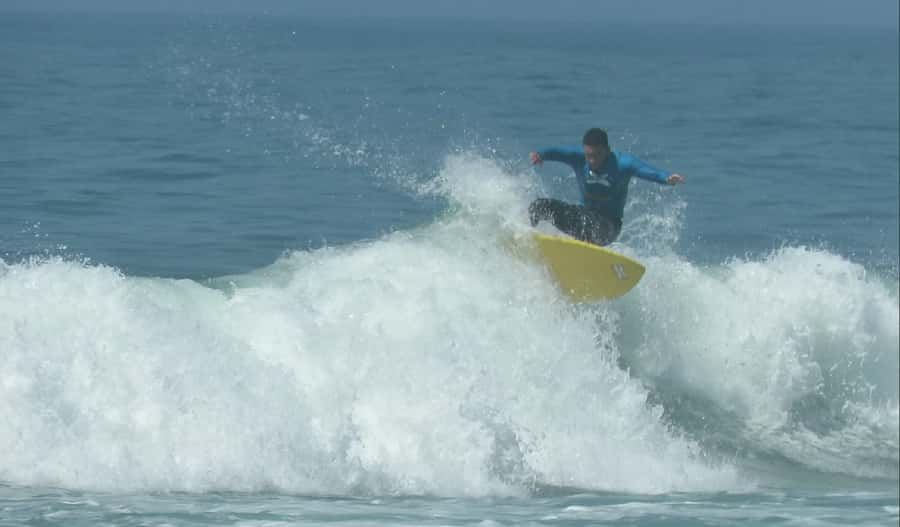
- Intermediate and advanced surfers receive filmed coaching, followed by video analysis of technique.
- CADES supplies the main surf kit, including boards, leashes, wetsuits, and wax.
- The session aims for the best conditions of the day, with the meeting point and surf spot adjusted as needed.
Meeting at CADES in Rio
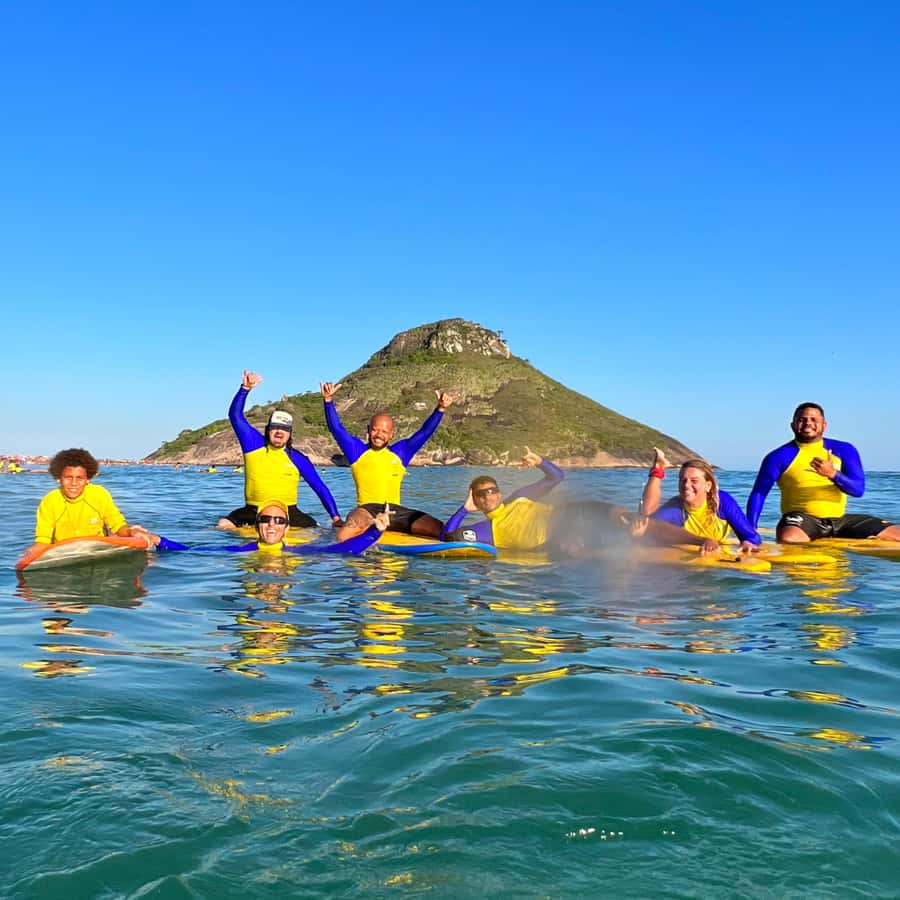
Your lesson begins at the CADES headquarters, located at the meeting point provided during booking. This space is more than a place to collect a board. It has bathrooms, showers, an activity room, and a skateboard surf simulator training track.
That setup matters. You can change before the lesson, rinse off afterward, and use the base as a practical home for the session. If the chosen surf spot is elsewhere, transfers between CADES and the beach are included when necessary. Transport to the initial meeting point is not included, though. Your cost depends on the distance you need to cover.
You should arrive with beachwear, a change of clothes, water, and clothes that can get dirty. The last item is easy to overlook. Surf equipment, wax, sand, and wet clothing are not a great mix with your best sightseeing outfit.
The headquarters also gives the coaching a more structured feel. You are not simply meeting an instructor on the sand for a quick demonstration. There is a place for preparation, gear, washing off, and reviewing what happened in the water.
More Surf Lessons in Rio de Janeiro
- Rio Surf Experience!
★ 5.0 · 85 reviews - Rio Surf Experience
★ 4.9 · 37 reviews - Surf lessons: in Arpoador in Ipanema.
★ 4.7 · 35 reviews
The beginner lesson: 10 minutes of warm-up
For a beginner session, the first part is a short 10-minute warm-up. This is useful before you start wrestling with a board, especially if you are not used to paddling or popping up from your stomach.
You should expect basic physical preparation rather than a full fitness class. The purpose is to get your body ready and help you focus before entering the water. If you have limited mobility or simply feel stiff after a flight, this opening gives you a more sensible start than rushing straight into the surf.
After warming up, you spend about five minutes looking at the sea and waves with the instructor. This short briefing is one of the most valuable parts of the lesson. Surfing is not only about balance. You need to see where waves are forming, understand the conditions, and know where to position yourself.
For a first-timer, the sea can look like one moving wall. A guide helps you separate the useful information from the noise. You begin to notice wave direction, timing, and the practical area where you will train.
Fifty minutes in the water for first-timers
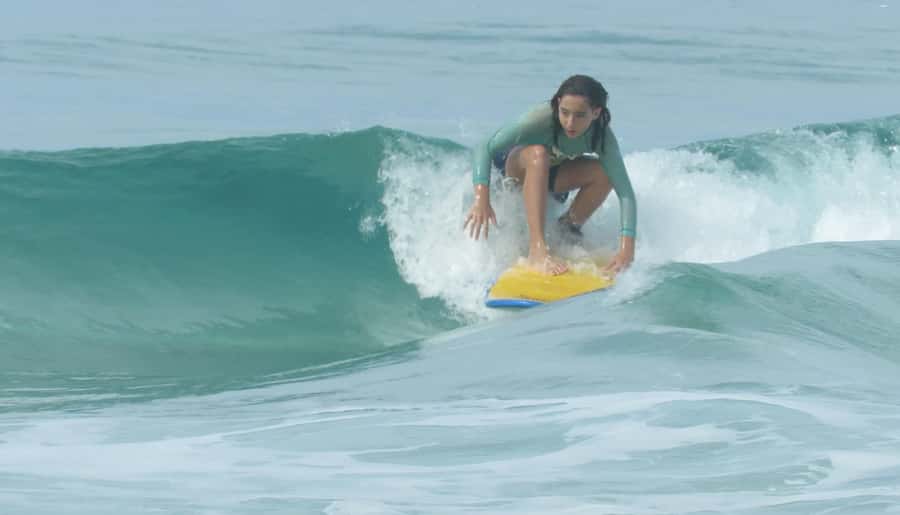
The main beginner practice lasts about 50 minutes. You work on the basic actions needed to surf, with the instructor guiding you through the session.
The exact exercises are not specified, so I would not expect a fixed sequence for every person. Conditions, age, confidence, and ability will shape the lesson. The useful promise is that CADES serves all ages and levels, from complete beginners through advanced surfers.
That broad range can be a plus for families or mixed-ability groups, but it also means you should tell the instructor what you need. If you have never touched a surfboard, say so clearly. If you have already taken lessons and want help with a specific problem, explain that before entering the water.
The beginner format is listed as 10 minutes of warm-up, five minutes of sea analysis, and 50 minutes of surfing. That totals roughly 65 minutes, while the activity headline says one hour. This is not a serious problem, but it is worth clarifying the exact schedule when you book.
Patience matters here. The strongest personal praise available is for Henry, who was described as a very patient teacher and recommended for anyone learning to surf. That is precisely what you want when your first attempts do not go according to plan.
Technical coaching with filmed feedback
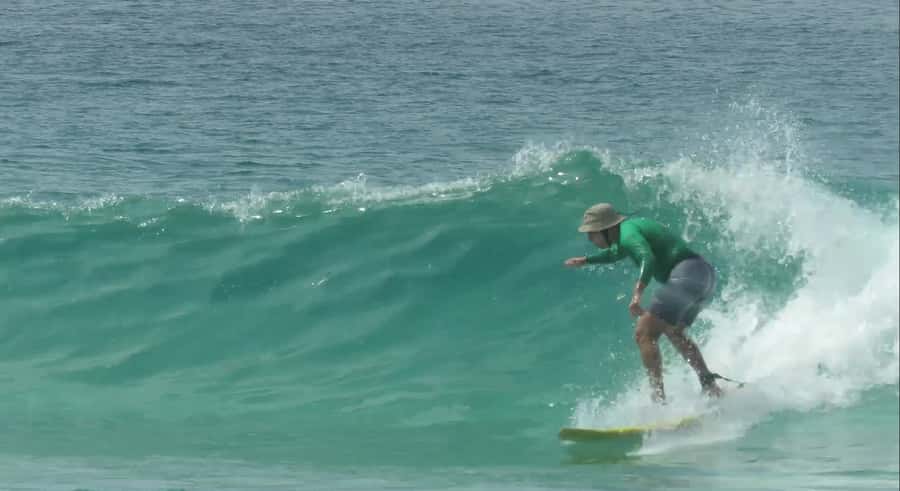
More experienced surfers follow a different format. You meet the coach at the surf spot selected for training, then spend about 10 minutes discussing the peak, the waves, and the goals for the session.
This planning gives the lesson a clear purpose. Instead of receiving general tips, you can work toward a particular improvement. The information provided does not list a menu of techniques, so you should bring your own questions and goals. You might want to improve your takeoff, positioning, turns, or wave selection, but the exact focus should be agreed with the coach.
The practical water session lasts about 50 minutes. During this part, activity images are recorded. Filming is especially useful because surfing can feel different from how it looks. You may think your stance is low and balanced, then see that you are standing too tall. Video can show timing problems that are hard to feel while a wave is moving underneath you.
At the end, you spend about 20 minutes reviewing the footage at CADES or at the location where the training took place. That follow-up is the feature that most clearly separates this from a basic rental or casual beach lesson.
The technical plan adds up to about 80 minutes, despite the one-hour headline. Ask about the actual appointment length if you are fitting this around other plans in Rio. The extra review time may be included in the price, but the schedule should be clear before you arrive.
Same patch of Brazil, a completely different sort of day:
- Rio de Janeiro: 6-Stop Highlights of Rio with Lunch
★ 4.4 · 5,157 reviews - Christ the Redeemer Entry Ticket by Corcovado Train
★ 4.4 · 4,476 reviews - Rio’s City Tour – Tickets for Christ, Sugar Loaf & Lunch included
★ 5.0 · 4,389 reviews - Full Day: Christ Redeemer, Sugarloaf, City Tour & Barbecue Lunch
★ 4.5 · 3,142 reviews
Choosing the day’s surf conditions
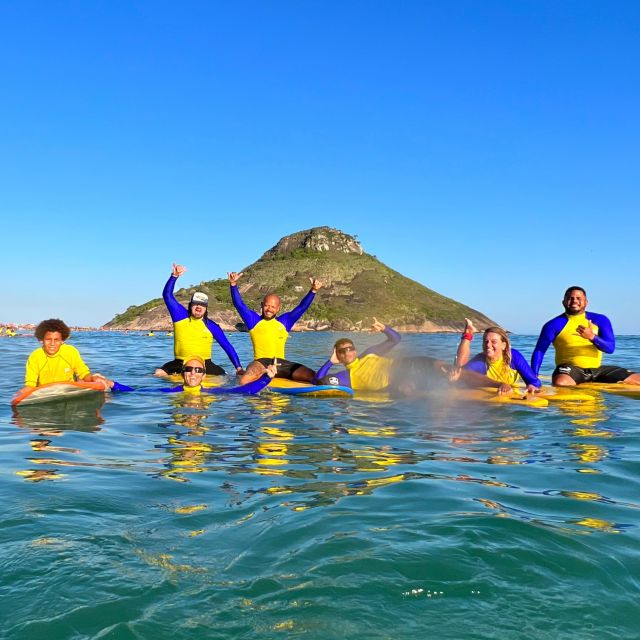
The experience is designed around surfing in the best conditions of the day. That sounds simple, but it is an important part of the service. Surf quality changes, and the ideal spot for a beginner may not be the right spot for an advanced surfer.
You should expect the instructor or coach to assess the sea before the practical part begins. Beginners do this together with the teacher after the warm-up. Technical surfers discuss the peak and wave conditions at the selected spot.
The benefit is flexibility. You are not locked into one fixed beach regardless of what the water is doing. The tradeoff is that you may not know the exact surf location far in advance. If you need a precise beach address for transport planning, ask CADES before the day.
The supplied description uses broad terms such as the best waves in Rio de Janeiro state and paradisiacal beaches. Treat those as the experience’s aim rather than a guarantee of perfect surf. Ocean conditions are never fully controlled, and the value here comes from having trained people assess the day and adapt the session.
What the $90 price includes
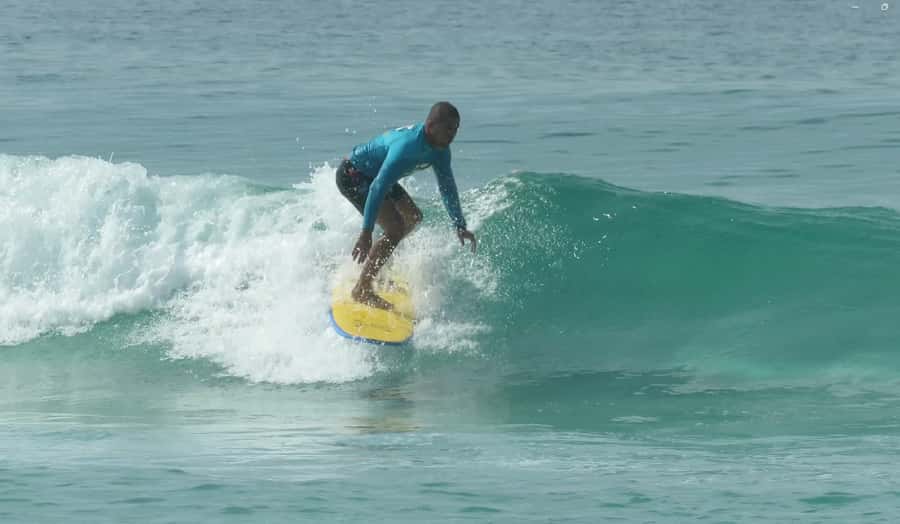
At $90 per person, this is priced as a coached activity rather than a simple board rental. You receive the surfing lesson or training, all necessary equipment, recorded activity images, and access to the CADES facilities.
The included equipment covers a board, leash, wetsuit, and wax. That saves you the trouble of finding the right board and arranging separate gear. It also makes the experience easier for first-timers who are not ready to buy or rent equipment on their own.
Transfers between CADES and the surf spot are included if needed. Transport to the meeting point is extra, and meals are also separate. Food is estimated at about $10 per person per meal.
The price makes the strongest sense for someone who wants instruction and feedback, not just time in the water. For a beginner, you are paying for a structured introduction, equipment, and guidance. For an intermediate or advanced surfer, the filming and video review add a clear training benefit.
If you only want to stand on a board once for a quick holiday photo, the cost may feel high. If you want to improve and understand what you are doing, the small group and technical review make the fee easier to justify.
Small groups and three working languages
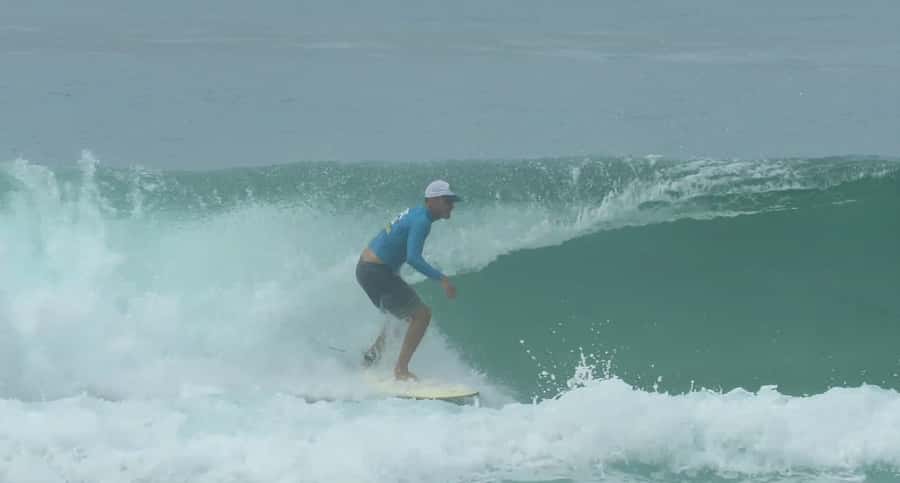
The maximum group size is five participants. That is small enough to keep the session personal, although the exact amount of individual attention will depend on the number of people at your level.
This format should suit you if you prefer to ask questions and receive corrections without waiting behind a large crowd. It also helps the instructor keep an eye on different levels in the water.
Lessons are available in Portuguese, Spanish, and English. That is useful in Rio, where a language gap can make safety and technique instructions harder to follow. Choose the language in which you can best understand quick directions, especially when you are already dealing with moving water.
CADES also states that the activity is wheelchair accessible. The description does not explain which parts of the water session or transfer process are adapted, so you should contact the provider in advance to discuss your specific needs.
Who will get the most from this session
This is a good fit for a first-time surfer who wants more support than a basic board rental. The warm-up, sea reading, equipment, and patient teaching style create a sensible entry point.
It also suits intermediate and advanced surfers who want targeted coaching. The filmed footage and 20-minute video analysis give you something practical to work on after the session ends.
Families and mixed-age groups may appreciate the all-ages policy, but each person should have realistic expectations. A complete beginner and an advanced surfer will not need the same type of instruction, so tell CADES your level when arranging the activity.
The experience may be less suitable if you need a tightly fixed one-hour appointment. The beginner and technical schedules are longer than the headline duration, and the surf spot may change according to conditions.
Booking details worth checking
You can cancel up to 24 hours before the activity for a full refund. You can also reserve now and pay later, which helps if your Rio schedule is still shifting.
Availability determines the starting time. Since the session is built around the sea conditions of the day, check the available time slots rather than assuming that every hour is offered.
Bring water and a change of clothes. Wear beachwear for the lesson, and pack clothing that can get dirty for the trip to and from the surf spot. Meals are not included, with an estimated cost of $10 per person per meal.
Should you book the CADES surf lesson?
I would book this if you want real coaching, not just a board and a patch of water. The small group limit, supplied equipment, adaptable surf location, and video feedback give the $90 price a practical reason.
Beginners should pay special attention to the praise for Henry’s patience. That kind of calm teaching can make the difference between a frustrating first lesson and a day that makes you want to keep surfing.
Intermediate and advanced surfers should confirm that the technical session matches their goals and clarify the total appointment time. If you want filmed analysis and a coach who can help you work on technique, this is the stronger choice.
Before booking, ask CADES to confirm the meeting point, transfer details, session length, and expected surf conditions. If those details fit your plans, this is a well-equipped, small-scale way to try Rio’s surf scene or sharpen skills you already have.
FAQ
Where does the surf lesson begin?
The teacher and student meet at the CADES headquarters at the provided meeting point. Technical coaching can begin at the surf spot selected for training.
How long does the activity last?
The advertised duration is one hour. The detailed beginner plan includes 10 minutes of warm-up, five minutes of sea and wave analysis, and 50 minutes in the water. Technical coaching includes 10 minutes of analysis, 50 minutes in the water, and 20 minutes of video analysis.
Is equipment included?
Yes. The price includes a surfboard, leash, wetsuit, and wax.
Are transfers included?
Transfers between the CADES space and the surf spot are included when necessary. Transport to the initial meeting point is not included, and the cost depends on distance.
What languages are available?
Instruction is available in Portuguese, Spanish, and English.
Can beginners join?
Yes. The experience offers beginner lessons as well as training for intermediate and advanced surfers. It serves all ages.
What should I bring?
Bring beachwear, water, a change of clothes, and clothing that can get dirty. Meals are not included.
Newest reviews from around Rio De Janeiro
- Christ Statue and Sugarloaf Private Tour with a Photographer★ 5.0 · 9 reviews
- Cidade do Samba Behind-the-Scenes Carnival Tour in Rio de Janeiro★ 4.0 · 5 reviews
- PRIVATE TOUR – Christ the Redeemer and Sugar Loaf★ 4.5 · 9 reviews
- Christ the Redeemer Trail x Lage Park★ 5.0 · 7 reviews
- Christ the Redeemer and City Tour★ 5.0 · 20 reviews
- Christ the Redeemer, Selaron Steps and Santa Teresa Half-day Tour★ 4.5 · 15 reviews
- Christ the Redeemer Adventure★ 5.0 · 12 reviews
- Private Tour of Christ the Redeemer in Rio de Janeiro★ 5.0 · 2 reviews
Surf Lessons, compared.

Surf lessons with local instructors in Copacabana/ipanema!
Read our review →
Surf Lesson with Qualified Instructor in Florianópolis
Read our review →
Browse the lists this tour appears in