
Reviewed · WALKING TOURS
Rio de Janeiro: 4-Hour Afternoon Walking Tour
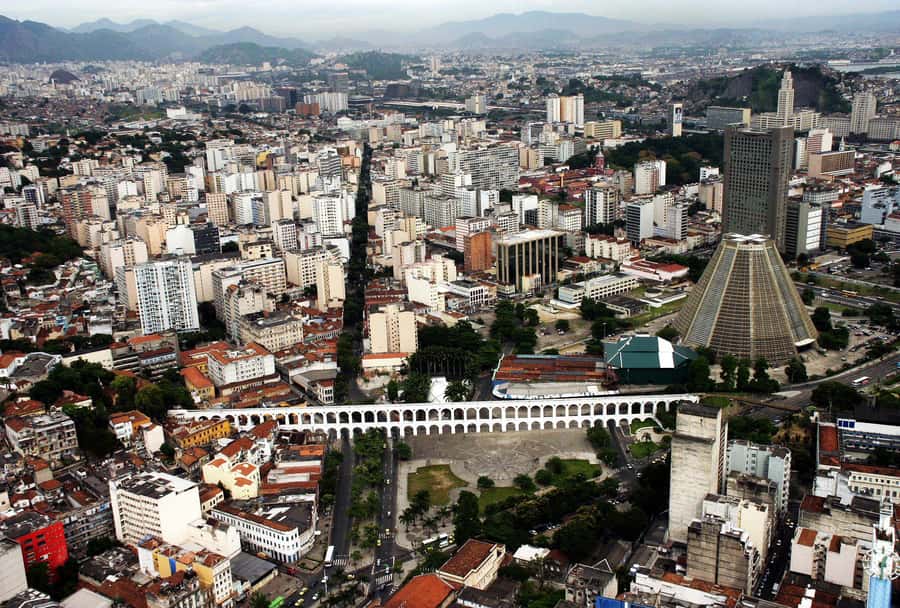
Rio’s past is written into its streets. This four-hour afternoon tour gives you a clear route through downtown, from the modern museums at Mauá Square to colonial churches, royal buildings, and the grand architecture of Cinelândia. I like the mix of major landmarks and street-level history, and I especially like that return transport is included from hotels in Copacabana, Ipanema, Leblon, and São Conrado.
The guides are another strong point. Roberto has been praised for answering questions and keeping a comfortable pace, while Ziggy was singled out for making the history of Portuguese settlement both fun and easy to follow. The main consideration is simple: this is a history-heavy walking tour, so anyone hoping for beaches, Christ the Redeemer, or Sugarloaf Mountain will need a separate outing.
In This Review
- Key points to know before you book
- Why this downtown walk is worth your afternoon
- Mauá Square and the Olympic Boulevard view
- São Bento Monastery, founded in 1590
- Candelária Church and the city’s long timeline
- Primeiro de Março Street and the old royal center
- Praça XV and the arrival of the royal family
- Cinelândia and the republican city
- The guide makes the difference
- Timing, transport, and what to expect
- Who should book this walk?
- Should you book the $62 afternoon tour?
- FAQ
- How long is the Rio de Janeiro walking tour?
- Where does the tour begin?
- Which landmarks are included?
- Is hotel pickup included?
- What languages are available?
- Are food and drinks included?
- Can I cancel the tour?
Key points to know before you book
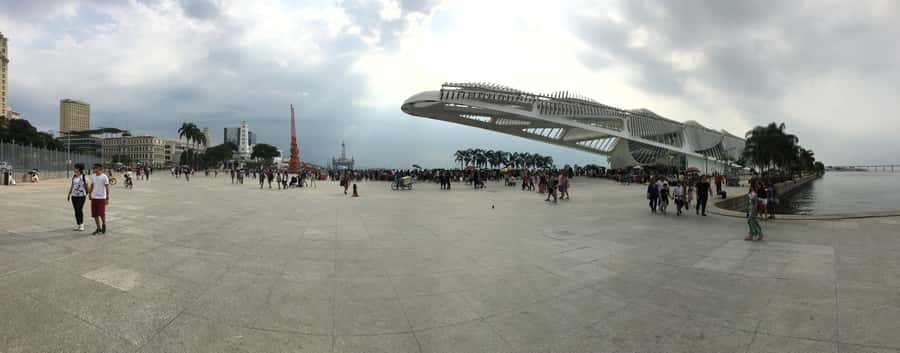
- Mauá Square starts the story in modern Rio: You begin beside the Museum of Tomorrow and Rio Art Museum, with a broad view along Olympic Boulevard.
- The route covers several eras: Colonial, imperial, and republican Rio appear through churches, palaces, cultural buildings, and government architecture.
- São Bento Monastery is a major highlight: Founded in 1590, it is one of Brazil’s important architectural heritage sites.
- You see the royal center at Praça XV: The Imperial Palace connects Rio with the arrival of Portugal’s royal family and Brazil’s later political changes.
- Cinelândia provides a grand finale: The Municipal Theater, National Library, Museum of Fine Arts, and Legislative Assembly gather around the final stop.
- Hotel transfers add real value: Pickup and return are offered at most hotels in four beach districts, with the exact time confirmed after booking.
Why this downtown walk is worth your afternoon
Rio is often sold through its beaches and mountain views. Those sights matter, but they tell only part of the city’s story. Downtown shows how Rio changed from a colonial port into the capital of Brazil, then into a republican center filled with theaters, libraries, museums, and government buildings.
I like this tour because it gives that story a sensible shape. You are not simply ticking off churches and squares. You are moving through the periods that shaped Brazil: the arrival of the Portuguese royal family, independence, and the proclamation of the republic.
The route also links old and new Rio. It begins at the rebuilt Mauá Square, shaped by the Olympic legacy, then moves through buildings that reach back to the 16th, 17th, and 18th centuries. That contrast makes the walk more useful than a tour that focuses only on old façades.
At $62 per person, the price is not the cheapest way to see downtown. Still, it includes a professional guide and round-trip transportation from much of the South Zone. For you, that means less effort arranging a way into the center and more time listening, looking, and asking questions.
The value depends on what you want. If you already know downtown well and prefer to explore at your own speed, the price may feel high. If Rio is new to you, the guide’s historical context and included transfers make the cost easier to justify.
More Walking Tours in Rio de Janeiro
- Rio de Janeiro: Rocinha Favela Walking Tour with Local Guide
★ 4.8 · 3,052 reviews - Rio De Janeiro: Half-Day Rocinha Favela Walking Tour
★ 4.7 · 2,272 reviews - 3 Hour Rocinha Favela Walking Tour with a Local Guide
★ 5.0 · 833 reviews
Mauá Square and the Olympic Boulevard view
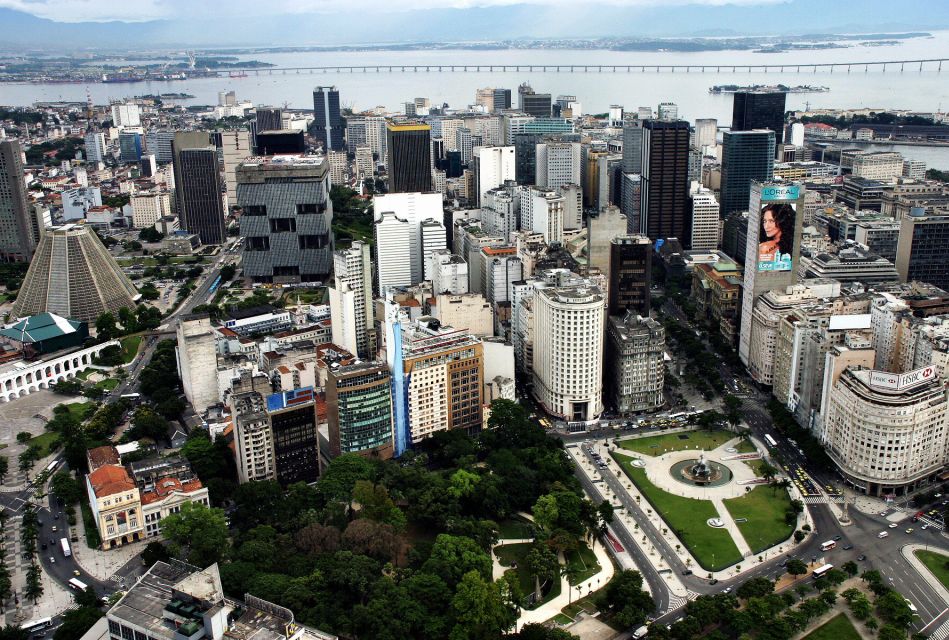
The tour begins at Plaza Mauá, also called Mauá Square, near the Museum of Tomorrow and the Rio Art Museum. This area has been remade into a major cultural center, and the open view along Olympic Boulevard helps you understand the scale of the project.
The square is a good opening point because it puts present-day Rio beside its older port district. You can see the city’s effort to create a new place for art, public events, and leisure, while the guide explains how this section changed after the Olympic legacy projects.
The two museums are central to the area. The Museum of Tomorrow focuses on questions about the future, while the Rio Art Museum presents art connected with the city and Brazil. This tour does not include extended museum visits, so you should not expect time to study their collections. Instead, you get the setting, the buildings, and a guide’s explanation before moving on.
The famous Cobra murals add color and scale to the walk. They form part of the public art along the boulevard and give you strong photo opportunities. Allow yourself time to look around here, because it is one of the more open parts of the route.
This first stop lasts about 30 minutes. It is a photo stop, visit, guided explanation, and walk in one. The open space may feel quite different from the tighter streets later in the afternoon.
São Bento Monastery, founded in 1590
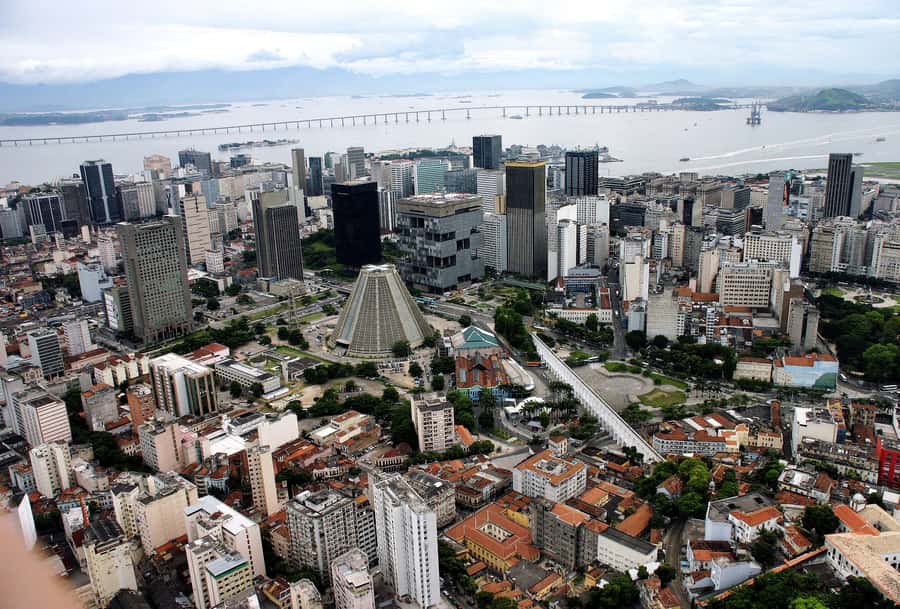
From Mauá Square, you continue to São Bento Monastery. Two monks from Bahia founded the monastery in 1590, and it is regarded as one of the important examples of Brazilian architectural heritage.
This is one of the tour’s strongest stops. The monastery gives you a direct connection to Rio’s early religious and colonial period, before the city became the imperial and republican capital. The building also helps explain how religious institutions shaped early urban life.
You should pay attention to the contrast between the plain city streets outside and the ornate character associated with the monastery. The guide’s explanation matters here because the meaning of the building is not always obvious from a quick look.
The scheduled time is about 30 minutes. That is enough for a guided visit and photographs, but not for a slow architectural study. If you have a strong interest in religious art or historic construction, you may wish you had longer. For a first visit to downtown, the timing keeps the whole route moving.
The tour’s pace received clear praise from Janice, who found there was enough time for photographs and questions. That is useful to know. A history walk can become tiring when the guide rushes from door to door, but the feedback points to a more relaxed rhythm.
Candelária Church and the city’s long timeline
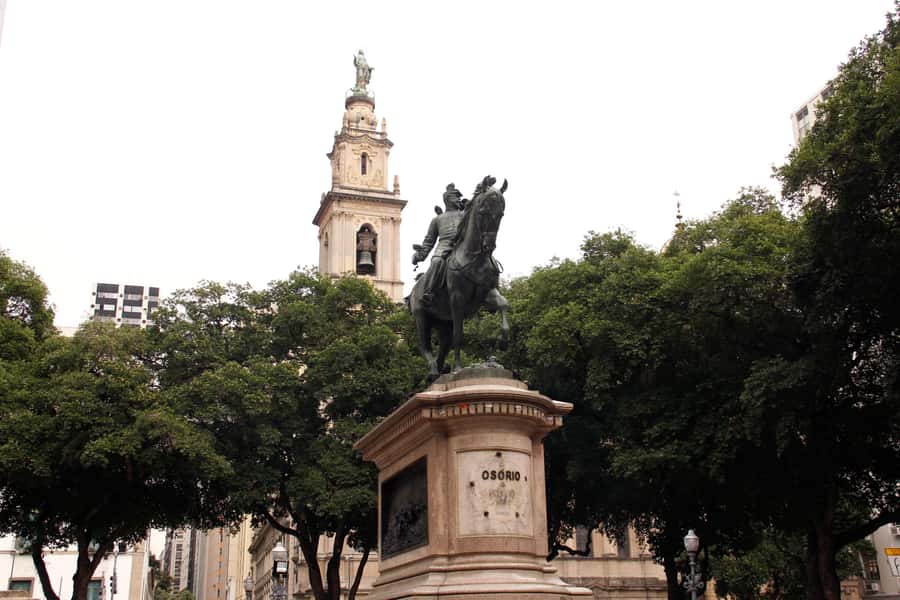
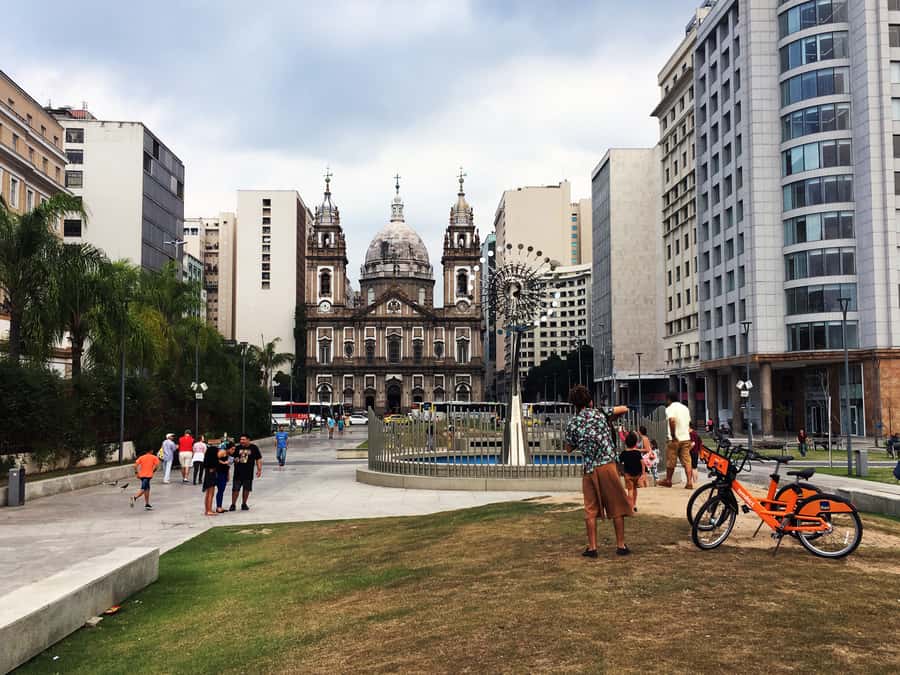
Next comes Candelária Church, built in neoclassical style. Construction began in 1630 and was completed in 1775, a long building period that reflects how much Rio changed over those generations.
This stop is valuable because it shows that downtown’s history is not one neat period. A church may begin in one era, continue through another, and reflect changing tastes by the time it is finished. The guide can help you read those layers instead of seeing only an impressive façade.
The church visit and explanation take around 30 minutes. You will have time for photographs and a look at the architecture, but the tour is not designed as an exhaustive church study. It is one chapter in a larger story that moves from religious power to royal authority and then to republican civic life.
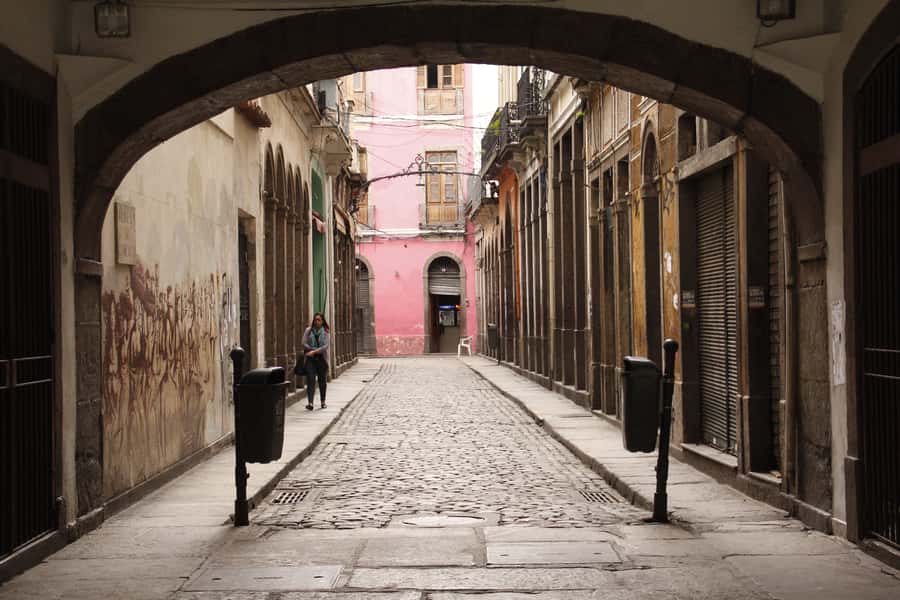
The walking between stops is part of the point. Downtown Rio’s character appears in the spaces between landmarks, not only at the official sights. You get a sense of how churches, commercial streets, banks, cultural centers, and public offices sit close together.
Same patch of Brazil, a completely different sort of day:
- Rio de Janeiro: 6-Stop Highlights of Rio with Lunch
★ 4.4 · 5,157 reviews - Christ the Redeemer Entry Ticket by Corcovado Train
★ 4.4 · 4,476 reviews - Rio’s City Tour – Tickets for Christ, Sugar Loaf & Lunch included
★ 5.0 · 4,389 reviews - Full Day: Christ Redeemer, Sugarloaf, City Tour & Barbecue Lunch
★ 4.5 · 3,142 reviews
Primeiro de Março Street and the old royal center
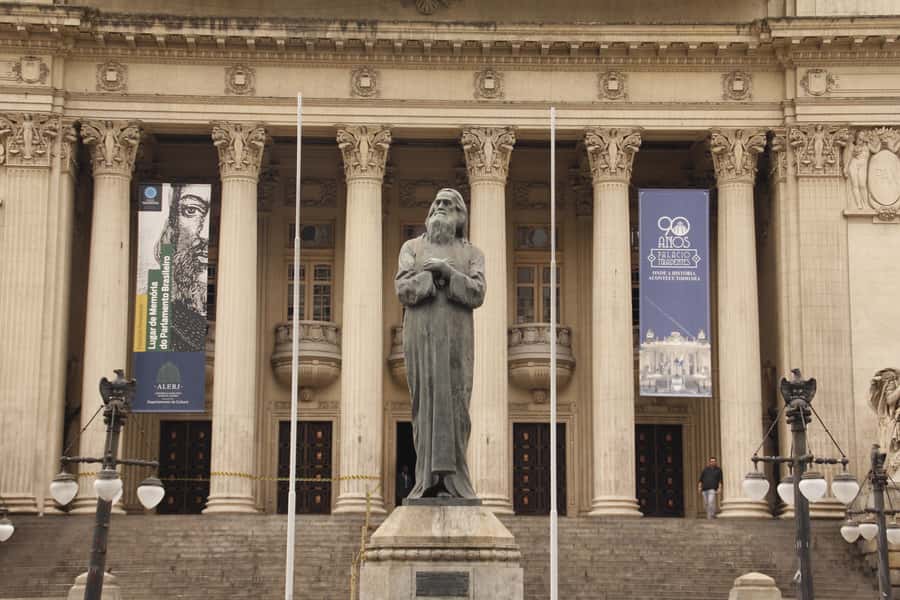
The route continues along Primeiro de Março Street. Here you pass Casa Franca, also known as the France-Brazil House, the Banco do Brasil Cultural Center, and the post office building.
This section is less about one single sight and more about the changing role of the city center. You see architecture linked with trade, culture, communication, and public administration. It is a useful reminder that Rio was not simply a royal residence. It was also a working capital with institutions that helped run the country.
The Banco do Brasil Cultural Center is especially important as part of the city’s cultural life, though this walking tour does not promise an extended interior visit. You are mainly taking in the exterior, the street setting, and the guide’s account of why these buildings matter.
Casa Franca adds another layer to the route. Together, these buildings help you spot differences between colonial, imperial, and republican design. You do not need to be an architecture expert. Just look for the changing scale, ornament, materials, and formal style as you walk.
This is also where a good guide earns the fee. The façades can blur together if you have no context. A clear explanation turns a street walk into a readable record of Rio’s development.
Praça XV and the arrival of the royal family
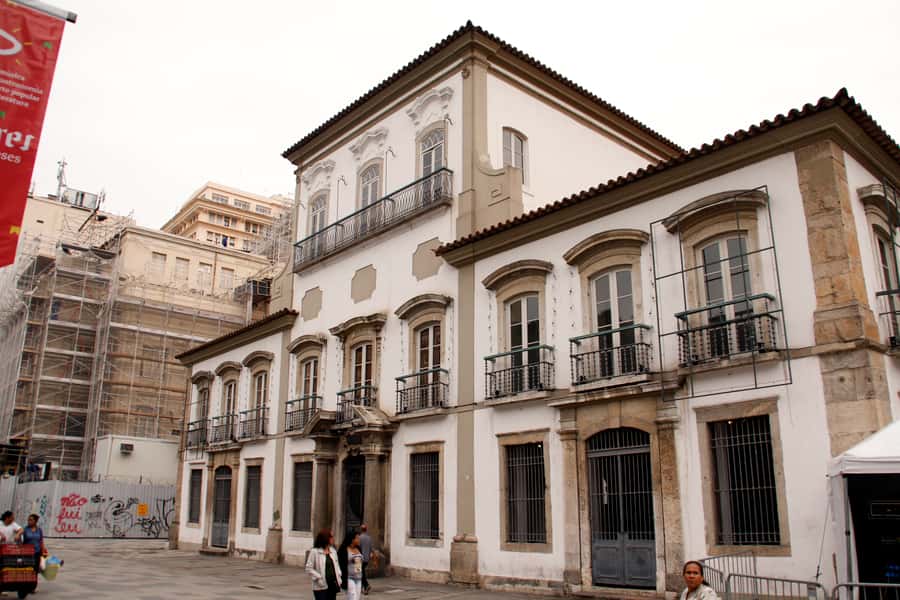
At Praça XV de Novembro, the tour reaches one of the most important historical spaces in the city. The Imperial Palace was built as the residence of the governors of the captaincy and later became a residence for the Portuguese royal family when it arrived in Brazil.
That shift changed Rio’s status and direction. The square lets you connect local history with the larger political story of Brazil. The Portuguese court’s arrival made Rio the center of royal power, and the city later remained Brazil’s capital for almost two centuries.
You also pass the Tiradentes Palace. The sequence of buildings around Praça XV shows how authority moved through different hands and different forms of government. It is one of the best sections for understanding why downtown Rio looks so politically important.
The tour allows about 30 minutes here for a visit, photographs, and explanation. The square is a place to slow down and let the historical sequence settle. You will likely get more from it if you ask the guide questions about the royal family, independence, or the change from empire to republic.
One practical point: the tour covers many landmarks in a short time. You should expect a strong overview rather than a detailed interior tour of every building. That is a fair trade for seeing such a broad section of downtown in one afternoon.
Cinelândia and the republican city
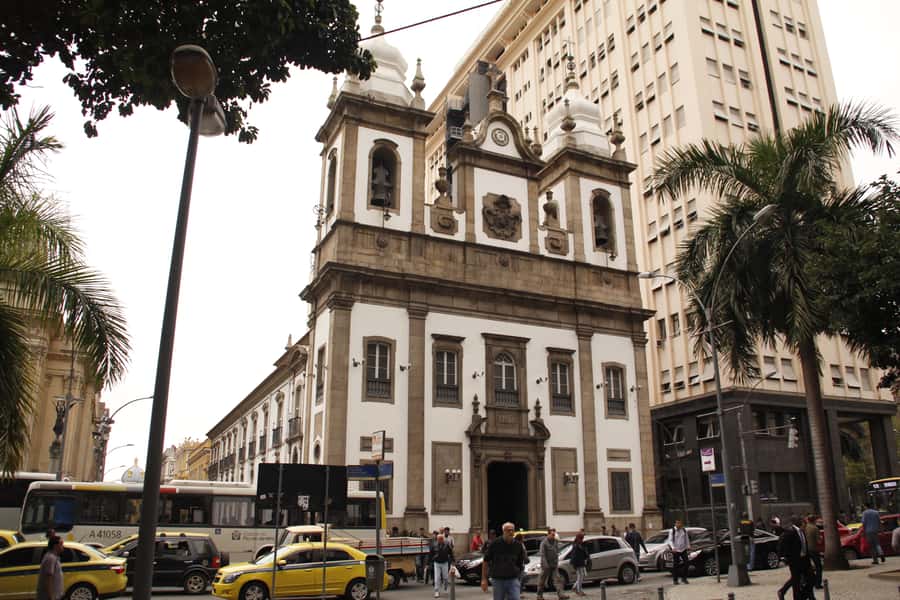
The final point is Cinelândia, where the route ends among some of Rio’s grandest public buildings. The Municipal Theater, Legislative Assembly, National Library, and Museum of Fine Arts surround the square and create a fitting finish to the tour.
After churches and royal buildings, Cinelândia shifts the focus to the republican city. Its architecture has a more formal civic character, with institutions devoted to performance, government, books, and art.
I like this ending because it completes the timeline. You begin with a modern cultural district, pass through colonial and imperial Rio, and finish among republican buildings. Even without entering each one, you can see how the city presented itself as a national capital.
The final stop also offers strong photo subjects. The Municipal Theater is especially useful for architecture photography, while the surrounding buildings give the square a broad civic scale. The planned time is about 30 minutes before return transport to your hotel.
Cinelândia is not the last stop because the route runs out of things to see. It is a deliberate endpoint that leaves you in a central area with a clear sense of Rio’s political and cultural growth.
The guide makes the difference
This is a tour where the guide matters more than fancy extras. The route contains many buildings, but the experience depends on how well someone explains the connection between them.
Roberto received specific praise for being informative, answering questions willingly, and keeping the pace comfortable. That combination is important. You want enough explanation to understand the history, but you also need time to stop for photographs without feeling hurried.
Ziggy was praised for making the colonial Portuguese architecture and the settlement story fun and thorough. That points to another strength: the tour is not only a procession of dates. With the right guide, the buildings become part of a larger story about migration, power, religion, and national identity.
Guiding is offered in English, Portuguese, Spanish, German, and French. You should confirm your preferred language when booking. The exact pickup time and location are provided after the tour is reconfirmed.
Timing, transport, and what to expect
The experience lasts four hours and takes place in the afternoon. Pickup is available from most hotels in São Conrado, Leblon, Ipanema, and Copacabana, with return to those same areas listed among the drop-off options.
That transfer service is a practical benefit. Downtown Rio is not next to every beach neighborhood, and arranging your own transport would add time and cost. The included ride also makes this a simpler choice for you if you want an organized half-day without handling the route yourself.
The exact pickup location is not automatically the same for every hotel. You will be told the pickup details after reconfirmation, so check that information carefully rather than assuming the vehicle will arrive at your hotel entrance.
Food and drinks are not included. The route is four hours long, but the supplied details do not specify meal or refreshment stops. Plan accordingly, especially if you prefer to have water with you during a city walk.
The itinerary lists about 30 minutes at each principal stop, with walking and transfers between them. Group size is not specified, so you should not book this expecting a private tour unless that is confirmed separately.
Cancellation is flexible up to 24 hours before departure for a full refund, and you can reserve now and pay later. Those terms help if your Rio schedule is still changing.
Who should book this walk?
I would recommend this tour to you if you want historical context, like architecture, and prefer an organized route through downtown. It is also a good first introduction to the city center because it connects many important places without asking you to plan the sequence yourself.
It suits visitors staying in Copacabana, Ipanema, Leblon, or São Conrado particularly well, since round-trip pickup is included from most hotels in those areas. The multilingual guide option also makes it useful for a range of international visitors.
You may want something else if your main interests are Rio’s natural sights, nightlife, food, or beach culture. This tour does not include Sugarloaf Mountain, Christ the Redeemer, the beaches, or a meal. It is about streets, buildings, public squares, and the city’s political past.
You should also consider your walking comfort. The pace appears moderate, but you will spend much of the four hours moving through the center and stopping outdoors. Comfortable footwear and a willingness to listen while walking will make the afternoon better.
Should you book the $62 afternoon tour?
Book it if you want a clear, guided account of Rio’s colonial, imperial, and republican periods, with transport from the city’s main beach districts. The combination of Mauá Square, São Bento Monastery, Candelária Church, Praça XV, and Cinelândia gives you a useful view of downtown’s changes in a single afternoon.
The strongest reasons to choose it are the thoughtful route, the chance to ask questions, and the guide quality shown by Roberto and Ziggy. The main limitation is the price for a four-hour overview, especially if you are comfortable arranging your own transport and exploring independently.
For a first visit, I think the tour offers solid value. It gives you the historical framework you need to understand Rio beyond its famous postcard views. Then, with that framework in place, you can return to the center or its museums on your own and look at the city with sharper eyes.
FAQ
How long is the Rio de Janeiro walking tour?
The tour lasts four hours, including the guided walking route and transportation to and from the listed hotel areas.
Where does the tour begin?
The sightseeing portion begins at Mauá Square, near the Museum of Tomorrow and the Rio Art Museum. Pickup is available from most hotels in São Conrado, Leblon, Ipanema, and Copacabana.
Which landmarks are included?
The route includes Mauá Square, São Bento Monastery, Candelária Church, Praça XV de Novembro, the Imperial Palace area, Tiradentes Palace, and Cinelândia. You also see Casa Franca, the Banco do Brasil Cultural Center, and the post office building along Primeiro de Março Street.
Is hotel pickup included?
Yes. Round-trip transfer is included from most hotels in São Conrado, Leblon, Ipanema, and Copacabana. The exact pickup location and time are provided after the tour is reconfirmed.
What languages are available?
Live guiding is offered in English, Portuguese, Spanish, German, and French.
Are food and drinks included?
No. Food and beverages are not included in the $62 price.
Can I cancel the tour?
You can cancel up to 24 hours in advance for a full refund. You can also reserve now and pay later.
Newest reviews from around Rio De Janeiro
- PRIVATE TOUR – Christ the Redeemer and Sugar Loaf★ 4.5 · 9 reviews
- Christ Statue and Sugarloaf Private Tour with a Photographer★ 5.0 · 9 reviews
- Cidade do Samba Behind-the-Scenes Carnival Tour in Rio de Janeiro★ 4.0 · 5 reviews
- Christ the Redeemer Trail x Lage Park★ 5.0 · 7 reviews
- Christ the Redeemer and City Tour★ 5.0 · 20 reviews
- Private Tour of Christ the Redeemer in Rio de Janeiro★ 5.0 · 2 reviews
- Christ the Redeemer, Selaron Steps and Santa Teresa Half-day Tour★ 4.5 · 15 reviews
- Christ the Redeemer Adventure★ 5.0 · 12 reviews
Walking Tours, compared.



3 Hour Rocinha Favela Walking Tour with a Local Guide
Read our review →
Favela Tour Rio de Janeiro – Vidigal Walking Tour by Russo Guide
Read our review →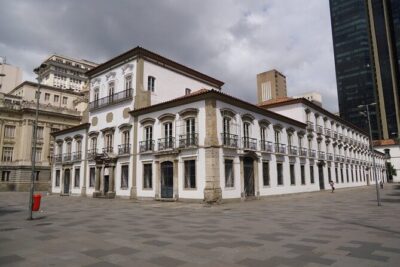
Private Walking and Cultural Tour Rocinha-Rio de Janeiro
Read our review →
Browse the lists this tour appears in