
Reviewed · WALKING TOURS
Rio: African Culture Walking Tour
Rio’s samba story begins long before Carnaval. This three-hour tour connects Little Africa and Pedra do Sal with the history of Afro-Brazilian culture, slavery, and black resistance, then finishes inside the City of Samba. I like the clear historical focus and the chance to visit places many visitors miss. I also like the small maximum of 15 people, which gives you room to ask questions instead of simply following a flag.
The main consideration is authenticity at the final stop. The samba school warehouse is exciting and offers a rare look behind the Carnaval spectacle, but one experienced participant found that part slightly less personal than the walking tour. At $100 per person, you are paying for a focused private-group experience, not a cheap stroll, so the value depends on how much you want context and conversation.
In This Review
- Key points to know before booking
- Why this Rio tour goes beyond sun and samba
- Starting in Little Africa and Pedra do Sal
- How the guide shapes the experience
- Understanding Brazil’s slavery and abolition story
- Entering Cidade do Samba and Carnaval Experience
- Is $100 per person a fair price?
- Group size, pace, and access
- Who should book this experience?
- Practical advice for a better visit
- Should you book Rio’s African Culture Walking Tour?
- FAQ
- How long does the African Culture Walking Tour last?
- What areas does the walking tour visit?
- What subjects does the guide explain?
- Does the tour include Cidade do Samba?
- What happens at Cidade do Samba?
- Is food included?
- What languages are available?
- How large is the group?
- Is the tour wheelchair accessible?
- What is the cancellation policy?
Key points to know before booking
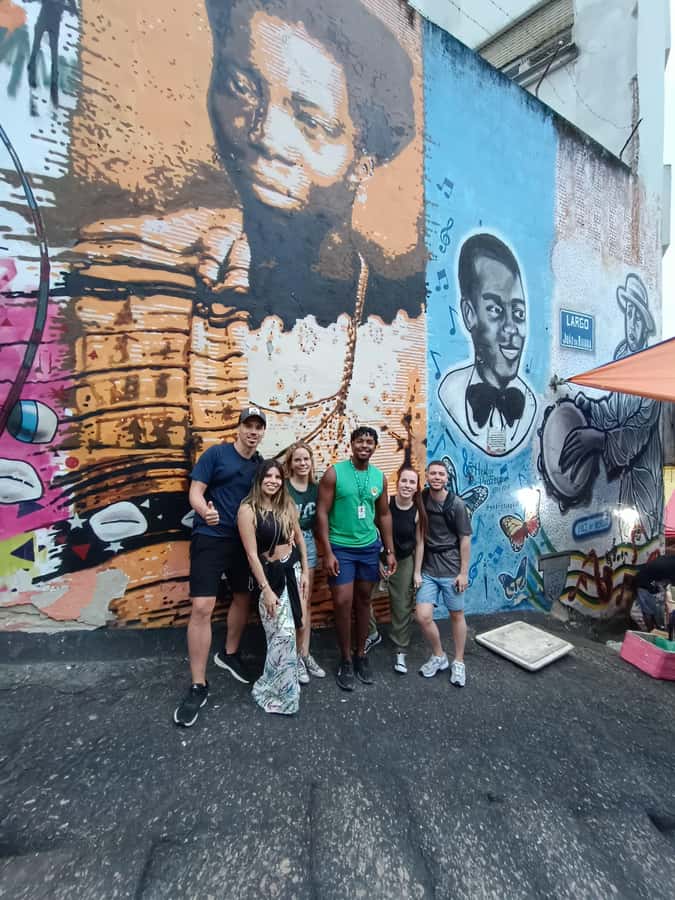
- Little Africa and Pedra do Sal: Walk through areas tied closely to Rio’s Afro-Brazilian past and the struggle to end slavery.
- A history lesson with room for discussion: Guides explain difficult subjects clearly and can connect Brazil’s racial history with wider issues.
- Cidade do Samba access: See where Carnaval floats, costumes, and parade work take shape.
- Three hours with a limited group: The maximum of 15 helps keep the experience personal and manageable.
- English, Spanish, and Portuguese: You can select from three guide languages, depending on availability.
- Private-group format: This is a good fit if you want flexibility and a more direct exchange with your guide.
Why this Rio tour goes beyond sun and samba

Rio is easy to enjoy at street level. You have beaches, mountain views, music, and plenty of samba. But that familiar picture leaves out a central part of the city’s story: the people of African descent who shaped its culture while living through slavery, discrimination, and resistance.
This tour puts that story first. Rather than treating samba as a colorful party with no past, it links the music and Carnaval traditions to the people, neighborhoods, and struggles that made them possible.
I like that the experience uses walking and conversation instead of trying to cover every famous Rio sight. You will not get a broad city tour with quick stops at Christ the Redeemer or Sugarloaf Mountain. You will get a narrower subject treated with care.
That focus matters. If you already have those headline sights on your schedule, this experience fills in a part of Rio that standard sightseeing often leaves out. It also gives you useful context before attending a samba performance or seeing Carnaval preparations elsewhere in the city.
More Walking Tours in Rio de Janeiro
- Rio de Janeiro: Rocinha Favela Walking Tour with Local Guide
★ 4.8 · 3,052 reviews - Rio De Janeiro: Half-Day Rocinha Favela Walking Tour
★ 4.7 · 2,272 reviews - 3 Hour Rocinha Favela Walking Tour with a Local Guide
★ 5.0 · 833 reviews
Starting in Little Africa and Pedra do Sal
The walking portion takes place in Little Africa and the Pedra do Sal region. These areas are important because they connect the city’s present-day culture with the lives and traditions of Afro-Brazilian communities.
Your guide explains the history of slavery in Brazil and the long campaign for abolition. You will also learn about black resistance and the ways African traditions survived and developed in Rio. This is not light sightseeing, and that is part of its value. The subject asks for attention, but the format keeps it grounded in actual places rather than turning it into a classroom lecture.
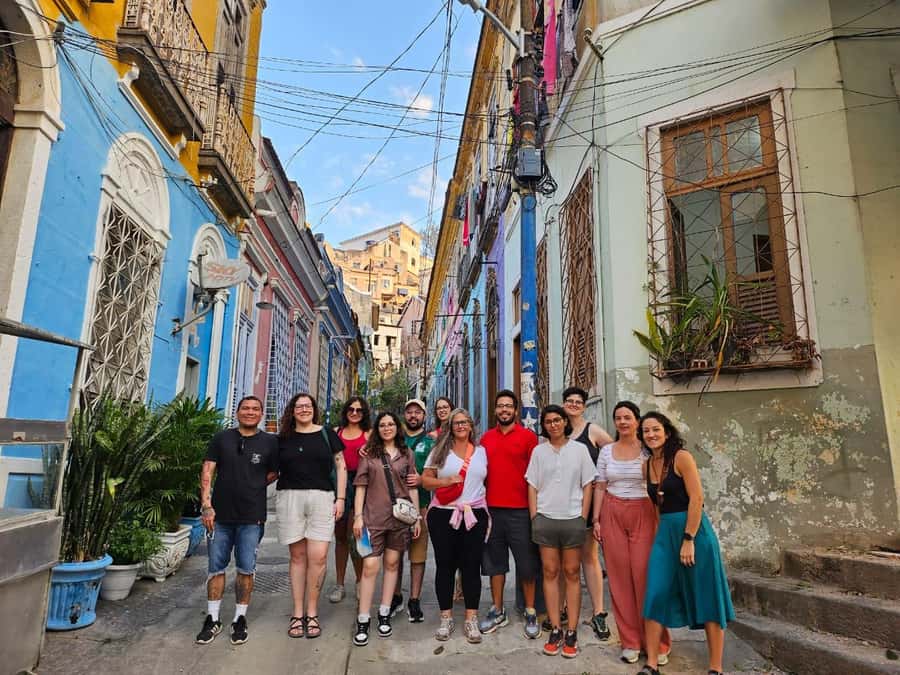
The exact route and order of stops are not specified, so you should expect the guide to shape the walk around the group and the day. That can be an advantage. A private group lets you ask for clarification, spend more time on a subject that interests you, or keep moving if a particular stop is less important to you.
One particularly useful feature is the opportunity for discussion. The guide can explain similarities and differences between racial oppression in Brazil and the United States, a comparison that helped one participant make sense of the subject. You do not need prior knowledge to follow the tour, and the available feedback suggests that the explanations are designed to be clear and easy to discuss.
The walking is described as manageable, but it is still a walking tour. Wear comfortable shoes, bring water, and allow your attention to stay on uneven streets, traffic, and the guide rather than trying to document every stop. Food and drinks are not included, so plan those separately.
How the guide shapes the experience
A history tour rises or falls on the guide. Here, the guide is not simply providing dates and pointing toward buildings. The stated goal is to explain local culture and traditions, and the strongest praise has focused on guides who make the subject clear, friendly, and open to questions.
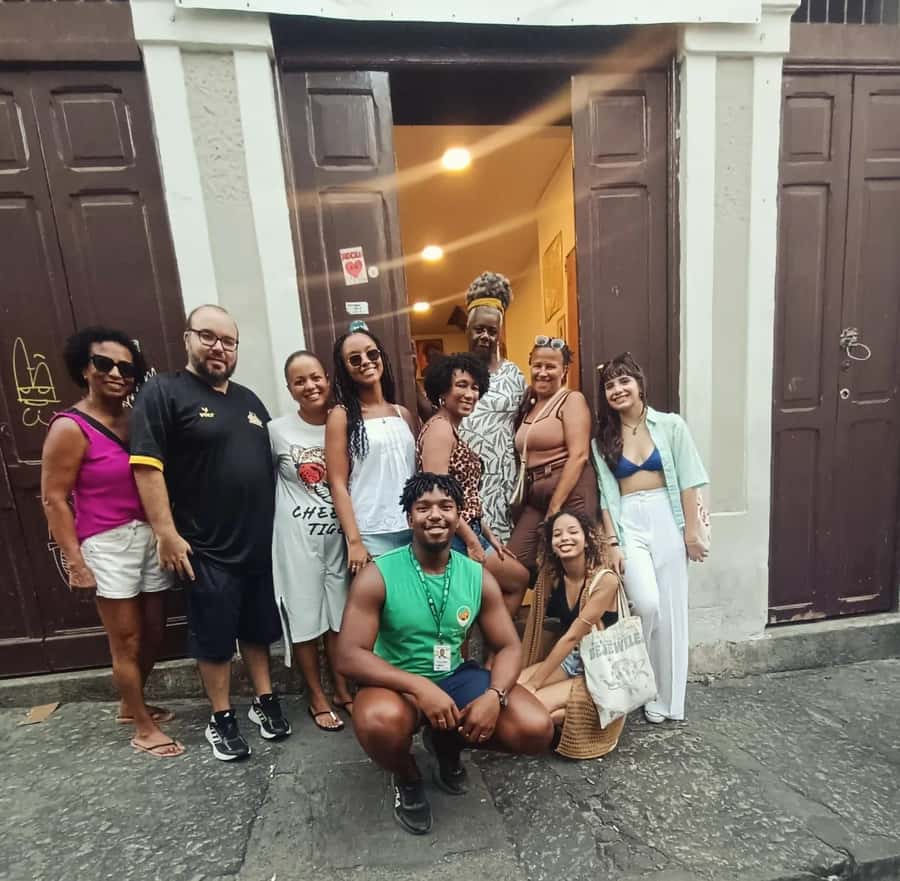
Rafael has been singled out for being especially attentive during the Little Africa visit and the samba school stop. Another guide was praised for explaining Afro-Brazilian history in a direct, educational way and for recommending additional activities after the scheduled tour.
That flexibility can be useful. One participant received help arranging an extra graffiti stop alongside an Uber ride back to the hotel. You should not assume that every booking includes an additional stop, since it is not part of the listed program. Still, it shows the possible benefit of a private format: the conversation may lead to practical suggestions for the rest of your day.
The tour is available in English, Spanish, and Portuguese. When booking, pay attention to your selected language and send your WhatsApp contact as requested. That contact detail helps the operator reach you with meeting information or other practical updates.
Understanding Brazil’s slavery and abolition story
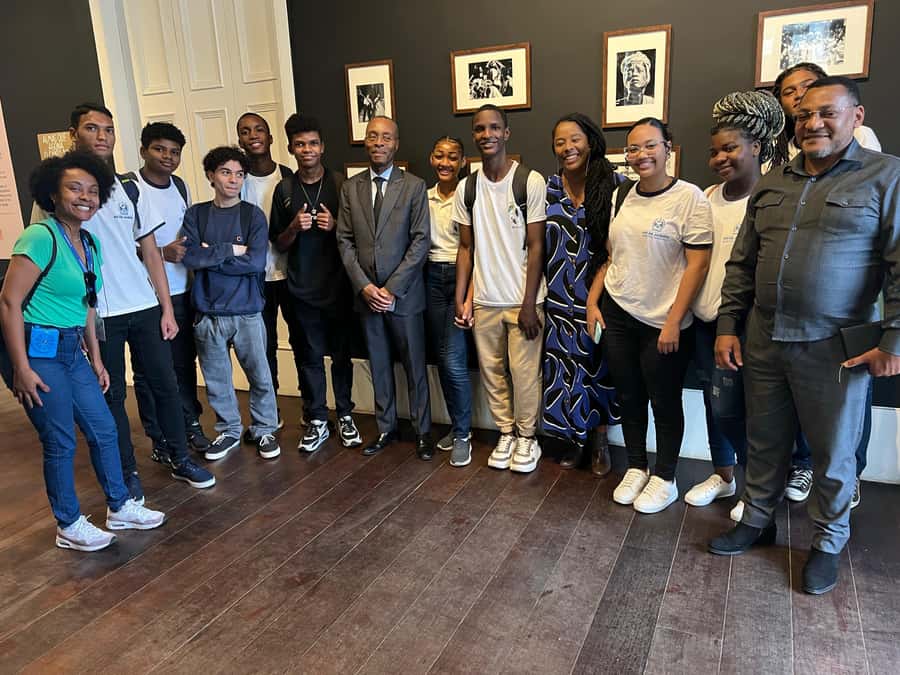
The history here is not presented as a distant event. The tour connects slavery and the fight for abolition with the living culture of Rio. That makes the experience more useful than a string of isolated facts.
You will hear about Afro-Brazilian traditions and how they remain part of the city’s identity. The guide also discusses the continuing effects of racial inequality and oppression. For many people, this will be the most thought-provoking part of the tour.
Expect a serious subject, but not necessarily a solemn three hours. The guide feedback points to a friendly style, clear explanations, and open conversation. That balance helps. You can ask direct questions without feeling that you are interrupting a formal lecture.
I would choose this tour early in a Rio visit if cultural history is a priority. The information can change how you see samba, street art, music, and other parts of the city afterward. If you only want photos and major landmarks, though, the historical focus may feel heavier than you want.
Same patch of Brazil, a completely different sort of day:
- Rio de Janeiro: 6-Stop Highlights of Rio with Lunch
★ 4.4 · 5,157 reviews - Christ the Redeemer Entry Ticket by Corcovado Train
★ 4.4 · 4,476 reviews - Rio’s City Tour – Tickets for Christ, Sugar Loaf & Lunch included
★ 5.0 · 4,389 reviews - Full Day: Christ Redeemer, Sugarloaf, City Tour & Barbecue Lunch
★ 4.5 · 3,142 reviews
Entering Cidade do Samba and Carnaval Experience

The tour concludes at Cidade do Samba, also called the City of Samba. Entrance is included, along with the Carnaval Experience.
This is where the walk shifts from historical neighborhoods to the organized production behind Rio’s famous parades. You get a look at a samba school warehouse and learn how the parade schools developed. The attraction is the contrast between what you see on television during Carnaval and the work that happens away from the parade route.
You may see the setting where large parade elements, costumes, and decorative pieces are prepared. The supplied information does not promise a working rehearsal, a parade, or a particular school, so keep your expectations centered on access and explanation rather than a live Carnaval performance.
That distinction is important. The warehouse visit is a behind-the-scenes look, but it is also a formal attraction. One participant found it amazing to enter a major samba school warehouse while noting that this portion felt a little less authentic than the neighborhood walk.
I see that as a fair trade. The samba warehouse gives you access most independent visitors would not arrange easily. At the same time, it has a more organized, visitor-facing quality. The first part of the tour deals with community history in public spaces; the last part shows the polished machinery of Carnaval.
Together, the two sections make sense. Little Africa and Pedra do Sal help explain where Afro-Brazilian culture took root. Cidade do Samba shows how one of its most famous cultural expressions is prepared for a modern audience.
Is $100 per person a fair price?

At $100 per person, this is not a bargain-priced neighborhood walk. You are paying for three hours, a live guide, access to Cidade do Samba and Carnaval Experience, and a group capped at 15 people. Taxes, fees, and handling charges are included, so the listed price is not simply an entry point before a long set of added charges.
The best value comes from the guide. If your guide gives strong historical explanations, answers questions, and adjusts the pace to your interests, the tour can feel worthwhile. The private-group format also makes the price more defensible for couples, families, or friends who prefer direct attention.
The value is weaker if you want only a quick introduction to samba. You could see music and Carnaval-related sights elsewhere in Rio for less. This experience earns its price through context, access, and the connection between history and culture.
I would especially consider it for people with limited time who want one organized experience covering both Afro-Brazilian history and samba production. It saves you from arranging separate visits to Little Africa, Pedra do Sal, and the City of Samba.
Group size, pace, and access
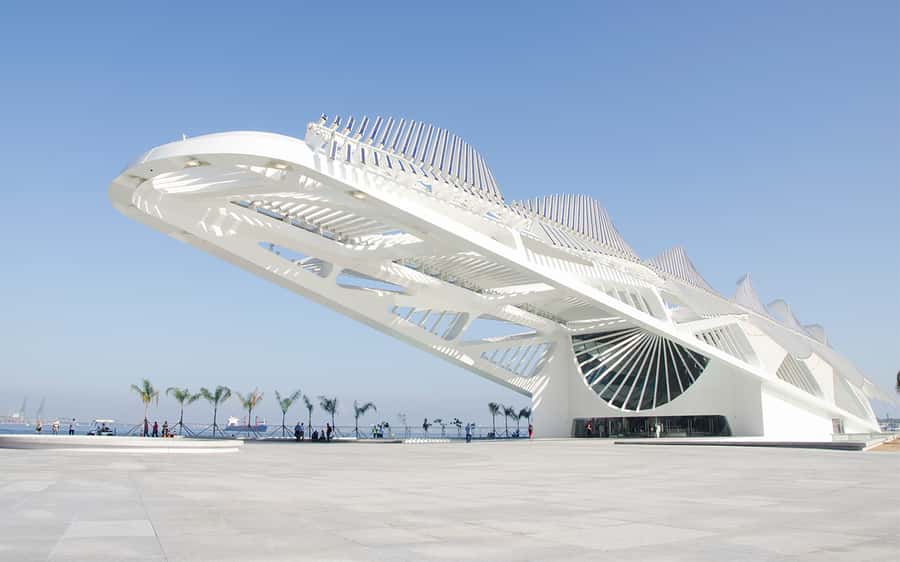
The maximum group size is 15, and the activity is also described as a private group. These details suggest a more personal setup than a large coach excursion. You should have a better chance to hear the guide and ask questions without stopping the entire city block.
The tour lasts three hours. That is long enough to give the historical material some space, but short enough to fit around other Rio plans. Since the route includes walking and an indoor or warehouse-style visit, the change of setting should help the time pass without feeling like one continuous lecture.
Wheelchair access is listed as available. Because the program includes walking through urban areas, you should still confirm the specific route and meeting arrangements if you have mobility needs. Accessibility in the activity description is encouraging, but city streets and historic areas can vary.
Starting times depend on availability. You can also reserve now and pay later, and cancellation is free up to 24 hours before the activity for a full refund. Those policies make it easier to place the tour early in your itinerary without locking yourself into a rigid plan.
Who should book this experience?
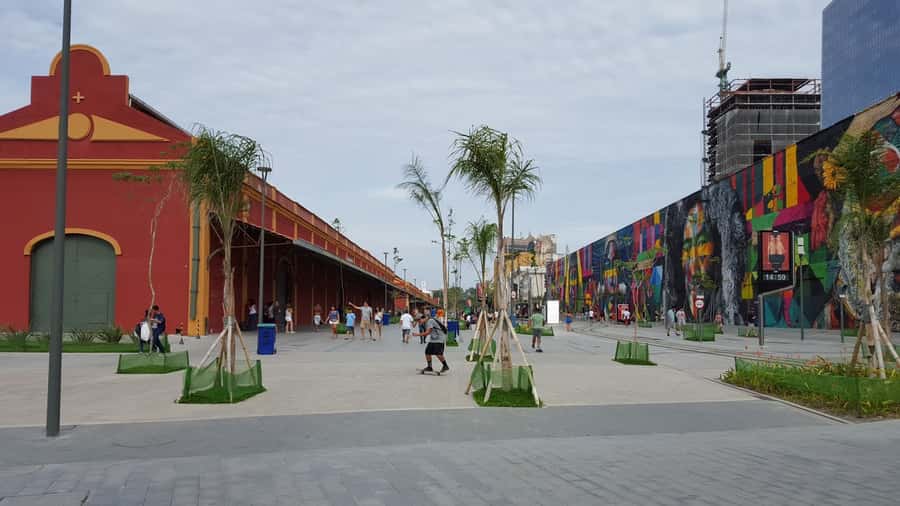
I would recommend it to you if you enjoy history, cultural questions, and guided discussion. It is especially suitable if you want to understand Rio’s African influence instead of treating samba as entertainment without context.
It also suits visitors who have already planned the major sights and want something more specific. The route visits places missed by many people, while the City of Samba adds a practical look at Carnaval preparation.
This is a good choice for:
- First-time visitors who want cultural background alongside famous sights
- Repeat visitors looking for a different side of Rio
- People interested in slavery, abolition, race, and resistance
- Samba fans who want to see how parade schools work behind the scenes
- Couples, families, and friends who prefer a small private group
- English, Spanish, or Portuguese speakers seeking a live guide
I would think twice if your priority is a relaxed food walk, nightlife, or a broad overview of Rio. Food and drinks are not included, and the subject is more serious than a standard entertainment tour. You should also know that the City of Samba portion may feel more staged than the neighborhood walk.
Practical advice for a better visit

Send your WhatsApp contact when requested. That is the one specific preparation required in the activity information, and it gives the operator a way to contact you.
Wear shoes suitable for three hours of walking. Bring water and plan a snack or meal outside the tour, since food and drinks are not included.
Keep questions ready. The tour works best when you treat it as a conversation. Ask about the links between Afro-Brazilian traditions, slavery, abolition, resistance, and samba. The guide feedback suggests that discussion is welcome.
If you hope to arrange extra sightseeing, ask politely during the tour. A guide may be able to suggest activities or help with a practical plan, but extra stops are not guaranteed and should not be counted as part of the advertised experience.
Finally, do not confuse Cidade do Samba with a live Carnaval night. It is a look at the place and work behind the parades. That is valuable in its own right, but it is a different experience from watching samba schools perform.
Should you book Rio’s African Culture Walking Tour?
Book it if you want Rio explained through Afro-Brazilian history, not just viewed through beaches and postcard sights. The combination of Little Africa, Pedra do Sal, slavery and abolition history, and a samba school warehouse gives you a strong three-hour introduction to a side of the city that many standard tours skip.
The $100 price makes the most sense for a private group that will ask questions and value the guide’s interpretation. I would be less enthusiastic if you only want a quick samba photo stop or a cheap walk.
For culturally curious visitors, this is a thoughtful use of half a day. The neighborhood walk offers the most personal value, while Cidade do Samba adds the memorable behind-the-scenes finish.
FAQ
How long does the African Culture Walking Tour last?
The tour lasts three hours.
What areas does the walking tour visit?
The walking portion takes place in Little Africa and the Pedra do Sal region.
What subjects does the guide explain?
The guide discusses local history and culture, Afro-Brazilian traditions, black resistance, slavery in Brazil, and the struggle for abolition.
Does the tour include Cidade do Samba?
Yes. Entrance to Cidade do Samba and Carnaval Experience is included.
What happens at Cidade do Samba?
You learn about the origins of samba school parades and receive a behind-the-scenes look at the place where Carnaval creations are made.
Is food included?
No. Food and drinks are not included.
What languages are available?
Live guides are available in English, Spanish, and Portuguese.
How large is the group?
The maximum group size is 15 people. The activity is also described as a private group.
Is the tour wheelchair accessible?
Yes, wheelchair accessibility is listed for the activity.
What is the cancellation policy?
You can cancel up to 24 hours in advance for a full refund. You can also reserve now and pay later.
Newest reviews from around Rio De Janeiro
- PRIVATE TOUR – Christ the Redeemer and Sugar Loaf★ 4.5 · 9 reviews
- Christ Statue and Sugarloaf Private Tour with a Photographer★ 5.0 · 9 reviews
- Cidade do Samba Behind-the-Scenes Carnival Tour in Rio de Janeiro★ 4.0 · 5 reviews
- Christ the Redeemer Trail x Lage Park★ 5.0 · 7 reviews
- Christ the Redeemer and City Tour★ 5.0 · 20 reviews
- Christ the Redeemer, Selaron Steps and Santa Teresa Half-day Tour★ 4.5 · 15 reviews
- Christ the Redeemer Adventure★ 5.0 · 12 reviews
- Private Tour of Christ the Redeemer in Rio de Janeiro★ 5.0 · 2 reviews
Walking Tours, compared.



3 Hour Rocinha Favela Walking Tour with a Local Guide
Read our review →
Favela Tour Rio de Janeiro – Vidigal Walking Tour by Russo Guide
Read our review →

Private Walking and Cultural Tour Rocinha-Rio de Janeiro
Read our review →
Browse the lists this tour appears in