
Reviewed · HIKING & TREKKING
Petrópolis Teresópolis Trekking Expedition
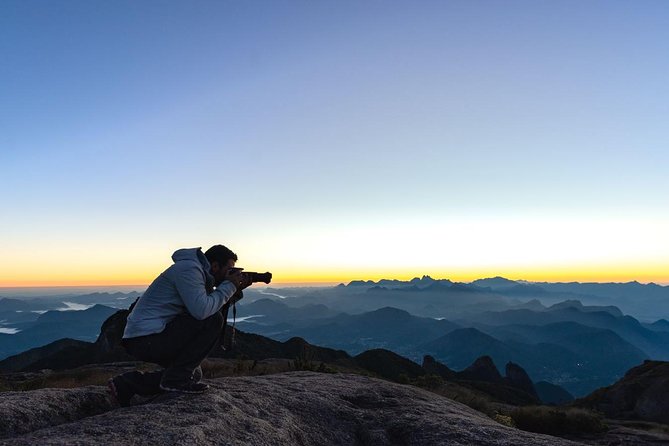
The mountains demand your attention. This three-day Petrópolis to Teresópolis crossing combines hard climbs, exposed rock, high-altitude camps, and some of Rio de Janeiro state’s finest mountain views. I like the private format, which gives your guide room to set a sensible pace, and I like that meals, safety equipment, tracking, and guide support are built into the price.
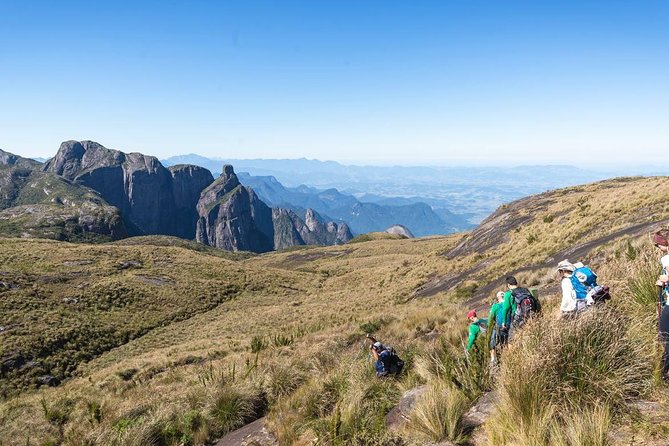
The best moments come at Açu Castles, the Portals of Hercules area, and Pedra do Sino, where the mountains open toward Rio and Guanabara Bay. The drawback is clear: this is not a casual walk. The first day climbs about 1,100 meters in roughly 7 kilometers, while the second includes technical sections such as the steel-bar Elevator and the horse-like scramble at Cavalinho.
In This Review
- Key points to know before you go
- What this trek is really like
- Day one: 1,100 meters up to Açu Castles
- Day two: the high route, the Elevator, and Cavalinho
- Day three: a gentler descent to Teresópolis
- What the $670 price buys you
- Packing for wet rock, cold nights, and long days
- Safety, fitness, and the right kind of confidence
- Timing, booking, and cancellation details
- Should you book the Petrópolis to Teresópolis crossing?
- FAQ
- How long is the Petrópolis to Teresópolis trek?
- Where does the trek start and finish?
- What meals are included?
- Do I need to bring camping equipment?
- How difficult is the crossing?
- What is the cancellation policy?
Key points to know before you go
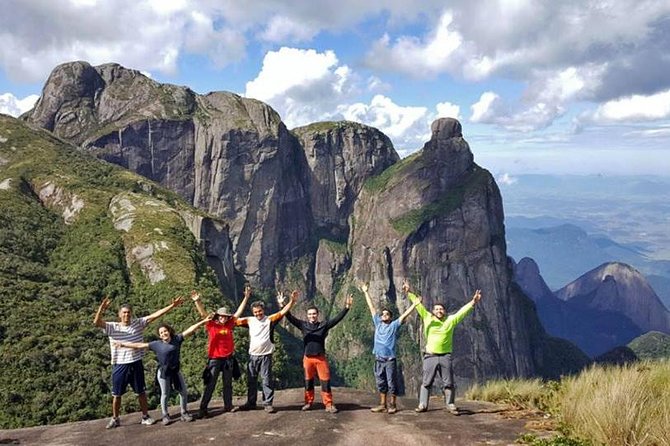
- A 20-mile mountain crossing: You cover roughly 32 kilometers over three days, with the hardest climbing on day one and the most technical ground on day two.
- Two high camps: Nights are spent near Açu Castles and Pedra do Sino, with dinner and breakfast included.
- Cavalinho requires careful movement: This rocky passage involves a climbing-style maneuver, not just ordinary hiking.
- Guides handle the serious details: Specialist trekking guides, first-aid supplies, rope equipment, remote monitoring, and satellite tracking are included.
- You carry personal essentials: Bring a trekking pack, sleeping bag, sleeping pad, headlamp, water bottle, suitable shoes, snacks, and weather-ready clothing, or ask in advance about available equipment.
- The route ends with waterfalls: The final descent reaches Teresópolis and includes two waterfalls, including the 16-meter Véu de Noiva when water is flowing.
What this trek is really like
This is a private expedition through Serra dos Órgãos National Park, beginning in Petrópolis and finishing in Teresópolis. You meet at Petrópolis bus terminal or your lodging at 6:30 a.m., then begin the mountain route with a specialist guide.
The crossing covers about 20 miles, but distance alone does not explain the effort. You gain and lose altitude, walk across rock, use fixed metal aids, and carry the gear needed for several days outside. A strong fitness level is required, and previous mountain trekking experience is a sensible minimum.
I like the private setup because it keeps the group limited to your own party. That matters on narrow paths and exposed sections. It also allows the guide to adjust breaks and walking speed to the group, though it does not make the route easy.
The guiding has earned especially warm praise. Guides named in past outings include Alex Muriqui, Gustavo, Matheus, Leonardo, Gigi, Guilherme, Juliana, Fabi, and Thalles. Alex was praised for setting a good pace, preparing meals, and taking photographs, while Gigi and Guilherme were noted for carrying heavy communal equipment and keeping people motivated.
More Hiking Tours in Rio de Janeiro
- Rio de Janeiro Tijuca Rainforest Hike with Waterfalls and Caves
★ 5.0 · 1,082 reviews - Explore the Best of Tijuca Forest – Hike to Peaks, Caves & Falls
★ 5.0 · 713 reviews - Rio: Tijuca Forest Small Group Hike to Caves and Waterfalls
★ 4.9 · 536 reviews
Day one: 1,100 meters up to Açu Castles
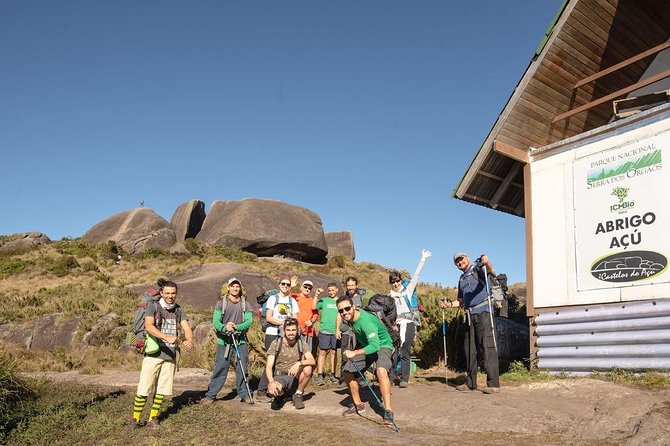
The first morning starts at Petrópolis bus terminal or at your lodging in the city. From there, the expedition enters Serra dos Órgãos National Park and begins the most physically demanding section of the crossing.
The climb to the Açu mountain shelter covers about 7 kilometers and gains approximately 1,100 meters. That is a serious ascent in a short distance. You begin through dense forest, then reach the Pedra do Queijo viewpoint, where the route gives you an early excuse to stop, breathe, and look back at the terrain below.
The trail eases slightly after Pedra do Queijo, but the work is not over. At Ajax viewpoint, you find a natural water source. Your guide can help with route decisions and timing, but you should still carry your own bottle and manage your drinking needs carefully.
The steepest section is Isabeloca, named for an alleged passage by Princess Isabel. Once this climb is behind you, the trail crosses the Chapadão do Açu, a broad rocky spur leading toward the mountain’s distinctive formations.
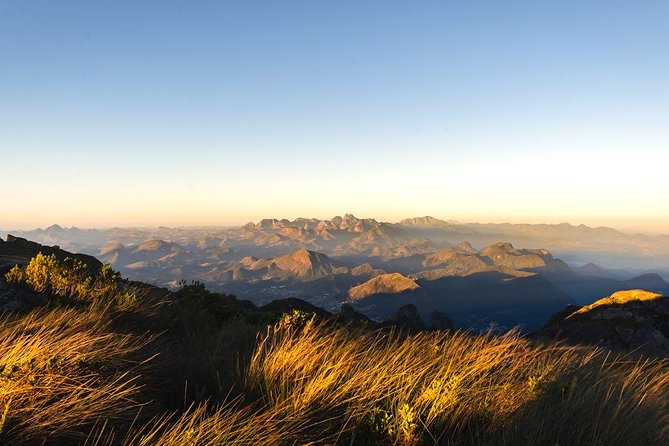
The reward is Açu Castles. From the high point, you can look across the Serra dos Órgãos range toward Rio de Janeiro and Guanabara Bay. The view is particularly powerful late in the day, when changing light picks out the jagged rock forms.
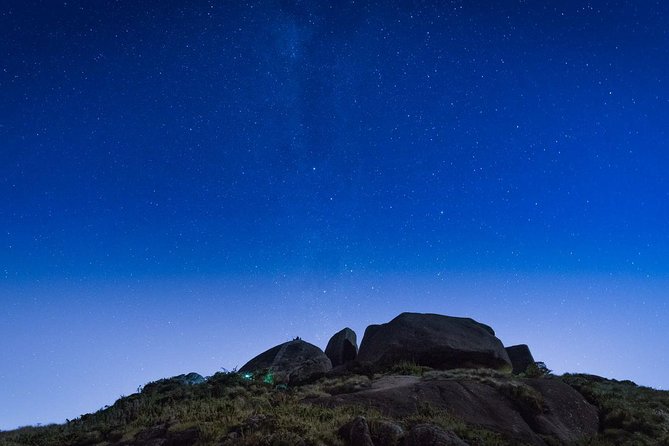
Camping at Açu Castles gives you a rare mountain night. Clear weather may bring stars, while cloud or mist can change the mood completely. The route is exposed enough that wind and weather deserve respect, so your anorak, fleece, headlamp, and dry clothing are not optional extras.
Dinner is included, as is breakfast the next morning. The guides have been praised for cooking well in camp and at the shelters, which is valuable after a long climb. Still, the food provision does not mean you can leave all snacks at home. You need snacks for the day, and drinks are not included.
Day two: the high route, the Elevator, and Cavalinho
Day two is the scenic centerpiece, but it is also the most technical. The route stays near an average altitude of 2,000 meters, so you spend much of the day above the forest, crossing high rock formations and open mountain ground.
You begin from Açu Castles, cross a valley, and climb toward Morro do Marco. The path then follows a line of rocky summits where navigation becomes more complicated. This is one reason a local guide matters. The route is not simply a marked footpath through trees, and poor visibility could make orientation harder.
One memorable feature is the Elevator. It is a steep rock section fitted with a ladder made from steel rebar. The fixed metal bars give access to the summit of Morro do Dinossauro, but the passage still requires balance, calm movement, and confidence with heights.
From Morro do Dinossauro, the first major views of Pedra do Garrafão and Pedra do Sino appear. The route then descends toward Vale das Antas before climbing again to Morro da Baleia.
At Morro da Baleia, you can see the rock walls of Pedra do Sino and Garrafão, along with the channel leading to Cavalinho. The name means little horse, and the move required there explains it. You use a motion similar to mounting a horse to get over the rock.
This is the point where the trek separates strong hikers from people who simply enjoy long walks. Cavalinho involves a climbing-style maneuver, and the route may include rope or other safety equipment when needed. You should listen closely to the guide, keep your pack secure, and avoid treating the section as a photo stop.
After Cavalinho, the trail continues through the channel until Pedra do Sino comes into view. A fork leads toward the summit or Shelter Four. The day takes about 9 hours, so even fit hikers need to conserve energy early.
Pedra do Sino reaches 2,275 meters, the highest point of the crossing. Its summit gives you a 360-degree view across several mountain ranges and toward Rio de Janeiro. This is another excellent place for sunset or sunrise, depending on the timing and weather.
The second night is spent camping at Pedra do Sino Peak. Dinner and breakfast are included, and guides may handle communal cooking and equipment. Past outings have also used a second guide or porter to carry group gear and set up tents, when needed. Confirm exactly what personal camping equipment is available before departure.
Day three: a gentler descent to Teresópolis
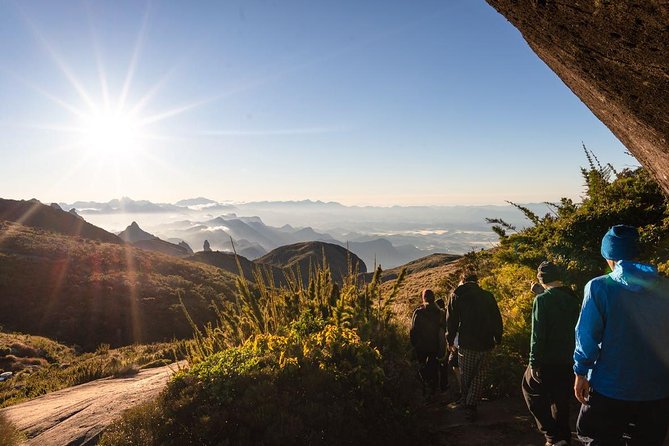
The final day is the least demanding physically, though it is still a long walk. The route descends for about 12 kilometers toward the Teresópolis park dam and takes roughly 5 hours.
After two high mountain days, the downhill direction lets your legs recover from the steep climbing. Downhill walking brings its own strain, especially on knees and ankles, so trekking poles are useful. The equipment list suggests bringing one or two walking sticks.
Two waterfalls appear along the descent. The best known is Véu de Noiva, or Veil of the Bride, which drops 16 meters. Water levels vary by season, and the fall can be completely dry at certain times of year. Treat it as a scenic stop, not a guaranteed rushing cascade.
The crossing finishes at the Teresópolis park area, with views of the distinctive God’s Finger mountain formation. From there, you receive a drop-off at Teresópolis bus terminal or lodging in the city center.
That end point is practical if you are continuing by bus or staying in Teresópolis. It also means you finish in town rather than having to retrace your route. The tour does not include drinks or extra personal purchases, so plan for your needs after the hike.
Same patch of Brazil, a completely different sort of day:
- Rio de Janeiro: 6-Stop Highlights of Rio with Lunch
★ 4.4 · 5,157 reviews - Christ the Redeemer Entry Ticket by Corcovado Train
★ 4.4 · 4,476 reviews - Rio’s City Tour – Tickets for Christ, Sugar Loaf & Lunch included
★ 5.0 · 4,389 reviews - Full Day: Christ Redeemer, Sugarloaf, City Tour & Barbecue Lunch
★ 4.5 · 3,142 reviews
What the $670 price buys you
At $670 per person, this is a costly hike compared with an ordinary day tour. I would not judge the price by trail time alone. You are paying for three days of route management in difficult terrain, specialist guides, meals, safety equipment, first-aid supplies, satellite tracking, remote monitoring, and transport at the beginning and end.
The included services are especially useful on this route. Technical sections require proper handling, and the itinerary crosses places where navigation can become difficult. A guide who knows the mountain can make the experience safer and less stressful.
Two dinners and two breakfasts are included. Food advising is provided before departure, helping you choose suitable snacks for the walking hours. Porters for communal equipment may be available if needed, which can reduce the burden of carrying tents and shared supplies.
There is one important point to clarify. The information lists camping equipment as not included, while also asking you to contact the provider if you do not have items such as a sleeping bag, sleeping pad, trekking backpack, headlamp, or walking stick. Ask what can be supplied or rented before paying your balance. Do not assume a sleeping system is automatically part of the $670 package.
The price makes more sense if you value organization and safety support. It makes less sense if you already own all the equipment, have strong navigation skills, and are comfortable managing a technical route independently.
Packing for wet rock, cold nights, and long days
Pack as lightly as you can, but do not cut the wrong corners. Your required kit includes:
- Identification or passport
- Trekking backpack
- Sleeping bag and sleeping pad
- One or two walking sticks
- Headlamp with spare batteries
- Water bottle
- Hiking boots or hiking shoes
- Dry-fit or polyamide shirts
- Anorak or fleece
- Snacks for each day
- Plastic bags for rubbish
- Toilet paper
- Mobile phone
Weather can change quickly in high mountains, so warm and water-resistant layers matter. Avoid excessive cotton, which dries slowly. Shoes should already be broken in. New footwear on a steep three-day route is an invitation to blisters.
Leave suitcases, rolling bags, glass containers, alcohol, bulky food, umbrellas, large inflatable mattresses, perfumes, sprays, laptops, tablets, and heavy cameras behind. Fragile items are also poor companions on the Elevator and Cavalinho.
The park environment calls for careful rubbish control. Plastic bags are specifically requested for waste, and you should keep all personal rubbish with you until it can be disposed of properly.
Safety, fitness, and the right kind of confidence
The provider supplies rope equipment for technical paths, a collective first-aid kit, a personal first-aid kit, and satellite tracking through SpotGen3. These are meaningful safeguards, not decorative extras. Still, equipment cannot replace fitness, attention, or sensible decisions.
You should be comfortable walking for up to 9 hours and handling steep ascents and descents. The route is not recommended for anyone with heart complaints or other serious medical conditions. The minimum age is 15, but age alone does not show whether someone is ready.
I would choose this trip if you already hike regularly and enjoy demanding mountain routes. You should also be comfortable camping and carrying a pack. If you want a gentle introduction to Brazil’s outdoors, choose a shorter outing instead.
The guide’s role is one of the strongest reasons to book. Past trips have been praised for careful pacing, safety support, local route knowledge, geology and wildlife explanations, cooking, and photography. Alex Muriqui, in particular, received praise for both trail leadership and meals. That combination matters when the same person may help you over a technical section and later prepare dinner.
Timing, booking, and cancellation details
The start time is 6:30 a.m. at Rodoviária de Petrópolis, with pickup also available from lodging in Petrópolis. The finish is at Rodoviária de Teresópolis or lodging in central Teresópolis.
Confirmation is sent within 48 hours of booking, subject to availability. This trip is often booked about 35 days ahead, so I would not leave it until the last week, especially if you need equipment arranged.
You can receive a full refund if you cancel at least six full days before the local start time. Cancellation two to six full days ahead brings a 50 percent refund. Less than two full days before departure is nonrefundable, and late changes are not accepted.
Should you book the Petrópolis to Teresópolis crossing?
Book it if you want a serious mountain challenge with dramatic views, two high camps, experienced guides, and a well-supported route. The private format, satellite tracking, technical safety equipment, and included meals give the trip real value for someone who does not want to organize every detail alone.
Skip it if you dislike steep climbs, exposed rock, camping, or long days on your feet. The first day is brutally uphill, the second is technically demanding, and the third is still a substantial descent.
My practical advice is to confirm the equipment arrangement before booking, train for sustained elevation gain, and bring reliable footwear and layers. If you meet those conditions, this crossing offers far more than a scenic walk. It gives you a demanding, memorable route through the high country between two mountain towns.
FAQ
How long is the Petrópolis to Teresópolis trek?
The crossing lasts approximately three days and covers about 20 miles, or roughly 32 kilometers. Walking times are listed as about 7 hours on day one, 9 hours on day two, and 5 hours on day three.
Where does the trek start and finish?
The meeting point is Rodoviária de Petrópolis in central Petrópolis at 6:30 a.m., with pickup from Petrópolis lodging also available. The trek finishes at Rodoviária de Teresópolis or lodging in central Teresópolis.
What meals are included?
The package includes two dinners and two breakfasts. Drinks are not included. You should bring snacks for the walking sections, and food advising is provided before departure.
Do I need to bring camping equipment?
The information lists camping equipment as not included and asks you to bring a trekking backpack, sleeping bag, sleeping pad, and headlamp. If you do not have these items, contact the provider before departure to ask about availability.
How difficult is the crossing?
You need a strong fitness level. Day one includes about 1,100 meters of ascent over roughly 7 kilometers, and day two includes technical sections such as the Elevator and Cavalinho. The tour is not recommended for people with heart complaints or other serious medical conditions.
What is the cancellation policy?
A full refund is available when you cancel at least six full days before the local start time. Cancellation two to six full days ahead receives a 50 percent refund. Cancellations less than two full days before departure are nonrefundable.
Newest reviews from around Rio de Janeiro
- Hang gliding flight in Rio de Janeiro★ 5.0 · 6 reviews
- Rio de Janeiro: Zip Lining and Canopy Tree Tour★ 3.3 · 6 reviews
- Vidigal Favela Tour★ 4.4 · 26 reviews
- Rio de Janeiro: Attend a Vasco da Gama game with local guide★ 4.8 · 9 reviews
- Unforgettable Boat Party★ 5.0 · 3 reviews
- Parapente Rio de Janeiro★ 5.0 · 4 reviews
- Rio de Janeiro Private Tour with Cruise Terminal Pick-up★ 5.0 · 2 reviews
- Wild Waters: Rio Whitewater Rafting Adventure Tour★ 5.0 · 13 reviews
Hiking & Trekking, compared.
Skip the Line:Recanto Ecologico Rio da Prata Ticket including Trail & Snorkeling
Read our review →
Rio de Janeiro Tijuca Rainforest Hike with Waterfalls and Caves
Read our review →
Explore the Best of Tijuca Forest – Hike to Peaks, Caves & Falls
Read our review →
Tijuca Forest Small Group Hike to Caves and Waterfalls
Read our review →
Pedra da Gávea hike, your best experience in Rio
Read our review →
Pedra do Telégrafo Hike and Beach Full-Day Tour
Read our review →
Jeep tour 18 beaches, Telegraph Stone hiking & amazing sunset + photographer
Read our review →
Hike through Secret Waterfalls in Foz do Iguaçu (Part-time – Morning)
Read our review →Browse the lists this tour appears in