
Reviewed · HIKING & TREKKING
Petrópolis Teresópolis Trekking Expedition – 3 days – PARNASO – Rio de Janeiro
Mountain weather changes fast. The Petrópolis to Teresópolis crossing gives you a serious Atlantic Forest trek, steep climbs, rope-assisted scrambling, and two nights in a tent across about 30 kilometers. I like the private format and the fact that park fees, transport, tents, meals, and safety equipment are included. I also like the chance to see Serra dos Órgãos away from Rio’s city streets, with varied views and wildlife along the route.
The main concern is simple: this is not a casual hike, and guide quality matters greatly in remote, high mountain country. At about 2,000 meters, mist, wind, and rain can arrive quickly. You need strong fitness, reliable equipment, and a guide who takes weather and route decisions seriously.
In This Review
- Key Things to Know Before You Go
- Why This Petrópolis to Teresópolis Route Matters
- Leaving Rio at 6:00 am
- Day One: Petrópolis and the First Camp
- Day Two: Rope Work, High Ground, and Weather Decisions
- Day Three: Completing the Crossing in Teresópolis
- Is $450 a Fair Price?
- What to Pack for Three Nights Outdoors
- Guide Quality and Safety
- Who Should Book This Expedition?
- Booking, Weather, and Cancellation Advice
- Should You Book It?
- FAQ
- How long is the Petrópolis to Teresópolis trek?
- Where does the tour begin?
- Where does the trek finish?
- Is camping included?
- Are meals included?
- Is climbing equipment provided?
- What level of fitness do I need?
- What happens if bad weather cancels the trek?
Key Things to Know Before You Go
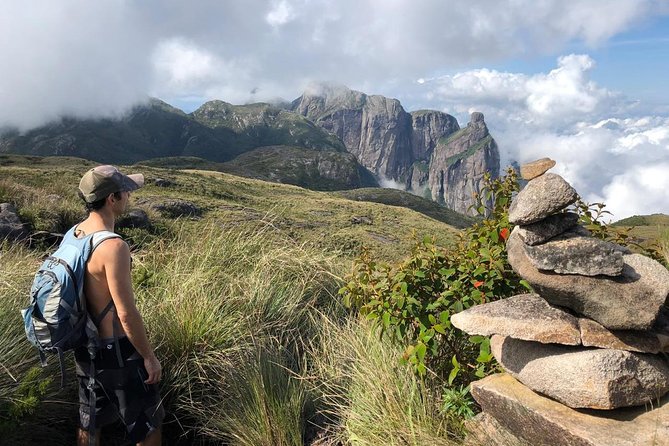
- The route covers about 30 kilometers in three days, linking Petrópolis and Teresópolis through Serra dos Órgãos National Park.
- The terrain is demanding, with repeated climbs, steep descents, and rope and harness work on the second day.
- Camping is included, with double tents for two nights, but you must arrange or request a sleeping bag.
- Transport is built into the price, including pickup in Rio, the ride to Petrópolis, and the return from Teresópolis.
- Meals are limited but useful, with two breakfasts and two dinners included. You need snacks and any other meals.
- Weather can stop the crossing, and that is a sensible safety rule at this altitude.
Why This Petrópolis to Teresópolis Route Matters
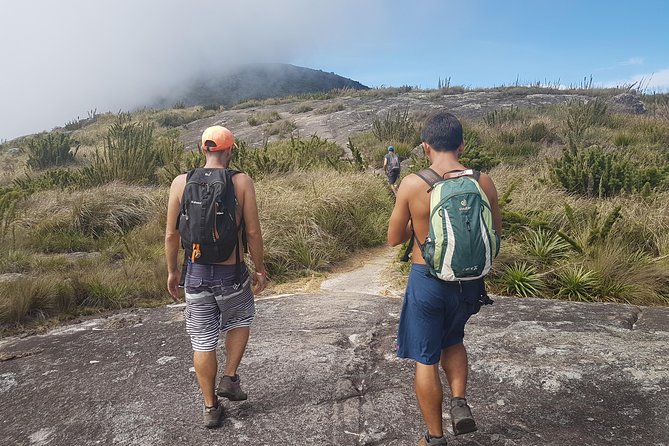
Serra dos Órgãos National Park is one of Brazil’s best-known mountain areas, and this crossing is its classic long-distance route. Instead of walking a short loop and returning to the same entrance, you move between two mountain cities and spend the nights in the park.
That point-to-point format gives the trip a real expedition feel. You carry what you need, sleep outdoors, and trade city comfort for three days of forest, rock, and open mountain views. I like that this is not dressed up as an easy nature walk. The description is clear about steep ground and the need for strong physical fitness.
The route passes through Atlantic Forest, an ecosystem known for its plant and animal life. You may see changes in vegetation as you climb, along with birds and other wildlife. The exact sightings are never guaranteed, but the setting gives the walk more interest than a simple uphill exercise session.
The crossing is about 30 kilometers, which may not sound extreme on paper. The hard part is the repeated elevation gain and loss. A short distance can take much of the day when the trail keeps climbing, dropping, and crossing exposed rock.
More Hiking Tours in Rio de Janeiro
- Rio de Janeiro Tijuca Rainforest Hike with Waterfalls and Caves
★ 5.0 · 1,082 reviews - Explore the Best of Tijuca Forest – Hike to Peaks, Caves & Falls
★ 5.0 · 713 reviews - Rio: Tijuca Forest Small Group Hike to Caves and Waterfalls
★ 4.9 · 536 reviews
Leaving Rio at 6:00 am
The experience begins with pickup from your hotel or flat in Rio de Janeiro at around 6:00 am. If your address is not already listed, you need to send it to the operator so the pickup can be arranged.
That early start is practical. The first day includes the transfer to Petrópolis, the beginning of the trek, and enough walking to reach the overnight camp. During the drive, you receive a briefing about the expedition. Use this time well. Confirm the route, meal plan, weather outlook, equipment, and what happens if conditions turn unsafe.
Private transportation is included between Rio and the trail cities. On the way home, you are taken from Teresópolis back to Rio after the crossing. This saves you from arranging separate buses or taxis while carrying a large pack.
The private setup means only your own group participates. That is valuable if you want a quieter pace or have a group with similar fitness. It also means you cannot rely on a large group to share spare food, gear, or decision-making. Pack carefully and ask questions before departure.
Day One: Petrópolis and the First Camp
The first day takes you from Rio to Petrópolis, a mountain city north of the capital. After the transfer and entry into Serra dos Órgãos National Park, the walking begins.
You should expect a full day rather than a gentle introduction. The route contains climbs and descents from the start, and you are carrying your overnight equipment. A double tent is included, but your personal kit still adds weight. Keep your pack light and organized.
Dinner on the first night is included, as is breakfast on the second morning. The tent accommodation is basic camp lodging, not a private room with dry floors and indoor plumbing. That is part of the deal. You get a place to sleep in the mountains, but you must be ready for damp conditions, limited comfort, and the work of managing your own clothing and sleeping gear.
Bring plastic bags for trash and to protect important items from rain. A leaking tent can turn a difficult night into a serious problem, so check the tent before settling in. Make sure the fly is properly positioned and keep clothing and electronics in waterproof bags.
The first night is also when you learn how well the expedition is organized. Your guide should explain the next day, check that everyone has water and suitable clothing, and make clear how the group will handle poor weather.
Day Two: Rope Work, High Ground, and Weather Decisions
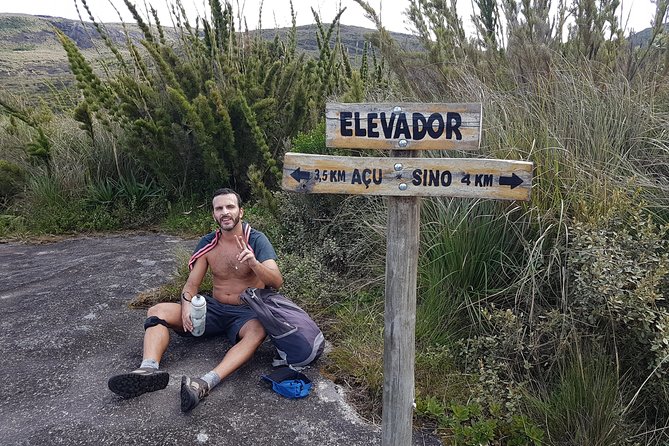
The second day is likely the hardest and most memorable section. Harnesses and ropes are included for use on this day, which tells you something about the route. This is not just a marked forest path. You should be prepared for rock sections and exposed or awkward movement where basic climbing support is needed.
The safety equipment is provided, but a harness does not remove the need for care. Listen closely to the guide, keep your hands free when required, and do not rush because someone behind you is waiting. If you are nervous with heights or have little experience on steep rock, discuss that before booking.
The route reaches an average altitude of around 2,000 meters. Conditions can change sharply at this height. Strong wind, mist, and rain can make navigation and rock movement unsafe. A responsible guide may shorten the route or turn back rather than force the crossing.
That possibility is important. One departure had to abandon the crossing on the second morning because of heavy wind, mist, and rain. The group returned safely and received a refund. That is disappointing after preparing for three days, but it is the right result when the tent, route, and mountain conditions are no longer safe.
You may also encounter a more difficult situation if the guide does not communicate well. A separate account described a guide who fell behind, gave little information about worsening weather, and disappeared briefly while the group was away from camp. That is not acceptable behavior for a remote mountain crossing. Before setting out, make sure your guide discusses the day’s plan, meeting points, emergency procedures, and weather limits.
The second dinner is included, as is the third morning’s breakfast. All other food is your responsibility. Carry high-energy snacks for the day, as the packing list advises. The operator can advise you on food, but you should not expect every meal to be covered.
Same patch of Brazil, a completely different sort of day:
- Rio de Janeiro: 6-Stop Highlights of Rio with Lunch
★ 4.4 · 5,157 reviews - Christ the Redeemer Entry Ticket by Corcovado Train
★ 4.4 · 4,476 reviews - Rio’s City Tour – Tickets for Christ, Sugar Loaf & Lunch included
★ 5.0 · 4,389 reviews - Full Day: Christ Redeemer, Sugarloaf, City Tour & Barbecue Lunch
★ 4.5 · 3,142 reviews
Day Three: Completing the Crossing in Teresópolis
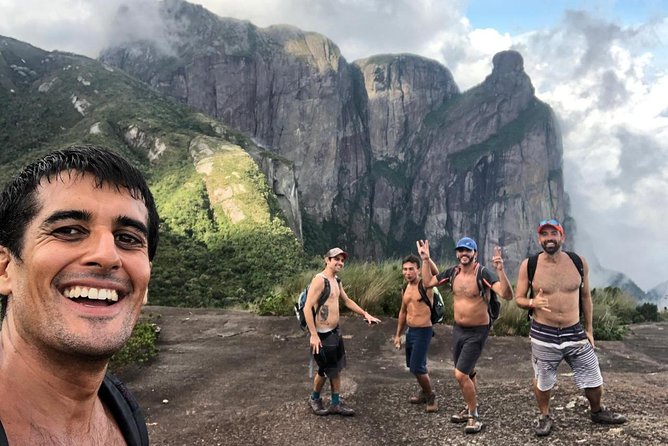
The final day takes you toward Teresópolis, where the trek ends. You still need enough strength for more uneven ground, and tired legs can make descents harder than climbs. Move steadily, protect your knees, and keep drinking water even when the air feels cool.
Finishing in Teresópolis gives the expedition a clear ending. You are not retracing the same trail back to the start. After the group leaves the park, private transportation returns you to Rio.
The tour description does not promise a fixed arrival time. That is sensible for a mountain trek. Trail speed, weather, rest stops, and safety decisions all affect the schedule. Keep your evening in Rio flexible and avoid booking an important flight immediately afterward.
The route’s strongest reward is variety. Over three days, you move through forest, steep mountain paths, rocky sections, and higher exposed ground. One positive account praised the changing views, varied animal life, difficult walking, and the guide Thalles, who was described as attentive, informative, and capable of preparing good food. If Thalles is assigned to your group, that is a useful sign, but you should still confirm the guide before departure.
Is $450 a Fair Price?
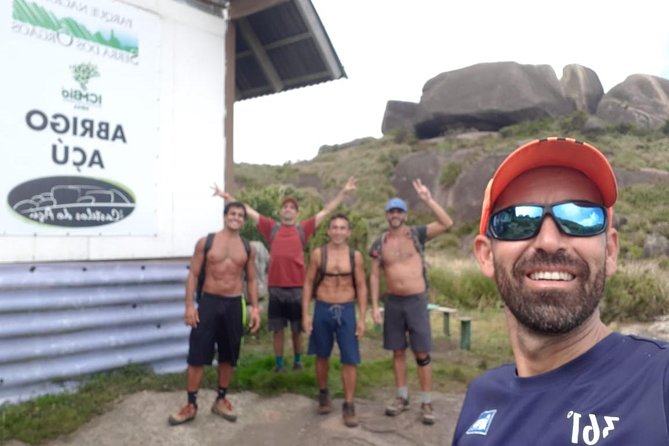
At $450 per person, this is not a cheap day hike. The price becomes easier to understand when you count what is included: Rio pickup, private transport to Petrópolis, return transport from Teresópolis, national park fees, tents, two breakfasts, two dinners, a first aid kit, expert trekking guidance, and harness and rope equipment.
You are also paying for route planning and the convenience of crossing between two cities without arranging the transport yourself. For a private group, that can be good value if everyone wants the same pace and level of effort.
The price is less attractive if you already have camping gear, transport plans, and experience on long mountain routes. You may be able to organize parts of the trip yourself, though the route, weather, and rope sections make professional support worthwhile.
Ask exactly what the included tent and safety equipment look like. One bad experience involved a leaking tent and poorly maintained personal gear. That does not prove every departure has the same problem, but it is a reason to check equipment before leaving Rio.
Group discounts are available, and solo visitors can ask to join an existing group. Joining others may reduce the cost, but the experience is described as private for your own group, so confirm how the group arrangement affects the booking.
What to Pack for Three Nights Outdoors
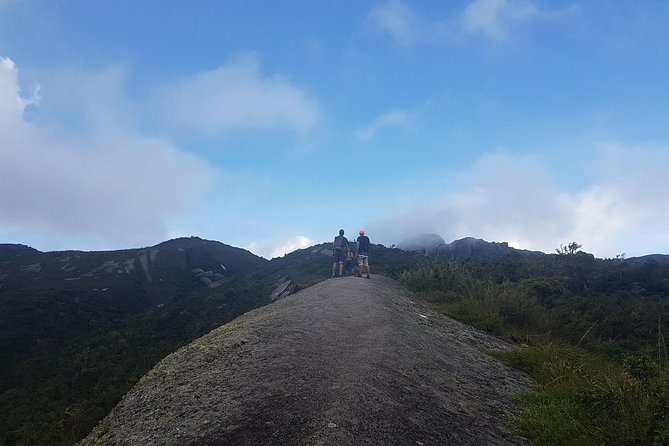
The mandatory equipment list is practical. Bring an ID or passport, trekking backpack, sleeping bag, water bottle, hiking boots or shoes, quick-drying shirts, a fleece or anorak, plastic bags, toilet paper, a cell phone, and snacks.
If you do not have a trekking backpack or sleeping bag, tell the operator before the trip. Do not wait until pickup. You need to know what can be supplied, what condition it is in, and whether there is an added fee.
Your clothing should handle rain and temperature changes. The mountain may be warm at the start and cold, wet, or windy higher up. Keep an extra dry layer protected inside your pack. The plastic bags are useful for trash, wet clothing, and keeping your sleeping gear dry.
Good footwear is vital. A guide on one departure developed blisters and struggled with poor shoes. That is a warning for everyone, not only the guide. Wear broken-in hiking shoes with secure grip, and carry blister protection.
Bring enough water for the walking day, plus snacks that do not crush easily. The included breakfasts and dinners do not cover daytime food. Toilet paper is specifically required, so do not assume it will be supplied.
Guide Quality and Safety
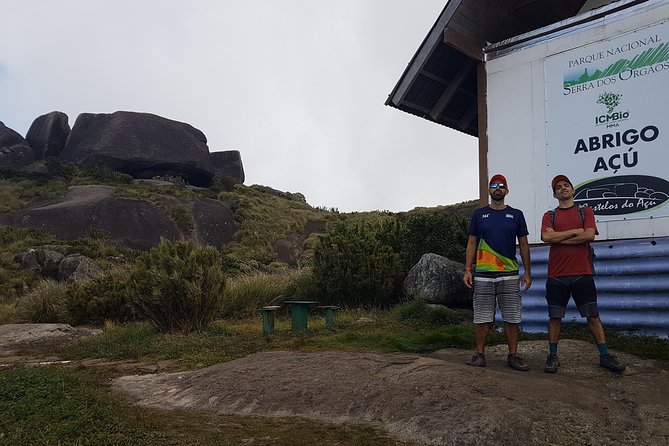
The best part of a guided crossing is not simply finding the trail. It is having someone who can judge weather, manage the rope sections, set a sensible pace, and make clear decisions when conditions deteriorate.
The experience is offered in Portuguese, English, and Spanish. English is listed as an available language, so confirm your preferred language when booking. Clear communication matters even more than usual when the group is tired or moving through mist.
The operator includes a first aid kit and says the guides have long-distance trekking experience. Those are useful inclusions, but you should still ask who will lead your departure and what experience that person has on this specific route.
I would ask these questions before paying:
- Who is the named guide?
- Has the guide completed the full Petrópolis to Teresópolis crossing?
- What camping equipment is supplied?
- What is the current weather forecast and cancellation process?
- How much food should I bring?
- What happens if one member cannot continue?
A good guide should also inspect the group’s clothing, water, footwear, and packs before the trail begins. The mountain can be beautiful and still be unforgiving.
Who Should Book This Expedition?
You should consider it if you enjoy long mountain days, basic camping, changing weather, and a real sense of effort. Strong walkers who want a classic Brazilian trekking route will get more from this than people looking for a relaxed forest outing.
It may suit a small group of friends with similar fitness. The private arrangement lets you avoid being matched with a large mixed group, and the included transport removes a fair amount of planning.
I would not choose it if you dislike sleeping outdoors, struggle with steep descents, have no experience carrying a pack, or need a fixed schedule. The route requires physical fitness, and the weather can change the plan at short notice.
The trek is also a poor choice if your only goal is to see mountain scenery with minimal exertion. You will work for those views. That is exactly why the route feels rewarding, but it is also why you should take the fitness warning seriously.
Booking, Weather, and Cancellation Advice
You can cancel up to 24 hours before the 6:00 am start time for a full refund. Changes made less than 24 hours before departure are not accepted, and late cancellations are not refunded.
The crossing requires good weather. If poor conditions cause cancellation, you are offered another date or a full refund. The same applies if the minimum number of participants is not met, with the choice of another date, another experience, or a refund.
Because the trip is often booked well in advance, use that time to confirm the guide, equipment, pickup address, and food plan. Do not treat the booking confirmation as the end of your preparation.
Should You Book It?
I would book the Petrópolis Teresópolis Trekking Expedition if I wanted a demanding three-day mountain crossing and was prepared to camp in uncertain weather. The route, private transport, park access, meals, and rope equipment make the $450 price reasonable for someone who values support and convenience.
I would book only after confirming the named guide and checking the condition of the tents and safety gear. The positive experience with Thalles shows how good the trip can be with a caring, capable leader. The poor experience shows the risk when communication, equipment, and route management fall short.
Go for the forest, high mountain views, changing terrain, and genuine sense of achievement. Just bring strong legs, waterproof packing, flexible plans, and enough questions to make sure your guide is ready for the mountain.
FAQ
How long is the Petrópolis to Teresópolis trek?
The expedition lasts approximately three days and covers about 30 kilometers through Serra dos Órgãos National Park.
Where does the tour begin?
Pickup begins in Rio de Janeiro at about 6:00 am. The tour then provides transportation from Rio to Petrópolis, where the crossing starts.
Where does the trek finish?
The crossing finishes in Teresópolis. Private transportation is then provided from Teresópolis back to Rio de Janeiro.
Is camping included?
Yes. Double camp tents are included for the overnight stays. You should tell the operator in advance if you do not have a sleeping bag.
Are meals included?
Two breakfasts are included on the second and third days. Two dinners are included on the first and second days. Other meals are not included, so bring snacks for the walking days.
Is climbing equipment provided?
Yes. A harness and rope are provided for use on the second day. The route includes climbing or steep rock sections that require this safety equipment.
What level of fitness do I need?
You need a strong physical fitness level. The route includes many climbs, steep descents, long-distance walking, and mountain conditions at an average altitude of about 2,000 meters.
What happens if bad weather cancels the trek?
If the experience is canceled because of poor weather, you are offered another date or a full refund. The operator may also return the group early if conditions become unsafe during the crossing.
Newest reviews from around Rio de Janeiro
- Hang gliding flight in Rio de Janeiro★ 5.0 · 6 reviews
- Rio de Janeiro: Zip Lining and Canopy Tree Tour★ 3.3 · 6 reviews
- Vidigal Favela Tour★ 4.4 · 26 reviews
- Rio de Janeiro: Attend a Vasco da Gama game with local guide★ 4.8 · 9 reviews
- Unforgettable Boat Party★ 5.0 · 3 reviews
- Parapente Rio de Janeiro★ 5.0 · 4 reviews
- Rio de Janeiro Private Tour with Cruise Terminal Pick-up★ 5.0 · 2 reviews
- Wild Waters: Rio Whitewater Rafting Adventure Tour★ 5.0 · 13 reviews
Hiking & Trekking, compared.
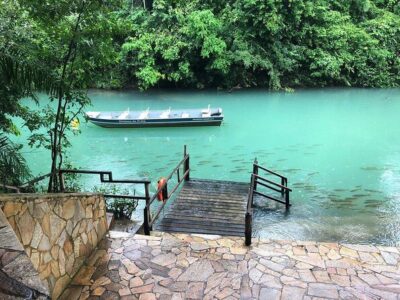
Skip the Line:Recanto Ecologico Rio da Prata Ticket including Trail & Snorkeling
Read our review →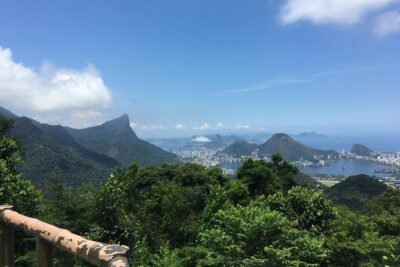
Rio de Janeiro Tijuca Rainforest Hike with Waterfalls and Caves
Read our review →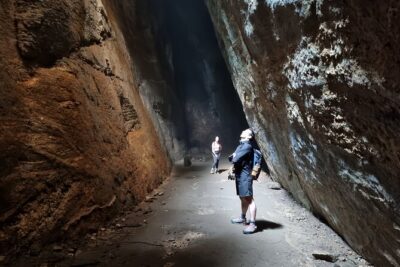
Explore the Best of Tijuca Forest – Hike to Peaks, Caves & Falls
Read our review →
Tijuca Forest Small Group Hike to Caves and Waterfalls
Read our review →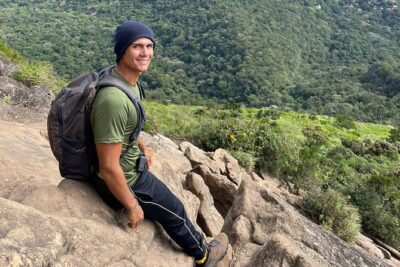
Pedra da Gávea hike, your best experience in Rio
Read our review →
Pedra do Telégrafo Hike and Beach Full-Day Tour
Read our review →
Jeep tour 18 beaches, Telegraph Stone hiking & amazing sunset + photographer
Read our review →
Hike through Secret Waterfalls in Foz do Iguaçu (Part-time – Morning)
Read our review →Browse the lists this tour appears in