
Reviewed · JUNGLE & RAINFOREST TOURS
Manaus: Multi-Day Amazon Trip at Tapiri Floating Lodge
The Amazon gets quiet after sunset. That is when Tapiri Floating Lodge gets interesting, with canoe trips, caiman spotting, piranha fishing, and jungle nights under a hammock and mosquito net. I like the mix of wildlife outings and practical forest walks, and the guides bring useful knowledge of plants, animals, and local life. The main drawback is the price: at $1,100 per person, this is a serious investment, especially if you choose the shorter three-day stay.
I also like how much is handled for you, from the Manaus hotel pickup to meals, river transfers, and the return trip. English-speaking guides such as Tony, Kennedy, and Emilson have helped make the trip easy to follow. Still, you should expect basic conditions, changing wildlife sightings, and some repeated routes rather than a polished resort holiday.
In This Review
- Key things to know before you go
- From Manaus to the Meeting of the Waters
- Tapiri Floating Lodge and the first afternoon
- Sunrise at 5:30 AM and the jungle walk
- Canoe channels, dry-season walks, and local life
- What the four and five-day programs add
- Wildlife, guides, and the limits of the forest
- Is $1,100 good value?
- Packing, luggage, and timing advice
- Who should book Tapiri Floating Lodge?
- Should you book it?
- FAQ
- How long does the Tapiri Floating Lodge trip last?
- What is included in the price?
- Is airport pickup available in Manaus?
- When can I canoe through flooded forest channels?
- How much luggage can I bring?
- Is the trip suitable for everyone?
Key things to know before you go
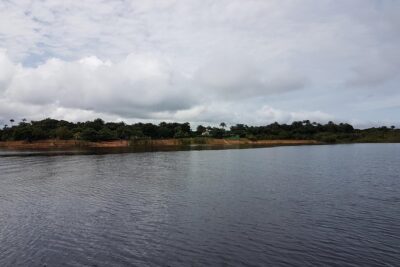
- The journey begins with the Meeting of the Waters, then continues by van and speedboat to the floating lodge on the Mamori River.
- The best wildlife hours are early and late, with a 5:30 AM sunrise canoe ride and evening trips for caimans, dolphins, birds, and piranhas.
- The rainy season changes the canoe routes, usually from April through August. From August to March, some water excursions become walks because channels may be dry.
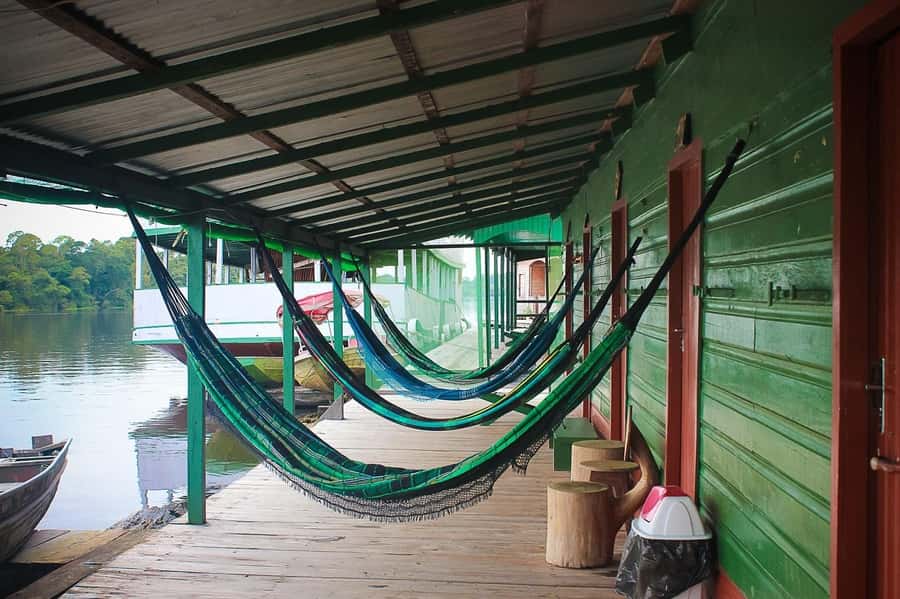
- The lodge is comfortable but still remote, with private air-conditioned rooms, bed netting, meals, and a limited supply of amenities.
- Four and five-day trips add jungle camping, including hammocks, mosquito nets, dinner in the forest, survival skills, and nighttime spear fishing for piranhas.
- Pack light and bring your own field gear, since luggage is limited to 25 pounds, or 12 kilograms, per person.
From Manaus to the Meeting of the Waters
Your day begins early. Pickup is generally at 7:30 AM from a downtown Manaus hotel reception, or 7 AM if you stay outside the downtown area. Airport pickup is available too, but you need to provide your flight details in advance.
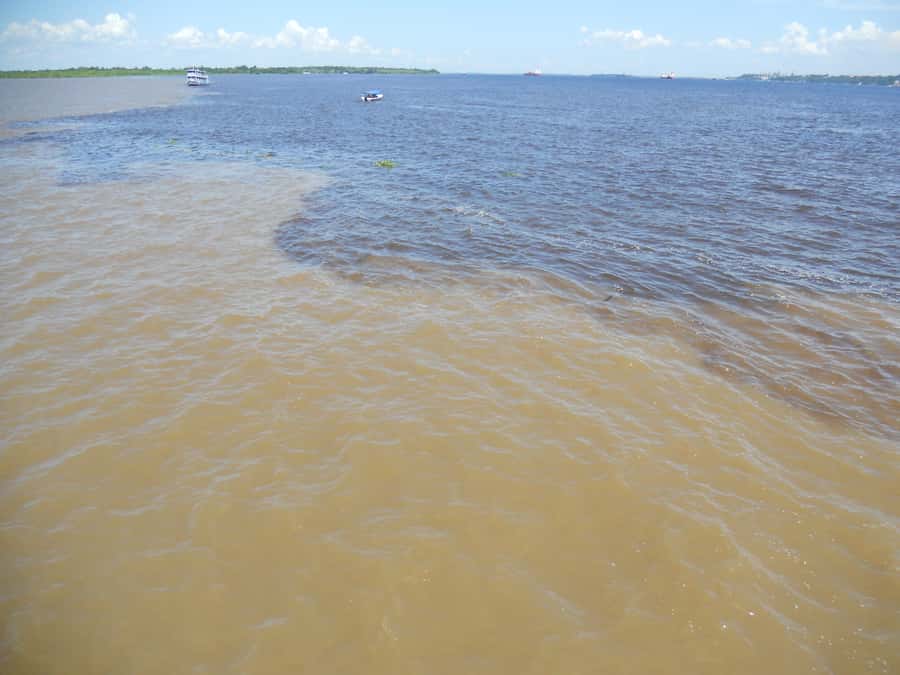
The first boat ride takes you from the Ceasa port toward the Meeting of the Waters. Here, the dark Rio Negro and the muddy Solimões River run side by side before gradually joining. It is an important introduction to the region because your Amazon trip begins on a working river, not behind a gate or at a staged attraction.
The boat then stops at an Arapaima gigas fish farm. Arapaima, also called pirarucu, is one of the Amazon’s famous large freshwater fish. The stop adds a useful local and food-production angle to the trip, though you should not expect the whole morning to be spent on wildlife watching.
From the fish farm, you cross toward Careiro Village. The transfer changes from boat to van for about an hour, then back to a speedboat on the Mamori River. You should expect a full transport day, but the changes of scenery help you understand the scale of the area. The lodge is reached at roughly 11:30 AM.
This route is one reason the included transfers matter. Organizing the port, river crossing, road leg, and final boat independently would be awkward, especially with a small bag and an early start. The trip is not a quick ride from Manaus. It is a gradual move from city to forest.
More Jungle Tours in Manaus & Amazon
- From Manaus: One-Day Amazon Jungle Experience
★ 4.8 · 408 reviews - Manaus: Full-Day Tour on the Amazon River
★ 4.2 · 362 reviews - A Whole Day in the Jungle
★ 5.0 · 155 reviews
Tapiri Floating Lodge and the first afternoon
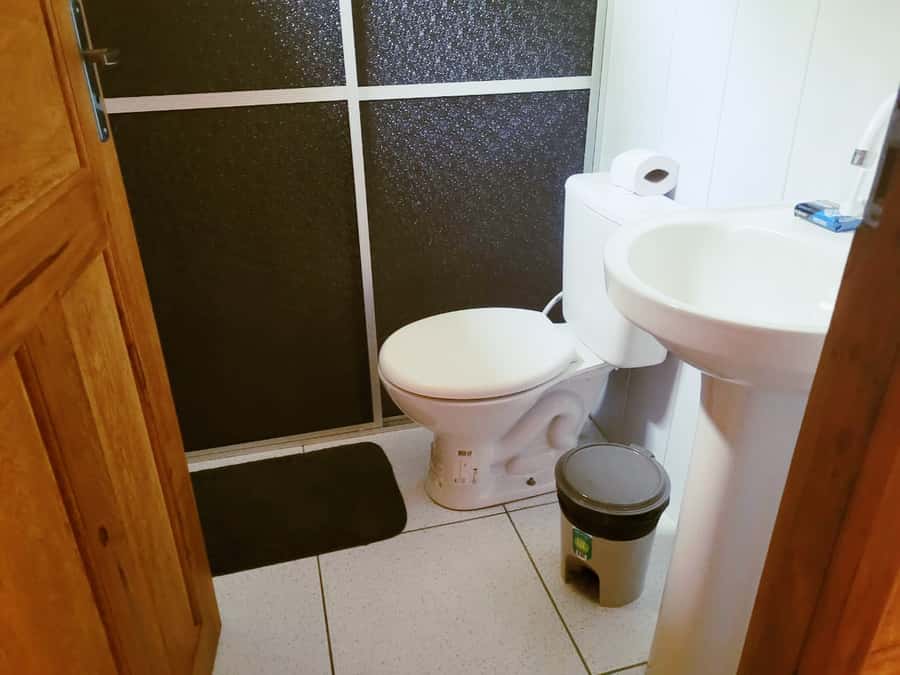
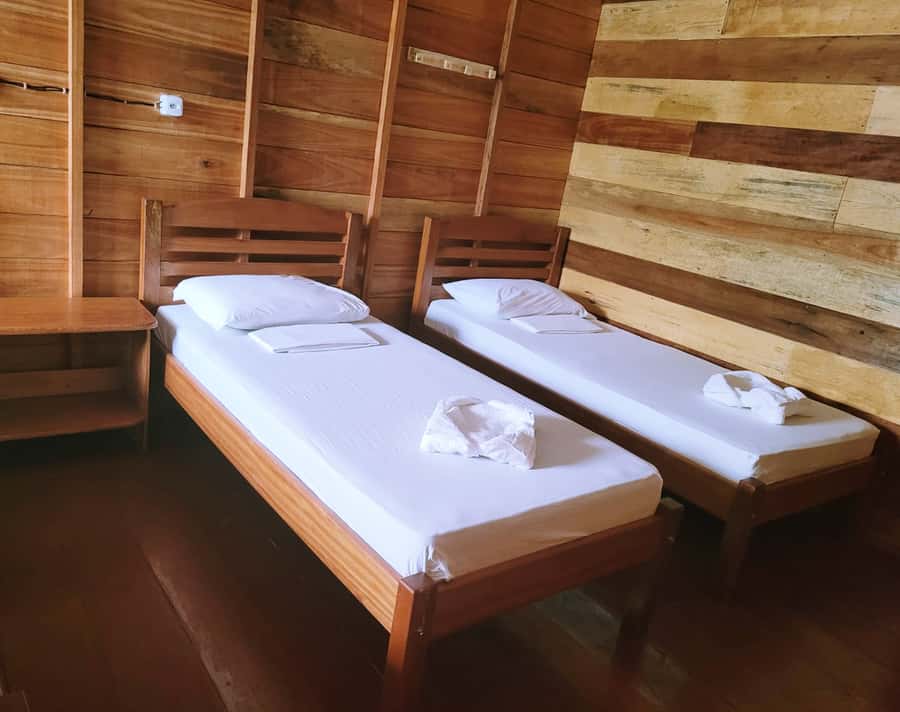
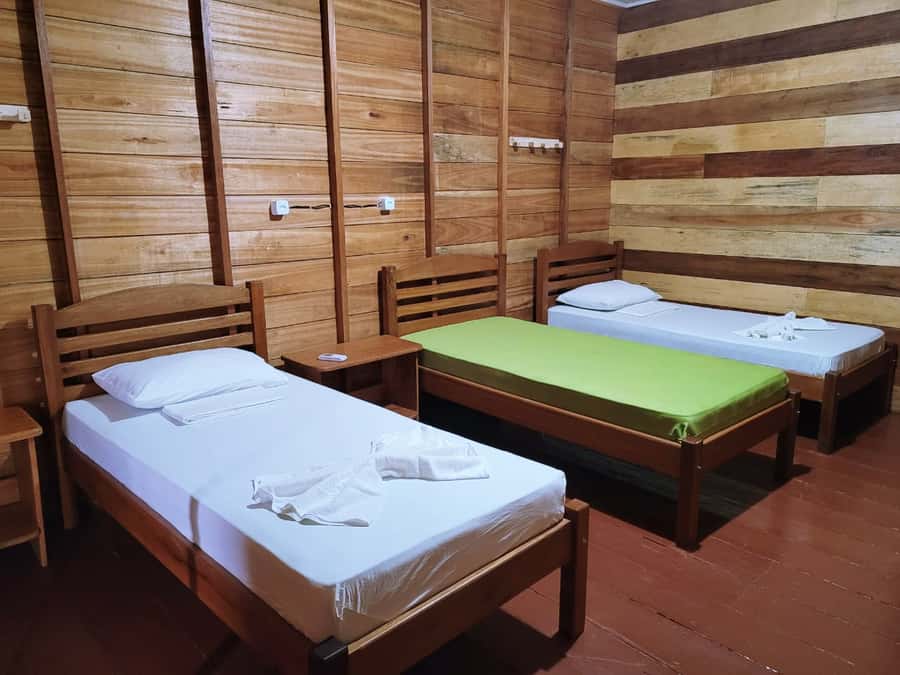
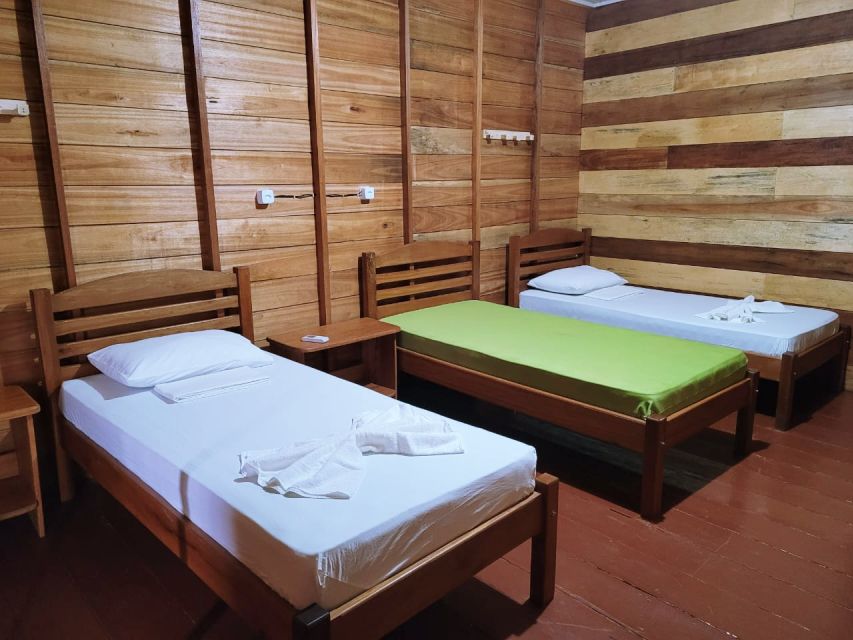
Tapiri is a floating lodge, so the setting itself is part of the appeal. You stay in a private apartment with air-conditioning and netting on the beds. That is a helpful level of comfort after a hot day outside, but you are still in a remote forest environment. Bring sandals for around the lodge and closed shoes for the jungle walk.
Meals are included three times daily, and mineral water is provided during meals. The food receives especially strong praise, with several people finding it better than expected. One useful detail is that drinking water was available around the clock during one three-day stay, but the formal inclusions specify mineral water during meals, so bring a small bottle for outings.
The first scheduled activity begins at 3 PM. You head out by canoe to look for dolphins and birds, try piranha fishing, and watch the sunset around 6:30 PM. This gentle first outing gives you time to adjust to the heat, the boat, and the slower pace of forest watching.
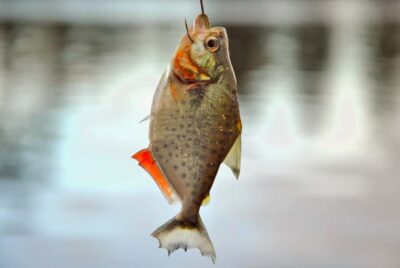
Piranha fishing is less about catching dinner and more about learning how the river works. You may catch fish, but no wildlife outing is guaranteed. The water level, weather, noise, and luck all matter.
After dinner, you go caiman spotting. The guide uses a light to search the dark water, and you may get a close look at one of these reptiles. It is a thrilling activity, but it is also a reminder that the Amazon is not a zoo. Sightings can be brief, and the route may not produce the same animals every night.
Sunrise at 5:30 AM and the jungle walk
The second day starts before most people would willingly set an alarm. At 5:30 AM, a canoe takes you out to watch sunrise over the forest. This is one of the most worthwhile parts of the program because dawn brings a cooler temperature and a fresh chorus of birds.
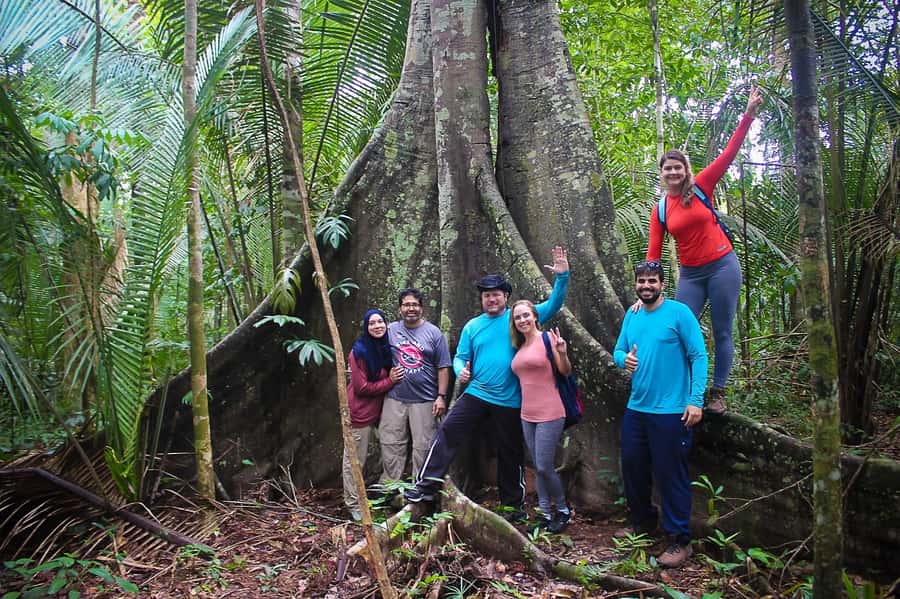
You return around 7 AM for breakfast, then set out on a jungle trek. The walk focuses on forest knowledge rather than speed. Your native guide explains medicinal plants, trees, insects, and spiders, with a chance of seeing monkeys.
This is where guide quality matters most. Tony has been praised for clear English and for explaining plants and animals in a way that is easy to follow. Kennedy has also been singled out for keeping activities on time and looking after the group from pickup through departure. Emilson is noted for strong English and a clear understanding of local nature.
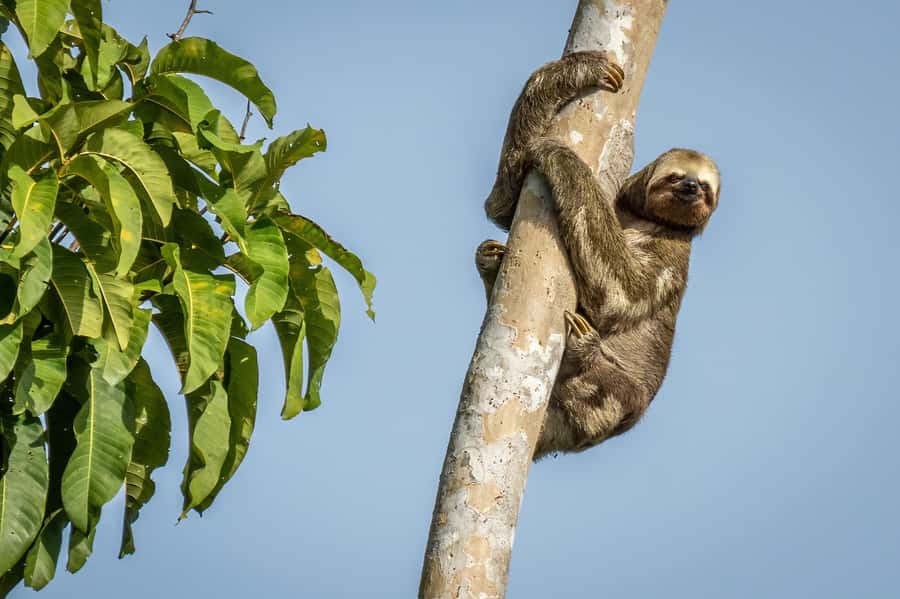
Do not approach this as a guaranteed animal-counting contest. You might see monkeys, sloths, iguanas, tarantulas, many birds, or other creatures, but you might also spend time looking at tracks, leaves, insects, and movement in the canopy. One useful way to judge the walk is by what you learn, not only by how many large animals appear.
Wear hiking shoes, long comfortable clothing, insect repellent, sunscreen, and a hat. A rain jacket belongs in your day bag even when the sky looks clear. The forest can turn wet quickly, and muddy paths are part of the setting.
Canoe channels, dry-season walks, and local life
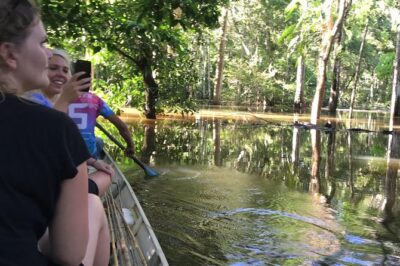
On three, four, and five-day options, the afternoon usually begins at 3 PM. During the rainy season, from April through August, you travel quietly by canoe through forest channels and creeks. As the water rises, the canoe can move through areas that are dry forest floor at other times of year.
From August through March, some of these routes are taken on foot because there may not be enough water. This seasonal change is important when you choose your dates. The same activity may feel like a peaceful paddle in one month and a forest walk in another.
The program also includes a visit to a local family home from 8 AM to 11 AM on the third day. You learn about a simple way of life shaped by the forest and river. This is a valuable part of the trip because it connects the wildlife outings to the people who live in the region.
Keep your expectations grounded. The house visit and nearby walk can feel less exciting than a night canoe ride or a jungle camp. One detailed account found this morning somewhat dull compared with the other activities. I would treat it as a cultural pause, not a major wildlife event.
After the visit, the three-day program returns to the lodge for lunch and leaves for Manaus around 1:30 PM. Arrival is expected at about 4:30 PM. This is a sensible choice if you want a first Amazon taste without committing to a longer camp stay.
Same patch of Brazil, a completely different sort of day:
- Indian Village and Meeting of the Waters Tour
★ 4.5 · 241 reviews - From Manaus: Presidente Figueiredo Waterfalls Daytrip
★ 4.3 · 149 reviews - 3 Days Amazon Jungle Adventure Tour
★ 4.0 · 145 reviews - Amazing Waterfalls of the Amazon – Presidente Figueiredo
★ 4.5 · 141 reviews
What the four and five-day programs add
The longer options give you more forest time, but they do not simply add more sightseeing. They add a stronger outdoor element and a night away from the lodge.
On the third afternoon, the group explores small channels in search of birds, monkeys, caimans, and dolphins. At 3 PM, you leave to camp in a remote part of the jungle. The guide supplies hammocks and mosquito nets, helps prepare dinner, and stays with the group.
After dinner, you may try spear fishing for piranhas. This is one of the more unusual activities offered, but it requires patience and a willingness to get wet and uncomfortable. It is not the right fit if you want every evening to end in an air-conditioned room.
The fourth day includes survival techniques and more facts about the forest, along with opportunities to trek and canoe. Lunch is served back at the lodge. On the four-day option, you leave for Manaus after lunch and reach the city around 4:30 PM.
The five-day version adds another forest night. You return to the lodge around 11 AM on the final day, eat lunch, then depart at 1 PM for Manaus, arriving between 4:30 and 5 PM. The extra day makes sense for you if the camping and survival side matters as much as the lodge stay.
One important distinction: the standard program is adventurous, but it is not presented as an extreme survival course. If you want harder physical challenges and more intense outdoor conditions, the survival option is the better direction. The standard trip suits a wider range of ages and fitness levels, though pregnant people and wheelchair users should not book it.
Wildlife, guides, and the limits of the forest
The strongest part of this trip is the guide-led access to different habitats. In a few days, you can search for river dolphins, watch birds, spot caimans at night, look for monkeys and sloths, examine insects, fish for piranhas, and walk among medicinal plants.
That list should not become a promise. Wildlife is free to move, and sightings vary. A careful guide may spend an hour showing you small details while a less patient visitor wants only monkeys and dolphins. I would choose this trip if you enjoy learning how to look.
The small group limit of 12 people helps. It gives you a better chance of hearing explanations from the guide and makes canoe outings more manageable than a large boat tour. Still, guide style can shape the mood. Some guides are warm and playful, while one account found the lead guide too serious and difficult to connect with, despite being responsible and well informed.
That is a fair warning. The operator has English and Portuguese-speaking guides, but the level of warmth and communication may vary by person. Named guides Tony, Kennedy, and Emilson received particularly strong praise for communication, timing, and care.
Is $1,100 good value?
At $1,100 per person, the cost is high. The price covers hotel or airport transfers, river and road transportation, private air-conditioned accommodation, three meals daily, mineral water during meals, scheduled activities, and a guide. For a remote multi-day trip with several transport stages, that package has real value.
The cost looks better on a four or five-day stay because you get more time on the river and in the forest. A three-day visit is easier to fit into a Manaus schedule, but the long first and final transfer days leave less time for activities.
The biggest value comes from convenience and access. You are not paying only for a bed. You are paying for the boat connections, local guiding, meals, accommodation, and a set of carefully timed outings. If you tried to arrange each part separately, you would take on more planning and coordination.
The price may feel less worthwhile if you expect luxury, constant animal sightings, or brand-new activities every few hours. Some routes can repeat, and the forest may offer insects and plant lessons when you hoped for monkeys. You may also need to bring equipment that is not supplied, such as boots, rain gear, a telescope, or a light.
The practical fix is simple: pack your own rain jacket, flashlight, binoculars, insect repellent, and sturdy footwear. Confirm what equipment is available before departure if you need rubber boots or specialist optics.
Packing, luggage, and timing advice
The luggage limit is 25 pounds, or 12 kilograms, per person. Large bags and oversize luggage are not allowed on the trip, so arrange to leave excess belongings at your Manaus hotel or the partner office.
Pack a small soft bag with:
- Passport or identification
- Comfortable clothes and a change of clothes
- Hiking shoes and sandals
- Sun hat, sunglasses, and sunscreen
- Insect repellent
- Rain jacket
- Small water bottle
- Camera or smartphone
- Binoculars
- Cash for personal purchases
Soft drinks and alcohol are not included. A little cash is useful, but keep valuables limited.
If you arrive at Manaus Airport by 2 PM, you can only take part in the evening activities on the first day. That makes this a poor choice for a rushed arrival. Plan to begin from Manaus in the morning so you receive the full first day.
If you have an afternoon flight out of Manaus, the required morning transfer carries an extra listed charge of USD 50,000 per person. That figure appears unusually high, so confirm the amount directly before booking and do not assume a normal airport transfer is included for a late departure.
Free cancellation is available up to 24 hours before the activity for a full refund, and you can reserve now and pay later. Those terms help if your Brazil plans are still changing.
Who should book Tapiri Floating Lodge?
I would recommend this trip to you if you want a guided first visit to the Amazon with a balance of comfort and adventure. The private air-conditioned room, included meals, and organized transfers soften the rougher edges, while canoe outings, jungle walks, caiman spotting, and forest camping keep the trip active.
The three-day plan suits you if you want the main highlights and prefer to sleep at the lodge. Choose four days if you want one night in the forest without giving up too much comfort. Choose five days if camping, survival lessons, and extra time on the river are central to your plans.
I would hesitate if you dislike early mornings, insects, changing weather, basic outdoor sleeping, or uncertain wildlife sightings. I would also compare prices with other Manaus lodges if the $1,100 cost stretches your budget.
Should you book it?
Book Tapiri Floating Lodge if you want a well-organized Amazon introduction with real forest activities, strong meals, and local guides who can explain what you are seeing. The best parts are the dawn canoe ride, nighttime caiman search, piranha fishing, and the chance to sleep in a hammock beneath the forest canopy.
For the best value, I would choose four days and arrive in Manaus with enough time for the full morning pickup. Pack light, bring your own rain and insect gear, and judge success by the quality of the forest experience rather than a guaranteed list of animals.
FAQ
How long does the Tapiri Floating Lodge trip last?
You can book the experience for three, four, or five days. The longer options add forest camping, survival lessons, and extra canoe or jungle activities.
What is included in the price?
The package includes hotel or airport transfers, private air-conditioned accommodation, bed netting, breakfast, lunch, dinner, mineral water during meals, scheduled tours, and an English or Portuguese-speaking guide.
Is airport pickup available in Manaus?
Yes. Pickup is available from Manaus hotels and the airport. You need to provide your hotel details or flight information so the transfer can be arranged.
When can I canoe through flooded forest channels?
Canoe trips through forest and creeks are offered during the rainy season, generally from April through August. From August through March, some of these outings are done on foot because there may be no water in the channels.
How much luggage can I bring?
The maximum is 25 pounds, or 12 kilograms, per person. Excess luggage must remain at your Manaus hotel or at the partner office.
Is the trip suitable for everyone?
The experience is not suitable for pregnant women or wheelchair users. You should also be comfortable with canoe rides, jungle walks, early mornings, insects, and hammock camping on the four and five-day options.
Newest reviews from around Manaus
- Walking Tours in Manaus★ 3.5 · 16 reviews
- 4-day Amazon River Boat Tour From Manaus★ 5.0 · 10 reviews
- Amazon Safari Tour in Manaus (Shared)★ 5.0 · 3 reviews
- Tree Climbing in the Amazon★ 4.5 · 6 reviews
- Tucandeira Ants Indigenous Ritual★ 4.5 · 4 reviews
- Transfers from the airport to any place in Manaus City★ 4.0 · 27 reviews
- 24-hour Hotel Transfer to Manaus Airport★ 5.0 · 24 reviews
- Private Tour Waterfalls Iracema & Asframa President Figueiredo★ 5.0 · 3 reviews
Jungle & Rainforest Tours, compared.
Rio de Janeiro Tijuca Rainforest Hike with Waterfalls and Caves
Read our review →
Jungle Waterfalls and Cachaça Distillery Jeep Tour
Read our review →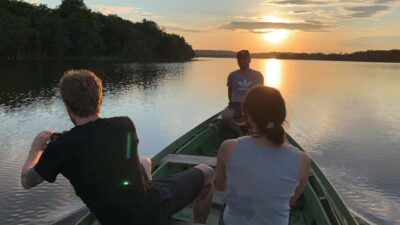

Browse the lists this tour appears in