
Reviewed · WALKING TOURS
Little Africa – Walking tour from the passed to the future
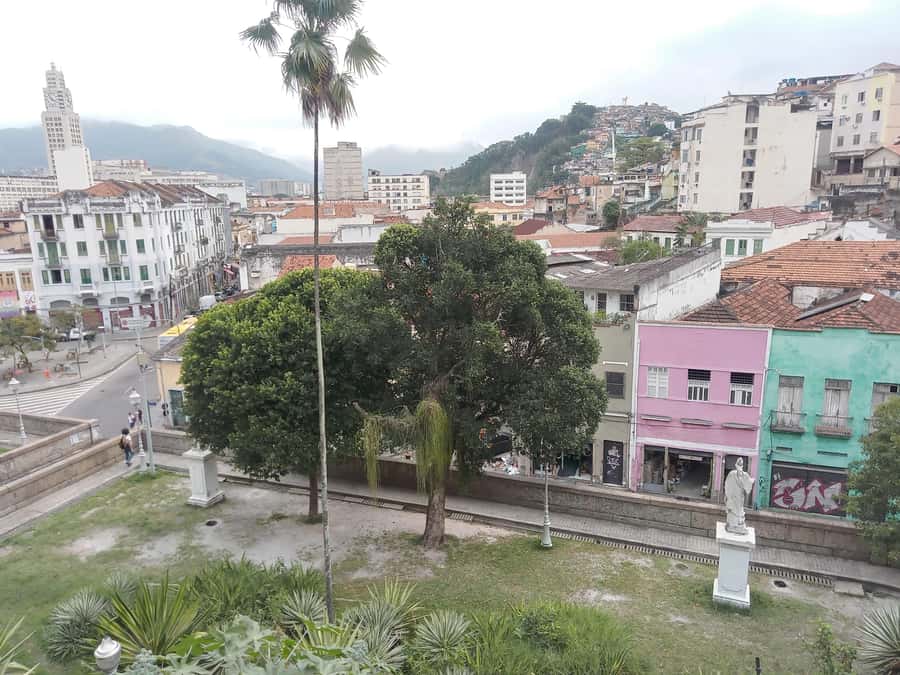
History here is written into the streets. Rio’s Little Africa walking tour takes you through a part of downtown where African men, women, and children first entered Brazil, then connects those painful beginnings with Black art, culture, and the city’s future.
I like the three-hour walking format, which gives you time to listen instead of racing from one sight to another. I also like the chance to visit historic remains, former market areas, houses, burial grounds, and cultural spaces with a guide who can explain what you are seeing. The main consideration is language: several guests praised guides such as Larissa, Gabriela, Luana, and Rafael, but two English-speaking guests found their guide difficult to understand.
I would treat this as a serious cultural experience, not a light sightseeing stroll. The subject can be emotional, and the quality of your day depends heavily on the guide’s command of your chosen language. The tour costs US$32 through the booking platform, plus R$160 paid directly to the guide, for a stated total of R$310 per person, so check the final amount before booking.
In This Review
- Key points to know before walking
- Why Little Africa matters in Rio
- Walking through the former entrance to Rio
- The former market, homes, and burial grounds
- Art and culture beyond the historical sites
- The guide can make or break the experience
- What the three-hour pace feels like
- Is the price good value?
- Booking details that deserve a careful check
- Who should book this walk?
- Should you book Little Africa?
- FAQ
- Where does the Little Africa walking tour meet?
- How long does the tour last?
- Which languages are available?
- What historical places does the tour visit?
- Is transportation included?
- What is the full cost per person?
- Can I cancel the booking?
Key points to know before walking
- The tour focuses on Black Brazilian history, especially the area that received people brought from Africa and later became an important center of African-Brazilian life.
- You walk through historic streets and alleys, seeing former market areas, shops, homes, and burial sites connected with this past.
- The experience lasts three hours, with English, Portuguese, and Spanish available.
- The guide makes the difference, and named guides Larissa, Gabriela, Luana, and Rafael received especially warm praise for passion, care, and clear explanations.
- The total price is more than the online payment, because R$160 is paid directly to the guide in addition to the US$32 reservation payment.
- The tour needs at least two customers, so solo visitors should contact the operator before reserving.
Why Little Africa matters in Rio
Rio is often introduced through beaches, viewpoints, music, and grand public spaces. Little Africa asks you to look at another Rio, one shaped by forced migration, labor, faith, family, resistance, and cultural survival.
The area served as an entry point for many people brought from the African continent. It included an open slave market, commercial buildings, homes, and graveyards. That combination makes the walk unusually direct: you are not only hearing about a historical system in abstract terms, you are moving through places connected with the people who endured it.
I value tours like this because they correct the easy version of Brazilian history. Brazil’s African heritage is not an optional side note added to a city tour. It is part of the country’s food, music, religion, language, art, and social life.
The tour title points from the past to the future, and that is important. You are not asked to look only backward at suffering. The experience also considers Black culture and Brazil’s continuing effort to recognize, preserve, and build on this heritage.
More Walking Tours in Rio de Janeiro
- Rio de Janeiro: Rocinha Favela Walking Tour with Local Guide
★ 4.8 · 3,052 reviews - Rio De Janeiro: Half-Day Rocinha Favela Walking Tour
★ 4.7 · 2,272 reviews - 3 Hour Rocinha Favela Walking Tour with a Local Guide
★ 5.0 · 833 reviews
Walking through the former entrance to Rio
The walk begins at a meeting point in downtown Rio de Janeiro. Transportation is not included, so you need to make your own way there and allow time to arrive ready for a three-hour walk.
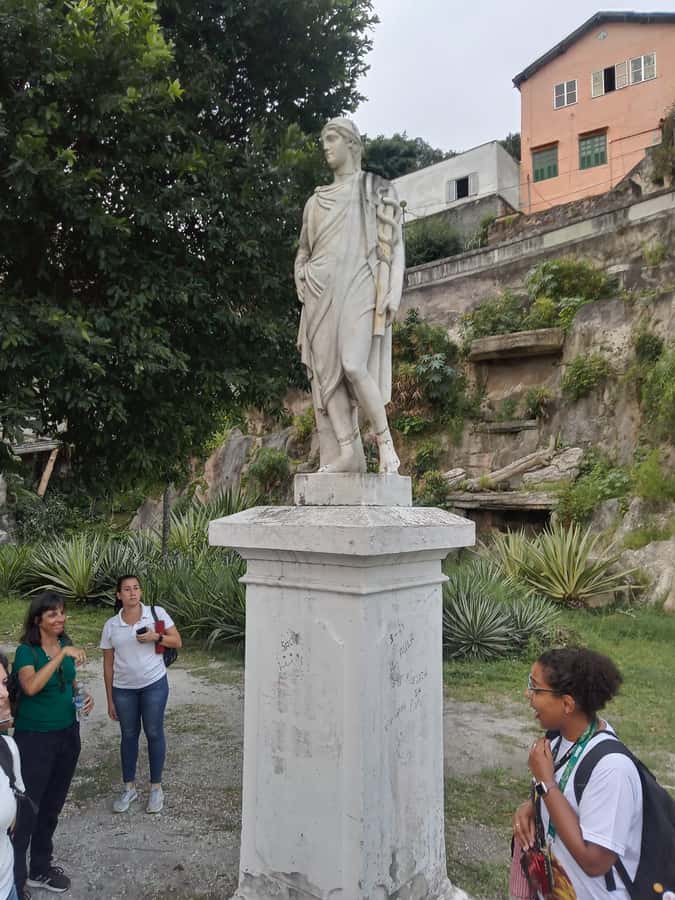
The exact sequence of stops can vary, but the central path takes you through Little Africa’s alleys and historic areas. Your guide explains the role of the former open market, stores, houses, and graveyards, helping you connect ordinary-looking streets with the people and events that shaped them.
This is where a good guide earns the fee. A building or patch of pavement may not explain itself. The value comes from learning what happened there, who used the site, and why the place still matters.
You should pay close attention to the guide’s comments rather than treating the walk as a photo stop parade. The description specifically asks you to notice remarks made along the way, and that is sound advice. The physical remains may be modest, but the story attached to them is substantial.
I would also keep your expectations realistic. This is not presented as a polished museum route with a large number of preserved structures. Some sites are remains or urban spaces whose importance becomes clear through interpretation.
The former market, homes, and burial grounds

The former slave market is one of the hardest parts of the route to process. It connects the neighborhood to the commercial machinery of slavery and makes clear that people were treated as property within the city itself.
That stop may feel uncomfortable, and it should. The experience asks you to face a difficult part of Rio’s past without turning it into spectacle. A respectful attitude matters more here than collecting photographs.
The homes and shops add another layer. They show that Little Africa was not only a point of arrival or a place of sale. It was also a lived-in district, with commerce, family life, and community activity.
The burial grounds carry their own weight. Even when little remains physically, the site points toward the number of people whose lives and deaths were folded into the city’s development. The walk gives you a chance to think about whose stories were preserved, whose were ignored, and how historical memory is being repaired.
Many people find this portion emotional. I would not schedule it between two rushed activities or expect to leave in the same mood as after a beach outing. Give yourself a little quiet time afterward.
Art and culture beyond the historical sites

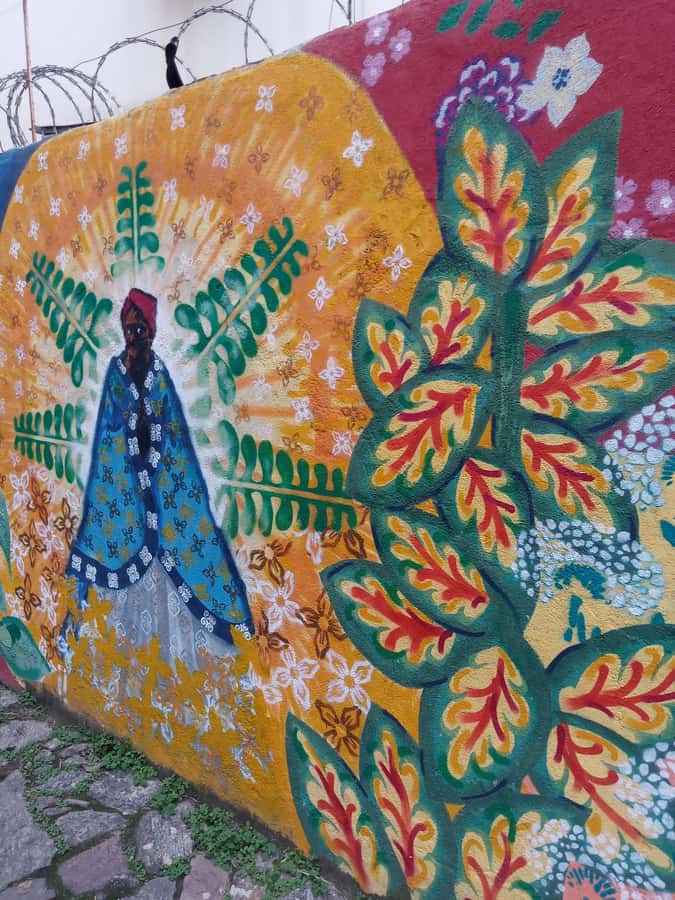
The tour also brings art and culture into the story. That balance matters because African heritage in Brazil is not defined only by trauma.
A cultural or art museum may form part of the route, but the precise entry arrangements deserve attention. One guest reported an additional museum admission fee that was not expected, while another noted that an art museum exhibit was not included in the tour.
That means you should ask the guide or operator exactly which museum entrances are covered before setting out. The online price includes online service and the tour guide, but food, drinks, transportation, souvenirs, and possibly separate museum admission are not included.
If an exhibit interests you, ask if there will be time to see it independently. A walking tour has a set rhythm, and an exhibition may not be part of the guided program even if you pass through an art space.
This is also a useful point for families. Children can receive a reduced price, but the material is serious and the emotional tone may not suit every child. Parents should decide based on the child’s maturity rather than price alone.
Same patch of Brazil, a completely different sort of day:
- Rio de Janeiro: 6-Stop Highlights of Rio with Lunch
★ 4.4 · 5,157 reviews - Christ the Redeemer Entry Ticket by Corcovado Train
★ 4.4 · 4,476 reviews - Rio’s City Tour – Tickets for Christ, Sugar Loaf & Lunch included
★ 5.0 · 4,389 reviews - Full Day: Christ Redeemer, Sugarloaf, City Tour & Barbecue Lunch
★ 4.5 · 3,142 reviews
The guide can make or break the experience
The strongest praise centers on the guides. Larissa was credited with unusual passion, enthusiasm, and the ability to make the past feel immediate. Gabriela was described as personable and well informed, while Luana was praised for her care and kindness.
Rafael also received high marks, including appreciation for the company’s flexibility after a delayed flight caused a missed tour time. That practical response suggests the operator may try to help when plans go wrong, though you should never assume a schedule change is guaranteed.
The positive comments share a clear pattern: the best guides do more than recite dates. They explain the meaning of each place, speak with feeling, and help you picture the people connected with it.
Language is the main warning. The tour is offered in English, Portuguese, and Spanish, but two English-speaking guests found their guide’s spoken English too difficult to follow. One felt the experience would have worked much better in Portuguese.
If you book in English, confirm the language with the operator before the walk and ask who will lead your group if that information is available. A guide’s historical understanding does not help much if you cannot follow the explanation.
What the three-hour pace feels like
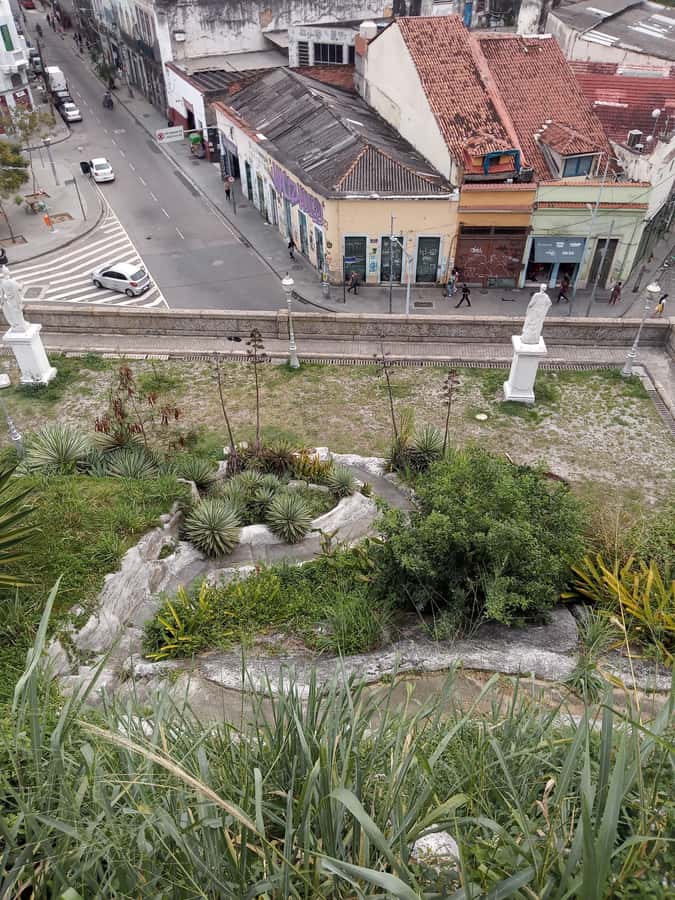
Three hours is a useful length for this subject. A shorter walk might feel rushed, while a much longer one could become tiring, especially in central Rio.
You should expect a steady walking experience through streets and alleys, with stops for explanation. The tour does not include transportation, meals, or drinks, so bring what you need for the time you will be out.
The meeting point is in downtown Rio, which makes this easier to combine with other central sights, but you should plan the rest of your day with some flexibility. The emotional content can also make the tour feel longer than a standard city walk, even though the duration is manageable.
I would wear comfortable shoes and carry water. That is ordinary walking advice, but it matters when the route includes several historical stops and you want to focus on the guide rather than your feet.
The experience appears best suited to a small or moderate group, but no group size is provided. Because the minimum is two customers, solo visitors should contact the operator before booking instead of assuming the walk will run.
Is the price good value?

The advertised price is US$32 per person, but that is not the full stated cost. You also pay R$160 per person directly to the guide, making the total listed payment R$310 per passenger.
Because one portion is in US dollars and another is in Brazilian reais, the final cost can shift with exchange rates. Card payments for the direct portion carry an additional 5 percent tax, according to the booking information.
The children’s pricing also needs clarification. One section says ages 5 to 10 receive 50 percent off and ages 0 to 4 are free on a parent’s lap. Another section says children aged 3 to 10 pay half price. That conflict is worth resolving before you reserve, especially if you are traveling with a young child.
At this price, I would judge the tour by the quality of the interpretation rather than by the number of monuments. You are paying for context, guiding, and access to a more difficult part of Rio’s story.
It is good value if your guide speaks clearly, knows the subject, and gives each site proper attention. It is less convincing if the English is hard to follow or if you expect museum admissions and every exhibit to be covered.
Booking details that deserve a careful check
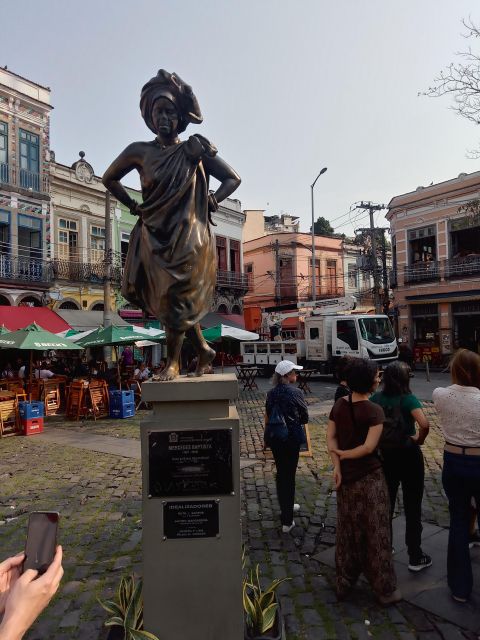
The tour offers free cancellation up to 24 hours in advance and a reserve-now, pay-later option through the booking platform. Those terms are useful if your Rio schedule is uncertain.
Still, I would confirm these points before making the reservation:
- The exact meeting point in downtown Rio
- The guide’s language and name, if available
- The full payment in both currencies
- Any separate museum entrance charge
- The age category for children between 3 and 5
- Whether the tour will operate if only one person is interested
The operator is Viajecom Io Turismo Viagem e Intercâmbio. Online service and guide service are included, while food, drinks, transportation, and souvenirs are not.
Bring identification or a copy, since it is listed as mandatory. That is a small detail, but forgetting it could create a needless problem on the day.
Who should book this walk?
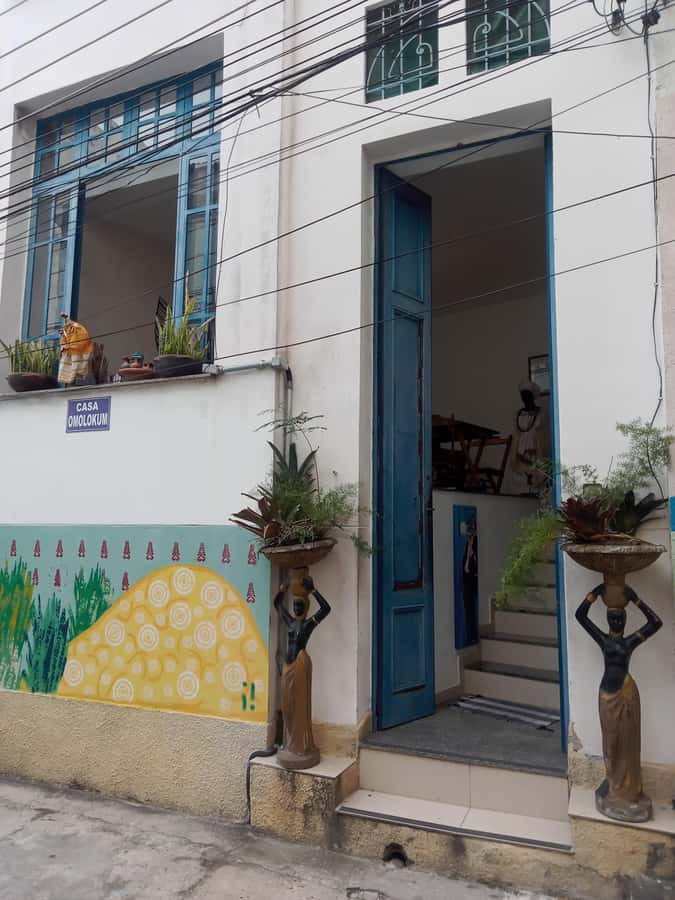
I would recommend Little Africa to you if you want to understand Rio beyond its postcard sights. It is especially suitable if you care about Black history, urban memory, art, and the way a city explains its own past.
It also suits visitors who prefer a guide-led walk to reading plaques on their own. The best parts depend on spoken explanation, and the strongest guide comments show how much a thoughtful interpreter can add.
Families can consider it, but parents should prepare children for difficult subject matter. The discount helps with cost, yet the material is not designed as a playful children’s attraction.
I would be cautious if you need a fully predictable museum itinerary, dislike emotionally serious tours, or cannot confirm a guide who speaks your language well. I would also avoid booking without clarifying the extra payment.
Should you book Little Africa?
Book it if you want a meaningful three hours focused on African heritage in Brazil, and if you are willing to listen carefully and approach the subject with respect. The route’s power comes from its places and its stories, not from flashy attractions.
Before paying, confirm the guide’s language, museum charges, child pricing, and full cost. With a strong guide such as Larissa, Gabriela, Luana, or Rafael, this can become one of the most important history experiences in Rio. With unclear English or surprise admission fees, the value drops sharply.
FAQ
Where does the Little Africa walking tour meet?
The meeting point is in downtown Rio de Janeiro. The exact meeting location should be confirmed when you book.
How long does the tour last?
The walking tour lasts three hours.
Which languages are available?
The tour is offered in English, Portuguese, and Spanish.
What historical places does the tour visit?
The route covers parts of Little Africa connected with an open slave market, stores, houses, and graveyards. It also includes historical and cultural sites along the walking route.
Is transportation included?
No. Transportation is not included, and you must reach the downtown meeting point yourself.
What is the full cost per person?
The stated total is R$310 per passenger, made up of a US$32 reservation payment plus R$160 paid directly to the guide. Card payments for the direct portion add a 5 percent tax.
Can I cancel the booking?
Yes. You can cancel up to 24 hours in advance for a full refund. A reserve-now, pay-later option is also available.
Newest reviews from around Rio De Janeiro
- PRIVATE TOUR – Christ the Redeemer and Sugar Loaf★ 4.5 · 9 reviews
- Christ Statue and Sugarloaf Private Tour with a Photographer★ 5.0 · 9 reviews
- Cidade do Samba Behind-the-Scenes Carnival Tour in Rio de Janeiro★ 4.0 · 5 reviews
- Christ the Redeemer Trail x Lage Park★ 5.0 · 7 reviews
- Christ the Redeemer and City Tour★ 5.0 · 20 reviews
- Private Tour of Christ the Redeemer in Rio de Janeiro★ 5.0 · 2 reviews
- Christ the Redeemer, Selaron Steps and Santa Teresa Half-day Tour★ 4.5 · 15 reviews
- Christ the Redeemer Adventure★ 5.0 · 12 reviews
Walking Tours, compared.



3 Hour Rocinha Favela Walking Tour with a Local Guide
Read our review →
Favela Tour Rio de Janeiro – Vidigal Walking Tour by Russo Guide
Read our review →

Private Walking and Cultural Tour Rocinha-Rio de Janeiro
Read our review →
Browse the lists this tour appears in