
Reviewed · TIJUCA FOREST TOURS
Jeep’n’Green: Rio Botanical Garden and Tijuca Rainforest Tour
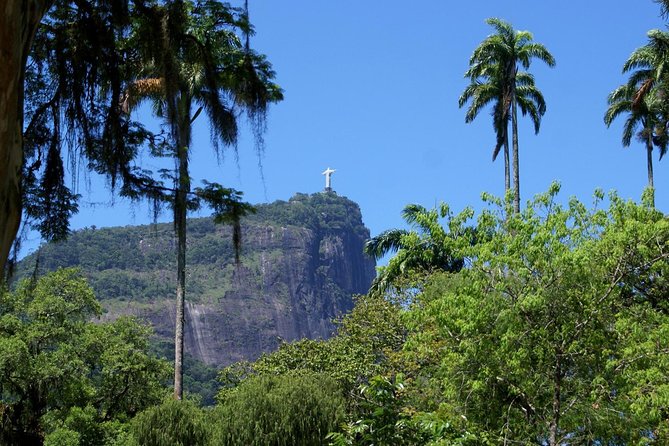
Rio gets wilder than you expect. This half-day outing pairs the Rio Botanical Garden with an open-jeep ride and easy forest walks in Tijuca National Park. I like the mix of giant palms, water lilies, orchids, waterfalls, city lookouts, and local history. I also like that hotel pickup and drop-off are included. The main catch is that weather, traffic, and pickup problems can shorten the experience or cancel parts of it.
At about $93.84 per person, this is a convenient introduction to Rio’s green side rather than a serious wildlife expedition. The strongest guides, including Luciano, Marcello, Lucia, George, and others praised for their local stories, can make the day memorable. But the tour has had uneven timing and communication, so I would confirm the pickup details carefully and avoid booking it too tightly against another major plan.
In This Review
- What makes this Rio nature tour worth considering
- A four-and-a-half-hour green escape from Rio
- Two hours among palms and orchids
- Riding into Tijuca National Park
- Waterfalls, chapel, and forest history
- Emperor’s Table and Vista Chinesa
- Wildlife: possible, never promised
- The guides can make or break the morning
- Weather, safety, and access concerns
- Is $93.84 a fair price?
- Who should book this experience?
- Final verdict: a useful overview with real caveats
- FAQ
- How long does the Jeep and Botanical Garden tour last?
- Is hotel pickup and drop-off included?
- Is admission to the Botanical Garden included?
- Can I visit Vista Chinesa on any day?
- What should I bring?
- Is this a private tour?
What makes this Rio nature tour worth considering
- Two very different green spaces in one morning: The formal Botanical Garden gives you ordered paths, rare plants, fountains, and monuments, while Tijuca offers forest roads, waterfalls, and mountain air.
- A genuinely open-air ride: The jeep adds city views and a breezy way to reach the forest, but there are no seatbelts in some vehicles, according to one critical account.
- A large orchid collection: The greenhouse is presented as home to more than 500 orchid varieties, although the display may not always look equally full.
- Tijuca is close to central Rio: The forest begins roughly ten minutes from the city center, making this a practical nature break without a long transfer.
- Good city viewpoints: Emperor’s Table and Vista Chinesa provide wide views toward Ipanema, Copacabana, Guanabara Bay, and Niterói.
- Guide quality matters: The best part of the outing may be the person leading it. Strong guides explain plants, reforestation, Rio culture, local life, and the Mata Atlântica ecosystem.
A four-and-a-half-hour green escape from Rio
This tour is designed for anyone who wants to see Rio’s natural side without arranging separate transport to two major sights. The stated duration is about four hours and thirty minutes, though some outings have lasted closer to three or four hours because of traffic, delayed pickups, or changes in forest access.
Pickup is offered from hotels in several South Zone neighborhoods, including São Conrado, Leblon, Ipanema, Copacabana, Botafogo, Flamengo, Glória, and Catete. Santa Teresa and Centro are also listed, with different pickup prices depending on the area. The departure time is confirmed after booking, so do not assume the advertised hour is final.
The group can reach up to 20 people. That is small enough for a guide to speak with the group, but it is not a private tour. You may spend time collecting people from several hotels, which helps explain why the schedule can stretch.
The vehicle is an open Jeep. That is part of the fun, especially on forest roads and in warm weather, but it also means direct sun, rain, insects, and a less protected ride. Bring a hat, sunglasses, sunscreen, water, and comfortable walking shoes. Bug spray and long trousers are sensible additions, particularly if you dislike insects.
More Buggy & 4x4 Tours in Rio de Janeiro
- Rio de Janeiro: Guided Jeep Tour through Tijuca Rainforest
★ 4.3 · 740 reviews - Jeep Adventure: Guided Tour through Tijuca Rain Forest
★ 4.0 · 554 reviews - Jeep tour 18 beaches, Telegraph Stone hiking & amazing sunset + photographer
★ 5.0 · 363 reviews
Two hours among palms and orchids
The Botanical Garden is the more polished half of the experience. Founded as a historic garden, it combines plant collections with broad paths, ponds, fountains, sculptures, and old landmarks. You are not simply looking at jungle here. The setting is arranged, labeled, and easy to explore at a relaxed pace.
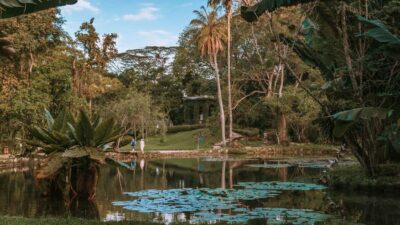
The imperial palms are among the most recognizable sights. Their tall trunks create dramatic lines along the paths, while huge trees and water lilies give the garden a slower, cooler feel than the streets of Rio. You may also hear plenty of bird calls, and the garden is home to hundreds of birds.
The greenhouse is meant to be a major highlight. It is associated with more than 500 types of orchid, making it especially appealing if you enjoy flowers, plant photography, or tropical botany. Keep your expectations measured, though. Orchid displays change, and one disappointing account described seeing only a small number of blooms. The collection may be extensive even when few plants are flowering.
The tour allows about two hours here. That is enough for a guided overview, but it may feel short if you want to read labels, photograph every palm, or explore at a leisurely pace. A recurring criticism is that the Botanical Garden can be visited independently by taxi or ride-hailing car, often with more control over your time.
So what are you paying for? Mainly convenience, transport, and interpretation. If you already enjoy planning your own visits, the guided portion may not justify the added cost. If you want a single morning with hotel pickup, a guide, and a second stop in Tijuca, the arrangement is more useful.
Riding into Tijuca National Park
After the garden, you return to the Jeep and head toward Tijuca Forest. The park is remarkably close to Rio’s built-up center, yet the change can feel quick. Roads rise through thick vegetation, and the city begins to give way to trees, mountain slopes, and shaded paths.
Tijuca is described as the biggest urban forest in the world. Its importance is not only scenic. The guide discusses the reforestation program that restored much of the area and explains the Mata Atlântica, the Atlantic Forest ecosystem that once covered broad parts of Brazil and remains heavily protected.
That context gives the forest stop more meaning than a simple drive past trees. You begin to understand that this is a restored and protected natural area inside a huge city, not untouched wilderness. The tour also touches on the wider Mata Biosphere Reserve, which covers 14 Brazilian states.
The listed forest portion lasts about one hour, with additional short stops. This is an easy hike rather than a demanding trek, but you still need to walk in heat and humidity. One account specifically warned that the repeated walking and getting in and out of the Jeep could be difficult for older people or anyone with limited mobility.
The tour is also more active than the word Jeep might suggest. Expect several short walks, photo stops, and visits to viewpoints. If you want to remain seated in the vehicle for most of the outing, this is not the right format.
Waterfalls, chapel, and forest history
Cascatinha de Taunay is one of the most photogenic stops. The waterfall is an easy place to pause, take pictures, and enjoy the sound of moving water. It is not a vast wilderness cascade, but it gives the forest portion a clear visual focus.
The Visitor Center adds a useful educational stop. You have about fifteen minutes to learn about local biodiversity, which helps put the plants and animals around you into context. The time is brief, so do not expect a full museum visit.
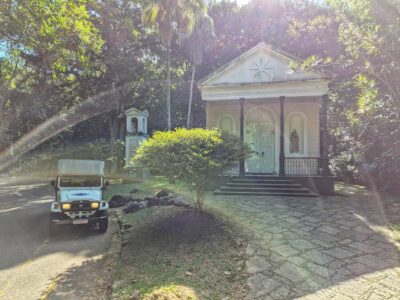
Capela Mayrink is a small pink chapel surrounded by trees. Built in 1860, it once stood on the farm of the Portuguese banker Viscount de Souto. Its setting makes it more memorable than its size suggests, and the interior includes reproductions of religious panels by Cândido Portinari.
The chapel’s gardens and patio are linked to landscape designer Roberto Burle Marx, while Carrara marble adds another historical detail. You have only about five minutes here, so this is a quick look rather than a long architectural visit.
Cachoeira dos Primatas is another brief waterfall stop during the walk. The itinerary allows just a few minutes, which is enough for photographs but not much time to sit or explore. This stop, like Taunay Waterfall, depends on weather and access conditions.
More Jungle Tours in Rio de Janeiro
- Rio de Janeiro Tijuca Rainforest Hike with Waterfalls and Caves
★ 5.0 · 1,082 reviews - Pedra da Gavea: Full Day Jungle Adventure Trek
★ 5.0 · 197 reviews - Jeep’n’Culture: Rocinha Favela and Tijuca Rainforest Tour
★ 4.6 · 12 reviews - Jeep Tour Botanic Garden and Tijuca Rainforest
★ 4.5 · 8 reviews
Emperor’s Table and Vista Chinesa
Emperor’s Table is a viewpoint at about 487 meters above sea level. It is tied to Rio’s imperial past, with the story that Dom Pedro I came here by cart for meals and the view. The concrete lookout and surrounding stairs place you above the city, where forest and urban development meet.
The stop lasts around ten minutes. You may get a fine sense of Rio’s scale, but this is not a long scenic pause. Have your camera ready before leaving the Jeep.
Vista Chinesa is the grander viewpoint. Its small oriental-style pagoda was built between 1902 and 1906 to honor the Chinese people who introduced tea cultivation to Brazil in the early nineteenth century. Made from bamboo and cement and positioned at about 380 meters, it looks out toward Ipanema, Copacabana, Guanabara Bay, and Niterói.
There is an important restriction: Vista Chinesa cannot be visited on Saturdays, Sundays, or public holidays because of forest regulations. This matters if the viewpoint is one of your main reasons for booking. Ask about the exact route for your date rather than assuming every listed stop will be included.
A final brief stop at Pepino Beach offers a change of scene. Here, you can watch hang gliders riding air currents above the shore before heading back to your hotel. It is a pleasant finish, although traffic can affect the return time.
Wildlife: possible, never promised
This is a nature tour, but it is not a wildlife safari. You might spot birds, monkeys, or other forest life, but sightings depend on weather, timing, noise, and luck. Recorded sightings have included vultures, parakeets, and spider monkeys, while other outings produced no animals at all.
The open Jeep gives you a better chance to notice birds overhead and hear the forest, but it does not guarantee close encounters. Guides and drivers who keep an eye out can make a difference. George and driver Alexandro were praised for stopping when monkeys appeared, while other guides were described as friendly but less informative.
If wildlife is your top priority, lower your expectations. The reliable attractions are the garden’s plants, the forest roads, waterfalls, chapel, and lookouts. Animals are a welcome bonus.
The guides can make or break the morning
The best accounts focus on the guides. Luciano was praised for being friendly and well informed about both the garden and the forest. Marcello received strong marks for his plant knowledge, driving, and broad explanations. Lucia was praised for adapting the route during Carnival road closures and for adding cultural and historical detail.
A particularly valuable quality is local perspective. One guide, described as being from a favela, explained local culture and Rio life alongside the park. That sort of conversation can turn a standard sightseeing route into a better understanding of the city.
The weaker experiences had a different pattern. Some guides were called pleasant but not especially energetic or informative. Since the itinerary has many short stops, a guide who explains the connections between nature, history, and city life adds real value. Without that, you may feel you are simply being driven from one photo stop to another.
The tour is offered in English, Spanish, German, Italian, French, and Portuguese. Confirm your preferred language when booking.
Weather, safety, and access concerns
Rain is the biggest practical risk. Bad weather has closed or altered access to parts of Tijuca, and one outing could not enter the forest after heavy rain the previous day. Another account described the whole experience as poor because rain and closures removed the main attractions.
The Botanical Garden may still operate in wet conditions, but the forest route and viewpoints can change. If the forecast looks poor, ask the operator what will remain open and what alternatives are available. Do not schedule an important evening flight immediately afterward.
The open Jeep deserves careful thought. One complaint said the vehicle had no seatbelts and felt unsafe around corners. Other accounts called the Jeep comfortable and enjoyable, so vehicles may vary. If you need secure restraints or prefer a fully enclosed vehicle, ask specific questions before paying.
You will also get in and out of the Jeep repeatedly. That is part of the experience, not a minor footnote. Wear shoes with a good grip and expect short walks in heat. The tour says most people can participate, but it is not presented as a specialized accessible outing.
Is $93.84 a fair price?
The price is reasonable only if you value convenience. You are paying for hotel pickup and return, a multilingual guide, transportation in Tijuca, the eco hike, and entry costs listed for the experience. The Botanical Garden admission is described inconsistently in the supplied details, with one itinerary line saying it is not included and the package details listing a Botanical Garden ticket as included. Confirm this before booking.
The price also covers the time saved arranging transport between the garden and the forest. That matters in Rio, where traffic and unfamiliar routes can make a do-it-yourself morning less smooth.
On the other hand, the garden is accessible by taxi or ride-hailing car, and an independent visit may cost less. If you want a slow garden visit, you may prefer to go alone. If you want the garden, Tijuca, waterfalls, viewpoints, and a guide in one compact outing, the package has a stronger case.
The 3.9 out of 5 rating reflects that split. Many outings earned praise for guide quality, good pacing, fun Jeep rides, and strong views. The poor experiences centered on no-shows, late pickups, refund delays, missing forest access, safety concerns, and shorter-than-expected tours.
Who should book this experience?
I would recommend it to a first-time Rio visitor who wants a broad introduction to the city’s plants, restored forest, viewpoints, and nearby attractions. It also suits families and solo visitors who prefer not to arrange several transfers themselves.
It is a good choice if you enjoy short walks and photo stops more than a long hike. The route gives you many snapshots of Rio: palms in the garden, a pink chapel in the woods, waterfalls, mountain roads, and beaches seen from above.
I would hesitate if you need exact timing, guaranteed access to every stop, strong physical support, or a sheltered vehicle. I would also hesitate if your main goal is orchids in full bloom or close wildlife encounters.
Confirm your pickup time, pickup neighborhood, vehicle safety features, Botanical Garden admission, and Vista Chinesa access before departure. Those five questions can prevent most of the unpleasant surprises.
Final verdict: a useful overview with real caveats
This Jeep and garden outing gives you a lively overview of Rio’s natural attractions in less than half a day. The Botanical Garden is the dependable centerpiece, while Tijuca adds forest roads, waterfalls, history, and big city views.
The experience is at its best with a guide such as Luciano, Marcello, Lucia, or George, and in dry weather with a well-organized pickup. It is less convincing when the forest closes, the Jeep arrives late, or the guide offers little beyond basic directions.
Book it if convenience and variety matter more than independence. Skip it and arrange the garden yourself if you want more time, lower costs, or full control over the pace. Either way, treat the forest wildlife and Vista Chinesa as possibilities, not guarantees.
FAQ
How long does the Jeep and Botanical Garden tour last?
The advertised duration is approximately four hours and thirty minutes. Actual timing can vary because of hotel pickups, traffic, weather, and changes to forest access.
Is hotel pickup and drop-off included?
Yes. Pickup and return to your Rio hotel are included, although the price and availability depend on the neighborhood. South Zone areas and Santa Teresa or Centro have different pickup arrangements.
Is admission to the Botanical Garden included?
The package information lists a Botanical Garden ticket as included, but one itinerary note says admission is not included. Confirm this detail with Gray Line Brazil before booking.
Can I visit Vista Chinesa on any day?
No. Forest regulations prevent visits to Vista Chinesa on Saturdays, Sundays, and public holidays.
What should I bring?
Bring comfortable clothing and walking shoes, sunscreen, sunglasses, water, and a hat. Bug spray and long trousers may also be useful because the Jeep is open and the forest contains insects.
Is this a private tour?
No. The activity can have a maximum of 20 people. Hotel pickup may include collecting other people before the tour begins.
Other Trips into the Tijuca Forest
- Rio de Janeiro: Christ, Selaron Steps, and Tijuca Park Tour
★ 4.7 · 857 reviews - Explore the Best of Tijuca Forest – Hike to Peaks, Caves & Falls
★ 5.0 · 713 reviews - Rio: Tijuca Forest Small Group Hike to Caves and Waterfalls
★ 4.9 · 536 reviews - Rio: Half-Day Jeep Tour at Floresta da Tijuca
★ 4.5 · 353 reviews
Newest reviews from around Rio de Janeiro
- Cidade do Samba Behind-the-Scenes Carnival Tour in Rio de Janeiro★ 4.0 · 5 reviews
- PRIVATE TOUR – Christ the Redeemer and Sugar Loaf★ 4.5 · 9 reviews
- Christ Statue and Sugarloaf Private Tour with a Photographer★ 5.0 · 9 reviews
- Christ the Redeemer Trail x Lage Park★ 5.0 · 7 reviews
- Christ the Redeemer and City Tour★ 5.0 · 20 reviews
- Christ the Redeemer, Selaron Steps and Santa Teresa Half-day Tour★ 4.5 · 15 reviews
- Christ the Redeemer Adventure★ 5.0 · 12 reviews
- Private Tour of Christ the Redeemer in Rio de Janeiro★ 5.0 · 2 reviews
Tijuca Forest Tours, compared.

Rio de Janeiro Tijuca Rainforest Hike with Waterfalls and Caves
Read our review →
Explore the Best of Tijuca Forest – Hike to Peaks, Caves & Falls
Read our review →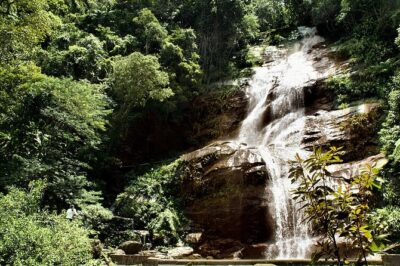
Jeep Adventure: Guided Tour through Tijuca Rain Forest
Read our review →
Tijuca Forest Small Group Hike to Caves and Waterfalls
Read our review →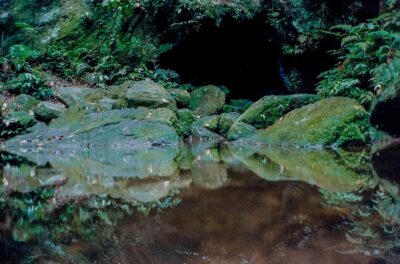
Browse the lists this tour appears in