
Reviewed · 5-DAY EXPERIENCES
JALAPÃO 5 DAYS – Nature and Culture
Jalapão rewards the early riser. This seven-day expedition from Palmas combines clear-water lagoons, golden dunes, floating springs, waterfalls, and time with quilombola communities in Brazil’s Tocantins state. You travel in a shared, air-conditioned 4×4 with a local environmental driver, staying in Palmas and four Jalapão towns.
I especially like the balance between headline sights and community visits. The paçoca de carne seca experience, meals prepared by quilombola families, and coffee with brown sugar give the trip a human side that a sightseeing-only route would miss. I also like the care reported from guides such as Naldera, Tato, Raweverton, and Jelke, who are praised for patience, humor, local knowledge, and calm driving. The main consideration is comfort: you will spend long hours on rough dirt roads, and one morning begins at 4 am.
In This Review
- Five details that shape the experience
- Arriving in Palmas before the red dirt roads
- Pedra Furada and Lagoa do Japonês on day two
- Sussuapara Canyon, Rio Novo, and the Jalapão dunes
- Four fervedouros and the floating-water trick
- A 4 am sunrise at Serra do Espírito Santo
- Rafting, Araras Waterfall, and the road back
- What the price includes and what it means
- Food, guides, and the human side of the route
- Who should book this Jalapão expedition?
- FAQ
- How long is the Jalapão experience?
- Where does the tour begin?
- How many people can join the group?
- Is transportation included?
- Is rafting included in the price?
- Are meals included?
- Should you book it?
Five details that shape the experience

- A seven-day route, not a quick five-day getaway: The schedule includes two nights in Palmas and four nights in Jalapão, with arrival and departure transfers.
- Four-wheel-drive travel is essential: A shared, air-conditioned 4×4 carries the group across 190 kilometers of dirt road between Ponte Alta and the central Jalapão area.
- The fervedouros are the star attraction: You visit Encontro das Águas, Buritizinho, Buriti, Ceiça, Macaúbas, Bela Vista, and Alecrim, each with its own water pressure and setting.
- Culture is built into the route: Meals and demonstrations with the Rio Novo and Prata quilombola communities add real local contact.
- The Serra do Espírito Santo sunrise requires effort: The 750-meter ascent is short but rated medium to difficult, with a 4 am start.
- Rafting is optional: The easy three-hour Natos Jalapão rafting trip can be added without changing the rest of the schedule, though its entrance fee is extra.
Arriving in Palmas before the red dirt roads
Palmas is the gateway to Jalapão by air. The operator collects you at the airport at an agreed time and takes you to the Select Hotel, where the service begins. You then have free time to get to know the capital of Tocantins before the expedition proper.
That first day matters because the route becomes busy almost at once. It also gives you a cushion if your flight arrives before the departure morning. The package includes two accommodations in Palmas, airport to hotel and hotel to airport transfers, and four nights in Jalapão.
The published meeting time is 7:30 am, but the detailed route begins at 8 am after breakfast. Confirm the exact pickup hour when booking. One practical complaint from the schedule is worth noting: the first departure can leave little time for breakfast if the restaurant opens at 6:30 am and the vehicle leaves at 6:45 am. If breakfast matters to you, ask how that morning will be handled.
Still around Brazil, still worth a look:
- Rio de Janeiro: 6-Stop Highlights of Rio with Lunch
★ 4.4 · 5,157 reviews - Christ the Redeemer Entry Ticket by Corcovado Train
★ 4.4 · 4,476 reviews - Rio’s City Tour – Tickets for Christ, Sugar Loaf & Lunch included
★ 5.0 · 4,389 reviews
Pedra Furada and Lagoa do Japonês on day two
The first full day heads from Taquaruçu toward Ponte Alta, known as the Portal do Jalapão. Around 10:30 am, you reach Pedra Furada, a striking rock formation shaped by wind and time. The visit lasts about two hours, and admission is included.
I like Pedra Furada as an opening stop because it introduces Jalapão through its dry, sculpted side before the route turns toward water. The site is about rocks, space, and unusual shapes rather than a long walk. Your local driver can add context about the area, and the open setting makes this an easy place to begin photographing the region.
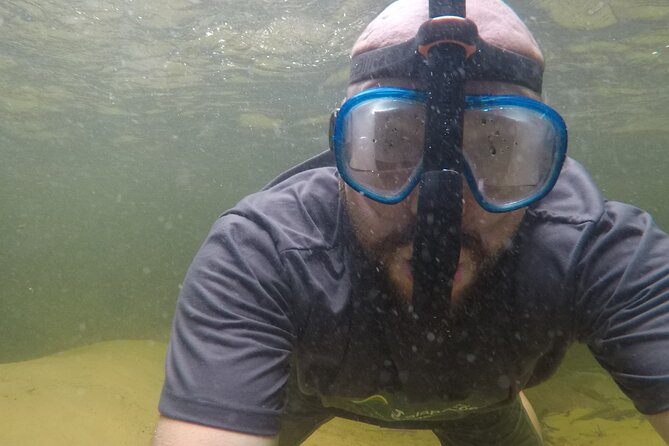
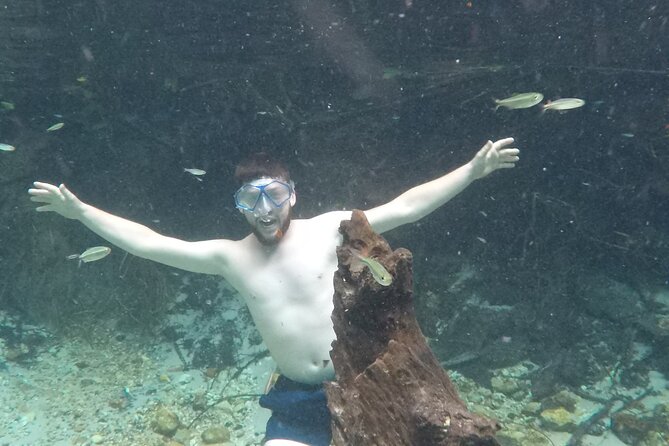
After lunch, the group continues to Lagoa do Japonês. The lagoon is known for clear water with emerald and blue tourmaline tones, a sharp contrast with the orange soil and dry rock around it. You have about two hours here, with admission included, before returning to Ponte Alta in the late afternoon.
This is one of the best stops for anyone who enjoys swimming and seeing underwater rock formations. One useful tip comes from the experience itself: bring your own snorkel and mask if you have them, and take care around stones in the rivers and lagoon. The water can look inviting enough to make you forget that rocky footing still matters.
Dinner is planned around 8 pm in Ponte Alta. The day is full, but it is not yet the hardest driving day.
Sussuapara Canyon, Rio Novo, and the Jalapão dunes

Day three crosses from the Portal do Jalapão into its central area, with roughly 190 kilometers of dirt road. This is the day when the 4×4 format becomes more than a transport detail. The road takes time, and you should expect movement, dust, and a long stretch between major stops.
The reward comes first at Sussuapara Canyon, a shaded sanctuary where water drips down the rock walls. The description that it always seems to be raining captures the mood well. You have about two hours to look around, cool off, and enjoy a completely different setting from Pedra Furada.
Around noon, the route reaches the Rio Novo Quilombola Community. Here you take part in a paçoca de carne seca experience, a traditional preparation made with dried meat. The stop lasts about three hours, including rest time and a visit to a small beach with drinkable water.
This is a valuable part of the program because it connects food to place. You are not simply being driven from one scenic stop to the next. You get a look at community life and a local dish, then time beside the river. Lunches served through the communities are managed by local families, so the money and attention go beyond the larger tour operation.
Late in the day, the group reaches the Dunas do Jalapão. The dunes glow in warm orange and gold, and the setting is especially good near sunset if weather and timing cooperate. You then continue to an inn in Mateiros for dinner around 8 pm.
The dunes are one of Jalapão’s most recognizable views, but the long road beforehand shapes how you experience them. If you want a relaxed afternoon, this is not that kind of route. If you are happy to work for a sunset in an unusual place, the payoff is strong.
Four fervedouros and the floating-water trick
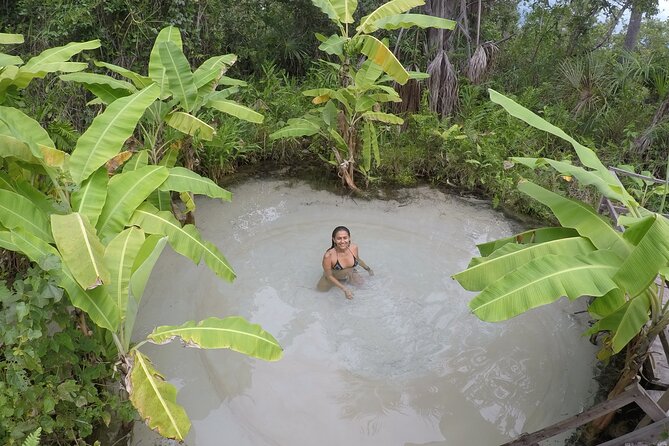
Day four is devoted to fervedouros, the spring pools that make Jalapão famous. Their water pressure pushes upward from below, allowing you to float instead of sinking. The route uses a gradual order, moving from weaker to stronger pressure.
You begin at Fervedouro Encontro das Águas, with about one hour at each spring. Then come Buritizinho, Buriti, and Ceiça. All entrance fees are included.
Buritizinho is described as the best for photographs, so have your camera ready before entering the water. Fervedouro do Buriti belongs to Lino’s family, whose relatives are native to the region. That detail gives the stop a personal connection, rather than making it feel like a series of identical pools.
Fervedouro do Ceiça is the oldest of the group to open to the public. It is known for its singular beauty and strong floating sensation. The one-hour visits keep the day moving, but they also mean you will not have unlimited time at any one spring.
I like the decision to visit several fervedouros because each has a different setting and water pressure. You should follow the guide’s timing and local rules, since these springs are fragile and access needs to be managed. If you want to take photos, protect your equipment carefully around water and allow time for everyone in the group to have a turn.
Same patch of Brazil, a completely different sort of day:
- Rafting – Brotas – Rio Jacaré Pepira
★ 5.0 · 3,814 reviews - Full Day: Christ Redeemer, Sugarloaf, City Tour & Barbecue Lunch
★ 4.5 · 3,142 reviews - Rio de Janeiro: Rocinha Favela Walking Tour with Local Guide
★ 4.8 · 3,052 reviews - Rio de Janeiro: Sugarloaf Cable Car Official Ticket
★ 4.6 · 2,873 reviews
A 4 am sunrise at Serra do Espírito Santo
Day five begins before dawn. At 4 am, the 4×4 heads toward Serra do Espírito Santo, where a clear sky can reveal a wide field of stars before sunrise. The climb is about 750 meters and is rated medium to difficult.
The distance is short, but do not confuse short with easy. The grade makes the ascent challenging, and the darkness adds another layer of effort. The reward is the sunrise from the top, followed by a return to the inn around 8 am for breakfast.
This is the route’s most demanding morning, and it will suit you best if you enjoy outdoor walks and dramatic dawns. If you have trouble with early starts or uphill walking, ask for a clear explanation of the climb before you commit. Admission to Serra do Espírito Santo is not included, unlike most other stops.
After breakfast, you head to Formiga Waterfall. Its clear water offers a welcome rest after the climb, and the visit lasts about two hours. This is the kind of stop where you can slow down, swim, and let the exertion of the morning fade.
Fervedouro Macaúbas follows, with another hour in the water. The setting offers a different feeling from the previous springs, which is why seeing several fervedouros does not feel entirely repetitive.
Lunch takes place at the Prata Quilombola Community. The association is managed by local families, with a different family preparing each lunch. You also get coffee with brown sugar, a small detail that helps make the meal feel tied to the people serving it.
The final water stop is Fervedouro Bela Vista, the largest and best known in Jalapão. You have about an hour before returning to the inn for dinner around 8 pm. After the 4 am start, this is another long day, but it ends with one of the area’s signature springs.
Rafting, Araras Waterfall, and the road back
Day six offers an optional rafting trip with Natos Jalapão Rafting. It is rated easy and begins with equipment fitting and instructions at 8:30 am. The boat enters the river at 9 am, and the activity ends around 11:30 am at Praia das Araras.
The route includes a 12-kilometer river stretch. The rafting entrance is about 18 kilometers from São Félix and is reached after driving roughly 10 kilometers from town. The activity fee is not included, so budget for it separately.
The schedule says rafting does not alter the rest of the itinerary and can also be done the night before. That flexibility is useful, especially because the day also includes a final fervedouro and waterfall. Ask the operator to confirm the exact timing if you want to add it.
After breakfast, the group visits Fervedouro do Alecrim, described as the oldest fervedouro in São Félix. Then comes Cachoeira das Araras, the farewell to Jalapão’s waters. The waterfall visit is listed as only two minutes, which likely means a brief stop rather than a long swimming session, so do not expect another extended bathing break here.
At about 3 pm, the vehicle passes Morro da Catedral for photographs. You return to Palmas in the late afternoon, with dinner free that evening. The final night in Palmas is useful because it avoids pairing a long return drive with an immediate airport departure.
What the price includes and what it means
At $1,239.56 per person, the package is not a bare-bones transfer service. It includes two nights in Palmas, four accommodations in Jalapão, airport transfers, a shared air-conditioned 4×4, a local environmental driver, accident insurance, water for hydration, entrance fees to the listed attractions, five lunches, six breakfasts, and four stays connected with quilombola communities.
That bundle gives the price real value if you want one organized route through a remote area. The accommodation and meals reduce the need to arrange separate bookings across several towns, while the vehicle and guide solve the hardest transport problem.
The price does not include airfare, personal expenses, bilingual Portuguese and English guiding, rafting, or admission to Serra do Espírito Santo. The bilingual guide must be contracted separately, so English-speaking visitors should settle that point before paying. A maximum of 12 people keeps the shared format reasonably small, though the exact feel will depend on the group.
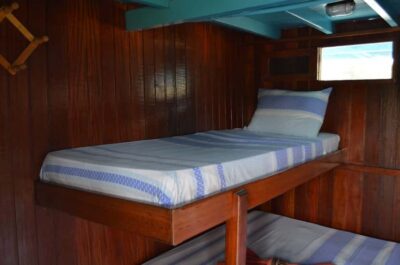
The package’s strongest value is its access to local communities and a series of fervedouros, not luxury. The guesthouses and homemade food receive strong praise, but you should choose this trip for nature, cultural contact, and logistics in a difficult-to-reach region rather than for polished resort comfort.
Food, guides, and the human side of the route
Food is a repeated strength. The program includes community lunches, paçoca de carne seca, coffee with brown sugar, and meals described as homemade. That matters in Jalapão because food is part of the cultural experience, not just fuel between long drives.
Guide quality also affects this route more than usual. The schedule puts you in a vehicle for long periods, and a calm, patient guide can make a major difference. Raweverton is praised for attentive service and clear information. Tato is described as polite, patient, fun, and always willing to help.
Naldera receives especially warm praise for explaining nature and the communities along the route, while also taking excellent photographs. Jelke is praised for professionalism, and rafting guides Bodinho and Jadson receive strong approval for their work on the river. Guide assignments can vary, so treat these names as examples of the team rather than a guarantee of who will lead your departure.
The company also receives high marks for assistance from Henry and Michelle before and during the trip. That kind of communication is useful when an expedition includes flight transfers, remote roads, shared rooms, meal timing, and optional activities.
Who should book this Jalapão expedition?
I would choose this tour if you want the major natural sights without arranging a remote Brazilian route on your own. It suits people who enjoy swimming, short hikes, long 4×4 days, local meals, photography, and a schedule that starts early and keeps moving.
It is also a good fit if you want more than postcard scenery. The quilombola community visits, family-run lunches, and local guide commentary give the route a cultural purpose.
I would hesitate if you need soft beds, flexible mornings, or quick transfers. The 190-kilometer dirt-road day, the 4 am sunrise, shared transport, and medium-to-difficult climb require stamina. People prone to motion sickness should plan ahead, since one participant needed medication for kinetosis, although the guide team was praised for its patience.
Most people can participate, and the group limit is 12. Still, you should ask about the hiking conditions and the separate Portuguese and English guide cost before booking.
FAQ
How long is the Jalapão experience?
The trip lasts approximately seven days. It includes two accommodations in Palmas and four accommodations in Jalapão, followed by a transfer back to Palmas on day six and airport transfer on day seven.
Where does the tour begin?
The experience begins in Palmas, Tocantins. The operator provides airport pickup and transfers to the Select Hotel at an agreed time.
How many people can join the group?
The maximum group size is 12 people.
Is transportation included?
Yes. The package includes a shared, air-conditioned 4×4 vehicle, airport and hotel transfers, and a local environmental driver.
Is rafting included in the price?
No. The three-hour Natos Jalapão rafting activity has a separate entrance fee. It is rated easy and can be scheduled without changing the rest of the route.
Are meals included?
The package includes six breakfasts and five lunches. It also includes community meals connected with the quilombola visits. Dinners and personal expenses are not listed as included.
Should you book it?
Book this expedition if you want Jalapão’s best-known waters, dunes, canyon, waterfall, sunrise, and community experiences in one organized route. The price makes sense when you count the 4×4 transport, accommodations, meals, entrance fees, insurance, airport transfers, and local guiding.
Before booking, confirm the bilingual guide cost, the first morning’s breakfast timing, and the separate fees for rafting and Serra do Espírito Santo. If you can handle rough roads and an early alarm, this is a well-rounded way to see Tocantins, with enough local contact to make the trip feel like more than a string of scenic stops.
The cancellation terms are strict close to departure: a full refund requires cancellation at least six full days ahead, while cancellations less than two days before the start receive no refund. That is worth checking before you finalize flights.
Newest reviews from around Brazil
- PRIVATE TOUR – Christ the Redeemer and Sugar Loaf★ 4.5 · 9 reviews
- Christ Statue and Sugarloaf Private Tour with a Photographer★ 5.0 · 9 reviews
- Cidade do Samba Behind-the-Scenes Carnival Tour in Rio de Janeiro★ 4.0 · 5 reviews
- Christ the Redeemer Trail x Lage Park★ 5.0 · 7 reviews
- Christ the Redeemer and City Tour★ 5.0 · 20 reviews
- Christ the Redeemer, Selaron Steps and Santa Teresa Half-day Tour★ 4.5 · 15 reviews
- Christ the Redeemer Adventure★ 5.0 · 12 reviews
- Private Tour of Christ the Redeemer in Rio de Janeiro★ 5.0 · 2 reviews
5-Day Experiences, compared.

5-day experience to Vale do Pati and Chapada Diamantina
Read our review →
5-Day Tour & Cultural Experience, All Included.
Read our review →
Browse the lists this tour appears in