
Reviewed · HIKING & TREKKING
Hiking in Little Africa
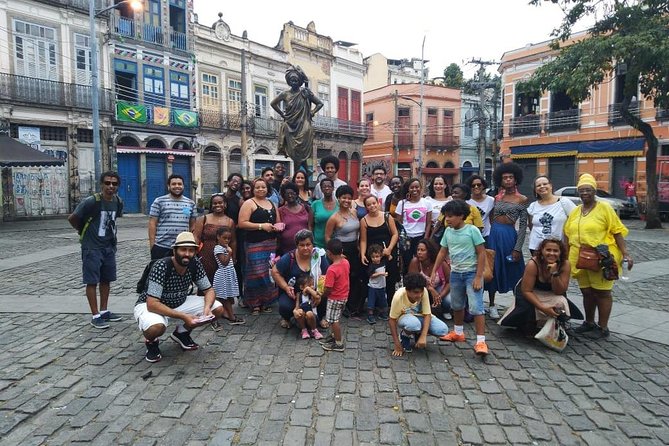
History walks best when the streets do the talking. This private Rio tour connects Little Africa with places tied to slavery, Afro-Brazilian culture, samba, and the city’s changing identity. I like the route because it visits important sites that many visitors miss, and I like that guide Wellington brings humor, energy, and a personal touch to difficult subjects. The main consideration is that the walk can last anywhere from two to four hours, so the exact pace and amount of time at each stop may vary.
You meet near AquaRio and finish by the Museum of Tomorrow, making this a useful way to connect Rio’s port area with Praça Mauá. The tour is offered in English and costs $54.93 per person. Since it is private, you can ask questions and adjust the pace, though one serious no-show incident means you should confirm the meeting details before setting out.
In This Review
- Key points at a glance
- Why Little Africa belongs on your Rio itinerary
- Starting in Saúde at Harmony Square
- Valongo Wharf and the weight of the port
- Gamboa, the Hanging Garden, and Morro da Conceição
- Pedra do Sal, where samba takes center stage
- Ending at Largo São Francisco da Prainha
- What Wellington adds to the walk
- Is $54.93 a fair price?
- Timing, walking, and weather
- Who should book this Little Africa walk?
- FAQ
- Where does the Hiking in Little Africa tour start?
- Where does the tour finish?
- How long does the experience take?
- Is the tour offered in English?
- Is this a private tour?
- What places are visited?
- Are admission tickets included?
- Is the tour suitable for most people?
- What happens if the weather is poor?
- Should you book it?
Key points at a glance
- A route through Little Africa: Walk from Saúde through Gamboa, Morro da Conceição, Pedra do Sal, and Largo São Francisco da Prainha.
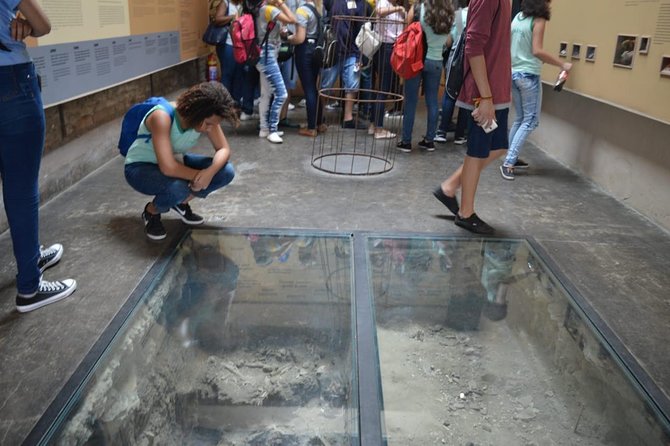
- A powerful historical focus: Visit the former Valongo Wharf, the New Blacks Museum, and sites tied to the lives of enslaved Africans and their descendants.
- Wellington is a major asset: His humor, energy, clear communication, and willingness to adapt received especially strong praise.
- A private English-language experience: Only your group participates, which gives you room to ask questions and set the walking pace.
- A practical port-area finish: The tour ends near restaurants and bars serving Afro-Brazilian food.
- Weather matters: Poor weather can lead to a new date or a full refund, while cancellations within 24 hours are not refundable.
Why Little Africa belongs on your Rio itinerary
Rio is often introduced through beaches, mountains, samba shows, and grand viewpoints. Those are all part of the city, but they do not tell the whole story. The port district reveals how African people shaped Rio’s labor, religion, music, food, and street culture.
Little Africa, known in Portuguese as Pequena África, is especially important because it connects several parts of that story within a compact area. The route moves through Saúde and Gamboa before reaching Pedra do Sal and Largo São Francisco da Prainha. You are not simply checking off monuments. You are following a chain of places linked to forced migration, resistance, cultural survival, and the growth of samba.
I appreciate the tour’s focus. It does not treat Afro-Brazilian culture as a decorative side note. The places here are central to understanding Rio. At the same time, this is a walking experience about memory and historical injustice, not a light sightseeing stroll. Some stops can feel solemn, and you should give yourself room to listen.
The route begins at AquaRio, near Via Binário do Porto, and ends at the Museum of Tomorrow in Praça Mauá. That makes the tour easy to combine with other port-area sights, but you should plan your day around the walk rather than squeezing it between distant attractions.
More Hiking Tours in Rio de Janeiro
- Rio de Janeiro Tijuca Rainforest Hike with Waterfalls and Caves
★ 5.0 · 1,082 reviews - Explore the Best of Tijuca Forest – Hike to Peaks, Caves & Falls
★ 5.0 · 713 reviews - Rio: Tijuca Forest Small Group Hike to Caves and Waterfalls
★ 4.9 · 536 reviews
Starting in Saúde at Harmony Square
The opening section begins in Saúde, where the tour passes through Harmony Square. This gives you a first look at the old port district before the more difficult historical sites appear.
The area helps set up the central theme: Rio was shaped by people who arrived under very different circumstances, and the port was a major part of that story. Your guide can help connect the streets around you to the broader history of the district.
The New Blacks Museum, or Museu dos Pretos Novos, is one of the most serious stops. A clandestine cemetery for enslaved Africans was discovered here. That fact alone changes the way you read the surrounding streets. This is not a conventional museum visit built around grand displays. Its importance comes from the evidence of people whose lives were denied proper burial and public remembrance.
I would approach this stop with patience. It may be emotionally difficult, and the value lies in understanding what the site represents. The admission ticket is included at no extra charge, according to the tour details.
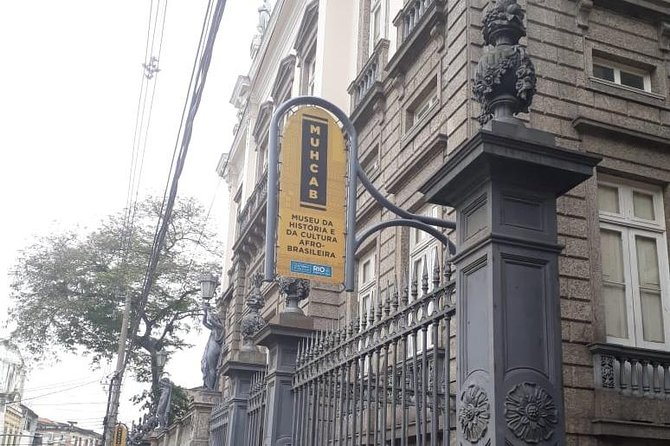
The route then continues to the Museum of Afro-Brazilian Art and Culture. Its place in the walk matters because the tour moves from historical suffering to cultural expression. African influence in Brazil did not disappear under slavery. It continued through art, belief, music, food, language, and community life.
The first hour is listed for Saúde. That is a useful guide, but your actual timing can depend on questions, walking speed, and how the museums are handled on the day.
Valongo Wharf and the weight of the port
Valongo Wharf is the historical center of the tour. It was a landing point for enslaved Africans brought to Rio, and it has since become a UNESCO World Heritage site.
The site carries a difficult contrast. The waterfront area is part of a modern port district, yet beneath its public spaces is a story of people being bought, sold, and forced into labor. The physical remains are not grand in the usual sightseeing sense. Their power comes from what happened there and from the effort to preserve that memory.
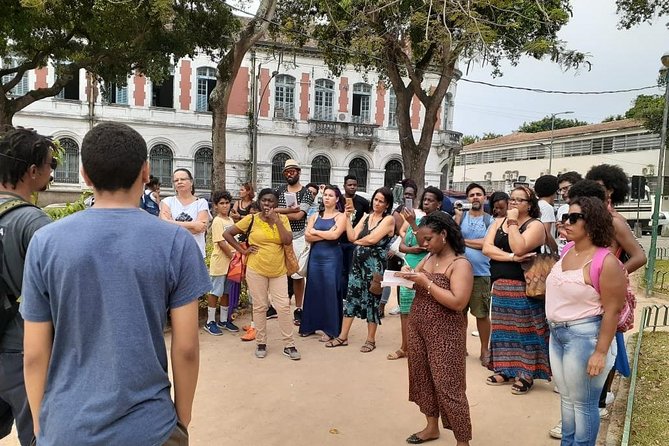
A guide is especially useful here. Without context, you might walk past the site and see only an archaeological area. With Wellington, you can ask questions and place Valongo within Rio’s wider development. His presentation has been praised for being informative, personable, honest, and energetic. Those qualities matter at a place where a dry recitation of dates would miss the point.
The tour’s description compares Valongo’s UNESCO status with Auschwitz and Hiroshima. The comparison is meant to underline the site’s importance as a place of public memory. Still, you may prefer to consider Valongo on its own terms, as a direct record of the Atlantic slave trade and its impact on Brazil.
This is one of the best reasons to choose a private tour. You are not locked into a large group’s pace. If you want to pause, ask about the site, or take a moment before moving on, the format should make that easier.
Gamboa, the Hanging Garden, and Morro da Conceição
The second major section takes you into Gamboa. Here, the tour visits the Hanging Garden before continuing toward Morro da Conceição.
The Hanging Garden is connected in the tour’s interpretation to the process of whitening Rio. That phrase points to a period when city planning and social policy favored European standards and sought to change the character of the city. The stop offers a chance to discuss how urban spaces can reflect power, class, and race.
This part may be less immediately clear than a museum or archaeological site. You may not see a single object that explains the entire story. Instead, the guide’s explanation gives the place meaning. I would listen closely and ask Wellington to clarify how the site connects to Rio’s wider urban changes.
Morro da Conceição marks a shift in the route. It is described as a place that separates the city center from Rio’s suburbs. That makes it useful geographically as well as historically. You begin to understand how the port, central city, and outlying neighborhoods relate to each other.
The Gamboa section is listed at about one hour. The entire route is described as taking two to four hours, so do not treat the published stop times as a rigid schedule. A private activity can move faster or slower depending on your interests and the guide’s approach.
Same patch of Brazil, a completely different sort of day:
- Rio de Janeiro: 6-Stop Highlights of Rio with Lunch
★ 4.4 · 5,157 reviews - Christ the Redeemer Entry Ticket by Corcovado Train
★ 4.4 · 4,476 reviews - Rio’s City Tour – Tickets for Christ, Sugar Loaf & Lunch included
★ 5.0 · 4,389 reviews - Full Day: Christ Redeemer, Sugarloaf, City Tour & Barbecue Lunch
★ 4.5 · 3,142 reviews
Pedra do Sal, where samba takes center stage
Pedra do Sal is the tour’s liveliest historical stop. It is known as the cradle of Rio samba and carries a large body of Afro-Brazilian history.
This is where the walk connects directly with music. Samba is not just a soundtrack added to Rio’s image. It grew from Afro-Brazilian communities and became a major expression of identity, creativity, and social life. Pedra do Sal helps place that story in a real location.
The stop is scheduled for about 30 minutes. That may sound brief, but it can work as a focused visit near the end of the route. You can ask about the area’s connection to samba and how it fits with the earlier sites in Saúde and Gamboa.
Pedra do Sal also changes the emotional rhythm of the walk. Earlier stops deal more directly with enslavement, burial, and historical erasure. Here, the emphasis turns toward cultural endurance and celebration. The two themes belong together. Understanding the hardship makes the survival of music and community even more meaningful.
If samba is your main interest, you should be clear about that before the walk begins. The tour has a broad historical focus, so it is not presented as a dedicated music tour. Still, Pedra do Sal gives the route a strong cultural finish before the final stop.
Ending at Largo São Francisco da Prainha
The walk ends at Igreja de São Francisco da Prainha, in Largo São Francisco da Prainha. This is a practical finish because the square has restaurants and bars serving typical Afro-Brazilian food.
I like tours that end somewhere useful rather than leaving you at an anonymous street corner. After several hours of history, you can continue the conversation over a meal or drink. The food options also extend the tour’s theme into everyday culture.
The ending is not presented as a formal meal or tasting, so food is not included in the $54.93 price. You should treat the restaurants and bars as suggestions for what to do afterward, not as part of the paid experience.
The official endpoint is near the Museum of Tomorrow at Praça Mauá, in front of the museum’s main entrance. That is separate from the final church stop in the route description, so I would confirm exactly where the walk ends on your date. The two locations are in the same port area, but precise instructions matter when you are meeting a guide or planning your next activity.
What Wellington adds to the walk
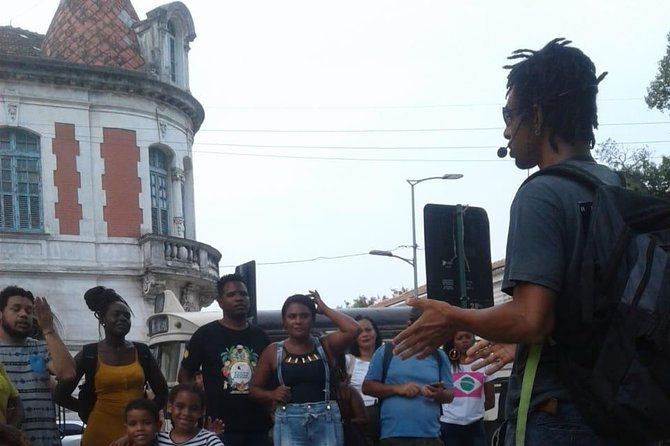
Wellington is the name to know for this experience. His strongest qualities are his communication, humor, energy, and ability to explain Little Africa in a way that feels personal rather than mechanical.
He has also shown flexibility when schedules change. On one occasion, Carnival shortened the normal tour, and he offered to show additional sights instead. That kind of adjustment can make a difference if your visit falls during a busy festival period.
Another positive sign is the way he handled a guest with a tight schedule. He was willing to accommodate the timing while still sharing the important parts of the route. For a private tour, that is exactly the sort of service you want.
There is one important warning. One booking resulted in a no-show, with the customer waiting for 40 minutes after arriving early. The provider later apologized and said a refund would be issued, explaining that a stolen phone and delayed replacement had caused missed communications. That explanation may be understandable, but it does not erase the disruption.
I recommend confirming the meeting point and time shortly before the tour. The official start is at AquaRio, Praça Muhammad Ali, on Via Binário do Porto. Since the endpoint information includes the Museum of Tomorrow, make sure you and Wellington are using the same location details.
Is $54.93 a fair price?
At $54.93 per person, the value depends less on admission tickets and more on the guide. The stops list free admission, so you are paying for Wellington’s time, interpretation, route planning, and the private format.
That can be fair if you want a focused introduction to Afro-Brazilian history and prefer to ask questions as you go. A private tour also avoids the compromises of a large group. You do not need to wait for strangers, and the pace can be adjusted to your interests.
The price is less compelling if you only want a quick walk through the port district or plan to explore the same area independently. The tour does not include meals, and the duration is not fixed beyond the approximate two-to-four-hour range.
I see the strongest value for first-time visitors who want context. You pay for someone to connect places that might otherwise feel scattered. The walk is also a good fit for repeat visitors who have already seen Rio’s famous sights and want a more serious look at the city.
Timing, walking, and weather
The experience lasts about two to four hours. The route includes several neighborhoods and is described as a hike, so comfortable walking shoes are sensible. The information does not specify the exact difficulty, elevation, or amount of shade, so ask the provider if those details matter to you.
The tour is offered in English and uses a mobile ticket. It is near public transportation, which helps with reaching the port district. The start and finish are both in central Rio’s port area, but you should allow time to locate AquaRio and the guide.
Most people can participate, and service animals are allowed. Because the tour is private, only your group takes part. That setup suits families, couples, and small groups who want a flexible pace, though the subject matter may be better suited to older children who can engage with difficult history.
The experience requires good weather. If poor weather causes cancellation, you can choose another date or receive a full refund. You can cancel for a full refund up to 24 hours before the start time. Inside that 24-hour window, the payment is not refunded and changes are not accepted.
Who should book this Little Africa walk?
I would choose this tour if you want Rio explained through African and Afro-Brazilian experience rather than only through famous landmarks. The New Blacks Museum, Valongo Wharf, Pedra do Sal, and the Afro-Brazilian museum give the route a clear purpose.
It is also a good choice if you value a guide who can adjust the day. Wellington’s willingness to accommodate a tight schedule and adapt around Carnival is a real advantage.
I would think twice if you need a guaranteed, tightly timed itinerary or if a missed meeting would seriously affect your day. Confirming the appointment is especially important because of the reported communication problem.
FAQ
Where does the Hiking in Little Africa tour start?
It starts at AquaRio, at Praça Muhammad Ali on Via Binário do Porto in Gamboa, Rio de Janeiro.
Where does the tour finish?
The listed endpoint is the Museum of Tomorrow at Praça Mauá, in front of the museum’s main entrance.
How long does the experience take?
The tour lasts approximately two to four hours. The listed stops add up to about three hours, but the private format may allow the pace to vary.
Is the tour offered in English?
Yes. The experience is offered in English.
Is this a private tour?
Yes. Only your group participates in the activity.
What places are visited?
The route includes Saúde, Harmony Square, the New Blacks Museum, the Museum of Afro-Brazilian Art and Culture, Valongo Wharf, Gamboa, the Hanging Garden, Morro da Conceição, Pedra do Sal, and Igreja de São Francisco da Prainha.
Are admission tickets included?
The listed stops have free admission, so there are no separate entrance fees shown for this route.
Is the tour suitable for most people?
Most people can participate, and service animals are allowed. The available information does not provide a specific difficulty rating for the walk.
What happens if the weather is poor?
If poor weather causes cancellation, you will be offered another date or a full refund. You can also cancel at least 24 hours before the start time for a full refund. Cancellations within 24 hours are not refundable.
Should you book it?
Book this walk if you want a meaningful look at the African foundations of Rio and prefer a private English-speaking guide. Wellington’s humor, energy, and flexibility add real value, while the route links serious historical sites with samba and Afro-Brazilian food culture.
The tour is not the best pick for a rushed sightseeing checklist, and you should confirm the meeting details before the day. For most visitors who want to understand Rio beyond its postcard views, though, Little Africa offers a worthwhile and thought-provoking half-day.
Newest reviews from around Rio de Janeiro
- Hang gliding flight in Rio de Janeiro★ 5.0 · 6 reviews
- Rio de Janeiro: Zip Lining and Canopy Tree Tour★ 3.3 · 6 reviews
- Vidigal Favela Tour★ 4.4 · 26 reviews
- Rio de Janeiro: Attend a Vasco da Gama game with local guide★ 4.8 · 9 reviews
- Unforgettable Boat Party★ 5.0 · 3 reviews
- Parapente Rio de Janeiro★ 5.0 · 4 reviews
- Rio de Janeiro Private Tour with Cruise Terminal Pick-up★ 5.0 · 2 reviews
- Wild Waters: Rio Whitewater Rafting Adventure Tour★ 5.0 · 13 reviews
Hiking & Trekking, compared.
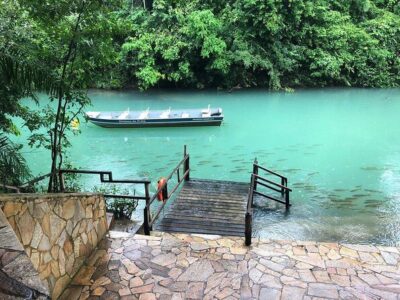
Skip the Line:Recanto Ecologico Rio da Prata Ticket including Trail & Snorkeling
Read our review →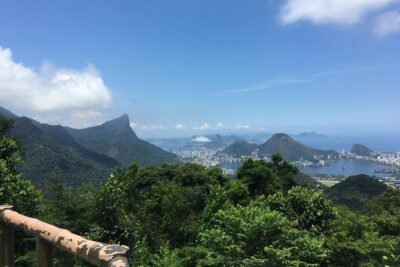
Rio de Janeiro Tijuca Rainforest Hike with Waterfalls and Caves
Read our review →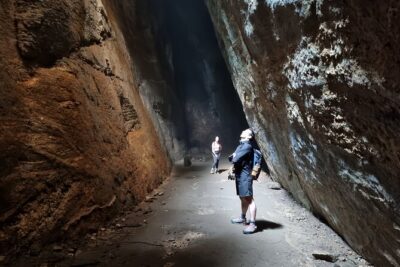
Explore the Best of Tijuca Forest – Hike to Peaks, Caves & Falls
Read our review →
Tijuca Forest Small Group Hike to Caves and Waterfalls
Read our review →
Pedra da Gávea hike, your best experience in Rio
Read our review →
Pedra do Telégrafo Hike and Beach Full-Day Tour
Read our review →
Jeep tour 18 beaches, Telegraph Stone hiking & amazing sunset + photographer
Read our review →
Hike through Secret Waterfalls in Foz do Iguaçu (Part-time – Morning)
Read our review →Browse the lists this tour appears in