
Reviewed · MARKETS
Guided Market Fruit Tasting in Rio with 15+ Exotic Flavors
Tropical fruit can tell a country’s story. This 2.5-hour market tour in Rio pairs 15 to 20 Brazilian fruits with a local guide who explains how they grow, taste, and fit into everyday life. You may meet familiar fruit in unfamiliar form, along with surprises such as jabuticaba, which grows directly on tree bark.
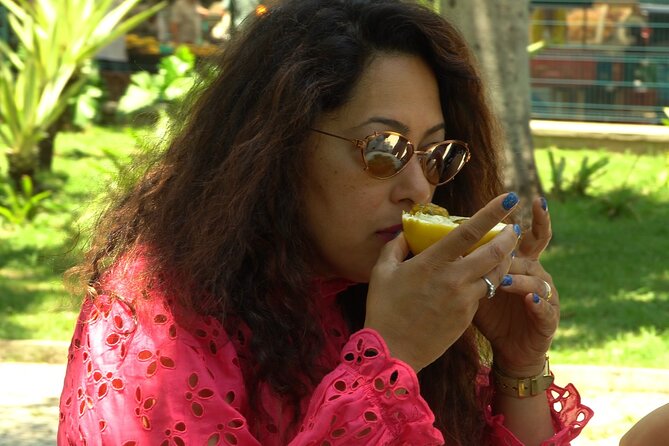
I like the real farmers’ market setting, where tasting connects with local shopping rather than a staged food show. I also like the small maximum of 15 people and the guides’ personal touch, with Erica helping guests shop and Caterina earning praise for making even Brazilian visitors curious. The main consideration is simple: this is a tasting and cultural walk, not a full meal, so you may want to buy extra food afterward.
In This Review
- Key details to know before booking
- Starting in Ipanema with a market in mind
- Tasting Brazil one fruit at a time
- Why the market setting matters
- Local guides make the difference
- Juices, nuts, and ingredients beyond the fruit
- The value of $49 per person
- Who will enjoy this most
- A practical plan for the morning
- Should you book this Rio fruit tour?
- FAQ
- Where does the fruit tasting begin?
- What time does the tour start?
- How long does the experience last?
- How many fruits are included?
- Are juices and nuts included?
- Can I buy additional food at the market?
- What is the cancellation policy?
Key details to know before booking
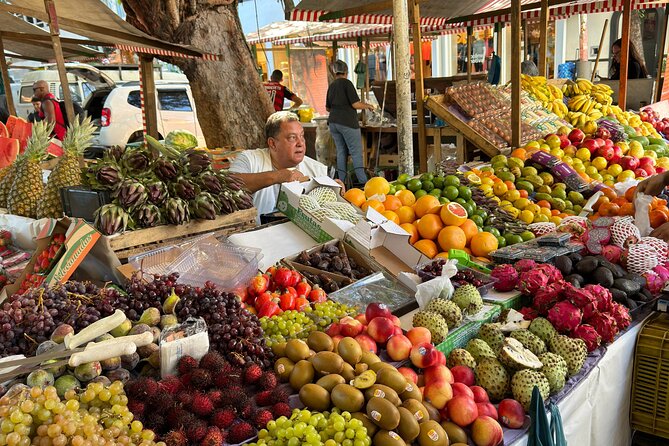
- More than 15 Brazilian fruits: Expect a guided tasting of 15 to 20 fruits, depending on what is available at the market and the season.
- A 10 a.m. start in Ipanema: The tour begins and ends at its Ipanema meeting point, making it easy to fit into a morning in Rio.
- A genuine market visit: You walk through a working farmers’ market and can purchase additional fruit, drinks, nuts, or sweets at your own expense.
- Fruit with a story: Learn about açaí, jabuticaba, cashew apples, local juices, native ingredients, and regional food habits.
- A small group: The maximum group size is 15 people, which should make questions and one-on-one help more manageable.
- Strong guest satisfaction: The experience has a five-star rating from 68 reviews, with 100 percent recommending it.
Starting in Ipanema with a market in mind
The experience begins at 10 a.m. in Ipanema and returns to the same meeting point after about two and a half hours. That fixed start is useful if you want a planned morning activity before lunch, a beach visit, or another Rio outing.
Your guide leads you into a real farmers’ market rather than a museum or restaurant. That matters because the setting gives the fruit some context. You are not only presented with cut pieces on a plate. You can see the produce being sold, notice what else local shoppers buy, and ask questions while moving through the stalls.
The group limit is 15 people. That is not a private tour, but it is small enough to keep the tasting from feeling like a crowd gathered around a demonstration table. The experience has been led by guides including Hay Za, Caterina, and Erica. Their approach appears to be warm and generous, with Erica also helping people choose items to buy during the market walk.
You should arrive ready to walk and stand for much of the activity. The meeting point is near public transportation, which makes the start more practical for visitors staying in or around Ipanema. The exact market route and fruit selection can change, so think of the tour as a guided introduction to what is available that day.
More Food Tours in Rio de Janeiro
- Rio: Pub Crawl in Lapa with Cachaça Tasting and Live Samba
★ 4.7 · 881 reviews - Sunset Boat Tour with Beer, Water, Soda and Snacks included
★ 5.0 · 227 reviews - 3-Hour Tasting Session in Rio with 33 Foods Brazilians Love
★ 5.0 · 220 reviews
Tasting Brazil one fruit at a time
The main event is a tasting of 15 to 20 exotic Brazilian fruits. That number is large enough to make the tour feel like a food expedition, but the real value comes from the explanations between bites.
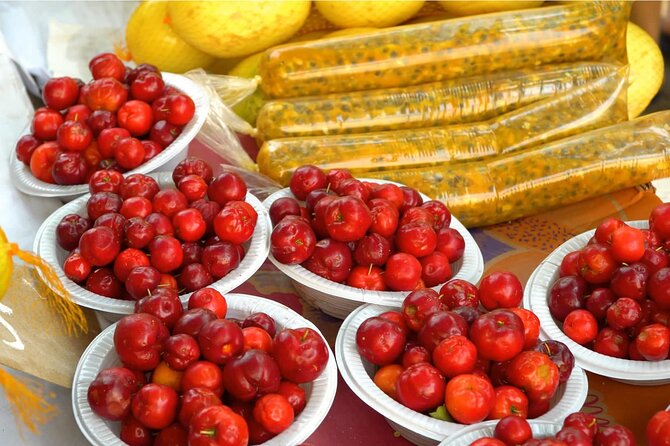
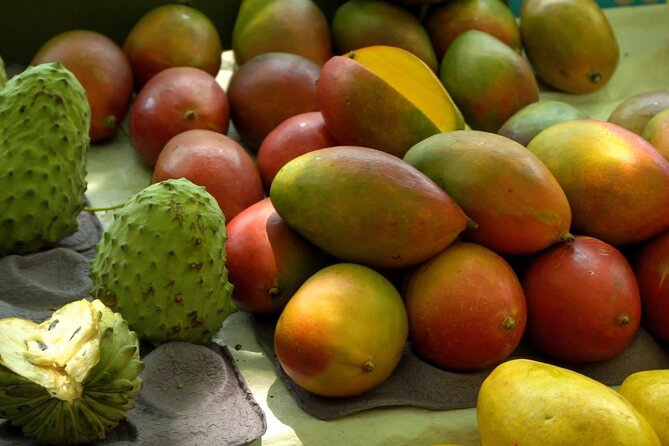
Some fruits may be familiar, such as mango, pineapple, coconut, avocado, or citrus. Others may be completely new to you. The experience is designed to show how different fruits can be used and why they matter in different parts of Brazil, not simply to hand you a list of unusual flavors.
Açaí is one example. Many visitors know it through sweetened bowls served outside Brazil, but the tour connects it with its Amazonian roots and its role as a source of energy. That regional link helps you understand the ingredient beyond the familiar tourist version.
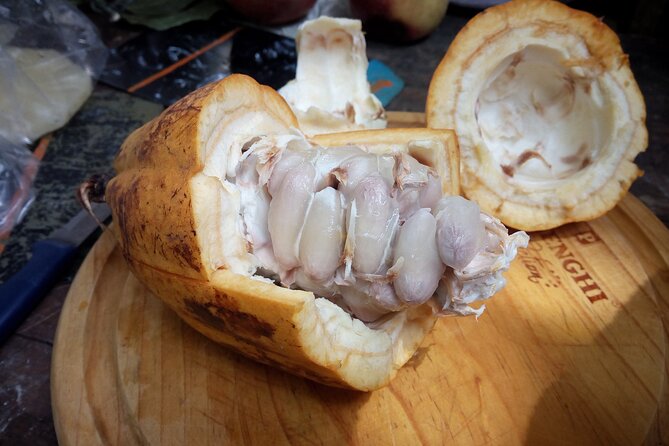
Jabuticaba is another memorable subject. Its unusual feature is that the fruit grows directly on the tree bark. That alone makes it a good market discovery and an excellent reason to keep your camera ready, but the guide also gives the fruit a place in Brazilian food culture.
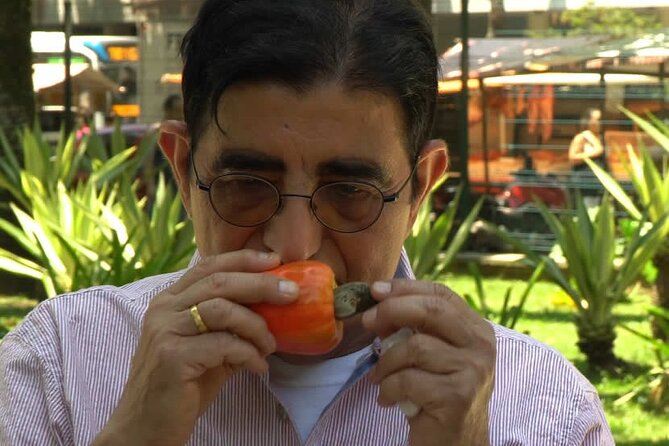
Cashew apples add another useful lesson. The nut is familiar around the world, but the fleshy fruit attached to it is also used in sweets and liqueurs. This is the kind of detail that changes how you look at an ordinary market stall. A fruit is no longer just something to taste. It becomes part of a chain of cooking traditions and local habits.
The taste itself is personal. One fruit may be floral, sour, creamy, earthy, or intensely sweet. You do not need to enjoy every sample to get value from the experience. In fact, the range of reactions is part of the fun, especially if you enjoy comparing flavors with other people in the group.
Why the market setting matters
A guided tasting in a market gives you two experiences at once. First, you receive a structured introduction to Brazilian fruit. Second, you get a chance to see what else is sold and ask for help making your own purchases.
That second part is important. The tasting covers the included samples, juices, nuts, and native ingredients, but anything else you want to eat or drink costs extra. This is not a weakness if you see it as a chance to customize the morning. You can buy a favorite fruit, take home a sweet, or choose another market item after you know what appeals to you.
The market also helps keep the experience grounded. Instead of hearing broad claims about Brazil’s food culture in a formal room, you encounter ingredients in a place where people actually buy them. You can look around, compare products, and notice the good market energy that one guest described.
Still, you should not expect a long, free period to shop independently during the guided portion. The tour has a set duration and a tasting plan. If you want time to browse every stall, build that into your schedule after the activity, not before it.
Local guides make the difference
The strongest part of this experience appears to be the guides. Hay Za has been praised for being sweet and well informed while presenting fruits that were both familiar and new. Caterina helped guests try a wide range of samples and explained what Brazilians like to eat.
Erica’s approach was especially useful for people who wanted more than a tasting. She provided local context, answered questions, and helped with market shopping. That combination is valuable because food tours can sometimes give you facts without helping you use them. Here, guidance at the stalls can make it easier to decide what to buy.
The guide’s role is also important when the season affects the selection. One group tasted 18 exotic fruits during autumn, which suggests the staff makes a real effort to find variety even when conditions are less generous. The precise number and selection may change, though, so the advertised range of 15 to 20 is best understood as a target rather than an absolute promise of identical samples every day.
The current five-star rating from 68 reviews and a 100 percent recommendation rate point to consistent satisfaction. That does not mean every fruit will suit every palate, but it does suggest that the guide’s warmth, organization, and ability to explain the food are central strengths.
More Shopping Tours in Rio de Janeiro
- Rio’s Cookin’ Good: 9-Dish & Caipis Fiesta + Optional Market Tour
★ 5.0 · 876 reviews - Christ, St. Teresa, Selaron & Farmers Market. 6 Hours Tour.
★ 5.0 · 13 reviews - Private Street Food tour Adventure: With a Local Street Market!
★ 5.0 · 9 reviews
Juices, nuts, and ingredients beyond the fruit
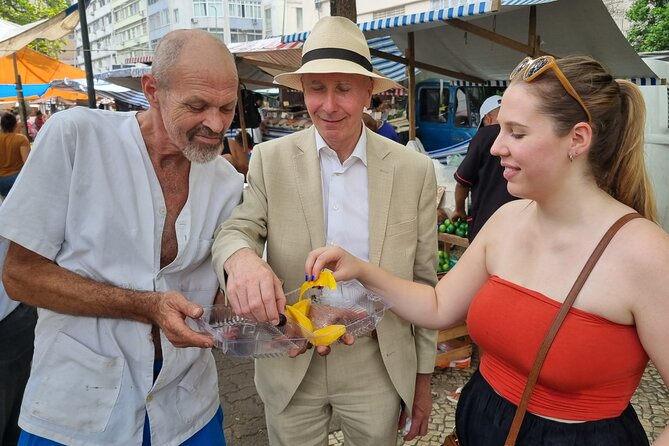
The tasting is not limited to fresh fruit. You also sample local juices, nuts, and native ingredients. This broadens the experience from a produce lesson into a short introduction to the way Brazilian flavors appear in drinks and prepared foods.
Juices can show how a fruit changes when its texture and sweetness are altered. Nuts provide a different texture and a savory counterpoint. Native ingredients may connect the market stall to home cooking, sweets, or regional drinks.
The included food is enough to make the tour feel varied, but it is wise to keep lunch plans flexible. The experience is not described as a complete meal, and the tasting may leave you interested in buying more. I would plan a proper meal later rather than treat the tour as breakfast and lunch combined.
You may also find that the market is the best place to pick up a small edible souvenir. Since extra purchases are not included, bring a payment method suitable for the market and leave room in your budget for anything that catches your eye. The tour can help you avoid buying blindly because you will have already tasted some of the choices.
The value of $49 per person
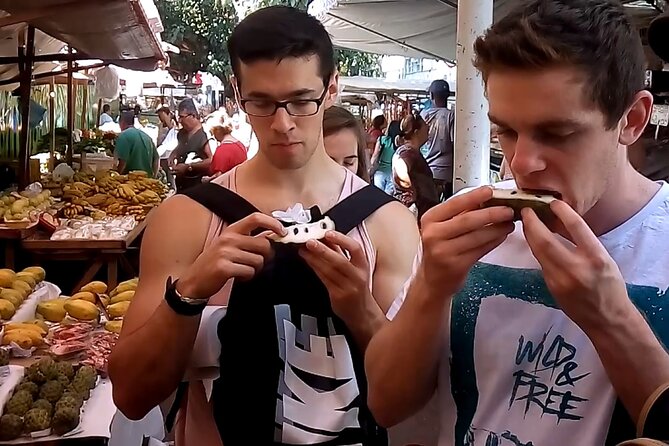
At $49 per person, the price covers about two and a half hours, a guided tasting of 15 to 20 fruits, local juices, nuts, native ingredients, and a walk through a functioning market. The value depends on how much you want from the guide.
If you simply want to sample fruit, you could spend less by shopping on your own. But you would miss the explanations about açaí, jabuticaba, cashew apples, regional identity, and Brazilian eating habits. You would also have to identify the produce, decide what to try, and manage the tasting without local help.
For food-focused visitors, the price is easier to justify because it combines access, interpretation, and shopping advice. For families and small groups, the chance to try many items without buying a full portion of each can also make sense. The group limit of 15 keeps the cost below a private tour while allowing more personal attention than a large excursion.
The extra-purchase policy should be part of your calculation. The included tasting is covered, but any additional fruit, food, or drink is yours to pay for. That is a useful arrangement if you want control over spending, but less appealing if you expect every market treat to be included.
Who will enjoy this most
I would recommend this experience to people who plan trips around food, especially visitors who want a first look at Brazilian produce without spending a full day on a cooking class or food crawl.
It suits you particularly well if you:
- Like trying unfamiliar flavors
- Want local context rather than a simple list of ingredients
- Enjoy farmers’ markets and casual walking tours
- Prefer a small group to a large bus excursion
- Want help choosing extra market purchases
- Are happy with a tasting rather than a full sit-down meal
It also works for curious families, although the supplied information does not specify a minimum age or child pricing. If you are traveling with children, confirm those details before booking.
This may be less suitable if you dislike fruit, have strict dietary concerns, or want a polished restaurant setting. The experience centers on what the market can provide that day, so it is better for flexible eaters than for anyone expecting a fixed menu.
Service animals are allowed. The activity is near public transportation, but the information does not specify the exact walking distance, stall layout, or facilities. If you need detailed mobility information, ask the operator before reserving.
A practical plan for the morning
The 10 a.m. start gives you time to reach Ipanema without turning the morning into a rushed sprint. Since the activity ends back at the meeting point, you can continue exploring from the same area afterward.
Wear comfortable shoes for a market walk and bring a little space in your schedule. The tour lasts approximately two hours and 30 minutes, but your interest in extra shopping may tempt you to linger. If you plan to buy fruit or market snacks, treat those purchases as optional additions rather than part of the formal tour.
You should also expect the fruit list to change. Season, availability, and market supply all affect what appears on the table. That is part of the appeal, but it means you should not book with one specific fruit as your only goal.
The experience is usually booked 26 days ahead, so reserving early is sensible if your Rio dates are fixed. The minimum group requirement is another practical point. If the operator cancels because too few people book, you will be offered another date or experience, or receive a full refund.
Free cancellation is available up to 24 hours before the start time. Canceling later than that does not qualify for a refund, and changes made inside that 24-hour window are not accepted. The cut-off follows Rio local time, so check the timing carefully if you are arranging plans from another time zone.
Should you book this Rio fruit tour?
Book it if you want a friendly, focused introduction to Brazilian fruit and enjoy learning through taste. The combination of a real Ipanema market, 15 or more samples, local drinks and ingredients, and guides such as Hay Za, Caterina, and Erica gives the morning more substance than a quick produce stop.
I especially like it for first-time visitors who want an easy cultural activity with a clear beginning and end. It can also surprise Brazilians who assume they already know the country’s fruit. One Brazilian guest was surprised by how many unfamiliar options appeared, which says something about the range on offer.
Skip it if you want a full meal, a private shopping session, or a guaranteed list of specific fruits. Otherwise, $49 is a fair price for a small-group tasting that turns a market visit into a lesson in Brazil’s regional food culture.
FAQ
Where does the fruit tasting begin?
The experience begins in Ipanema, Rio de Janeiro, Brazil.
What time does the tour start?
The tour starts at 10:00 a.m.
How long does the experience last?
It lasts approximately two hours and 30 minutes.
How many fruits are included?
The guided tasting includes 15 to 20 exotic Brazilian fruits.
Are juices and nuts included?
Yes. Local juices, nuts, and native ingredients are included as part of the tasting.
Can I buy additional food at the market?
Yes. Any extra fruit, food, or drink you want to purchase is not included, but you are free to shop at the market.
What is the cancellation policy?
You can cancel up to 24 hours before the start time for a full refund. Cancellations or changes made less than 24 hours before the experience are not accepted for a refund.
More Markets in Rio de Janeiro
- Belém: Half-Day City Tour with Ver-o-Peso Market Visit
★ 4.8 · 16 reviews - Belém: Ver-o-Peso Market and Full-Day City Tour with Lunch
★ 3.8 · 4 reviews
Newest reviews from around Rio de Janeiro
- PRIVATE TOUR – Christ the Redeemer and Sugar Loaf★ 4.5 · 9 reviews
- Christ Statue and Sugarloaf Private Tour with a Photographer★ 5.0 · 9 reviews
- Cidade do Samba Behind-the-Scenes Carnival Tour in Rio de Janeiro★ 4.0 · 5 reviews
- Christ the Redeemer Trail x Lage Park★ 5.0 · 7 reviews
- Christ the Redeemer and City Tour★ 5.0 · 20 reviews
- Christ the Redeemer Adventure★ 5.0 · 12 reviews
- Private Tour of Christ the Redeemer in Rio de Janeiro★ 5.0 · 2 reviews
- Christ the Redeemer, Selaron Steps and Santa Teresa Half-day Tour★ 4.5 · 15 reviews
Markets, compared.

Rio’s Cookin’ Good: 9-Dish & Caipis Fiesta + Optional Market Tour
Read our review →
Belém: Half-Day City Tour with Ver-o-Peso Market Visit
Read our review →
Christ, St. Teresa, Selaron & Farmers Market. 6 Hours Tour.
Read our review →
Private Street Food tour Adventure: With a Local Street Market!
Read our review →
Belém: Ver-o-Peso Market and Full-Day City Tour with Lunch
Read our review →Browse the lists this tour appears in