
Reviewed · JUNGLE & RAINFOREST TOURS
Getting in to the Jungle 3D/2N-At Tapiri Rio Anavilhanas Lodge
The Amazon starts with a speedboat. This three-day trip from Manaus combines river wildlife, jungle walks, and Indigenous culture without requiring a long stay in the forest. I especially like the small maximum group of eight and the chance to learn about medicinal plants from a local guide. The included transport, meals, and lodge stay also make the $680 price easier to judge.
The main trade-off is comfort. This is a remote jungle lodge, not a polished city hotel, and the schedule is active from early morning until after dinner. You should also prepare for heat, insects, steps, boat transfers, and basic facilities. If you want a real Amazon setting rather than a resort with jungle-themed decoration, this trip makes a strong case.
In This Review
- Key points to know before you go
- What the $680 price really covers
- Day 1: From Manaus to the Rio Negro
- River dolphins at Jacareubau Creek
- Meeting the Tatuyos community
- Arriving at the lodge and settling in
- Piranhas, birds, and the first sunset
- Day 2: Three hours on foot in the jungle
- Anavilhanas archipelago and seasonal changes
- The night caiman search
- Day 3: Dawn on the river and return to Manaus
- Comfort, packing, and health concerns
- Who should book this Amazon trip?
- Final verdict: a strong value for an active three days
- FAQ
- Where does the tour start?
- How long does the experience last?
- Is transportation from Manaus included?
- Are meals included?
- Is mineral water included?
- How large is the group?
- Do I need moderate physical fitness?
- Can people with mobility problems join?
- What wildlife activities are included?
- What is not included in the price?
- Can I cancel for a full refund?
Key points to know before you go
- Meet the river dolphins: A floating deck at Jacareubau Creek gives you a chance to enter the water near the pink and gray river dolphins.
- Visit the Tatuyos community: A welcome dance and cultural visit provide more context than a quick wildlife cruise alone.
- Small groups matter: With no more than eight people, your guide can give closer attention during jungle walks and wildlife searches.
- Expect a full schedule: Piranha fishing, sunset cruises, trekking, the Anavilhanas archipelago, dawn canoeing, and a night caiman search all fit into three days.
- Guides shape the experience: Guides named in the feedback include Cobra, Osmar, and Pepe, with special praise for local knowledge and animal spotting.
- Pack for basic jungle conditions: Insect repellent, light clothing, suitable walking gear, and realistic expectations about air conditioning are essential.
What the $680 price really covers
At $680 per person, this is not the cheapest way to see the Amazon, but it covers a lot of ground. You get transport from Manaus, boat and road connections, two nights at the lodge, two lunches, two dinners, two breakfasts, mineral water, and return transport to your Manaus hotel or the airport.
That matters because the route is complicated. You are not simply taking one bus to one lodge. The journey includes a speedboat from Ceasa Port, a road transfer, another boat ride to the dolphin area, and a final river trip to the lodge. Organizing those connections yourself would be difficult, especially when river levels affect travel times.
The value also comes from the variety. In three days, you see the Meeting of the Waters, interact with river dolphins, visit the Tatuyos, fish for piranhas, walk through the jungle, explore the Anavilhanas archipelago, watch several sunsets, and search for caiman at night. No single activity lasts long enough to define the whole trip, but together they give you a broad taste of life around the Rio Negro.
The price does not include a hotel in Manaus, bar purchases, tips, or extra transportation. Plan for those costs separately. The tour generally fills about 60 days ahead, so waiting until the last minute may limit your choice of dates.
More Jungle Tours in Manaus & Amazon
- From Manaus: One-Day Amazon Jungle Experience
★ 4.8 · 408 reviews - Manaus: Full-Day Tour on the Amazon River
★ 4.2 · 362 reviews - A Whole Day in the Jungle
★ 5.0 · 155 reviews
Day 1: From Manaus to the Rio Negro
Pickup begins at 7:00 am in Manaus. You first reach Ceasa Port, where a speedboat takes you onto the Rio Negro. This early start is necessary, not decorative. The route has several stages, and the best part of the first day is the sense of moving steadily away from the city.
Your first major stop is the Meeting of the Waters. Here, the dark water of the Rio Negro meets the lighter, sediment-filled water of the Solimões River. The two rivers run alongside one another, creating one of the most famous sights near Manaus. It is a short stop, but it gives the trip a strong geographic anchor before you continue toward the forest.
From there, the journey includes about an hour by car to the small village of Cachoeira do Castanho. You then switch back to a speedboat for roughly 20 to 30 minutes, depending on water levels, before reaching Jacareubau Creek.
That mix of road and boat travel is one of the practical facts to understand before booking. The route is not a single smooth cruise. You will get in and out of boats, use steps, and adjust to changing transport. The activity information specifically warns that people with mobility problems may find the many steps difficult.
River dolphins at Jacareubau Creek
At Jacareubau Creek, you reach a floating deck where you can enter the water near the river dolphins. This is one of the trip’s most unusual moments, but it also deserves a careful approach.
The experience is built around being close to the animals in their natural river setting. Conditions can vary with water level, weather, and animal behavior, so you should not expect a guaranteed performance or a perfectly timed encounter. The point is the setting: you are in the Rio Negro system, not looking through glass at an aquarium display.
Bring a swimsuit, towel, sun protection, and a dry bag for valuables. The trip information does not specify how much time you spend in the water, so pack as if the stop will be wet but do not assume it will become a long swimming session.
Meeting the Tatuyos community
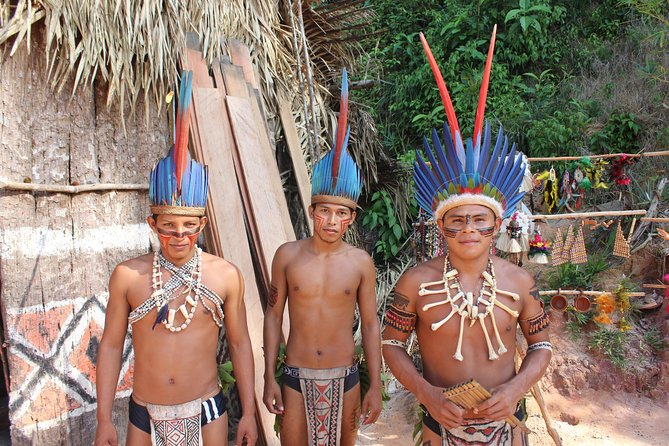
After the dolphin stop, you cross to the other side of the river and visit a Tatuyos Indigenous village. The welcome ritual includes a dance and an introduction to local culture.
I consider this one of the most important parts of the itinerary. Wildlife is a major reason people come to the Amazon, but a visit with local people gives the forest a human dimension. The best way to approach this stop is with respect and attention. Listen to the explanations, ask questions at suitable moments, and follow any guidance about photography.
The visit is brief within a busy day, so it cannot provide a complete picture of Tatuyos culture. Still, it is more meaningful than racing from one animal sighting to the next. It also helps explain why local guides are so valuable on this trip.
Same patch of Brazil, a completely different sort of day:
- Indian Village and Meeting of the Waters Tour
★ 4.5 · 241 reviews - From Manaus: Presidente Figueiredo Waterfalls Daytrip
★ 4.3 · 149 reviews - 3 Days Amazon Jungle Adventure Tour
★ 4.0 · 145 reviews - Amazing Waterfalls of the Amazon – Presidente Figueiredo
★ 4.5 · 141 reviews
Arriving at the lodge and settling in
After the community visit, the boat travels for about an hour up the Rio Negro to the lodge. Arrival is listed at around 12:30 pm, followed by refreshments while your accommodation is prepared.
Lunch is served at noon in the schedule, so the exact timing may feel tight depending on the day’s river conditions and transfers. You should treat the first day as flexible. River travel does not work like a train timetable, and water levels can affect the route.
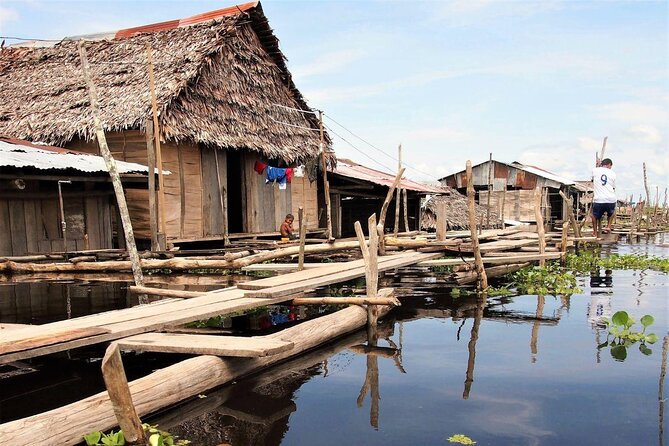
The lodge is remote and located within a small local community with electricity. It is best suited to people who value location and access to the forest more than polished hotel service. The feedback describes the facilities and food as satisfactory to very good, but not luxurious. One stay reported that the air conditioning was ineffective, while an electric fan worked better. Wi-Fi was available, which can be useful, though you may prefer to treat the forest as a chance to put your phone away.
The supplied accommodation information uses both Tapiri Rio Anavilhanas Lodge and Tucan Lodge, so confirm the exact lodge name and room setup before payment. This is especially useful if air conditioning, Wi-Fi, or room style matters to you.
Piranhas, birds, and the first sunset
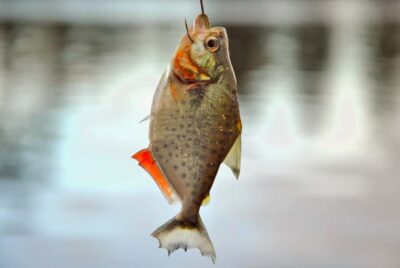
At 3:00 pm, you head out by motorized canoe. The afternoon combines piranha fishing, bird watching, and a sunset from the river.
Piranha fishing is less about catching dinner than learning how people use the river. It is a hands-on activity, and your guide’s skill makes a real difference. Guides such as Cobra and Osmar received especially strong praise for finding animals and choosing good fishing spots.
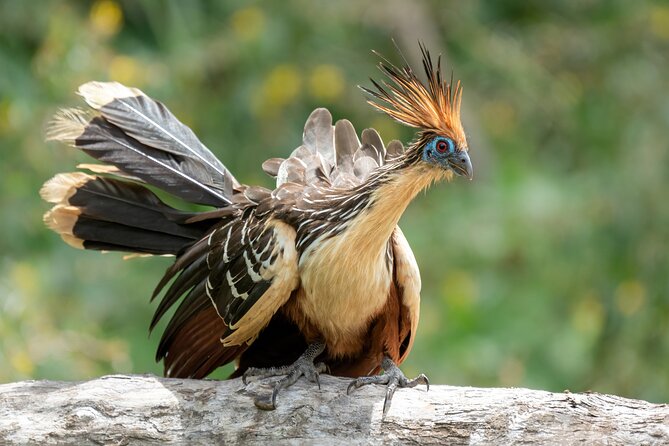
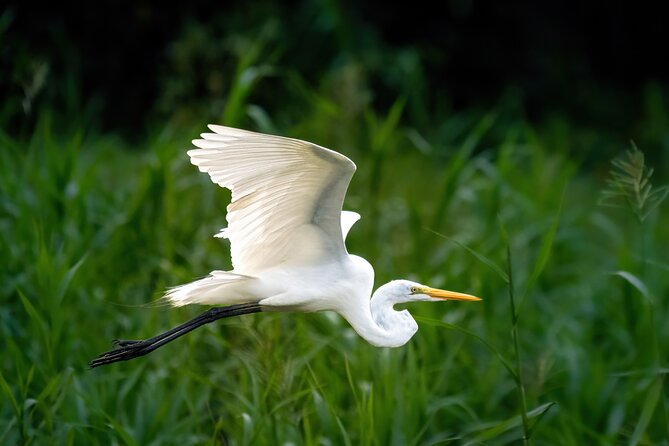
Keep your expectations practical during bird and wildlife searches. The Amazon is not a zoo, and animals do not follow a schedule. You might see colorful birds or other creatures, but a good guide can only improve your chances. The quiet stretches between sightings are part of the experience.
Dinner is served around 7:00 pm. The evening meal marks only a short pause, since the second day includes a late night excursion and the third day begins before sunrise.
Day 2: Three hours on foot in the jungle

Breakfast is at 7:00 am, followed by a jungle walk from 8:00 am until 11:30 am. This is the trip’s main educational activity.
Your guide explains medicinal plants, insects, and spiders along the route. That focus is valuable because it encourages you to look closely at the forest floor and plants around you, not just scan the branches for monkeys. A guide who grew up in the area, as Cobra did, can add practical local context that a guide working only from a textbook may not provide.
The walk requires moderate fitness. You should expect uneven ground, heat, humidity, and steps. The tour information specifically recommends caution for people with mobility problems because there are many steps to go up and down. Wear shoes with a secure sole, carry water, and keep your hands free for balance.
This is not a wilderness survival course. It is a guided forest walk, and the pace may be reasonable, but the setting still demands attention. Insects and spiders are part of the lesson, not an optional extra.
You return to the lodge for lunch at noon and have time to rest before the afternoon boat trip.
Anavilhanas archipelago and seasonal changes
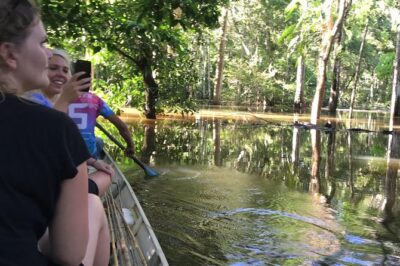
At 3:00 pm, you head by boat into the Anavilhanas archipelago, a vast network of river islands and channels. The route changes with the season. From February to August, the group searches for wildlife by boat. During the dry season, the program also includes a jungle walk.
This seasonal difference matters. You are not buying one fixed wildlife show. You are getting an experience shaped by river height, weather, and access to islands and forest trails. Ask about expected conditions for your travel dates so you know how much time will be spent on the water versus on foot.
The return includes another sunset stop. Sunsets are a repeated feature of this trip, but they do not feel like filler when seen from a small canoe on a broad river. After dinner, you head out again, this time with a flashlight to search for caiman.
The night caiman search
The caiman outing is one of the most memorable activities for people who enjoy wildlife after dark. Your guide uses a flashlight to spot the animals in their natural setting, often by catching the reflection of their eyes.
Night outings require patience. You may spend time moving slowly through dark channels before finding anything. That quiet is part of the appeal, though it can feel tiring after a long day of trekking and boating.
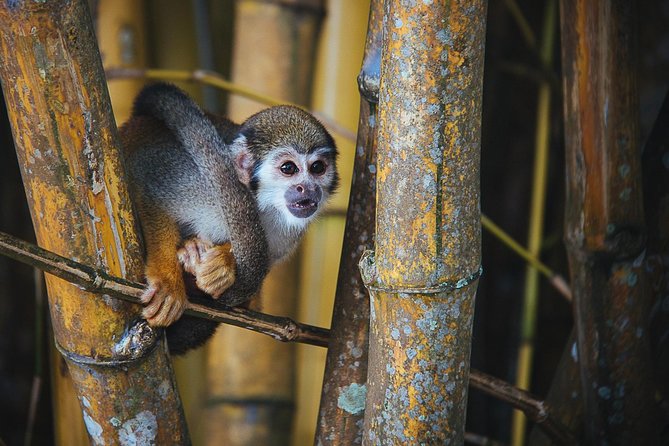
The guides praised most highly for this trip were strong animal spotters. Osmar was described as an excellent hunter who could locate monkeys, sloths, and alligators, while Cobra was praised for local skill and a strong ability to teach throughout the trip. Those details point to an important truth: the guide is central to the experience. Ask who will lead your departure if you have a choice.
Day 3: Dawn on the river and return to Manaus
The final morning begins at 5:30 am with a small canoe ride. From 5:30 to 6:30, you watch the forest wake as birds begin to call and other sounds return to the river.
This is not a long excursion, but it may be the most peaceful hour of the trip. Dawn gives you a different view of the forest than the busy afternoon schedule. Bring a light layer if you feel cool in the moving boat, along with a camera that can handle low light.
Breakfast follows at 8:00 am. You then begin the return journey to Manaus, with an estimated arrival at 11:00 am. The tour finishes at your Manaus hotel or at the airport.
That airport drop-off can be useful if your flight timing works. Still, you should confirm the planned arrival against your departure time and leave a generous buffer. The listed arrival is an estimate, and the route depends on boats, road travel, and river conditions.
Comfort, packing, and health concerns
Pack light, practical clothing. You will want insect repellent, breathable clothes, sun protection, swimwear, a towel, sturdy walking shoes, and a dry bag for electronics. Mineral water is included, but you should still carry a refillable bottle if you use one.
Mosquitoes are part of the setting even when they are not constant. One detailed account specifically stressed bringing repellent and warned against assuming there is no malaria risk in the Rio Negro area. Health conditions and official advice can change, so check current guidance before leaving Brazil or entering the forest.
The lodge has electricity and Wi-Fi, but do not expect city-hotel comfort. Air conditioning may not work well, and a fan may be more useful. Food is included, though descriptions range from satisfactory to superb, so people with strict dietary needs should confirm arrangements before booking.
Who should book this Amazon trip?
I would recommend it to you if you want a compact introduction to the Amazon with plenty of activity and strong local contact. It suits people who enjoy small groups, early starts, boat rides, wildlife searches, and learning from a guide rather than simply taking photographs from a lodge deck.
It is also a good fit if you have only a few days in Manaus. The included transfers reduce planning work, and the group size of eight or fewer should make the outings more personal.
I would think twice if you need reliable air conditioning, a predictable timetable, luxury rooms, or a slow holiday. The schedule is demanding, the transport is varied, and the jungle walk plus many boat transfers may be hard for anyone with limited mobility.
The experience has an overall rating of 4.8 from 16 ratings, with 100 percent recommending it. The strongest praise centers on the guides, the wildlife searches, the Indigenous visit, the food, and the feeling of reaching a part of the Amazon with very few other tourists around.
Final verdict: a strong value for an active three days
You should book this trip if your priority is access, variety, and local guidance. The $680 cost is reasonable for two lodge nights, all listed meals, airport or hotel transfers, multiple river excursions, and a packed schedule of Amazon activities.
Before booking, confirm the exact lodge name, room facilities, guide assignment, pickup details, and conditions expected during your dates. Bring repellent, accept basic comfort, and leave room for nature to make the decisions. If you can do that, this is a lively and well-rounded way to get from Manaus into the forest.
FAQ
Where does the tour start?
The tour starts with pickup in Manaus at 7:00 am, followed by transport to Ceasa Port.
How long does the experience last?
The experience lasts approximately three days and includes two nights at the lodge.
Is transportation from Manaus included?
Yes. The tour includes the listed boat and road transfers from Manaus and return transportation to a Manaus hotel or the airport.
Are meals included?
Yes. The package includes two breakfasts, two lunches, and two dinners.
Is mineral water included?
Yes. Mineral water is included in the tour.
How large is the group?
The maximum group size is eight people.
Do I need moderate physical fitness?
Yes. The experience requires a moderate level of physical fitness, including jungle walking and repeated movement up and down steps.
Can people with mobility problems join?
The activity is not recommended for people with mobility problems because there are many steps to go up and down.
What wildlife activities are included?
The program includes river dolphin interaction, bird watching, piranha fishing, jungle wildlife searches, caiman spotting at night, and a dawn canoe ride.
What is not included in the price?
The price does not include bar purchases, tips for staff and guides, a hotel in Manaus, or extra transportation.
Can I cancel for a full refund?
You can cancel up to 24 hours before the experience start time for a full refund. Cancellations or changes made less than 24 hours before the start time are not accepted for a refund. If poor weather causes the tour to be canceled, you will be offered another date or a full refund.
Newest reviews from around Manaus
- Walking Tours in Manaus★ 3.5 · 16 reviews
- 4-day Amazon River Boat Tour From Manaus★ 5.0 · 10 reviews
- Amazon Safari Tour in Manaus (Shared)★ 5.0 · 3 reviews
- Tree Climbing in the Amazon★ 4.5 · 6 reviews
- Tucandeira Ants Indigenous Ritual★ 4.5 · 4 reviews
- Transfers from the airport to any place in Manaus City★ 4.0 · 27 reviews
- 24-hour Hotel Transfer to Manaus Airport★ 5.0 · 24 reviews
- Private Tour Waterfalls Iracema & Asframa President Figueiredo★ 5.0 · 3 reviews
Jungle & Rainforest Tours, compared.
Rio de Janeiro Tijuca Rainforest Hike with Waterfalls and Caves
Read our review →
Jungle Waterfalls and Cachaça Distillery Jeep Tour
Read our review →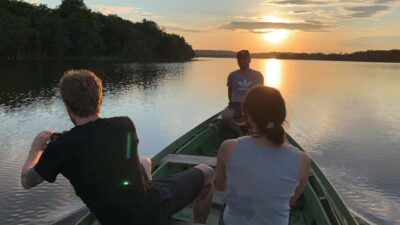

Browse the lists this tour appears in