
Reviewed · SAMBA & CARNIVAL SHOWS
Carnival Experience: Behind the Scenes of Carnival Magic
Carnival work begins long before parade night. This three-hour visit to Rio’s City of Samba and Grande Rio’s backstage spaces shows how samba grew into the city’s defining celebration. I like the clear history of samba and the close look at costumes, floats, and year-round planning. I also like the small group of seven, which should make it easier to hear the guide and ask questions.
The main consideration is physical comfort. You should expect movement through working spaces, and the experience is not suited to people with a low level of fitness. Some material may be presented in its original language, so even with English or Portuguese guiding, you may occasionally need patience with translation.
In This Review
- Key points about Carnival Magic
- Why this Rio Carnival visit is different
- Starting at the City of Samba
- Inside Grande Rio’s year-round workshop
- Costumes, floats, and the hidden labor of parade night
- Meeting Grande Rio’s community project
- A caipirinha and iPhone 14 memories
- How the small group affects the visit
- Is $80 a fair price?
- Who should book Carnival Magic?
- My booking advice
- FAQ
- Where does the Carnival Magic tour take place?
- How long does the experience last?
- What is included in the price?
- Is food included?
- What languages are available?
- How many people are in the group?
- Is transportation included?
- Can I cancel for a refund?
- Can I reserve the tour without paying immediately?
- Who should avoid this activity?
Key points about Carnival Magic
- City of Samba history: Follow the story of samba, from its origins to its role in Rio’s identity.
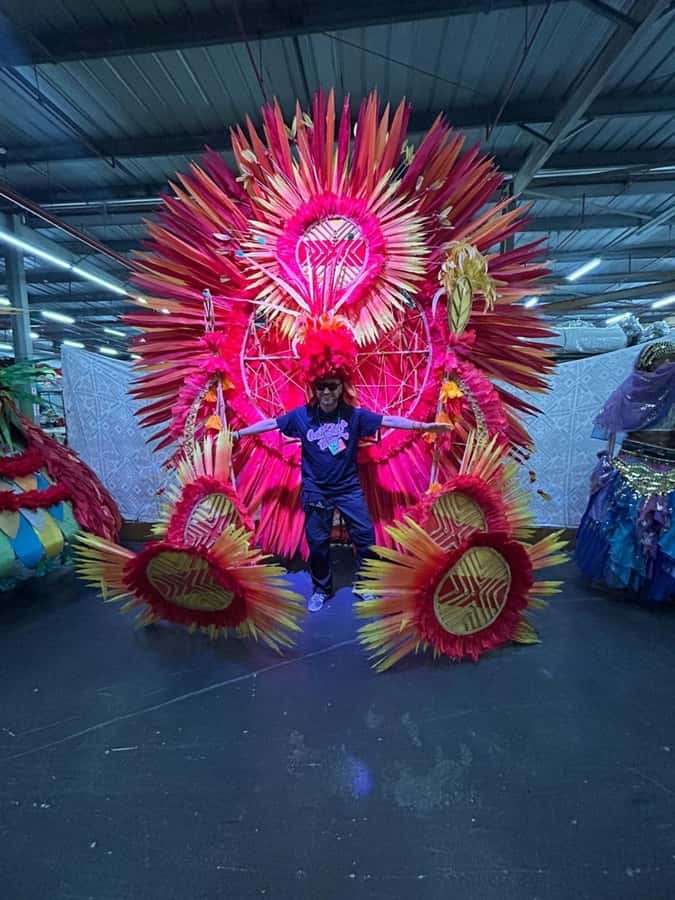
- Grande Rio backstage access: See where a major samba school develops parade themes, costumes, and floats.
- Year-round Carnival work: Learn why parade preparation takes months of planning, building, training, and creative labor.
- Community project: Visit Grande Rio’s social program, where children learn samba and gain paths toward artistic or backstage careers.
- Personal touches included: Enjoy a caipirinha and receive photos and videos taken with an iPhone 14.
- Small-group format: With no more than seven participants, the tour has a more personal feel than a large coach outing.
Why this Rio Carnival visit is different
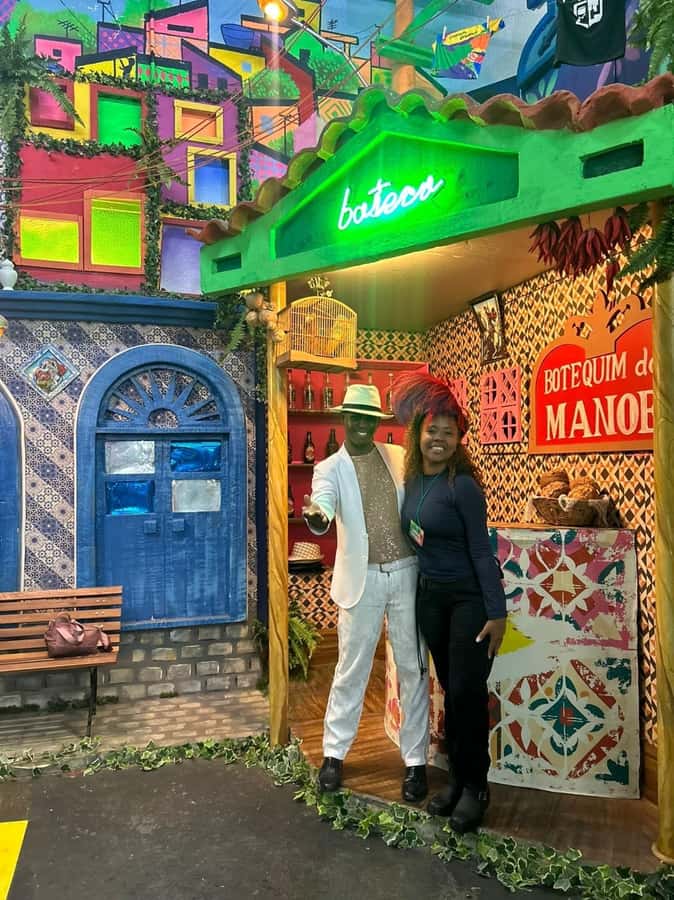
Most Carnival experiences focus on the finished parade. You see the feathers, hear the drums, and watch thousands of performers race through the Sambadrome. This tour takes you to the workroom behind that spectacle.
That change in viewpoint matters. At City of Samba, you begin to understand Carnival as a serious creative industry, not simply a night of music and costumes. The parade may look spontaneous and joyous, but every section depends on planning, construction, choreography, costume design, and teamwork.
I especially like that the experience combines culture with practical access. You are not only told that samba matters to Rio. You learn how it developed, why it became so important to the city, and how a samba school prepares to compete for first place at the Sapucaí Sambadrome.
The tour is provided by Malux.rio and costs $80 per person. That is not the cheapest way to spend three hours in Rio, but the price includes return transportation, a specialist guide, the City of Samba visit, the Grande Rio backstage tour, a caipirinha, and photos and videos taken with an iPhone 14. For someone who wants more than a surface-level Carnival photo stop, the package offers solid value.
Other samba nights worth staying up for:
- Rio de Janeiro: Beginner Samba Lesson in Ipanema
★ 4.9 · 1,071 reviews - Rio: Pub Crawl in Lapa with Cachaça Tasting and Live Samba
★ 4.7 · 881 reviews - Rio: Carnival Backstage Tour at Samba City with Cocktail
★ 4.6 · 520 reviews
Starting at the City of Samba
The experience begins with transportation to the City of Samba. Since return transportation is included, you do not need to arrange your own way back after the visit. Exact starting times depend on availability, so check the schedule before booking and allow enough room around the three-hour activity.
The City of Samba provides the right opening for the tour because it places the celebration in context. Your guide traces the timeline of Carnival and explains how samba became the heart of the event. You will hear about the origins of this artistic form and its connection to Rio de Janeiro’s identity.
That introduction helps you read the rest of the visit. Without it, a giant float can seem like a colorful object and a costume can look like a display piece. With the historical background, you can connect those objects to the traditions, competition, community, and work that shape the parade.
The history portion is also useful for visitors who know Carnival only from television images. You do not need to arrive with a detailed understanding of samba. The tour is designed to explain the basics as you go, with English and Portuguese guiding available.
Some content may remain in its original language. That is worth keeping in mind if you need every explanation in English. Still, the bilingual format gives the visit a direct connection to the local setting rather than turning it into a polished show built only for outsiders.
Inside Grande Rio’s year-round workshop
The most important part of the tour is the visit behind the scenes at Grande Rio. You learn what happens during the long months before parade night, when the samba school develops its plot, designs costumes, builds floats, and prepares performers.
Grande Rio is not simply a group that appears for one evening. The tour presents the school as a large operation with many moving parts. A competitive parade requires decisions about a central theme, visual design, music, costumes, floats, rehearsals, and the order in which everything will appear.
I like this section because it gives proper weight to the labor behind the spectacle. One verified five-star review described the experience as a real backstage visit rather than a lively but shallow attraction. That is the key point here: you are shown the creative process, not just the finished product.
You will see how details are planned to help a samba school compete at the Sambadrome. The goal is not merely to look impressive. Every part must support the parade’s plot and work within a highly competitive event where schools seek first place.
The information provided does not promise that every room or active construction area will be open during every visit. Production schedules can change, and the exact material on display may vary. You should think of this as access to the working world of Grande Rio, not a guarantee that you will see every costume or float currently under construction.
That small distinction keeps expectations realistic. The strongest part of the visit is the explanation of how the pieces fit together. Even if a certain area is quiet on the day you go, the guide can help you understand why the space exists and what role it plays in Carnival preparation.
Costumes, floats, and the hidden labor of parade night
Costumes and floats are the most natural photo subjects, but their real value is in what they reveal about Carnival production. The tour explains how ideas become physical objects and how each object supports the larger parade.
A costume is not just something colorful to wear. It must fit the visual plan, help identify a parade section, and work as part of the school’s presentation. A float has a similar job on a much larger scale. Its design must communicate an idea while moving through the Sambadrome as part of a carefully organized procession.
This is where the tour can change the way you watch Carnival later. Instead of seeing a parade as a single burst of music and motion, you start noticing the labor behind each section. You can think about the people who designed, built, stitched, trained, organized, and maintained what passes in front of you.
The experience also gives you a better reason to respect the people working outside the spotlight. Carnival supports a large operation, employing thousands of people and affecting many more. The point is not only the number. It is the reminder that Carnival reaches well beyond dancers and musicians.
If you enjoy design, theater, event production, or public art, this part should be especially rewarding. You do not need to be an expert. Curiosity is enough, and the guide’s job is to connect the objects in front of you with the larger process.
A few more Rio De Janeiro days to weigh up
- Rio de Janeiro: 6-Stop Highlights of Rio with Lunch
★ 4.4 · 5,157 reviews - Christ the Redeemer Entry Ticket by Corcovado Train
★ 4.4 · 4,476 reviews - Rio’s City Tour – Tickets for Christ, Sugar Loaf & Lunch included
★ 5.0 · 4,389 reviews - Full Day: Christ Redeemer, Sugarloaf, City Tour & Barbecue Lunch
★ 4.5 · 3,142 reviews
Meeting Grande Rio’s community project
One of the most meaningful stops is the social project connected with Grande Rio. The program involves children from the local community and teaches them the essentials of samba.
This adds an important human dimension to the tour. Carnival is not only a competition between schools or a major show for visitors. It can also provide training, discipline, confidence, and a possible route into creative work.
The program aims to open doors for children who may later grow as artists or work behind the scenes. The description does not promise a formal performance by the children or a chance to take part in a lesson, so you should expect an introduction to the project rather than assume it is an interactive class.
I consider this one of the strongest reasons to choose the tour. You get to see how a samba school can connect its public role with community development. The social project helps explain why samba has such lasting importance in Rio. It is not only a style of music. It is also a way for people to learn, belong, and build skills.
This stop may appeal to families, students, and anyone interested in the social side of cultural events. It also keeps the visit from becoming only a behind-the-scenes look at spectacle and competition.
A caipirinha and iPhone 14 memories
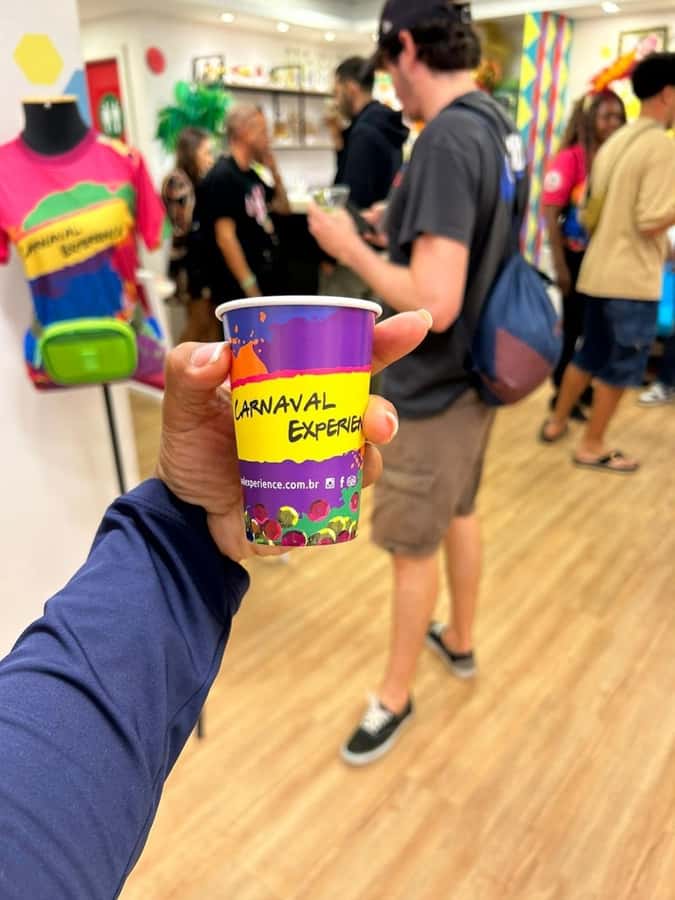
A caipirinha tasting is included, giving the tour a small but welcome Brazilian touch. Food and drinks beyond the included caipirinha are not part of the price, so you should not treat this as a meal or a food tour.
Photos and videos taken with an iPhone 14 are also included. That can be useful if you are traveling alone, want a group photo, or prefer not to spend the visit holding your phone up. The exact number and style of images are not specified, so consider this a useful added feature rather than a full professional photo session.
These extras do not define the experience, but they make the three hours feel more complete. You get a taste, visual memories, and a cultural visit in one outing. The real value remains the access to City of Samba and Grande Rio.
How the small group affects the visit
The group is limited to seven participants. That is a major advantage in a setting where explanations can otherwise get lost among noise, large groups, or crowded work areas.
A small group gives you a better chance to ask about the history of samba, the school’s creative process, or the community project. It also makes transportation and movement less cumbersome than a large coach-based tour.
There is one tradeoff. A small group does not guarantee a private tour, since other participants may join you. It also cannot control the size or activity level of the City of Samba itself. Still, seven people is a useful limit for a guided visit that depends on seeing details and hearing stories.
The guide speaks English and Portuguese. If you are not comfortable in either language, this will not be the right fit. Also note that some content is shown in its original language, which may affect how easily you follow every part of the presentation.
Is $80 a fair price?
At $80, this experience makes sense for you if you value access and explanation more than a low-cost sightseeing stop. The price covers a full three-hour visit, transport in both directions, a specialist guide, two connected Carnival locations, a caipirinha, and recorded memories.
It is less appealing if you only want a quick photo with a costume or a short samba performance. You would be paying for the context and backstage access, not just entertainment.
The strongest value comes from combining several layers of Carnival in one outing:
- The cultural story of samba
- The practical work of a major samba school
- The design of costumes and floats
- The competitive pressure of the Sambadrome
- The community program for children
- Transport and a small set of personal keepsakes
That is a lot to fit into three hours. The pace may feel full, especially for anyone who wants long, quiet periods at each stop. I would choose this tour when my schedule allowed the activity to be the main event rather than something squeezed between several other Rio plans.
Free cancellation up to 24 hours before the activity and the option to reserve now and pay later add useful flexibility. They do not change the quality of the visit, but they can make planning easier when your Rio schedule is still taking shape.
Who should book Carnival Magic?
I would recommend this for you if you want to understand how Rio Carnival works behind the public show. It suits culture-minded visitors, first-time Rio visitors who want context, design fans, families interested in community programs, and anyone planning to attend a parade at the Sambadrome.
It is also a good choice if you prefer a small group and want transportation included. The English and Portuguese guide options make it accessible to many international visitors.
You should think twice if you have low fitness, need a stroller, or want a relaxed seated activity. Baby strollers are not allowed, and bare feet are not permitted. Food is limited to the included caipirinha, so plan separately if you need a meal.
The tour received a top rating from two verified bookings, with the strongest praise focused on its authenticity, educational content, and clear view of the work and training behind Carnival. The brief second rating offers little detail, so I would place more weight on the specific strengths of the first account: this is a real look behind the scenes, not merely a colorful introduction.
My booking advice
Book this tour if you want the story behind Rio Carnival, not only the spectacle. The visit to Grande Rio, the City of Samba history, and the community project give you a fuller picture of why samba matters.
Skip it if you are looking for a party, a long meal, or a passive sightseeing ride. For $80, the best value comes from paying attention, asking questions, and treating the tour as a cultural visit into the working life of Carnival.
FAQ
Where does the Carnival Magic tour take place?
The tour visits the City of Samba and the backstage area of the Grande Rio samba school in Rio de Janeiro, in Brazil’s Southeast Region.
How long does the experience last?
The experience lasts three hours.
What is included in the price?
The price includes return transportation, a specialist tour guide, the City of Samba visit, the Grande Rio backstage tour, Carnival and samba history, access to Grande Rio’s social project, a caipirinha tasting, and photos and videos taken with an iPhone 14.
Is food included?
Only the offered caipirinha is included. Food and other drinks are not included.
What languages are available?
The live guide is available in English and Portuguese. Some content may be shown in its original language.
How many people are in the group?
The group is limited to seven participants.
Is transportation included?
Yes. Return transportation is included.
Can I cancel for a refund?
You can cancel up to 24 hours in advance for a full refund.
Can I reserve the tour without paying immediately?
Yes. The reserve-now-and-pay-later option lets you book your place and pay later.
Who should avoid this activity?
The experience is not suitable for people with a low level of fitness. Baby strollers and bare feet are not allowed.
Newest reviews from around Rio De Janeiro
- PRIVATE TOUR – Christ the Redeemer and Sugar Loaf★ 4.5 · 9 reviews
- Christ Statue and Sugarloaf Private Tour with a Photographer★ 5.0 · 9 reviews
- Cidade do Samba Behind-the-Scenes Carnival Tour in Rio de Janeiro★ 4.0 · 5 reviews
- Christ the Redeemer Trail x Lage Park★ 5.0 · 7 reviews
- Christ the Redeemer and City Tour★ 5.0 · 20 reviews
- Christ the Redeemer, Selaron Steps and Santa Teresa Half-day Tour★ 4.5 · 15 reviews
- Christ the Redeemer Adventure★ 5.0 · 12 reviews
- Private Tour of Christ the Redeemer in Rio de Janeiro★ 5.0 · 2 reviews
Samba & Carnival Shows, compared.

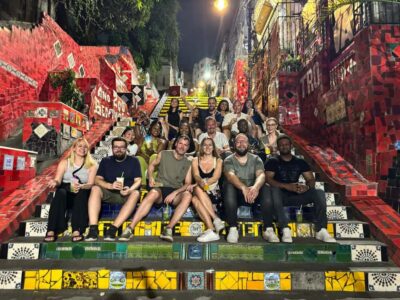
Pub Crawl in Lapa with Cachaça Tasting and Live Samba
Read our review →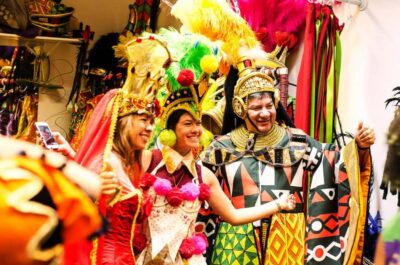
Carnival Backstage Tour at Samba City with Cocktail
Read our review →
Hop-ON Hop-OFF Sightseeing Bus in Rio de Janeiro – Rio Samba Bus
Read our review →
Santa Teresa, Lapa, and Cinelândia with Tram Ride and Selarón Steps
Read our review →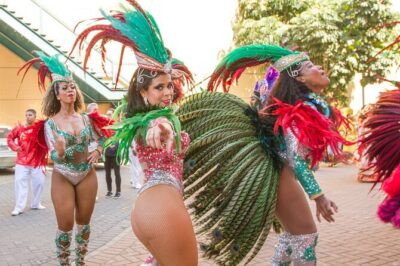
Carnaval Experience: Backstage Tour at Samba City with Cocktail
Read our review →

Browse the lists this tour appears in