
Reviewed · JUNGLE & RAINFOREST TOURS
Amazon Jungle Experience with Overnight
Jungle days move fast here. This small-group Amazon tour combines a forest hike, pink river dolphins, piranha fishing, sunset, and a night in a simple riverside lodge, then adds Indigenous culture, a floating village, giant pirarucu fish, and the Meeting of Waters. I especially like the variety and the chance to see how people live along the rivers, rather than simply cruising past trees.
The biggest drawback is the pace. A two-and-a-half-hour jungle walk can feel long in hot, wet weather, and the schedule leaves little room to linger. The accommodation is simple, too, though some cabins have included air-conditioning, private bathrooms, and even Wi-Fi. Guides such as Fabio, Dennis, Daniel, and Luguei receive repeated praise for their care and local insight.
In This Review
- Quick facts about this Amazon overnight tour
- Why this tour works for a short Manaus stay
- Day one begins with a real forest walk
- Lunch, river swimming, and pink dolphins
- Igapó forests and the challenge of catching piranha
- Sunset on the Negro River and night wildlife
- What the overnight stay is really like
- Sunrise requires an early start
- Indigenous culture and seasonal river beaches
- Janauary Park and the floating village
- The Meeting of Waters and return to Manaus
- Guides, group size, and organization
- What to pack and who should book
- Should you book the Amazon Jungle Experience with Overnight?
- FAQ
- How long is the Amazon Jungle Experience with Overnight?
- How much does the tour cost?
- Where does the tour start?
- What meals are included?
- Is the accommodation a hotel?
- How difficult is the jungle hike?
- Can I swim with the pink river dolphins?
- What happens if the weather is bad?
Quick facts about this Amazon overnight tour
- A 2.5-hour forest hike introduces medicinal plants, shelter building, and the basic skills used in the jungle.
- Pink river dolphins can be seen close up at a research platform, with an opportunity to enter the water.
- The first day ends with sunset and night wildlife watching, including a chance to spot caimans.
- The second day reaches farther by speedboat, visiting an Indigenous community, a floating village, and the Meeting of Waters.
- The group is limited to 12 people, which helps keep the boats and activities more personal.
- The $300 price includes meals and lodging, making it a strong short-trip option if you have only two days near Manaus.
Why this tour works for a short Manaus stay
Many Amazon outings near Manaus offer only a few hours on the water. This experience gives you one packed day in the forest and a second day on the wider river system. For a first look at the Amazon, that range matters: you get plants and jungle skills, local food, river life, wildlife, and major sights in one booking.
I like that the two days feel different. Day one centers on the Castanho area and the Negro River, while day two uses a faster boat to cover more distance toward Manaus. You are not repeating the same boat ride all day.
The tradeoff is that this is an active introduction, not a slow wilderness retreat. You may spend long stretches in boats, and several activities last only 30 minutes to an hour. That is useful if your time is tight, but less satisfying if you prefer long, quiet stops.
The tour is priced at $300 per person and includes accommodation, dinner, breakfast, and two lunches. Add in boat transport, guides, the forest walk, dolphin platform, village visits, and night activities, and the cost is reasonable for a two-day Amazon experience. You are paying for a lot of moving parts, not just a bed in the forest.
The advertised start is 8:00 am, with the Amazonas Theater in central Manaus listed as the meeting point. Hotel pickup is also described, so confirm the exact pickup plan before departure. This is especially useful for solo visitors, since one part of the journey involves changing vehicles and boats.
More Jungle Tours in Manaus & Amazon
- From Manaus: One-Day Amazon Jungle Experience
★ 4.8 · 408 reviews - Manaus: Full-Day Tour on the Amazon River
★ 4.2 · 362 reviews - A Whole Day in the Jungle
★ 5.0 · 155 reviews
Day one begins with a real forest walk
After pickup, the drive west from Manaus takes about an hour to the Cachoeira do Castanho area. From there, you board a small motorized canoe of the kind used by local residents for everyday transport. It is practical rather than polished, which is part of the appeal.
The forest walk lasts about two and a half hours. A local guide points out medicinal plants, explains how shelters are made, and discusses ways people use the forest. The value here is not a guaranteed animal show. It is learning how the forest works and how people read it.
Wild animals are free to move away, so you could see birds, insects, monkeys, or a sloth, but no sighting is promised. One person reported seeing a three-toed sloth and a tarantula, while another found the walk interesting but saw little wildlife. That is a fair picture of jungle walking: the plants and sounds are constant, the larger animals are not.
Wear closed shoes and long pants. From October through July, rain can make the ground muddy and mosquitoes more common. A moderate level of fitness is required, and one account recorded more than five kilometers of walking, even though the stated distance sounded shorter. If two and a half hours in heat and humidity sounds excessive, this is the part to consider carefully.
Lunch, river swimming, and pink dolphins
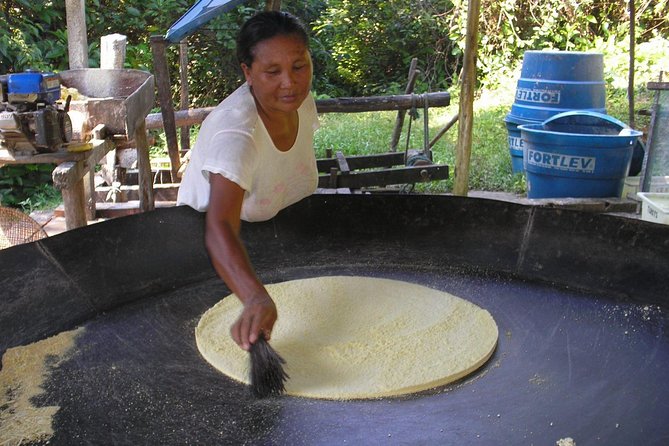
After the walk, lunch is served at a floating house. Food can include fish or chicken, rice, beans, spaghetti, manioc, and local side dishes. The meal reflects everyday regional cooking rather than a special tourist menu.
Vegetarian choices are limited at this first lunch. Rice, beans, and spaghetti may be available, but a dedicated vegetarian meal is not promised. If you have dietary needs, ask before booking rather than assuming the kitchen can adjust.
There is time to rest, enjoy the river view, and swim before the next activity. The dolphin platform is reached by canoe and gives you a close look at pink river dolphins, known locally as botos. You may also enter the water there, so bring a swimsuit and towel.
This is one of the tour’s strongest moments, but keep the setting in mind. It is a platform connected with work involving the dolphins, not a remote encounter in empty wilderness. You can get close and take photos, but wildlife remains unpredictable.
You might be offered beer or coconut juice, so carrying some small cash is sensible. Towels and swimsuits are not included, and boots are also on your own packing list.
Igapó forests and the challenge of catching piranha
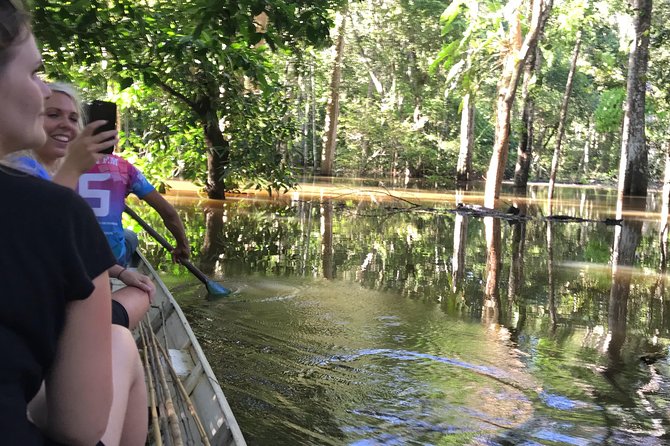
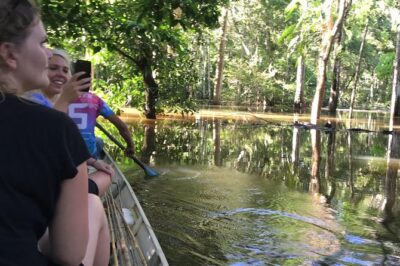
The canoe ride after lunch explores the Negro River shoreline. During high water, usually from March through August, the forest can flood. This seasonal forest is called igapó, and moving by canoe among tree trunks is one of the most unusual sights on the first day.
Water levels affect what you see, so the exact feel of this section changes through the year. At high water, the canoe can pass through trees. At lower water, the route is more open and river-focused.
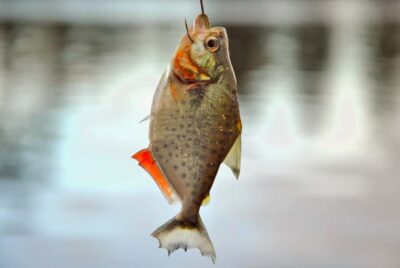
Next comes piranha fishing. The guides provide the equipment and explain how to handle the fish. Piranhas have sharp teeth, so let the guides remove a catch from the hook. If a fish is large enough, it may be prepared for dinner.
Fishing is simple, but it is not automatic. You may catch one quickly, or you may spend the hour watching the bait disappear. That uncertainty makes it more fun than a staged feeding session, though anyone expecting a guaranteed catch should adjust expectations.
Same patch of Brazil, a completely different sort of day:
- Indian Village and Meeting of the Waters Tour
★ 4.5 · 241 reviews - From Manaus: Presidente Figueiredo Waterfalls Daytrip
★ 4.3 · 149 reviews - 3 Days Amazon Jungle Adventure Tour
★ 4.0 · 145 reviews - Amazing Waterfalls of the Amazon – Presidente Figueiredo
★ 4.5 · 141 reviews
Sunset on the Negro River and night wildlife
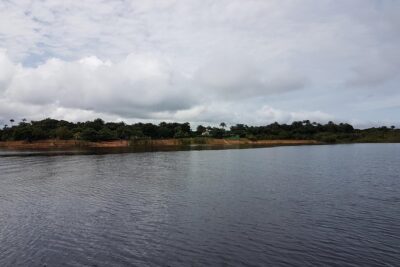
Near Acutuba Beach, you paddle toward the middle of the river for sunset. The Negro is broad enough to feel like a lake, and the open water gives you a wide view as the sky changes color.
The sunset stop is brief, about an hour, but it is well placed after the fishing. Bring a dry layer or protect your phone, since tropical weather can change quickly. One account described clear sunset views followed minutes later by thunder, lightning, and heavy rain.
After dark, the group searches for night creatures by canoe. With luck, you may see a caiman and get close enough for photos. Guides have also caught small alligators during this activity, but wildlife sightings are never certain.
The night outing is exciting because the river feels different after sunset. It is also worth remembering that the guide controls the approach to animals. Follow instructions, keep your hands out of the water, and let the local boat crew handle any caiman.
What the overnight stay is really like
The lodge is meant to bring you closer to local life, not to reproduce a Manaus hotel. The basic description includes beds with mosquito nets and a private toilet. Expect a clean, simple place with nature close by.
Accommodation can vary by cabin. Some recent stays included air-conditioning, private bathrooms, and Wi-Fi, while the tour description presents the lodging more modestly. I would treat air-conditioning and Wi-Fi as possible comforts, not features to rely on unless confirmed for your departure.
Dinner is served after the night activity, and breakfast comes before the early start. The food receives strong praise, especially the local dishes, fish, chicken, beans, rice, manioc, and homemade meals prepared by the lodge family.
If you need hotel-level comfort, book a shorter jungle outing and sleep back in Manaus. If you can handle a basic room, the overnight is worthwhile because it gives you both sunset and sunrise, plus a stronger sense of daily life away from the city.
Sunrise requires an early start
Day two begins around 5:30 am. You leave while it is still dark to watch sunrise and see the forest wake up. The equatorial setting means the shift from night to day is quick, and early hours can be a good time for birds and other creatures.
Rain may cancel this outing. If the sky is poor, the group may sleep longer or move into the later schedule. That is a sensible weather decision, though it means the sunrise is not guaranteed.
After breakfast, a faster speedboat carries you toward the second day’s sights. This is a longer run than day one, with more time on open water. Boat rides are central to Amazon travel, but the motion, heat, and time seated may test anyone who dislikes long transfers.
Indigenous culture and seasonal river beaches
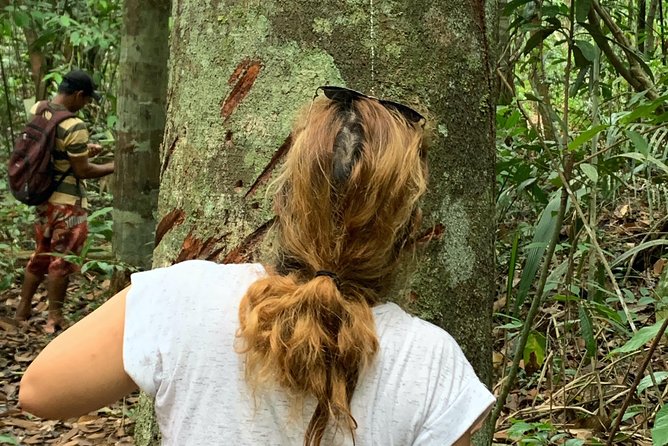
The visit to Comunidade Indigena CIPIA introduces an Indigenous community whose people moved from the Colombia border area closer to Manaus while keeping their culture and dialect. You can learn about their traditions, watch a performance of rituals, and buy souvenirs with cash.
This stop is short, about an hour. It offers a direct cultural meeting, but you should approach it with respect. Ask before taking close-up photos, listen during the presentation, and remember that the community is not simply a backdrop for a boat trip.
Praia do Tupé is a seasonal stop. Depending on water levels and the time of year, you may swim in warm water and walk on white sand. The visit lasts only about 30 minutes, so think of it as a refreshing pause rather than a full beach outing.
Janauary Park and the floating village
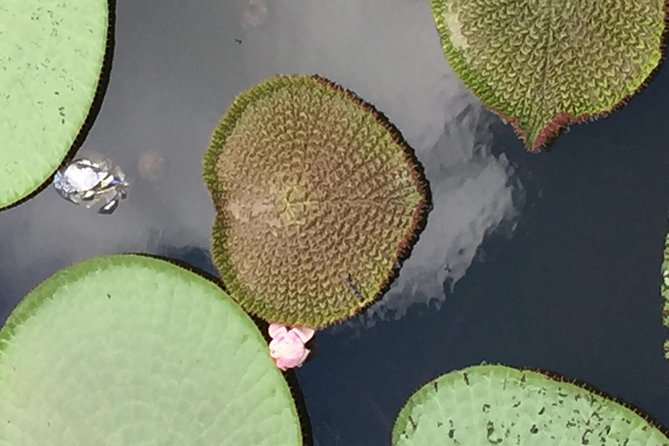
During suitable water levels, the route continues to Parque Ecologico Janauary. Lunch is served at a floating restaurant with a broad selection, including vegetarian food. A suspended walkway leads through flooded forest toward a lake where giant water lilies can be seen.
The park is seasonal. From January through September, access depends on water conditions. If the boats cannot enter, lunch is served at another floating restaurant along the Negro River. The food quality is described as similar, but you may miss the water lilies.
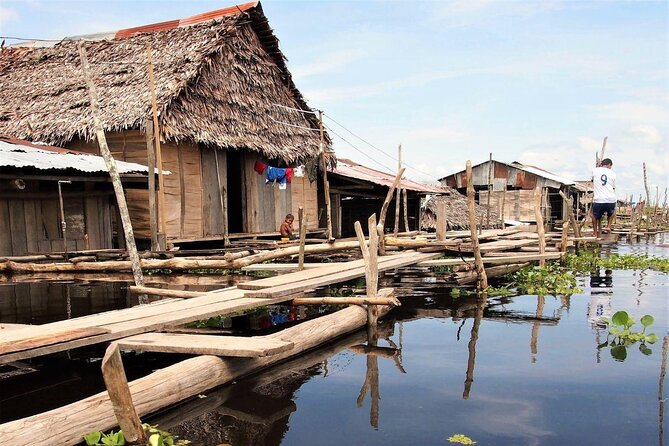
The route then reaches Lago do Catalão, home to a floating village with more than 100 families. Houses sit on large floating logs, and the settlement includes a school, church, shops, and restaurant. This is a useful stop because it shows that river communities are organized neighborhoods, not isolated huts scattered at random.
At the village fish farm, you feed pirarucu, also called arapaima. These are among the largest scaled freshwater fish in the world. The rods have no hooks, only bait, so you can feel the fish pull without catching them.
The feeding lasts around 30 minutes. It is easy to enjoy, especially when one of these powerful fish breaks the surface, but ask your guide about the farm’s purpose and how the fish are managed if you want more context.
The Meeting of Waters and return to Manaus
The Meeting of Waters is the signature sight on day two. The dark Rio Negro runs beside the muddy Solimões River, and the two flows remain distinct for a long stretch because of differences in temperature, speed, density, and acidity.
You get about 30 minutes at the site. The contrast is clear from the boat and makes sense as a natural lesson, not just a photo stop. It is one of the few places where a major geographic process is so easy to see with your own eyes.
The final boat ride traces the Manaus waterfront. You may see the industrial district, the large floating port, the fish port, and the main river port used for boats heading into northern Brazil. Look toward the city for the dome of the Amazonas Theater and other buildings tied to Manaus’s rubber-boom era.
The expected arrival back in Manaus is around 5:00 pm. Do not schedule a tight flight or important appointment immediately afterward. Weather, river conditions, transfers, and the number of stops can affect timing.
Guides, group size, and organization
The group limit of 12 is a real advantage. Small numbers make it easier to hear explanations, board canoes, handle fishing gear, and ask questions. The experience still uses several guides, drivers, and boat captains, so the quality of communication can vary from one transfer to the next.
Fabio, also called Fabinho, is repeatedly praised for the first day and the lodge welcome. Dennis, Daniel, and Luguei are also singled out for patience, English-language communication, and local explanations. That matters in the Amazon, where a good guide can turn a plant, bird call, or river bend into something you understand.
There have been occasional communication gaps around vehicle changes and pickup timing. If you are traveling alone, ask who will meet you, where you are going, and when the next boat leaves. A quick explanation can make a remote transfer feel much more comfortable.
What to pack and who should book
Bring closed shoes, long pants, insect repellent, sunscreen, a swimsuit, a towel, waterproof protection for electronics, and small cash. You may need cash for drinks and Indigenous-community souvenirs, and small bills are best.
This tour suits you if you want many classic Amazon activities in two days and do not have time for a longer stay. It also works well for older children, around age eight and up, and teens who can manage heat, boat transfers, and the long walk.
It is less suitable if you want a luxury lodge, a gentle schedule, guaranteed wildlife, or carefully tailored meals. People with limited mobility should ask detailed questions before booking, since boat boarding and the forest walk can be tricky, though one older visitor using two canes was accommodated.
Free cancellation is available up to 24 hours before the start time. Poor weather or too few bookings can also lead to a new date, a different experience, or a full refund.
Should you book the Amazon Jungle Experience with Overnight?
I would book it if you want a high-value two-day introduction to the Amazon near Manaus. The mix is unusually broad: forest skills, local food, dolphins, piranhas, caimans, sunset, sunrise, Indigenous culture, a floating community, pirarucu, Janauary Park, and the Meeting of Waters.
I would skip it if the long jungle walk or basic overnight room sounds unpleasant. For most people who accept those limits, the tour offers far more than a quick river cruise and gives you a genuine taste of Amazonian life without requiring a week away from Manaus.
FAQ
How long is the Amazon Jungle Experience with Overnight?
The experience lasts approximately two days and includes one overnight stay in the Amazon region.
How much does the tour cost?
The listed price is $300 per person.
Where does the tour start?
The listed meeting point is the Amazonas Theater at Largo de São Sebastião in central Manaus. Hotel pickup is also described, so confirm the exact pickup arrangement before departure.
What meals are included?
Breakfast, dinner, and two lunches are included.
Is the accommodation a hotel?
No. The accommodation is described as a simple guesthouse or lodge with beds, mosquito nets, and a private toilet. Some cabins have included air-conditioning, and some stays have also included Wi-Fi.
How difficult is the jungle hike?
The first-day hike lasts about two and a half hours and requires moderate physical fitness. Closed shoes and long pants are required, and the trail may be muddy during the rainy season.
Can I swim with the pink river dolphins?
At the dolphin platform, you can get close to the animals and may enter the water. Bring a swimsuit and towel. Wildlife encounters are not guaranteed.
What happens if the weather is bad?
The tour may be moved to another date or canceled with a full refund if poor weather makes the experience unsafe or impractical. The sunrise outing may also be skipped because of rain.
Newest reviews from around Manaus
- Walking Tours in Manaus★ 3.5 · 16 reviews
- 4-day Amazon River Boat Tour From Manaus★ 5.0 · 10 reviews
- Amazon Safari Tour in Manaus (Shared)★ 5.0 · 3 reviews
- Tree Climbing in the Amazon★ 4.5 · 6 reviews
- Tucandeira Ants Indigenous Ritual★ 4.5 · 4 reviews
- 24-hour Hotel Transfer to Manaus Airport★ 5.0 · 24 reviews
- Transfers from the airport to any place in Manaus City★ 4.0 · 27 reviews
- Private Tour Waterfalls Iracema & Asframa President Figueiredo★ 5.0 · 3 reviews
Jungle & Rainforest Tours, compared.
Rio de Janeiro Tijuca Rainforest Hike with Waterfalls and Caves
Read our review →
Jungle Waterfalls and Cachaça Distillery Jeep Tour
Read our review →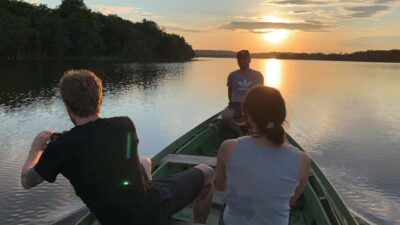
Browse the lists this tour appears in