
Reviewed · ITAIPU DAM TOURS
Visit to Itaipu: Special Circuit
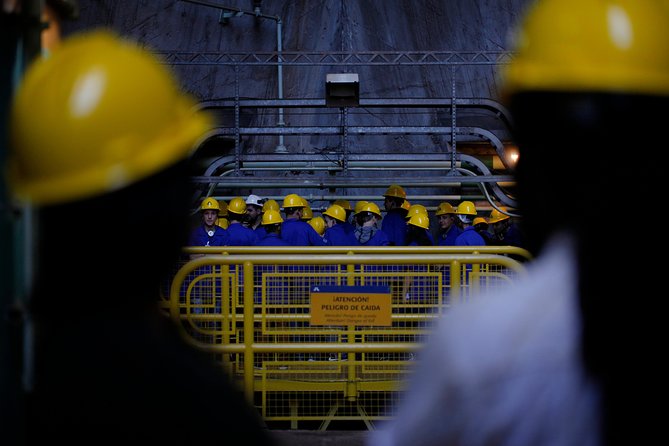
Big engineering needs a closer look. The Itaipu Special Circuit takes you beyond the usual dam viewpoint and into the working heart of one of the world’s most impressive power projects. I like the inside access and the carefully planned route through seven technical areas, including the control room and generating-unit gallery. The main drawback is that transportation and meals are not included, and the more ambitious visit can be canceled if conditions or operating requirements change.
I also like that the experience starts with a bilingual documentary, giving you useful context before the bus tour begins. At about two to three hours, it takes a solid slice of your day, but the time feels justified if you want to understand how Itaipu functions rather than simply photograph its concrete wall.
In This Review
- Key points before you book
- Why Itaipu deserves more than a roadside photo
- Starting with the bilingual documentary
- The bus ride and the seven-stage route
- 1. Spillway viewpoint
- 2. Central viewpoint
- 3. Concrete dam
- 4. Production building and the cathedrals
- 5. Central Control Room
- 6. Water outlet channel
- 7. Gallery of generating units
- What the Special Circuit does better than a basic visit
- The limitations you should weigh
- Is $66.70 a fair price?
- Who will enjoy this technical visit most?
- Should you book the Itaipu Special Circuit?
- FAQ
- Where does the Itaipu Special Circuit take place?
- How long does the visit last?
- What is included in the price?
- Is transportation to Itaipu included?
- Are meals included?
- What are the operating hours?
- What dates is the experience available?
- Is the tour available in more than one language?
- Is bottled water provided?
- Can I cancel for a full refund?
Key points before you book
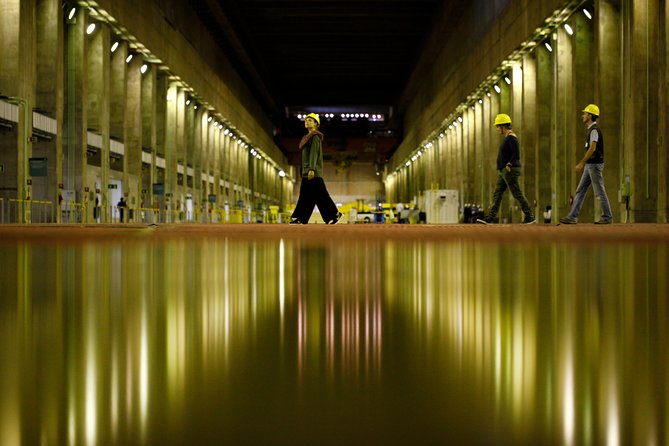
- Seven-part technical route: The visit covers the spillway, viewpoints, dam structure, production building, control room, water outlet channel, and generating-unit gallery.
- Inside access matters: The Special Circuit lets you see working areas that are not part of a simple exterior visit.
- Bilingual introduction: A documentary provides background before you set off by bus.
- Water is provided: Bottled water is available on the tour bus, a small but useful touch in Foz do Iguaçu’s warm climate.
- Plan for about three hours: The route is not a quick photo stop. Allow enough time for the full circuit.
- Book ahead: The experience is commonly reserved around 11 days in advance, and one cancellation account shows why securing the exact visit you want matters.
Why Itaipu deserves more than a roadside photo
Itaipu is easy to admire from the outside. The dam’s scale is the first thing that hits you, but scale alone only tells half the story. The Special Circuit helps you understand the machinery, planning, concrete construction, water flow, and human work behind that vast structure.
This is not designed as a light sightseeing loop with a few quick stops. It is a technical visit. You are shown how the facility is organized and brought closer to the people and systems that keep it operating.
That difference matters. A standard exterior visit can leave you with a grand photograph and little sense of how the project works. The Special Circuit gives you a sequence of connected views, moving from broad observation points toward the internal areas that make the dam function.
The experience also adds a human element. The stated purpose is to get close to the people who work at Itaipu, not just the concrete and water. That makes the visit more useful for anyone interested in engineering, energy, industrial design, or the practical running of a huge public facility.
Other trips out to the dam:
- Itaipu Dam Tour with Admission Ticket from Foz do Iguaçu
★ 4.3 · 155 reviews - Brazilian Falls, Bird Park and Itaipu Dam from Foz do Iguaçu
★ 5.0 · 76 reviews - Itaipu Dam Half-Day Sightseeing Panoramic Tour from Foz do Iguaçu
★ 3.5 · 43 reviews
Starting with the bilingual documentary
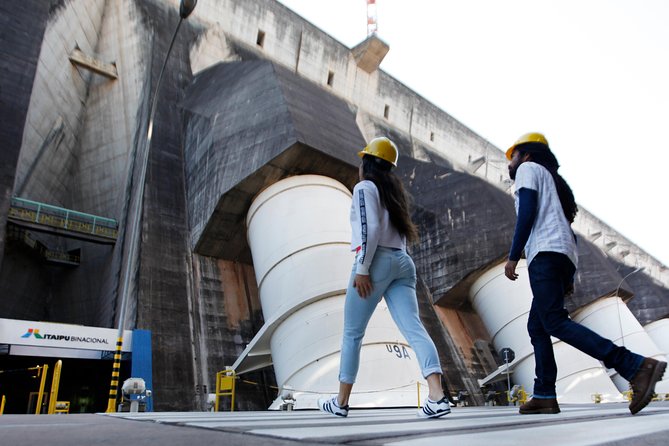
The visit begins with a bilingual documentary about Itaipu. This is a good choice in the schedule because the film gives you a frame for everything that follows.
Without some background, the dam can seem like one enormous wall surrounded by smaller structures. The documentary helps connect the construction story with the present-day operation. You can then look at the spillway, control room, and generating areas with a better idea of how each part fits into the whole.
The bilingual format is especially helpful if you are not comfortable with Portuguese. It does not mean every part of the experience will necessarily be delivered in your preferred language, so you should confirm language arrangements when booking if that is important to you.
I would pay attention during this opening instead of treating it as a waiting period. Once the bus begins moving, the information will make more sense because you have already seen the broad outline of the project.
The bus ride and the seven-stage route
After the documentary, a bus takes you through the remainder of the visit. Bottled water is provided on the bus, and that is worth noting because the route involves several stops and may require time outdoors.
The itinerary is divided into seven stages. That structure gives the visit a clear rhythm, although the experience is more about observing and understanding than physical activity.
1. Spillway viewpoint
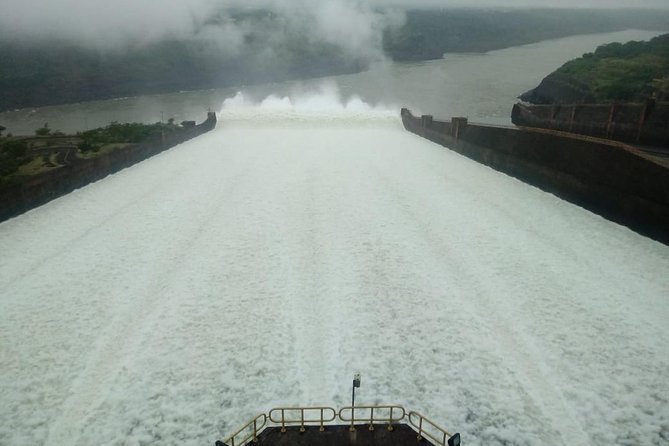
The spillway viewpoint is your first major look at the dam’s water-management system. This is where you can begin to appreciate the relationship between the reservoir, the concrete structures, and the controlled release of water.
The word viewpoint can sound modest, but at Itaipu it carries real weight. The project’s scale is difficult to judge from one angle, and this stop gives you a useful first read of its size.
The exact appearance of the spillway will depend on operating conditions. You should not assume that the water display will look the same on every visit. The value of this stop is the chance to see the structure that manages water flow as part of the larger power system.
A few more Foz do Iguacu days to weigh up
- Iguazu Falls: Full-Day Tour of Brazil & Argentina Sides
★ 4.9 · 1,542 reviews - Full Day Iguassu Falls Both Sides – Brazil and Argentina
★ 5.0 · 494 reviews - Guided Expedition with Canoeing and Waterfalls in Iguaçu
★ 5.0 · 393 reviews - From Foz do Iguazu: Brazil Iguazu Falls & Macuco Safari Boat
★ 4.7 · 358 reviews
2. Central viewpoint
The central viewpoint gives you another broad look at the complex. Having two viewing points helps prevent the visit from becoming a single static stop.
Here, you can compare the shape and scale of different parts of Itaipu and better understand how the facility spreads across the site. This is also one of the places where the project’s size becomes especially clear.
I would use these early stops to get your bearings before the tour moves into more technical areas. The views provide the big picture, while the later stages explain what happens inside that picture.
3. Concrete dam
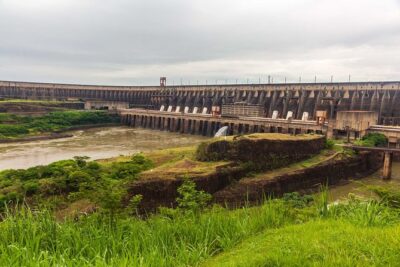
The concrete dam is the physical core of the experience. It is one thing to see the structure from a distance and another to examine it as an engineered system.
This stop helps you focus on the material itself. Concrete is not just a surface here. It forms the immense structure that holds, directs, and controls the water needed for power production.
For many people, this is where the visit becomes more than sightseeing. You start thinking about the planning and labor required to create a project of this size. The dam is impressive in photographs, but proximity gives it a stronger sense of weight and purpose.
4. Production building and the cathedrals
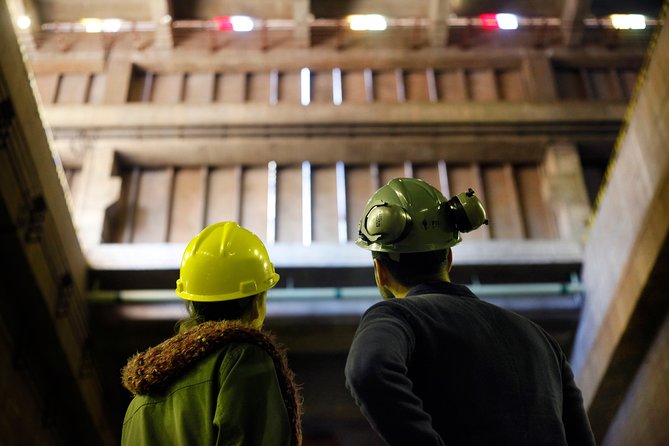
The production building is visited for views of the cathedrals. The name suggests the dramatic interior scale of the generating spaces, and this is one of the stops most likely to make the visit memorable.
The comparison to cathedrals is useful because it communicates height and volume better than a simple measurement. You are looking at industrial architecture designed around enormous machines, yet the space can produce the same feeling of awe as a grand religious building.
This is also where the Special Circuit earns its higher level of access. You are not merely looking at Itaipu from a scenic overlook. You are being shown the spaces connected to its production work.
5. Central Control Room
The Central Control Room brings the technical side into focus. This is where the operation of a complex power facility becomes a matter of monitoring, coordination, and decisions.
The stop is valuable because it shifts your attention from concrete and water to people and systems. Itaipu is not only a huge structure. It also depends on organized human work and careful control.
Access to an operating control room can be affected by security, safety, or operational needs. The itinerary identifies it as part of the route, but you should allow for changes if the facility must adjust the program.
6. Water outlet channel
The water outlet channel shows what happens after water has passed through the power-generating system. It adds another useful piece to the sequence, helping you follow the movement of water through Itaipu.
This stop may be less immediately dramatic than the central viewpoint or production building, but it is important for understanding the full process. It connects the intake and generating areas with the water’s return route.
I like that the Special Circuit includes this kind of infrastructure. It is easy for a tour to focus only on the biggest views and skip the practical details. Here, the route gives you a more complete picture of how the facility handles water.
7. Gallery of generating units
The gallery of generating units is the final major stage and one of the strongest reasons to choose this circuit. It brings you close to the equipment responsible for converting water power into electricity.
The scale of the machinery is the point. You may not need an engineering degree to understand why this area matters. Seeing the generating units in their working environment makes the earlier viewpoints and control-room visit easier to connect.
This is also the part most likely to satisfy anyone who wants to go inside Itaipu rather than simply look at it. The experience becomes more physical and immediate when you are near the machinery itself.
What the Special Circuit does better than a basic visit
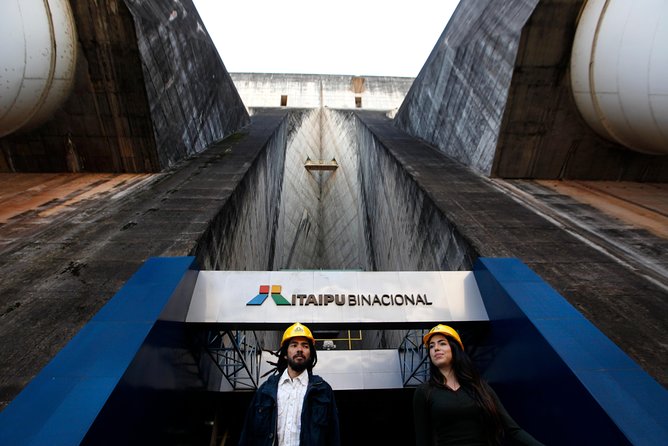
The strongest feature is access. The route goes beyond the outside views and includes internal areas tied directly to Itaipu’s operation.
That extra access changes the tone of the visit. You are not simply stopping for photos at a famous structure. You are following a guided technical path through the facility, from its public-facing viewpoints to its working areas.
The organization also appears to be a strong point. The documentary, bus transfer, and seven-stage route give the experience a logical order. The bus reduces the need to navigate the large site on your own, and the water provided onboard is practical.
The guides at Itaipu are an important part of this. The experience is built around explanations, not just transport. One particularly useful detail from the available feedback is praise for the Itaipu guides and the efficient organization of the tour. That matches what this kind of visit needs: clear timing, sensible movement through the complex, and explanations that make a large technical site easier to follow.
The limitations you should weigh
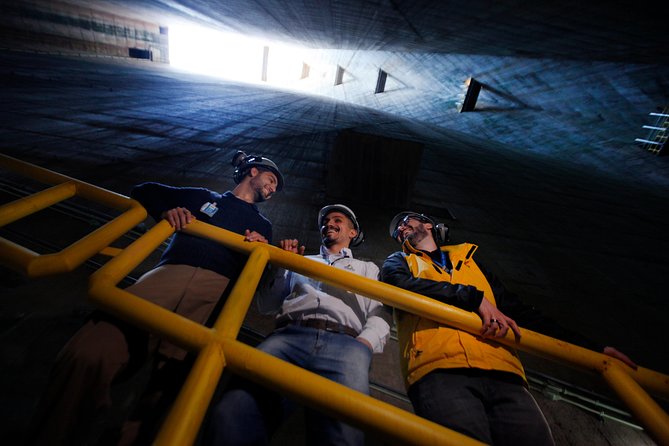
The biggest limitation is that the Special Circuit is not entirely within your control. One booking was canceled the day before, with the person receiving a bus tour of the dam instead. That replacement may be worthwhile for some people, but it is not equivalent if your main goal is to enter the facility.
This matters even more if you are making a long international trip. A person coming from France, for example, may not have the option of simply returning another day. If the interior visit is central to your plans, confirm the status of the circuit close to the date and keep your schedule flexible where possible.
The experience also requires good weather and a minimum number of participants. If it is canceled for either reason, the stated options are a different date, another experience, or a full refund. That policy is fair, but the disruption can still matter when your Foz do Iguaçu schedule is tight.
Another consideration is the lack of included transportation. You need to arrange your own way to the Itaipu location. Personal expenses are also excluded, and no brunch or other meal is provided.
The route lasts about two to three hours, so it is not an all-day commitment. Still, you should not arrive expecting a quick stop that leaves most of your day free. Add time for getting to the site and for any delays connected with group movement.
Is $66.70 a fair price?
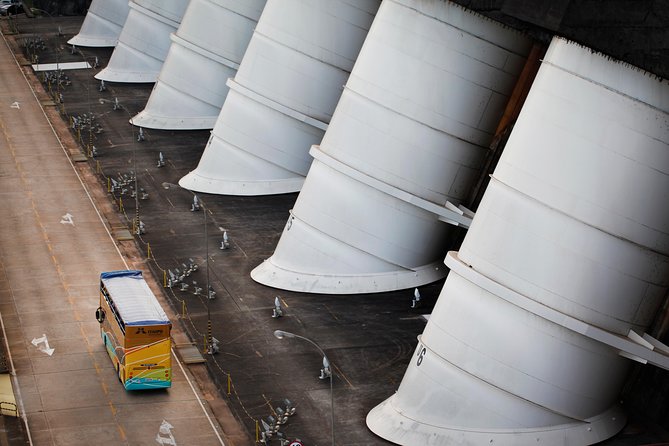
At $66.70 per person, this is not the cheapest way to see Itaipu. The value depends on what you want from the visit.
If you only need an exterior view and a few photographs, the price may feel high. You are paying for more than a lookout. The ticket includes the Special Circuit, internal access, the documentary, the bus route, and the organized sequence of technical stops.
I think the price makes more sense for you if Itaipu is a major reason for visiting Foz do Iguaçu. The production building, Central Control Room, water outlet channel, and generating-unit gallery add substance that a simple panorama cannot provide.
The bottled water is a minor benefit, not a reason to book. The real value is the access and the chance to see how the facility operates from several angles.
Because the tour is commonly booked about 11 days ahead, I would not leave it until the last minute if the Special Circuit is important to you. Booking early also gives you more time to deal with any change in schedule.
Who will enjoy this technical visit most?
I would recommend it most strongly to:
- People fascinated by engineering and large infrastructure
- Anyone who wants to understand how a hydroelectric facility works
- Visitors who prefer organized access to a major site
- Families or groups interested in industrial technology
- People who have already seen Itaipu from outside and want more
- Anyone who values the construction story as much as the view
It may be less satisfying if you want a relaxed scenic outing with no technical explanation. The documentary, control-room stop, and generating-unit gallery give the experience a serious purpose.
Most people can participate, according to the available information. The tour is near public transportation, but transportation to the location is not included, so you still need to plan that part yourself.
The stated operating period runs from December 1, 2025, through November 30, 2026, with visits listed Monday through Sunday from 9:00 a.m. to 4:00 p.m. Confirm the time shown for your chosen date, since the experience can be affected by weather and operational needs.
Should you book the Itaipu Special Circuit?
Yes, if you want the inside story of Itaipu. The exterior viewpoints show the size of the project, but the production building, control room, outlet channel, and generating-unit gallery explain why it matters.
I would book this for a technically curious day in Foz do Iguaçu, especially if you can reserve ahead and keep some flexibility in your plans. I would hesitate only if transportation is difficult, your schedule cannot absorb a change, or you want nothing more than a quick scenic stop.
The best tip is simple: reserve early and verify the circuit close to your date. If the interior route operates as planned, the extra access makes this a far more rewarding visit than a standard bus ride around the dam.
FAQ
Where does the Itaipu Special Circuit take place?
The experience takes place at Itaipu Dam in Foz do Iguaçu, Brazil.
How long does the visit last?
The visit lasts approximately two to three hours.
What is included in the price?
The price includes the Itaipu Special Circuit ticket and bottled water on the bus.
Is transportation to Itaipu included?
No. Transportation to the location is not included.
Are meals included?
No meals are included. Brunch is specifically excluded, and you must cover your own personal expenses.
What are the operating hours?
The listed operating hours are Monday through Sunday from 9:00 a.m. to 4:00 p.m.
What dates is the experience available?
The stated operating period is December 1, 2025, through November 30, 2026.
Is the tour available in more than one language?
The visit begins with a bilingual documentary about Itaipu. The provided information does not specify the language arrangement for every part of the tour.
Is bottled water provided?
Yes. Bottled water is available on the tour bus.
Can I cancel for a full refund?
Yes, if you cancel at least 24 hours before the experience start time. Cancellations made less than 24 hours in advance are not refunded, and changes within that period are not accepted. If poor weather or an insufficient number of participants causes the experience to be canceled, you are offered another date, another experience, or a full refund.
Newest reviews from around Foz do Iguacu
- Yoga & Mindfulness★ 5.0 · 14 reviews
- Dreams Park Show – Combo of all attractions! Amazing!★ 4.0 · 17 reviews
- Visit to the historical Landmark of the Three Frontiers with beautiful sunset★ 4.5 · 7 reviews
- Iguazu Falls: Private Half-Day Tour Brasilian side★ 5.0 · 29 reviews
- Iguazu Falls TwoDaytour(Brazil+Argentina(Private Solo/Group Solo)★ 5.0 · 8 reviews
- Iguazú Falls Private Tour in 2 days, Both Brazil/Argentina★ 5.0 · 44 reviews
- Iguaçu Bird and Waterfall Park★ 4.5 · 20 reviews
- Private transport with guide to the Falls on the Argentinean side.★ 5.0 · 35 reviews
Itaipu Dam Tours, compared.
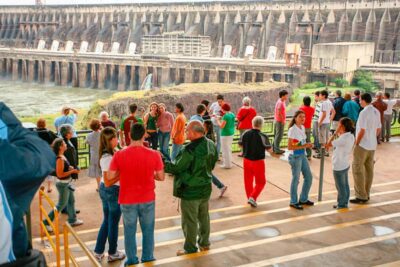
Itaipu Dam Tour with Admission Ticket from Foz do Iguaçu
Read our review →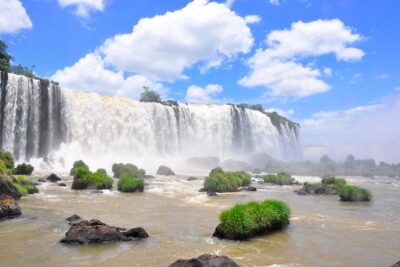
Brazilian Falls, Bird Park and Itaipu Dam from Foz do Iguaçu
Read our review →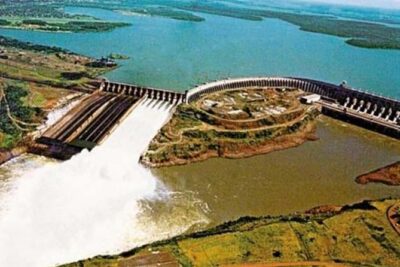
Itaipu Dam Half-Day Sightseeing Panoramic Tour from Foz do Iguaçu
Read our review →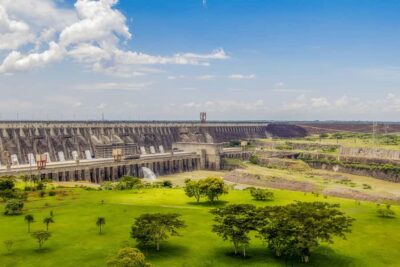
From Puerto Iguazu: Itaipu Dam Tour with Entrance Ticket
Read our review →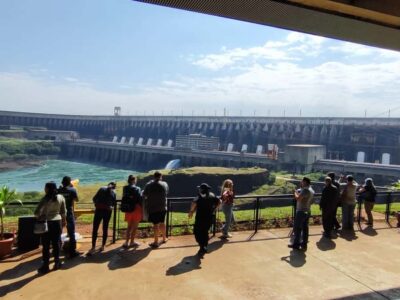
Brazilian Falls, Parque das Aves and Itaipu, hotels in Brazil
Read our review →
From Argentina: Iguazu Falls Brazil Side & Itaipu Dam
Read our review →Browse the lists this tour appears in